Madeira in January: Mild Winter Sun, Rain and Short Days
Madeira in January brings mild days, the year's wettest weather and quiet trails. See typical temperatures, rain and daylight before you book a winter trip.
On this page
January on Madeira is the island's coolest, wettest month, and that is precisely why it suits travelers who want mild air, empty trails and low-season calm rather than beach weather. Daytime temperatures on the south coast sit in the mid-teens Celsius, the sea is bracing, and the mountains can be cold enough for a jacket and a hat. If you are choosing between winter months, it helps to see how January fits into the wider picture of Madeira in winter before you commit.
The trade-off is rain and short daylight. January is the wettest month of the year, with roughly 108 mm falling across about 13 rainy days and only around five hours of sunshine a day, according to Thomas Cook's climate summary. That still leaves plenty of dry, bright hours for levada walks and coastal strolls, provided you build slack into the plan and keep a wet-weather option in reserve.
January weather: average high and low, rain and sunshine
Typical January conditions are mild by European standards but not warm. Thomas Cook gives an average high of 18°C (64°F) and a night-time low of 10°C (50°F), with about five hours of sunshine a day and moderate UV levels. Treat these as long-term averages rather than a forecast; a single week can run warmer, cooler or much wetter than the monthly norm.
Rain is the defining feature of the month, and it is unevenly distributed. Responsible Travel notes that November to February are the rainiest months, with January among the wettest, while Thomas Cook puts rainfall at around 108 mm over roughly 13 rainy days. That means rain tends to arrive in spells rather than all at once, so a week's stay usually includes several clear days for hiking and viewpoints.
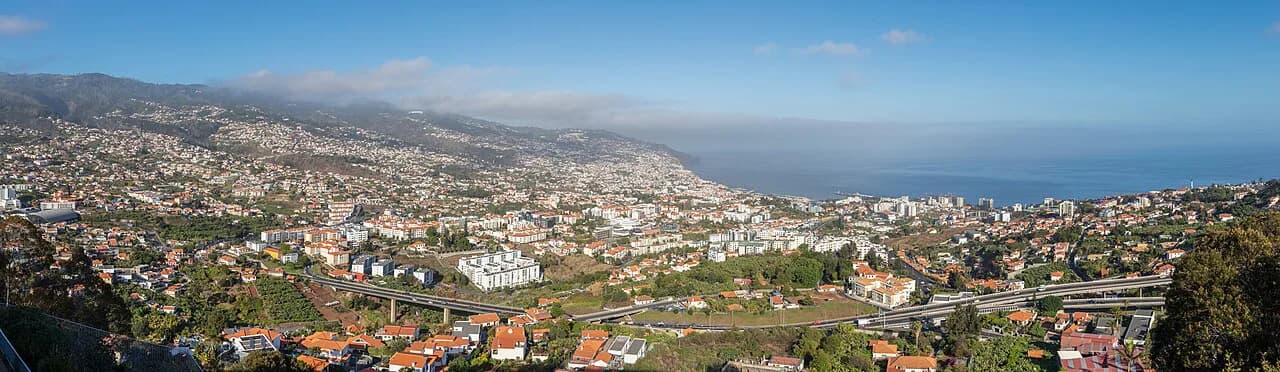
In practice, the south coast below the mountains is the warmest and driest part of the island, sheltered by the central ridge. Plan the big outdoor day for a clear morning, keep the afternoon for Funchal's museums, markets and covered streets, and you will rarely lose a full day to weather.
Sea temperature and swimming in January
The Atlantic around Madeira is at its coldest in January, with an average sea temperature of about 19°C (66°F), per Thomas Cook. That is cold enough to feel bracing for most swimmers, though it is warmer than the sea off most of mainland Europe at the same time of year. Locals take their first sea swims of the year in January, but a short plunge is more realistic than a long beach day.
The bigger constraint is the weather rather than the water. Winter swells and rain showers can make natural pools and rocky swimming spots unpleasant or unsafe, so check conditions on the day and favor sheltered spots on the south coast. If you want to see how the sea and air warm up as the season turns, the Atlantic Ocean and coastal conditions improve noticeably by the time of Madeira in February.
Daylight and how short the days feel
January days are short but not bleak. Thomas Cook records around ten hours of daylight with about five hours of sunshine and a sunset near 6:30 pm in January, though the exact time shifts slightly across the month. Because Madeira sits far west in its time zone, mornings stay dark later than you might expect, so a 9 am start to a hike often means walking in low light.
For practical planning, aim to be at high viewpoints such as Pico do Arieiro by mid-morning and finish exposed ridge walks well before late afternoon cloud and darkness arrive. The short days also make a car useful: driving between trailheads and towns eats into daylight, so cluster activities by area rather than zig-zagging across the island.
Funchal and the south coast versus the wetter north
Madeira's mountains create sharp microclimates. Funchal and the south coast sit in the rain shadow of the central ridge and are typically warmer and drier, which makes them the sensible base for a January trip. The north and northeast tend to be windier and wetter, as Responsible Travel notes, so if you want to explore São Vicente or the north coast, give yourself extra days rather than squeezing it into a single outing.
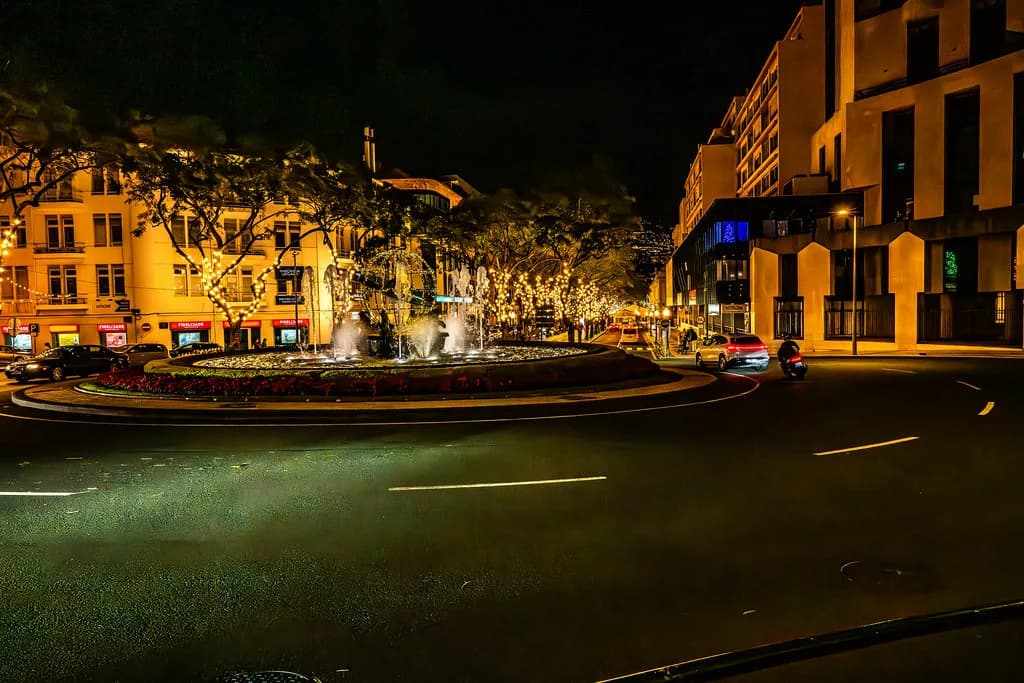
Funchal itself stays lively through the winter. The old town's painted doors, the seafront promenade and the covered Mercado dos Lavradores give you dry options when showers roll through, and the compact center is easy to walk even in a drizzle.
If you are weighing the shoulder months, the south coast's sheltered character holds through the season: Madeira in March brings the same mild, green landscapes with longer days and less rain. January rewards travelers who accept that the island is at its greenest and least crowded, not at its driest.
Mountains and viewpoints in winter: Pico do Arieiro and Cabo Girão
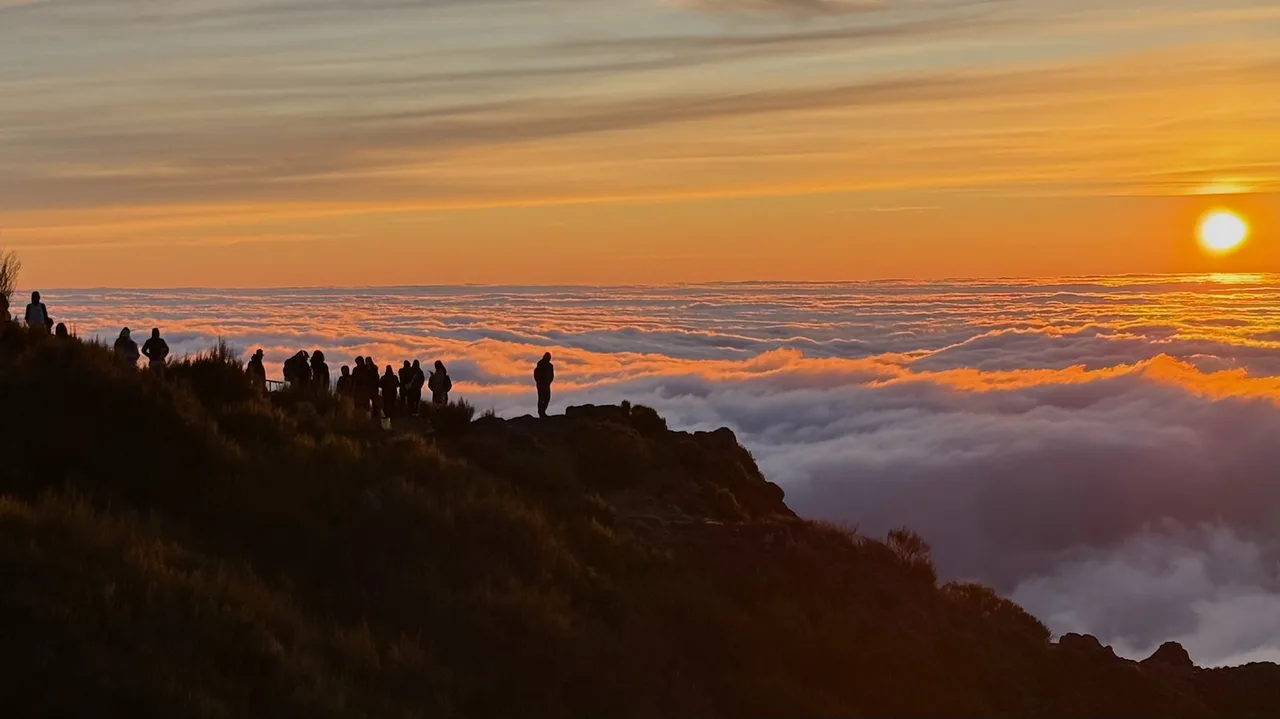
The high peaks are a different climate from the coast. Pico do Arieiro sits at more than 1,800 m, and temperatures there can drop sharply, with cloud, wind and occasional snow dusting the summits even when Funchal basks. Witness accounts from January describe the temperature falling from around 20°C on the coast to 11°C at the summit, so carry layers even if you leave town in a T-shirt.
Visibility is the other variable. On clear days the Pico do Arieiro to Pico Ruivo ridge walk delivers the island's most spectacular scenery, but cloud can close in within an hour and parking at the trailhead fills up when the weather is good. Start early, and if the forecast for the peaks looks doubtful, switch to a lower levada walk instead of driving up into the murk.
Nearer sea level, Cabo Girão's glass-floored viewing platform is an easy stop on a coastal drive and is less weather-dependent than the summits. For the full picture of when snow can fall and where, Does It Snow in Madeira? Where and When Snow Falls is worth reading before you build a mountain day into your plans.
New Year's Eve fireworks in Funchal Bay and the first days of January
Funchal's New Year's Eve fireworks are the island's biggest winter event, launched across the bay and drawing crowds from across Europe for the 31 December show. Responsible Travel describes the display as one of the world's best and notes that it set a record in 2006 for the largest pyrotechnic show. New Year's Day 2027 falls on a Friday, which stretches the holiday period into a long weekend and makes accommodation in Funchal especially tight around 31 December.
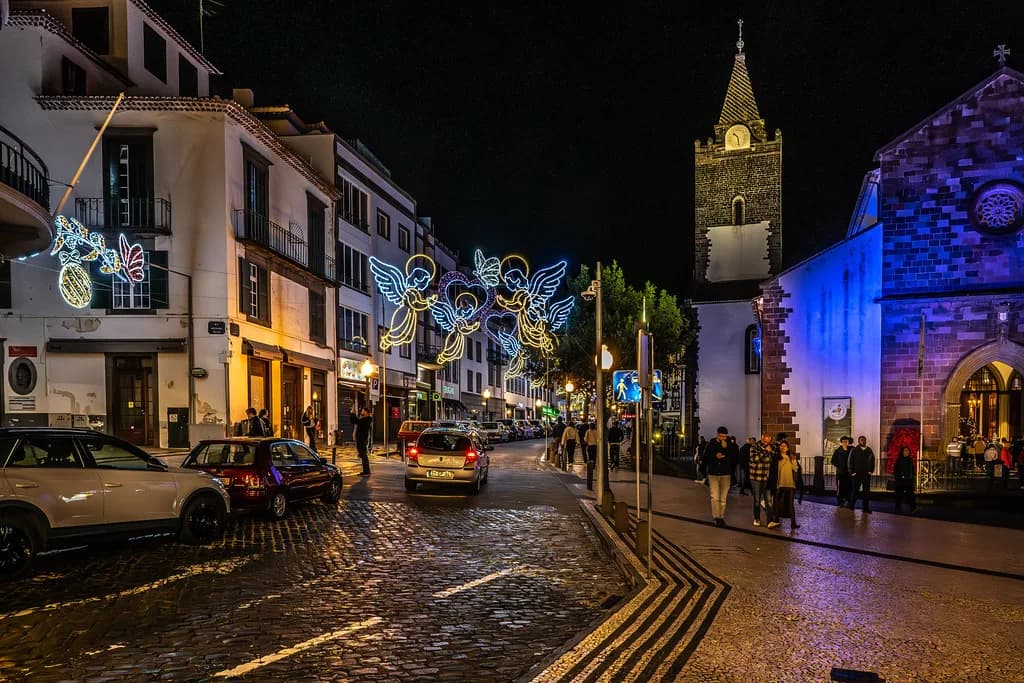
The first days of January bring a noticeable shift. The fireworks crowds leave, decorations linger in Funchal and smaller towns like Machico for a few weeks, and the island settles into its quietest period of the year. If you want the celebration, book early; if you want solitude, arrive after 2 January and you will have trails and restaurants largely to yourself.
What is open in January: gardens, museums, levada walks and toboggans
Madeira does not shut down for winter. The famous levada walks, including the popular routes around Rabacal and Ribeiro Frio, run year-round, and winter's heavier rain means fuller waterfalls and greener valleys than in summer. Funchal's gardens and the Monte cable car operate through the season, though high winds can suspend the cable car on some days, so have a plan B.
The island's museums, wine lodges and the Mercado dos Lavradores market stay open through January, giving you indoor options on the wettest days. The traditional wicker toboggans in Funchal are another year-round institution, though they are best treated as a dry-day activity rather than a rainy one.
Beaches and beach clubs are quieter and many sea-based services scale back, while the mountains and levadas are the main draw. For a sense of what the following month adds — Carnival parades and slightly warmer days — see Madeira in February. If you want to weigh Madeira against a mainland winter escape where the trade-offs are milder but the crowds heavier, Portugal in January covers the same decision.
Things to do in January: food, wine and rainy-day options in Funchal
January is a good month for eating and drinking your way around Funchal. The Mercado dos Lavradores is at its most local when cruise crowds are absent, and the city's wine lodges offer tastings of Madeira's fortified wines, a warming indoors activity on a wet afternoon. The traditional espetada skewers and bolo do caco flatbread are winter comfort food eaten in the city's older restaurants.
For dry days, the coastal walk from Funchal toward Camara de Lobos and the cliffside viewpoints above the city are rewarding without a long drive. Funchal Old Town's narrow lanes and painted doors make an easy half-day of wandering, with cafés to duck into when showers pass through.
If you want to compare the atmosphere with the holiday buildup, Madeira in December describes the Christmas lights and festivities, while January is the calmer, post-festive version of the same island. Either way, the emphasis in winter is on landscape, food and walking rather than beaches.
Day trips that work in winter
Madeira is small enough that most of the island is a day trip from Funchal. The classic winter day is a circuit of the eastern peninsula to Pico do Arieiro, Ribeiro Frio and the north coast, or a western loop to Cabo Girão and the cliffs above Ribeira Brava. Both depend on the weather, so pick your route on the morning based on where the cloud sits.
The north coast towns of São Vicente and Porto Moniz are worth a visit, though their natural lava pools can be closed or rough in winter swells, so treat them as scenic stops rather than guaranteed swims. Whale and dolphin watching trips are weather-dependent in January and some operators run reduced schedules, so book through a local operator who can confirm conditions on the day.
Crowds, prices and the post-holiday lull
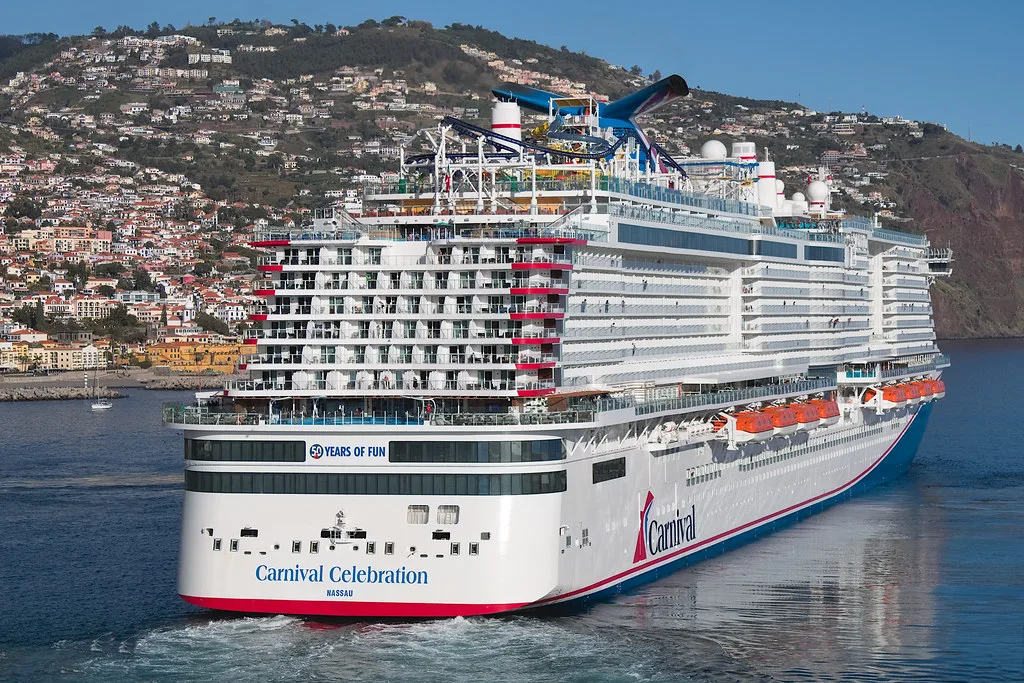
Crowds in Madeira in January split into two phases. The New Year's Eve period is the island's busiest of the winter, with Funchal hotels filling and fireworks-night traffic jams a known feature, while the rest of January is one of the quietest months of the year. Cruise ships still call at Funchal, but not in summer numbers, and trailheads are far emptier than in spring or summer.
Prices generally sit at their lowest outside the New Year's window, which is why January appeals to travelers who want value without the summer heat. The trade-off is rain and short days, so the best value comes from a flexible itinerary that can swap a mountain day for a Funchal day when the forecast changes.
Who should visit in January and who should wait
January suits walkers, photographers and travelers who value quiet over guaranteed sunshine. The levadas are at their most dramatic with winter water, Funchal is comfortable for wandering, and the low season keeps costs and crowds down. It is a poor fit for anyone hoping for beach weather, reliable summit views or long, warm evenings.
If your priority is a warm, dry holiday, later spring is better: Madeira in March brings longer days and less rain, and May is often cited as the island's best month for flowers and walking. If you want the winter escape but with a bit more warmth and Carnival on the calendar, February is the month to aim for.
Plan Your January Trip
January on Madeira is a winter trip for people who want mild air, green mountains and empty trails, not a beach holiday. Expect average highs around 18°C, a cool sea, roughly a dozen rainy days and short afternoons, and plan around the south coast's shelter while treating the high peaks as a separate, colder climate.
The practical approach is to book outside the New Year's Eve window if you want calm, keep one flexible day for a wet-weather alternative in Funchal, and start hikes early to use the limited daylight. If you want the island with more warmth and a festival atmosphere, look at February or March instead.
Explore more Madeira winter guides
Frequently Asked Questions
What is the weather like in Madeira in January?
January is Madeira's coolest and wettest month. Typical daytime highs are around 18°C (64°F) with night-time lows near 10°C (50°F), roughly 108 mm of rain over about 13 rainy days and around five hours of sunshine a day. The high mountains are noticeably colder and can be cloudy or snowy even when the coast is mild.
Is Madeira warm enough to swim in January?
The sea averages about 19°C (66°F) in January, which is bracing for most swimmers. Locals do take winter dips, but a long beach day is unrealistic; treat swimming as a short plunge on a calm, sunny day and check conditions locally.
Is January a good time to visit Madeira?
It is a good time for walkers, photographers and travelers who prefer quiet trails and low-season prices. It is less suitable for anyone wanting beach weather, reliable views from the high peaks or long, warm evenings, since rain and short days are common.
How many rainy days does Madeira get in January?
Climate summaries put January at roughly 13 rainy days, with about 108 mm of rain across the month. Rain tends to come in spells rather than persistent drizzle, so most weeks include several dry days for hiking and sightseeing.
What is there to do in Madeira in January?
Levada walks, mountain viewpoints such as Pico do Arieiro and Cabo Girão, Funchal's old town and market, wine tastings and coastal drives are the main draws. The wicker toboggans and cable car run year-round but are best on dry days. The New Year's Eve fireworks in Funchal Bay are the biggest event of the month.
Is it worth going to Madeira for New Year's Eve?
Funchal's New Year's Eve fireworks are among the biggest in the world and draw crowds from across Europe. Expect high demand for accommodation and heavy traffic around the bay on the night, and book well ahead if you want to be in the city for 31 December.
Do you need winter clothes in Madeira in January?
Bring layers. The coast is mild by day but cooler at night, and the high peaks can be cold, windy and occasionally snowy. A waterproof jacket and warm mid-layer are more useful than heavy winter clothing for most trips.
Sources
Winter travel notes
Optional updates when we add or revise winter guides.
You might also like
Continue reading
More guides you'll find useful