Madeira in November: Mild Winter Sun, Rain and What's Open
Madeira in November brings mild days, a warm sea and about a dozen wet days. See typical temperatures, daylight, what stays open and who it suits.
On this page
November on Madeira sits in a comfortable middle: warm enough for a T-shirt on the south coast, cool enough that walking the levadas is pleasant rather than punishing, and quiet enough that Funchal's seafront does not feel like a cruise terminal at peak hour. It is a month for travelers who want winter sun without the heat of summer, and who accept that a few wet days come with the package.
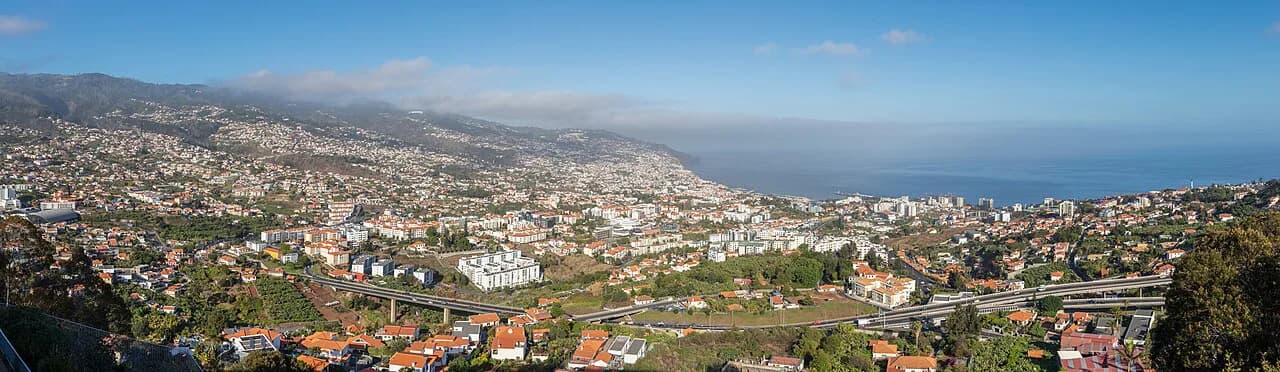
The island's geography matters more in November than in any other month. The mountains block the north-easterly winds, so the south and west around Funchal tend to be the driest and brightest corners, while the north-east takes more wind and rain. Two visitors staying a 40-minute drive apart can describe completely different weather on the same day.
What November Feels Like and Who It Suits
November is the island's transition month, and it behaves like one. You can breakfast in sunshine on a Funchal balcony, watch cloud pile up against the peaks by mid-afternoon, and be back in short sleeves for dinner. Travelers who need guaranteed blue sky every day should look at summer instead; travelers who want mild air, green landscapes and room to move will find November generous.
This is also the point in the year when Madeira starts to feel like a winter destination rather than a summer one. Hotel rates and crowds ease before the Christmas and New Year rush, and the island's walking season is still in full swing. For a wider view of how the island changes from one month to the next, the Madeira in winter overview sets out the season as a whole.
November Weather: Temperatures, Rain and Sunshine
Expect typical November daytime highs of about 21°C (70°F) and nighttime lows near 13°C (55°F), with roughly 90 mm of rain spread across about 12 days. Those are long-term averages rather than a forecast, and they hide the useful detail: on the dry days the south coast can feel considerably warmer than the numbers suggest. The sea sits around 21°C (70°F) as well, and humidity averages about 73 percent.
Sunshine is the figure most travelers underestimate. November averages about five hours of sun a day out of roughly ten hours of daylight, with sunset just after 6pm. That is enough for a full morning outdoors and a comfortable afternoon, but it rewards planning rather than improvisation.
Rainfall figures vary depending on which dataset you read, and the difference is instructive rather than contradictory. One long-term climate chart gives November an average high of 18°C (64°F), a low of 13°C (55°F) and about 110 mm of rain, and notes that November is the island's second-wettest month after January. Treat the range as a reminder that Madeira's microclimates produce genuinely different conditions on the same day.
The practical upshot is that you should plan around weather fronts rather than against them. Keep one flexible day for a coastal drive or a garden visit and swap it in when the mountains are socked in. If you are weighing up whether to come earlier or later, Madeira in December shows what changes once the festive season arrives.
Sea Temperature and Swimming in November
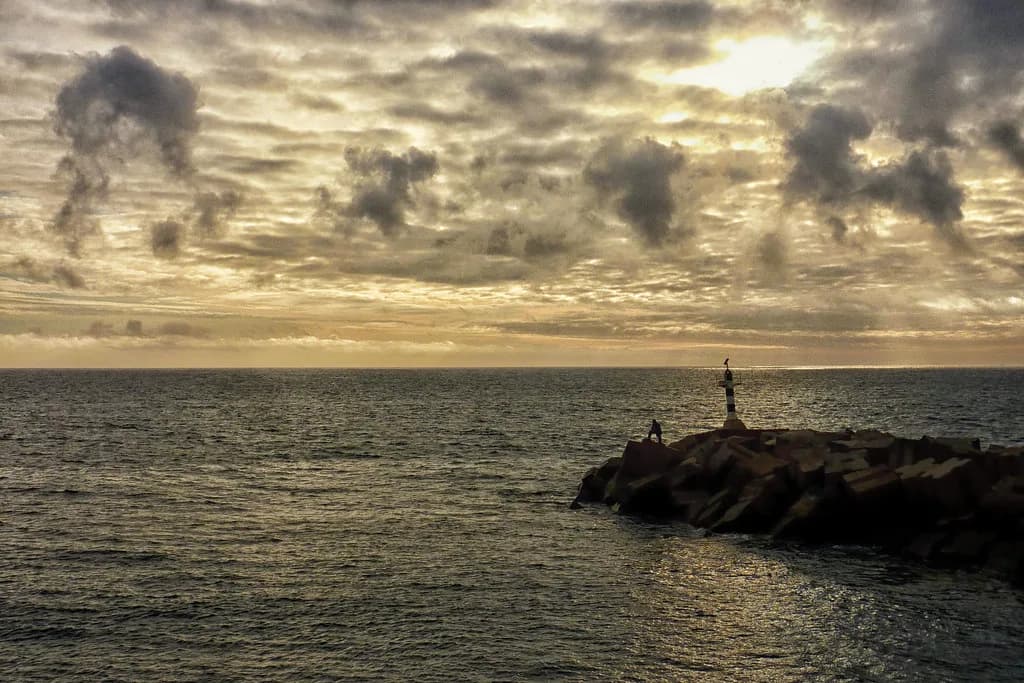
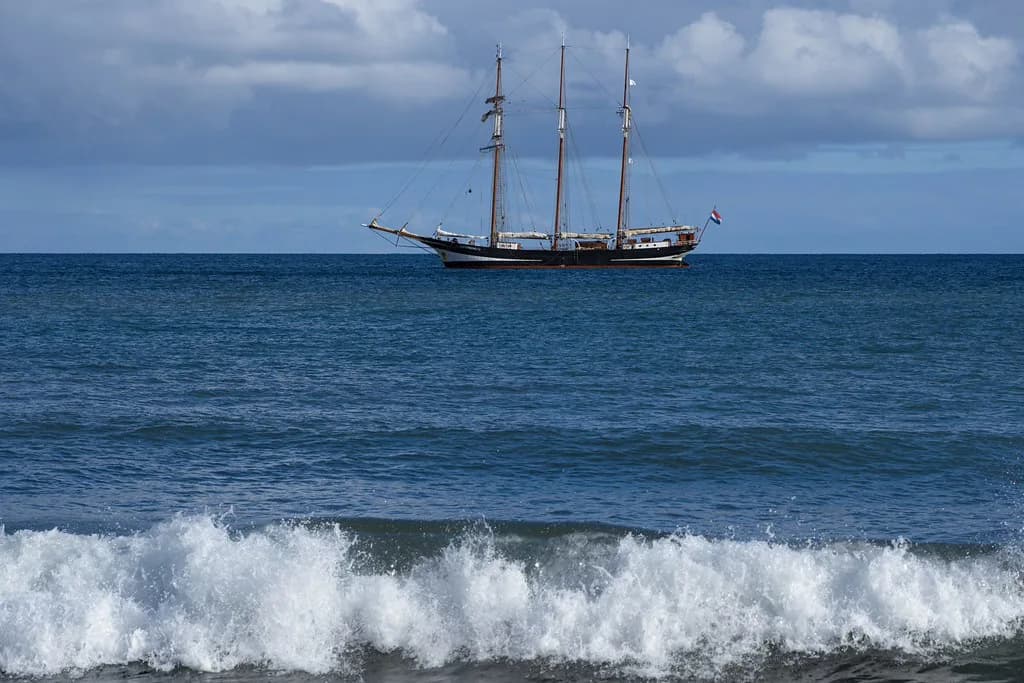
The Atlantic off Madeira cools slowly, and in November it is still around 21°C (70°F), which is warmer than most of the air you will meet in northern Europe. Madeira has little in the way of sandy beaches, so swimming usually means lidos, hotel pools or the volcanic rock pools at Porto Moniz, where man-made basins let seawater in and keep the swell out.
Swimming is realistic on calm, sunny days and less appealing when a front rolls through, so check conditions on the day rather than committing to a beach plan in advance. Ocean swell can make exposed rocks unsafe even when the air is warm.
Daylight and How Short the Days Feel
With roughly ten hours of daylight and sunset just after 6pm in November, Madeira does not have the short, dark afternoons that make northern European cities feel closed in by mid-afternoon. You can reasonably fit a morning walk, a long lunch and an afternoon viewpoint into the same day.
The constraint is cloud rather than clock. When the peaks are covered, the light fades earlier at altitude than it does on the coast, and mountain roads become slower. Plan high-level excursions for the morning and keep low-altitude options in reserve for the afternoon.
What Stays Open in November
Madeira is a year-round island rather than a seasonal resort, so the core sights keep working in November. The cable car from Funchal up to Monte runs, the Monte gardens and the wicker toboggan run remain part of the itinerary, and the Funchal Old Town's alleys, market and cafés operate as normal. Whale and dolphin watching tours, by contrast, wind down during October, so November is not the month to build a trip around them.
Walking operators run Madeira trips all year, and the levada network stays accessible, though mountain conditions can be cold and wet. Some seasonal excursion schedules thin out before Christmas, so it is worth confirming a specific tour with its operator before you build a day around it.
What Is On in November
November is one of the quieter months in Madeira's events calendar. The Flower Festival belongs to spring, the wine harvest festivals to late summer, and Carnival falls in February or early March, ahead of Lent. The island's Christmas markets and festive programme build through December rather than November.
If a fixed event is the reason for your trip, look at the shoulder months instead. The Madeira in February guide covers Carnival season, when Funchal fills with parades and the island books up early.
Things to Do in Funchal
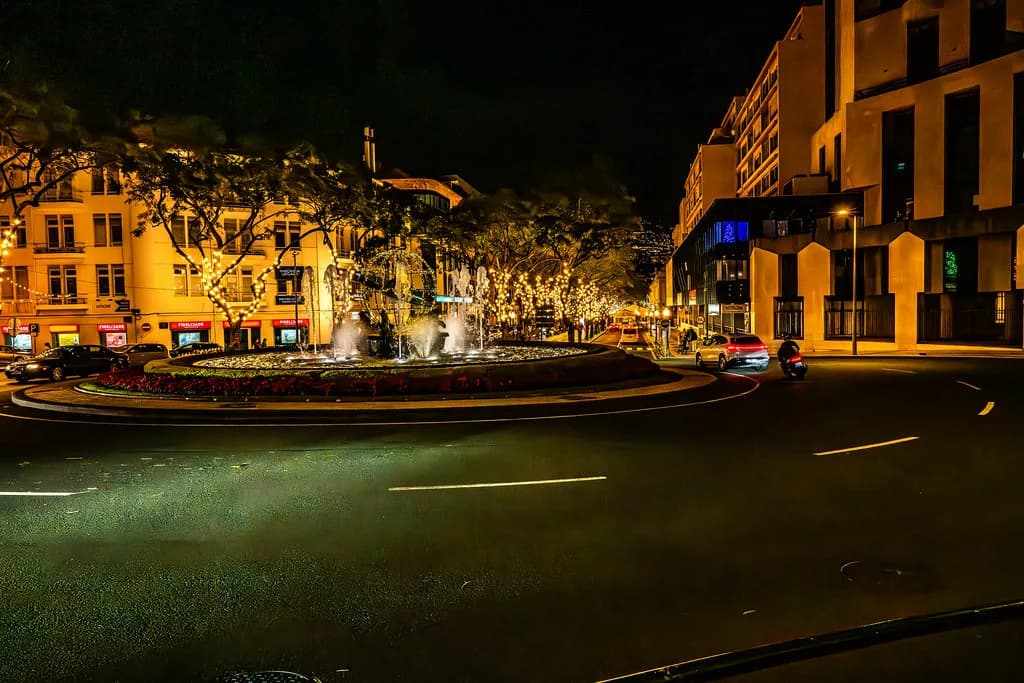
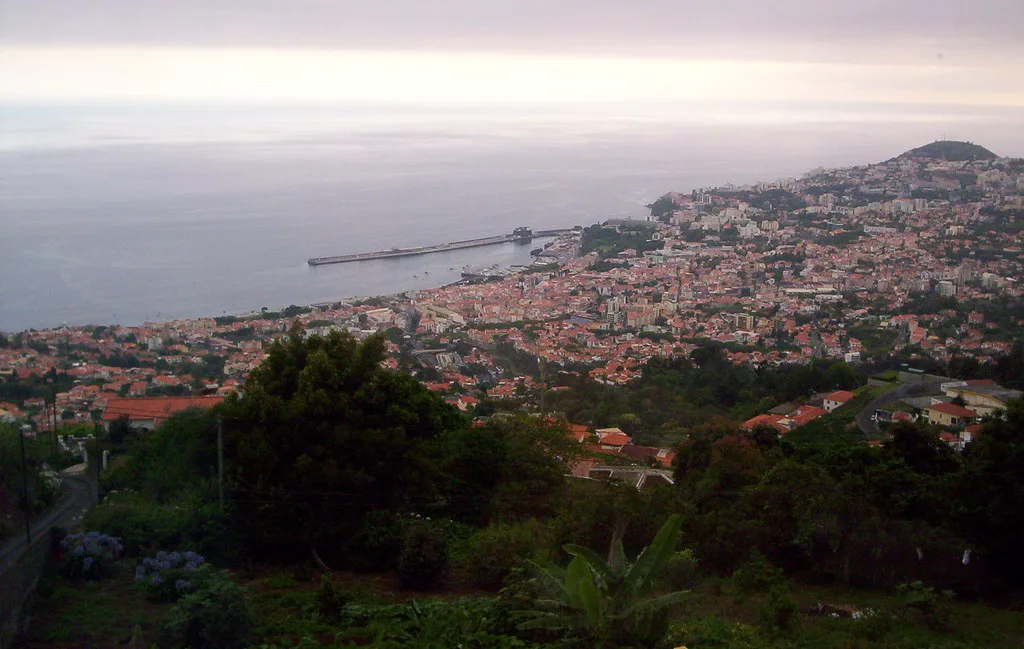
Funchal is the obvious base for wet-weather days because so much of it is indoors or sheltered. The Mercado dos Lavradores is the place to see the island's produce in one room, with passion fruit, exotic flowers and fish on display, and it sits a short walk from the harbour and the old town.
Above the city, the cable car to Monte gives you the panoramic view without the climb, and Monte's public and tropical gardens are worth a couple of hours even when cloud is drifting through. The toboggan run back down is a novelty rather than a bargain, but it is genuinely part of the island's history.
For a different kind of afternoon, the CR7 Museum tells Cristiano Ronaldo's story through more than a hundred trophies, and the island's botanical garden spreads across about eight hectares with thousands of exotic plants. Both work well when the weather turns.
Pico dos Barcelos, on the edge of the city, offers a quick panoramic introduction to Funchal and its mountain backdrop without a long drive. It is a sensible first stop on a short trip.
Things to Do Around the Island
The classic inland half-day is the Nun's Valley, reached via the Eira do Serrado viewpoint, where a green crater opens beneath you. The drive is short enough to fit into a changeable day, and the viewpoint works even when the valley below is partly in cloud.
On the south-west coast, Cabo Girão's glass-floored viewpoint drops away toward the Atlantic, and it is easy to combine with a coastal drive on a clear morning. Because it is exposed, it is one of the first places to feel wind when conditions shift.
For a longer loop, the rock pools and village at Porto Moniz make a natural northern anchor, though the north coast is windier and wetter than the south in November. Build in flexibility: the same drive that is glorious in sunshine can be bleak in rain.
Levada Walks in November
The levadas are Madeira's signature walking, following irrigation channels through laurisilva forest and along cliff faces. November suits them because the air is cool enough to walk comfortably and the vegetation is still green, but the paths can be slippery after rain and some sections run beside exposed drops.
The trade-off is altitude. Walking operators run Madeira trips right through the year, and the levada network stays walkable in November, but high mountain routes can be cold, wet and cloud-covered, so low-level channels beside the coast are usually the safer bet.
Day Trips That Work in November
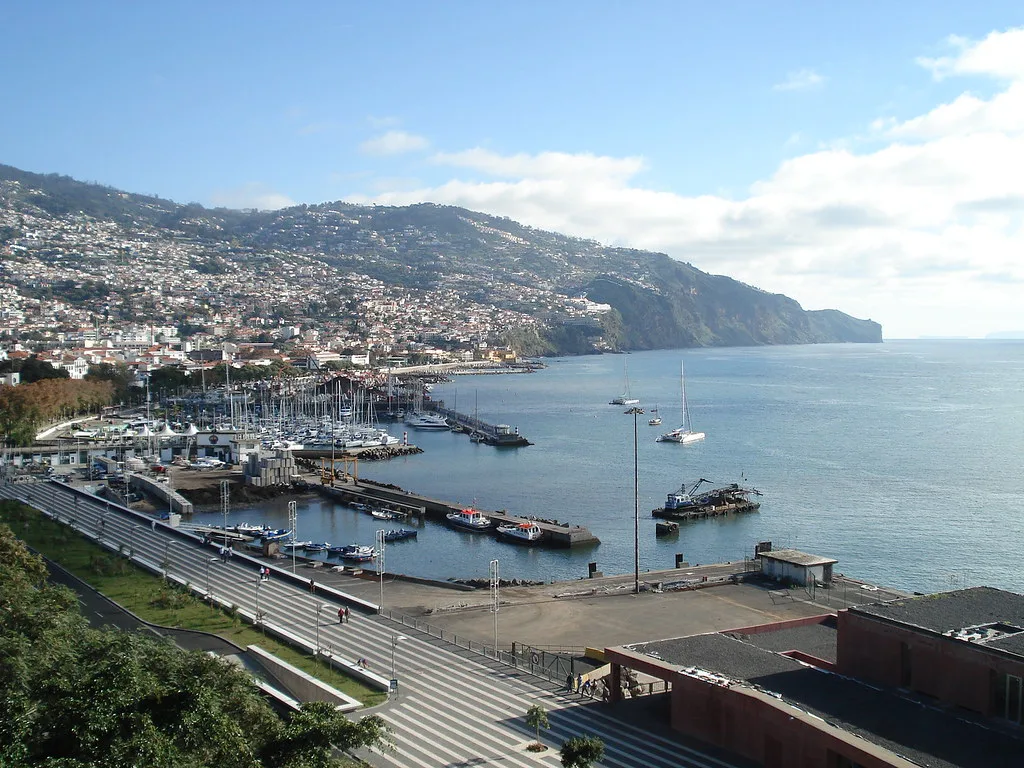
Most November day trips are short drives rather than long excursions: Monte and the gardens, the Nun's Valley, Pico dos Barcelos, Cabo Girão and the south-coast villages all sit within an easy radius of Funchal. Hiring a car gives you the freedom to chase the sunshine from one side of the island to the other.
Guided tours remain an option and take the stress out of mountain roads, but excursion schedules are thinner before the festive season. If you are comparing Madeira with mainland alternatives, Portugal in November sets out how the rest of the country behaves in the same month.
Crowds, Prices and the Trade-offs
November is comfortably quieter than summer and cheaper than the Christmas and New Year period, when Funchal hotels fill up around the famous New Year's Eve fireworks in the bay. You get more space at viewpoints, easier tables at restaurants and a calmer version of the island, in exchange for less certainty about the weather.
The honest trade-offs are rain and cloud. November is one of the wetter months, with roughly a dozen wet days, and the north and mountains take more of it than the south coast. If you cannot tolerate a washed-out day or two, this is not your month.
The festive season changes the calculus further. Christmas markets and New Year celebrations bring atmosphere but also higher demand, so if you want the island's holiday mood rather than its quiet one, plan well ahead.
Who Should Pick Another Month
Choose July or August if you want reliable heat, and spring if flowers and the Flower Festival are the point of the trip. Whale and dolphin watching is best between April and October, so wildlife-focused travelers should avoid November.
If your priority is Madeira's festival calendar, Madeira in March brings spring colour and warmer walking without the summer crowds. If you simply want the mildest possible version of winter sun with fewer people, November delivers.
Plan Your November Trip
November rewards travelers who treat Madeira as an island of microclimates rather than a single weather forecast. Base yourself in Funchal or the sunny south-west, keep one day flexible, and shift between the coast and the mountains according to what the sky is doing.
Book before the festive rush if you want quieter weeks, pack for rain and sun in equal measure, and confirm the specific excursion you care about with its operator. Travelers who need guaranteed sunshine should wait for summer; those who want mild air, green hills and breathing room will find November hard to beat.
Explore more Madeira winter guides
Frequently Asked Questions
Is Madeira worth visiting in November?
For many travelers, yes. November brings typical daytime highs near 21°C (70°F), a sea still around 21°C (70°F), thinner crowds than the Christmas period and a walking season in full swing. The trade-off is roughly a dozen wet days across the month, with the north and mountains catching more rain than the sheltered south coast around Funchal.
How rainy is Madeira in November?
Long-term averages put November rainfall at roughly 90 to 110 mm, spread over about 12 days, and one climate chart ranks it the island's second-wettest month after January. Rain rarely settles in for a whole week, but it can arrive quickly on the peaks. The south and west coast are usually drier and brighter than the north-east.
Can you swim in Madeira in November?
The Atlantic stays mild, typically around 21°C (70°F), so swimming is realistic on calm, sunny days. Madeira has almost no sandy beaches, so most swimming happens in lidos, hotel pools or the rock pools at Porto Moniz on the north coast. Swell can make exposed rocks unsafe even when the air is warm, so judge conditions on the day.
What is there to do in Madeira in November?
Funchal carries most wet-weather options: the Mercado dos Lavradores, the CR7 Museum, the botanical garden and the cable car up to Monte with its gardens and toboggan run. Short drives reach Pico dos Barcelos, the Eira do Serrado viewpoint over the Nun's Valley and Cabo Girão. Levada walks suit the cooler air, though low-level routes are the safer choice when cloud sits on the mountains.
Which month is the best time to visit Madeira?
Spring, especially May, brings flowers, the Flower Festival and comfortable walking temperatures, and April to October is the window for whale and dolphin watching. November trades some weather certainty for quiet viewpoints and easier restaurant tables. Travelers who need guaranteed sunshine should look at July or August instead.
Sources
Winter travel notes
Optional updates when we add or revise winter guides.
You might also like

Continue reading
More guides you'll find useful