Madeira in March: Weather, What's Open and What to Do
Madeira in March brings mild days around 21°C, green levadas and thinner crowds. See typical weather, trail conditions and what suits an early-spring trip.
On this page
March is the month Madeira starts to shake off winter. Funchal sits in the mild, sheltered south, the north coast and high peaks stay wetter and windier, and the island's gardens and laurel forest are at their greenest after months of rain. It suits walkers, garden-lovers and anyone who wants a European break without summer heat or crowds.
Treat any plan as provisional. A sunny morning at sea level can turn into mist and drizzle in the mountains within an hour, and boat trips or high-level trails can be pulled on the day when conditions turn. Build a flexible itinerary with a low-altitude backup for every hike you care about.
Madeira in March at a Glance: Early Spring, Two Coasts
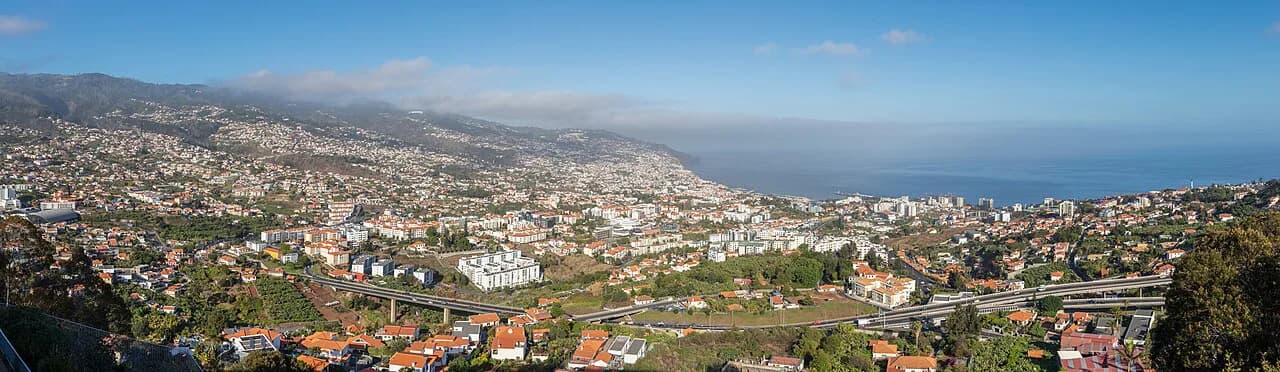
Madeira's climate is subtropical and moderated by the surrounding Atlantic, so seasons differ gently rather than dramatically. March sits in that soft transition, warm on the south coast around Funchal and noticeably cooler and wetter on the north coast and in the central mountains. For a mainland comparison at the same time of year, see our guide to Portugal in March.
The practical consequence is that March is really two destinations in one. Plan coastal walks, gardens and town time for the south, and treat any excursion to Pico do Arieiro, Pico Ruivo or the north-coast trails as weather-dependent rather than fixed.
Rainfall eases through the month but does not stop. March is a better bet than the wettest stretch from October to December, yet showers remain common, heaviest on the north coast and in the highlands, and often short-lived with sunshine somewhere on the island.
Weather in March: Funchal Averages and Mountain Conditions
For Funchal, typical March conditions are an average high near 21°C (69°F) and an average low near 14°C (58°F), based on long-term climate normals. That is warm enough for a jacket-free lunch outdoors and cool enough to hike comfortably, which is the sweet spot March offers on the south coast.
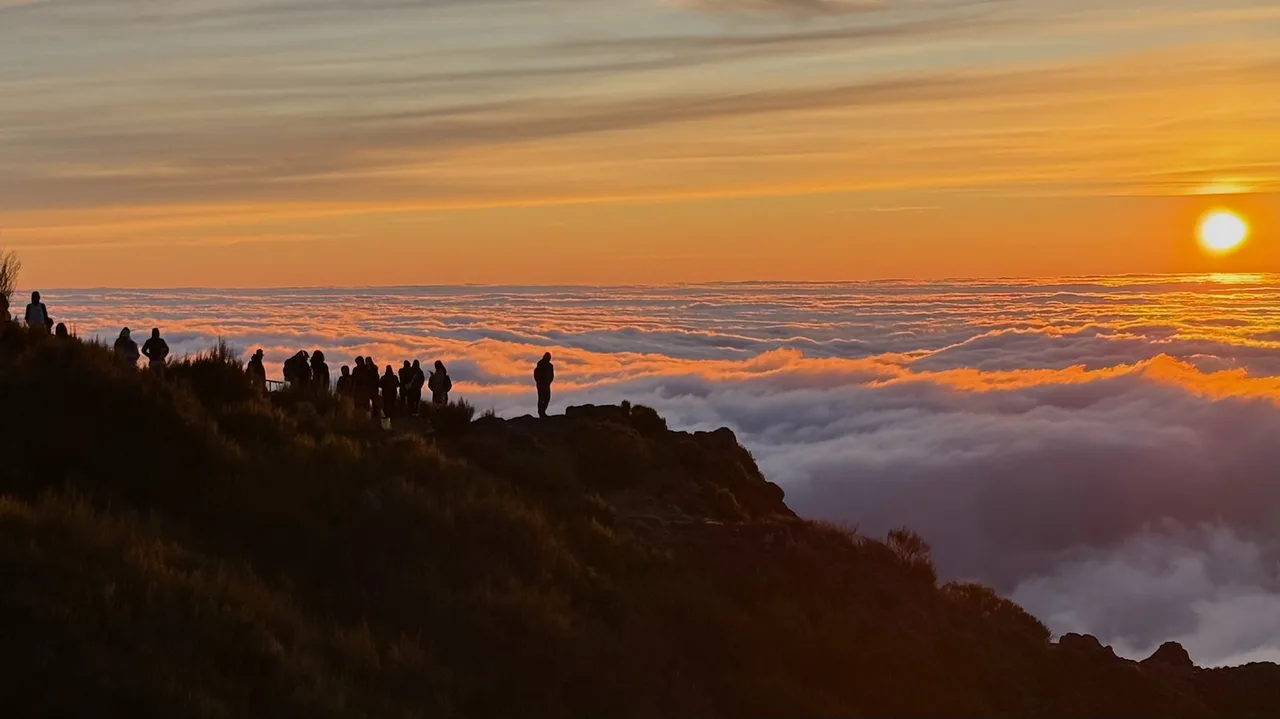
Inland and uphill it is a different story. Around Pico do Arieiro and Pico Ruivo temperatures can drop into single digits, cloud can arrive fast, and wind can be strong enough to shut exposed ridgeline trails. Check the forecast the evening before any high-level walk rather than committing days ahead.
The sea stays cool in March, in the region of 18°C (64°F). That is bracing rather than comfortable for most swimmers, and it is the main reason March is not a beach month here, whatever the air temperature does.
One thing March can spring on you is snow on the peaks. It is not a regular feature of the month, but cold snaps can dust the summits while Funchal stays mild, so do not assume the mountains are merely cool.
Daylight and the Short-Day Trade-Off
March daylight lengthens quickly, which is one of the month's quiet advantages over January and February. Early in the month you still need to start hikes promptly to finish in good light; by late March, evening daylight gives you room for a viewpoint detour or a second short walk after lunch.
Clocks go forward on the last Sunday of March, which shifts sunset an hour later and matters if that is when your trip falls. The trade-off is real: longer days make multi-hour levada walks easier, but March cloud and mist mean you should still plan around morning starts for the best mountain visibility.
For anyone comparing months, the calculation is straightforward. March gives you more usable daylight than the depths of winter without the summer heat, and that alone makes it a strong choice for a walking trip.
What Is Open in March: Levadas, Gardens and Boat Trips
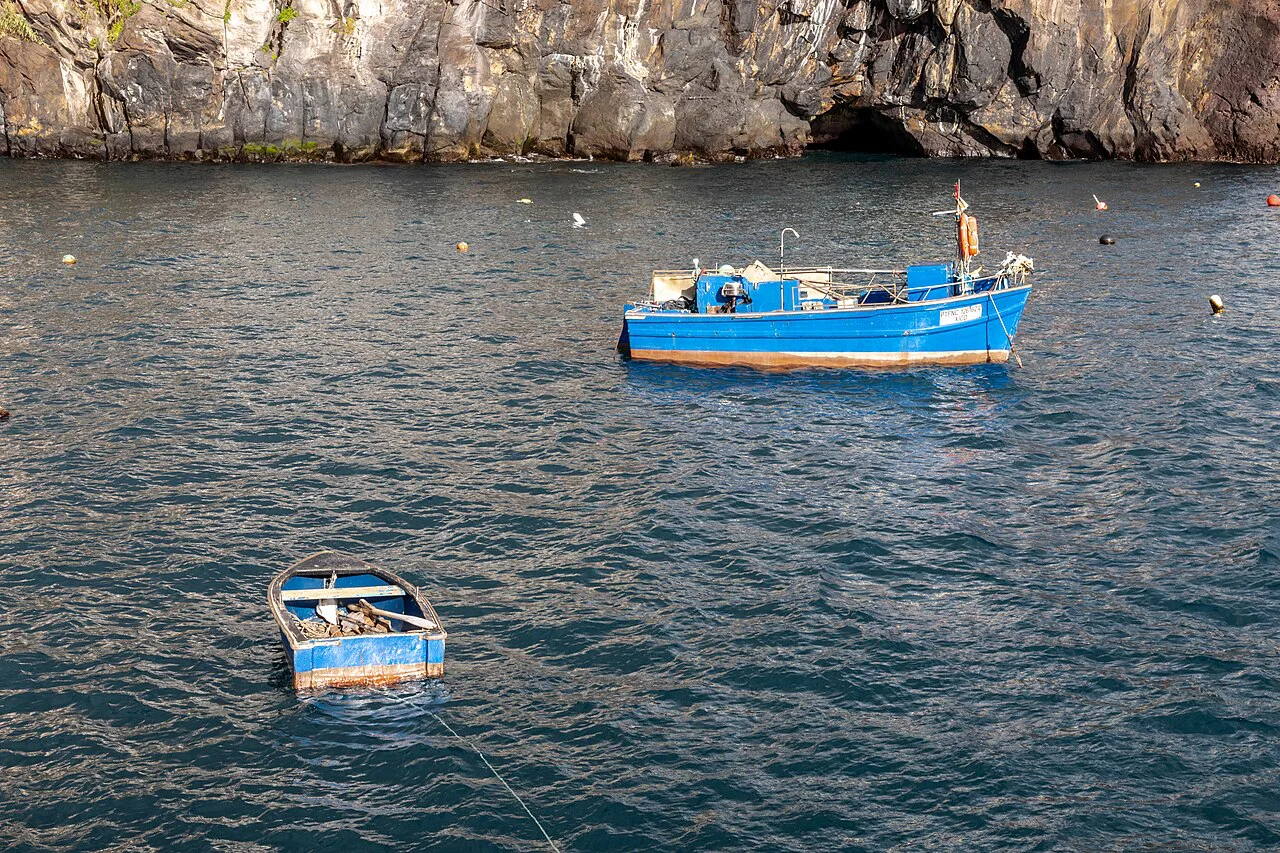
Most of what draws people to Madeira operates in March, but not all of it reliably. The levada trails are walkable, and the gardens around Funchal, including the Madeira Botanical Garden and the wilder Monte Palace Tropical Garden, are at their most colourful after winter rain. Smaller coastal villages and their accommodation thin out in the off-season, with Funchal the dependable base.
Boat trips are the least dependable item. Coastal and wildlife boat tours can be cancelled when the sea is up, so if a whale or dolphin trip matters to you, book it early in the stay rather than on your last morning and keep a land-based alternative ready.
Beyond Funchal, the practical rule is to check the thing you plan to do that morning rather than rely on a fixed schedule. Funiculars, gardens and cable cars can run reduced winter hours, and only the attraction's own page confirms what is running on the day.
Carnival in March 2027 and Other Festive Timing
Carnival is Madeira's big winter event, staged over roughly two weeks with a satirical parade and a grand costumed one. It falls in February or March, timed to Lent, so check the exact dates for your year: if it lands in February, travellers arriving in March miss it entirely.
That leaves March without a headline festival. The island's big floral celebration belongs to spring's later weeks and its wine harvest to late summer, so March is best treated as a month for walking, gardens and quiet towns rather than event-chasing.
If festivity is the point of the trip, the year-end weeks are the other side of the coin, with Funchal's New Year fireworks drawing heavy booking pressure. March trades that spectacle for space and lower demand.
Hiking in March: Levada Walks and Coastal Paths
Hiking is the strongest reason to choose March. Trails are quieter than in summer, temperatures suit steady walking, and the laurel forest is lush. The classic levada routes, including the Levada do Caldeirão Verde with its waterfall finish, reward the wetter conditions, and quieter circuits such as the Levada Nova near Ponta do Sol offer a gentler alternative.
The famous PR1 traverse from Pico do Arieiro to Pico Ruivo is the exception to the quiet rule and can be busy even at sunrise, so start early. It is also the trail most likely to be closed for dangerous weather, which makes a levada walk the sensible plan B on windy days.
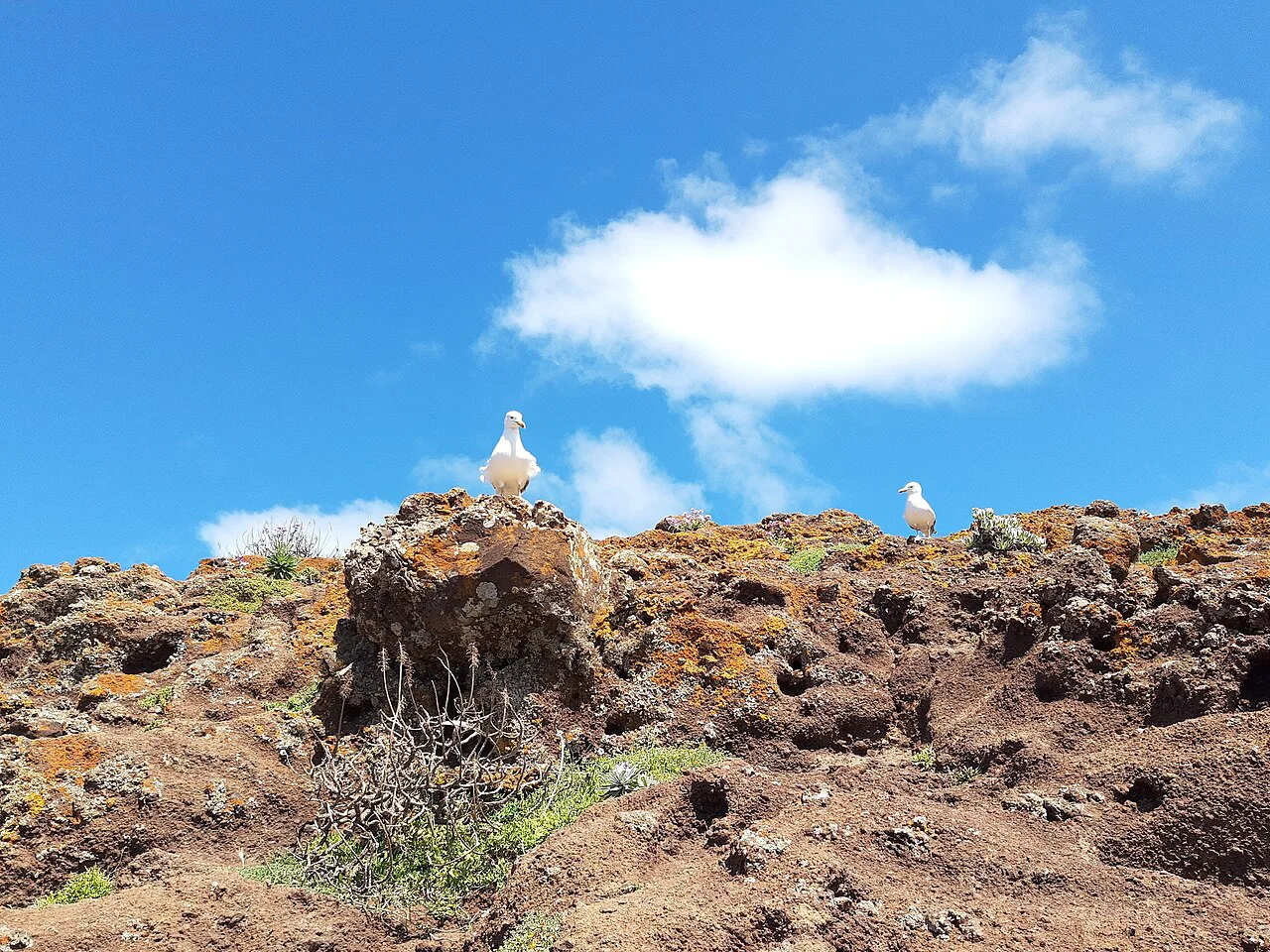
Coastal paths shine in March. The Vereda do Larano between Machico and Porto da Cruz and the PR8 Ponta de São Lourenço at the island's eastern tip deliver big views without high-altitude exposure, and they are usually the first walks to become viable when the mountains are closed in.
Rain leaves trails muddy, and the north-coast and highland routes are the wettest. Waterproof footwear and a flexible schedule matter more here than any single piece of gear.
Tidal Pools and Coastal Swims at Seixal and Porto Moniz
The natural volcanic pools on the north coast are worth visiting in March even though the water is cold. Seixal's black-rock pools and the larger, easier Porto Moniz complex fill with Atlantic water, and on a calm, sunny day they can be almost empty of other visitors.
Two caveats decide whether a pool visit works. Water around 18°C (64°F) is refreshing rather than relaxing for most people, and the pools can close when swell is too strong, which rules out planning them as a fixed highlight.
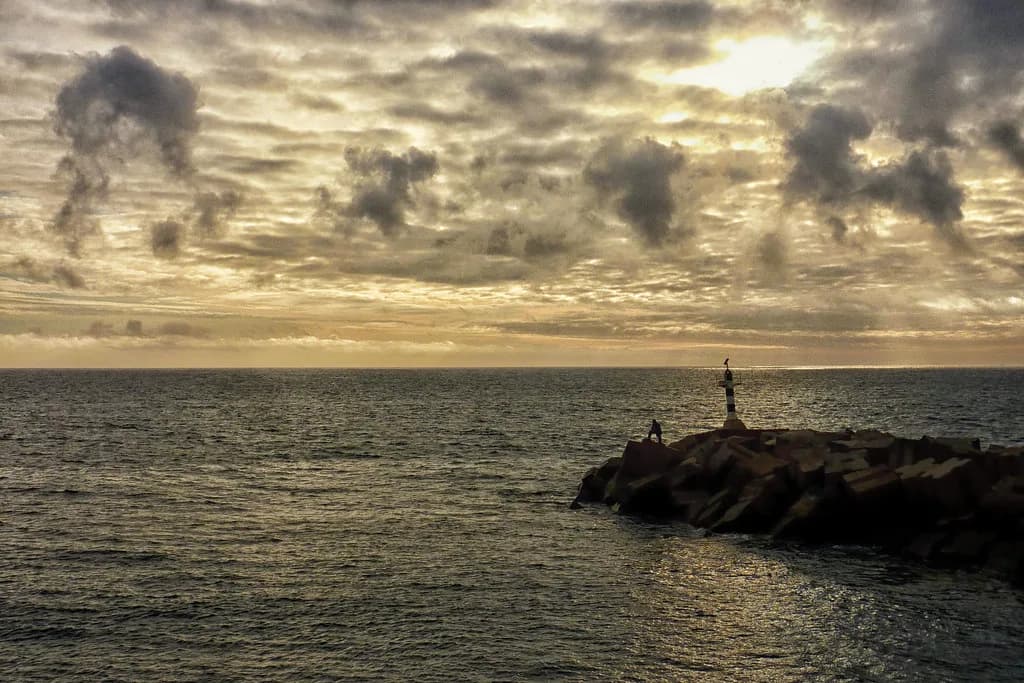
Treat the coast as scenery first and swimming second. Coastal walks and viewpoints along the north and west deliver far more reliable value in March than a planned swim.
Funchal in March: Market, Old Town and Long Lunches
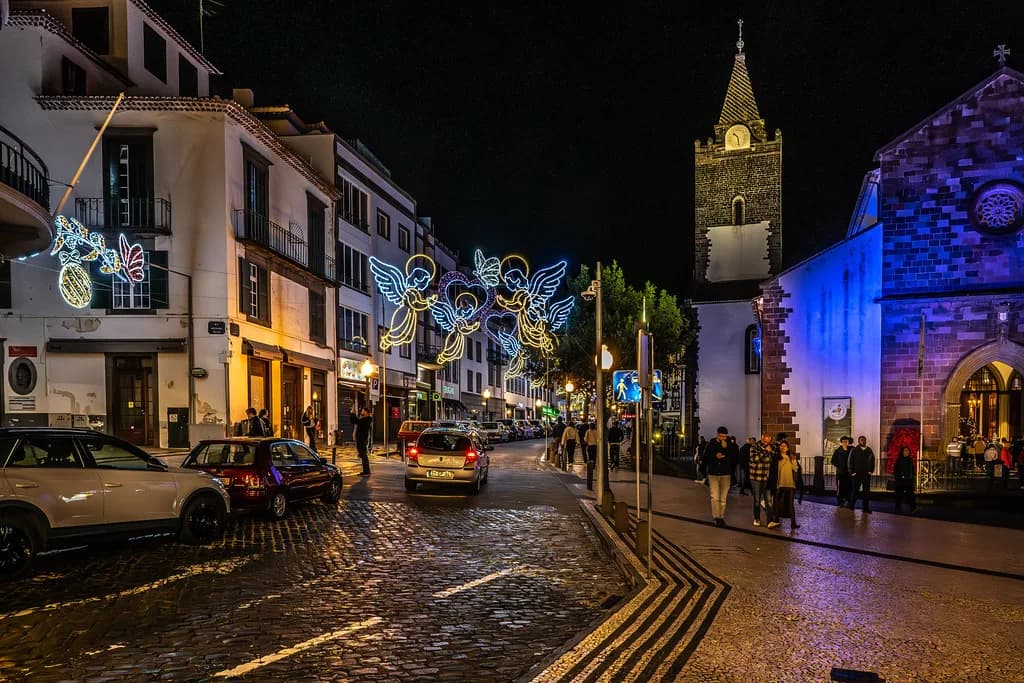
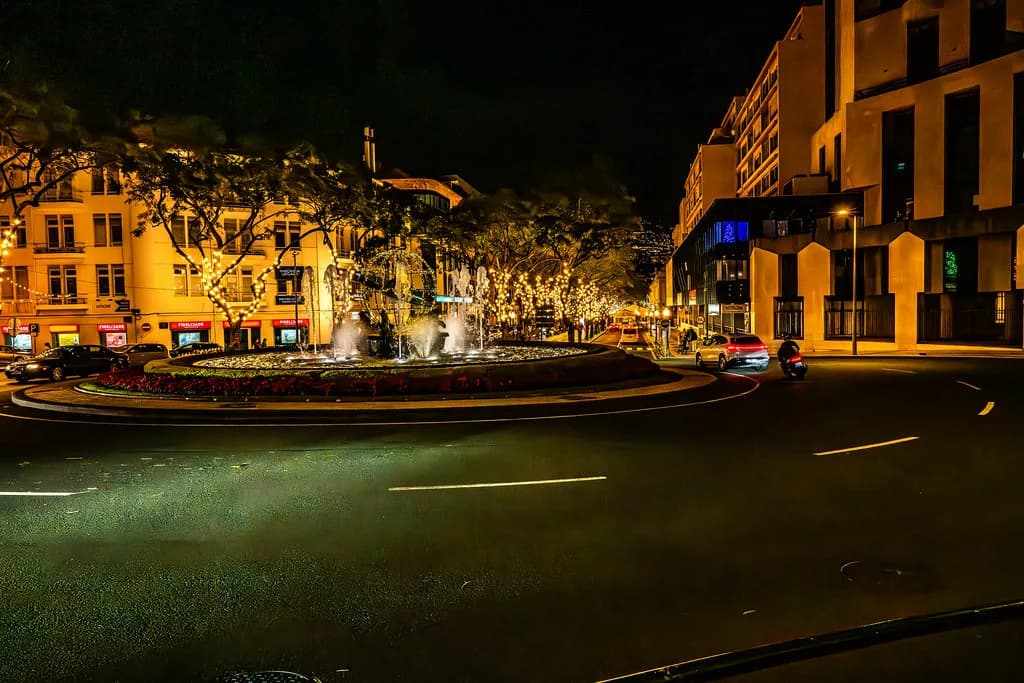
Funchal is lively but uncrowded in March, which makes it pleasant to wander without summer heat. The Mercado dos Lavradores is the natural starting point for tropical fruit, flowers and local produce, and the painted doors and narrow streets of the Old Town reward a slow loop afterwards.
Food is a strong wet-weather plan. A food and wine walk through the city covers bolo do caco, local cheeses and fresh fish, and a glass of poncha, the island's rum, honey and lemon drink, fits neatly into a rainy afternoon.
Long lunches work here in March in a way they do not in August. It is warm enough to eat outside most days, and with fewer visitors you can usually find a table with a view without booking far ahead.
Day Trips and Drives: Fanal, Paul do Mar and the North Coast
A hire car opens up the island's best March moments. Fanal Forest, with its moss-covered laurel trees, is at its most atmospheric in mist, and the waterfalls are roaring after winter rain, including Cascata dos Anjos, where water pours over the coastal road.
The west coast is a good afternoon run. Paul do Mar is a low-key village for a sunset drink by the water, and the north-coast viewpoints and seafood stops around Porto Moniz fill out a full day without needing mountain weather to cooperate.
Allow more time than the map suggests. Rain makes roads slippery, especially around Funchal, and mountain cloud can slow progress. Confirm your rental terms and any one-way restrictions with the hire company you book through rather than assuming.
Crowds, Prices and Who March Suits
March sits in Madeira's quieter shoulder season, outside both the summer peak and the Christmas and New Year rush. Expect thinner crowds on trails and in Funchal, and easier tables and viewpoints. The festival calendar is thin, so come for landscape rather than spectacle.
Value is the other draw, with off-season demand keeping costs below summer levels. Smaller villages and coastal accommodation may be closed until the season picks up, so a base in Funchal keeps things simple, and you should expect to check availability rather than assume a place is open.
March suits walkers, garden-lovers and travellers who want mild air and space. It does not suit anyone set on reliable beach days or warm swimming, who should look at July through September instead, when the sea is warmest and rain least likely.
March Versus February and April
February is cooler and wetter and carries Carnival, which brings crowds and bookings to Funchal around the two-week celebration. March gives you longer days, a little more warmth and none of that pressure, at the cost of the festival atmosphere.
April improves on March with warmer days, drier conditions and the start of whale and dolphin watching season, which runs into October. If wildlife is a priority, April edges ahead; if you want the greenest trails and the thinnest crowds, March still works well.
The honest summary is that March is the opening act rather than the peak. It gives you most of spring's scenery with more weather risk and fewer guaranteed activities, which is a fair trade for quieter trails and easier tables.
Getting Around Without a Car in March
Madeira is navigable without a car, but March weather makes it less flexible. Buses serve Funchal and the main coastal towns, while the famous toboggans and the cable car up to Monte are town-based options that do not depend on mountain conditions.
Guided walks and small-group tours are the practical answer for hikers without a vehicle. They handle transfers to trailheads and adapt when a route closes, which removes the biggest March headache. Book transport to high trailheads through a recognised operator or guide.
Winter timetables and reduced services are normal outside summer, so confirm the day's departures with the bus operator or your accommodation rather than relying on a printed schedule that may be out of date for the season.
Plan Your March Trip
March on Madeira is early spring with an asterisk. Funchal and the south coast are mild and walkable, the levadas and coastal paths are at their best for hiking, and the island is quiet in the way that only the shoulder months are.
The asterisk is the weather. Build in a backup for every boat trip and mountain walk, keep a car or a guided transfer as an option, and treat the tidal pools and the high peaks as bonuses rather than fixtures. Do that, and March delivers a green, uncrowded Madeira that summer visitors never see.
Explore more Madeira winter guides
Frequently Asked Questions
How hot is Funchal in March?
Typical March conditions in Funchal are an average high near 21°C (69°F) and an average low near 14°C (58°F), based on long-term climate normals. Expect a mix of warm sunshine and cloudy or showery spells rather than a steady forecast, with cooler, wetter conditions in the mountains and on the north coast.
Can you swim in Madeira in March?
You can, but it is bracing rather than comfortable. The sea is typically around 18°C (64°F), and the natural tidal pools at Seixal and Porto Moniz can close when the swell is strong. Treat a swim as a bonus on a calm, sunny day rather than a planned part of the trip.
Is Madeira worth visiting in March?
Yes, if you are going for walking, gardens and mild air rather than beach days. Trails are quieter than in summer, temperatures suit steady hiking, and Funchal is lively without being crowded. If reliable sunshine and warm swimming are the priority, July through September is the better window.
Is March a rainy month in Madeira?
March is greener and wetter than summer but drier than the October-to-December stretch. Showers are common, heaviest on the north coast and in the highlands, and often short-lived with sunshine somewhere on the island. It is the changeable mid-mountain conditions, not constant rain, that most affect plans.
When is Carnival in Madeira in 2027?
Carnival 2027 does not fall in March. Carnival Tuesday is 9 February 2027 and Ash Wednesday is 10 February 2027, so the parades and celebrations are over before March begins. Expect quieter towns and thinner crowds if you arrive in March.
What should I do if PR1 Pico do Arieiro to Pico Ruivo is closed?
Switch to a low-level plan. Levada routes such as Caldeirão Verde or Levada Nova, or coastal paths like Vereda do Larano and PR8 Ponta de São Lourenço, are less exposed to wind and often remain walkable when high-level trails close. Check the day's conditions before setting out and start early for busier routes.
Do I need a car in Madeira in March?
Not strictly, but it helps. Buses reach Funchal and the main coastal towns, and guided walks handle transfers to trailheads, which is the simplest option if a route closes. A car gives more freedom for Fanal, the north-coast pools and Paul do Mar, though rain can make roads slippery.
How much money does a March trip cost?
March falls in the quieter shoulder season, so demand and prices sit below the summer peak, though the festive New Year period is different. For current rates, check accommodation and tour operators directly, since seasonal prices vary by provider and by how far ahead you book.
Sources
Winter travel notes
Optional updates when we add or revise winter guides.
You might also like

Continue reading
More guides you'll find useful