Cascais in March: Weather, Crowds and What's Open
Cascais in March means mild, changeable days, quiet streets and a coast before the summer rush. Here is what the weather and crowds are really like.
On this page
Cascais in March is a coastal town in transition, not a beach resort in full swing. The Atlantic stays cold, the weather shifts from day to day, and the streets around the historic centre are quiet enough to walk without planning around crowds. It suits travelers who want mild walking weather, unhurried seafood lunches and an easy base west of Lisbon.
The trade-off is straightforward: you get empty pavements and short queues instead of warm water and reliable sunshine. Anyone planning to swim, lounge on Praia da Conceição or spend whole days outdoors should look at May to September instead, a window the seasonal guides treat as the warm coastal period.
Weather in March
March behaves like a typical late-winter month on the Lisbon coast: mild by day, cool in the evening and prone to rain showers that pass through rather than settle in. Daytime temperatures sit comfortably in the mild range that locals treat as jacket-and-walk weather, while nights still feel like winter near the water. Treat any figure you see as a long-term average rather than a forecast, and expect a few wet days across a week-long stay.
Daylight is the factor most travelers underestimate. Clocks in Portugal move forward on 28 March 2026, so if your trip falls before that date the evenings draw in early and the light fades soon after you finish an afternoon walk. After the change, evenings stretch noticeably and a late seafront stroll becomes realistic again.
For planning purposes, check a long-range climate table for Cascais rather than a ten-day forecast, which is only meaningful close to departure. Seasonal averages put spring daytime temperatures in a mild band, and that band is best compared against your own tolerance for drizzle and wind, because a dry afternoon and a wet one feel like different seasons along the seafront.
The Atlantic and Sea Temperature
The sea off Cascais is cold in March, and that is the deciding factor for how you spend your days. The Atlantic here warms slowly and lags well behind the air temperature, so even a bright afternoon does not make the water inviting for most visitors. Swimming is a wetsuit activity for locals, not a holiday plan.
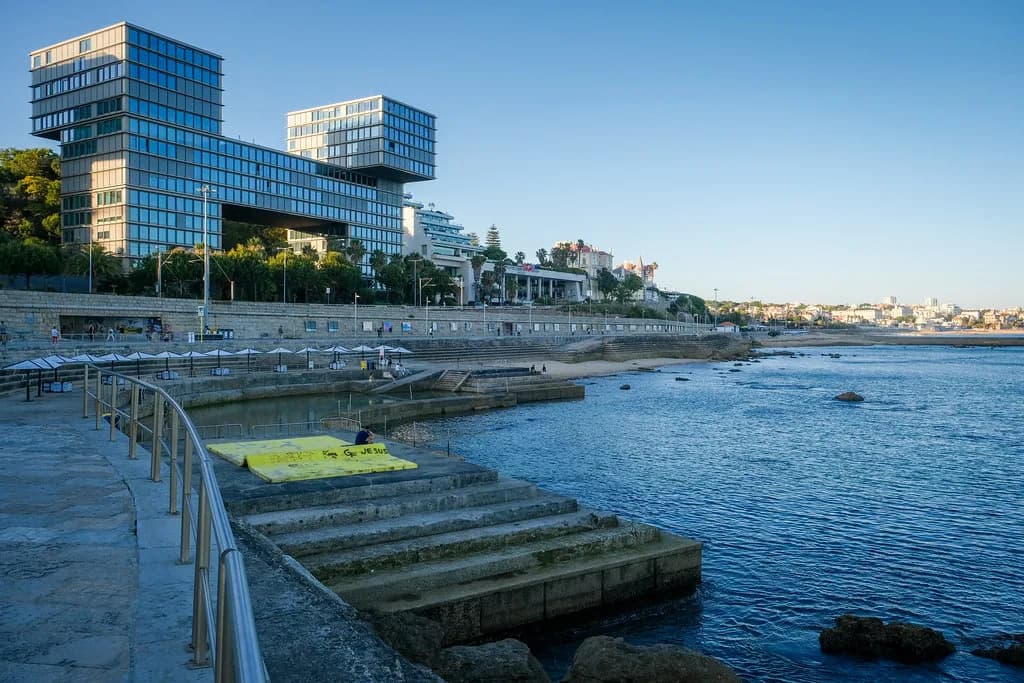
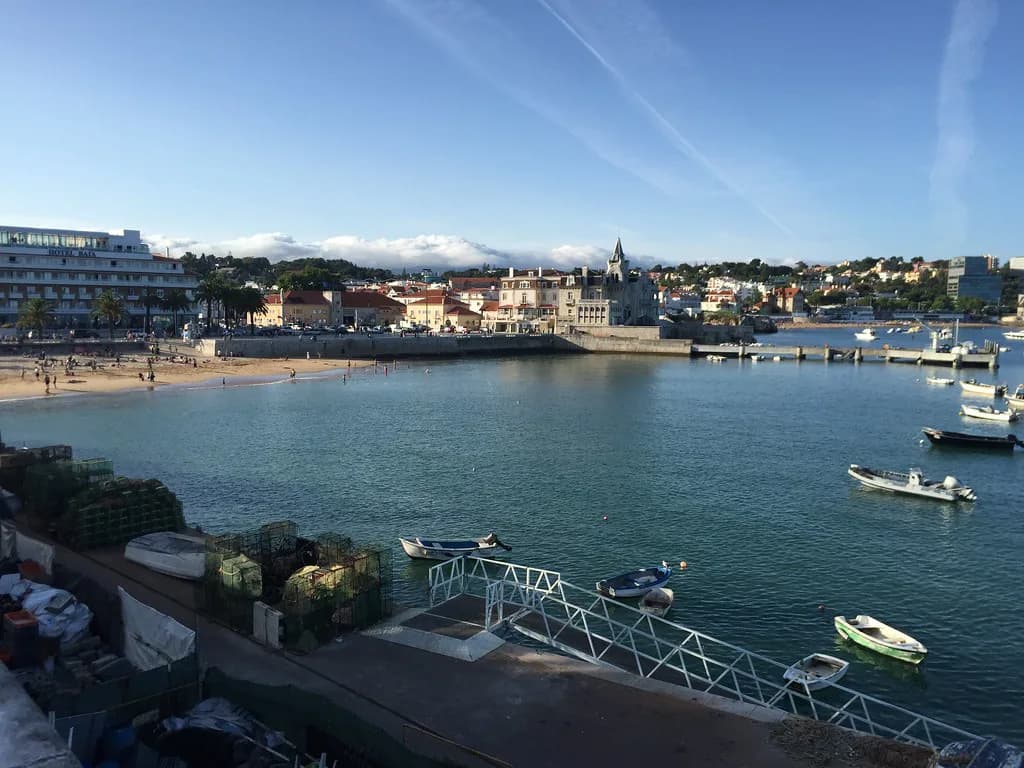
That means Praia da Conceição and Praia da Rainha are places to walk past, photograph and sit beside in a coat rather than spots to spread a towel. The upside is that the beaches are practically empty, and the seafront promenade is pleasant without the summer crush. Plan your days around walking and eating rather than sunbathing.
What Is Open in March
The walkable historic centre operates largely year-round, which is what makes March practical. Rua Frederico Arouca, the main pedestrianised strip of bars and restaurants, stays active, and the compact core means you can cover the sights on foot without depending on seasonal transport. The nearby Largo Luís de Camões is the livelier end of the same dining and drinking area.
Cultural sights give you rainy-day options that do not depend on the weather. The Palácio da Cidadela was renovated into an art space, and the Centro Cultural de Cascais, housed in a restored convent, stages exhibitions of classical and contemporary art close to the busier citadel. Both are the kind of indoor stop that fills a wet afternoon well.
Restaurants and seafront cafes generally run on reduced off-season rhythms before Easter, with some shorter hours and quieter rooms midweek. Ask the places you care about directly about their March schedule, and treat the busier Easter week as the moment the season starts to wake up.
What Is on in March
Holy Week falls 29 March–5 April 2026, with Easter Sunday on 5 April 2026, and that week is the pivot point for the whole month. Before it, Cascais feels like an off-season town; during it, Portuguese visitors return and the restaurants and seafront fill up. If you want quiet, book the first half of the month; if you want atmosphere, aim for the Easter run.
The clock change on 28 March 2026 lands just before Easter Sunday, which makes that weekend doubly notable. After it, evening light arrives later and the seafront becomes usable after dinner in a way it is not in early March. Anyone sensitive to short days should plan accordingly and keep the first part of the month for indoor sights.

Things to Do
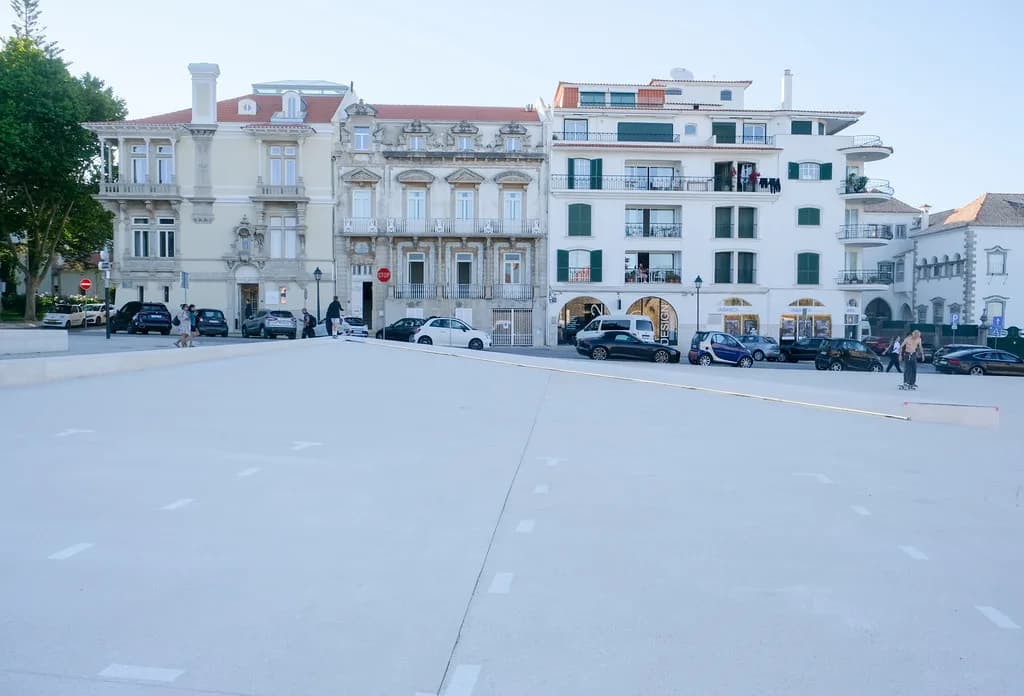
Start with the town itself. Cascais is known for its black-and-white calçada pavements laid in wave patterns, and simply walking the centre and marina is the main pleasure of a March visit. The Cidadela and its surrounding squares give you the historic core on foot, with coffee stops to break up the showers.
Follow the coastal path toward Guincho for the best sense of the Atlantic in winter. The wind picks up along that stretch and the surf is dramatic rather than swimmable, which is exactly why the walk suits March. Fortaleza do Guincho, the 17th-century fortress with a Michelin-starred restaurant, anchors the far end of the route.
Food is the other reliable draw. Cascais has built a reputation as a culinary destination with a strong seafood base, and off-season lunches are the moment to enjoy it without the summer wait. Pair a long lunch with the Centro Cultural de Cascais and you have a solid wet-weather day without leaving town.
A Day Trip to Lisbon
Cascais sits about 30 minutes west of Lisbon by train, which makes March an ideal month for a two-base trip rather than a single stay. You can sleep by the sea in quiet Cascais and ride into the capital for museums and city evenings, then return to a calmer waterfront. The train line along the coast is the practical link between them. If you are weighing a longer stay in the capital instead, our guide to Portugal in March covers what the rest of the country is like that month.
This arrangement works especially well before Easter, when Lisbon is manageable and Cascais is quiet. It also gives you a fallback on rainy days: the capital's indoor sights absorb bad weather better than a small coastal town. Build the trip around a few days in each place rather than commuting daily.
Guincho and the Coast
Guincho is a wilder beach than the town beaches, exposed to wind and Atlantic swell, and in March it is a place for watching surfers and walking the sand in a jacket. It is not a swimming or sunbathing destination at this time of year, and the seasonal beach scene is still months off. Go for the landscape, not the lie-down.
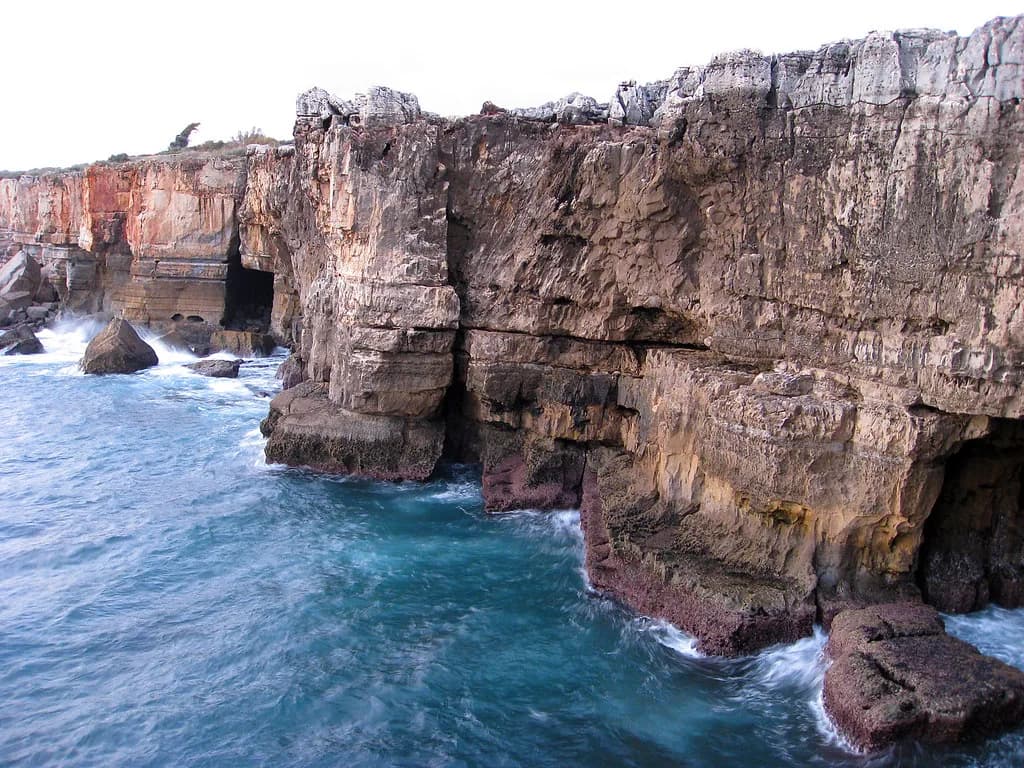
The coast around Cascais, including Cabo da Roca and the cliffs toward Sintra, rewards a clear day with big Atlantic views. Wind is the constant, so pick a dry forecast window and treat the drive or bus ride as the point of the outing. Wrap up warm and keep the stops short.
Crowds and Prices
March is quiet by Cascais standards, with empty pavements midweek and easy tables at lunch. The exception is Easter week, when Portuguese visitors arrive and the seafront and restaurants get busy. Prices generally follow demand, so the first three weeks of the month are the calmest stretch; the seasonal guides describe May to September as the warm, high-demand period.
Compared with summer, March offers far fewer crowds and more flexibility on the day. You trade guaranteed sunshine and warm water for empty streets and quieter off-season streets, which is a good deal for walkers and diners and a poor one for beach-focused travelers. Easter week sits in between, busier but still short of summer.

Who March Suits
March suits walkers, food-focused travelers, and anyone using Cascais as a calm base for Lisbon and the surrounding coast. It rewards people who do not need the sea to be warm and who enjoy a town without queues. If your idea of a coastal holiday involves swimming and long beach days, wait for the warmer months.
It is also a good month for a first taste of the region before committing to a longer summer trip. The cold Atlantic and changeable weather are the honest limits; the quiet streets and mild walking conditions are the payoff. Book early March for calm and late March for Easter atmosphere and longer evenings, and compare it with February if you want an even quieter version of the same coast.
Where March Sits in the Wider Season
March is the last of the off-season months and the first that shows real signs of spring. Comparing it with December or January helps you decide how much cold and rain you will accept in exchange for near-empty streets. The wider season picture explains why the coast feels so different from one winter month to the next.
Plan Your March Trip
Choose early-to-mid March if you want the quietest version of Cascais, and late March if you want the Easter week energy and the longer evenings that come with the clock change on 28 March 2026. Either way, plan around walking, food and indoor culture rather than the beach.
For a broader view of the season, see the wider guide to Cascais in winter, and keep one eye on current train times and restaurant hours before you lock in a two-base plan. March is a month for flexibility, not fixed schedules.
Explore more Cascais winter guides
Frequently Asked Questions
Is Cascais warm in March?
It is mild rather than warm. Days are pleasant enough for walking in a jacket, but evenings stay cool and rain showers are common. The Atlantic sea is cold, so swimming is not realistic for most visitors. Treat any figures as long-term averages, not a forecast.
Is it worth visiting Cascais in March?
Yes, if you want quiet streets, mild walking weather and an easy base west of Lisbon. It is less suitable if you want warm water and reliable sunshine, which the warmer months deliver. Easter week is busier and livelier.
Can you swim in Cascais in March?
Not comfortably. The Atlantic warms slowly and stays cold through March, so the town beaches are better for walking than swimming. Surfers use wetsuits; most visitors stick to the promenade.
How long do you need in Cascais?
Three to four full days covers the historic centre, the coastal path and a day trip to Lisbon at a relaxed pace. Add more if you plan to explore Guincho and the surrounding coast.
How do you get from Lisbon to Cascais?
The train from Lisbon takes about 30 minutes and runs along the coast, making a two-base trip easy in March. Check current timetables before you travel.
Is Cascais busy in March?
Midweek is quiet, with empty pavements and easy restaurant tables. The main exception is Easter week, when Portuguese visitors arrive and the seafront fills up.
Sources
Winter travel notes
Optional updates when we add or revise winter guides.
You might also like


Continue reading
More guides you'll find useful