Does It Snow in Madeira? Winter Snow by Region and Month
Snow in Madeira is rare and usually confined to the high peaks, while Funchal stays mild. See where and when snow falls and how to plan around it.
On this page
Madeira in winter is a green Atlantic island of mild coastal days and sharp, cold mountains, and that split is the whole answer to the snow question. Snow belongs to the summits, not to the towns, and it arrives in bursts rather than settling into a season. If you are choosing between a warm-weather escape and a snow chase, you need to know which half of the island you are booking.
The Short Answer
Snow falls on Madeira's highest ground and rarely anywhere else. The island's peaks reach close to 1,900 meters, high enough to catch winter cold snaps, while Funchal sits at sea level on the sheltered south coast and stays mild through the season. Chasing snow here means driving up above the cloud line on the right morning, not booking a snow holiday.
How Madeira's Climate Zones Work
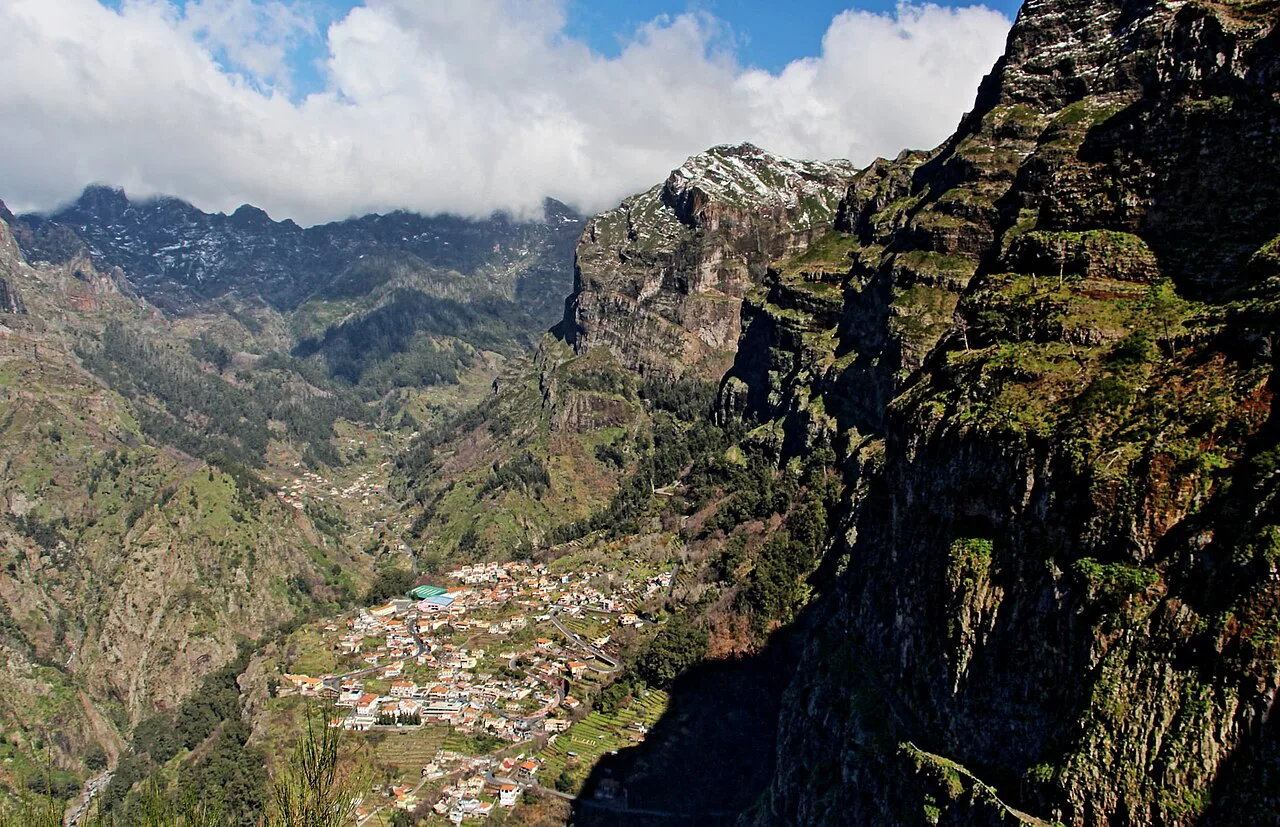
Think of Madeira as two climates stacked on one island. The coast, especially the south around Funchal, is warm and green in winter, with bananas and flowers still growing; the central massif is exposed, windy and several degrees colder, and that is where any snow forms. The transition happens fast, often within a 45-minute drive from the coast up to the high plateau around Poiso and the Areeiro road.
Snow on the Peaks: Pico do Areeiro and Chão do Areeiro
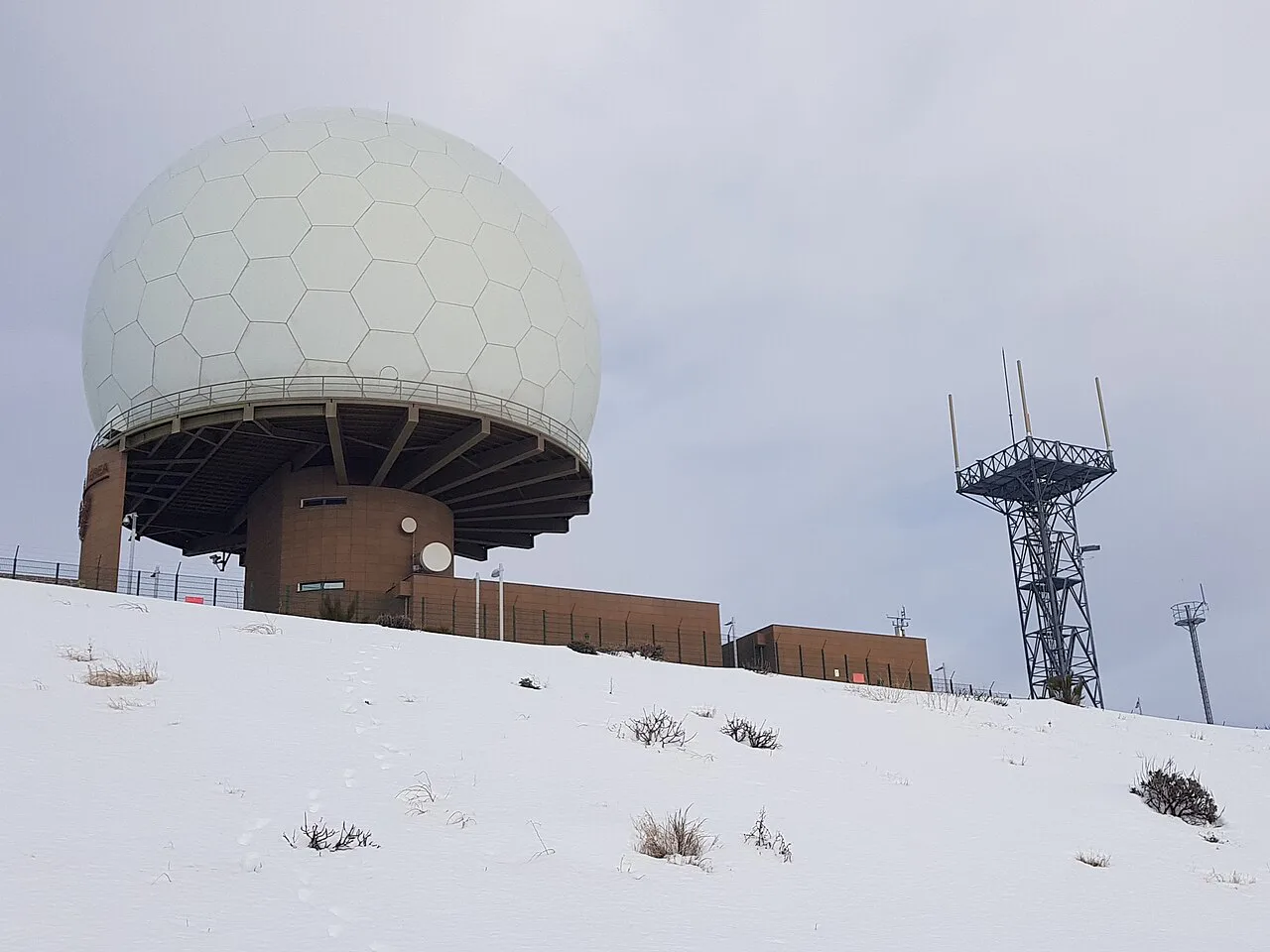
The meteorological stations at Pico do Areeiro and Chão do Areeiro are the places to watch when a cold snap hits. During an April cold spell, according to readings reported from the Portuguese Institute of the Sea and Atmosphere, Pico do Areeiro recorded minus 2°C at 6:50 am and Chão do Areeiro minus 0.3°C at 6:20 am, with snow and hail covering the highest points. That timing shows how unpredictable the calendar is: cold air aloft matters more than the month.
Cold spells can repeat within days. At the start of another April cold spell, Pico do Areeiro was reading minus 0.5°C at 6:00 am and had stayed below zero since the previous evening, with snow falling again on the summits after the day before. The pattern is short, sharp episodes followed by a quick return to milder weather, which is why snow rarely lasts on the ground for long.
The historical record backs up the rarity. A mid-March cold outbreak once brought snow to Poiso and Pico do Areeiro and temperatures below minus 4°C across Madeira and the Azores, described as the lowest in 40 years, even though the islands normally enjoy mild winters with averages near 17°C at that time of year. Treat such events as occasional surprises, not a reliable feature of any month.
When Snow Is Most Likely
The window for summit snow runs roughly from December through March, when cold air from the north reaches the archipelago and drops temperatures on the high ground below freezing. Because the mechanism is a cold snap rather than a snowy season, snow can also appear in shoulder months when a late cold front arrives, as April episodes have shown. No month comes with a guarantee, so build flexibility into any plan that depends on seeing the peaks white.
If snow is the main reason for your trip, Madeira in February sits inside the core of the cold-season window and also falls in Carnival time, when Carnival Tuesday lands on 9 February in 2027. February can deliver a coastal walk in the sun and a frosty summit in the same day, which is exactly the contrast this island does well.
What a Snow Day on the Mountains Is Actually Like
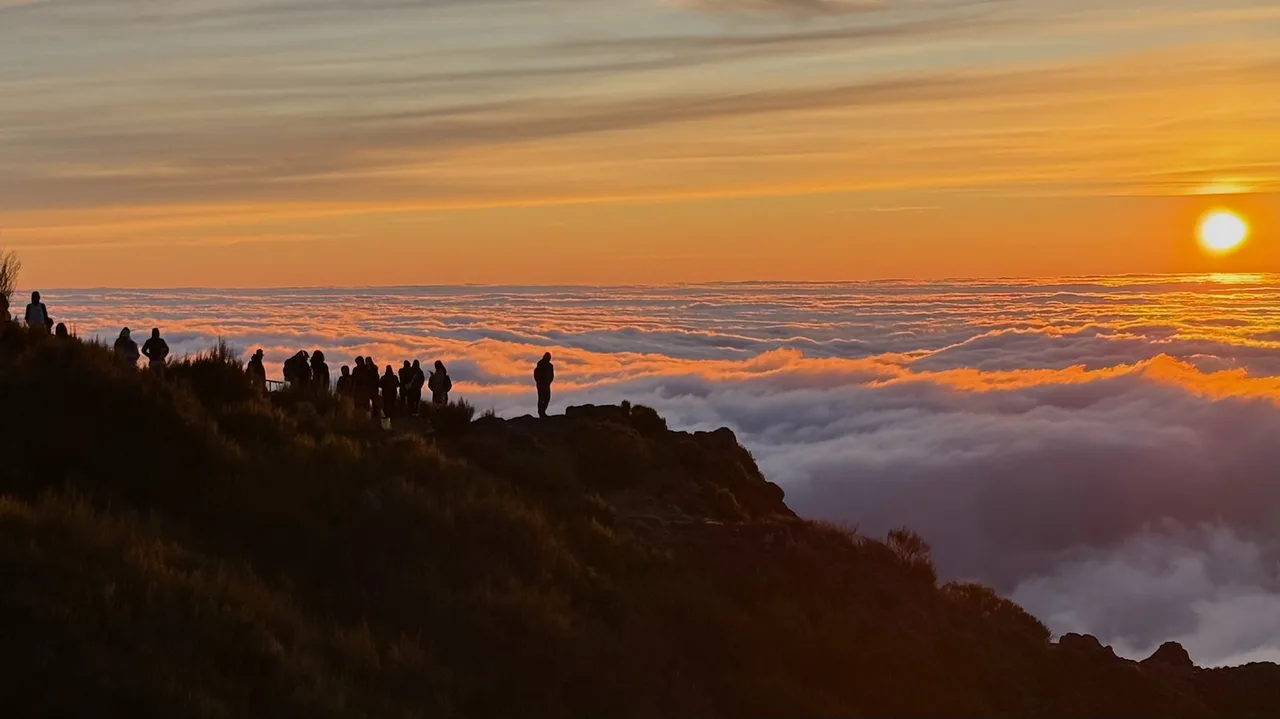
A snow morning on Madeira is not a ski-resort experience. When snow covered the highest points in April 2025, many people drove up hoping for white landscapes and instead found roads and trails closed, because the access roads and walking routes around the high peaks are not built for ice. Expect cloud, wind and limited visibility at the summit, and be ready to turn around.
That means a snow chase needs a plan B. Keep the mountain drive as an early-morning option and hold a coastal or town day in reserve; if the Areeiro road is shut or the cloud is down, you have lost nothing but a detour. Drivers should also check the mountain road status before setting out, since closures are decided on the day and announced locally.
Coastal Madeira in Winter: Funchal and the South
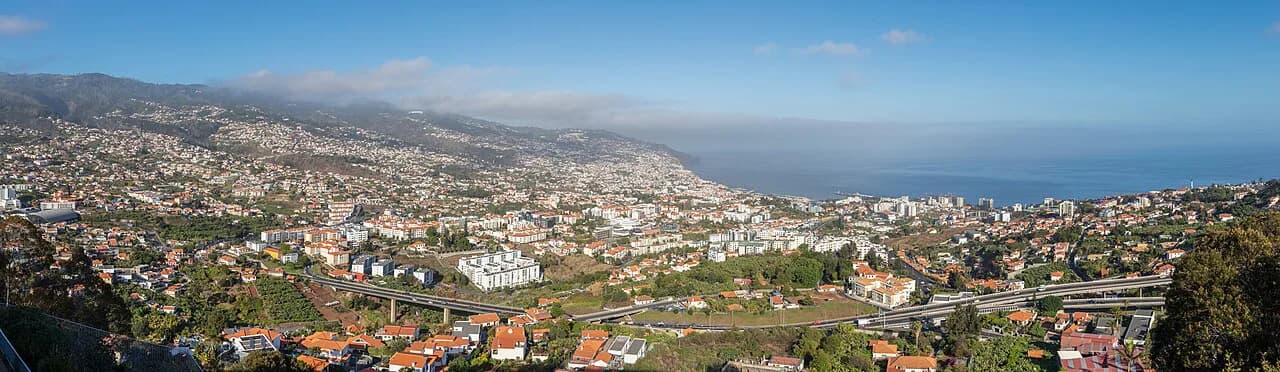
Down at sea level the winter is a different story, and this is where most visitors spend their time. Funchal stays walkable and green, the promenade and gardens remain open, and you can sit outside on many days; rain arrives in episodes rather than setting in for weeks. For travelers who want mild air, flowers and sea views rather than snow, the coast is the point of a winter trip.
The south coast also concentrates the island's easiest winter days, from the old streets and market of the capital to the viewpoints along the coast road toward Cabo Girão. If you prefer a quieter, greener version of the same trip, Madeira in November still has autumn warmth on the coast and far fewer walkers on the levadas, though summit snow is less likely that early.
What Is Open in Winter
Winter does not shut Madeira down. The gardens, museums, markets and most levada walking routes keep working through the season, and the mild coastal weather makes them comfortable rather than a compromise. The one variable is the high ground: mountain access can be cut by snow, ice or low cloud, so treat any day above the cloud line as weather-dependent.
January is the quietest month for crowds and often the best value for a coastal stay, with the Christmas and New Year rush gone and the island back to its normal rhythm. Madeira in January suits travelers who want long walks, mild air and empty trails more than anyone chasing a white Christmas.
By March the days are lengthening again and the island is moving toward spring, though a late cold snap can still dust the summits, as April episodes have demonstrated. Madeira in March is a good compromise for travelers who want better daylight and warmer coastal afternoons without the summer crowds.
Christmas and New Year on the Island
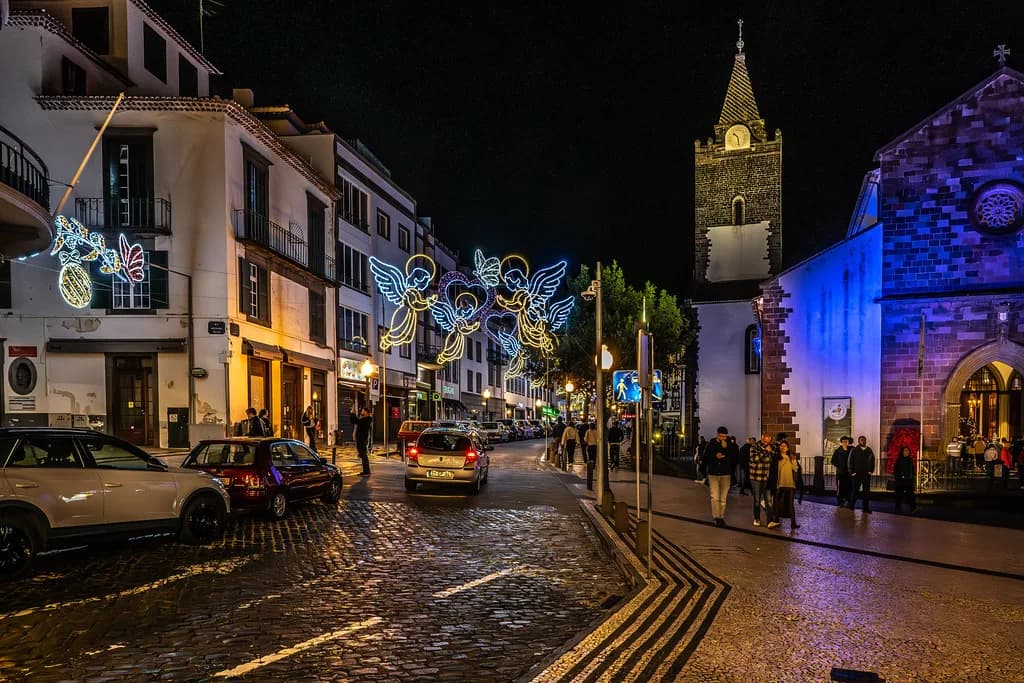
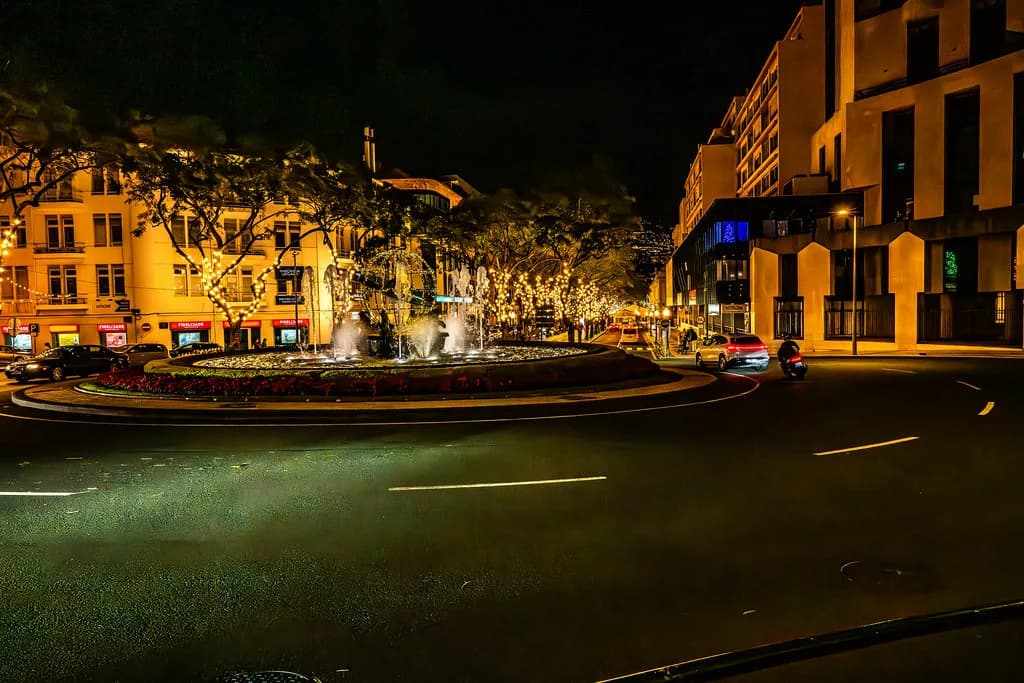
Christmas in Madeira is a coastal, mild affair rather than a snowy one. The capital decorates and celebrates through December, and Christmas Day falls on a Friday in 2026, with New Year's Day on a Friday in 2027; the famous New Year fireworks over Funchal harbor draw crowds from across Europe. Expect mild air and a festive atmosphere in town, not snow on the rooftops.
Who Should Plan Around Snow, and Who Should Not
Come for snow only if you treat it as a bonus. Travelers who want guaranteed winter landscapes should look at mainland Portugal's mountains instead; does it snow in Portugal covers the Serra da Estrela and other high ground where snow is a normal part of the season. Madeira rewards visitors who want mild coastal days with the chance, not the promise, of a white summit.
For everyone else, the trade-offs are simple: short daylight in December and January, rain arriving in episodes, and the occasional mountain road closure. The upside is a green, uncrowded island with comfortable walking weather, quieter off-season stays, and the drama of watching a cold front turn the peaks white from your café table on the coast.
Plan Your Winter Trip
Decide first what you want from the island. If it is mild air, coastal walks and empty trails, book the south coast for December through March and treat a snowy summit as a lucky extra. If snow is the goal, keep your plans flexible, watch the mountain stations, and hold a coastal day in reserve for the mornings when the high road is closed.
Frequently Asked Questions
Does it snow in Funchal?
Funchal sits at sea level on the sheltered south coast, where winter conditions stay mild and walkable. Snow belongs to the high ground of the central massif, so a white capital is not something to plan around.
Where does snow fall in Madeira?
Snow forms on the highest peaks, around Pico do Areeiro, Chão do Areeiro and Poiso, where the stations have recorded sub-zero readings during cold snaps. The coast and the towns below stay far milder.
Is there snow in Madeira at Christmas?
Christmas on the coast is mild and festive rather than snowy, with the capital busy and the New Year fireworks the big draw. A white summit over the holidays is possible but never guaranteed, so treat it as a bonus.
Which month is coldest on Madeira's peaks?
The core cold-season window runs from December through March, when northern air can push summit temperatures below freezing. Cold snaps outside that window have also brought snow, so no single month is a safe bet.
Can you drive up to see the snow?
You can try, but access roads and trails around the high peaks can close during snow and ice, as happened during an April cold spell. Keep a coastal day in reserve and check the mountain road status before setting out.
Sources
Winter travel notes
Optional updates when we add or revise winter guides.
You might also like

Continue reading
More guides you'll find useful