Canterbury in Winter: What November to March Is Really Like
Plan a winter trip to Canterbury with typical temperatures, short daylight, what stays open, and the medieval streets at their quietest from November to March.
On this page
Canterbury in winter is a compact medieval city at its quietest, when the cathedral precincts, the River Stour and the city walls sit under low grey light and the streets empty by late afternoon. It suits travelers who want heritage, indoor warmth and long pub lunches more than long daylight hours. Anyone hoping for beach weather or a full day outdoors should look at a summer trip instead.
Weather in Canterbury in Winter
Expect typical winter conditions rather than extremes: Canterbury sits in low-lying east Kent, close enough to the coast to blunt the coldest snaps. Short daylight is the real constraint on a winter itinerary, because dark arrives early enough to end outdoor sightseeing well before dinner in December and January.
Treat any published averages as long-term climate figures and not a forecast, and build slack into the plan for wet days. A frost-and-fog morning followed by weak afternoon sun is a common pattern, and rain can arrive quickly off the Channel.
How the Season Changes the City
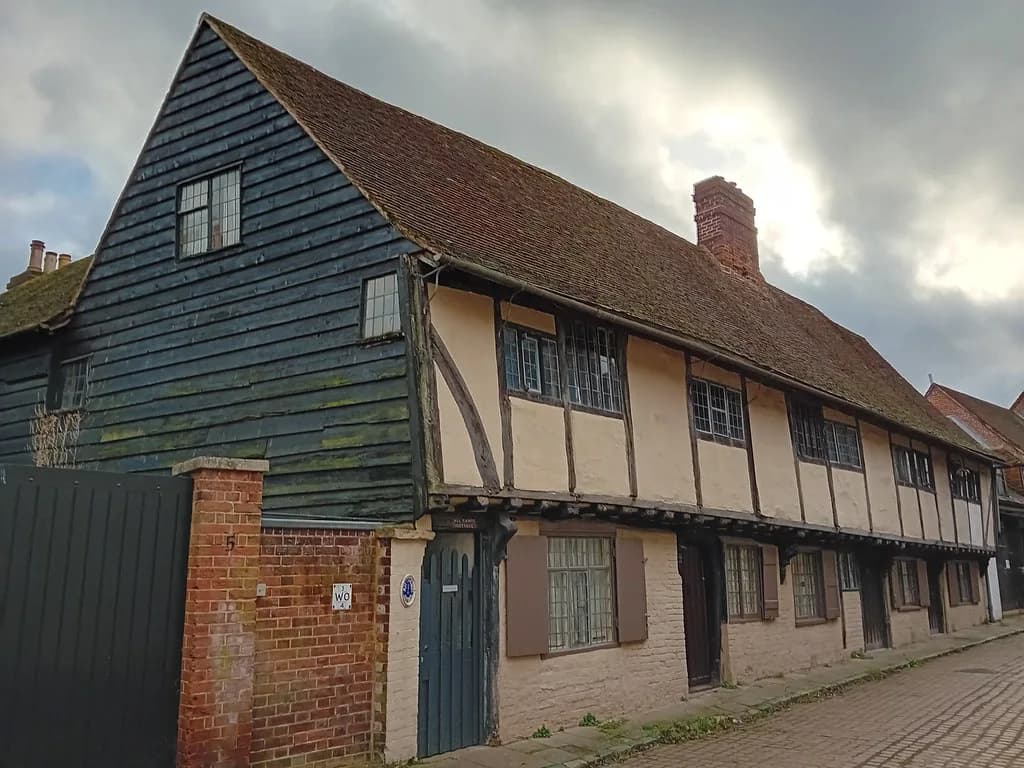
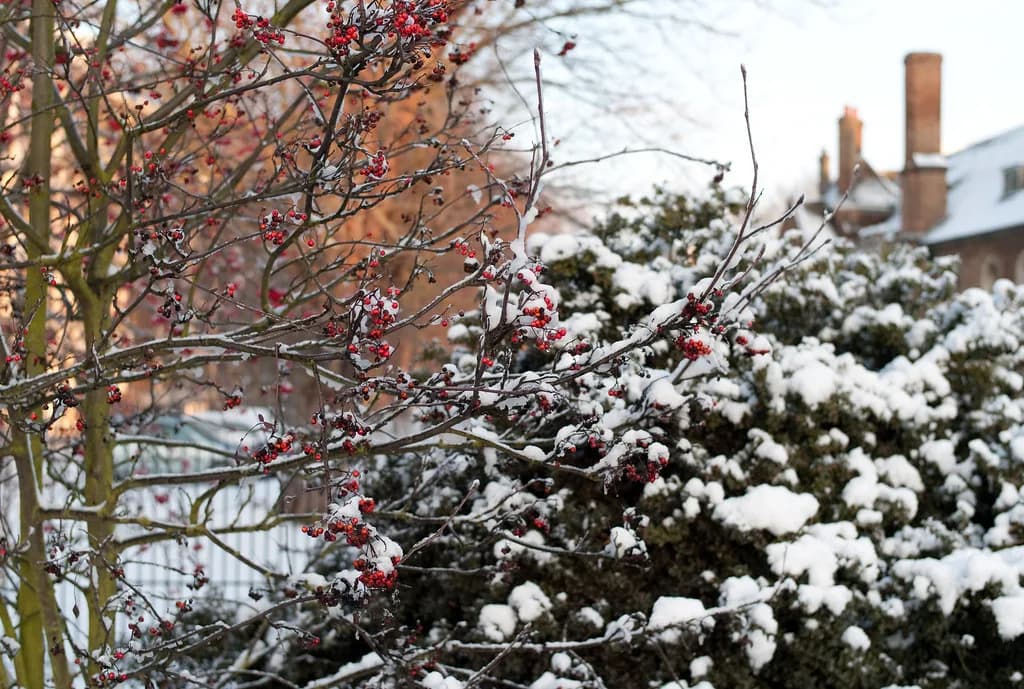
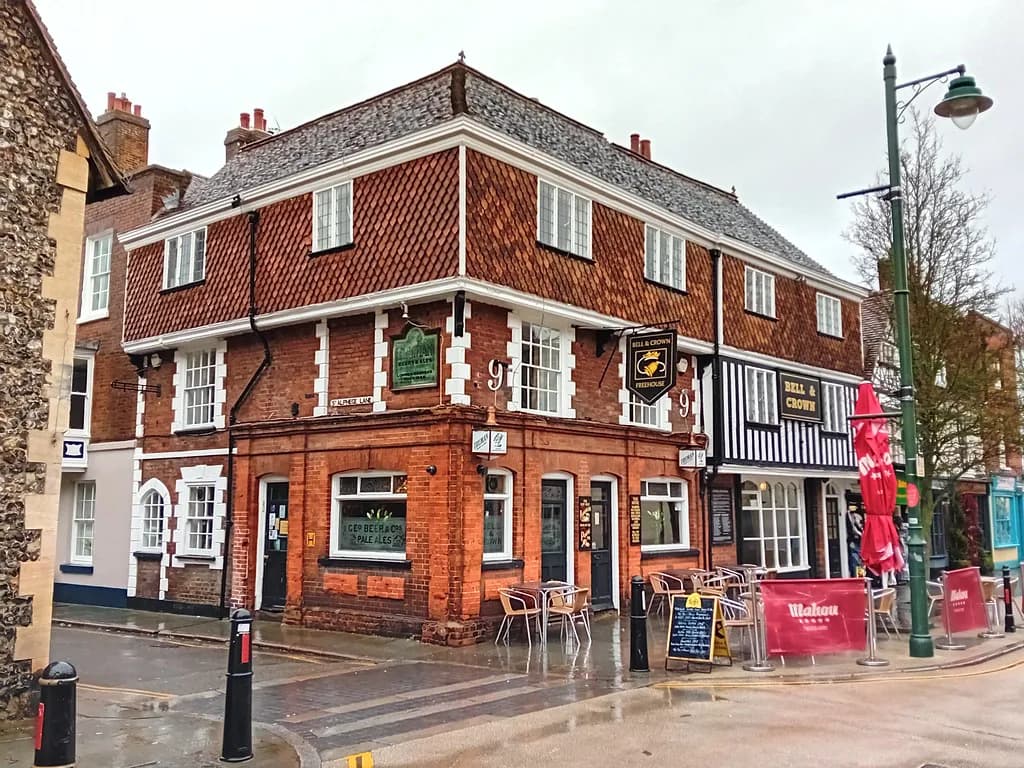
The biggest change is not closure but rhythm: daylight is short, so the sensible pattern is a single outdoor block in the morning and indoor time after dark. Canterbury's core is small enough to walk, and the medieval lanes, the riverside and Westgate Gardens stay in use through the colder months, with frost on the grass and bare branches framing the Westgate tower.
Visit Canterbury's winter articles cover seasonal openings and indoor ideas, which is the practical way to plan around short days. Pubs with open fires are part of the winter geography here, and a mid-afternoon stop is a reasonable way to break up a cold day rather than an afterthought.
Things to Do in Canterbury in Winter
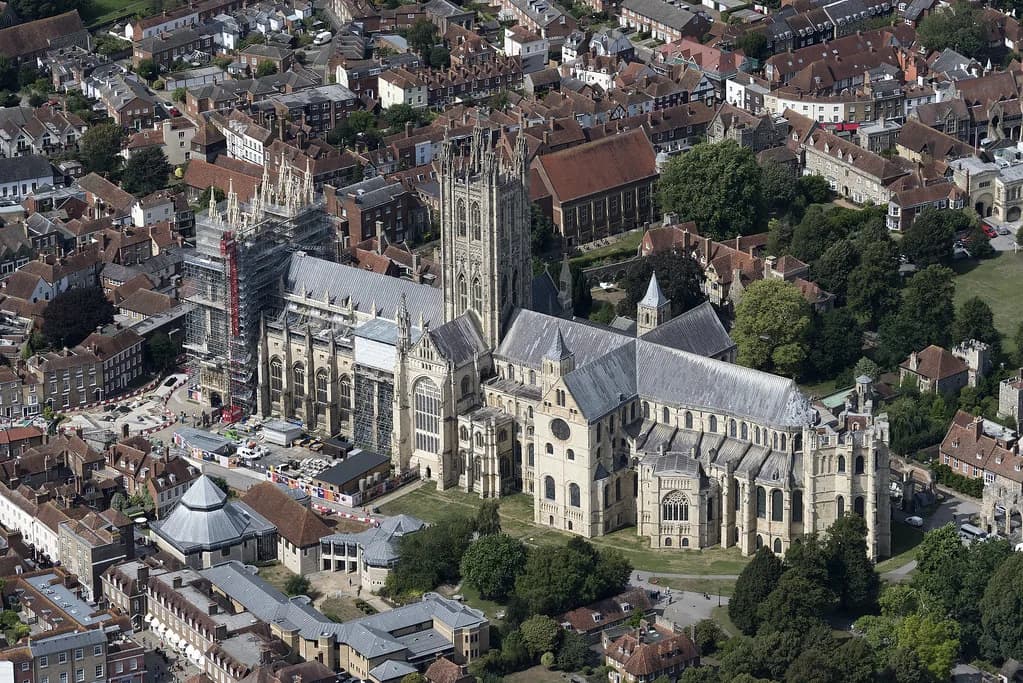
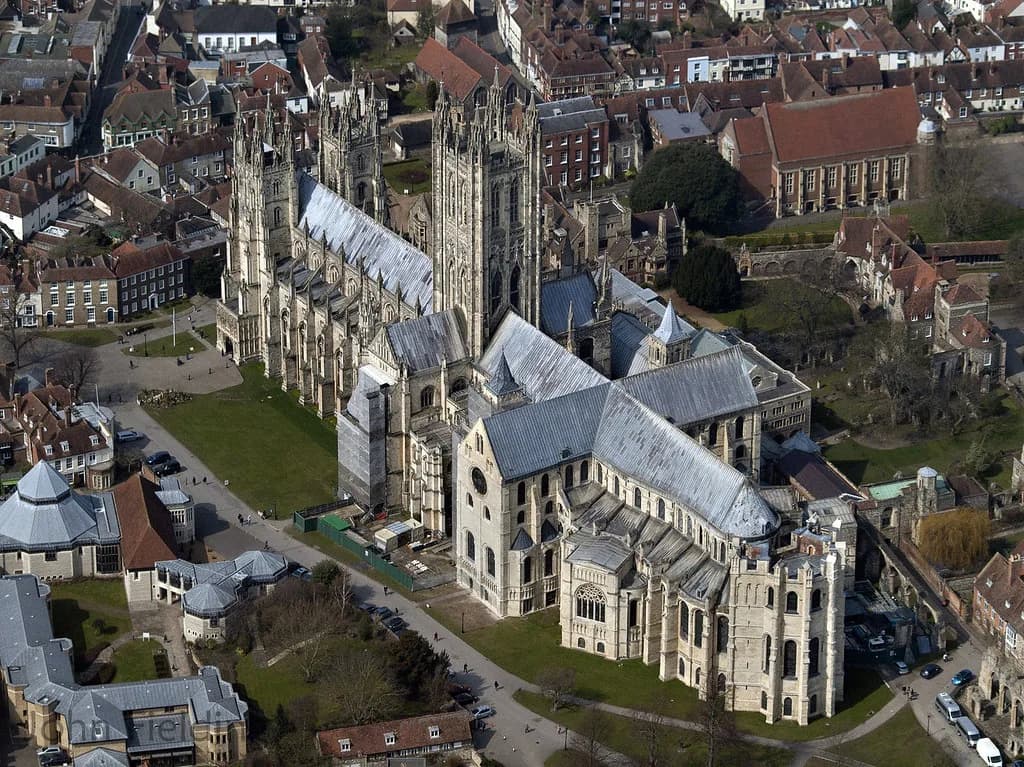
Canterbury Cathedral is the anchor of any winter day, and the colder months favor exactly what the building does best: the crypt, the cloisters and the stained glass, which read better against low outside light. The cathedral holds Advent and Christmas services and carol events through December, and the precincts stay atmospheric even when the weather keeps you inside.
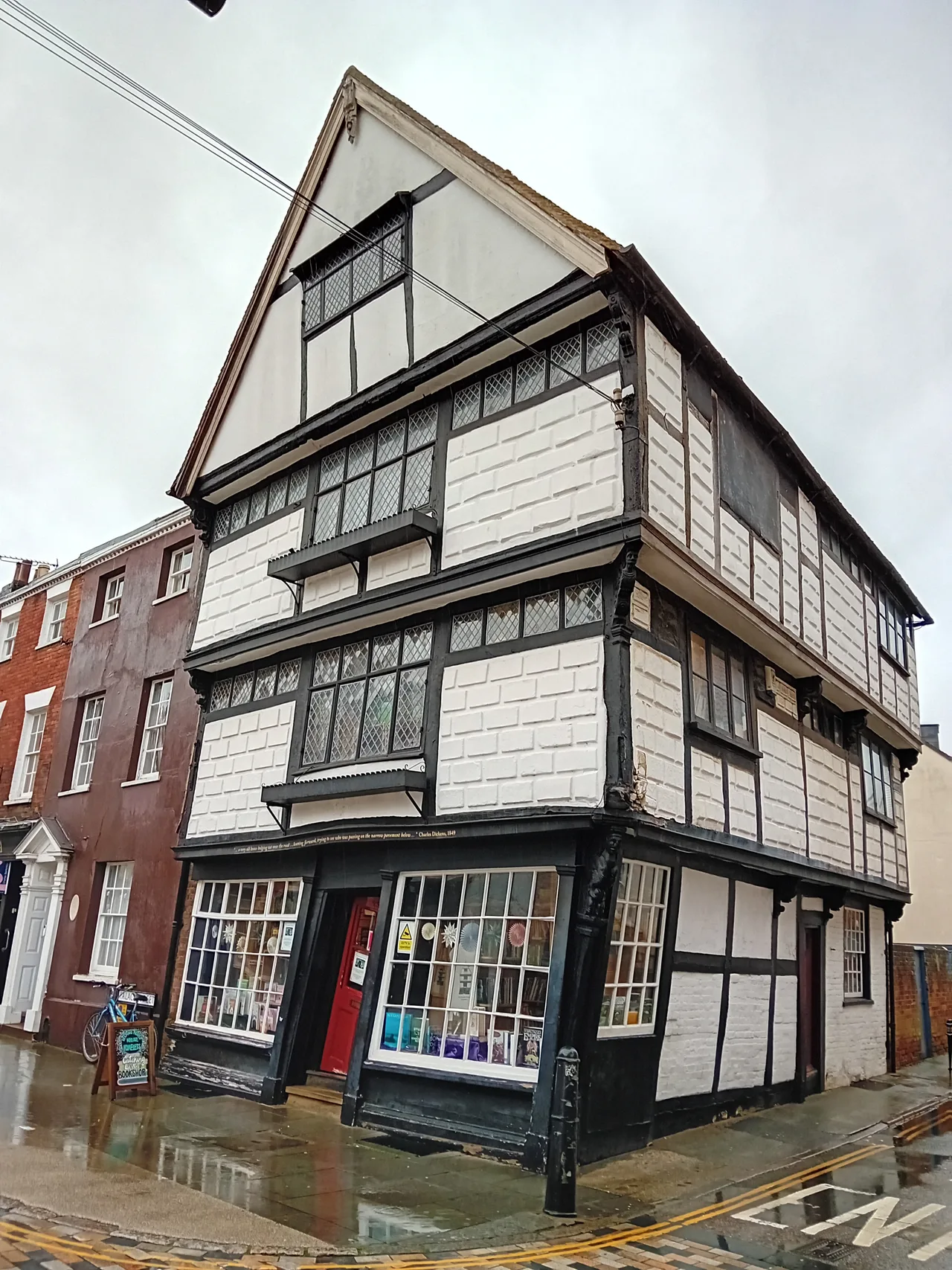
St Augustine's Abbey, the city walls and the King's Mile reward a crisp, dry morning, when the ruins and timber-framed streets are quiet enough to take at walking pace. Build the walk into the brightest hours of the day and keep a museum or a café as the fallback for the inevitable wet afternoon.
If you are weighing a winter city break against another historic English town, the comparison is mostly about scale and atmosphere rather than headline sights.
Winter Punting on the River Stour
Punting on the Stour runs through the colder months, and winter is when the water is quietest, with blankets on board and the city's landmarks reflected under the bridges. Late afternoon trips catch the festive lights along the riverbanks, which is the strongest argument for going out on the water in December rather than summer.
Riverside walks from Westgate Gardens along the Stour work well in winter because they are short and easy to abandon when the rain sets in. Pair a walk with a riverside café stop; The Mooring Café & Bar on the water is one option for thawing out, and it turns into a bar in the evening.
Rainy-Day Canterbury
Canterbury is well set up for wet weather, and it helps to decide in advance which day you will spend indoors. The Beaney House of Art & Knowledge on the High Street combines a museum, gallery and library in one building, and it doubles as the city's visitor information point.
Beyond the Beaney, the cathedral's interior, the covered shopping lanes and the city's cafés absorb a wet afternoon without much planning. A sensible winter split is one outdoor block and one indoor block per day, so a single washed-out morning does not derail the whole trip.
If a run of dark, wet days appeals less than snowy Highland scenery, a different UK winter base may suit you better.

Food and Drink in Winter
Winter eating in Canterbury leans toward the indoors: local ales, pub lunches and the seasonal produce sold around the city's markets and food shops. The Foundry Brew Pub occupies an old industrial building off the High Street and runs brewery and distillery tours through the year, which makes a good cold-afternoon activity.
Pubs with open fires are a genuine part of the winter routine here, not a marketing line, and a late-afternoon pint by a stove is the natural bridge between an early dusk and dinner. Book ahead for the weekends around Christmas and New Year, when the city fills and tables go first.
Christmas in Canterbury
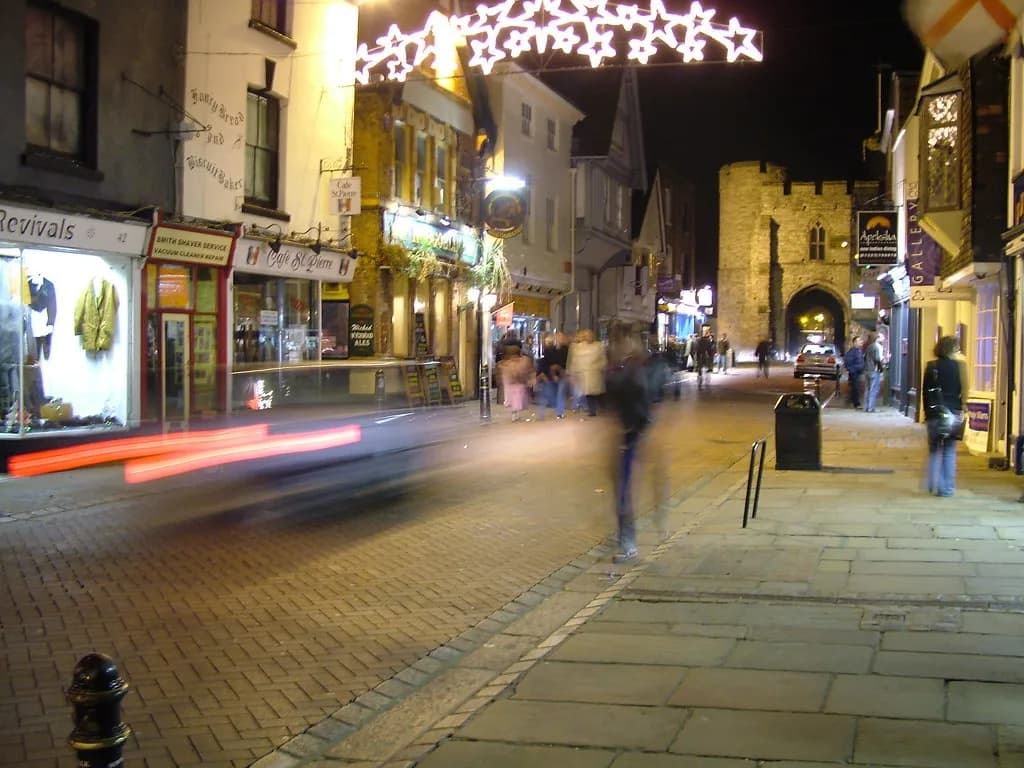
The run-up to Christmas is the busiest stretch of the Canterbury winter, with a market of wooden chalets in the city centre and a light switch-on that turns the medieval streets into an evening spectacle. Treat the market as one part of a winter visit rather than the reason for it: the cathedral, the river and the city walls carry the season just as well on a quiet January day.
Advent and Christmas services fill the cathedral through December, and Carols at Canterbury Cathedral with the choir is the traditional highlight. Some popular services need pre-booked tickets, while regular worship is generally open to visitors.
A December trip has a different feel from a November one, so match the month to what you want.
Christmas Eve and Christmas Day
Christmas Day 2026 falls on a Friday, and the days around it are the quietest of the festive period on the streets, with many shops and attractions closed or on reduced hours. The cathedral's Christmas services are the main draw for visitors in the city on those dates.
Plan Christmas Eve and Christmas Day around confirmed service times and booked meals rather than assuming venues will be open, because hospitality in a small city like this tends to close or pre-book entirely.
New Year and Early January
New Year's Eve in Canterbury is a low-key affair compared with the big-city celebrations, and the first week of January is the quietest of the whole winter. That makes it a good window for travelers who want the cathedral and the medieval streets close to empty.
Epiphany on 6 January 2027, a Wednesday, closes the Christmas season, and after it the city settles into ordinary winter business. Expect short days, cold walks and no queues at the main sights.
February and March: Longer Days and Half-Term
February and March bring noticeably longer daylight and a run of half-term visitors, so book the school holiday week early and keep the rest of the month flexible. Early spring remains changeable, with crisp, bright days and wet ones in roughly equal measure.
Carnival Tuesday falls on 9 February 2027, Ash Wednesday on 10 February, and European clocks go forward on 28 March 2027, which is also when Holy Week begins ahead of Easter Sunday on 28 March. The clock change gives you an extra hour of evening light for a last riverside walk.
Day Trips That Work in Winter
Whitstable is the best winter day trip from Canterbury: the shingle beach and beach huts are at their most atmospheric in cold light, and the town's oysters are in season. Buses and trains connect the two towns, though Sunday and holiday services are thinner, so check times before you set out.
Herne Bay and the Thanet coast work on a bright, dry day but lose their appeal in wind and rain, when the indoor options in Canterbury are the better call. Along the coast, Dover's white cliffs offer a bracing winter walk if you want bigger scenery than the Stour valley.
Getting Around Canterbury in Winter
Canterbury is served by high-speed trains from London St Pancras, with a journey of roughly an hour, and the city centre is walkable from the station. Snow is rare and ice on pavements and minor roads is the more realistic winter hazard, so allow extra time on foot and check rural bus services before relying on them.
Within the city, walking is the default; buses matter mostly for the coast and the villages. Stagecoach and Arriva run local services, but frequency drops on Sundays and public holidays.
Trade-Offs: Who Should Pick Another Month
Winter buys you quiet streets, empty cathedral aisles and cheaper-feeling days, but it charges you in daylight, rain and early closures. It suits travelers who like museums, food, architecture and atmosphere, and who can accept a wet afternoon in exchange for a medieval city without crowds.
It does not suit anyone wanting long outdoor days, gardens at their best or a seaside holiday. For those travelers, late spring or summer is the better choice, and winter is the season for the indoor Canterbury.
If you are still comparing English cities for a winter break, our guide to Cambridge in winter covers the same question of season and scale among historic university streets.
Bringing Your Dog to Winter Canterbury
If you are travelling with a dog, Canterbury's winter season has one obvious draw: the Visit Canterbury listings include a dog-friendly category among their winter articles, with the seasonal winter guide carrying a 'Dog Friendly | Romantic | Autumn' tag. That is a useful signpost when you are choosing where to spend a cold afternoon, and it sits alongside the wider winter coverage of cosy pubs in Canterbury, Herne Bay and Whitstable that feature open fires or woodburning stoves. A pub with a fire is a sensible target on a frosty day, whether or not you have a dog in tow.
For walkers, the same winter conditions that make the city quiet also shape the options further out. The Kentish Downs offer miles of tranquil trails, with country pubs at the end of a long ramble, and Bedgebury Forest is listed among the must-do walks for the season. The White Cliffs of Dover are described as a national icon, with the 10-mile Cliff Top Walk serving up views, and Whitstable's shingle beach and colourful beach huts make a charming winter scene. Packing advice for these outings is straightforward: sturdy waterproof boots, warm layers, and a waterproof and windproof coat.
Timing matters for a dog-friendly day out. Most castles open weekends from November to February, 10 AM to 4 PM, and Canterbury Cathedral is open daily from 9 AM to 5:30 PM except Christmas and New Year, so daylight hours for a riverside or country walk are short and best used early. The colder months also mean quieter waterways on the River Stour, where a punt trip glides past ivy-clad ruins and under medieval bridges. If the weather turns, the rainy-day ideas listed for Canterbury, Herne Bay and Whitstable give you alternatives that keep the day moving without a long trudge in the wet.
Plan Your Winter Visit
Canterbury in winter is a heritage city with the volume turned down: short days, cold riverside walks, a cathedral that suits the season and a pub fire waiting at the end of the afternoon. Aim for November or January if you want space, December if you want the market and carols, and February or March if you want longer light with most of the quiet intact.
Explore more Canterbury winter guides
Frequently Asked Questions
What is Canterbury like in winter?
Quiet, cold and often damp, with early dusk and a compact medieval centre that is easy to walk. The cathedral, the riverside and the city walls are the main draws, and indoor options matter as much as outdoor ones.
How cold does Canterbury get in winter?
Canterbury has a mild coastal-influenced climate for England, with frosty mornings and cold, grey days typical of the season. Check a national weather service for current averages and a forecast before you travel, and plan for rain as well as cold.
Is Canterbury worth visiting in winter?
Yes if you want heritage, indoor warmth and quiet streets rather than long outdoor days. It is less appealing for anyone seeking gardens in bloom or coastal weather.
What is there to do in Canterbury in winter?
The cathedral crypt and cloisters, St Augustine's Abbey, the city walls, Westgate Gardens, winter punting on the Stour, and the Beaney's museum and gallery on wet afternoons.
Does it snow in Canterbury?
Snow is possible but not reliable in east Kent, and when it comes it is usually light. Plan around cold, wet weather rather than snow.
Is Canterbury busy at Christmas?
The run-up to Christmas is the busiest part of the winter, with the market and light switch-on drawing crowds. Christmas Day itself and the first week of January are far quieter.
What is open in Canterbury in winter?
The main sights, the cathedral, the museum and the pubs operate through the winter, but some places cut hours or close on public holidays. The local tourism site lists current openings and winter ideas.
Is punting available in Canterbury in winter?
Yes. Punting on the Stour runs in winter, and it is quieter than in summer, with blankets provided on board. Book ahead for a late-afternoon trip to catch the festive lights.
Sources
Winter travel notes
Optional updates when we add or revise winter guides.
You might also like
Continue reading
More guides you'll find useful