Cannes in Winter: What November to March Is Really Like
Cannes in winter brings mild days, quiet beaches and low-season prices. See typical weather by month, what stays open and who a November to March trip suits.
On this page
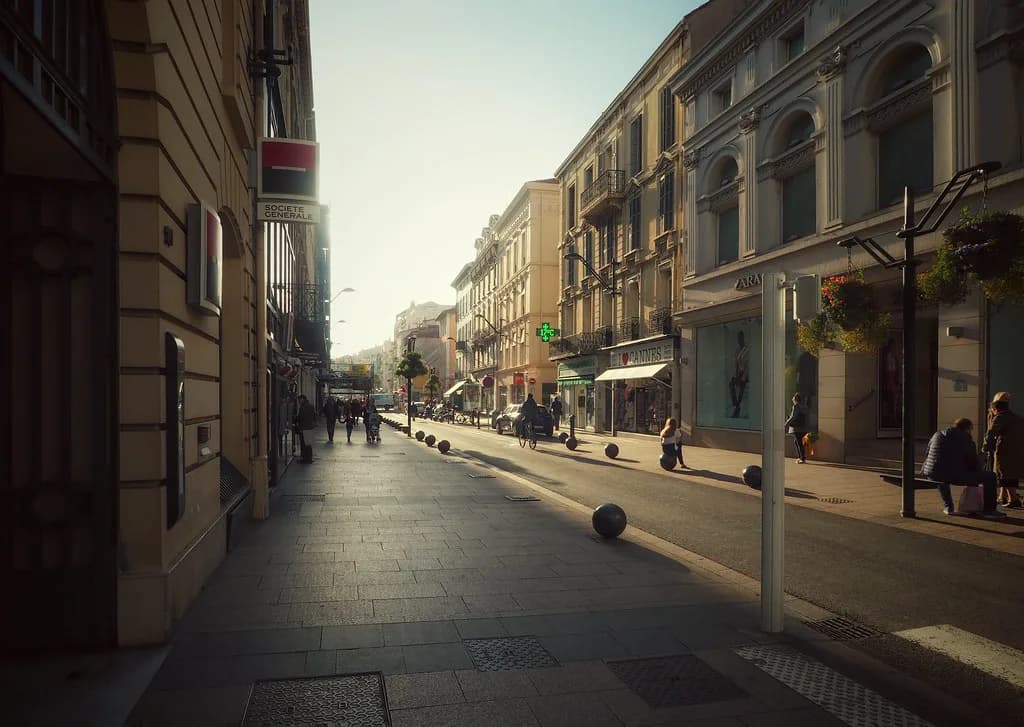
Winter is when Cannes belongs to its residents again. The Croisette empties of summer crowds, restaurant terraces thin out, and the light that made the Riviera a winter resort in the first place comes back into its own. Mornings can be crisp and windy, afternoons often mild enough for a long walk without a coat open, and the sea stays cold rather than inviting.
A November-to-March trip here suits people who want a base for slow sightseeing, good food and coastal walks without queueing for anything. It is a poor fit for anyone expecting to swim daily, sunbathe or find every beach club and waterfront terrace in full service. The trade-off is real: shorter daylight and a handful of closed seasonal businesses in exchange for quiet streets and accommodation rates well below summer levels.
What Cannes Is Like in Winter, and Who the Season Suits
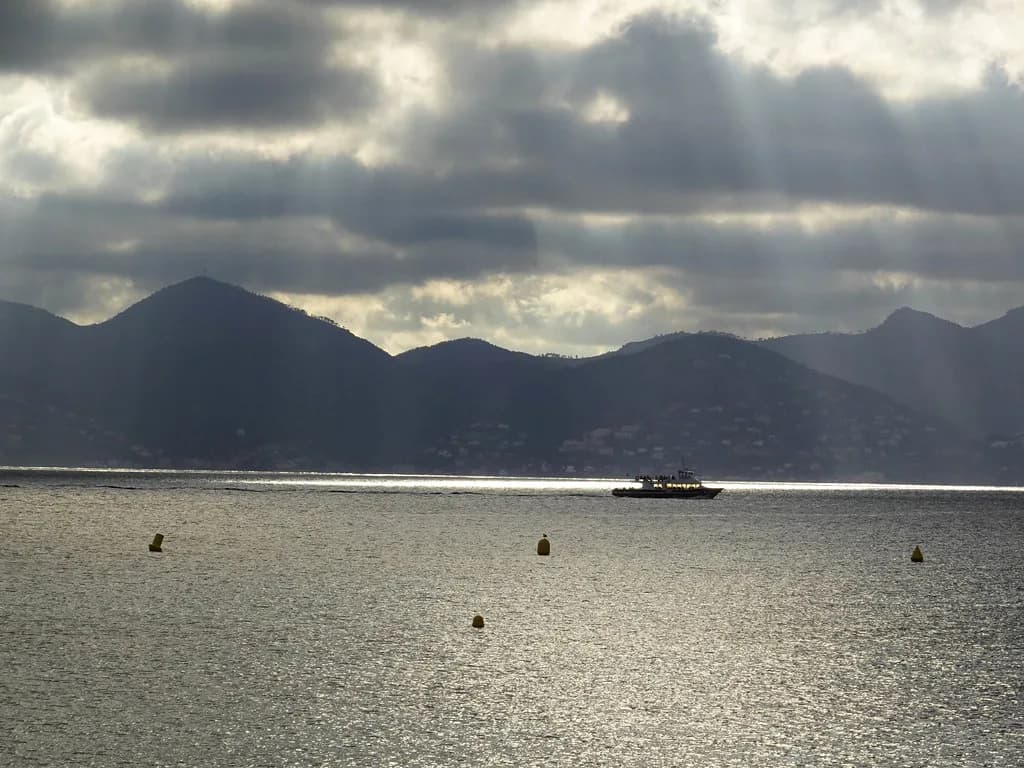
Cannes sits on a sheltered stretch of the Côte d'Azur where the Alps to the north block much of the cold air, so winters are mild rather than warm. Snow on the town itself is rare enough to be a talking point; what you get instead is a mix of bright, still days and brisk mistral-driven ones. The town never fully empties, because the Palais des Festivals hosts conferences and trade events through the season that keep hotels and restaurants ticking over.
This is a good season for couples, walkers and anyone working remotely who wants a compact, walkable base with a reliable rail line along the coast. It is less good for families chasing beach time, for anyone who needs a pool or a sun lounger to enjoy a holiday, and for travelers who want the full buzz of the film-festival months. Plan around the light: by midwinter, sunset arrives in the late afternoon, so outdoor plans belong in the morning.
Weather in November and December
November is the softest entry into winter. Typical highs sit around 16°C (61°F) with lows near 8°C (46°F), which means lunch outside is often plausible while evenings need a proper jacket. It is also one of the wetter stretches of the Riviera year, so build in indoor options rather than committing every day to the coast path.
December cools a notch, with typical highs near 14°C (56°F) and lows around 5°C (40°F). Days are short and the sea breeze feels sharper, but clear midday hours are common and the promenade is at its quietest. The town dresses for the holidays without turning into a market destination, and hotel rates are at their softest outside the final week of the year, so it pays to compare festive packages and opening times directly with whichever hotel you have in mind, or with the Cannes tourist office.
Weather in January and February
January is the coldest month on paper, though the figures are still gentle: typical highs of about 13°C (55°F) and lows near 4°C (39°F). Mornings can be genuinely chilly, especially on the water and on the exposed Croix des Gardes ridge, while sheltered old-town lanes warm up quickly once the sun clears the hills. Expect a handful of wet days and a few brilliantly clear ones rather than relentless grey.
February is barely different, with highs around 13°C (56°F) and lows of 4°C (40°F), and it brings the season's liveliest stretch thanks to Carnival. The town stays quiet by summer standards but the mood lifts, and the days lengthen noticeably by the end of the month. Pack for layering and plan outdoor activities for the middle of the day.
Weather in March, and Winter Daylight
March is the turning point: typical highs climb back toward 15°C (59°F) and lows sit near 6°C (43°F), and the first genuinely spring-like afternoons appear. Sunshine becomes more dependable and the cafes start moving tables back outside. It is the month when winter value and pleasant weather overlap most neatly.
Daylight is the constraint to plan around. In December and January the sun sets in the late afternoon, giving perhaps nine hours of usable light, while by late March clocks go forward on 28 March 2027 and evenings stretch out again. That means winter day trips should be short hops rather than long excursions, and the Lérins islands are best visited on a morning boat so you have time to walk before the return crossing.
What Closes and What Stays Open
Cannes does not shut down, but it does thin out. Some private beach clubs and seasonal waterfront restaurants reduce to weekend service or close for the quietest weeks, and hotel pools and terraces may be out of action. Rather than assuming, contact the specific venue you care about; the town's own winter pages are a reasonable starting point for what is running during your dates.
What genuinely runs year-round is the core of a winter visit. The Lérins islands are served by at least seven ferries a day across the year, with crossings of roughly fifteen minutes, so Île Sainte-Marguerite and Île Saint-Honorat are reachable even in the depths of January. Marché Forville operates as a morning market in the town center and is the place to assemble a picnic, while the Musée de la Castre in the old castle on Le Suquet hill and the Palais des Festivals exterior on the Croisette are dependable whatever the weather does.
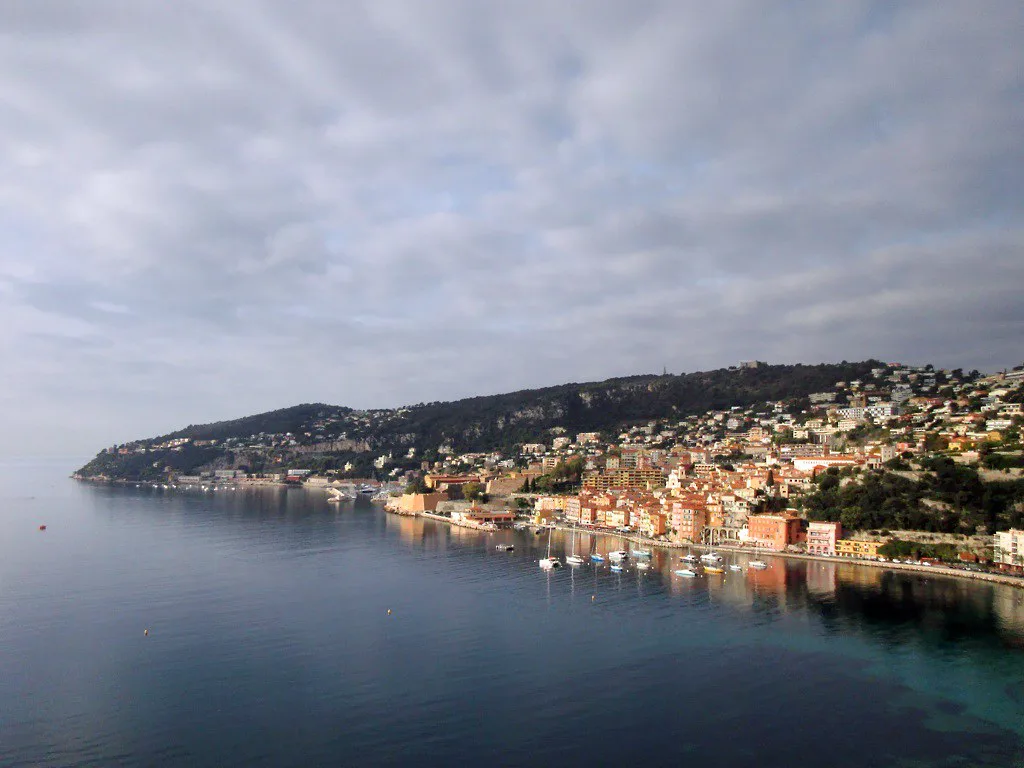
Christmas and New Year in Cannes
Christmas Day 2026 falls on a Friday and New Year's Day 2027 on a Friday, which creates two long weekends in the middle of the quietest stretch of the season. Cannes marks the holidays with lights along the Croisette and shop windows rather than a sprawling market, and the town's own festive program is the thing to consult for what is actually scheduled during your dates. Book restaurants ahead for the 24th, 25th and 31st, since many places run limited covers or set menus on those evenings; confirm the details directly with the restaurant.
Things to Do in Winter: Le Suquet and the Old Town
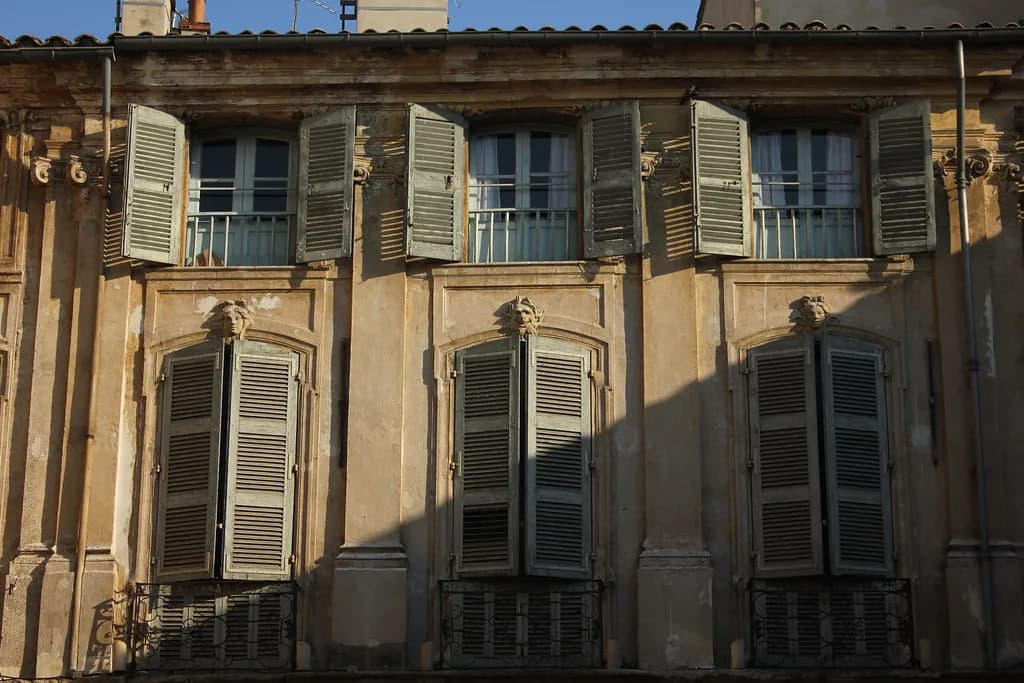
Start in Le Suquet, the old fishing quarter that climbs the hill above the port. The lanes are pedestrian, the views over the bay and the Estérel mountains are at their clearest in winter air, and the Église Notre-Dame d'Espérance at the top gives you a landmark to aim for. The Musée de la Castre, housed in the old castle, combines regional art with an unexpected collection of musical instruments from around the world, which makes it a solid choice on a wet afternoon.
The painted walls scattered across town turn a walk into a scavenger hunt: oversized murals of cinema stars and film scenes cover facades on Boulevard de la République and side streets. In winter you can stand back and look at them without dodging crowds, which is the main reason to do this route now rather than in June.
The Croisette, the Beaches and the Vieux Port
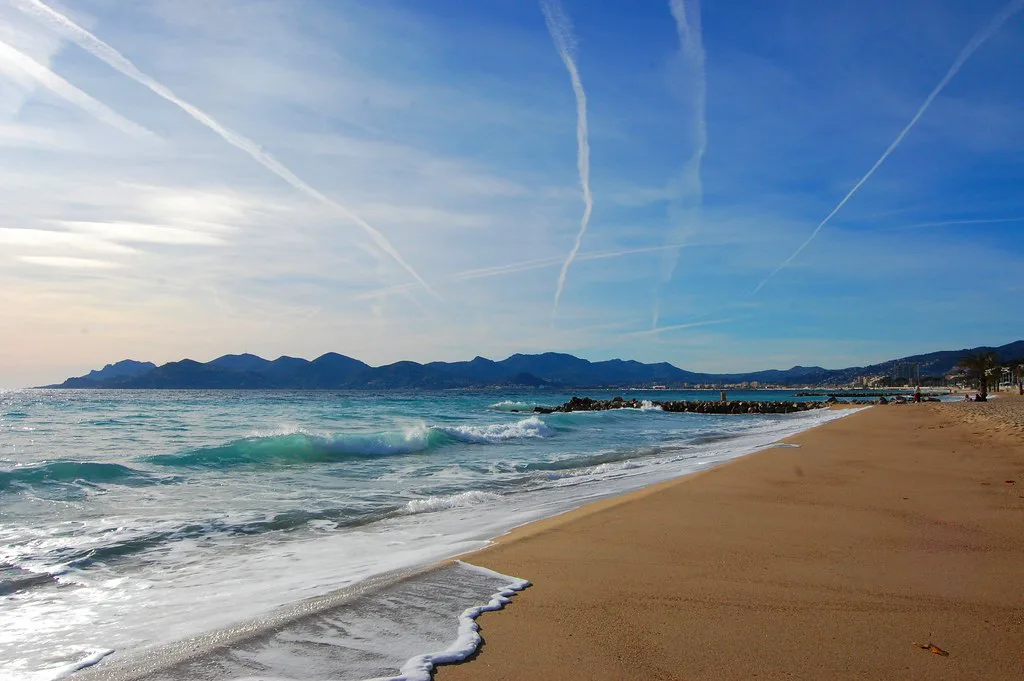
La Croisette's two-kilometer promenade is the town's great free attraction and arguably better in winter, when you can walk it end to end in peace. The beaches below are quiet, and while swimming is for the hardy, a barefoot walk on the public stretches at Macé or Zamenhof is a pleasant way to spend an hour. The Vieux Port, with its mix of yachts and working fishing boats, is the natural hinge between the Croisette, the Forville market and the Suquet hill.
For a half-day outdoors, the Croix des Gardes natural park west of the center offers around twenty kilometers of marked trails through pine and Mediterranean scrub, with the Sentier du Paradis climbing to panoramic views over the bay. Winter is the right season for it: the ascent is cool, the air is clear, and the low sun makes the sea glitter. Wear proper shoes, since the limestone paths get slick after rain.
Markets and Food in the Low Season
Marché Forville is the town's larder, with produce, flowers, cheese and seafood stalls filling a large covered hall in the mornings; come early for the best of it and expect a quieter scene than in summer. Around it, Rue Meynadier runs up toward the old town with food shops and small restaurants, and the Socca and pan bagnat culture of the Riviera is at its most enjoyable when you are hungry from walking rather than heat.
Winter is also when the restaurant side of Cannes feels less like a performance. Tables are easier to get, set menus are better value, and the focus shifts to hearty Provençal cooking rather than beach-club salads. If a particular place matters to your trip, confirm it is serving on your dates, since some seasonal kitchens take their break in January.
The Lérins Islands in Winter
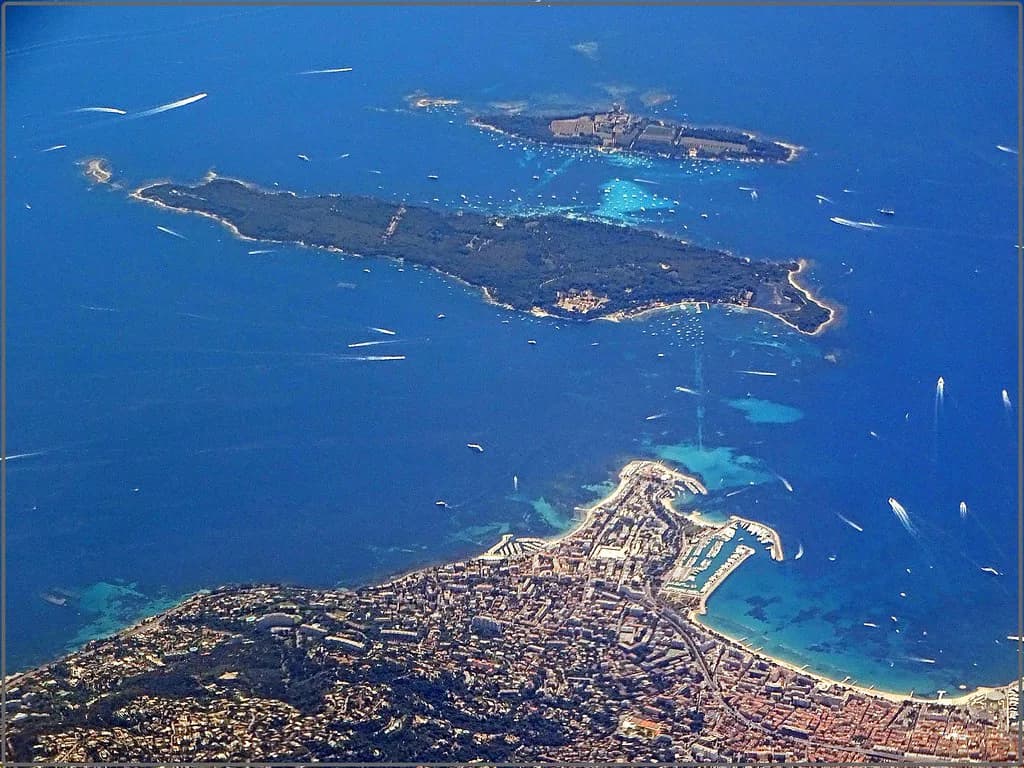
The two main islands are the best winter day out from Cannes, and the ferry crossing is short enough to fit into a short winter day. Île Sainte-Marguerite is the larger, car-free and forested, with walking trails and the star-shaped Fort Royal, where the Man in the Iron Mask was famously held and where the Museum of the Sea now displays wreck finds. It is also the launch point for the underwater eco-museum of sculptures sunk off the north shore, though that rewards a summer swim rather than a winter one.
Île Saint-Honorat is the quieter of the two, home to a community of monks who have cultivated vines for generations and who run a guesthouse for retreats. The island has no ferry link to its neighbor, so plan one island per day and check the boat schedule against daylight before you set out. Even in midwinter, the crossing and a couple of hours of walking make a satisfying half-day.
Day Trips That Work in Winter: Grasse, Nice and the Estérel
Grasse, the perfume town in the hills behind Cannes, is an easy short trip and a smart wet-weather choice because so much of it happens indoors. The Fragonard perfumery and the Musée International de la Parfumerie explain the trade that replaced the town's leather industry, and the old town's cathedral and steep lanes fill out an afternoon. Buses and trains from Cannes make this doable without a car; check timetables for your dates with the bus and rail operators.
Nice is roughly thirty-five minutes away by train along the coast, which makes it the obvious city day trip when the weather turns. The Promenade des Anglais, the old town's market streets and the Colline du Château viewpoints are all within walking distance of each other, and the city's UNESCO-listed winter-resort architecture gives the walk a theme. Aim to arrive mid-morning so you are not doing the best parts in the dark.
The Estérel massif to the west is the wilder option, a red porphyry landscape of coastal trails and corniche roads best reached by car. Winter light on the rock is spectacular, but the roads and trails demand decent conditions and a early start. For a longer, gentler city fix, Aix-en-Provence in Winter is reachable by train and rewards a full day with its Cours Mirabeau and markets, while Annecy in Winter is a much longer haul and a different trip entirely. If you want a smaller Riviera alternative to weigh against Cannes, our Saint-Tropez winter guide covers the same November-to-March trade-offs in a quieter harbor town.
Crowds, Prices and the Trade-offs of a Winter Trip
The headline benefit is space and cost. Accommodation is significantly cheaper than in summer, restaurant tables are easier to secure, and the Croisette is nobody's obstacle course. Against that, short days cut into what you can do, some seasonal venues are shut or on reduced hours, and the weather alternates between crisp sunshine and genuinely damp spells that make a museum day the sensible plan.
The season is not one thing across five months: November is mild and wet, January is calm and cold, February brings Carnival energy, and March edges back toward spring. Pick your month based on what you want, not on a single idea of winter. If you want reliable warmth, this is not the destination; if you want a quiet, civilised Riviera with good food and long walks, it is.
Who Should Skip Cannes in Winter
Travelers whose holiday depends on swimming, sunbathing, beach clubs or pool time should choose another season or another destination; the Mediterranean is cold, and much of the waterfront infrastructure is not geared for lounging. Families with small children who need long, warm evenings and guaranteed outdoor entertainment will also find the short days a constraint. Anyone on a tight schedule who wants to see Cannes plus several Riviera highlights in a few days should consider whether the shorter daylight and reduced winter timetables will work for them at all.
Plan Your Winter Visit
Treat Cannes in winter as a walking and eating town rather than a beach one. Anchor each day around daylight, put the Lérins islands and the Croix des Gardes on the clearest days, keep a museum day in reserve, and leave evenings for long dinners in the old town.
Book accommodation with flexible cancellation, confirm the specific restaurants and seasonal venues that matter to you closer to the date, and use the tourist office's own winter listing for what is running during your week. That way you plan around what is actually happening in Cannes rather than what the summer brochures promise.
Explore more Cannes winter guides
Frequently Asked Questions
How warm is Cannes in December?
Typical December highs are around 14°C (56°F) with lows near 5°C (40°F), based on long-term averages rather than a forecast. Mornings and evenings feel considerably cooler, especially on the seafront, while clear midday hours can be pleasant enough for a long walk.
Is Cannes worth visiting in winter?
Yes, if you want quiet streets, good food and coastal walking at low-season rates. It is less compelling if your holiday depends on swimming, sunbathing or beach clubs, most of which are reduced or closed in the coldest weeks.
What is there to do in Cannes in January?
Le Suquet and the Musée de la Castre, the Croisette promenade, the Marché Forville in the mornings and the painted cinema murals are all solid January choices. The Lérins islands remain reachable by ferry, and the Croix des Gardes trails are at their best in cool, clear weather.
Do the ferries to the Lérins islands run in winter?
Yes. Île Sainte-Marguerite and Île Saint-Honorat are served year-round with at least seven crossings a day and roughly fifteen minutes on the water, but check the current boat schedule against daylight before planning a day out.
Is Cannes or Nice better in winter?
Nice is the larger city with more museums and a busier street life, and it is about thirty-five minutes by train from Cannes. Cannes is quieter and more compact, which suits travelers who want slow days near the sea; many people base in one and day-trip to the other.
Does it snow in Cannes?
Snow in Cannes itself is rare, and winter weather there is usually mild and changeable rather than cold and snowy. Snow is a feature of the Alps inland, not of the coast.
When does Cannes warm up again?
March is the turning point, with typical highs back around 15°C (59°F) and more dependable sunshine. The real warmth and the full summer season arrive later in spring, and clocks go forward on 28 March 2027.
Sources
Winter travel notes
Optional updates when we add or revise winter guides.
You might also like
Continue reading
More guides you'll find useful