Cannes in March: Weather, Crowds and What's Open
Cannes in March means mild Mediterranean days, quieter streets and lower prices before festival season. Here is what to expect and who the month suits.
On this page
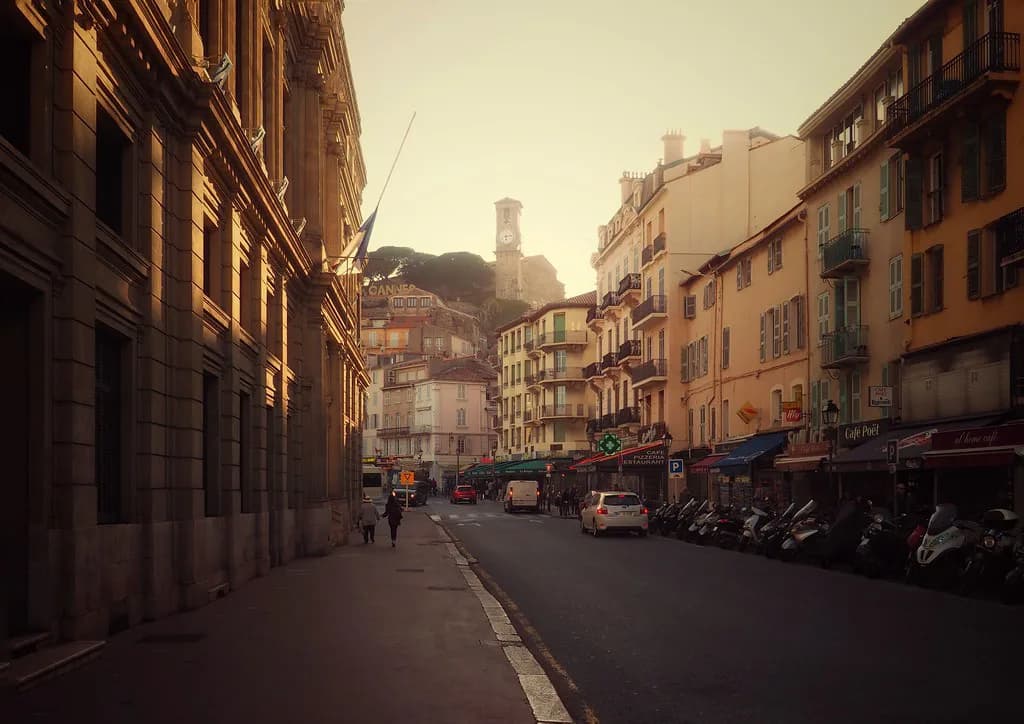
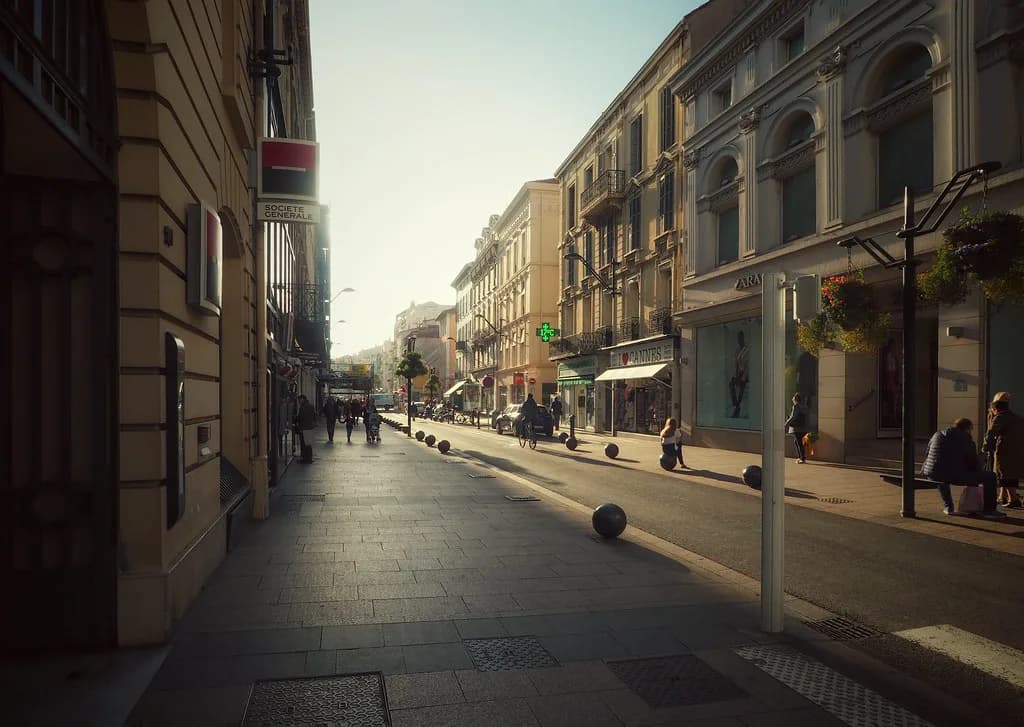
March in Cannes is a resort waking up rather than a resort in full swing. The Croisette is walkable without elbows, restaurant terraces start filling at lunchtime rather than staying shut, and hotel demand sits well below the summer and festival peaks. It suits travelers who want the Riviera at a human pace and can build a day around a cloudy afternoon rather than a beach club lounger.
The catch is variability: the same week can hand you a bright, still afternoon on the seafront and a damp, breezy morning two days later. Treat March as a lightly cool shoulder month and you will enjoy it far more than if you arrive expecting May. Days are lengthening quickly, and clocks go forward on 28 March 2027, which pushes sunset notably later toward the end of the month.
What Cannes is like in March
This is the last month before the Cannes calendar turns toward festival season, and that timing is the whole appeal. August-level crowds are months away, and the town's cafes, markets and museums operate on a calmer rhythm than in high season. You can see the Croisette and Le Suquet in a single unhurried day without booking around queues. For a broader picture of the season, the Cannes in winter overview sets out how the town changes from December through February.
The atmosphere is early spring rather than deep winter: locals are back on the promenade, the light is longer, and the first warm afternoons arrive without summer's haze. It is also a good month for inland excursions, since the coast is comfortable for walking and the hills behind Cannes are still green.
Weather in March
Long-term records for Cannes show March as a transitional month rather than a warm one, so plan for a range of conditions instead of a single forecast. Historical March data for Cannes, drawn from long-term weather records, is the most reliable benchmark for what past years have delivered. Treat every figure as typical of the month and check a short-range forecast in the days before departure for the actual picture.
Practical expectations matter more than a single number: expect several rain-bearing days across the month, cool mornings, and lunchtime temperatures that often feel pleasant in sun and chilly in wind off the sea. The mistral and other coastal winds can make the seafront feel noticeably colder than the sheltered old town. Build each day with one indoor option and one outdoor option, and swap them as the sky decides.
Daylight is the quiet bonus of a March visit. By month's end there are several more usable hours of light than in January, and the clock change on 28 March 2027 adds a further hour of evening daylight. Plan evening walks on the Croisette for the last week of the month rather than the first.
The first signs of spring on the Croisette and in Le Suquet
The Boulevard de la Croisette in March is a promenade for walking and people-watching rather than sunbathing. Public beach sections are open to anyone who wants a stretch of sand, though the water itself is cold and best treated as a view rather than a swim. Private beach clubs on the Croisette tend to reopen or extend their hours gradually through spring, so a beach lunch is a real possibility rather than a certainty.
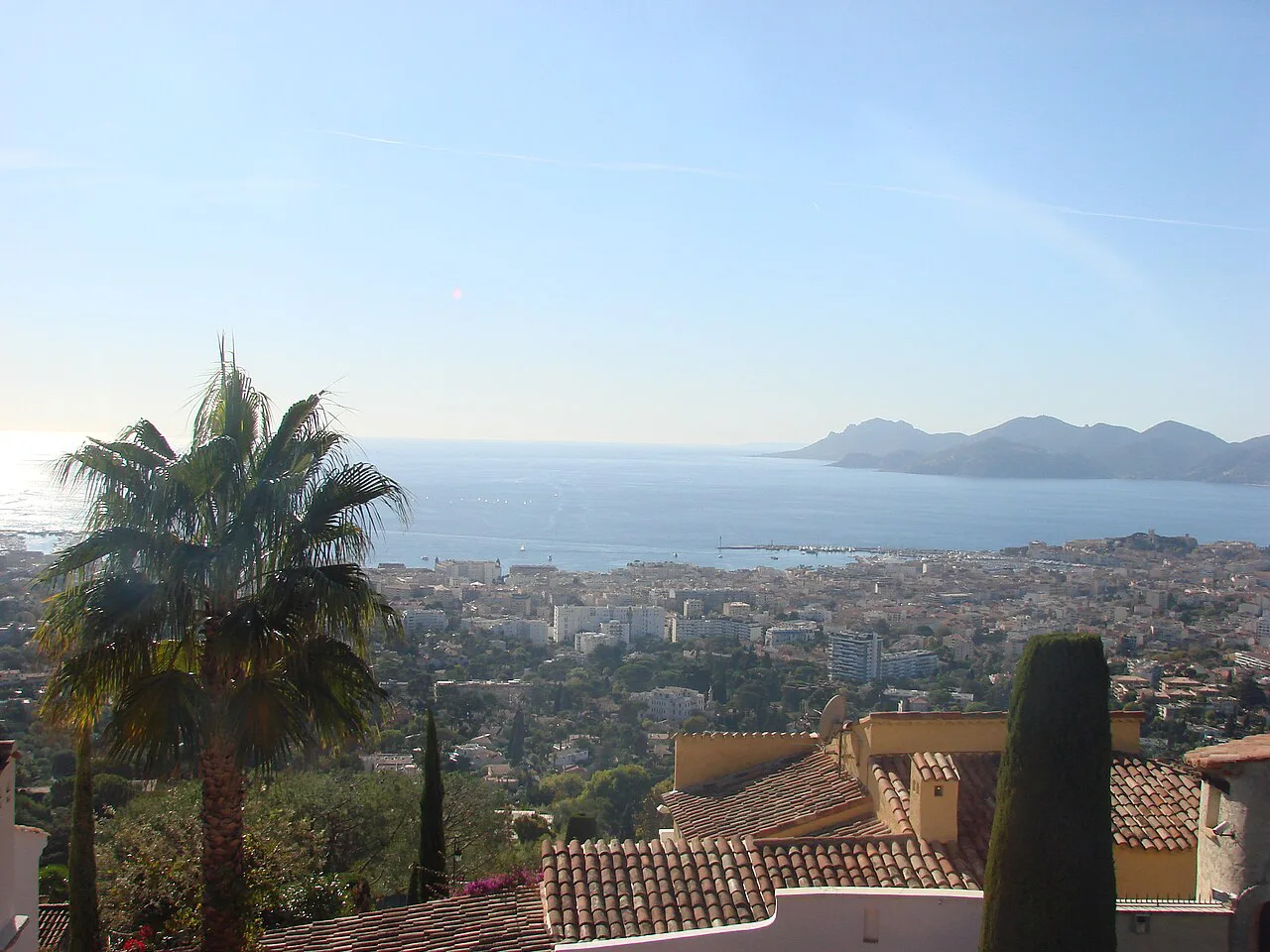
Le Suquet, the old town above the port, is the warmest and most sheltered corner of central Cannes in changeable weather. Its stepped lanes dry quickly, the viewpoints are close at hand, and the walk up delivers the best overview of the bay without a long commitment. Go in the morning for the softest light and the thinnest lanes.
March is also when the town starts to look forward rather than back. The mood on the promenade lifts as the days grow longer, and the first outdoor tables appear. If you want the quietest version of that atmosphere, come early in the month; if you want the extra evening light, come late.
What is open in March
Cannes' core sights run year-round, which is the main advantage of visiting outside peak season. The Palais des Festivals et des Congrès, the Forville market and the museum on Île Sainte-Marguerite are the anchors of a March visit, and the town's central streets stay fully usable. Only a handful of seasonal businesses treat March as a soft opening.
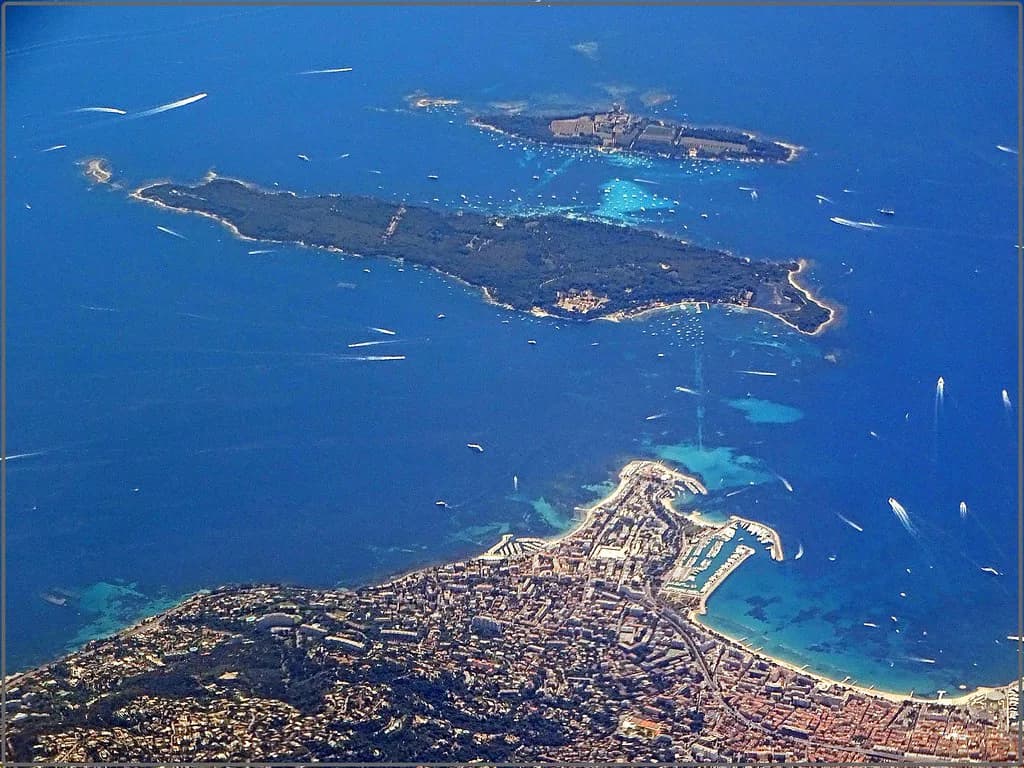
The Lérins islands are the biggest question mark, because ferry crossings to Sainte-Marguerite and Saint-Honorat follow a lighter winter timetable that expands as spring arrives. Whether a given crossing runs on your date is best confirmed directly with the boat operator before you build a day around it. Choose a calm, clear day for the crossing, since the same wind that clears the haze can make the water choppy.
Restaurants that quietened over the winter generally come back to life through March, with more evening openings and fuller tables as the month progresses. Booking a day or two ahead is sensible for weekend dinners, far less so for weekday lunches. The trade-off is a slightly uneven scene: some places are in full swing, others still in their off-season rhythm.
What is on in March
March in Cannes is more about seasonal windows than fixed spectacles. The mimosa bloom runs along the coast and into the hills behind the town in late winter and early spring, and the drive inland toward Mandelieu and the Esterel is the classic way to see it. Because flowering varies with the year's weather, treat any specific viewing date as something to check locally rather than plan around.
The Cannes Film Festival belongs to May, not March, so anyone hoping to catch it is in the wrong month. What March offers instead is the pre-festival lull: restaurants, hotels and the Palais itself are calmer, and prices have not yet begun climbing toward the spring event calendar. Holy Week falls 21–28 March in 2027, with Easter Sunday on 28 March, which can lift travel demand across the Riviera in that final week.
Things to do
Start with a half-day on Île Sainte-Marguerite, where the Fort Royal complex and its sea museum combine a boat ride, a wooded walk and an indoor visit in one outing. It is the best single activity for a bright but cool day, since the crossing and the museum both give you shelter if the weather turns. Allow most of a morning or afternoon rather than squeezing it into an hour.
In town, the Musée des Explorations du monde and the Forville market make a good rainy-day pairing: one indoor, one covered but lively, both close together. The market is at its best in the morning, when the produce stalls are full and the surrounding streets are busiest. Pick up picnic supplies there for a sheltered lunch on a good day.
For a walk that works in mixed weather, follow the coast path toward La Bocca or climb through Le Suquet to the viewpoint above the port. Both are short enough to abandon if the rain sets in and scenic enough to justify a second attempt the next day. Walking the centre and the Croisette remains the cheapest and most reliable way to spend a March afternoon.
Day trips that work in March
March is an excellent month for inland excursions, because the coast is comfortable and the hills are still green. The mimosa route toward Mandelieu and the Esterel massif is the most seasonal option, with coastal roads and viewpoints that reward a clear day. Rent a car or take a local bus; driving gives you the flexibility to chase the sun and stop where the view is best.
For a bigger city day, Marseille is reachable by train and offers the old port, Le Panier and enough indoor culture to survive a wet afternoon. It is a full day rather than a half-day, so go early and pick two or three districts instead of trying to cover the city. Within the region, France in March offers more ideas for pairing Cannes with the wider Côte d'Azur.
Closer to hand, the coast towns between Cannes and Nice make easy half-day trips on regional trains and buses. Antibes, with its old town and ramparts, is a compact target that suits a changeable March day. Keep the itinerary loose so you can retreat to Cannes if the weather closes in.
Crowds and prices in March
March sits in the low-demand band that runs through the winter months, well below the festival and summer peaks. The cheapest months of the year are the deep-winter ones, with January the quietest and least expensive of all, as this comparison of January rates shows. March costs more than January but far less than May, and weekend demand rises with the first warm spells.
In practice, that means a midweek arrival in early March gives you the best combination of price and quiet. Prices climb as the month advances and the festival calendar approaches, so book the later weeks earlier if those dates matter to you. Expect the most pressure around the Holy Week and Easter weekend, when the Riviera fills with European travelers.

Short days, rain and wind
The honest trade-off is weather reliability. March can deliver a flawless spring afternoon and a cold, wet morning in the same week, and the seafront wind can cut through light clothing. The sea stays cold enough that swimming is for the hardy rather than the average visitor, so anyone whose ideal trip is built around beach time should look at May or September instead.
Short days are a smaller issue than in midwinter, but early March still ends its light earlier than most visitors expect. Plan outdoor sights for the morning and keep an indoor fallback for the afternoon, and the changeable weather becomes an inconvenience rather than a ruined day. Late March, with the clock change on 28 March 2027, is noticeably more forgiving for evening plans.
Who March in Cannes suits
March suits walkers, museum-goers, photographers and anyone who values elbow room over guaranteed sunshine. It is a strong month for couples and solo travelers who want good restaurants without a booking fight, and for travelers combining Cannes with inland drives and nearby towns. Families with young children do well here too, provided the day includes an indoor option.
It is the wrong month if your trip is built around swimming, sunbathing or long beach-club afternoons; May through September serves that better. If you want the town at its liveliest without summer crowds, the weeks around the film festival are the alternative. If you want the deepest winter quiet and the lowest prices, February delivers both, as this look at Cannes in February explains.
Getting around in March
Central Cannes is compact enough to cover on foot, with the Croisette, the port and Le Suquet linked by short walks. Palm Bus lines cover the parts that are further out, including La Bocca, and local services are frequent enough for day-to-day use. Walking remains the best way to see the town, and March weather is generally kind to it.
For the islands and the coast beyond Cannes, boats and regional trains matter more than local buses. Ferry timetables to the Lérins islands vary by season, so check current sailing times with the ferry company before you commit a day. Regional trains along the coast are the simplest way to reach Antibes, Nice and other Riviera towns without a car.
Plan Your March Visit
Cannes in March rewards flexible planning: choose dates late in the month for longer evenings, book midweek for the best value, and keep one indoor option ready for every outdoor plan. The town is quiet, the light is improving and the Riviera is at its most walkable.
If mild-to-changeable weather and smaller crowds sound like your version of the Riviera, March delivers. If you need guaranteed sunshine and warm sea, wait for May or September and book accordingly.
Explore more Cannes winter guides
Frequently Asked Questions
Is March a good time to visit Cannes?
Yes, for travelers who value quiet streets and lower prices over guaranteed sunshine. March is a shoulder month with mild but changeable weather, and it is the last calm stretch before the spring festival build. It suits walkers, museum-goers and couples far better than beach-focused visitors.
How warm is Cannes in March?
March is transitional, with cool mornings and afternoons that can feel pleasant in sun and cold in wind off the sea. Expect a wide day-to-day range rather than a steady temperature, and plan layers.
Does it rain in Cannes in March?
Rain is a regular feature of the month rather than an exception. Rather than planning around a single forecast, build each day with one indoor option and one outdoor option, and expect at least one washed-out afternoon in a typical week.
Can you swim in Cannes in March?
The sea is cold in March and suits only hardy swimmers. Most visitors treat the beach as a place to walk rather than to bathe, and anyone who wants reliable swimming should choose May or later.
Are the Lérins islands worth visiting in March?
Yes, on a calm, clear day. Île Sainte-Marguerite combines a short crossing, a wooded walk and the Fort Royal sea museum in one outing, which makes it ideal for changeable March weather. Crossings run on a lighter seasonal timetable, so check current details before you build a day around it.
Is the Cannes Film Festival in March?
No. The film festival belongs to May, not March, so travelers hoping to catch it should plan a spring visit instead. March offers the pre-festival lull, with calmer restaurants and lower demand.
Is Cannes crowded in March?
Crowds are light for most of the month, especially on weekdays and in early March. The final week, around Holy Week and Easter in 2027, brings more European travelers to the Riviera and is worth booking ahead.
How does Cannes in March compare with February and April?
February is quieter, colder and cheaper, while April brings warmer days and rising demand as the festival season approaches. March sits between the two, with better light than February and lower prices and crowds than April.
Sources
Winter travel notes
Optional updates when we add or revise winter guides.
You might also like
Continue reading
More guides you'll find useful