France in March: Weather and Where to Go
France in March splits into early spring in the south and lingering snow in the Alps. Here is what the weather, crowds and closures look like month by month.
On this page
March is the month France stops being one country and becomes two. The Côte d'Azur and Provence start acting like early spring, while Alsace, the Atlantic coast and the high Alps are still deep in winter habits, with cold air, wet days and snow at altitude. If you want mild sea air and empty museums, head south; if you want real winter, go east or up.
The month suits travelers who value space over sunshine and who can accept changeable days. Prices and crowds sit well below summer levels, and the country's indoor anchors, from Paris museums to winter-open Loire châteaux, are far calmer. It suits less well anyone who needs guaranteed warmth, long beach evenings or reliable mountain-top views.
The practical hinge is the European clock change on 28 March 2027, when clocks go forward and evenings suddenly open up for walks and late dinners. Before that, late March afternoons end early. Holy Week runs 21–28 March 2027, with Easter Sunday on 28 March, and that final week shifts crowds and prices across the whole country.
France in March at a Glance
Think of March as a transition month rather than a season. Early March still behaves like winter almost everywhere, with cold mornings, rain and snow in the mountains, while late March delivers the first genuinely spring-like afternoons in the south and the Loire. Whatever you plan, build in flexibility: a museum day and an outdoor day that you can swap depending on the morning sky.
The month rewards travelers who pick a region and stay there rather than trying to cross the country. A week split between Nice and Paris means packing for two climates and losing a day to travel. A week based in Provence or on the Riviera, or a week in Paris with one château day trip, gives you a coherent trip with realistic weather expectations.
Who should wait? Anyone whose ideal French trip is coastal swimming, long garden afternoons or mountain hiking above the tree line. Sea temperatures stay cold and the high passes are still snowbound, so beach time and alpine walking belong to later months. Sun-seekers who only need terrace lunches and coastal walks will be fine in the south from mid-month.
Typical March Weather by Region
Tourism guidance publishes broad regional ranges, so treat the following as typical winter conditions to plan around, not a March forecast. On the Côte d'Azur, temperatures run roughly 6–14°C (43–57°F) with about five rain days a month, the mildest package in mainland France. Paris sits around 4–8°C (39–47°F) with roughly nine rain days, and Alsace drops to about 0–6°C (32–43°F) with around eight days of precipitation, cold enough for snow in a normal year.
Paris in March keeps a wintry edge, and one Paris-focused account puts lows at roughly 2–4°C (36–39°F) for the month, which matches the pattern of crisp mornings and gray afternoons. Rain arrives in bands rather than all day, so a single waterproof layer and a plan B indoors cover most days.
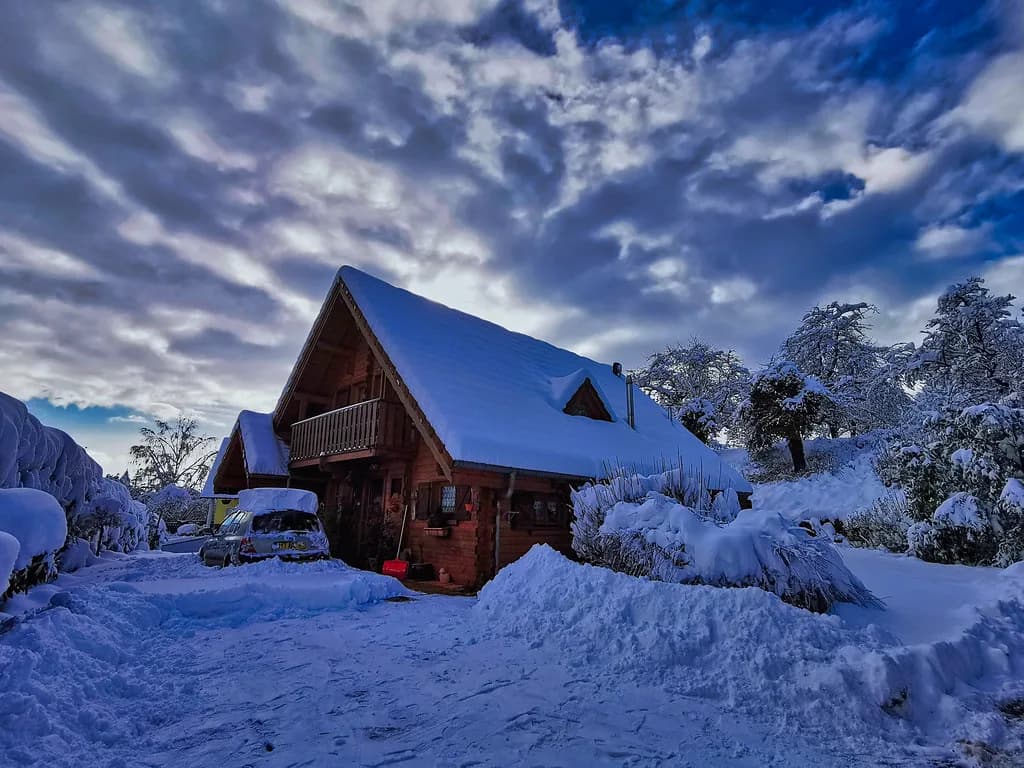
If snow is part of your picture, France's snowfall varies enormously by altitude and region, and March can still deliver fresh snow in the Alps and Jura while the Riviera basks. It helps to know which regions hold snow into spring and which rarely see it at all before you commit to a mountain base.
Daylight is the figure most travelers underestimate. Before 28 March 2027, sunset arrives early enough that an afternoon excursion needs a morning start, especially if you are driving. After the clock change, evenings stretch and outdoor sightseeing, garden walks and late terrace time become realistic again, which is why late March feels so different from early March even at the same temperature.
The Last Weekend of March: Clocks Go Forward
On 28 March 2027 European clocks go forward, and that single change reshapes a March itinerary more than any temperature shift. Plan outdoor highlights, scenic drives and viewpoint visits for the final days of the month if you can, and schedule indoor anchors like museums and galleries for the earlier, darker part of the trip.
The same weekend is Easter Sunday, so the clock change and the Easter holiday collide. Expect fuller trains, busier restaurants in the south and higher accommodation demand in the days around it. If you are booking for late March, reserve transport and any table you care about well ahead, and treat the Easter weekend as peak rather than shoulder season.
Early Spring in the South: the Côte d'Azur and Provence
The Riviera is where March pays off first. Nice, Menton and the coast around Saint-Jean-Cap-Ferrat warm earlier than the rest of mainland France, and the mild winter range means terrace lunches, coastal paths and garden visits are usually comfortable. Villa Ephrussi de Rothschild on the peninsula is a classic half-day stop, with gardens that reward a dry morning.
Provence follows close behind, with Avignon, Aix-en-Provence and the Alpilles offering the pleasure of uncrowded streets and easy restaurant tables. Marseille works well as a base for coastal walks and the old quarters, and its food culture, from bouillabaisse to market produce, gives rainy days a purpose.
Inland Provence has its own March rhythm. Aix-en-Provence is compact, walkable and lively with students and markets even before the tourist season starts, and its squares and fountains make a good short break. If you are weighing a Provençal city base against the coast, this is the month to compare them on space and calm.
What the south will not give you yet is swimming weather or reliable beach days. The sea stays cold and the mistral can blow through for a day or two at a time, so build your plan around walks, markets, museums and long lunches instead. The trade-off is worth it: you see the Riviera as locals do, without the summer crush.
The Atlantic Coast and Brittany: Wind, Rain and Empty Beaches
The Atlantic side of France is honest about March. Brittany and the coast running south toward Biarritz deliver bracing walks, big skies and near-empty beaches, and the thalassotherapy centers in Brittany and Normandy turn bad weather into the point of the trip. It is not a month for sunbathing, but it is a good one for breathing sea air without a crowd.
Biarritz and the Basque coast suit travelers who want surf culture and coastal hikes rather than warmth. Expect wet days and plan indoor options, from covered markets to spa time, so that a washout does not sink the trip. The reward is a stretch of coast you largely have to yourself.
Paris in March: Museums and Theatres Without the Queue
Paris is at its most practical in March. The major museums and galleries, including the Louvre, run their normal winter hours with far shorter lines than in summer, and the city's theatres, opera houses and concert halls keep a full schedule. Book timed entries for the biggest sights but leave room to wander into smaller collections on a wet afternoon.
The city's cultural calendar stays busy into March, with the two Paris opera houses, Bastille and Garnier, and a dense programme of concerts and exhibitions filling the evenings. Because days are still short early in the month, pair an afternoon museum with an early dinner rather than trying to squeeze in a far-flung excursion afterward.
Day trips from Paris work best to places that stay open year-round. The Loire Valley châteaux, for instance, are cited as open through winter, with decorated interiors and gardens to explore, and a Chambord or Blois visit fits comfortably into a long day. Check the individual château's published opening hours for your specific date before you buy train tickets.
Alsace and Lyon After the Christmas Crowds
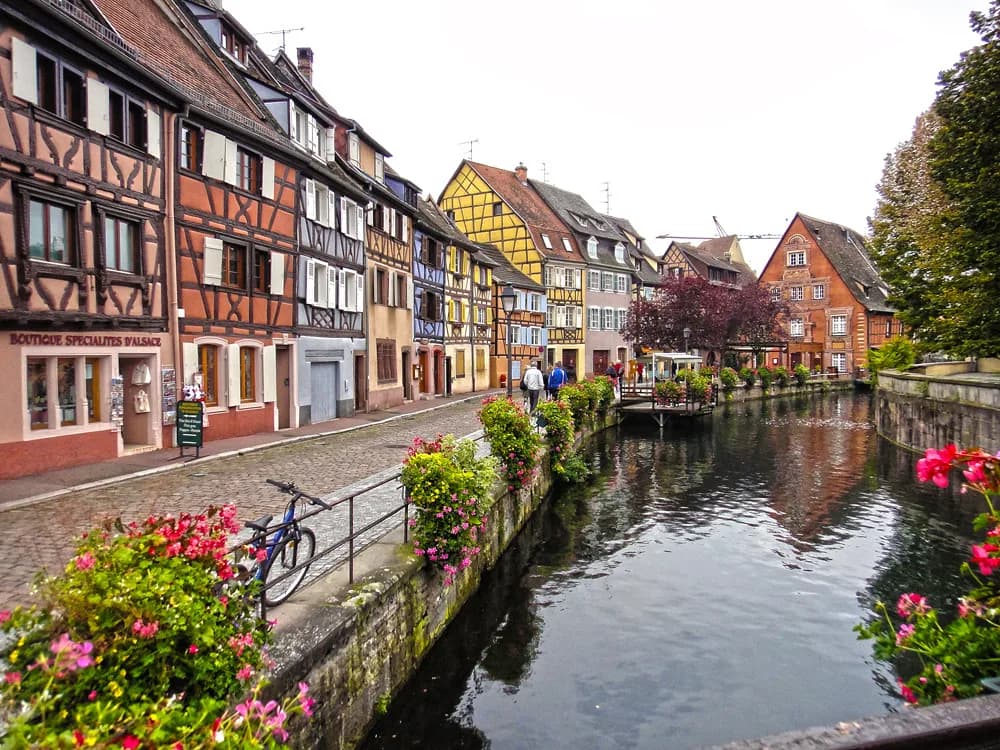
Alsace in March is quiet, cold and often damp, which is exactly why some travelers love it. Colmar and Strasbourg empty out after the holidays, restaurant tables are easy to find, and the region's wine route looks bare and beautiful without the December crowds. Pack for cold mornings and plan walks between villages around the weather.
Lyon is a strong March city because so much of it happens indoors. The city's gastronomy, markets and covered passages keep you busy in the rain, and the Basilica of Fourvière and the old town reward a clear afternoon. The Fête des Lumières belongs to December, not March, so do not plan around it.
The High Alps: Snow Above, Spring in the Valleys
The Alps in March are genuinely wintry at altitude and increasingly spring-like in the valleys. Snow remains on the high slopes, roads and passes can still be affected by weather, and mountain lifts operate on a late-season timetable that changes through the month. If you are heading up, plan around the lift company's published schedule for your dates rather than expecting full winter operations.
For non-skiers, valley towns, spa resorts and low-level walks still work, and the mountains deliver dramatic views when the cloud lifts. The honest trade-off is unpredictability: a warm spell can strip snow from lower slopes while a storm dumps fresh snow higher up, so flexibility matters more here than anywhere else in France. Seasonal snowfall patterns published by mountain weather services show how uneven March can be from one massif to the next.
What Is Open in March
Most of France's cultural and heritage sights run year-round. Museums in Paris, Lyon and Marseille keep standard hours, the Loire châteaux stay open through winter, and the major cathedrals and gardens remain accessible. What shifts in March is transport: some seasonal boats restart later in spring, and mountain lifts operate on reduced late-winter schedules.
Seasonal businesses along the coast and in the mountains often use March for maintenance and reopening preparations, so look up the specific operator's page before you build a day around it. For boat crossings to the islands off Brittany and the Atlantic coast, rely on the published operator timetable rather than a summer brochure. If a service is not running, plan a mainland alternative.
Things to Do That Work in March Weather
Lead with indoor anchors and build the outdoor day around them. Cooking classes, wine tastings, museum mornings and long lunches fill rainy afternoons well, and France's gastronomy is at its most comforting in March, with regional stews and cheese dishes still on menus. Bains de Dorres in the Pyrenees, where outdoor hot baths face the mountains, is the kind of cold-weather stop that turns a gray day into the highlight of a trip.
For outdoor days, choose coastal paths, city walks and garden visits, and start early so you are not caught by the early sunset. Chambord's gardens, the calanques above Marseille and the Riviera's coastal trails all reward a dry morning. Keep a museum or a covered market as backup so that a change in the weather does not cost you a day.
Day Trips That Make Sense from a City Base
From Paris, the Loire châteaux, Versailles and the cathedral towns of Normandy all work as day trips in March, though the shorter days favor closer destinations early in the month. From Nice, Menton and Monaco are easy half-day hops by train, and the coast road gives you coastal views even on a gray day. From Lyon, the Beaujolais villages and the Rhône valley make good short escapes when the weather holds.
Wherever you base yourself, book trains in advance for the Easter period and look up the current hours of your chosen sight. March is not the month to attempt long scenic drives after dark on unfamiliar roads, so aim to be back in your base before evening, particularly before 28 March.
Holy Week and Easter 2027: What Changes
Easter Sunday falls on 28 March 2027, with Holy Week running 21–28 March, so the final part of the month is a holiday period across France. Expect heavier demand on trains and in hotels, fuller restaurants and busier sights, especially in the south and around major shrines. If you want the quiet version of March, travel in the first three weeks.
For travelers who enjoy religious and cultural traditions, Holy Week brings processions and services in many towns, and the timing aligns with the clock change on 28 March, giving you long evenings for evening events. Build the Easter weekend into your plan deliberately, with reservations and a slower itinerary, rather than treating it as an ordinary week.
Crowds, Prices and Short-Trip Trade-Offs
March is one of the best-value months in France outside the Easter weekend. Crowds are thin in Paris and Provence, and accommodation and transport are generally easier to book and cheaper than in summer, though exact rates depend on your dates and how early you reserve. The trade-off is weather: you will get wet days, cold mornings and short daylight, and you should budget for indoor alternatives rather than betting on sunshine.
A short trip works best when you commit to one region. Three or four days in Paris with a single château day trip, or four days on the Riviera with Menton and Monaco, will give you a richer experience than a rushed multi-city itinerary. If you are squeezing March into a long weekend, use the Easter and clock-change dates to pick your window: early March for quiet, late March for light.
Who Should Choose Another Month
March suits travelers who want space, lower prices and a mix of culture and early spring, and who are comfortable with rain and cold mornings. It particularly rewards those heading to the Riviera, Provence, Paris and Lyon, where indoor anchors and mild days combine well. It suits less well anyone who needs reliable beach weather, high-mountain walking or long, warm evenings throughout the trip.
If your priority is sun and sea, wait until May or June. If you want guaranteed snow and full winter operations in the Alps, plan for January or February instead. If you want the festive season, a December trip covers that better, and the May-to-September months deliver the classic French summer experience. March is a month for flexibility, not for ticking off a fixed checklist.
Book your base, reserve the key trains and timed museum entries, then leave room in each day for the weather to decide the rest. That approach gets you the best of March in France: near-empty sights, comfortable walking, good food and the first hints of spring without the summer price tag. For the practical details, see the does it snow in France.
Explore more France winter guides
Frequently Asked Questions
What is the weather like in Nice, France in March?
Nice sits in the mildest part of mainland France, where temperatures typically run around 6–14°C (43–57°F) with about five rain days a month. March continues that pattern, with pleasant afternoons and cool mornings, though the sea stays cold and a windy day can feel sharp. Expect changeable conditions rather than guaranteed sunshine and plan a mix of outdoor walks and indoor stops.
Is Paris nice to visit in March?
Yes, if you value shorter museum lines and quieter streets over warm weather. Paris in March is still wintry, with typical lows around 2–4°C (36–39°F) and frequent wet days, but the major museums, theatres and opera houses run normal schedules. The clock change on 28 March 2027 suddenly gives you long evenings for outdoor wandering.
What is the warmest place in France in March?
The Côte d'Azur is generally the warmest part of mainland France in March, with the Riviera's typical winter range of roughly 6–14°C (43–57°F). Menton, Nice and the coast toward Saint-Jean-Cap-Ferrat benefit from the mildest conditions, though the sea remains cold and rain still arrives. Provence follows close behind and offers a good balance of mild days and empty sights.
Is March a good time to visit the south of France?
For culture, walking, markets and food, yes. The south is uncrowded in March and the Riviera warms first, so terrace lunches and coastal paths are usually comfortable. It is not a beach month: the sea is cold, the mistral can blow, and outdoor plans need a rainy-day backup.
Do castle and ferry timetables change in March?
Many heritage sights, including the Loire châteaux, stay open through winter on their normal winter hours, but boat services along the coast often restart later in spring. Check the specific operator's published timetable before building a day around a crossing, and confirm the opening hours of any château or garden for your exact date.
What happens in France on 28 March 2027?
Clocks go forward across Europe on 28 March 2027, so evenings suddenly stay light much longer. That date is also Easter Sunday, with Holy Week running 21–28 March, so expect busier transport and accommodation and book ahead. Traveling in the first three weeks of March gives you the quieter version of the month.
Sources
Winter travel notes
Optional updates when we add or revise winter guides.
You might also like
Continue reading
More guides you'll find useful