Marseille in March: Weather, What's Open and What to Do
Marseille in March brings mild Mediterranean days, brisk mistral winds and thinning crowds. Here is what the weather and early-spring timing are really like.
On this page
March in Marseille sits on the hinge between winter and spring, and the difference between the first and last week is real. Early in the month you get a working Mediterranean city with short-ish days, a cold wind off the water and room to move; by late March the terraces fill on sunny afternoons and the calendar tightens around Easter.
This is a month for people who want the city rather than the beach: museums, the Old Port, long walks in Le Panier, fish lunches and a day trip or two. It rewards travelers who pack for wind and rain and plan indoor options alongside coastal outings, and it frustrates anyone expecting reliable sunbathing weather.
Why March Is Marseille's Shoulder-Season Turning Point
Marseille's own tourism office is candid that the most comfortable months here are the mid-season ones, spring and autumn, when temperatures are pleasant and the crush of high summer has not arrived. March falls squarely in that window, though it leans toward the earlier, cooler end. That makes it a good month for sightseeing on foot and a poor one for swimming or lazy beach days.
For context on how the season develops, March follows the coldest stretch covered in the Marseille in winter guide, when short days and the mistral dominate. By the end of March the city has visibly loosened up: clocks go forward on 28 March 2027, evening light stretches, and Holy Week runs 21–28 March 2027 with Easter Sunday on 28 March.
March Weather in Marseille: Typical Highs, Lows and Rain
Treat March weather as a range rather than a promise. Typical conditions move from cool, changeable days at the start of the month to noticeably milder afternoons by the end, and a single week can deliver both a bright lunchtime and a raw, wet day that sends you indoors. Pack layers and plan one indoor anchor per day rather than betting the trip on the forecast.
Rain in March tends to arrive in short, heavy episodes rather than all-day drizzle, which matters for planning: a wet morning often clears by mid-afternoon. Build flexibility into the schedule by pairing an outdoor morning with a museum afternoon you can swap in either direction. The wind is the bigger factor in how cold a given day feels, which is why a sunny forecast can still feel sharp on exposed quays and clifftops.
Daylight and the Mistral Wind
March daylight lengthens quickly, and the clock change on 28 March 2027 shifts sunset an hour later, which is the single biggest quality-of-life difference between early and late March. Before the change, plan outdoor sightseeing for the middle of the day and keep evenings for restaurants and indoor sights. After it, a late-afternoon walk along the waterfront becomes realistic again.
The mistral is the wind that defines how Marseille feels in late winter and early spring: a cold, dry, gusty northerly that funnels down the Rhône valley and can blow for days. When it is up, the city's sheltered streets and sun-trap squares feel pleasant while the exposed Corniche and the calanques feel bitter. Check the wind forecast each morning and choose your route accordingly rather than abandoning the day.
The Sea and the Calanques in March
The Mediterranean off Marseille stays cold through March, so this is not a swimming month; treat the water as scenery rather than a destination. Coastal boat trips and calanque access depend on sea conditions and operator schedules, and the mistral can cancel sailings at short notice. Decide your days on the water only after seeing what the wind is doing, and keep a city-based backup plan ready.
The Calanques National Park is at its most atmospheric in early spring, with fewer visitors on the trails and clearer air for the limestone inlets. Exposed sections are genuinely unpleasant in a strong mistral, so pick sheltered approaches from the city side and turn back if the gusts pick up. The park authority publishes access rules and any seasonal restrictions that apply to specific inlets.
What Is Open in March: Sights, Ferries and Timetables
March is a transition month for opening hours. Major museums, the MuCEM, Notre-Dame de la Garde and the city's churches run year-round, while some smaller sites and seasonal attractions shift from winter to spring schedules as Easter approaches. Rather than assume a place is open, build your shortlist and then match it against each venue's published hours for your dates.
Ferry and boat operators serving the calanques and the islands tend to ramp up services toward spring, but March sailings are weather-dependent and can be sparse midweek. The practical approach is to book nothing on the water until you have a firm forecast, then book directly with a local boat company once you are in the city. The Marseille Provence Airport and the Saint-Charles rail station both connect you to the center quickly if you are arriving for a short break.
Coastal Walks and Sheltered City Routes
On a fine March day, the walk out along the Corniche toward the Prado beaches is one of the best free outings in the city, with long sea views and plenty of places to stop. On a windy one, retreat into the old harbor and the streets behind it, where buildings block the worst of the gusts. The trick is to treat the wind as a routing decision, not a reason to stay in.
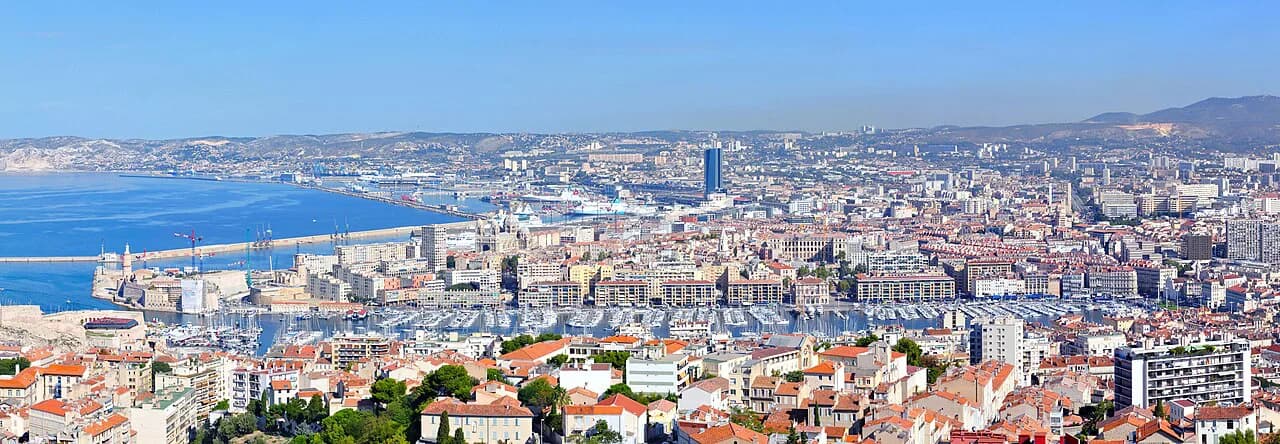
For a full day on foot, start at the Old Port, climb through Le Panier, and finish at Notre-Dame de la Garde for the view over the city and the sea. The basilica's terrace is exposed, so save it for a calmer afternoon and take the climb slowly. This loop works in almost any weather because you can duck into shops, cafes and churches along the way.
Museums and Indoor Sights for a Wet or Windy Day
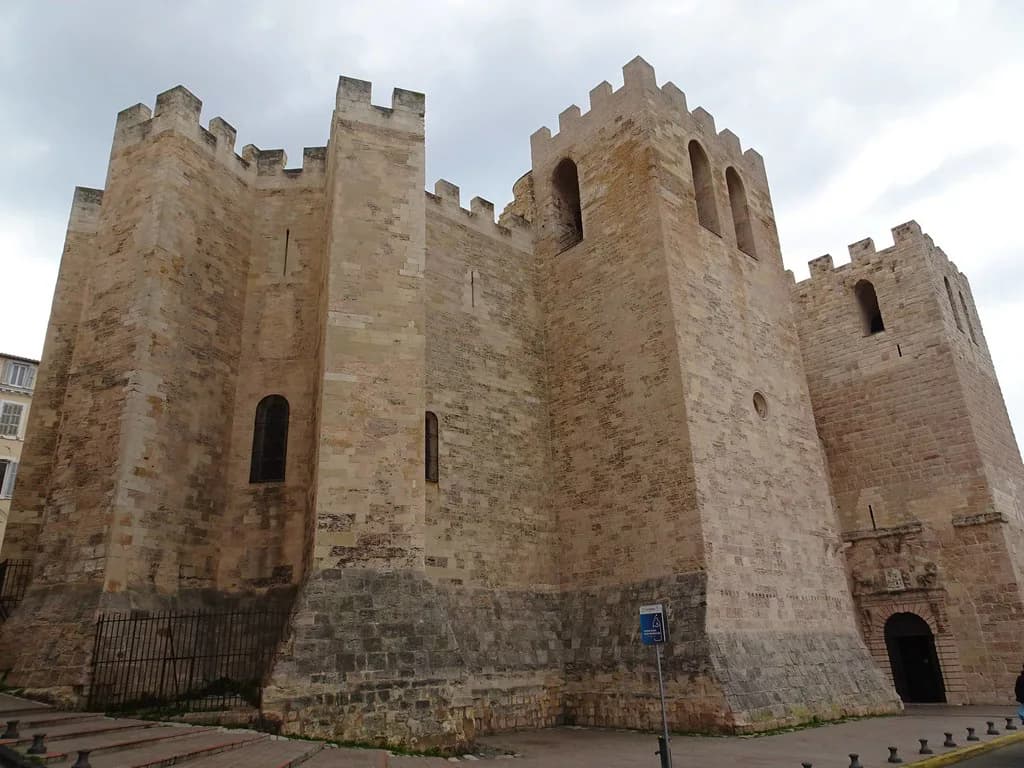
Marseille's museum cluster around the MuCEM and the old fortifications on the waterfront is ideal for a wet or windy day, with enough inside to fill several hours. The Museum of European and Mediterranean Civilisations sits beside the Fort Saint-Jean, so you can combine interior exhibitions with a short, sheltered walk between buildings. Pair it with the nearby cathedral and the quays for a low-risk afternoon.
For art, the Musée des Beaux-Arts and the Cantini and Grobet-Labadié collections give you options spread across the city, which helps when you want to stay near your base. Check each venue's published hours before you set out, since some close on one weekday. A wet March day is a good excuse to give one museum a proper three-hour visit instead of rushing through several.
The Old Port, Le Panier and the City on Foot
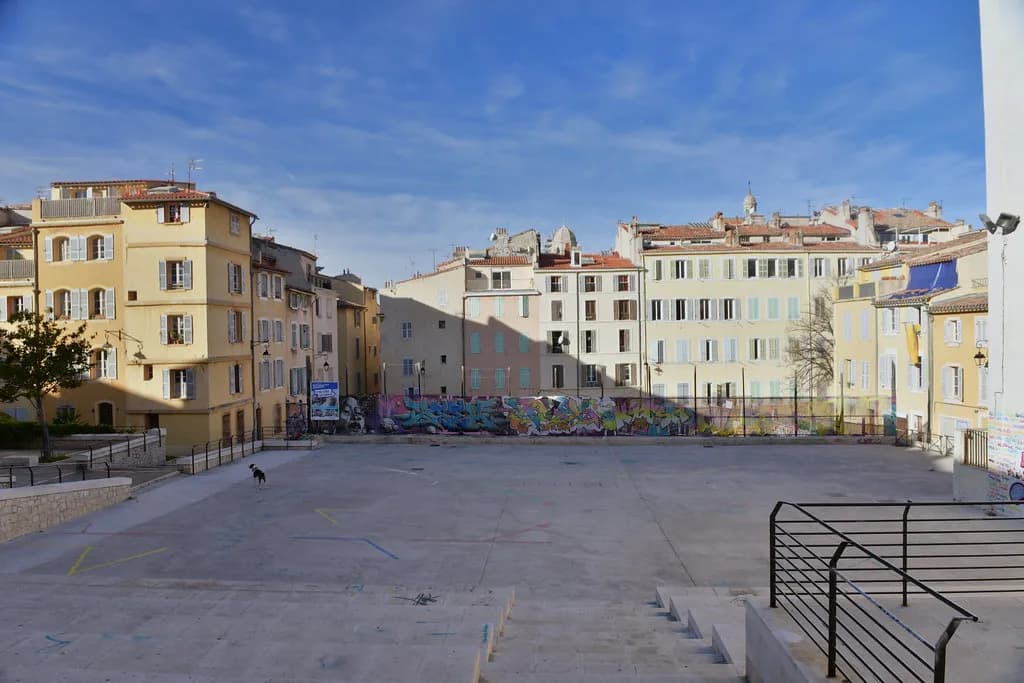
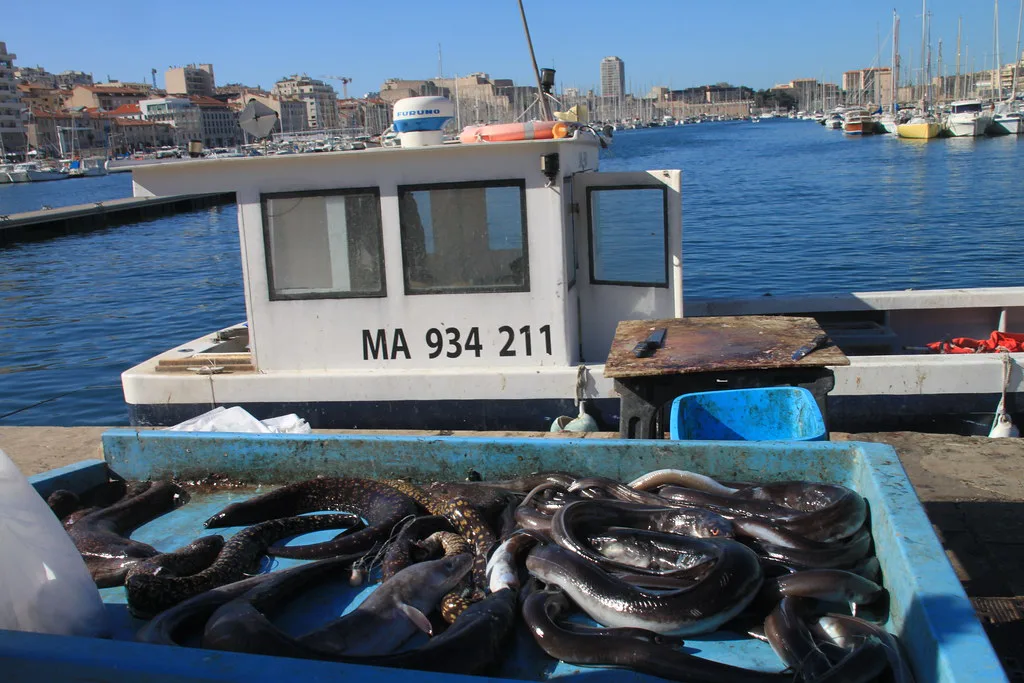
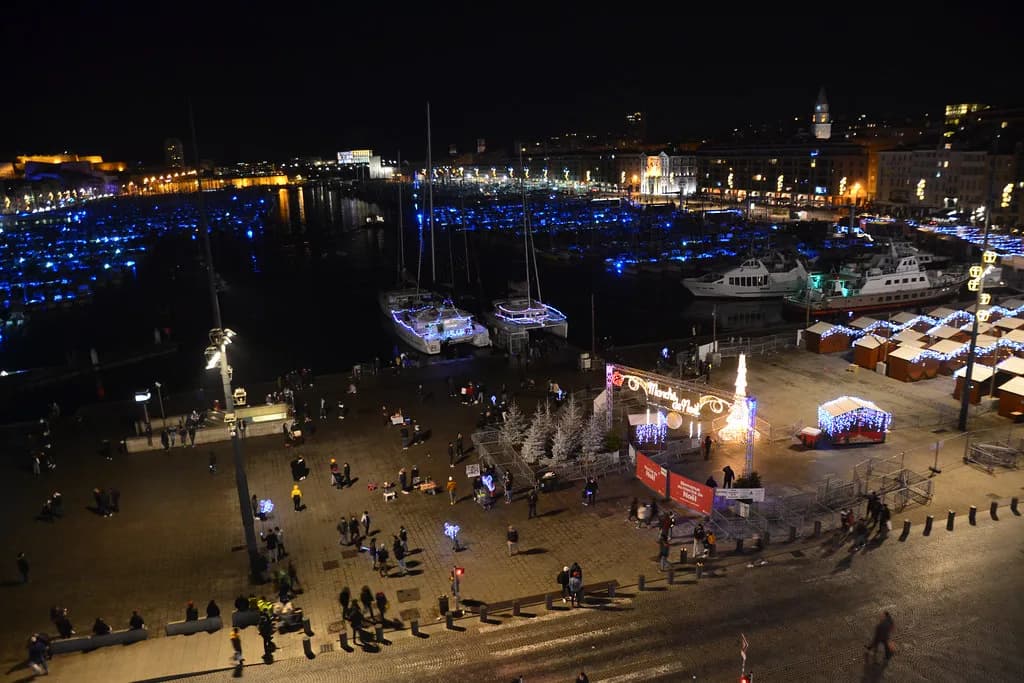
The Vieux Port is the city's living room and the natural place to start any March morning, with fishermen, ferries and the daily market setting up along the quays. From there, walk into Le Panier, the oldest quarter, where narrow streets, small workshops and steep stairways reward slow wandering. This half-day needs no tickets and no timetable, which makes it the most reliable plan when the weather is uncertain.
Notre-Dame de la Garde sits above it all and is worth the climb for the panorama across the harbor, the islands and the hills behind the city. Go early or late in the day for softer light and thinner crowds. If you are comparing months, the same walk in January and February is quieter and colder, while December brings the holiday atmosphere to the harbor.
Food in March: Fish, Early Produce and Market Mornings
March is a strong month for eating in Marseille. The fish markets around the Old Port still run in the cooler months, and the city's signature bouillabaisse is at its best as a cold-weather lunch rather than a hot-evening feast. Look for early spring vegetables from Provence appearing on menus alongside the winter staples of the region.
Market mornings are the best way to see the city working: the stalls around the quays and in the neighborhoods sell produce, cheese, olives and seafood, and they reward an early start. Combine a market visit with a long lunch and you have a perfect windy-day plan that costs little and needs no reservations.
Day Trips That Work in March: Aix-en-Provence, Cassis and the Coast
Aix-en-Provence is the easiest and most rewarding day trip from Marseille, reached quickly by train and best explored on foot. Its old town, markets and Cours Mirabeau make a fine full day, and the spring timing means you avoid the summer heat on the walk up to the higher parts of the city.
Cassis, east along the coast, is the classic calanque base and a pleasant half-day or full-day outing in March, with the cliffs and inlets at their least crowded. Boat trips from the harbor run on seasonal schedules, so check current times with the boat companies at the port rather than planning around a fixed departure. Farther afield, the Côte d'Azur is reachable by train for a longer day out if the weather holds.
Crowds, Prices and the Easter and Holy Week Overlap
For most of March, Marseille is comfortably uncrowded and accommodation is easier to find at short notice than in summer. The exception is the final week: Holy Week runs 21–28 March 2027 and Easter Sunday falls on 28 March 2027, which pushes French school holidays and family travel into the same window. If you want the quiet shoulder-season version of the city, aim for early or mid-March.
Travel demand follows the same curve, tightening as Easter approaches and as the spring season opens. Book transport and any must-do restaurant early if you are traveling in the last ten days of the month, and leave the first half of March flexible so you can chase the better weather.
Who March in Marseille Suits, and Who Should Wait
March suits travelers who want a real city with mild days, good food and space to walk, and who are happy to plan around wind and rain. It is excellent for museum-goers, hikers who like cool weather, and anyone combining Marseille with Aix-en-Provence or Cassis. It is a poor fit for beach-focused trips, for anyone hoping to swim, and for travelers who need guaranteed sunshine every day.
If you want warmth and reliable outdoor swimming, come later in spring or in autumn, which the city's own tourism advice favors for pleasant temperatures and calmer conditions. If you want the city at its quietest, look at November, when the season has closed down and the waterfront belongs to locals.
Plan Your March Trip
Treat March in Marseille as a spring city break with a winter edge. Aim for the first three weeks if you want calm and thinner crowds, or the last week if you want the Easter atmosphere and longer evenings, and build each day around the wind forecast rather than the calendar.
Book the fixed pieces — trains, a couple of restaurants, museum tickets for the Easter week — and leave the coastal days open. Check the Marseille tourism office and individual operators for current hours and sailings, then let the mistral decide the rest.
Frequently Asked Questions
What is the average temperature in Marseille in March?
March is a transition month. Early March still feels like late winter, with cool days and cold wind, while late March brings milder afternoons. Expect a wide range across the month rather than a single steady figure, and plan layers for both ends of it.
Is Marseille warm in March?
Mild rather than warm. Sunny afternoons can feel pleasant enough for a terrace lunch, but the mistral makes exposed spots feel much colder than the thermometer suggests. It is not a month for swimming or beach days.
How many rainy days does Marseille get in March?
Rain in March typically comes in short, heavy episodes rather than long grey spells. Build one indoor option into each day so a wet morning does not derail the plan, and keep the schedule flexible enough to swap outdoor and indoor activities.
Can you visit the calanques in March?
Yes, and early spring is one of the better times to walk them, with fewer people on the trails. Access and any boat trips depend on sea conditions and the mistral, so check the park authority's rules and ask operators locally before committing to a day on the water.
Is Marseille worth visiting in March?
Yes, if you want a working Mediterranean city rather than a beach holiday. The tourism office itself recommends spring and autumn for pleasant temperatures and calmer crowds, and March delivers that with the bonus of longer days by the end of the month.
When is Easter in 2027 and does it affect a March trip?
Easter Sunday falls on 28 March 2027, with Holy Week running 21–28 March 2027. That final week brings French school holidays and busier transport and accommodation, so book early or travel in the first half of the month for a quieter trip.
Sources
Winter travel notes
Optional updates when we add or revise winter guides.
You might also like
Continue reading
More guides you'll find useful