Marseille in November: Weather, Crowds and What's On
Marseille in November brings mild days, rain, the mistral and early dusk, but thin crowds and low prices. Here is what is open and who it suits.
On this page
November in Marseille is the month the port city exhales. The summer ferries and beach crowds are gone, hotel rates drop, and a walk along the Vieux-Port becomes a matter of dodging the mistral rather than other visitors. The trade-off is real: the days are short, rain arrives in earnest, and a sunny afternoon can turn cold the moment the wind picks up.
This is the start of the low season, which lasts roughly from December through March, when average temperatures sit in the 40s°F and the city has emptied out. November sets that pattern in motion while clinging to autumn, so you get the quiet without the deepest chill. It rewards travelers who come for food, museums and neighborhood wandering rather than for swimming or long days outdoors.
Weather in November
Expect changeable, Mediterranean shoulder-season weather rather than reliably warm sun. Published climate data for the December-to-March low season puts average highs in the mid-50s°F and average lows in the 30s°F, and November sits at the front edge of that pattern, so plan on layers and a rain jacket rather than shorts.
Rain is the honest cost of a November visit. Monthly precipitation figures for the year peak in autumn, with October the wettest month in the published table at just over three inches and November close behind at roughly two inches, so expect at least one properly wet day in a short stay. Sunshine is not guaranteed either: November days tend to be cloudier than the crisp winter mornings that follow in January and February.
The mistral is what catches visitors off guard. This cold, dry northwesterly wind funnels down the Rhône valley and can blow hard, especially as winter turns toward spring, and it makes an otherwise pleasant 55°F afternoon feel markedly colder in the open squares along the port. When the wind is up, plan a route that keeps you on the leeward side of buildings and saves the exposed viewpoints for a calmer day.
Daylight and the Sea
Darkness arrives early in November, and that shapes the itinerary more than the temperature does. The clocks go back on 25 October, so by mid-November sunset comes in the late afternoon and you have only the morning and early afternoon for outdoor sights. Front-load your day: Notre-Dame de la Garde, a walk through Le Panier and the Vieux-Port are best done before lunch, leaving the darker hours for museums and long dinners.
Swimming is not realistic for most visitors in November. The Mediterranean retains some autumn warmth into October, but by November the sea has cooled and the city's beaches are largely abandoned except by hardy locals; the water is at its coldest between December and March. Treat the coast as somewhere to walk and look at rather than to bathe, and save swimming for a summer trip.
What the Season Changes
Marseille's biggest sights stay open in November, but the rhythm of the city slows around the water. Boat trips to the Calanques and the Château d'If, along with many coastal excursion services, taper off as the season winds down, so build your plan around land-based viewing instead of counting on a crossing. Confirm departure days with the individual boat companies before you set your dates around a sailing.
The Calanques themselves are best seen on foot in November, and the limestone inlets between Marseille and Cassis reward walkers with far fewer people than in summer. Trails remain accessible, though rain can make paths slippery and some paths close seasonally for fire risk or maintenance, so check the national park's trail status before setting out. This is a good month for hiking the calanques by land if you accept a shorter window of daylight.
Elsewhere in the city, the major museums, churches and markets run through the year, and restaurants shift toward heartier Provençal cooking. The Vieux-Port fish market still runs in the mornings, though with fewer stalls than in high summer, and the surrounding cafés are far easier to get into. Think of November as a month of reduced boat traffic and quiet streets rather than closed attractions.
What's On in November
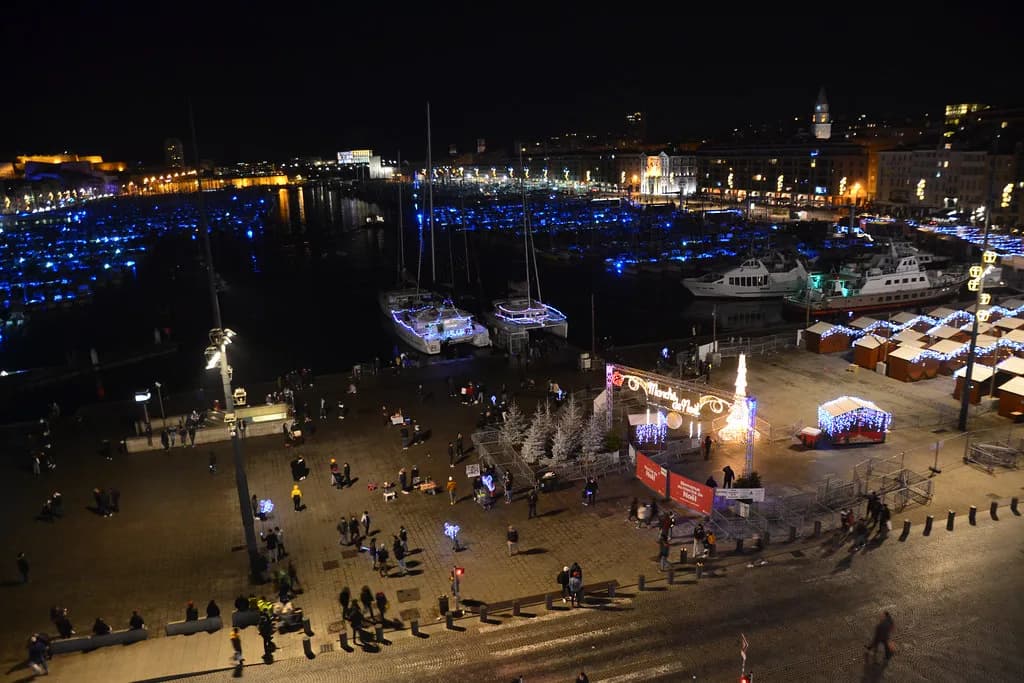
The signature seasonal event is the Village de Noël on the Vieux-Port at Quai de la Fraternité. According to the city's tourism office, it runs from mid-November to early January, so late-November visitors can catch the opening weeks while the crowds are still modest. It is a pleasant wander rather than a destination in itself; give it an hour in the evening and let the rest of your trip do the heavy lifting.
Beyond the market, November is a transition month in which the city's cultural calendar leans indoors. Late November marks the run-up to Christmas, with lights appearing along the port and shop windows turning festive. Christmas Day 2026 falls on a Friday, so the final week of November is quiet and unhurried, a good time to book a table at the restaurants that would be difficult to enter in summer.
Things to Do
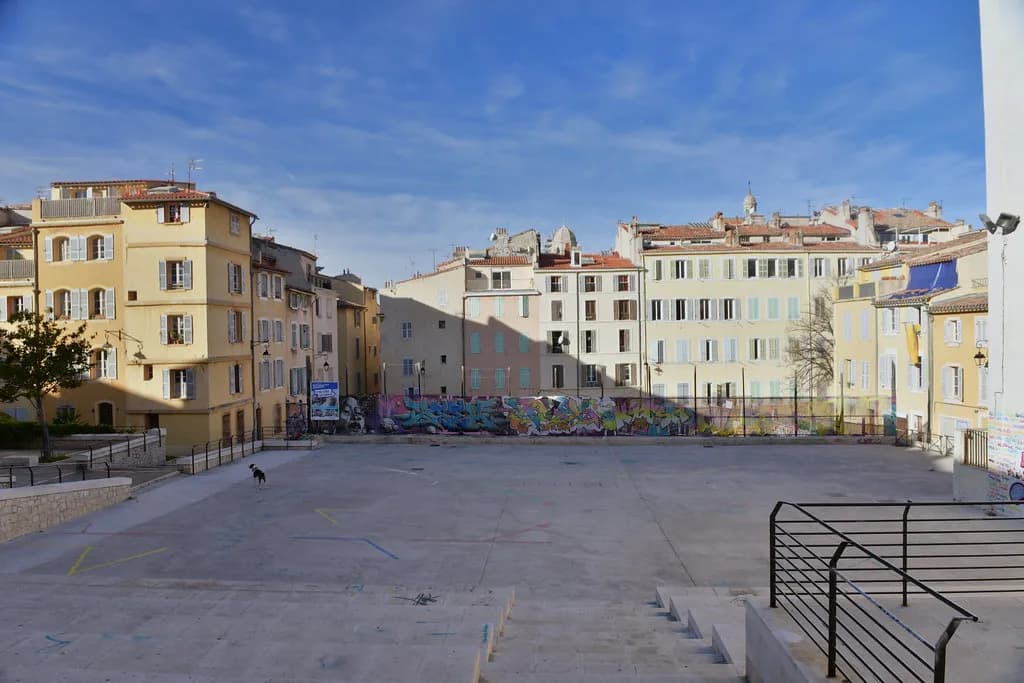
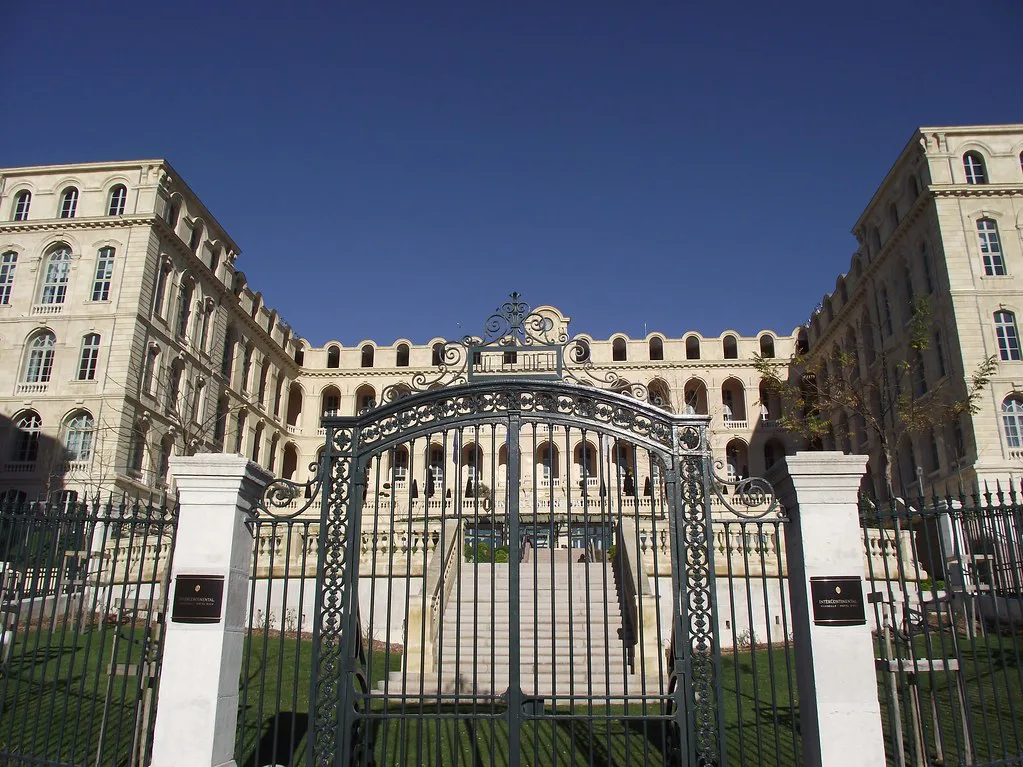
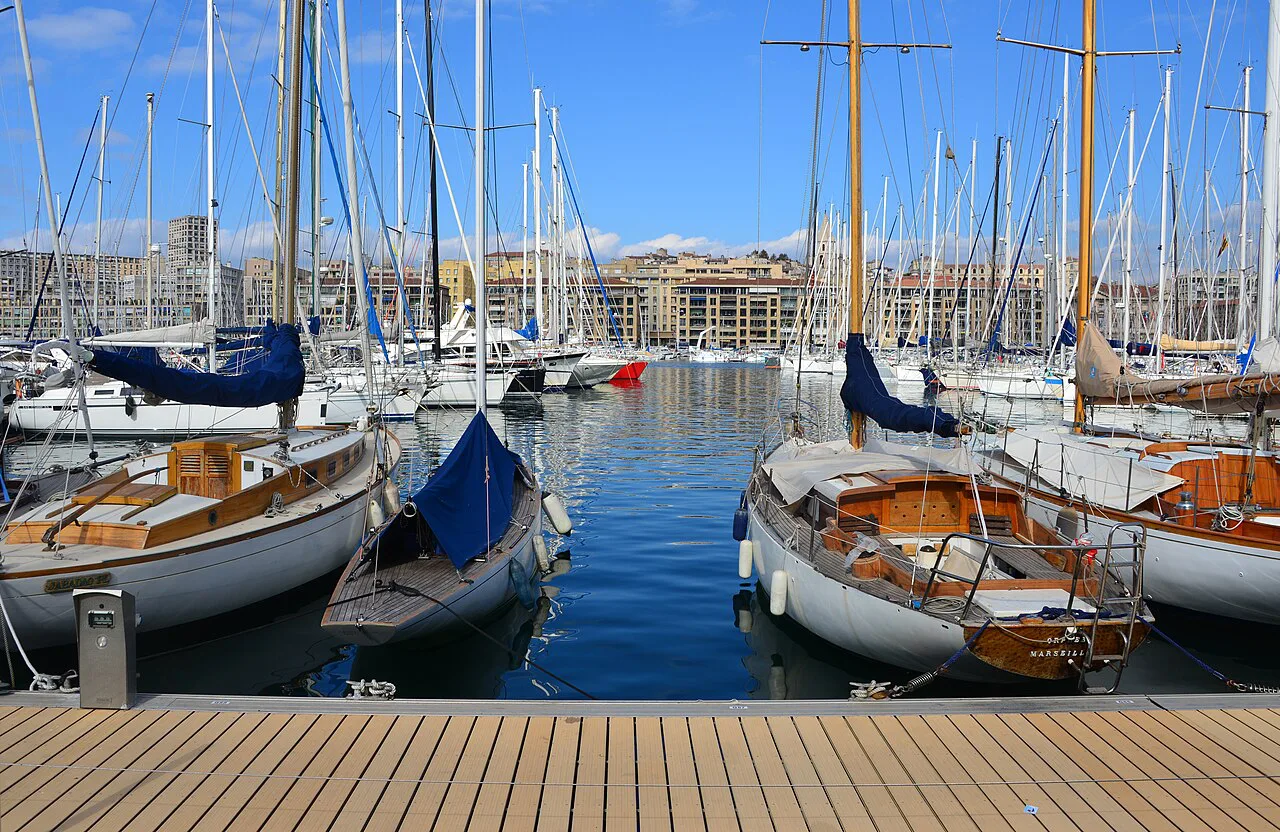
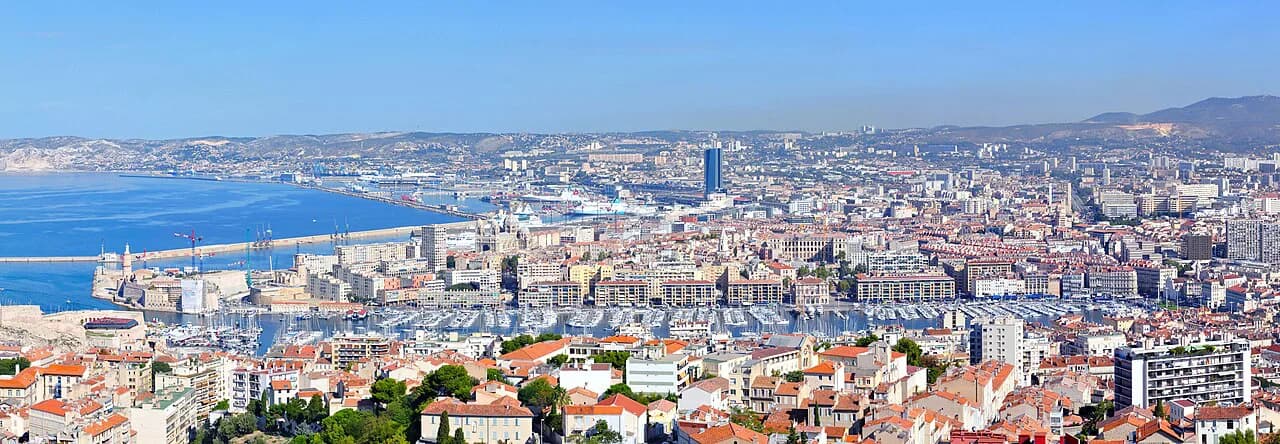
Start with the Vieux-Port and Le Panier, the old neighborhood that climbs the hill behind the quays. In November you can walk its narrow lanes without the summer crush, stop for a coffee and take in the street art and small shops at an easy pace. From there, the climb to Notre-Dame de la Garde rewards you with the best view in the city; go on a clear morning before the wind builds.
The MuCEM, the museum of Mediterranean civilizations at the port entrance, is the ideal rainy-day anchor, with its indoor galleries and covered walkways. Pair it with the nearby Fort Saint-Jean and the historic Panier lanes for a half-day that works whatever the sky is doing. The MuJAC and the Cantini contemporary art museum are other reliable indoor bets when rain sets in.
Food is the strongest argument for a November visit. This is bouillabaisse weather: the famed fish stew is meant for cool evenings, and the city's classic restaurants are easier to book and more relaxed than in summer. Pair it with a visit to the daily fish market and a long lunch of Provençal vegetables, olive oil and local wines. The darker, earlier nights only make the meal feel more earned.
For a different view of the city, take the ferry across the Vieux-Port or walk the waterfront toward the Pharo. These short, low-effort outings work well when the weather is changeable, since you can cut them short when the mistral turns biting. Save longer walks and viewpoints for the calmest, clearest day of your stay.
Rainy-Day Marseille
When it rains, Marseille has more indoor options than its port-city image suggests. The MuCEM, the Musée des Beaux-Arts and the natural history museum all keep regular winter hours, and the city's covered markets and arcades offer shelter between stops. A wet November day is a good excuse to spend the morning in a museum and the afternoon over a long lunch.
The cathedral of Sainte-Marie-Majeure, near the port, and the Basilica of Notre-Dame de la Garde both offer shelter and a sense of the city's layered history. Combine one with a covered market visit and a café stop rather than trying to power through outdoor sights in the rain. This is also the month to lean into the city's café culture, where a rainy afternoon can be spent quite happily.
Day Trips That Still Work
Aix-en-Provence is the easiest day trip in November, a short train ride inland with a compact old town, a famous market and plenty of cafés for a rainy afternoon. Trains run regularly and the town is small enough to cover on foot, making it a low-risk outing even when the forecast is uncertain. Pair the market with a museum and you have a full day.
Cassis is a rewarding coastal day trip by train, with the calanques accessible on foot from town and a harbor that is far calmer than in summer. The walk to Calanque de Port-Miou and Port-Pin takes a couple of hours and gives you the landscape without committing to a boat. Check train times and daylight before you go, since an early dusk limits how far you can walk.
Farther afield, the French Riviera towns toward Toulon and beyond are reachable by train, though November is not the month for beach time there either. If you are weighing a wider trip, our France in November guide helps you compare the coast with other regions. Keep day trips short and close, and let Marseille itself be the main event.
Crowds, Prices and the Trade-offs
November is the low season in Marseille, and the benefits are considerable. The city's beaches, attractions and accommodations empty out, and flight and hotel rates drop well below their summer levels, making it one of the least expensive times to visit. If your priority is seeing the city without the summer crush, this is a strong month for it.
The costs of that quiet are rain, early dusk and wind. You may lose an afternoon to a downpour, and the mistral can cut short a walk along the exposed waterfront. Days are short enough that you should plan one major outdoor sight each morning rather than trying to string together a long list. The result is a slower trip that suits some travelers better than others.
Cold weather and short days also mean you should not build an itinerary around boat trips or swimming. If those are central to your idea of Marseille, look instead at the summer months, when temperatures rise into the 70s and 80s and the coast comes into its own. November is for the city, not the sea.
Who Should Come in November
November suits museum-and-food travelers, budget-conscious visitors and anyone who prefers a quiet city to a crowded one. The combination of lower prices, easy restaurant tables and a calendar of indoor sights makes it a good month for a short city break. If you are flexible about weather and happy to plan around the rain, Marseille delivers.
Swimmers, boat-trippers and hikers who want long days should wait. The sea is cold, boat services thin out, and the early dusk limits how much you can do outdoors. If you are deciding between months, our Marseille in January guide can help you see how the depths of winter compare. Spring, when temperatures climb and the mistral eases, is the better choice for an outdoors-first trip.
Plan Your November Trip
Marseille in November is a quiet, affordable, mildly chilly port city with real rain and a wind that makes the sun feel colder than it looks. It is at its best for travelers who want museums, long lunches and neighborhood walks without the summer crowds. Book with the weather in mind, keep the itinerary flexible, and let the city's food and indoor sights carry the trip.
If you are still weighing the season, compare November with the deeper months before booking. Our Marseille in February guide shows how the city looks once winter settles in. Either way, dress for wind and rain and plan your outdoor hours for the morning.
Explore more Marseille winter guides
Frequently Asked Questions
Is Marseille worth visiting in November?
Yes, if you want a quiet, affordable city break built around food, museums and neighborhood walks. November is low season, so the beaches, attractions and hotels empty out and rates drop. The trade-off is changeable weather: expect rain, short days and the cold mistral wind, which makes even mild days feel chilly.
What is the weather like in Marseille in November?
November sits at the front edge of Marseille's low season. Published climate data puts average highs in the mid-50s°F and lows in the 30s°F for December through March, and November follows that pattern with changeable, Mediterranean weather. Rain is common, with autumn the wettest stretch of the year, and the mistral can blow hard and make afternoons feel colder than the temperature suggests.
Does it rain a lot in Marseille in November?
November is part of Marseille's wetter autumn stretch. The published monthly precipitation table peaks in October at just over three inches, with November close behind at roughly two inches. That translates to at least one well-soaked day in a short stay, so leave room in the plan for indoor sights and a long lunch.
Can you swim in Marseille in November?
Swimming is not realistic for most visitors in November. The Mediterranean retains some warmth into October, but the sea cools steadily and is at its coldest between December and March. The city's beaches are largely abandoned except by hardy locals, so treat the coast as a place to walk and look at rather than to bathe.
How many days in Marseille is enough in November?
Three full days covers the Vieux-Port, Le Panier, Notre-Dame de la Garde and the MuCEM at a comfortable pace. Add a fourth for a day trip to Aix-en-Provence or Cassis by train. Because the days are short, plan one major outdoor sight each morning and keep afternoons flexible for rain.
November or December: which is better for Marseille?
November is milder and slightly less festive, while December brings the holiday atmosphere and colder weather but still low-season prices. If you want holiday lights around the Vieux-Port without the deepest chill, late November bridges both. If you want the full Christmas feel, December is the better match.
Sources
Winter travel notes
Optional updates when we add or revise winter guides.
You might also like
Continue reading
More guides you'll find useful