France in November: Weather, Events and Where to Go
France in November brings short grey days, thin museum crowds and the first Christmas markets. See typical weather, what closes, and where to go.
On this page
November is the month when France goes quiet. The summer crowds have gone, the vineyards are finishing their harvest, and city museums empty out — but the days are short, the skies often grey, and the south is too cool for the beach. Knowing what the month gives and takes is the whole planning decision.
The country is not one climate in November. Northern and central France typically sit under 10°C (50°F), the south runs milder at around 9–16°C (48–61°F), and even Nice averages 12.7 rainy days across the month. Choose your region first, then your city, and November starts to make sense.
If you want a first visit built around long days, warm evenings and open-air sightseeing, this is not your month. If you want museums without queues, serious food and wine, and a genuine sense of how France lives off-season, read on — the France in winter overview places November alongside December through March.
Who November in France suits — and who should wait for spring
November rewards travelers who treat France as an indoor country. Paris museums, Lyon's restaurants, Burgundy's cellars and Dijon's food halls all run at full strength while the queues disappear, and you can decide each morning whether the weather allows a walk. A short break of two or three cities works better than a driving tour of villages in the rain.
Come instead in April, May, June, September or October if pleasant weather and easy outdoor days matter more than empty galleries. November is a poor fit for a first family trip, for anything built around gardens, coastal walks or long days outside, and for travelers who need sunshine to enjoy a city.
For anyone traveling on a fixed date — a business trip, a half-term window, a birthday — the month works well if you accept the trade-off: pack for cold and rain, plan one indoor anchor per day, and book the early Christmas experiences in the last week. A city-based itinerary with good train links keeps you out of the weather.
Weather in November: regional averages, rain and daylight
Treat these as typical conditions, not a forecast. The south of France averages roughly 9–16°C (48–61°F) across the month, while northern and central France normally stay under 10°C (50°F). The Atlantic coast runs a few degrees warmer than the interior but wetter, and the Riviera's mildness still comes with about 12.7 rainy days in Nice.
Daylight is the bigger constraint. By late November the sun rises after 8am and sets before 5pm in Paris, so a museum morning and an early-afternoon walk leave you in the dark by the time you want dinner. Southern cities gain a little more usable light, but nowhere in France feels like a long-day destination this month.
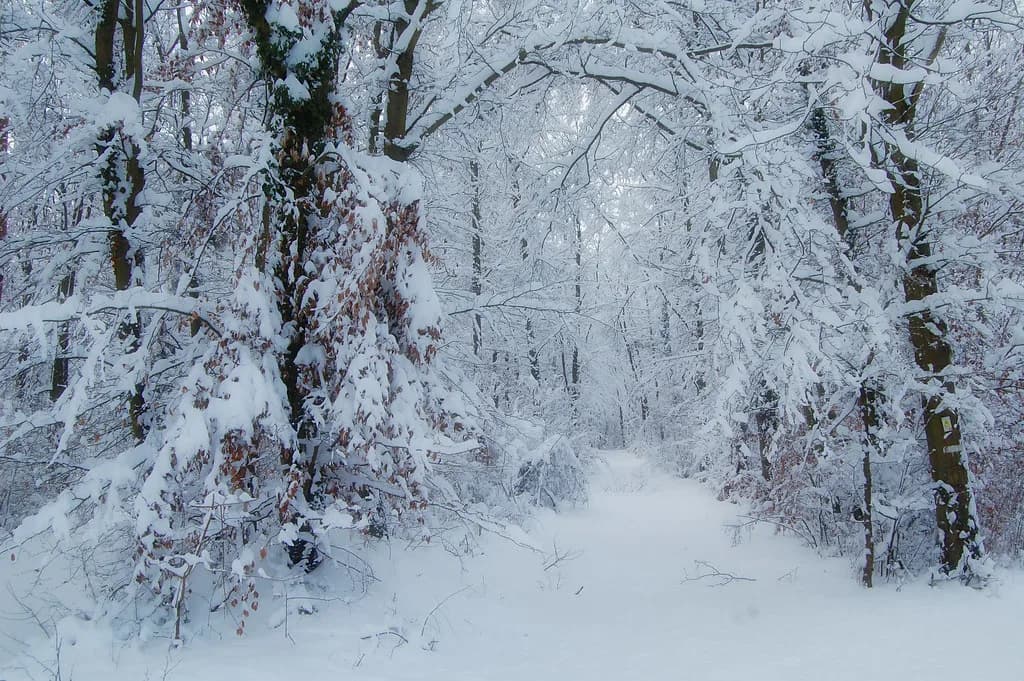
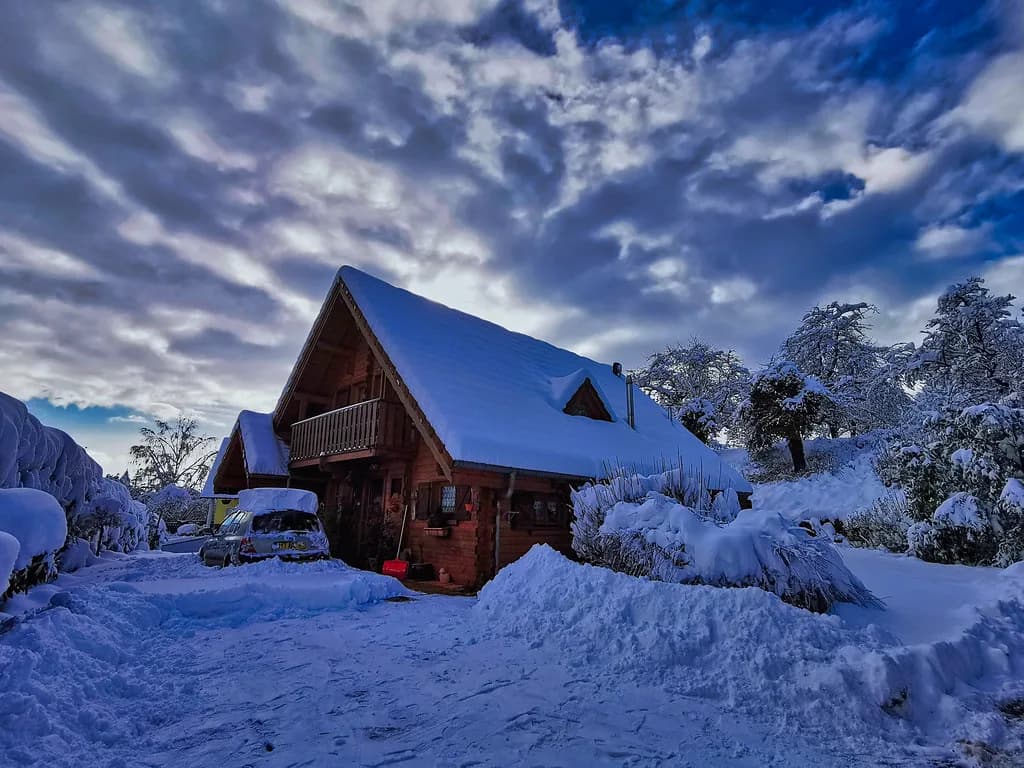
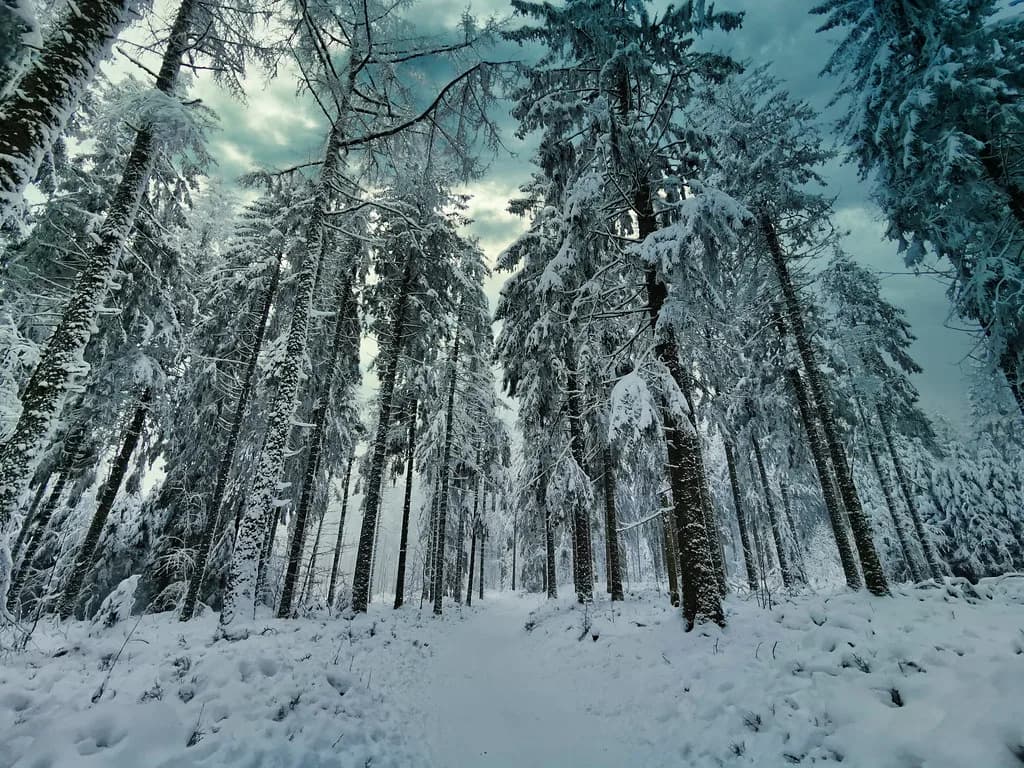
Snow is rare in the cities and lowlands; it belongs to the Alps and Pyrenees above the resort villages. If a white landscape is the point of your trip, the does it snow in France guide explains which regions and months realistically deliver it, and how that changes the case for November.
Paris in November: museums, shorter queues and early Christmas lights
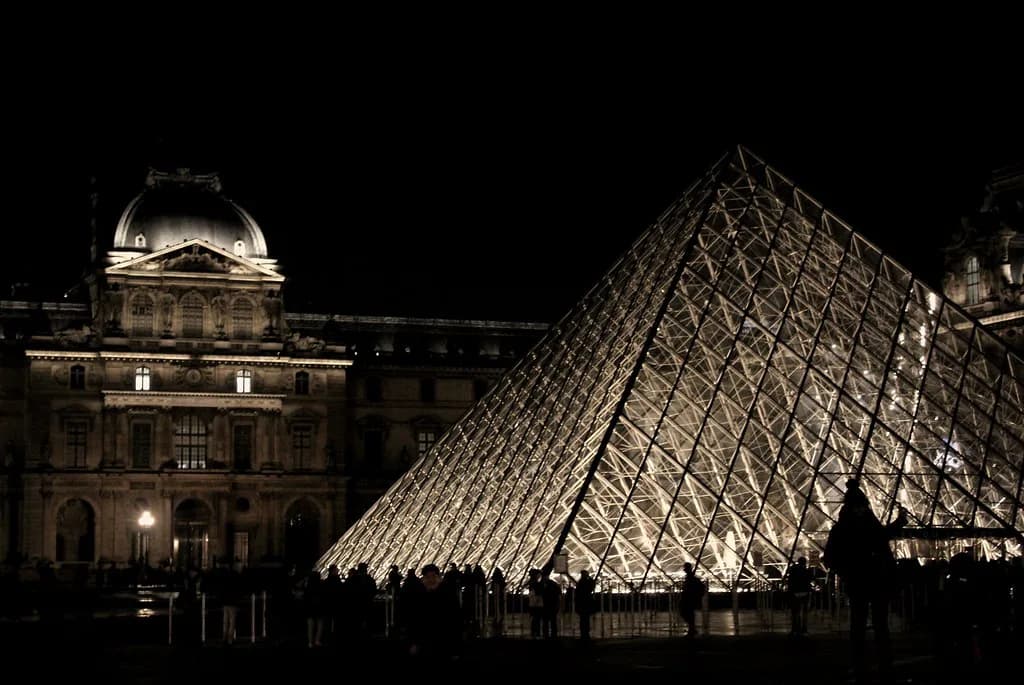
Paris is the most sensible base in November because almost everything worth doing is indoors. The Louvre, the Musée d'Orsay in its old railway station, the Centre Pompidou, the Musée de l'Armée and the Panthéon all fill a rainy day; on a dry one, the Eiffel Tower and Arc de Triomphe do without their summer queues. Expect wind and cold at the top of the tower even when the streets feel mild.
Late in the month the Christmas lights go up, and the Galeries Lafayette department store is the classic free stop for its decorated atrium and tree. If you want to extend the city break into the festive run-in, France in December covers how Paris and the rest of the country shift once December arrives.
Two public holidays frame the month and change how the city works. All Saints' Day on 1 November sees some venues closed, and Armistice Day on 11 November closes schools and businesses and brings ceremonies to the Arc de Triomphe. Plan museum days around them rather than expecting a normal Tuesday.
The South of France: Provence and the French Riviera
The south is where November feels least like winter. Temperatures sit around the low to mid teens Celsius, hilltop villages such as Gordes and Mougins stay walkable, and the last of the autumn colour lingers because the season starts later here. It is not beach weather, and the sea is cold, but the light and the markets still carry the region.
Build Riviera days around art and food rather than sand: the Chagall Museum in Nice, the Picasso Museum in Antibes, and Menton's old town and lemon-growing hinterland. Rain arrives in short, heavy bursts rather than all-day drizzle, so a museum morning and a late-afternoon walk is a realistic pattern. If you are weighing a longer Riviera stay, France in January describes how the coast behaves at its quietest.
Annecy and the Alpine lakes are a different proposition, colder and darker, but still worth a stop if you are combining city and mountain. The Annecy in November guide covers what the lake town offers once the summer boats have gone and the old town settles into its winter rhythm.
Burgundy and Lyon: food, wine and the autumn auction season
Burgundy peaks in mid-November. The Hospices de Beaune wine auction falls on the third Sunday of November, and although bidding is reserved for registered professionals, the town fills with cellar tastings, markets, parades and concerts around it. Book Beaune accommodation well ahead for that weekend and expect the Côte d'Or wine route villages to be busy with trade visitors.
Dijon, the regional capital, combines the Palace of the Dukes of Burgundy, gourmet markets and the Cité Internationale de la Gastronomie et du Vin, where a gastronomic village and a wine bar with thousands of bottles make a natural wet-weather afternoon. Further afield, Cluny Abbey and Fontenay Abbey give you Romanesque architecture without summer crowds.
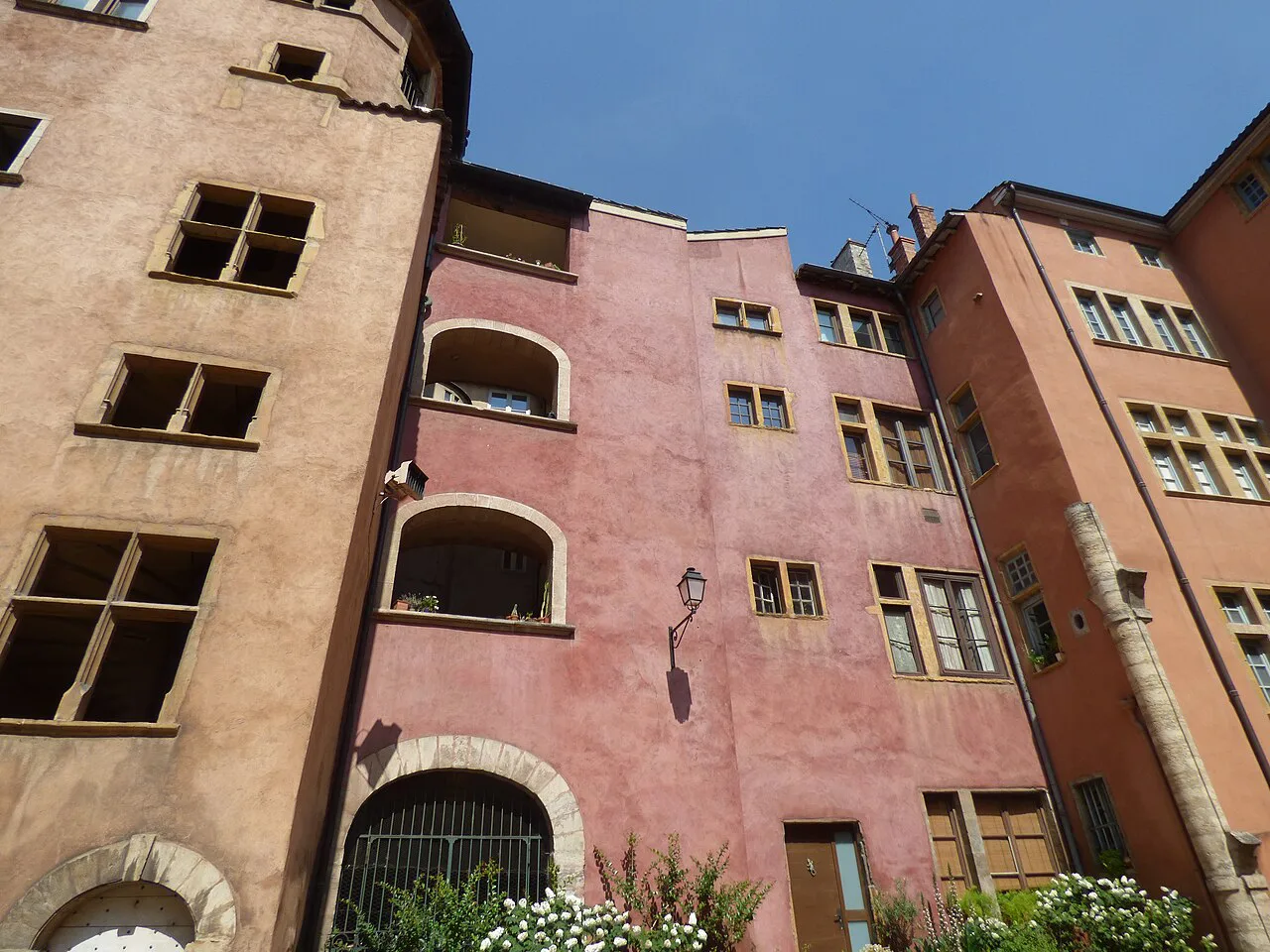
Lyon is the other anchor of the region, and its appeal in November is almost entirely edible and indoor: bouchons serving coq au vin and rosette de Lyon, the Museum of Fine Arts in a former abbey, and the basilica on the Fourvière hill for the view when the sky clears. Beaujolais Nouveau arrives at 12:01am on the third Thursday of November with street parties across the city.
If Lyon is your base for the month rather than a stop on a Burgundy loop, the Lyon in November guide covers neighbourhoods, markets and how to spend a wet afternoon in Vieux Lyon without running out of ideas.
Alsace in late November: the Christmas season begins
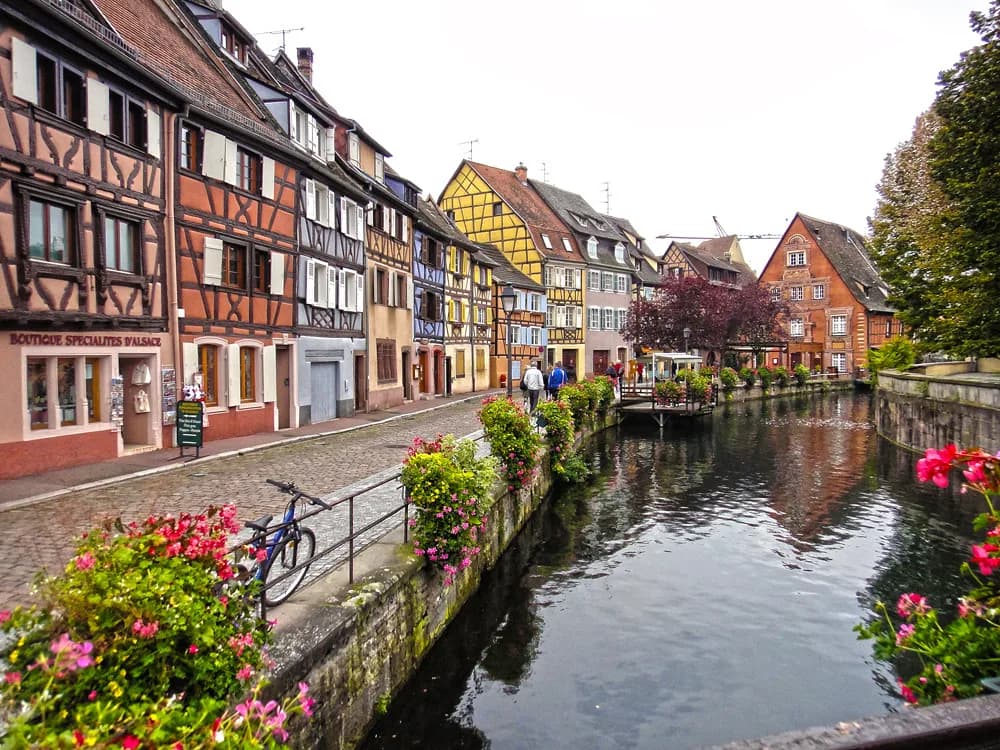
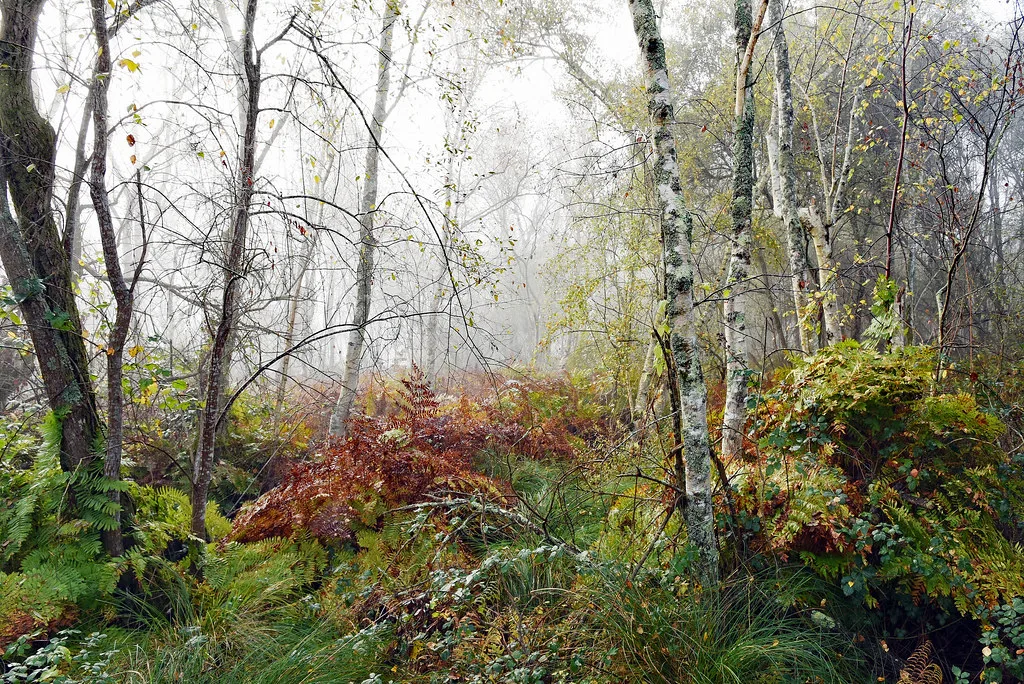
Late November is when Alsace turns. Colmar spreads its Christmas markets across five separate areas with close to 200 stalls, daily concerts and an ice rink, and Strasbourg's squares fill in the same weeks. The trade-off is real: the towns become extremely busy, hotels get booked up to a year ahead, and the afternoon light fades early.
Smaller Alsatian towns such as Turckheim, Eguisheim, Kaysersberg and Riquewihr are calmer and more atmospheric, but you need a car to link them and winter driving in the Vosges foothills deserves respect. Outside market season, Colmar's Renaissance old town and the Little Venice quarter remain the reason to come.
One practical point: the markets are a late-November pleasure, not an all-month one. If your dates fall earlier in the month, plan Alsace as a food and architecture trip and treat the Christmas lights as a bonus rather than the purpose.
Public holidays and events: All Saints' Day, Armistice Day, Beaujolais Nouveau
All Saints' Day on 1 November is a public holiday for remembrance, and some venues close; families visit cemeteries and the atmosphere is quiet rather than festive. Armistice Day on 11 November is the second fixed date, with schools and businesses closed and ceremonies at war memorials and battlefields.
If you are visiting the Somme or Verdun in early November, Armistice Day is the moment to see the cemeteries and commemorative sites, though they will be busier than usual with families paying respects. The Beaujolais Nouveau release on the third Thursday and Beaune's auction on the third Sunday are the two dates around which food-and-wine travel should be planned.
Dijon's international food fair fills the first fortnight of November with hundreds of exhibitors and cooking demonstrations, and Lyon's chocolate trade show brings pastry workshops and a chocolate dress show. These are the kind of events worth building a city itinerary around rather than something you stumble into.
Winter truffles and seasonal food
The black winter truffle season opens in November and peaks in January, with the Périgord in the Dordogne as the classic hunting ground and Provence producing its own. Truffles are more aromatic than the summer variety, and market towns across both regions build tastings and demonstrations around them.
This is also the month to eat seriously in the cities: game, mushrooms, chestnuts and shellfish all come into their own, and wine lists are full of the new vintage. If food is your main reason to travel, a November route between Lyon, Dijon and Beaune delivers more per day than any summer itinerary.
What is open, what winds down, and short days
Cities stay open. Major museums, cathedrals, covered markets, gastronomic centres and restaurants run through November, and you will find shorter queues at the big sights than at almost any other time of year. Day trips to châteaux, abbeys and hill villages are the variable element, since some sites cut seasonal hours.
Plan around light rather than fighting it. With sunset before 5pm in Paris by the end of the month, the practical rhythm is a morning sight, an indoor afternoon, and an early dinner. Two activities per day, not four, and a booked restaurant to end the evening, is the realistic shape of a November day.
Weather in the mountains behaves differently from the plains. If you are heading for the Alps or Pyrenees, whether you get rain, snow or clear cold days depends on altitude and timing, and a flexible plan with one cancelable day matters more than a fixed driving route.
Getting around France in November
Trains are the strongest argument for November travel. High-speed links between Paris, Lyon, Dijon, Beaune and the Riviera let you move between cities without driving in bad weather, and stations are pleasant when the platforms are cold. Book the long legs in advance and keep regional legs flexible.
Rent a car only when the destination demands it, which in this month means Alsace's smaller Christmas towns, the Dordogne for truffle country, and rural Provence. Winter driving is manageable but slow on minor roads, and short days mean you should not plan long transfers after dark.
For a broader picture of how transport, closures and daylight play out from December to March, the France in winter hub pulls together month-by-month guidance for each region so you can compare November with the depths of the season.
Is November a good time to go to France?
It is not the best month for a first trip built around open-air France: the weather in much of the country is cold and wet, daylight is limited and the south is too cool for swimming. Travelers who care most about weather should look at late spring or early autumn instead.
It is an excellent month for city travelers, food and wine lovers, museum-goers and anyone who prefers quiet streets to sunshine. The rewards are real: smaller crowds at the Louvre and the Eiffel Tower, the last of the autumn colour in early November, the start of the Christmas season in the last week, and a calendar of wine, chocolate and truffle events.
Anyone planning a longer stay should also look at France in February, when carnival season and the approach of spring change the offer, and consider whether a later date gives them more daylight for the same cities.
Plan Your November Trip
Decide the shape of the trip first: cities and the south for tolerable weather, Burgundy and Lyon for the wine and auction weeks, Alsace only in the final week for the Christmas atmosphere. Then build each day around one indoor anchor and one short outdoor walk, and accept that darkness arrives early.
Book the long train legs and the Beaune or Alsace nights ahead, since those are the two points where November demand genuinely spikes. Save the flexible driving days for rural Provence or the Dordogne and keep them mobile rather than fixed.
Frequently Asked Questions
Is November a good time to visit France?
It suits city travelers, food and wine lovers and anyone who wants museums without queues, but it is not the best month for a first trip built around outdoor sightseeing. Much of the country is cold and wet, and daylight is short, so a spring or early-autumn trip will usually be more comfortable if weather matters most.
What is the weather like in France in November?
Typical conditions are grey, cool and changeable. Northern and central France usually stay under 10°C (50°F), while the south averages around 9–16°C (48–61°F) with occasional mild spells, and the Riviera still sees roughly a dozen rainy days in Nice. Treat these as long-term averages rather than a forecast.
Where is the warmest place in France in November?
Provence, the French Riviera and the Languedoc coast are the mildest regions, with daily temperatures in the low to mid teens Celsius. The Atlantic coast is a few degrees warmer than the interior but wetter. None of these is beach weather in November.
Where should I go in France in November?
Paris and Lyon are the safest bets for museums, restaurants and indoor culture. Burgundy works for the Beaune auction weekend and Dijon's food fair, the Riviera for art and mild air, and Alsace for the Christmas season only in the last week of the month.
Are Christmas markets open in France in November?
Some are, mainly in Alsace and other eastern cities, once the Christmas season begins in late November. Colmar and Strasbourg are the busiest, with smaller towns such as Turckheim, Eguisheim and Riquewihr as calmer alternatives. Opening dates and hours vary by town, so check with the local tourist office before booking around them.
What public holidays fall in November in France?
Two fixed dates: All Saints' Day on 1 November, when some venues close and families visit cemeteries, and Armistice Day on 11 November, when schools and businesses close and commemorations take place at war memorials and battlefields. Plan museum days around them, since normal hours may not apply.
Can I see truffles in France in November?
Yes. The black winter truffle season opens in November and peaks in January, with the Périgord in the Dordogne as the best-known region and Provence also producing. Market tastings and demonstrations run through the season; specific hunts are usually arranged with local operators.
Are museums and attractions open in France in November?
Major museums, cathedrals, covered markets and restaurants in the cities run through the month. The variable element is smaller sites — châteaux, abbeys and rural attractions — some of which cut seasonal hours, so check the individual venue before making a day trip.
Sources
Winter travel notes
Optional updates when we add or revise winter guides.
You might also like
Continue reading
More guides you'll find useful