France in January: Plan Winter Weather and City Breaks
Plan France in January with typical temperatures by region, sunshine and rain, what closes after the holidays, and which cities suit a winter trip.
On this page
January is the quietest, coldest month in most of France, and that is precisely why some travelers love it: museums empty out, hoteliers soften their tone, and the Riviera and Provence stay bright enough for outdoor sightseeing. It is a month for cities, culture, food and short walks rather than long days outside, and for anyone who prefers low crowds over guaranteed sunshine, it can work well.
The country is not one climate in January. The north and northeast run cold, cloudy and damp, the Atlantic coast is milder but often wet, and the far south collects roughly twice the sunshine of Paris. Deciding north versus south is the single most useful choice you will make, more than any list of sights.
January in France at a Glance
Expect short days, low visitor numbers and a country still shaking off the holidays during the first week. Paris sunrise lands around 9am and sunset around 5pm in January, so plan indoor anchors in the middle of the day and treat daylight as the scarce resource it is. This is a month for one or two well-chosen sights a day rather than ambitious driving itineraries.
Crowds are at their annual low outside ski areas once the Christmas school break ends, and accommodation in cities and on the coast is easier to find and less expensive in relative terms. The trade-off is real: some coastal businesses that depend on summer shut for the season, and outdoor sights lose the cafés and kiosks that make them comfortable in spring.
If you want to see how this month sits within the wider season, the France in winter overview covers December through March, including where snow is reliable. January is the deep middle of that arc: darkest, coldest, and cheapest in the cities.
Weather in January: Typical Temperatures by Region
Paris typically ranges between about 3°C and 8°C (38–47°F) in January, with northern France hovering near 6°C (43°F) on average and frequent cloud. These are long-term averages rather than a forecast, so pack for a spread rather than a single number.
The Atlantic and Mediterranean coasts are milder, roughly 6–8°C (43–46°F) on the Atlantic and 9–13°C (48–55°F) in the south according to kimkim's seasonal summary, with Nice averaging around 11°C (51°F). Southern France can touch about 15°C (59°F) at its mildest, though normally a couple of degrees below that.
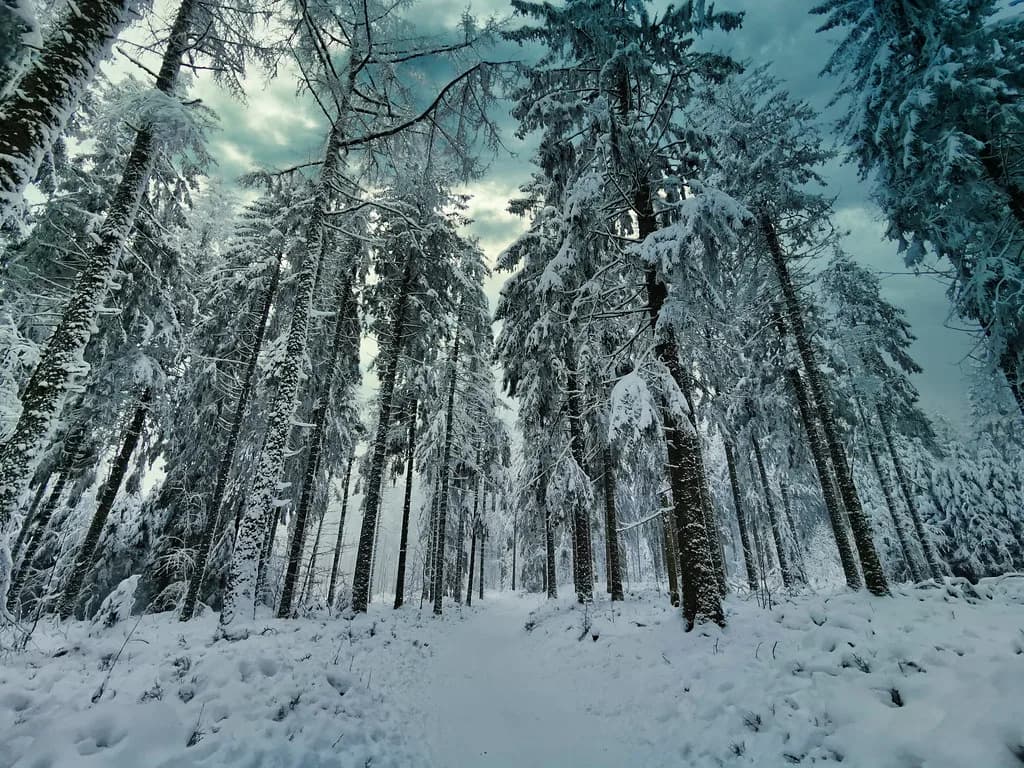
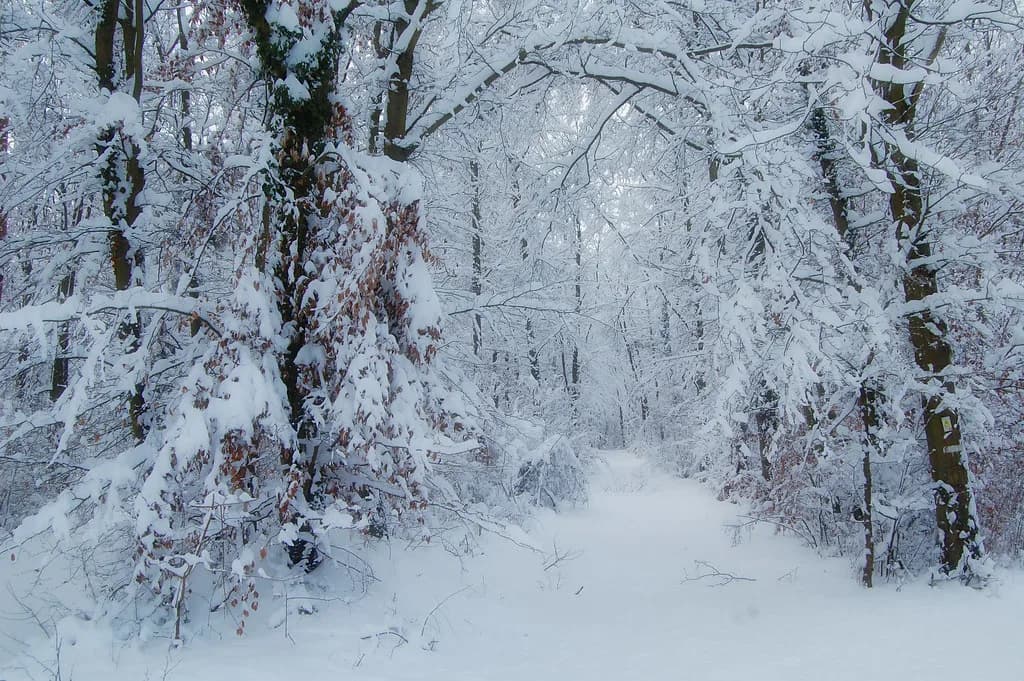
In the mountains, temperatures sit below freezing for much of the month and snow is the point of the trip, which is why ski areas are busy while everywhere else is not. If snow conditions are your deciding factor, the regional breakdown in does it snow in France explains where January snow is dependable and where it is hit or miss.
The Mediterranean is cold in January and swimming is for the hardened few, so treat the coast as a walking and café destination rather than a beach one. That single adjustment makes the Riviera's low season far more enjoyable than trying to force a summer itinerary into winter.
Rain, Sunshine and Daylight
Rain is frequent but rarely the whole story. Paris can see up to 17 days of rain or snow across January, while Nice and Aix-en-Provence drop to around 9 rainy days on average, which means the south gives you more usable windows outdoors.
The sunshine gap is the strongest argument for heading south. Northern France collects roughly 60 sunshine hours across the entire month, compared with around 140 hours in Nice and about 150 in Provence, so a January trip to the Riviera or Provence is genuinely brighter rather than just marginally warmer.
Daylight is limited everywhere, so build your day around a morning outdoor block and an afternoon indoor one. Sundown comes early enough that an evening museum visit or a long dinner is a better use of the dark hours than a scenic drive.
North or South in January?
Choose Paris and the north if your priorities are museums, food, architecture and city life, and you accept grey skies as the price of empty galleries. Choose the Riviera or Provence if you want to be outside, walk coastal paths, and see Roman and medieval sites without summer queues.
Do not try to do both in a short January trip. The travel time eats the daylight you came for, and the two halves of the country feel like different seasons; a week in one region delivers far more than four days split across the country.
Paris in January
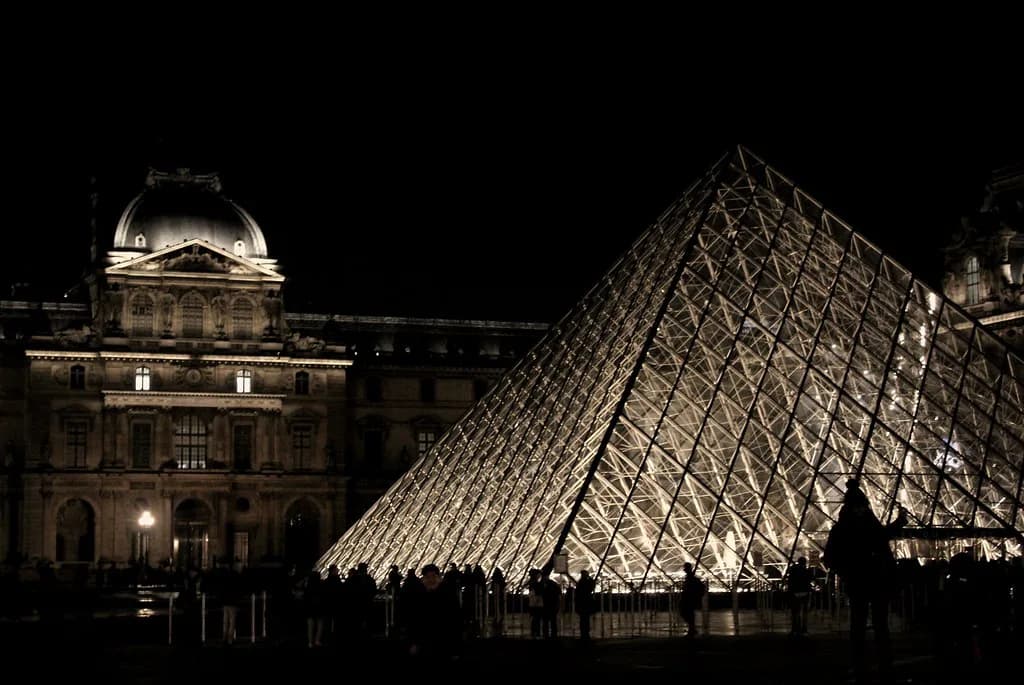
Paris in January is at its best indoors and at its calmest after the first week. The Louvre, the Musée d'Orsay, the Orangerie with Monet's water lilies and the Centre Pompidou are all far easier to enjoy without summer lines, and the Palace of Versailles is noticeably quieter too.
The first days of the month are transitional: some Christmas markets and illuminations run until around 6 January, while smaller-town markets finish on Christmas Eve. Plan early-January Paris around lingering lights and expect 1 January itself to be quiet, since it is a public holiday with many shops, restaurants and museums closed and transport on a reduced schedule.
Winter is also when the capital's better restaurants and cafés earn their keep, and a long lunch is a legitimate way to spend a wet afternoon. If your dates run into February, the France in February guide covers what changes as the days lengthen.
The French Riviera in January
Nice in January is a walking city: the Promenade des Anglais, the old town and the markets are all pleasant at 11°C (51°F), and the Chagall Museum and the Picasso Museum in nearby Antibes give you indoor anchors when it rains. The Villa Ephrussi de Rothschild at Saint-Jean-Cap-Ferrat and its gardens are never crowded in January, even if the flower beds are far from their spring peak.
Menton, a few minutes from the Italian border, mixes French and Italian influences and makes a good half-day on the coast, while Cannes offers a gentler seaside stroll and shopping. For a fuller picture of the Riviera's off-season rhythm, see Cannes in January before you commit to a coastal base.
The Riviera's advantage is not warmth so much as light and space. Beaches are near-empty and hotels drop their rates outside the ski areas, but many beach businesses close for the season, so do not count on a seafront lunch in every resort.
Provence in January
Provence gets around 150 sunshine hours in January, which makes it the best region for combining outdoor sights with short days. The Pont du Gard, the Roman arena and theatre at Arles, and the Roman Theatre at Orange are all far quieter than in late spring, and Aix-en-Provence, Avignon, Cassis and the hilltop village of Gordes reward a slow circuit.
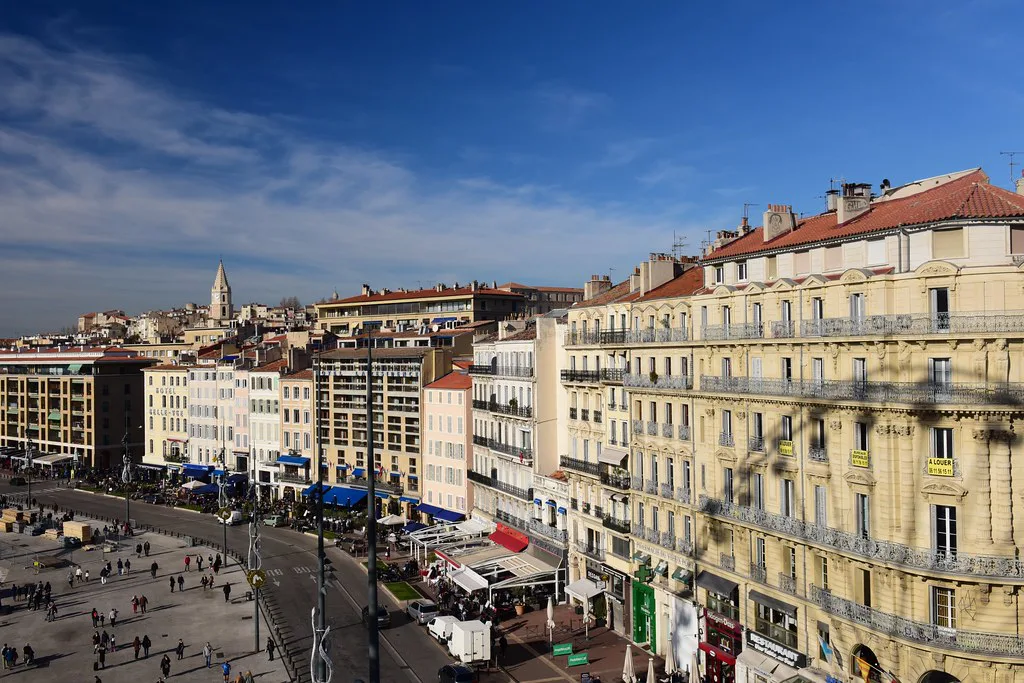
Use Marseille as a city base and add the MUCEM museum for a rainy day. The Mediterranean port is a genuinely year-round city, and its neighbourhoods are easier to explore without the summer heat; the Marseille in January notes cover how the districts and ferry links behave in low season.
A week or two across the Riviera and Provence is realistic in January precisely because you are not chasing beach weather. Build in one indoor sight per day and let the weather decide the rest.
Carcassonne and the Southwest
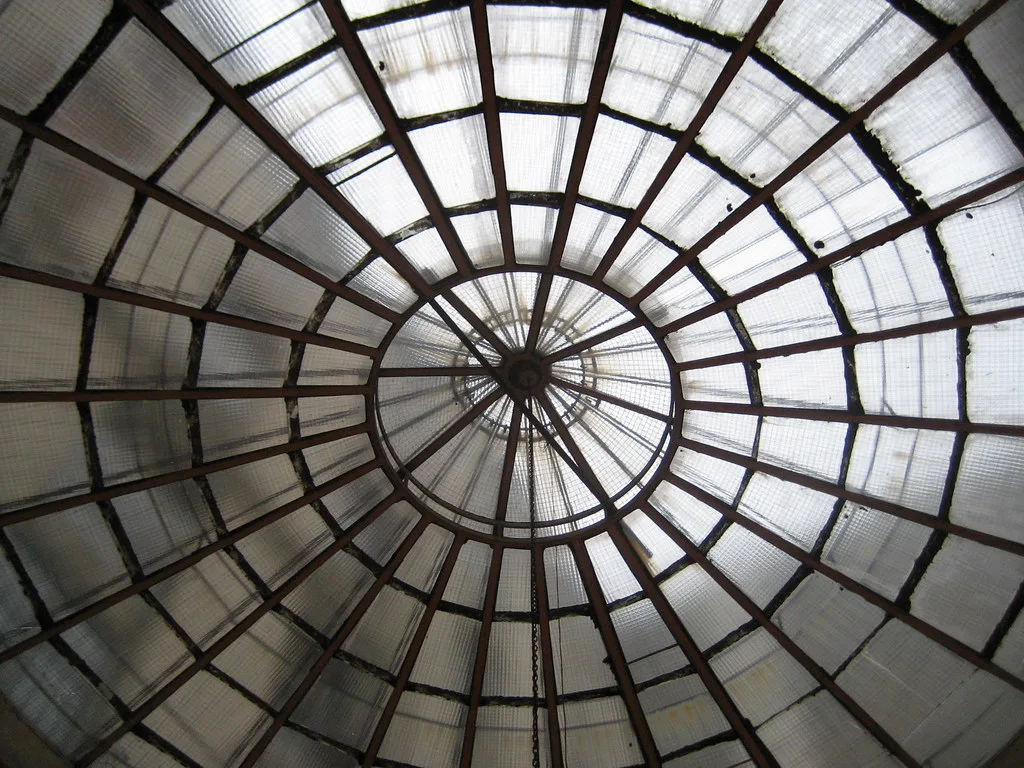
Carcassonne's medieval city is a UNESCO World Heritage site and its castle and ramparts stay open all year, with the Basilica of Saint-Nazaire offering a Gothic interior and stained glass if rain sets in. The wall walk is bracing in January but the views over the surrounding countryside are worth the layers.
In early January you may catch the tail of the Christmas market and ice rink at Place Carnot outside the walls, but treat that as a bonus rather than a plan. The southwest is also truffle country, with Sarlat hosting a truffle festival in mid-January featuring markets, workshops and hunting demonstrations.
What Is Open in Winter
Big-city museums, cathedrals, châteaux and UNESCO sites generally run year-round, and many keep shorter winter hours than in summer. Coastal towns are the exception: beaches empty out, hotels cut rates or close, and businesses that live on summer trade shut for the season, so check the specific places you want before booking a seaside base.
Ferry routes to Corsica are scaled down in winter, so an island extension needs more planning than in summer. Inland, the reverse applies: with the Christmas break over, France is much quieter and popular museums are easier to visit without long lines.
Restaurants in cities mostly stay open, but 1 January is a public holiday with widespread closures and reduced transport, and Epiphany on 6 January brings busy restaurants and holiday scheduling. Book the days around those two dates rather than assuming everything runs normally.
New Year's Day, Epiphany and January Events
New Year's Day is a nationwide holiday, with many restaurants, shops, museums and historic sites closed and transport running a holiday timetable. Some eateries open for lunch and dinner in larger cities, but plan a flexible day rather than a fixed itinerary. Epiphany on 6 January follows, marked with galette des rois in bakeries and busy restaurants.
The Angoulême International Comics Festival is one of the world's largest comics events, usually held in late January or early February with exhibitions, signings and a cosplay parade. Albi hosts a respected jazz festival, and the Alpe d'Huez Film Festival, devoted to comedy, usually falls in mid to late January. Organisers publish the exact dates each year, so set travel around them only once they confirm.
Limoux in the southwest begins its long carnival in mid-January, a weeks-long affair of satirical processions through the old town, and La Grande Odyssée Savoie Mont Blanc runs an eleven-day sled dog race through Savoie and Haute Savoie. Both are worth timing a trip around if winter spectacle appeals.
France's regulated winter sales, the soldes, generally run from mid-January to mid-February, which makes Paris, Lyon and Cannes good places to shop. The decree setting each year's dates is published before the season starts, so confirm the window before you build a shopping day around it.
Museums and Indoor Culture
The classic Paris circuit — the Louvre, Orsay, Orangerie and Pompidou — is the backbone of a January city break, and visiting each collection deliberately beats trying to see everything in a day. Regional museums are equally rewarding: the Chagall Museum in Nice, the Picasso Museum in Antibes, MUCEM in Marseille, and the medieval hospices of Beaune in Burgundy.
Lyon adds the Centre d'histoire de la résistance et de la déportation and the Musée des Confluences, while Bayeux's Museum of the Battle of Normandy suits a Normandy stop. These are indoor days that justify a January trip on their own, especially when the alternative is a wet walk.
Food and Drink in January
January is a good month to eat and drink your way around France. Truffles peak in the southwest around Sarlat's mid-January festival, Bordeaux's Cité du Vin and Dijon's Cité internationale de la gastronomie et du vin offer indoor tasting and exhibition visits, and cooking classes with local chefs work well when the weather is poor.
In Normandy, expect seafood, cheese and Calvados on menus, and in Provence and the Dordogne, market-driven cooking even in winter. Restaurant reservations matter around Epiphany and New Year's Day, when locals fill tables.
Snow and Mountains in Passing
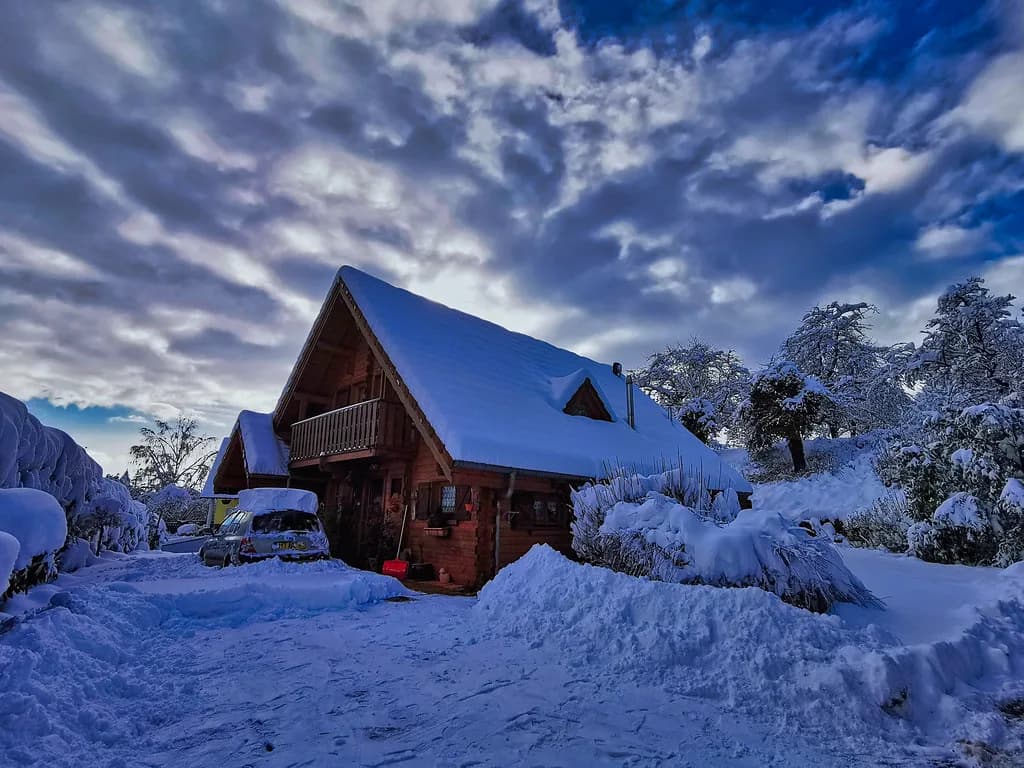
January is peak ski season in the Alps, which is why resorts are the one part of France that is busy and expensive rather than quiet and cheap. If you are not skiing, the mountains are still usable for snowshoeing and winter walks, but they demand winter equipment and a flexible attitude to weather.
Non-skiers should treat the Alps as a short add-on rather than the centre of a January trip. Cities and the south offer more reliable value when the weather turns.
Day Trips That Work in January
From Paris, Versailles is far less crowded in January and makes a straightforward half-day, while Rouen and Reims are reachable by train for cathedral and champagne-cellars days. From Nice, Menton, Antibes, Cannes and Monaco all sit within easy reach for a coastal half-day, though winter timetables thin out.
From Marseille, Aix-en-Provence, Cassis and Arles are realistic day trips, and Avignon and Orange extend the Roman circuit. Keep each day short enough to be back before dark or to spend the evening somewhere with a good restaurant.
Crowds, Costs and the Trade-offs
Outside ski resorts, January delivers France at its least crowded and least expensive, with cheaper airfares and hotel rates and near-empty museums. The trade-off is genuine: cold and wet weather in much of the country, short days, and seasonal closures on the coast that can leave a resort town without much open.
The first week of January is the awkward middle: Christmas lights linger until around 6 January in some places, but holiday closures and reduced transport persist through New Year's Day. Mid-month onward is calmer and cheaper, with the south offering the best odds of usable daylight.
Travelers who need guaranteed sunshine, beach time or long outdoor days should look at spring instead. The France in March guide shows when the days lengthen and the coast reopens.
Who January in France Suits
January suits museum lovers, food and wine travelers, city-break couples and anyone who values emptiness over warmth. It also suits travelers heading to the Riviera or Provence who want outdoor sightseeing without summer heat and crowds.
It suits skiers too, though that is a different trip with different costs. It does not suit families wanting beach days, hikers planning long trails, or anyone who finds short daylight and grey skies genuinely draining.
Getting Around France in January
Trains remain the easiest way between Paris, Lyon, Marseille, Bordeaux and the Riviera, and winter is a comfortable time to use them since seats are easier to find. Regional buses and coastal links thin out in winter, so check connections for the specific days you plan to travel.
New Year's Day and Epiphany bring holiday timetables and reduced services, and strikes or weather can disrupt plans without warning. Build a buffer into travel days and avoid tight connections on public holidays.
Plan Your January Trip
Pick one half of the country: the north for museums and city life, or the south for light and outdoor sights. Book around New Year's Day and Epiphany on 6 January, when closures and busy restaurants reshape the week, and leave the first days of the month flexible in case markets and lights linger or vanish.
Embrace the season rather than fight it: a long lunch, a museum afternoon and a bright morning walk make a better January day in France than an ambitious drive. Travelers who plan for short days and low crowds tend to come home delighted.
Explore more France winter guides
Frequently Asked Questions
How cold is France in January?
Paris typically runs between about 3°C and 8°C (38–47°F), northern France averages near 6°C (43°F), and the south is milder, with Nice around 11°C (51°F) and the warmest corners of southern France touching about 15°C (59°F) at best. Mountain areas sit below freezing for much of the month. Treat all of these as long-term averages rather than a forecast.
Which part of France is warmest in January?
The French Riviera and Provence are the mildest and brightest corners, with southern temperatures generally in the 9–13°C (48–55°F) range and around 140 to 150 sunshine hours across the month, roughly double what northern France receives. It is still winter: rain falls on about nine days on average and the sea is cold.
Is January a good time to visit France?
It is a strong month for museums, cities, food and the southern outdoor sights, with low crowds and cheaper rooms outside the ski resorts. It is a weak month for beach days, long hikes and anyone who needs reliable sunshine. Short days and seasonal coastal closures are the main costs of going now.
Is Paris worth visiting in January?
Yes, if your reason for going is art, food and architecture rather than strolling in the sun. The Louvre, Orsay, Orangerie and Pompidou are far quieter, and some Christmas lights and markets linger until around 6 January. Expect grey, damp weather, sunrise near 9am and sunset near 5pm, and a quiet public holiday on 1 January.
Does it snow in France in January?
Snow is dependable in the Alps and other high mountains, where January is peak ski season, but it is occasional and short-lived in Paris and most lowland cities. If snow is the point of your trip, choose a mountain base rather than hoping for it in town.
Are museums and restaurants open on New Year's Day in France?
New Year's Day on 1 January is a national holiday, so many shops, museums, historic sites and restaurants close and transport runs a reduced timetable. Some larger-city restaurants do open for lunch and dinner. Build a flexible day and reserve anything essential in advance.
When do Christmas markets in France end?
Smaller-town markets typically finish on Christmas Eve, while some larger markets and illuminations continue until around 6 January, close to Epiphany. If markets are a priority, travel in the first days of January rather than later in the month.
Sources
Winter travel notes
Optional updates when we add or revise winter guides.
You might also like
Continue reading
More guides you'll find useful