Marseille in January: Weather, What's Open and Who It Suits
January in Marseille brings mild days, about six rain days and the year's lightest crowds. See what stays open, what to do and who should pick another month.
On this page
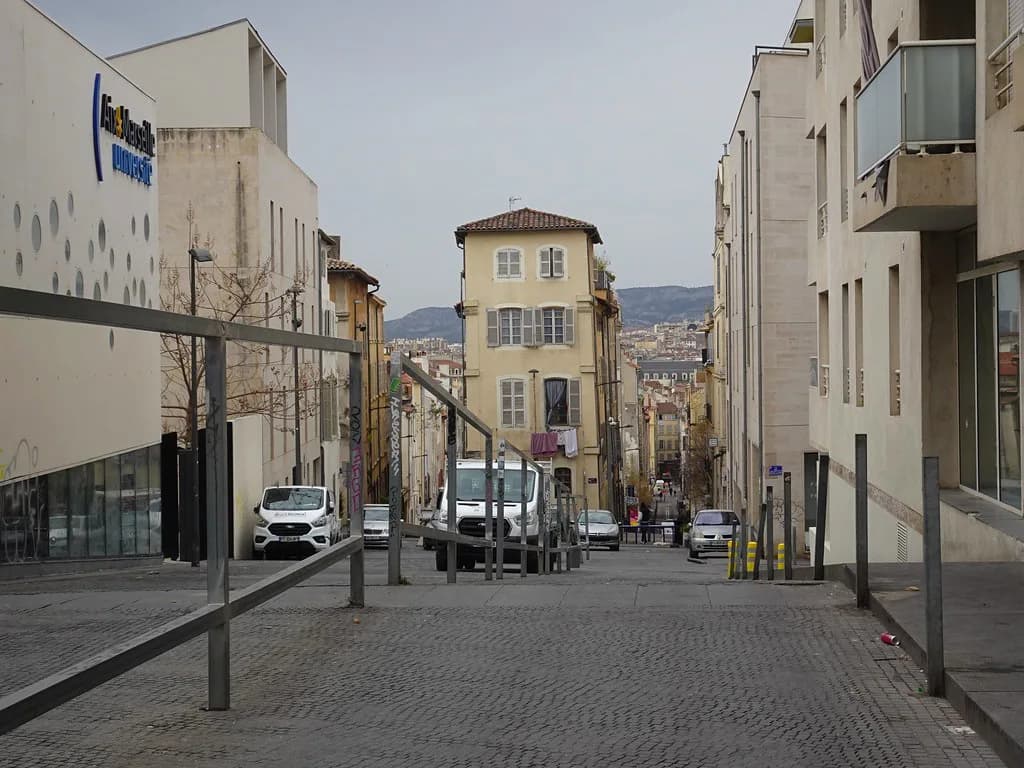
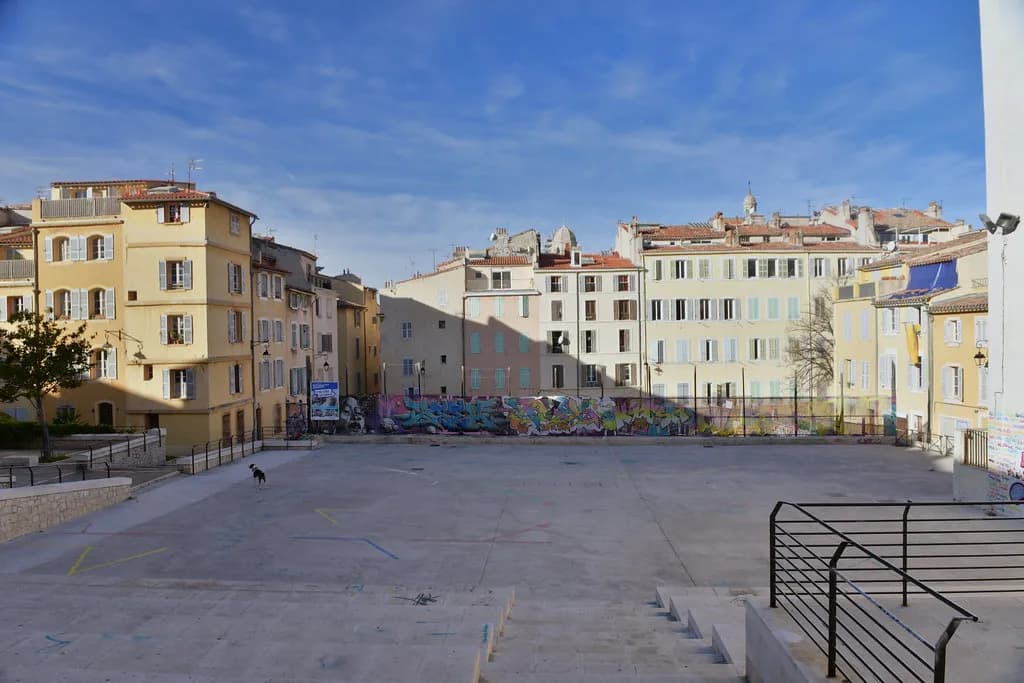
January is Marseille in its working clothes. The port keeps unloading fish, the ferries keep crossing, and the cafés around the Vieux-Port serve the people who live here rather than the summer crowds. Typical days hover around 12°C (54°F) with roughly six rain days a month, which makes it one of the mildest big-city winters in France.
It suits travelers who want museums, markets, long lunches and viewpoints without queues, and who accept that the sun sets early. It does not suit swimmers, anyone counting on a boat trip as the centerpiece, or travelers who need long evenings outdoors. If you want the fuller picture of the season, the Marseille in winter guide covers December through February together.
Weather in January
Expect typical highs near 12°C (54°F), with nights a few degrees above freezing, and around six rain days across the month. January averages about five hours of sunshine a day and humidity near 65%, so damp air is more common than hard cold. Marseille Tourism describes winter as an ideal time to explore the city's islands, with mild temperatures for walks.
Treat these as long-term averages rather than a forecast: a January week can string together bright, still days or deliver three wet ones in a row. Daylight runs roughly from eight in the morning to half past five in the afternoon, which is nine hours of light but only a few hours of real warmth. Plan your outdoor stretch for late morning, when the light is best and the stone streets have lost the night chill.
Sea, Wind and Why 12°C Feels Colder
The Mistral is the variable that decides comfort. A clear 12°C day in the sheltered lanes of Le Panier feels pleasant; the same temperature on the Corniche, with wind funnelling off the water, feels several degrees colder and cuts through a light jacket. Build your route around that: exposed seafront walks are better on still days, and there is usually one in any January week.
The sea is at its coldest of the year, so swimming is out for all but the hardened. That cold water drives the wind chill along the Corniche and at the calanques trailheads west of the city, where you will want a windproof layer even under blue sky. Save the waterfront for midday and retreat to the streets behind the port when the gusts pick up.
What Is Open in January
The city's year-round sights run through January: MuCEM, the Vieux-Port fish market, the lanes of Le Panier and the climb to Notre-Dame de la Garde. These are the backbone of a January trip and the reason the month works at all. The basilica's terrace gives you the whole bay in one view, and on a clear day you can pick out the islands you may or may not reach by boat.
Water-dependent plans are the ones that flex. Calanque boat excursions and island ferries run on reduced winter schedules, and a windy day can scrub a crossing altogether. Check sailing times with the ferry operator before you build a day around Frioul or Château d'If, and keep a museum afternoon in reserve as the swap.
For contrast, Marseille in December keeps a festive edge with markets and the santon fair, while January settles into ordinary city life. That quiet is the point: you get the port, the museums and the restaurants without the summer scrum.
If your dates slip into the following month, Marseille in February holds much the same weather with slightly longer days and the first hints of the season turning. February also brings Carnival Tuesday on 9 February 2027, which falls before Ash Wednesday on 10 February.
Island Ferries to Frioul and Château d'If
The Frioul archipelago and the Château d'If make the best winter boat day when the weather cooperates, because the crossings are short and the islands empty out completely. Walks around Pomègues and Ratonneau suit families in mild winter temperatures, with open paths and few other visitors. Sailing times thin out in January, so check the day's schedule with the ferry company at the Quai de la Fraternité before you commit.
Treat a crossing as a bonus rather than a fixed item. If the wind is up, swap it for the MuCEM and the Fort Saint-Jean walkways, which give you the same sea views from shelter. That flexibility is what makes a January itinerary work.
What Is on in January
Epiphany falls on Wednesday 6 January 2027, when Provençal bakeries sell king cakes and the region's crib traditions stay on display past Christmas. Marseille's santon makers, who craft the small painted figures for Nativity scenes, keep that craft visible through the season. Beyond that, the one reliable fixture is the national winter sales period, which usually begins in early January; the exact dates are set by the French authorities each year, so look them up close to your trip.
The city's Christmas market is a December affair, so by January the quays are clear and the lights are down. If markets are the reason for your trip, aim for December instead and accept the larger crowds that come with it.
Things to Do
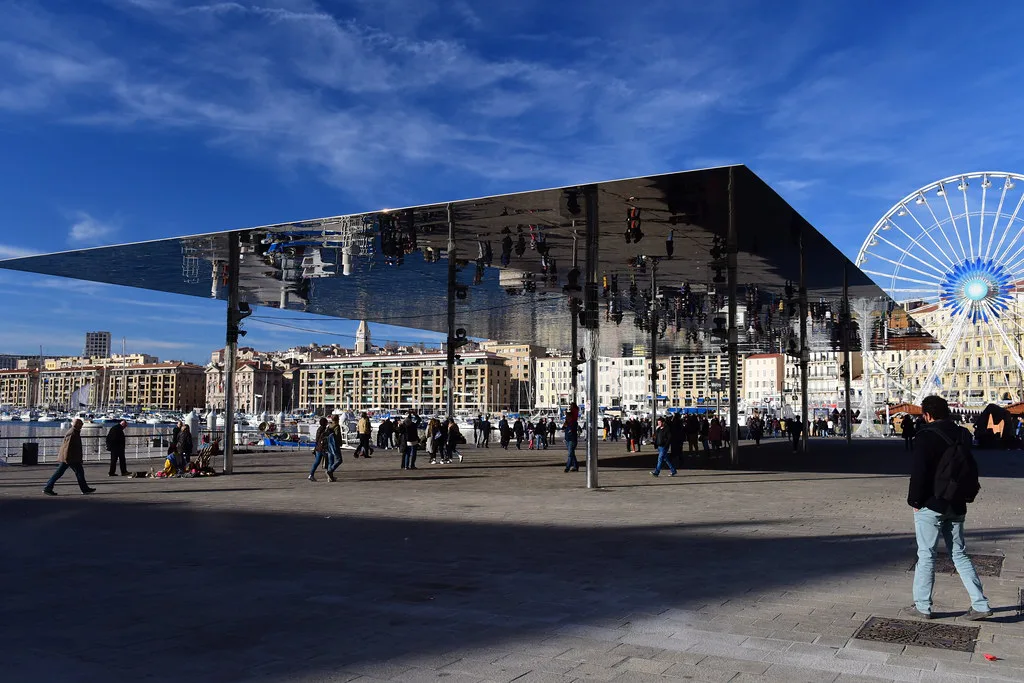
Give the trip a shape: one museum morning at MuCEM or the Musée des Beaux-Arts, one walking day through Le Panier down to the Vieux-Port, and one viewpoint outing to Notre-Dame de la Garde. Add a Corniche stroll on the calmest day and a long bouillabaisse lunch, the dish that makes most sense in cold weather. The fish market on the quay still runs in the morning, quieter than in summer but genuine.
Food is the strongest January argument for Marseille. Bouillabaisse is a slow, sit-down, multi-course affair built for cold weather, and restaurant tables are far easier to book than in season. Pair it with the city's oysters and a walk back along the port to work it off.
Day Trips That Work in Winter
Aix-en-Provence is a short train ride inland and works in any weather, with its Cours Mirabeau, markets and museums. Cassis, on the coast east of Marseille, gives you calanques views from the town itself when the trails are open, and its harbour cafés stay open year-round. Both are realistic January day trips by train, with the caveat that the light fades by late afternoon.
Avignon is further but fast by train and rewarding in winter, when the Palais des Papes and the bridge draw thin crowds. The calanques trailheads west of the city are a half-day outing on foot rather than a boat trip, and they demand a windproof layer and a check on access before you set out. If you are weighing the wider region, France in January sets out how the rest of the country behaves in the same month.
Crowds and Prices
January is the quietest and cheapest month in Marseille, with hotel demand at its lowest and restaurants happy to seat you without a reservation. Rates sit well below the spring and summer peaks, and the gap is widest against July. Come expecting ordinary city prices rather than bargain-basement ones, and book midweek arrivals for the best choice.
The trade-off is weather rather than money: you are gambling on roughly six rain days and a wind that can cancel a boat. Travelers who value empty streets and easy tables come out ahead; those who need guaranteed sunshine should look at May or October. December is busier and more festive, February is a touch milder in feel as the days lengthen.
Who January Suits
January suits budget travelers, museum-goers, food-focused visitors and anyone who wants the Vieux-Port without elbows in their ribs. It suits travelers who can front-load outdoor time into the short daylight and who treat a boat trip as a bonus. Couples and solo travelers do well here, and the city is easy to walk district by district.
It does not suit swimmers, sailors, or families who need beach time and long evenings outdoors. Anyone whose main reason for visiting is the calanques by boat should choose a warmer month and accept the crowds that come with it. If you want a middle ground, Marseille in March brings longer days and the start of spring walking.
Getting Around
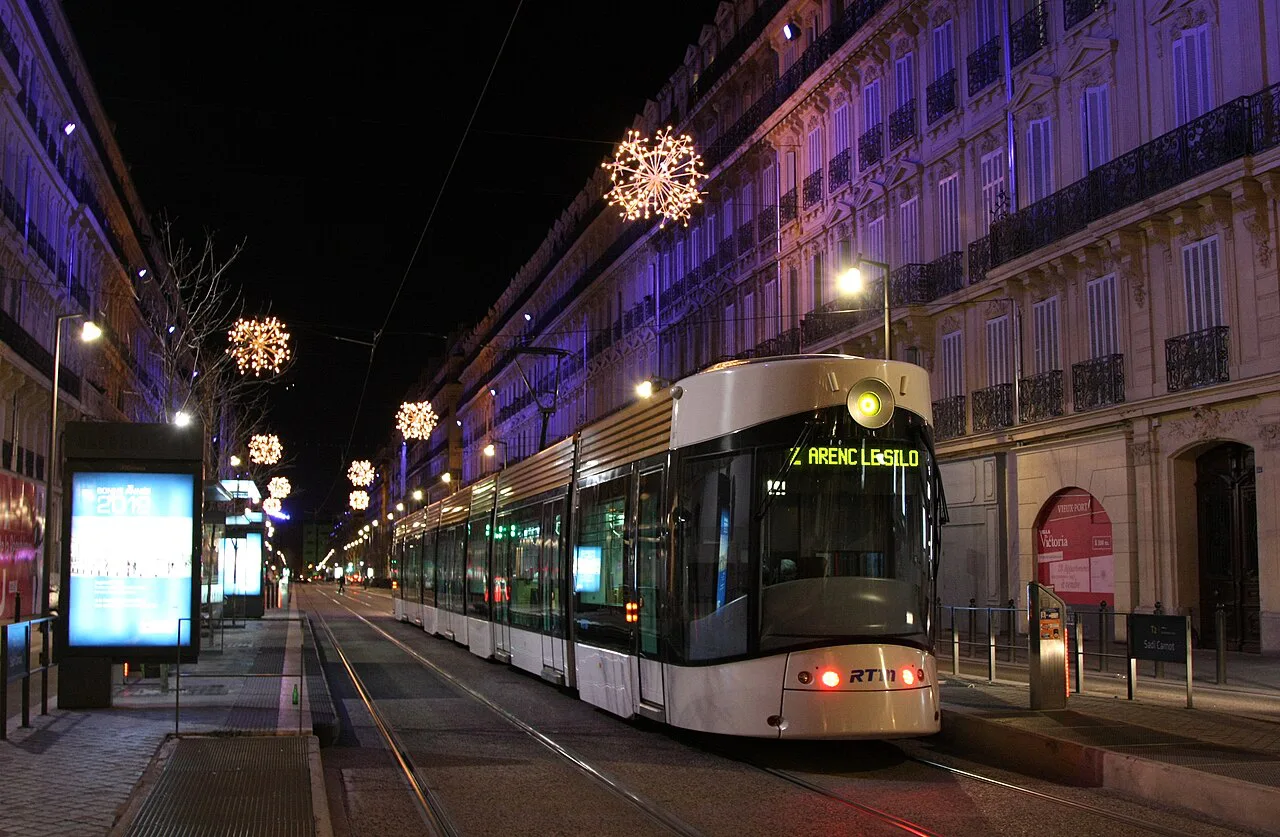
RTM runs the metro, trams and buses that connect the port, Le Panier and the stations, and its winter timetables are the ones to plan around. The metro is the fastest way between the Vieux-Port and the main rail station, and trams cover the city center well. For the Corniche and the calanques car parks, buses or a taxi save a long walk in the wind.
Most of central Marseille is walkable: the Vieux-Port, Le Panier and MuCEM sit within twenty minutes of each other on foot. Wear shoes that handle wet cobbles and steep lanes, and plan your route so the hill up to Notre-Dame de la Garde comes with daylight. For a wider comparison of the coast in winter, Cannes in January makes an easy contrast.
Short Days and How to Use Them
With sunset around half past five, the practical rule is to put your outdoor hours before mid-afternoon and keep museums for the dark stretch. A typical good day: fish market and Le Panier in the morning, a viewpoint or Corniche walk after an early lunch, then MuCEM or a gallery until closing. Dinner then comes early by summer standards, which suits the city's rhythm anyway.
Leave slack in the plan for weather. A windy day is the moment for the basilica terrace, which is sheltered in parts and spectacular when the air is clear; a wet day is the moment for the museums and a long lunch. Keeping one flexible day in a short January trip makes the difference between frustration and a good visit.
Plan Your January Trip
January rewards travelers who want Marseille as a working city: mild days, empty quays, easy tables and museums without queues. Accept the short daylight and the chance of wind, and build your itinerary around what stays open year-round rather than what depends on the water.
Book midweek, front-load outdoor time, and keep one day free for the weather to decide. Check sailing times with the ferry operator if the islands are on your list. Read the full Marseille in winter guide to compare January with the months on either side before you commit.
Frequently Asked Questions
What is the average temperature in Marseille in January?
Typical January days sit near 12°C (54°F), with nights a few degrees above freezing. These are long-term averages, not a forecast, so pack for colder and windier days than the figure suggests.
How many rainy days does Marseille get in January?
Around six rain days across the month is typical. Rain tends to arrive in wet spells rather than constant drizzle, so a short trip can easily miss it entirely or catch most of it.
How much daylight is there in Marseille in January?
Expect daylight from roughly eight in the morning to half past five in the afternoon. That is enough for a full outdoor morning and an early afternoon walk, but not for long evenings outside.
Is January a good time to visit Marseille?
It is a good month for museums, food, markets and empty streets, and the cheapest of the year. It is a poor month for swimming, boat-dependent plans and anyone who wants long, warm evenings.
Can you visit the Calanques and Frioul islands in January?
The islands can be reached when the ferries sail, but winter schedules are reduced and wind can cancel crossings. The calanques are best treated as a walked day trip from the trailheads when access allows.
What is there to do in Marseille in January?
MuCEM, the Vieux-Port fish market, Le Panier, Notre-Dame de la Garde and the Corniche fill a few days comfortably. Add a bouillabaisse lunch and a day trip to Aix-en-Provence or Cassis.
Is Marseille cheaper in January than in December?
Yes, in relative terms: demand drops after the holidays and hotel rates fall with it. December carries festive demand, while January is the quietest month of the winter.
Do I need to book restaurants in January?
Most tables are easy to secure in January, unlike the summer peak. Booking a day ahead for a well-known bouillabaisse restaurant is still sensible, especially at weekends.
Sources
Winter travel notes
Optional updates when we add or revise winter guides.
You might also like
Continue reading
More guides you'll find useful