Cannes in January: What to Do, See and Decide for Your Trip
Cannes in January brings mild Riviera days, a handful of rain days and low crowds. Here is what stays open and who the month suits best.
On this page
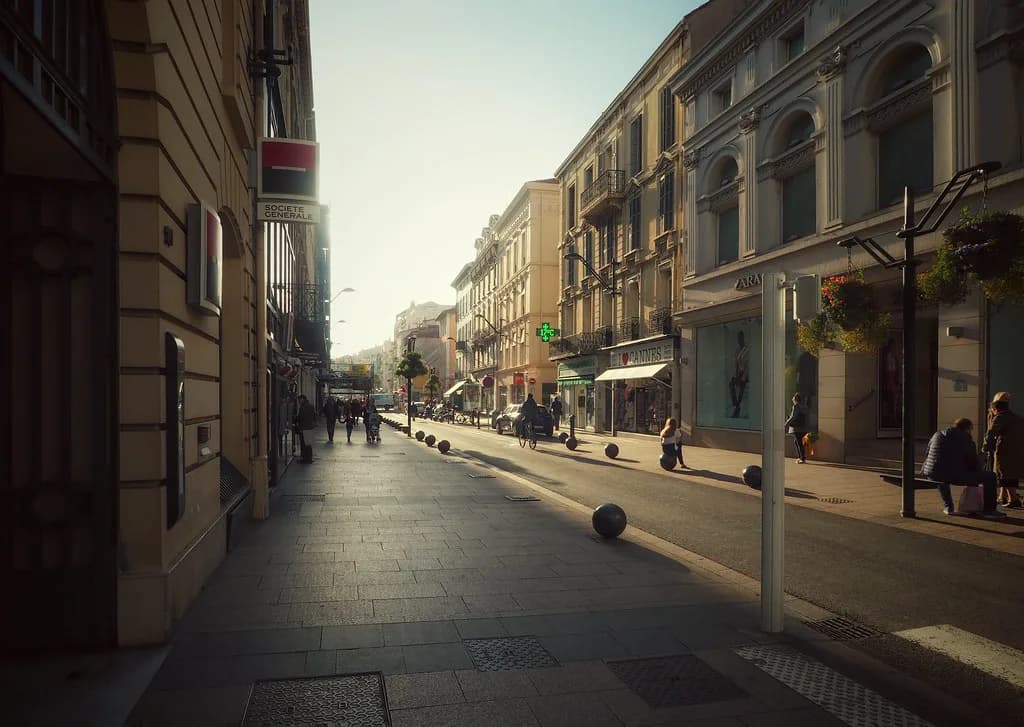
Cannes in January is a working French town on a famous bay, not a resort in hibernation. The Croisette promenade stays open to anyone with a coat, the Forville Market keeps trading, and the crowds that fill the pavements in May are months away. Typical days are mild rather than warm, and the sea is cold, so this is a month for walking, galleries and long lunches rather than swimming.
It suits couples, solo travelers and anyone who wants the Riviera without the summer price tag or the festival crush. Beach seekers and families planning long days on the sand should aim much later in the year. If you are weighing the whole season rather than one month, the Cannes in winter overview maps out December through February before you commit to dates.
Weather in January
January is the coldest month of the Cannes year, but coldest here still means mild. Long-term averages put daytime highs around 12°C (about 54°F) with roughly six rain days across the month, so a wet day is likely but the week is rarely a washout. Sunshine runs to about six hours a day, which is enough for a coastal walk if you start early.
Light is the real constraint. In early January the sun rises after 8am and sets before 5:15pm, giving under nine hours of daylight, and it gains roughly half an hour by the end of the month. Nights drop to around 5°C (41°F), so plan outdoor time for the middle of the day and keep a museum or a long lunch in reserve for the afternoons.
Treat these figures as typical conditions rather than a forecast. A January week can deliver crisp blue skies and calm sea, or several grey days in a row with a damp wind off the water. Packing for both is more useful than watching a ten-day forecast from home, because the pattern often shifts within a few days.
Sea, Wind and the Croisette
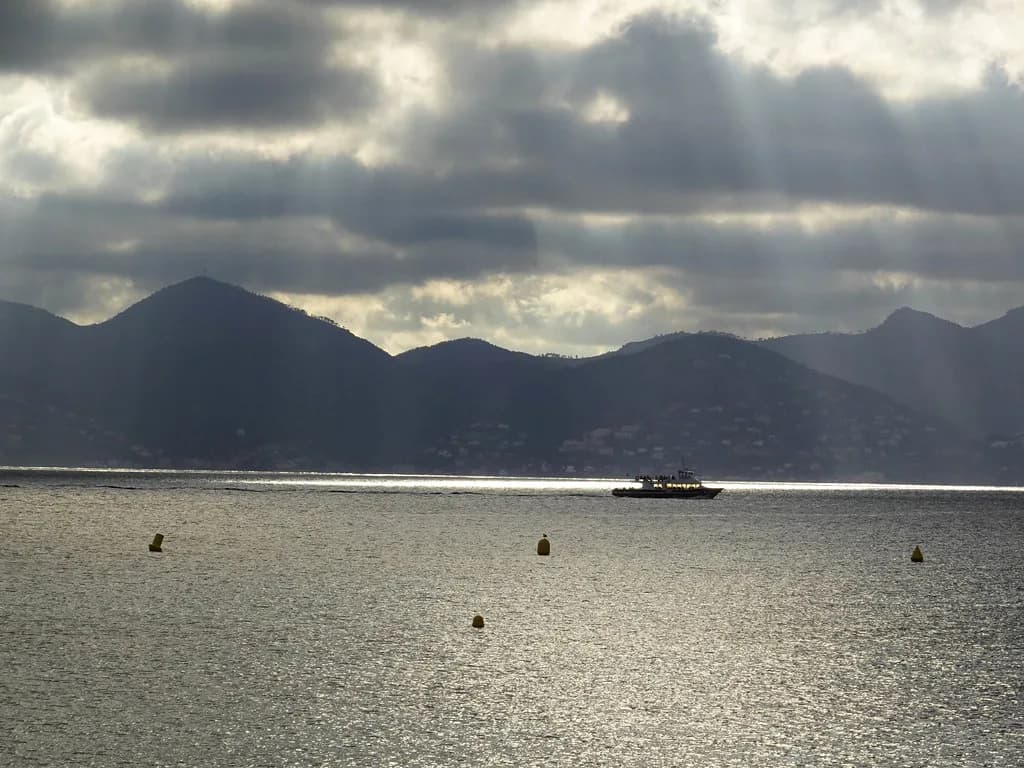
The Mediterranean in January is cold, and the beaches are for looking at rather than lingering on. A quick dip is possible for the hardy, but most visitors settle for a barefoot paddle and a walk along the water's edge. The bay is at its most photogenic in low winter light, when the low sun throws the Estérel hills into relief behind the town.
Wind matters more than the thermometer. The mistral can sweep down the Rhône valley and reach the coast, and when it blows, the sea front feels several degrees colder than the sheltered old streets. On those days, walk the Croisette with the wind at your back and retreat to Le Suquet or the Forville covered market.
Cannes' beachfront restaurants stay open through the year, which sets the town apart from resorts that close their seafront in winter. That means you can eat with a view of the water in January, though terraces are quieter and the atmosphere is calm rather than lively.
What Is Open in January
Forville Market is the anchor of a January morning, trading Tuesday to Sunday under its covered hall near the old port. Stalls sell Provençal produce, olives, cheese and fish, and a slice of socca, the chickpea flatbread from Nice, is the standard mid-morning snack. Arrive before noon for the fullest stalls; Sunday is the busiest and most sociable.
La Malmaison, the contemporary art center in a restored Belle Epoque villa on the Croisette, keeps a winter exhibition program, and its roof terrace café gives you a view over the bay without committing to a long walk. The Musée des Explorations du Monde up in Le Suquet covers the city's history and world cultures, a sensible choice for a rainy afternoon.
The free double-decker buses decorated by artist Robert Combas run along the Croisette and are the easiest way to cover the seafront without battling the wind. They connect the Palais des Festivals end with Port Canto, so you can ride one way and walk back at your own pace.
The Palais des Festivals et des Congrès remains a working convention center, and the Cannes Film Festival itself is a May event, so January visitors see the building rather than the red carpet.
What Scales Back
Private beach clubs on the Croisette trim their operations in winter, and lounger service is limited compared with the summer months. Public beach sections stay free and open, so a walk on the sand costs nothing even when the concessions are quiet.
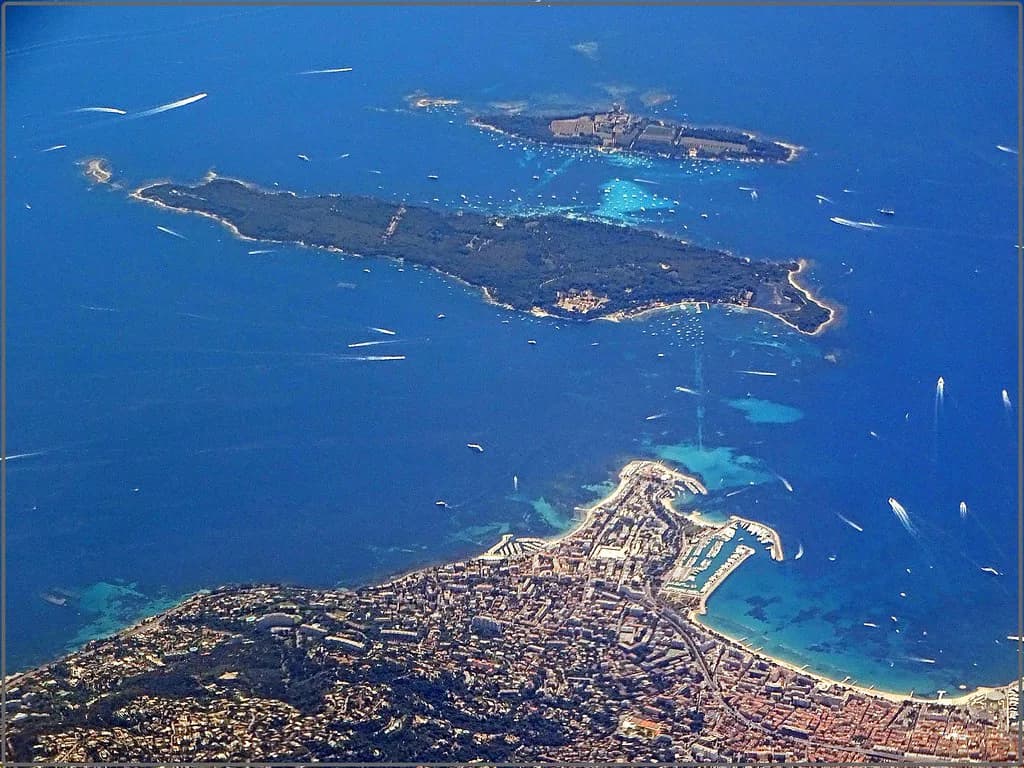
Boat trips to the Lérins Islands are weather-dependent in January, and crossings to Sainte-Marguerite and Saint-Honorat run on reduced winter timetables. On a calm, clear day the crossing is worthwhile for the island paths and the views back to the bay; on a windy one it may not run at all. Confirm sailing times with the ferry company before building a day around it.
Evening life narrows to a smaller set of restaurants and bars, mostly around the old port and the streets behind the Croisette. That is an advantage if you want a table at a place that is impossible to book in summer, but it also means fewer choices on a Monday or Tuesday.
Le Suquet and the Old Town
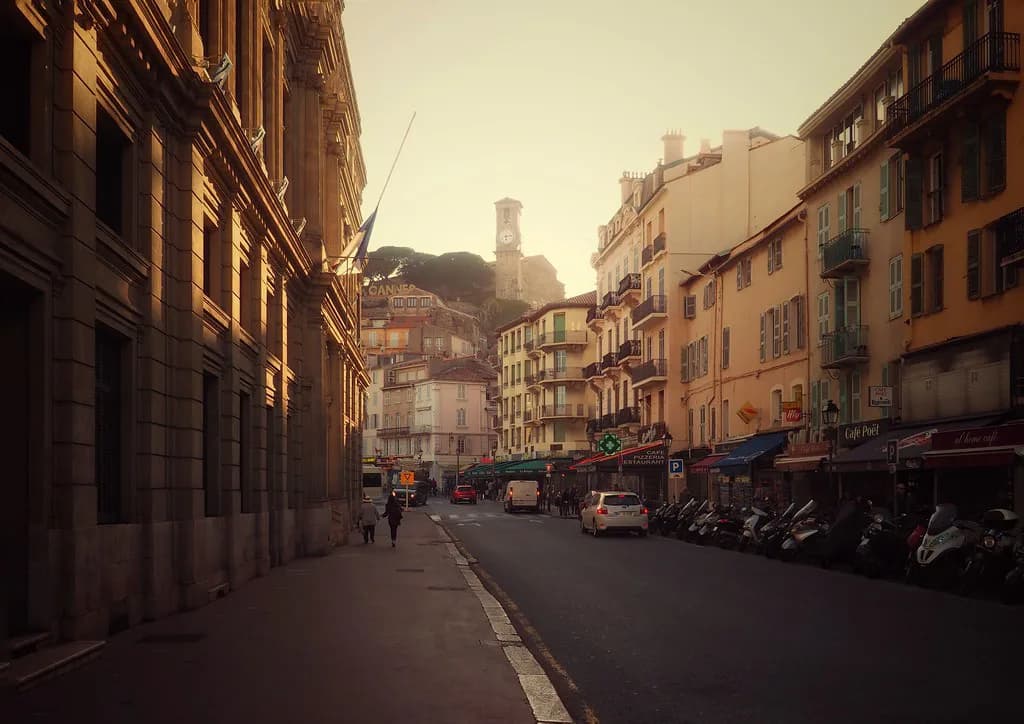
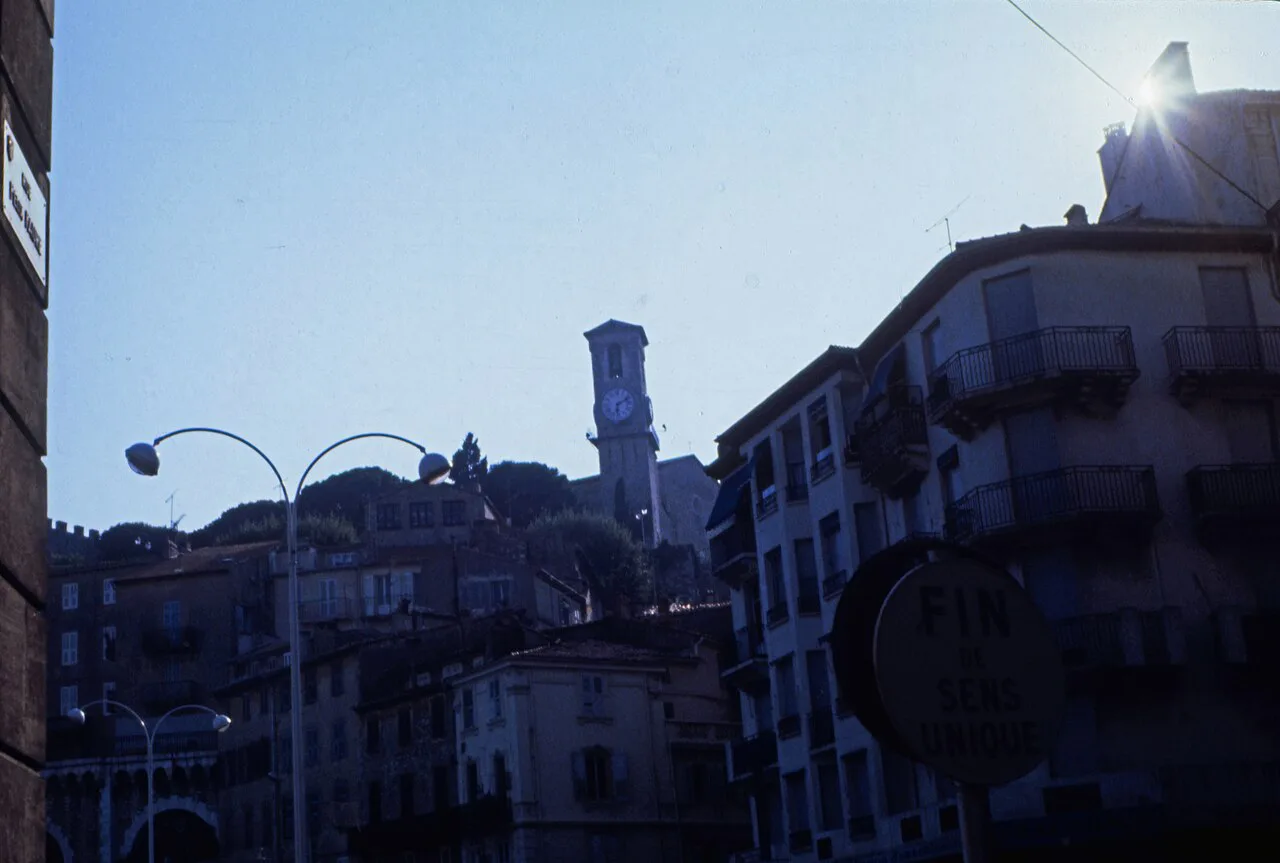
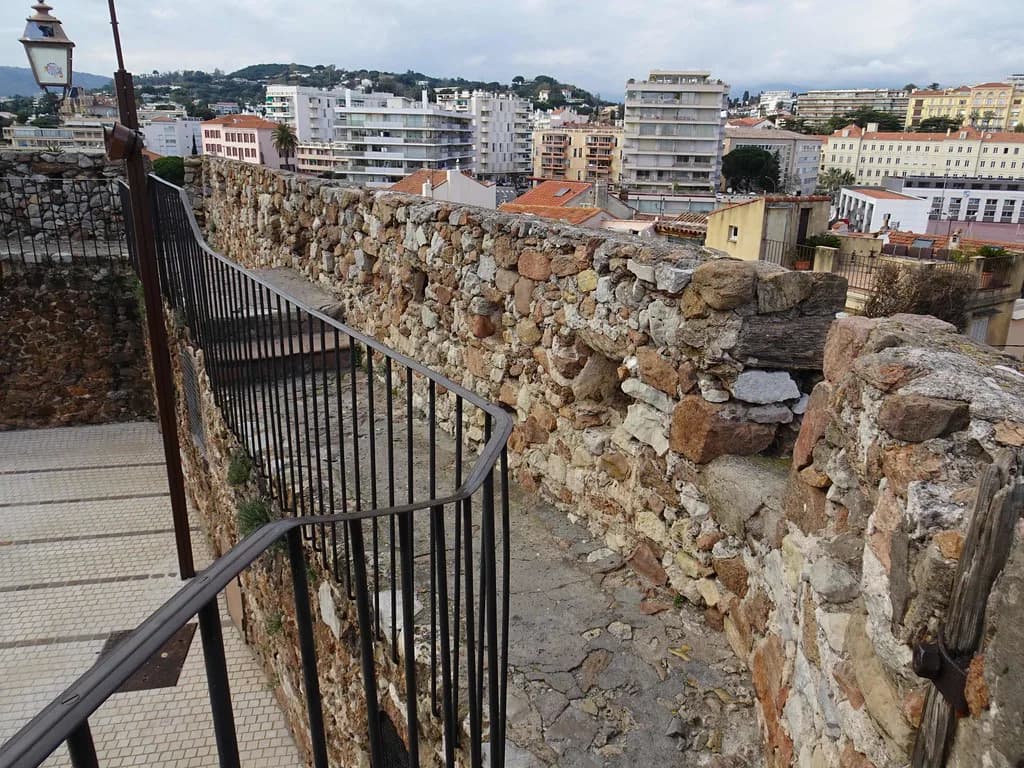
Le Suquet, the hill where Cannes began as a fishing village, is the best winter walk in town. Steep lanes climb past stone houses to Place de la Castre, where the view over the bay and the Lérins Islands is worth the stairs. The museum and the church square sit at the top, and the whole loop takes an hour at an easy pace.
Volunteer greeters from the Cannes en Héritage association show visitors around the old quarter on foot, which adds context to the lanes and the Man in the Iron Mask legends attached to the hill. These walks are a low-season pleasure: small groups, no queue, and time to ask questions.
In the evenings, the cobbled streets below the hill hold a cluster of small restaurants where the cooking is Provençal and the pace is unhurried. Book ahead for weekend dinners even in January, because the good rooms are small and locals fill them year-round.
Food and the Low-Season Restaurant Scene
January is the month to eat your way through Cannes rather than sunbathe through it. Start with market produce and socca at Forville, move to seafood at the old port, and finish with a long dinner in Le Suquet. The seafood platters and fish of the day at the port institutions are the classic order.
The upside of low season is access. Restaurants that require weeks of notice in spring often have tables within a day or two in January, including the family-run places at the foot of Le Suquet. Ask your accommodation to call rather than relying on an online booking page that may still show summer availability.
Rue Meynadier and the streets around Rue d'Antibes carry the food shops, bakeries and casual lunch spots that keep the town fed through winter. This is where you buy a picnic for a coastal walk or a train day trip, rather than paying beachfront prices for the same view.
Winter Sales and Shopping
France's winter soldes usually fall in January, with discounted stock across Rue d'Antibes and Rue Meynadier drawing locals into town on the first days. The exact start date is set each year by the authorities, so check the official French government announcement before planning a shopping day around it. The sales bring a burst of energy to an otherwise quiet month.
Cannes itself is a shopping town year-round, with luxury names along the Croisette and independent boutiques in the side streets. In January you can browse them without the summer queue at the door, which makes the sales season a good excuse for a slower afternoon.
Day Trips That Work in Winter
The coastal train line makes Nice, Antibes and Grasse easy winter day trips, with frequent services and short journeys along the shore. Nice gives you a bigger city for a rainy day, Antibes a compact old town and Picasso museum, and Grasse the perfume houses inland. Each is a straightforward return trip from Cannes.
The Mimosa Route inland toward Mandelieu-La-Napoule and the Tanneron hills is January's colour trip. Mimosa blooms in the mild hills behind the coast in midwinter, and the yellow hillsides make a striking contrast with the grey-blue sea. The Mandelieu Mimosa Festival falls in February, so January is the quieter preview.
If you want to compare months before committing, November on the Riviera is milder and busier, while Cannes in March brings longer days and the first spring warmth. January sits between them as the quietest and cheapest of the three.
Crowds, Prices and Getting Around
January and February are the cheapest months of the Cannes year, with hotel rates at their lowest and demand at its quietest. Rates quoted by travel sites do not always match what you will be charged, so compare a few midweek dates directly with the hotel. Midweek arrivals usually beat weekends, even in low season.
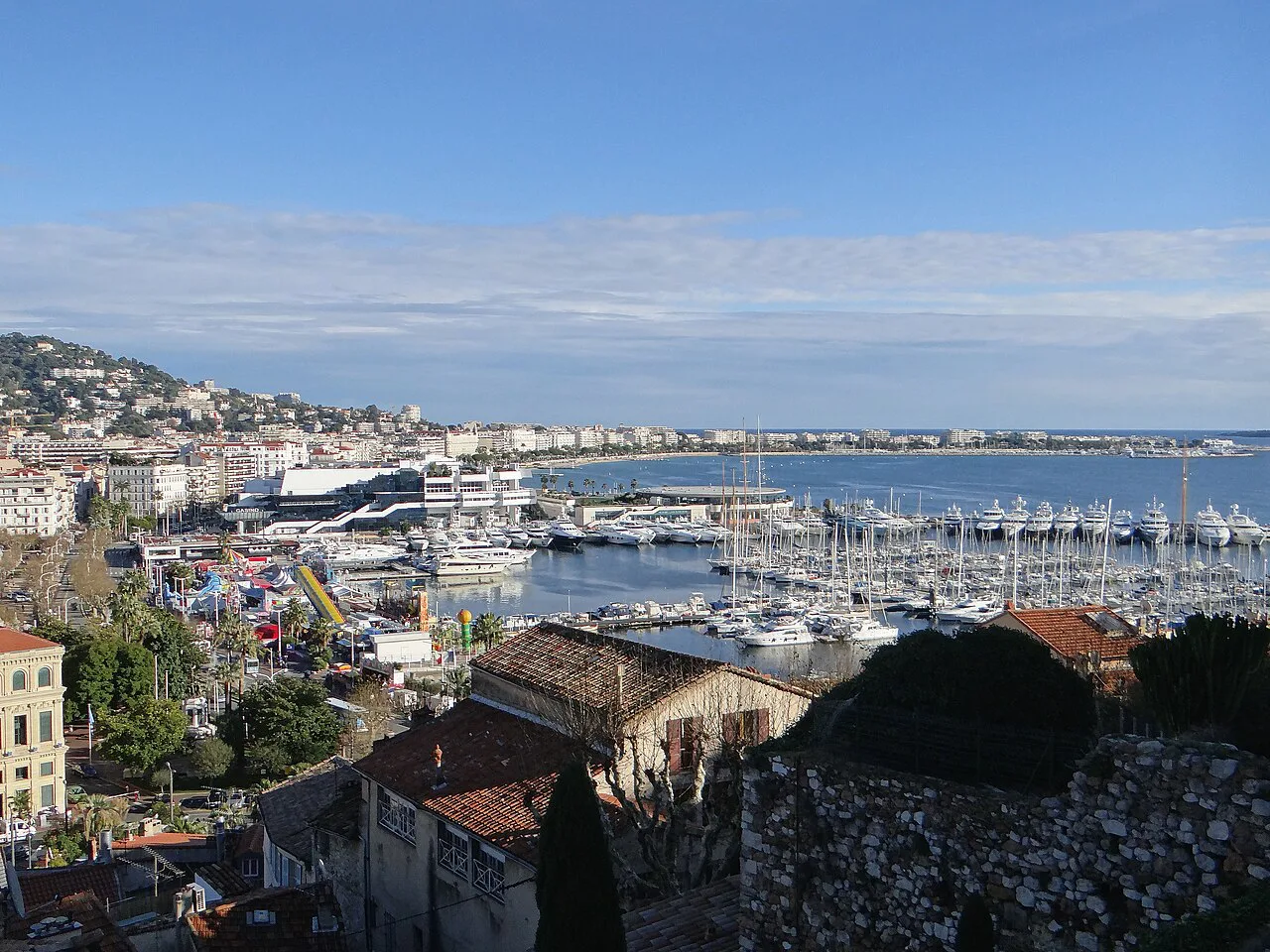
The town is small enough to walk, with the Croisette linking the Palais to Port Canto in around three kilometers. Local buses cover the length of the seafront and the station, and the free Combas buses make the promenade run easy. Taxis and rideshares handle the airport transfer to Nice.
If your dates are open, compare January with February before booking. Low-season rates and calm streets apply to both, but Cannes in February brings slightly longer days and the first mimosa colour inland.
Who January Suits and Who Should Wait
January suits walkers, couples, food-focused travelers and anyone who wants the Riviera at its quietest and least expensive. It is a good month for a long weekend built around markets, galleries, old-town lanes and a couple of good meals. It also works well as a stop on a wider France itinerary in January, when the south is milder than the north.
It does not suit beach seekers, families expecting warm sea days, or anyone who needs the festival atmosphere. Swimming is out for most people, some boat trips do not run, and short daylight hours limit long walks after lunch. If you want sun on your skin and a lounger by the water, wait for May or October.
Travelers who want a bigger city with the same winter appeal can compare Marseille in January, a short train ride west, before deciding where to base themselves on the coast.
Plan Your January Trip to Cannes
Book Cannes in January for the calm, the low-season rates and the food, and build your days around daylight rather than around the beach. A market morning, an old-town walk and a long lunch will fill a short trip comfortably, with a coastal train day if the weather holds.
Compare the January sales and event dates on the official Cannes tourism site, then confirm any island crossing or restaurant table directly with the ferry company or restaurant before you travel. That way the quiet month works in your favor instead of catching you out.
Explore more Cannes winter guides
Frequently Asked Questions
What is the weather like in Cannes in January?
Expect mild, changeable days with highs around 12°C (about 54°F), lows near 5°C (41°F) and roughly six rain days across the month. Sunshine runs to about six hours a day, and daylight is short, so plan outdoor time for midday. Treat these as typical conditions rather than a forecast.
Is January a good time to visit Cannes?
It is a good month for walkers, couples and food-focused travelers who want empty promenades and low-season prices. It is a poor choice for beach seekers, because the sea is cold and daylight is short. The town stays open, with markets, galleries and restaurants trading through winter.
Can you swim in Cannes in January?
The Mediterranean is cold in January, and most visitors paddle rather than swim. A quick dip is possible on a calm, sunny day, but it is not a beach holiday. If warm water matters, choose a later month.
Is everything closed in Cannes in January?
No. The Croisette, Forville Market, La Malmaison and the old town stay active, and many restaurants trade year-round. Private beach clubs and island boat trips scale back, and some run on reduced winter schedules, so check sailing times before relying on them.
How many days do you need in Cannes in January?
Two or three days covers the Croisette, Le Suquet and Forville Market at a relaxed winter pace. Add a day for the museums and a day trip by train to Nice, Antibes or Grasse if the weather holds.
Are there crowds in Cannes in January?
January is one of the quietest months of the year, with light crowds on the promenade and easy tables at most restaurants. The exception is the winter sales period, when locals fill the shopping streets, especially at weekends.
Sources
Winter travel notes
Optional updates when we add or revise winter guides.
You might also like
Continue reading
More guides you'll find useful