France in February: Weather, What's Open and Where to Go
France in February brings short days, low crowds and low-season rates. Here is the typical weather, what stays open and which regions suit a winter trip.
On this page
February is the quietest full month of the French winter, and that is largely the point. Paris, Lyon and Strasbourg are cold and often grey but gloriously uncrowded, while the Mediterranean coast trades beach weather for bright, brisk walking days. The month suits museum-goers, city-breakers, food travelers and anyone who would rather queue for ten minutes than ninety.
It does not suit travelers chasing warm sea, long evenings or garden color. Daylight is still short, many coastal and rural attractions run reduced winter schedules, and the south is mild rather than hot. Plan around indoor anchors and a compact geography, and February rewards you with lower rates and rooms you can book late.
Weather in February: A Regional Picture
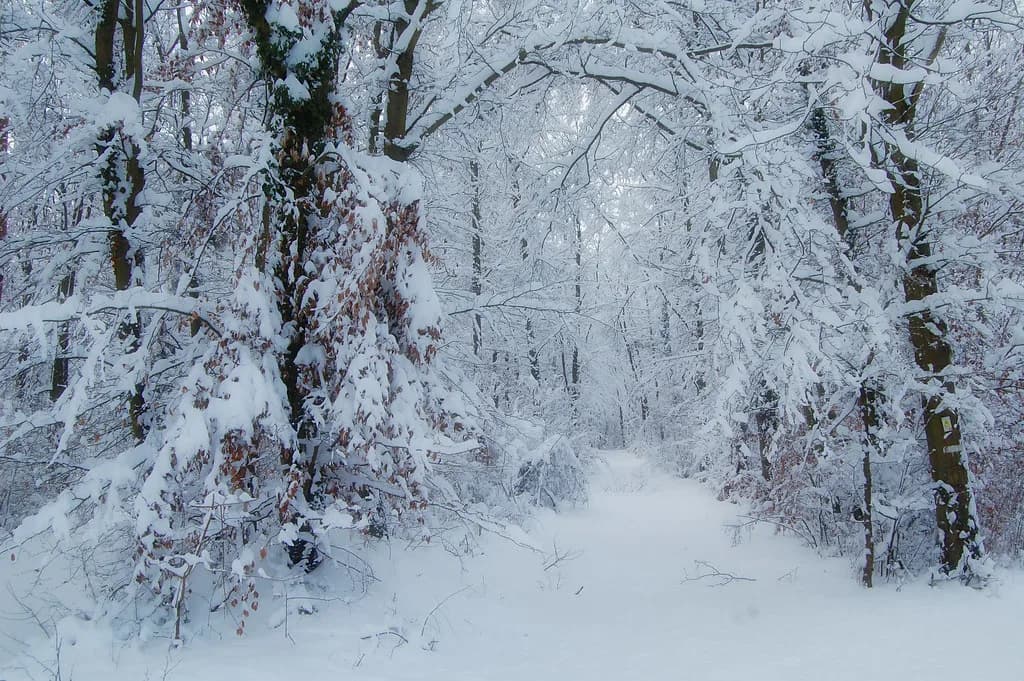
Treat February conditions as typical, not guaranteed. The north and east — Paris, Normandy, Alsace, Lorraine — sit in a damp continental winter with daytime highs usually in single digits Celsius and overnight lows close to or just above freezing, so drizzle and grey skies are more common than deep snow. The Atlantic coast is milder but windier, with frequent rain-bearing fronts rolling in off the ocean.
Provence and the Riviera are the mildest corners of the country in February, with daytime temperatures that can reach the low to mid teens Celsius on sunny afternoons, though mornings stay cold and the mistral can bite. The Alps and Pyrenees are full winter, with freezing levels well below valley towns. For a regional breakdown of where snow settles and where it rarely does, see does it snow in France.
Daylight is the constraint most travelers underestimate: in early February the sun rises around 8am and sets before 6pm in Paris, gaining roughly an hour and a half across the month. Build each day around one outdoor block and one indoor block, and save the second half of the month if long walks matter to you.
Rainfall is spread fairly evenly, with the Atlantic west and the mountains wettest and the Mediterranean driest. Sunshine hours climb sharply in the south as the month progresses, while northern France often strings together several overcast days. Pack for wet cold rather than Arctic cold and you will be comfortable almost anywhere outside the mountains.
Snow and the Mountains
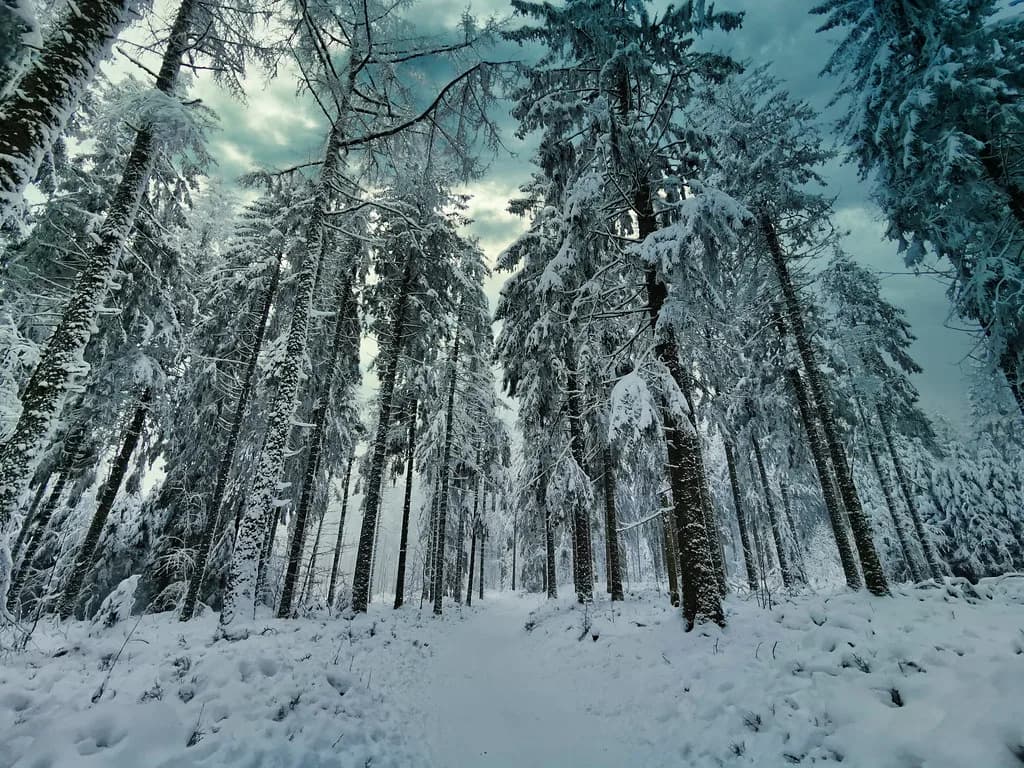
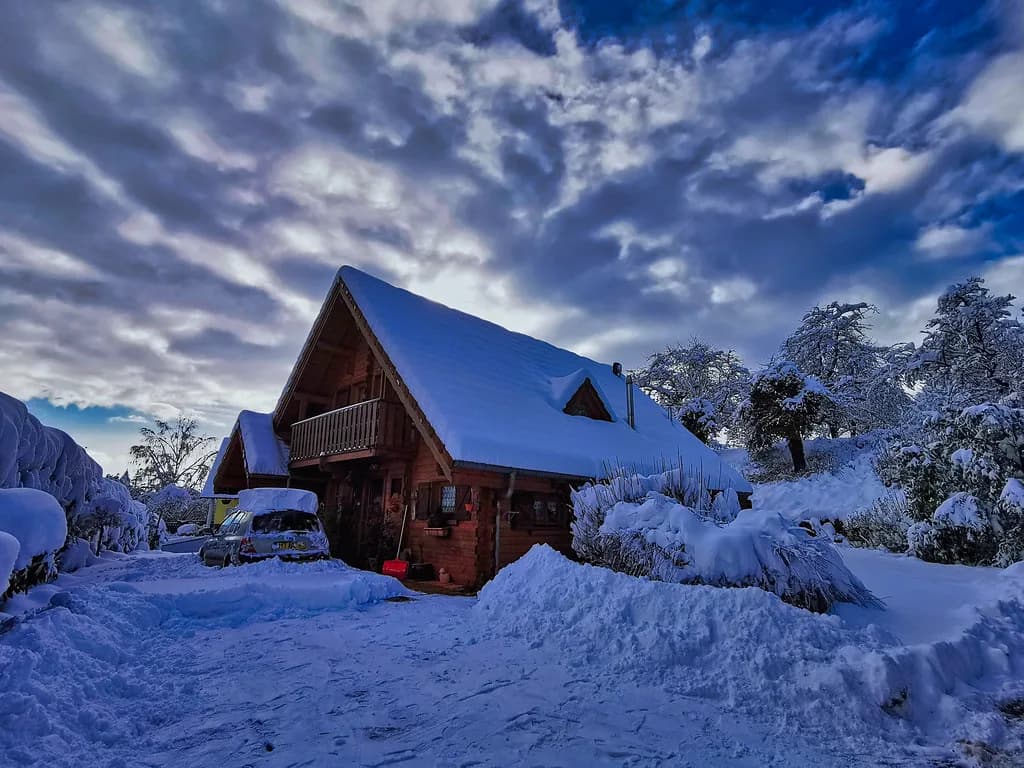
February is peak snow depth in the Alps and Pyrenees, which means valley towns such as Chamonix, Annecy and Grenoble sit under a snowy backdrop while the resorts above them run at full capacity. That also means the busiest weeks of the mountain season, tied to French school holidays, push up accommodation rates in the valleys as well as on the slopes.
If you want mountain scenery without skiing, base yourself in a lake or valley town and use lifts and cleared paths for views. Annecy in February is a good example of a lake town that works in deep winter, with a compact old quarter and lakefront walks that stay accessible. Check lift operating dates with the individual lift company before building a day around one.
What Stays Open in Winter
National museums and monuments keep running through February, and the big Paris institutions — the Louvre, the Musée d'Orsay, the Centre Pompidou — operate on their standard winter schedules with timed-entry booking strongly advised. The Eiffel Tower and Notre-Dame both welcome visitors year-round, and winter is the season when you can realistically turn up at Notre-Dame without a long wait.
Outside Paris, the same pattern holds in the major cities: Lyon's museums and traboules walks, Bordeaux's wine and riverfront sights, and Strasbourg's museums all run in February. What changes is the fringe — gardens, châteaux with limited winter staffing, small coastal museums and boat excursions often cut days or close entirely until spring.
The safest planning rule is to anchor each day on something with a permanent staff and a published winter calendar, then treat everything else as a bonus. That approach keeps a February itinerary intact when a rural sight turns out to be shuttered.
What Is On in February
February 2027 is a pre-Lenten month: Carnival Tuesday falls on 9 February and Ash Wednesday on 10 February. That places Mardi Gras processions and masked balls in the days running up to the 9th, in cities including Nice on the Riviera and Dunkirk on the northern coast, both of which stage long-running public carnivals. Confirm each program with the organizing city before booking travel around it.
French school holidays split the country into zones that stagger across February, so the mountain weeks and the Paris museum queues are not uniformly busy. If you want the quietest version of the month, aim for the weeks outside the zone breaks and accept that some family-oriented attractions will be livelier at other times.
Carnival aside, February is a thin month for major public festivals, which is part of its appeal. The bigger winter events — the Festival of Lights in Lyon, Christmas markets, New Year's Eve — belong to December and January, so if those are your priority, look at France in December instead.
Things to Do in Paris in February
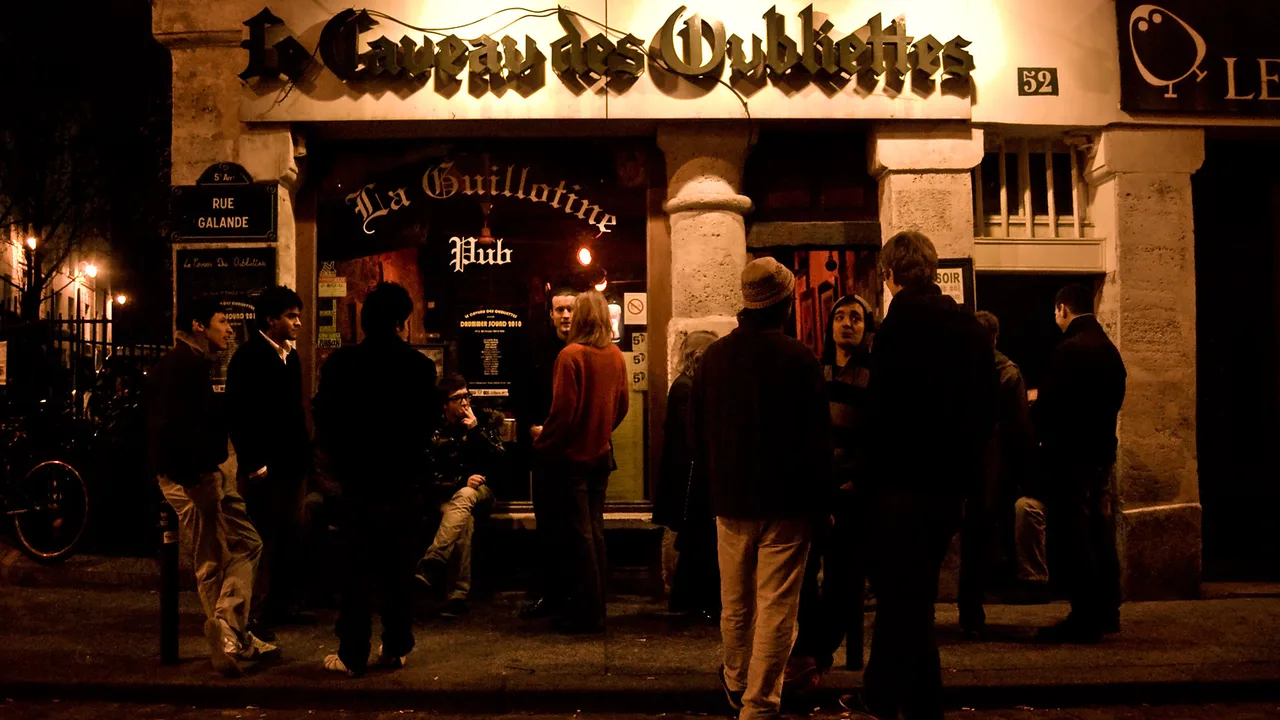
Paris in February is a museum city, and the classic three-day shape works well: the Louvre for a half day, the Orsay or Pompidou for another, and a monument or two in between. Booking the Louvre in advance saves the longest queue of the trip, and midweek mornings are calmer than weekends.
For the outdoor hours, the covered passages of the 2nd and 9th arrondissements give you dry, heated browsing, and the Eiffel Tower's esplanade is far less crowded than in summer. Notre-Dame's interior is free to enter and its restoration has made the glass and stone dramatically brighter, so a short visit fits neatly into a cold afternoon.
Riverside walks and cemetery strolls are best saved for the brighter afternoons, and the second half of the month gives you noticeably more of them. If your dates are flexible, late February is a better bet than the first week for outdoor time in the capital.
Beyond Paris: Cities and the Riviera
Lyon pairs February cold with excellent indoor options — bouchons, covered markets and the traboules — and its two rivers make a compact base for a long weekend. Bordeaux works similarly in winter, with wine cellars and the Cité du Vin giving you warm, dry hours and short hops to the Médoc and Saint-Émilion vineyards.
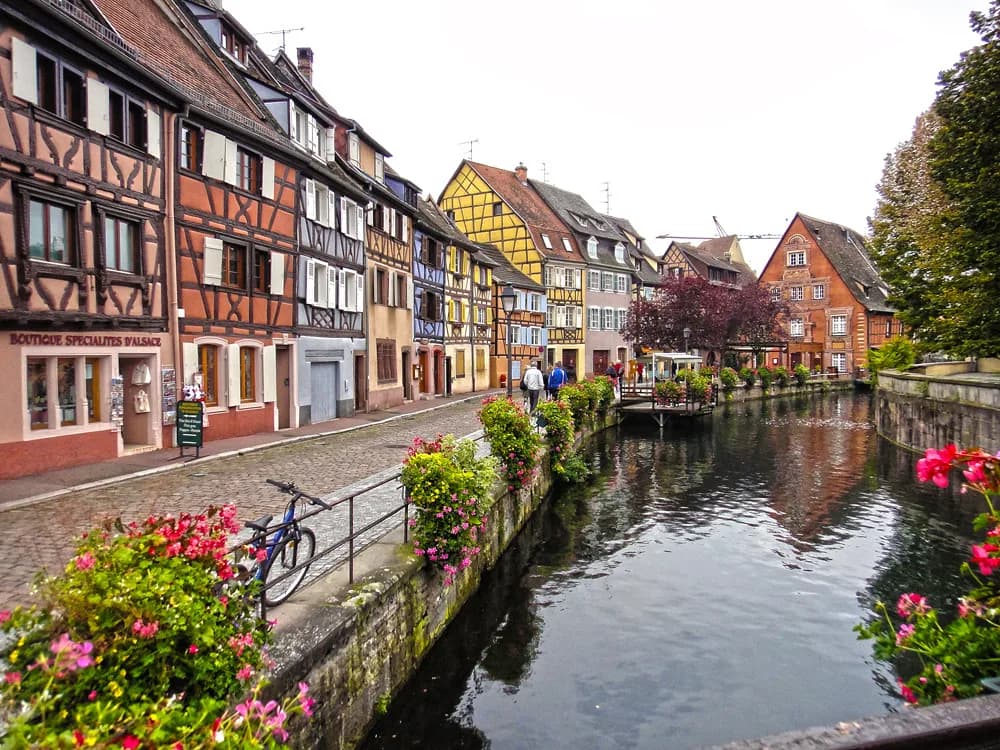
Strasbourg's February is chilly and festive-free once the Christmas season ends, which means its museums, cathedral and Alsace wine route are calm. The Riviera is the place to trade cold for light: Nice, Cannes and Menton stay walkable through February, and Cannes in February gives you the Croisette without the film-festival crowds that arrive later in the year.
For a wider sense of how the country behaves across the whole season, the France in winter overview pulls the months together. It is worth reading before you fix dates, especially if you are choosing between February and a shoulder month.
Coast and Countryside in February
Atlantic and Channel resorts are largely dormant in February: beach clubs, summer ferries to the islands and many seasonal restaurants are shut, and the pleasure is in empty beaches and storm-watching rather than swimming. Sea temperatures remain cold, so treat the coast as a walking destination.
Inland, rural France runs on reduced hours. Small châteaux, gardens and village museums often open only at weekends or by appointment outside the main season, so a February road trip needs flexible daily plans rather than a fixed checklist. Wine growers in regions such as Burgundy and the Loire generally welcome visitors by appointment in winter.
This is also the season when French markets are at their most local — oysters, citrus from the south, cheese and root vegetables — and a market morning is one of the most reliable February activities anywhere in the country. Markets run year-round in most towns; check the specific town's schedule on arrival.
Day Trips That Work in Winter
From Paris, the strongest February day trips are cathedral and palace towns within an hour or so by train: Chartres, Rouen, Reims and Versailles, all of which keep their main sights open year-round. Reims adds champagne cellars, which are warm, indoor and largely unaffected by weather.
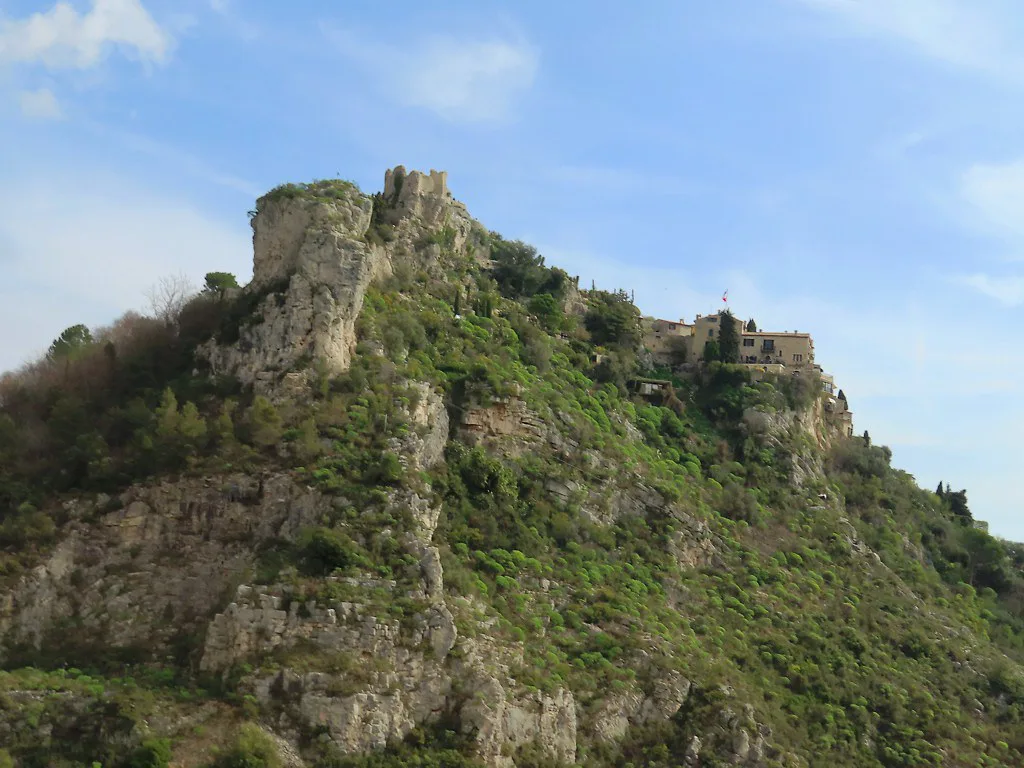
From the Riviera, the obvious winter day trips are the hill villages behind Nice — Èze, Saint-Paul-de-Vence — and Menton, which stays mild and walkable. From Lyon, the Beaujolais and Rhône vineyards are viable in February if you book tastings ahead rather than relying on walk-ins.
The common thread is short travel times and an indoor anchor at the other end. In a month with limited daylight, a day trip that eats four hours in transit leaves too little for the destination.
Getting Around in February
French trains run full winter timetables between the major cities, and February is one of the easiest months to find seats on TGV services at short notice, though regional TER timetables thin out on some rural lines. Book long-distance tickets ahead for the best availability, and check the specific regional line if your plan depends on a small-town connection.
Driving is straightforward on main roads but requires care in the mountains, where winter equipment rules apply on many routes and snow chains or winter tires may be legally required in marked zones. Rental companies can supply the right equipment; confirm the requirement for your route before you set out.
Plan each day around the light. With sunset before 6pm in early February, a two-hour drive each way is a real cost, and it is often better to stay two nights somewhere than to day-trip from a distant base.
Crowds, Prices and the Trade-offs
February buys you space. Hotels, museums and restaurants are markedly quieter than in spring or summer, rates are at their annual low outside the mountain weeks, and you can often decide on a restaurant the same day. Airfare and accommodation in Paris and the Riviera are generally at their most competitive in this window.
What you pay for it is weather and light: grey skies in the north, short days everywhere, and a real chance of rain on any given day. Coastal and rural closures also narrow your options, and some travelers find the atmosphere in resort towns too quiet.
The month is also a hinge in the French winter, which is why a broader look at France in January can help you judge whether you want the colder, darker version of the same trip. If you want more light and longer days, France in March is the natural alternative on the other side of the month.
Who February Suits
Book February if you want Paris or another major city at its quietest, if you are heading to the Alps for snow, or if you want a mild Riviera break built around walking and food rather than swimming. It is also an excellent month for museum-heavy itineraries and for travelers who value low rates over long evenings.
Wait for spring if your trip depends on gardens, coastal swimming, boat trips or long outdoor days. February will not deliver those, and the trade-off is not worth forcing. If your priority is festive atmosphere, September-to-January planning or a December visit will serve you better.
Explore more France winter guides
Frequently Asked Questions
Is it cold in February in France?
In the north and east it is typically cold and damp, with daytime highs in single digits Celsius and nights near freezing. Provence and the Riviera are milder, often reaching the low to mid teens on sunny afternoons, while the Alps and Pyrenees are in full winter. Treat these as typical conditions rather than a forecast.
Which part of France is warmest in February?
The Mediterranean coast, particularly the Riviera around Nice, Cannes and Menton, is generally the mildest part of the country. Days can be bright and mild enough for a coat-and-walk itinerary, though mornings are cold and the mistral can make it feel sharper. Inland Provence is cooler than the coast.
Is February a good month to visit France?
It is a strong month for city breaks and museums, with low crowds and low-season rates outside the mountain holiday weeks. It is a poor month for beaches, gardens and boat trips, and daylight is short everywhere. Decide based on whether your itinerary can be built around indoor anchors.
What is there to do in France in February?
Museums and monuments in Paris and other major cities run year-round, Carnival takes place in early February in 2027 with Carnival Tuesday on 9 February, and the Alps offer peak snow. Markets, wine cellars, covered passages and thermal baths fill the colder days well.
Do attractions close in France in winter?
Major museums and monuments stay open, though many use shorter winter hours. Smaller châteaux, gardens, coastal attractions and seasonal boat services often reduce days or shut until spring. Anchor each day on a sight with a published winter calendar.
When is Carnival in France in 2027?
Carnival Tuesday falls on 9 February 2027 and Ash Wednesday on 10 February 2027. Public processions and masked events run in the days before, notably in Nice and Dunkirk. Each city publishes its own program, so confirm the details with the organizer.
Sources
Winter travel notes
Optional updates when we add or revise winter guides.
You might also like

Continue reading
More guides you'll find useful