Saint-Tropez in Winter: What to Expect Nov–Mar
Saint-Tropez in winter is quiet, mild and partly shuttered, with a small open core. Here is what November to March is really like, month by month.
On this page
Saint-Tropez in winter is a different village from the one in the posters. The yachts thin out, the beach clubs along Pampelonne go quiet, and the crooked lanes off the Old Port fill with residents rather than day-trippers. It suits travelers who want Provence landscapes, long lunches and empty viewpoints more than swimwear and sunset cocktails.
The season splits in two. Late December brings lights, an ice rink and a New Year fireworks display over the port, then January and February settle into deep quiet, with a working town behind the shutters. Your planning hinges on which of those two winters you actually want.
Saint-Tropez in winter: a fishing village again
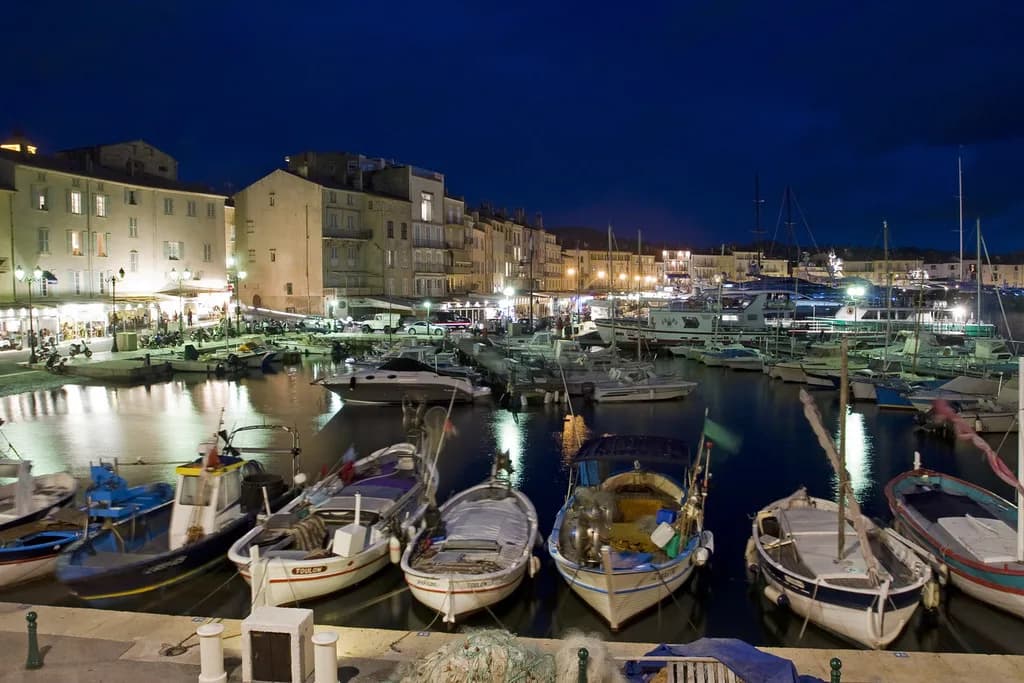
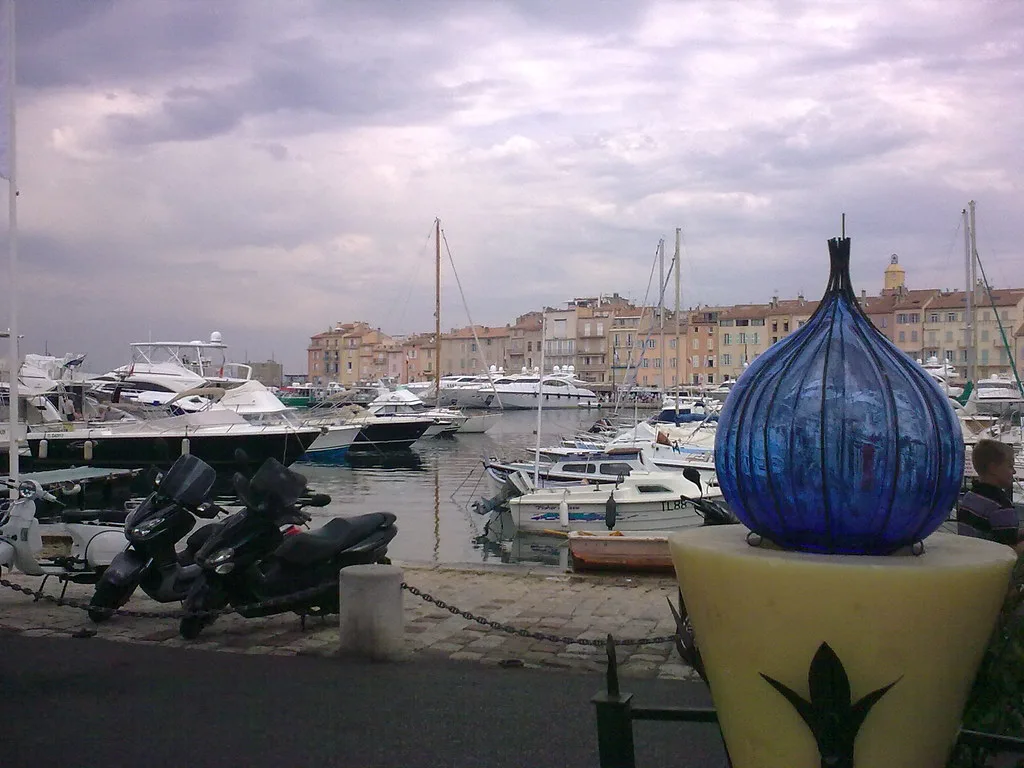
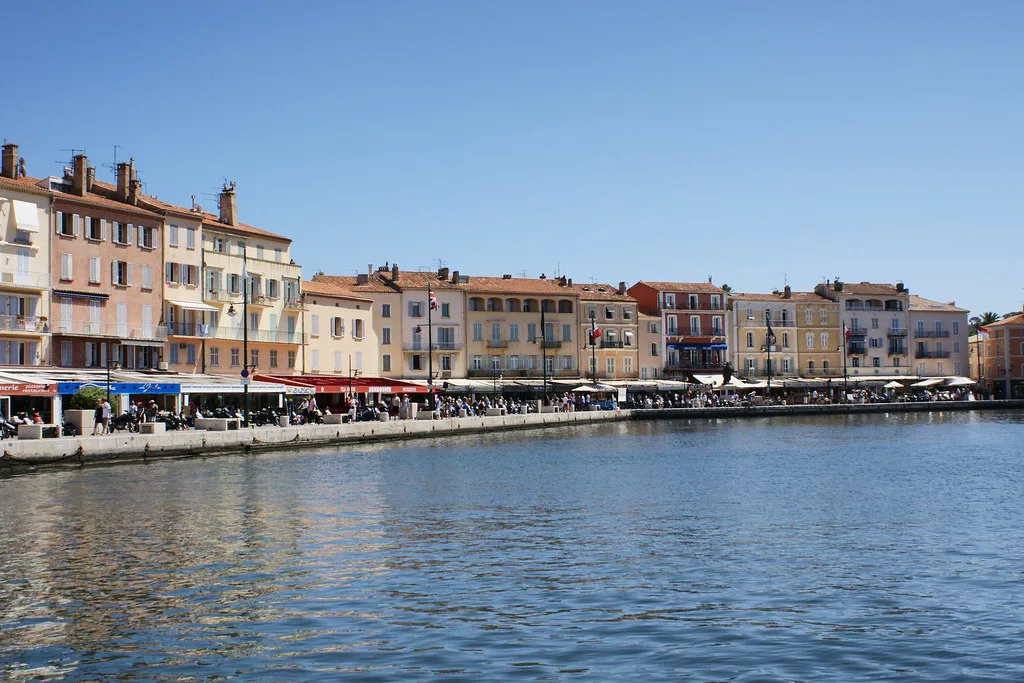
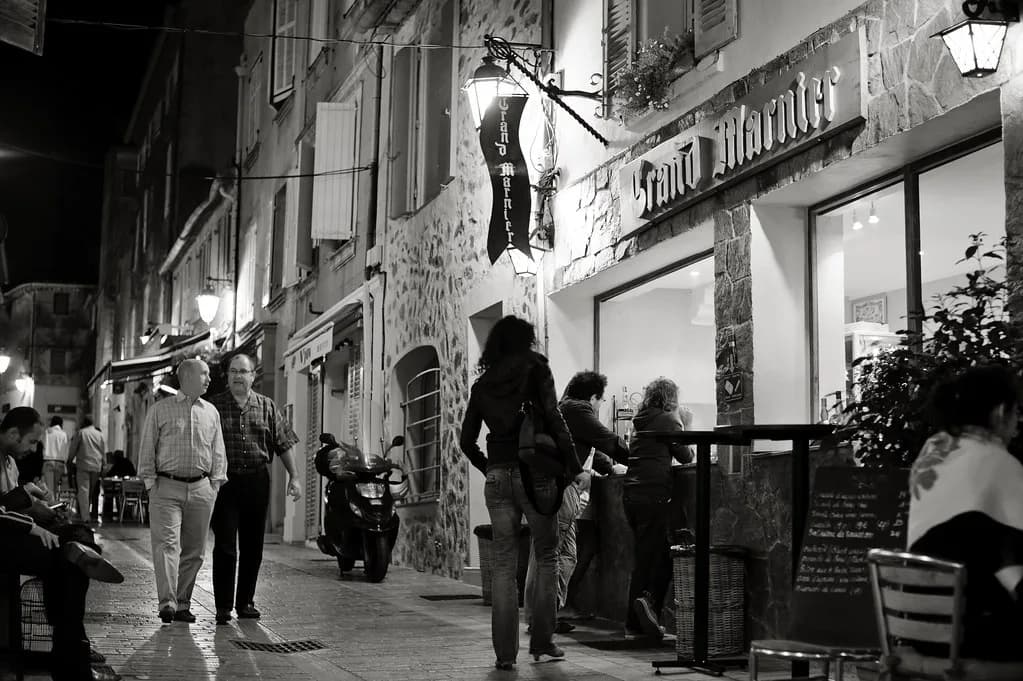
The village started life as a fishing port, and winter is when that identity shows. Place des Lices hosts its usual market trade, the Citadel stands above the rooftops as it always does, and the harbour belongs to working boats rather than chartered yachts. Fewer people means more privacy at the facilities that do stay open, which is the single clearest argument for a low-season visit.
Expect a relaxed, unhurried pace. The Côte d'Azur in winter trades summer's beach-club rhythm for long walks and indoor afternoons, and Saint-Tropez follows that pattern closely. The trade-off is real: the liveliest places in July are the emptiest in February. Further along the coast, Cannes in winter makes a useful comparison if you are weighing which Riviera town suits a quieter stay.
The Gulf frame matters more in winter than in summer. Gassin, Ramatuelle, La Croix-Valmer and Cogolin surround the village and keep everyday life running when Saint-Tropez itself is half asleep. If you want a base with more going on, the wider gulf offers it.
Weather month by month, November to March
Saint-Tropez's winter is Mediterranean, not Alpine. Days on the coast are generally mild and bright, with cooler mornings, and the real cold arrives inland and at night rather than at noon on the port. Figure on fewer guaranteed beach afternoons and more weather that rewards a coat and a good pair of shoes. Météo-France publishes monthly normals you can consult before booking.
Rain concentrates in autumn and early spring, so November and March are the dampest bets, while February is usually the driest and brightest stretch of the deep quiet. Treat any figure as a long-term average rather than a forecast, and check the ten-day outlook the week you travel. Inland hills above Ramatuelle can feel distinctly sharper than the seafront.
Sea temperatures stay cold enough that swimming is for the hardy only, and the beach clubs that would normally rent you a lounger are shut. Snow on the coast is rare; snow in the backcountry that frames the gulf is not, and a cold snap can change the view from the Citadel entirely.
Daylight and short afternoons
The most underrated planning fact about Saint-Tropez in winter is the clock. Clocks go back on 25 October 2026 and forward again on 28 March 2027, so your whole visit falls in the short-daylight stretch: sunset arrives in the late afternoon in December and only creeps past six in the evening by the end of March. Build days around one main outdoor anchor and save the rest for museums, meals and indoor time.
That rhythm changes what a winter day looks like. Morning is for walks and viewpoints, lunch stretches, and the golden hour lands early enough that you can catch it and still eat dinner at a normal hour. Late risers lose most of the usable daylight.
The payoff is atmosphere. Low winter light across the gulf is softer than the flat glare of August, and the harbour at dusk empties fast. If you have come for photography, you gain far more than you lose.
What closes and what stays open
Many seasonal businesses in and around the village close for the winter, including hotels, restaurants and beach clubs that depend on summer trade. The practical answer is to secure your base before booking anything else, because a closed hotel can undo an otherwise well-planned trip. A core of places deliberately stays open all year, and a few hotels in the wider gulf run through the season, such as Lily of the Valley in La Croix-Valmer, Domaine des Mésanges and Hôtel Brin d'Azur in Gassin, Arev Saint-Tropez and Villa Cosy Hôtel & Spa in Saint-Tropez, and the IBIS Golfe de Saint-Tropez in Cogolin, which is why the gulf framing matters.
The list of year-round properties includes hotels in La Croix-Valmer, Gassin, Cogolin and Saint-Tropez itself, some with heated pools and wellness facilities suited to cool weather.
Restaurants behave the same way: expect a smaller, more local selection, with some addresses shut entirely and others open only part of the week. Check directly with the specific place you want rather than relying on a directory, and phone or email a few days out to pin down the opening hours. Museums and the Citadel keep their own schedules and are the most dependable winter anchors.
Christmas and New Year in Saint-Tropez
The end of the year is Saint-Tropez's festive window, and it is more Provençal than resort-like. From early December lights and decorations run through the old village and past the Citadel, a temporary ice rink draws skaters, and a chocolate fair fills the days just before Christmas. The harbour hosts the village's established tradition of Father Christmas arriving by sea, complete with Provençal songs. Confirm the year's programme with the tourist office on Quai Jean Jaurès before you plan around a date.
New Year's Eve brings the great fire and a fireworks display over the water on 31 December, the season's loudest night. Christmas Day 2026 falls on a Friday and New Year's Day 2027 on a Friday, so the festive stretch gives you two long weekends to work with; Epiphany on Wednesday 6 January 2027 extends the holiday mood into the new year.
The window is short and busy by local standards, so book the Christmas-to-New-Year days earlier than you would a January trip. After 6 January the village drains quickly and the second, quieter winter begins.
Things to do on a winter day
Start with the Citadel, which gives you the gulf in one sweep and is the best use of a clear morning. Then walk the old village's crooked lanes, the fishing quarter and the Old Port, which are pleasant precisely because they are uncrowded. Indoor stops such as the local museums and the Annonciade chapel fill the afternoons without demanding good weather.
Food is the other engine of a winter trip. Provençal cooking here means regional specialties such as nougat and local bread at family tables and more ambitious places alike, and a long lunch is a legitimate way to spend a rainy afternoon.
A short Christmas-market visit fits the season: stalls and lights around the port rather than a grand German-style market, best treated as an evening stroll rather than the point of the trip.
For a contrast in landscape and temperature, Aix-en-Provence is a realistic winter day trip if you want city museums, fountains and the Cours Mirabeau under a low sun.
Markets, food and Provençal traditions
The santon tradition runs deep in this corner of Provence. Small clay crib figurines, first associated with Marseille, became part of Christmas here in the Middle Ages and remain central to it. Shop windows in the village carry their own festive scenes, and browsing them is a genuinely local activity rather than a tourist contrivance. Several local traders display elaborate window displays worth a slow lap of the old streets.
Market days on Place des Lices are the backbone of ordinary life, with produce, olives, cheese and flowers. Winter stalls lean toward what grows in the cool months, so expect roots, greens and citrus rather than tomatoes. Go in the morning, when the light is good, and combine it with a café stop.
A local market and a good lunch cost far less in February than the same afternoon in July. That price relief is one of the season's quiet advantages, provided you accept that the glamorous addresses are closed.
Walks and viewpoints around the village
The coastal path toward Pampelonne gives you the gulf and the hills without the summer crowds, and it is one of the few walks that works even on a grey day. Wear proper shoes: winter rain leaves sections slick. The beach itself is fine for a walk, though the clubs and their sunbeds are gone for the season.
Out of the village, the hill villages of Gassin and Ramatuelle offer viewpoints back over the gulf and a sense of the countryside that summer visitors rarely see. Both are short drives or bus rides away and make a good half-day when the weather is clear. Ramatuelle's lanes and Gassin's ridge are the usual reasons to go.
If you want a longer change of scene, Annecy is far north, but readers chasing a contrasting French winter that mixes lake and mountain can treat Lake Annecy as a separate trip rather than a day out from Saint-Tropez.
Winter day trips: Gassin, Ramatuelle and the Gulf
The Gulf of Saint-Tropez is the most useful winter unit. Gassin sits above the gulf with views across to the water, Ramatuelle gives you a hilltop village close to the beaches, La Croix-Valmer puts you near the coast, and Cogolin keeps life practical with services and shops. All are within a short drive of the village and all stay inhabited when Saint-Tropez thins out.
Bus services on the gulf run on winter timetables, so check the current schedule rather than assuming summer frequency. A car gives you the most flexibility for hill villages and viewpoints; a combination of bus and taxi covers the core. Plan around daylight, because rural roads are darker earlier.
The French Riviera stretches well beyond the gulf, and its winter face is milder and more urban than Saint-Tropez's.
Crowds, prices and the trade-offs
In January and February you will share the village with very few visitors. That means easy tables, quiet lanes and unhurried viewpoints, but it also means shuttered shopfronts and some restaurants dark for weeks. Accommodation costs drop well below summer levels, though the small number of open places can make the remaining rooms less of a bargain than you expect.
November and March are easier compromises: the shoulder seasons keep more businesses open and the weather is often pleasant, but rain is more likely and March still has early sunsets until the clocks change on 28 March 2027. The festive window of late December splits the difference, with atmosphere and crowds in equal measure.
The honest trade-off is that Saint-Tropez's winter is about atmosphere, not activities. If your ideal trip involves swimming, beach clubs, boat parties or a full restaurant scene, this is not the season for it. If you want empty streets, Provençal food and the gulf to yourself, the quiet is the attraction.
Who a winter trip suits, and who should wait
A winter Saint-Tropez suits travelers who prioritize food, walking and landscape, who do not need beach weather, and who enjoy a place at its quietest. It also works well for a short break around the Christmas-to-Epiphany window, when the village has lights, the ice rink and the established New Year fireworks to build an evening around.
It is a poor fit for anyone planning on swimming, watersports, summer-style dining or a busy nightlife, all of which disappear with the season. Families tied to school holidays should weigh the festive crowds against January's emptiness, and book early either way.
For a broader picture of how French destinations behave between November and March, a France in winter overview puts Saint-Tropez's quiet Mediterranean season in context against colder, snowier alternatives.
Plan Your Winter Visit
Decide first which winter you want: the lit, busy end-of-year window or the empty, cheap, quiet months of January and February. Then confirm your accommodation in the gulf before anything else, because open rooms are the scarcest winter resource, and check the current programme with the tourist office on Quai Jean Jaurès if you are coming for Christmas or New Year.
Finally, build your days around the early sunset. One outdoor anchor in the morning, a long lunch, an indoor afternoon and an early evening walk is the rhythm that makes a Saint-Tropez winter feel generous rather than constrained.
Explore more Saint-Tropez winter guides
Frequently Asked Questions
What is the weather like in Saint-Tropez in winter?
Winter on this stretch of the French Riviera is mild by day and cooler at night, with rain concentrated in November and March and drier, brighter conditions through midwinter. It is a coat-and-walking holiday rather than a beach one. Consult the current outlook before travel, since any average describes typical conditions rather than a forecast.
Is Saint-Tropez worth visiting in winter?
Yes, if you want the village at its emptiest and you value food, walks and views over beach time. Many seasonal hotels, restaurants and beach clubs close, so the trip depends on finding an open base and accepting a smaller choice of places to eat. The Christmas and New Year window is livelier than deep winter.
What is open in Saint-Tropez in winter?
The Citadel, the old village lanes and the port are there year-round, and some hotels in the wider gulf stay open through the season. Seasonal restaurants and beach clubs close, so confirm your specific choices before booking. Ask the tourist office on Quai Jean Jaurès for the current list.
What happens in Saint-Tropez at Christmas and New Year?
The village decorates from early December, runs a temporary ice rink, hosts a chocolate fair before Christmas and stages a New Year fireworks display over the water. Father Christmas is traditionally said to arrive by sea at the Old Port with Provençal songs. The tourist office publishes each year's programme.
How many days do you need in Saint-Tropez in winter?
Two full days cover the village, the Citadel and the port comfortably. Add a third for Gassin, Ramatuelle or a longer coastal walk, and a fourth if you want a day trip such as Aix-en-Provence. Short daylight makes a compact plan more rewarding than a packed one.
Sources
Winter travel notes
Optional updates when we add or revise winter guides.
You might also like
Continue reading
More guides you'll find useful