Saint-Tropez in March: Weather, What's Open and Who It Suits
Saint-Tropez in March is quiet and mild, with spring light, empty beaches and many seasonal places still shut. Here is what the month is really like.
On this page
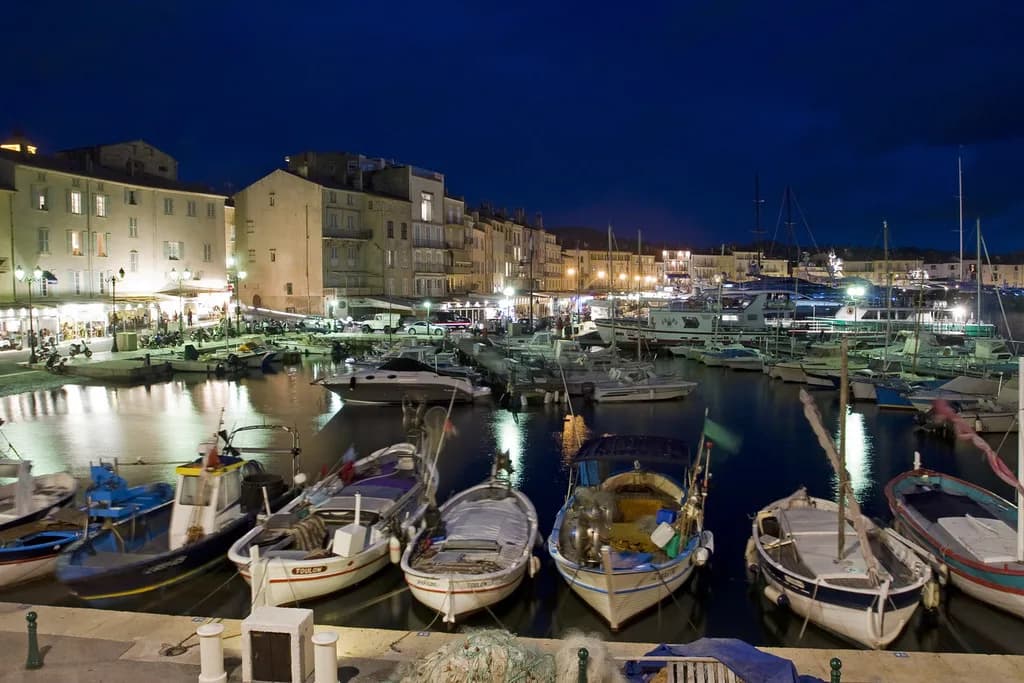
March is the month when Saint-Tropez stops being a summer brand and becomes a town again. The port holds fishing boats rather than superyachts, the cafe terraces fill on sunny afternoons, and the lanes of La Ponche are quiet enough to hear your own footsteps. It is mild and often luminous, but it is not beach weather, and anyone arriving expecting sunbathing will be disappointed.
The trade-off is straightforward: you get space, lower-season calm and spring light on the Gulf of Saint-Tropez, but many seasonal businesses are still in their winter lull and the wind can make a bright day feel raw. March suits walkers, couples and travelers who care more about the citadel, the market and long coastal paths than about swimming or late nights.
Weather in March
Expect a genuine in-between month: daytime temperatures that can feel pleasantly spring-like in shelter, cooler mornings and evenings, and a sea that stays cold well into spring. The honest way to plan is to treat published March averages as typical conditions rather than a forecast, and to build in a layer for wind.
Confirm the numbers against the official French meteorological service, Météo-France, which publishes climate normals for the Var department, before you commit to dates. Those normals give you average highs and lows in Celsius and Fahrenheit, typical rainfall and rainy-day counts, sunshine hours and daylight for the month, and they are the only figures worth trusting for planning.
Daylight lengthens noticeably through March, and the clocks go forward on 28 March 2027, so late-March evenings stay light much longer than early-March ones. If long after-dinner walks matter to you, aim for the second half of the month. The same shift means sunrise comes later again for a few days, which is worth knowing if you plan early photography on the port.
The wind matters more than the thermometer here. A sunny March afternoon on an exposed beach can feel far colder than the same temperature in a sheltered old-town square, because the Mistral funnels down the Rhône valley and reaches the coast. Plan outdoor time for the middle of the day, and keep a museum or a cafe in reserve for the windy days.
Rain in March tends to arrive in showery spells rather than all-day downpours, so a flexible itinerary works better than a tightly booked one. If you want a sense of how the seasons shift along this coast, the France in March overview places the Côte d'Azur among the country's mildest regions that month.
What is open in March
The town's year-round core keeps working: the old port, the lanes of La Ponche, the Place des Lices market, the citadel and its maritime museum, and the peninsula's villages. These are the reasons a March trip holds together even when parts of the seafront are still shuttered.
Seasonal restaurants, beach clubs and boat operators commonly ramp up later in spring, and some remain closed through March; opening dates vary by business. Rather than assuming a particular venue will be serving, look up the specific place you care about shortly before you travel, since the town's winter rhythm runs well into spring.
The same applies to boat trips and water-based excursions: the bay is beautiful in March, but services run on reduced winter or early-season schedules. If a particular crossing or excursion is central to your plans, contact the boat company directly rather than counting on a walk-up departure.
If you are weighing a deeper winter visit against a spring one, Saint-Tropez in February shows how the town behaves at its quietest, and the contrast with March's lengthening days is useful when you are choosing dates.
Things to do on a cool, bright day
Start with the citadel. The 17th-century fortress above the town gives you the broadest view of the gulf and the rooftops, and its maritime museum explains how a small Provençal port became a Mediterranean name. On a clear March day the light on the water is the attraction; on a windy one, the museum is the shelter.
Then walk down to the old port and along the quays toward the lighthouse. In March the working boats dominate the moorings, which is closer to the town's real character than the summer spectacle, and the statue of the Bailli de Suffren gives you a landmark to steer by.
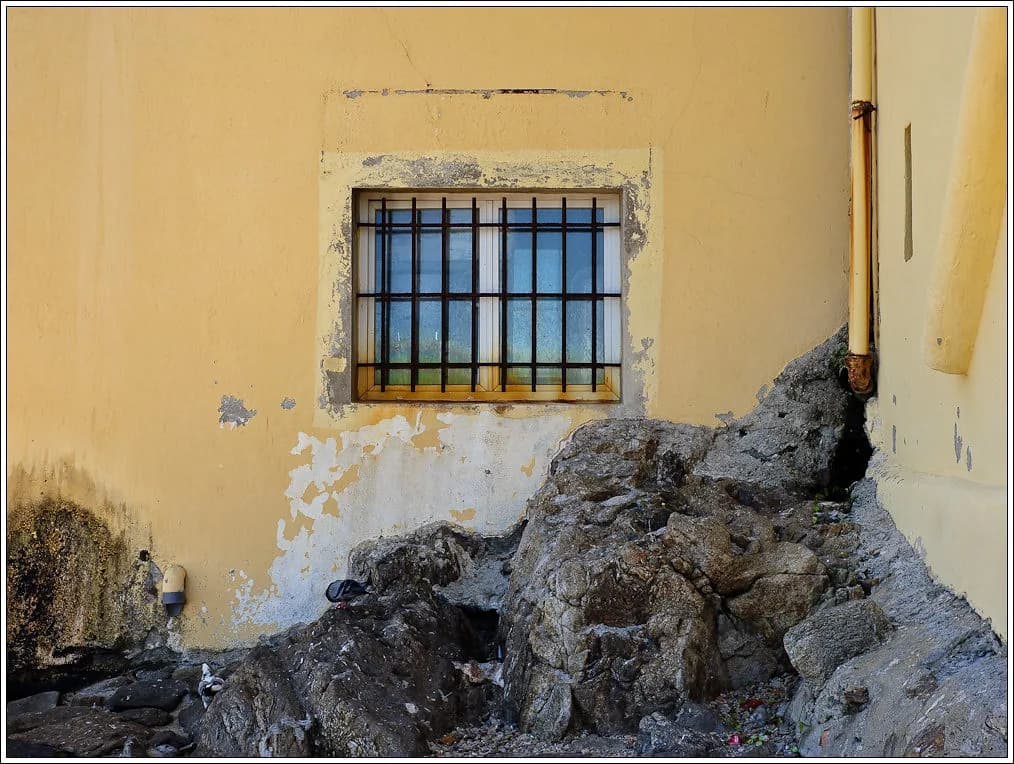
La Ponche, the old fishing quarter, is the best place to wander without a plan: narrow lanes, weathered facades and small squares that reward slow walking. Combine it with a coffee on the port and you have a half-day that costs almost nothing and needs no reservation.
The Place des Lices market is the practical highlight of a March morning, with Provençal produce, olives, tapenade and socca to assemble a picnic. Market days are worth checking with the Saint-Tropez tourist office before you build a morning around it, since the square also hosts pétanque players under the plane trees.
For art, the Musée de l'Annonciade holds a strong collection of early modernist painting tied to the coast, and it is a sensible option when the weather turns. Pair a gallery visit with a late lunch rather than trying to do both a museum and a long coastal walk on the same short afternoon.
Beaches and coastal walks in off-season weather
Pampelonne and the Ramatuelle shore are for walking in March, not swimming. The sand is empty, the beach clubs are largely dormant, and the pleasure is the scale of the bay and the light rather than the water, which stays cold enough to discourage all but the hardiest.
The coastal path around Cap Lardier, above La Croix-Valmer, is one of the best walks on this stretch, running through pine and maquis with long views over the sea. It is exposed in places, so pick a calm day rather than a windy one.
On the water itself, use caution. The Gulf of Saint-Tropez can be calm and glassy in March or choppy and cold, and there is no lifeguard culture in the off-season. Treat the sea as scenery, keep to the sand and the paths, and save swimming for a later visit.
Day trips that work in March
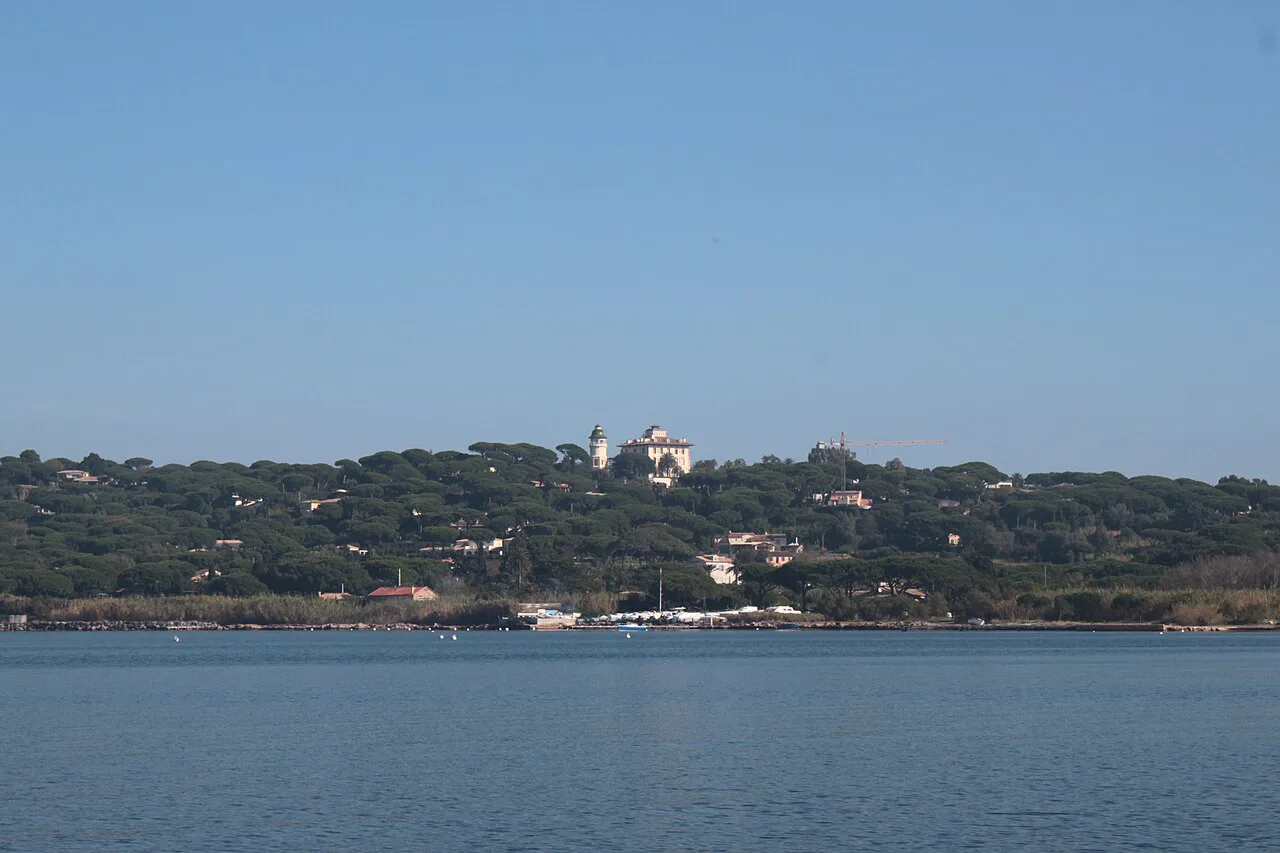
Port Grimaud, the canal town just across the gulf, is an easy half-day and pleasant to walk in quiet season even when its boat services are limited. Sainte-Maxime, Ramatuelle and Gassin are all short drives or bus rides away and give you hilltop views, village squares and a change of scene without a long transfer.
Allow for slower travel than in summer: some seasonal transport links thin out in March and local buses run limited timetables. A car makes the peninsula far more flexible, especially for Cap Lardier and the Ramatuelle shore, where walking between villages is impractical.
If you want a bigger-city contrast, Marseille in March is a realistic day out by road or rail, with its own harbor life and the Le Panier quarter to wander. It is a long day rather than a casual afternoon, so plan it as a full excursion.
Crowds and prices
March is one of the quietest months of the Saint-Tropez year, and the practical benefit is space: parking, restaurant tables and viewpoints are all easier than they will be in a few weeks. Prices are generally at their seasonal low before the spring uptick, but the pattern varies by property and restaurant, so check current rates for your specific dates.
The cost of that calm is choice. Fewer places are open, some hotels and restaurants run reduced services, and you may find yourself driving further for dinner than you would in summer. If you want both quiet and a full restaurant scene, the second half of the month is usually a better bet than the first.
Anyone who visits in the depths of winter will recognize the mood. Saint-Tropez in December and Saint-Tropez in January are even quieter, and March begins the slow turn back toward spring, with more daylight and more terraces in use.
March against April and May
April and May bring warmer days, more reliable outdoor weather and a steadily widening choice of open restaurants and boat services, at the cost of more visitors and higher rates. March gives you the emptiness; April gives you the comfort. If your trip is built around walking and sightseeing, March is generous.
If you can only travel in March, plan around the weather instead of fighting it: a museum and a long lunch on a wet day, the citadel and the port on a clear one, and a coastal walk when the wind drops. If swimming, beach clubs and a full dining scene are the point of the trip, shift your dates to late spring.
There is also a calendar consideration for late March. Holy Week runs 21–28 March 2027, with Easter Sunday on 28 March 2027, and the clocks change that same day, so the final week of the month can bring more French and European visitors than earlier in March.
For a broader read on how the town changes across the colder months, the Saint-Tropez in Winter guide sets out the seasonal rhythm from November through early spring, which makes it easier to judge whether March or a later month matches your expectations.
Who March suits
Come in March if you want the town without the crowds, if you are happy to walk rather than swim, and if a quiet port, a good market and long coastal paths sound like a holiday. Photographers, walkers and travelers who dislike summer heat do particularly well.
Wait until April or May if your idea of the Riviera involves beach clubs, boat trips on demand, warm water and a full choice of restaurants every night. March delivers atmosphere and space rather than the summer version of the French Riviera, and knowing which you want is the whole decision.
Plan Your Visit
Book March for what it actually offers: mild, bright days, an emptier town and the pleasure of seeing Saint-Tropez as a working port. Check Météo-France climate normals for the Var to set your expectations on temperatures and rain, and keep your outdoor plans flexible enough to move around the wind.
Before you go, confirm the handful of things that matter most to your trip, above all which restaurants and any boat excursions are running during your dates. Build the rest of the itinerary around the citadel, the old port, La Ponche and the coastal paths, which hold up whatever the weather does.
Frequently Asked Questions
What is the weather like in Saint-Tropez in March?
March is an in-between month on this coast: mild, often bright, with cool mornings and evenings and a sea that stays cold. Wind is the variable that most changes how a day feels, so sheltered squares and exposed beaches can feel very different at the same temperature. Check Météo-France climate normals for the Var for typical highs, lows, rain and sunshine.
Is Saint-Tropez worth visiting in March?
Yes, if you want quiet. The town is at a low point in its visitor calendar, the port is full of working boats and you can walk the old lanes and coastal paths without crowds. It is less rewarding if you expect swimming, beach clubs or a wide choice of open restaurants every night.
Are restaurants and beach clubs open in Saint-Tropez in March?
The town's year-round core stays active, but many seasonal restaurants and beach clubs are still in their low-season lull and some open only later in spring. Opening dates vary by business, so look up the specific places you care about.
Can you swim in Saint-Tropez in March?
Swimming is not realistic for most visitors in March, since the Mediterranean stays cold well into spring and there is little off-season beach infrastructure. Walking the sand at Pampelonne and the Ramatuelle shore is the better use of a March beach day, with swimming left for a warmer month.
Is Saint-Tropez busy in March?
No, March is one of the quietest periods, which makes parking, tables and viewpoints easy. The exception is the final week, when Holy Week and Easter Sunday on 28 March 2027 can bring more European visitors.
Should I go to Saint-Tropez in March or April?
Choose March for space, low-season calm and spring light, accepting that some places will be shut and the sea will be cold. Choose April or May if you want warmer days, more open restaurants and a fuller choice of boat services, and accept the larger crowds and higher rates that come with them.
Sources
Winter travel notes
Optional updates when we add or revise winter guides.
You might also like
Continue reading
More guides you'll find useful