France in Winter: Where to Go and What to Expect
Plan a winter trip to France by region: typical December temperatures in Paris, Alsace and the Riviera, festive events, short days and smaller crowds.
On this page
France in winter runs from a mild, luminous south to a genuinely cold east, and the difference between them decides where your trip should go. Paris and the north settle into grey, damp weather that pushes you indoors; Alsace drops close to freezing and leans into the festive season; the Riviera keeps daytime temperatures in double figures in Celsius most days. Anyone willing to trade long days and beach weather for quieter museums, cheaper off-season travel and a packed December calendar will find the country rewarding.
The season also reshapes the trip itself. Daylight is short, many coastal and rural businesses cut back, and mountain roads can be slow, so a winter itinerary should be tighter than a summer one: fewer regions, more time in each, and indoor options held in reserve. Use the regional sections below to pick a base, then match the month to what you actually want to do.
What France Is Like in Winter
Think of France in winter as four separate climates rather than one national season. The north and Paris are cool and often overcast, Alsace and the eastern borderlands are cold enough for frost and occasional snow, the Atlantic coast is windy and wet, and the Mediterranean south is mild but exposed to the Mistral. That spread means a December trip to Nice and a December trip to Colmar are different holidays, not variations on the same one.
The season suits travelers who prioritize cities, food, museums and atmosphere over hiking and driving. It does not suit anyone hoping for long outdoor days, coastal swimming without a wetsuit, or a road trip built around rural sights with limited winter opening. If your ideal French trip is vineyards, villages and long walks, spring or early autumn will serve you better.
How Winter Weather Varies Across France
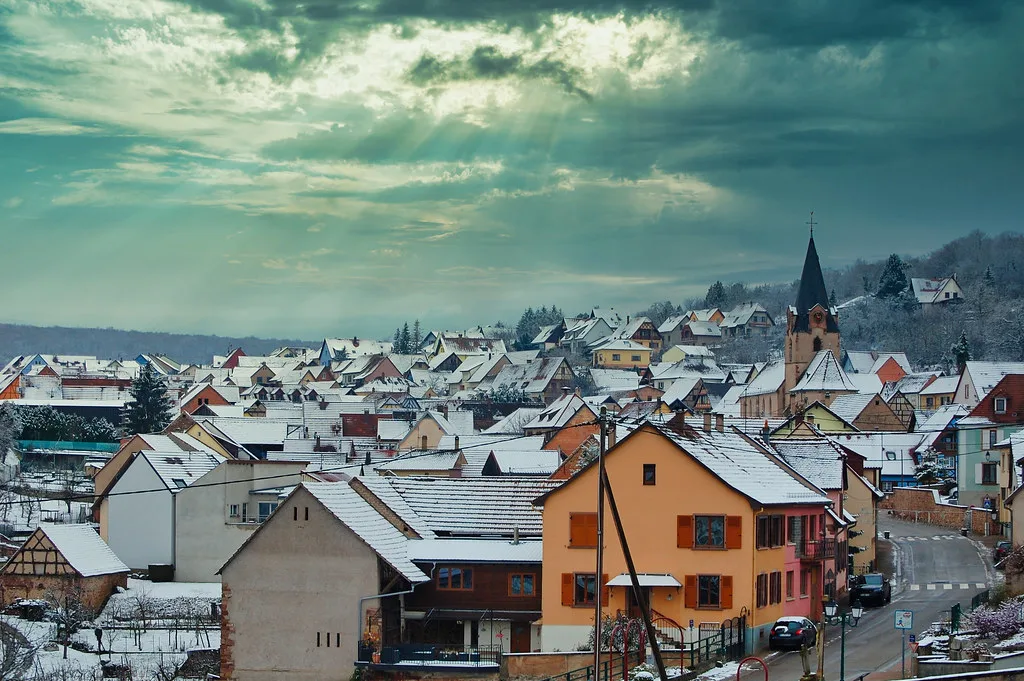
Typical December conditions give a useful baseline. Paris generally sits between about 4°C and 8°C (39–47°F) with roughly nine days of rain across the month, while Alsace is noticeably colder at around 0°C to 6°C (32–43°F) with about eight days of precipitation. The French Riviera is the outlier, averaging roughly 6°C to 14°C (43–57°F) with only about five rain days, which is why the south keeps its reputation as the mildest corner of mainland France in winter.
The Mistral is the detail that surprises first-time visitors to Provence and the Riviera. This cold, dry wind funnels down the Rhône valley and can make an otherwise mild, sunny day feel raw, particularly around Aix-en-Provence and the western Riviera. When it drops, winter days here are often clear and bright, with blue skies over the sea.
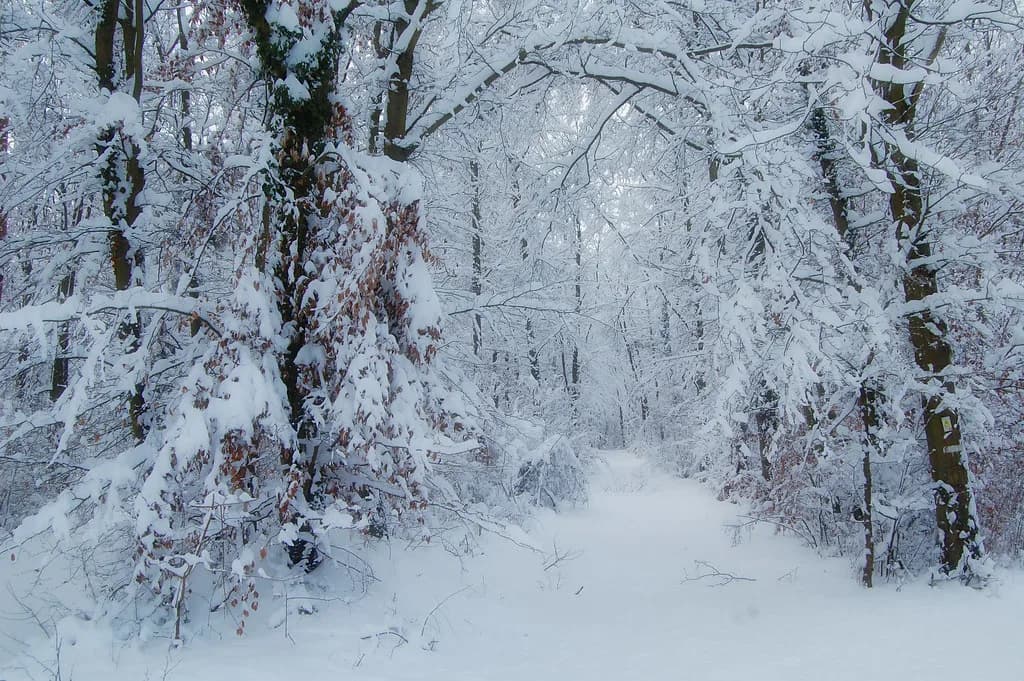
Further north and inland, the pattern is colder nights, more cloud and a higher chance of drizzle than of settled snow at low altitude. If snow is the point of your trip, plan around altitude rather than region, and read up on where and when it typically falls before fixing dates.
None of these figures are a forecast. They describe long-term averages, so a given week can run several degrees warmer or colder. Check a national weather service closer to departure for the actual outlook rather than packing for the average.
December: Lights, Markets and Short Days
December is the most atmospheric month to be in a French city, and also the darkest. Christmas lights and decorated shop windows give Paris, Lyon and the Alsatian towns a reason to be out after dark, but sunset comes early, so sightseeing that depends on daylight needs to start in the morning. Plan one outdoor anchor per day and keep an indoor backup.
Provence has its own December ritual: elaborate nativity scenes, or crèches, assembled in churches and public buildings from the start of the month. These go well beyond a standard manger, using handcrafted figurines called santons to recreate whole Provençal villages and trades. Avignon and Marseille are good places to see them, and the santons themselves make a genuinely local souvenir.
The Loire Valley châteaux dress up for the season, and if you see only one, Château de Chenonceau is the usual pick for its decorations. In Paris, the big department stores on Boulevard Haussmann put on animated window displays that draw crowds without a ticket. Christmas concerts in churches and cathedrals, including Sainte-Chapelle and Église Saint-Séverin, add an evening option that costs less than a stage show.
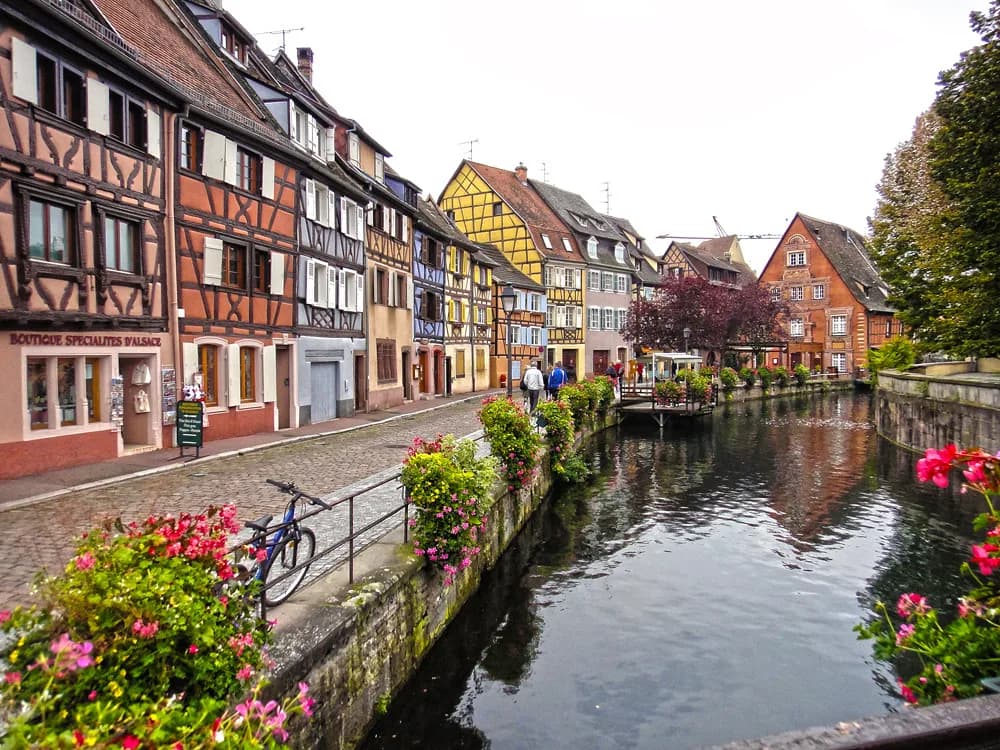
For a single market visit rather than a market tour, Colmar packs roughly 200 stalls into its medieval and Renaissance center, and smaller Alsatian towns such as Riquewihr, Eguisheim and Turckheim offer a more local feel with fewer crowds. Larger cities typically keep their markets running into early January, while small villages often close up the night before Christmas.
January and February: The Quietest, Coldest Stretch
Once the holidays end, France empties out. This is the cheapest and calmest window for city travel, with shorter queues at major sights and easier restaurant bookings outside the mountains. The trade-off is weather: January and February are the coldest months across most of the country, daylight is still short, and some rural businesses close entirely for the season.
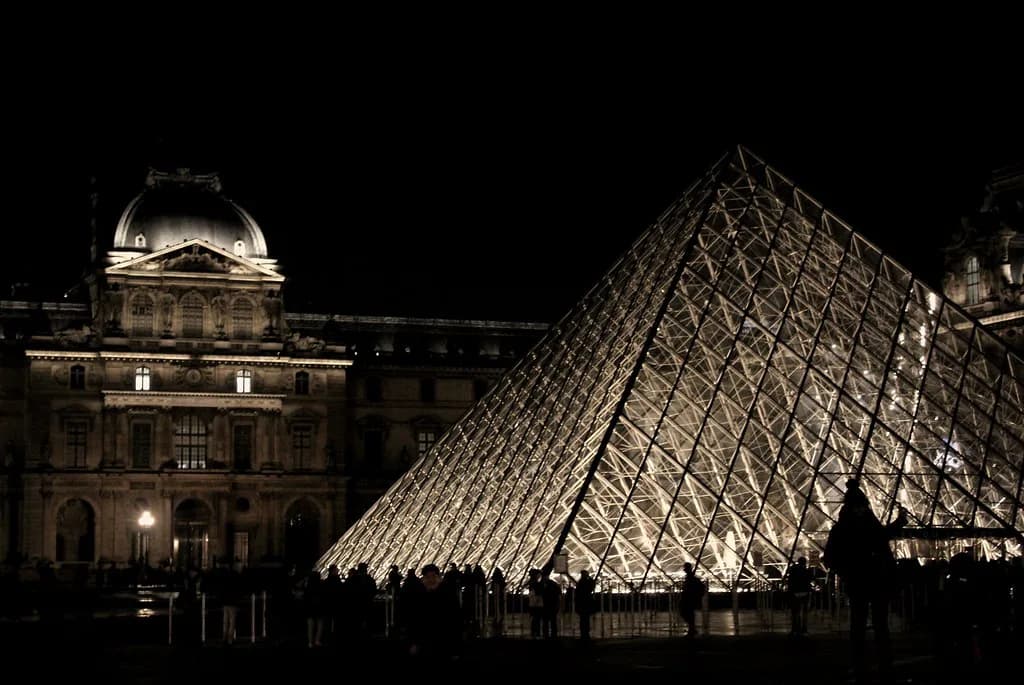
The Riviera and Provence remain the most comfortable places to be outdoors, though you should expect wind and cool evenings. Further north, this is museum weather in the best sense: the Louvre and other major institutions are far easier to navigate than in summer, and a two-hour slot actually covers a couple of rooms.
Carnival season lands in February, with Mardi Gras falling on 9 February 2027 and Ash Wednesday the following day. Nice and other southern towns mark it in their own ways, and the date moves each year with Easter, so anchor any carnival plans to that 2027 calendar rather than to a fixed week.
March: Longer Days and the Clock Change
March is the hinge month. Days lengthen noticeably, terraces start to reopen, and the light improves for photography and walking, while temperatures remain cool enough that cities are still uncrowded. Clocks go forward on 28 March 2027, which pushes sunset an hour later and makes evening strolls viable again.
Holy Week falls 21–28 March 2027, with Easter Sunday on 28 March, so the final week of the month brings travel and family visits on top of the clock change. Book that window earlier than you would the rest of March.
Paris in Winter: Museums, Department Stores and Grey Skies
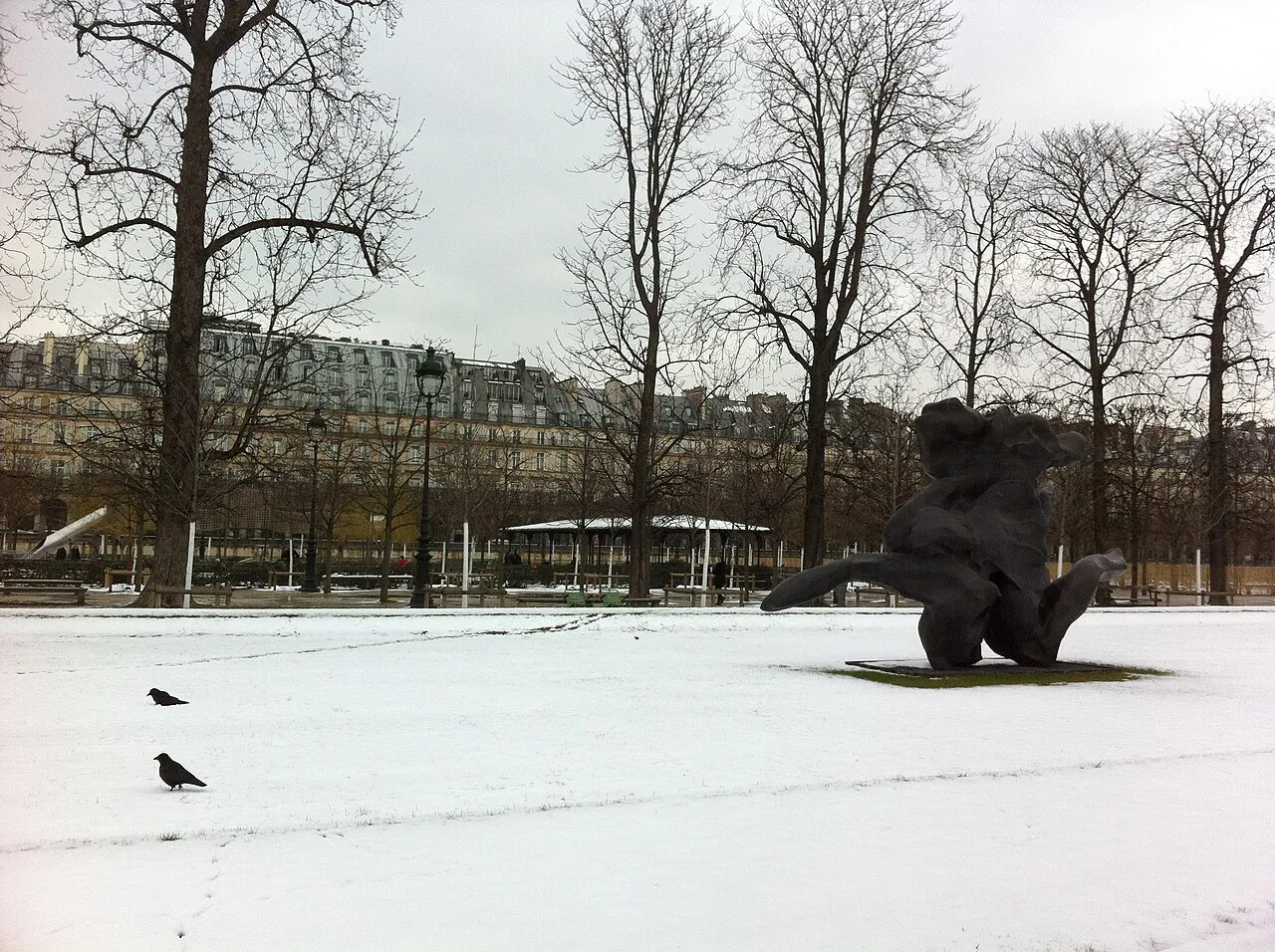
Paris in December and January is at its most evocative and its most damp. The reward is a city you can actually move through: shorter lines at major museums, easier tables at neighborhood restaurants, and hotel rates well below spring levels. The cost is grey light and frequent drizzle, so build each day around one indoor anchor and one short outdoor walk rather than long ambles between sights.
Beyond the department stores, the covered passages, the Marché aux Puces and the city's churches and concert venues give you plenty of dry options. Pick a neighborhood per day and accept that you will cover less ground than in June.
Lyon Around 8 December: Lights and Bouchon Food
Lyon's Festival of Lights is the city's defining winter event, a tradition dating to the 19th century in which residents place candles in their windows around 8 December. The festival normally runs about four days centered on that date, with light shows at Place des Terreaux and the Basilica of Fourvière illuminated in color. It draws very large crowds, so book transport and accommodation well ahead if those days are your reason for coming.
Outside festival dates, Lyon in winter is a food city first. Bouchons serve hearty Lyonnais cooking that suits cold weather, and the city's two rivers and hilltop views make short walks worthwhile between meals. Allow for a slower pace in the evening, when temperatures drop quickly.
Provence and the Riviera: The Mildest Corner
The Mediterranean south is where a winter trip stops feeling like a compromise. Nice, Menton, Monaco and Saint-Jean-Cap-Ferrat all stay mild enough for coastal walks, and the region's gardens and villas, including the Villa Ephrussi de Rothschild, are far quieter than in summer. Menton in particular is a pleasant base for a short winter stay, with easy access along the coast. Further west along the same coast, Saint-Tropez in winter shows what the Riviera looks like once the summer crowds have gone.
Wind is the variable to plan around. Mistral days feel much colder than the thermometer suggests, so keep a windproof layer handy and save exposed viewpoints for calmer days. Inland, Aix-en-Provence makes a good winter city stop, with its Cours Mirabeau and café culture working year-round; for a fuller picture of the season there, see our guide to Aix-en-Provence in Winter.
Inland Provence and the Riviera are also where the Calanques become easier to reach. Summer access restrictions on the inlets east and west of Marseille relax in winter, and the small roads down to the calanques open up for a quiet lunch by the water. Keep in mind that lifeguards are generally not on duty out of season, so treat swimming as a cold-water activity for the prepared.
Events and Holidays to Plan Around
The festive calendar shapes winter travel more than the weather does. Christmas Day 2026 falls on a Friday and New Year's Day 2027 also falls on a Friday, which turns both into long weekends across much of Europe. Expect transport to be busy on the days either side and many restaurants to run limited service on the holiday itself, so book the meals that matter.
Epiphany on Wednesday 6 January 2027 keeps the season going a little longer, with galettes des rois in bakeries around the country. If you are traveling over 31 December, plan the evening in advance; city centers fill up and many venues sell out.
Mountains in Passing: Snow at Altitude
You do not need to ski to see the French Alps in winter. Snowshoeing, winter walking and cross-country trails run from Chamonix and the Queyras to the High Alps, and several operators run short guided trips from December through April. The Chamonix Valley in particular has self-guided snowshoe routes suitable for walkers who want mountain scenery without downhill skiing.
For non-skiers, the practical answer is to base yourself in a valley town and take a cable car or a guided snowshoe walk rather than attempting high passes independently. Snow conditions vary enormously with altitude and week, so ask a local operator or tourist office what is currently skiable before committing.
What Slows Down and What Stays Open
Winter trims the edges off French tourism without shutting it down. Cities keep their museums, monuments and restaurants running, and public transport operates normally. What changes is the countryside: some smaller attractions, rural restaurants and coastal businesses reduce hours or close for the season, and tourist offices in resort towns may operate shorter timetables.
The safest approach is to treat any single small attraction as uncertain until you have checked its own website for winter hours. Major museums, cathedrals and city landmarks are reliable. For anything reliant on good weather, such as boat trips, mountain lifts or garden visits, keep a plan B within walking distance.
Crowds, Prices and Daylight: The Honest Trade-Offs
Winter's biggest gift is space. Outside the Christmas period and school holidays, hotels, museums and restaurants are markedly quieter than from May to September, and accommodation rates in cities are at their lowest. The festive weeks around Christmas and New Year are the exception, when Paris, Strasbourg, Colmar and Lyon fill up fast.
The real constraint is daylight. In December, sunset comes early enough that outdoor sightseeing effectively ends by mid-afternoon, and rural driving after dark on unfamiliar roads is slow going. Build itineraries with short hops, and use evenings for food, concerts and indoor sights rather than for long drives.
Rain is the other factor. In Paris and the north you should expect wet days, and in Alsace snow or sleet is possible. That is a reason to choose a base with plenty to do indoors rather than a reason to skip the trip.
Getting Around France in Winter
Trains are the backbone of a winter trip. The TGV network links Paris to Lyon, Marseille, Nice, Strasbourg and Bordeaux quickly enough for city-to-city moves within a day, and stations are warm and well connected to local transport. Book the long legs early for the best fares, especially around the holidays.
Driving works well in the south and for reaching small Alsatian towns, but check snow equipment requirements and road conditions before heading into the mountains. In the Alps, winter tires or chains are required on many routes in season, and mountain passes can close after heavy snow.
Day Trips That Work in Winter
The best winter day trips are short and city-based. From Paris, Reims, Rouen and the Loire châteaux are reachable by train, though the châteaux have their own winter opening patterns. From Nice, the coast towns to Menton and over the border to Monaco make easy half-days, and from Lyon you can reach Beaujolais and the Rhône vineyards without a car.
In Alsace, use Strasbourg or Colmar as a base for the smaller wine villages, and check current winter opening details for the specific village you want before you set out. In Provence, Avignon, Arles and Aix-en-Provence are all compact enough for a cold-weather day on foot. If you are weighing a small-country alternative to Alsace's festive towns, our Luxembourg in winter guide covers what stays open.
Who Should Pick Another Month
If your France trip is about hiking, cycling, rural food markets or long, warm evenings outdoors, choose late spring or September instead. If you want affordable cities, festive atmosphere, good food and no queues, winter is genuinely the better season. Families with young children should think hard about short days and cold, wet afternoons, though the Christmas events are a strong compensation.
Crucially, decide on a region before you decide on a month. A December city break and a December Riviera stay both work, but they are different trips with different packing and different expectations.
Plan Your Winter Trip to France
Start with one region and one anchor event or activity, then build the trip around the short daylight hours. Alsace and Lyon suit a festive December, Paris rewards a quieter January, and the Riviera and Provence make the most of February and March. Check the specific winter opening hours of anything small before you rely on it.
The further ahead you book for the Christmas and New Year weeks, the more options you keep, and the same applies to mountain accommodation in February. Outside those periods, winter is one of the easiest and most affordable times to travel in France.
Explore more France winter guides
Frequently Asked Questions
How cold is France in winter?
It depends heavily on where you are. Typical December conditions are roughly 4°C to 8°C (39–47°F) in Paris, around 0°C to 6°C (32–43°F) in Alsace, and about 6°C to 14°C (43–57°F) on the French Riviera. These are long-term averages, so check a weather service closer to your dates.
Where in France is warmest in winter?
The French Riviera and the Mediterranean coast are consistently the mildest parts of mainland France, with the least rain in December and daytime temperatures that often stay in double figures. Wind from the Mistral can still make exposed days feel much colder than the numbers suggest.
Is the south of France worth visiting in winter?
Yes, if you want mild weather, clearer roads and easy access to coastal walks. Many businesses run reduced hours, and beaches are unsupervised, but the region is far quieter and more affordable than in summer.
Is Paris worth visiting in winter?
Paris works well in winter for museums, food and festive displays, and queues are much shorter than in summer. The trade-off is grey, damp weather and early sunsets, so plan one indoor and one outdoor activity per day.
What is there to do in France in December?
Expect Christmas lights and decorated shop windows in the cities, markets across Alsace, Lyon's Festival of Lights around 8 December, Provence's santon nativity scenes, and concerts in churches and cathedrals. Christmas Day 2026 falls on a Friday, so holiday week travel needs booking ahead.
When is the Fête des Lumières in Lyon?
It centers on 8 December, with the festival normally running about four days around that date. The exact 2026 dates are published by the city and event organizers, so confirm them before booking travel.
Does it snow in France in winter?
Snow is reliable at altitude in the Alps and other mountain ranges, and possible but less common at low level in Alsace and eastern France. Cities like Paris and Nice rarely see settled snow. Check conditions by elevation rather than by region.
How many hours of daylight are there in France in winter?
December has the shortest days, with sunset arriving early enough that outdoor sightseeing effectively ends mid-afternoon. Daylight lengthens noticeably through February and March, and clocks go forward on 28 March 2027.
Sources
Winter travel notes
Optional updates when we add or revise winter guides.
You might also like
Continue reading
More guides you'll find useful