Cambridge in Winter: Weather, Closures and Things to Do
Cambridge in winter brings cold, short days and quiet colleges. See typical weather, which museums stay open, what's on and who should choose another month.
On this page
Winter in Cambridge is a working university city in its quietest months, not a showpiece. Frost sits on the lawns along the Backs, dusk arrives in the middle of the afternoon, and the crowds that fill King's Parade in summer thin out to students and local shoppers. It suits travelers who want museums, architecture and long lunches indoors rather than punting and garden colour, and who accept short daylight as part of the deal.
What Cambridge in winter is like
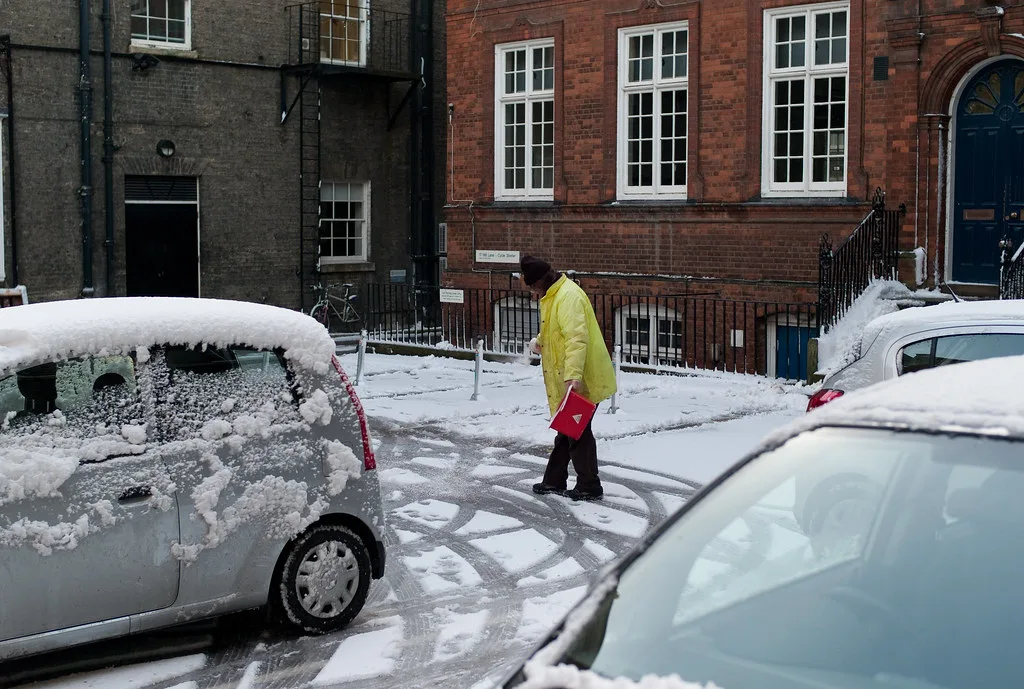
The season runs from gray, damp November through to a March that can still bite, with a cold snap any month. The city sits low in East Anglia, so it is drier than western Britain but exposed to raw easterly winds that make the fens feel colder than the thermometer suggests. Days are short: expect darkness by late afternoon in December and January, with a noticeable stretch of evening by mid-March. Plan indoor anchors for the middle of the day and use the daylight window for walking.
Weather in December, January and February
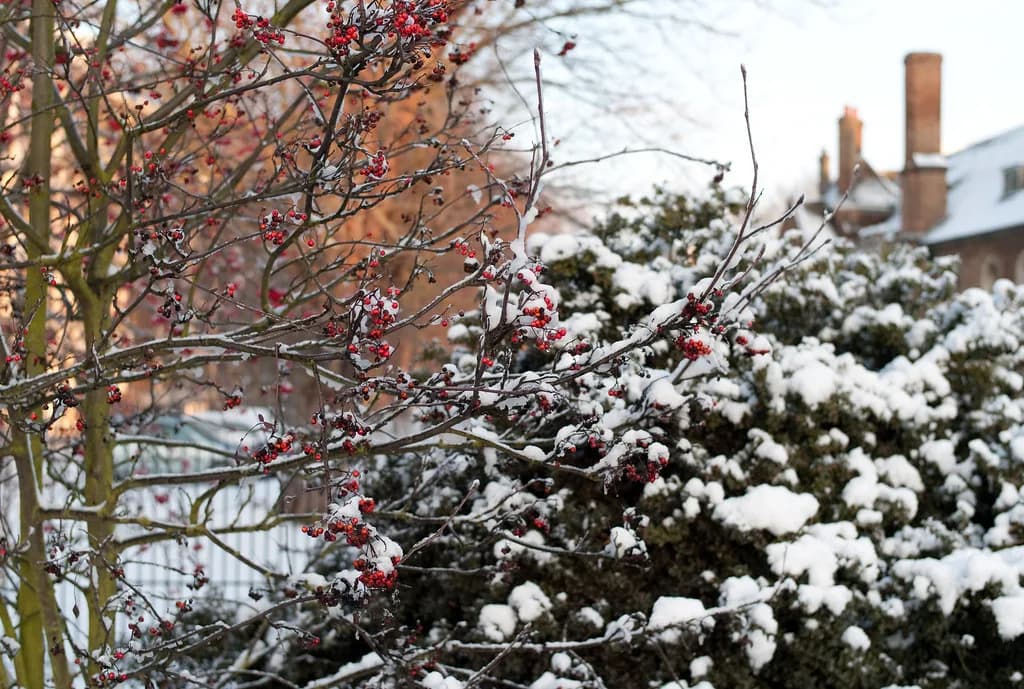
Expect typical winter highs of around 7–9°C (45–48°F) and lows near 1–3°C (34–37°F), with January usually the coldest month. Rain falls on a good share of days — often light and drizzly rather than dramatic — and snow is possible but rarely settles for long in the city center. Check the outlook for the week you travel rather than trusting any seasonal forecast.
Daylight is the figure that shapes a winter itinerary. Around the winter solstice, sunrise comes after 8am and sunset before 4pm, giving roughly eight hours of usable light. By late February you gain well over an hour at each end, which makes day trips to Ely or London far more comfortable. If photography or walking is the point of your trip, aim for February or early March rather than December.
What winter changes: colleges, punting and gardens
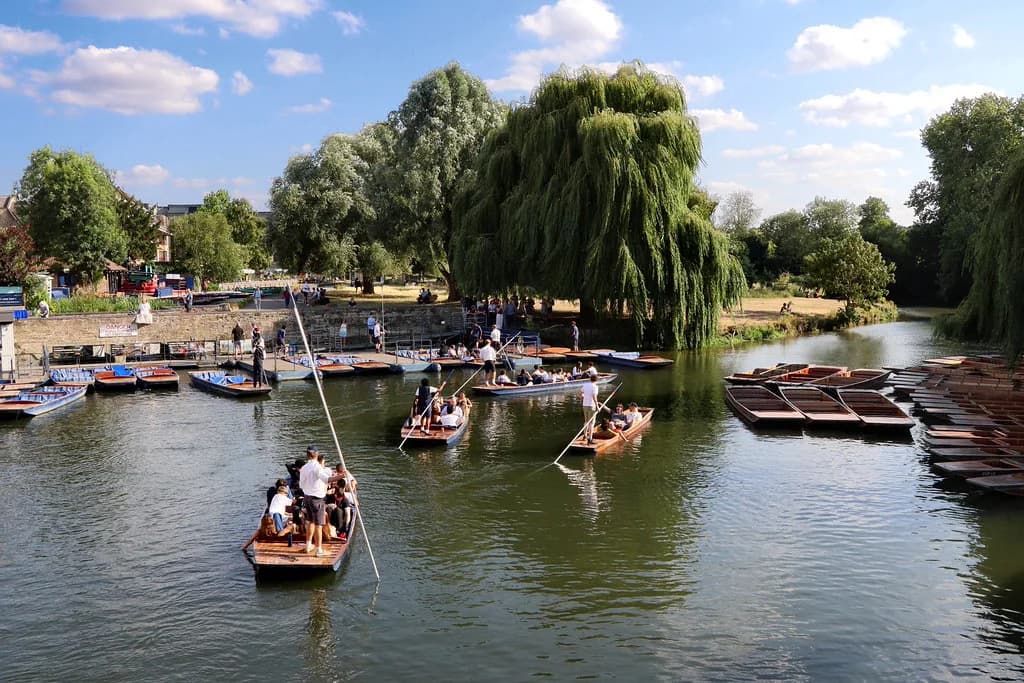
College visitor access varies through the year, and graduation- and event-related closures are common, so check opening details before you travel. Punting operators run reduced services in cold months and may stop altogether in poor weather, so treat a river trip as a bonus rather than a plan. The Cambridge University Botanic Garden stays open daily but closes earlier in winter, and its glasshouses are the reason to visit when it is wet.
Some places run year-round regardless of season: the University museums and Kettle's Yard, the market squares, and the colleges' chapels when services allow. For a fuller picture of the season's rhythm, the Cambridge in November guide covers the run-up to Christmas, while Cambridge in December handles the festive weeks. Both help you judge whether your dates fall in the busy build-up or the silent stretch after New Year.
Things to do on a cold day: the free University museums
Cambridge's best winter asset is a cluster of free University museums within walking distance of each other. The Fitzwilliam Museum holds art and antiquities and is the grandest of them; the Sedgwick Museum of Earth Sciences is the one for fossils and dinosaurs; the Museum of Archaeology and Anthropology covers world cultures; the University Museum of Zoology has whales and specimens; the Whipple Museum of the History of Science displays historic instruments; and the Scott Polar Research Institute tells polar exploration stories. A single wet afternoon can cover two of them comfortably.
Opening days vary — some are closed on Mondays and several keep shorter winter hours — and all of them shut for part of the Christmas period. The student winter activities guide lists regular hours and Christmas closures for each museum, though it reflects the 2025–26 season, so treat the pattern as a guide and confirm against each museum's own page for your dates.
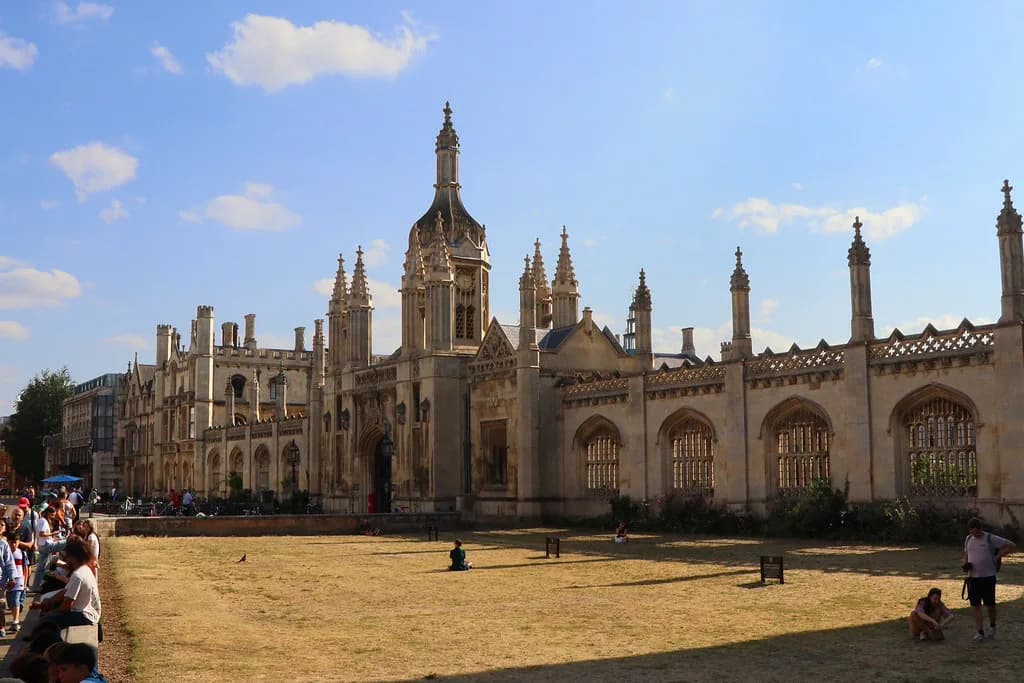
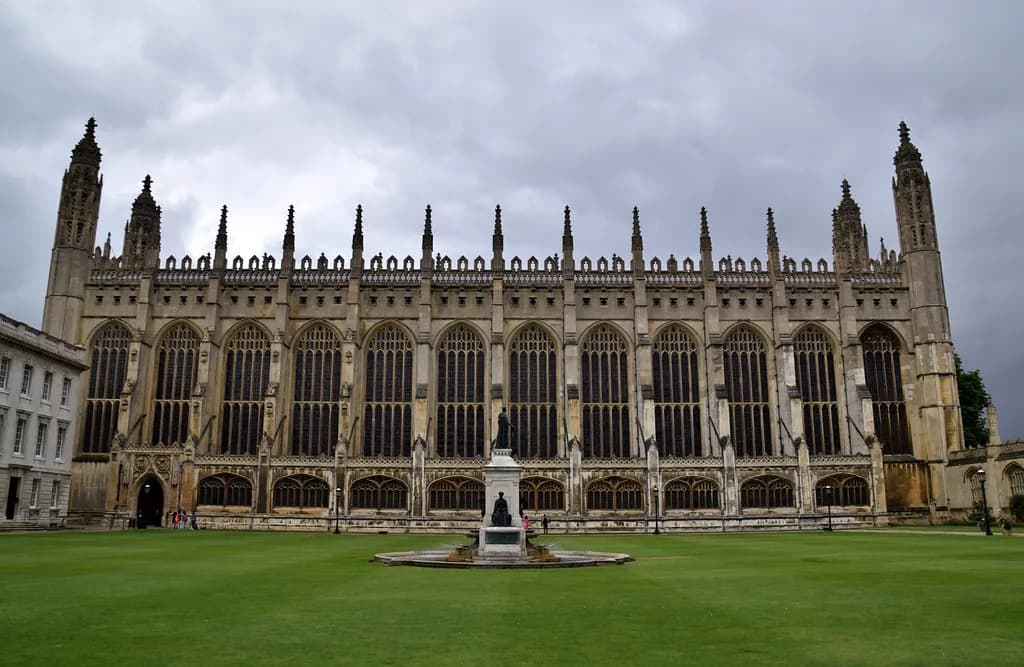
Kettle's Yard, the house-and-gallery of modern art near Magdalene Bridge, is free for students and under-25s and charges others; its calm interiors suit a gray morning. If you want a wider menu of indoor options, things to do in Cambridge in winter covers walks, food and seasonal events in more depth. Then head to King's College Chapel for the fan vaulting and, in season, evensong.
Walking Cambridge in winter: the Backs and the river
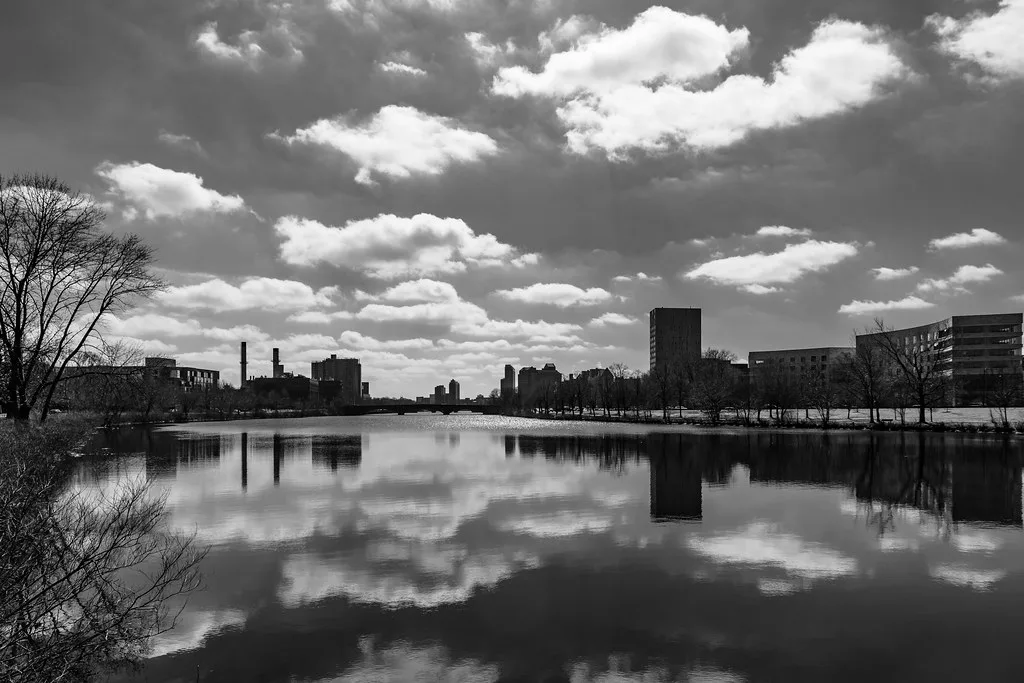
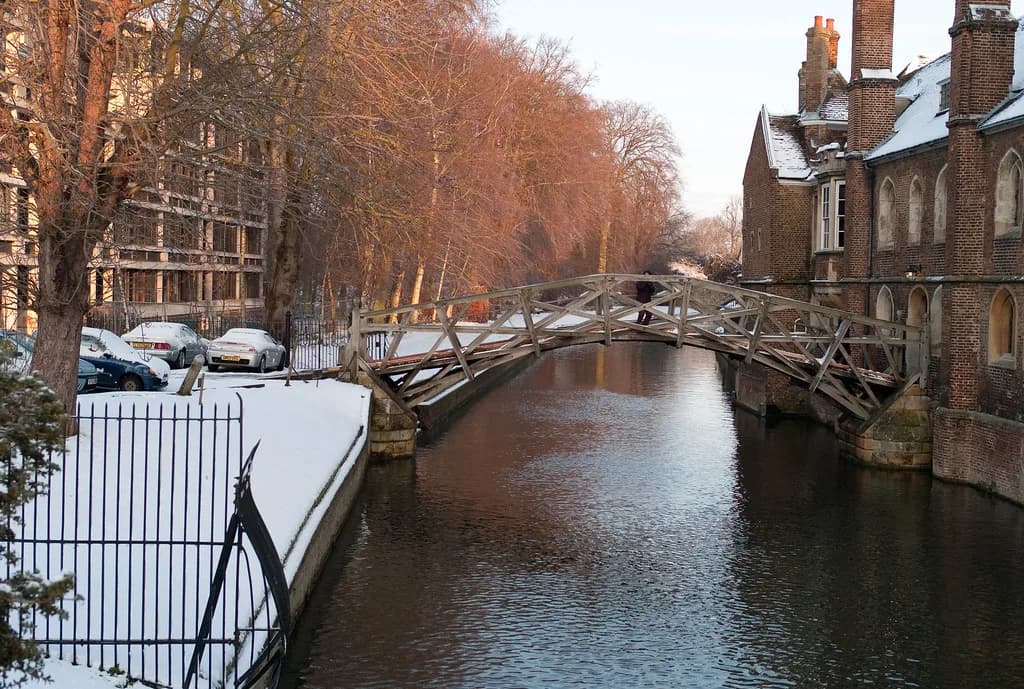
The Backs — the college lawns and bridges along the River Cam — are at their most atmospheric in low winter light, when bare trees open up views that summer foliage hides. Walk from Magdalene Bridge toward Silver Street and Queens' College for the classic bridge views, then loop back through the streets. The river path toward Grantchester is a fine half-day walk if the ground is not frozen, though it gets muddy after rain.
What is on in December
December brings the festive build-up: the Parker's Piece market, carol services in college chapels and city churches, and the Mill Road Winter Fair, a one-day street festival on Mill Road with stalls and performances. Carol service dates are set by each chapel and church, so check the individual venues rather than assuming a fixed calendar. For the full December picture, see the Christmas in Cambridge guide.
Christmas Eve, Christmas Day and New Year
Christmas week is the quietest the city gets: the museums close for several days, many cafés and shops shut, and the streets belong to residents. Christmas Day 2026 falls on Friday 25 December, with New Year's Day 2027 on Friday 1 January. If you are in Cambridge over those days, expect to rely on hotel dining and a handful of open pubs rather than a full choice of restaurants.
For the New Year period itself, New Year's Eve in Cambridge is a modest affair compared with London — pubs, college events and house parties rather than a big public display. Plan around that: book dinner early and expect many venues to be ticketed or closed to non-residents. The New Year's Eve guide covers what is on and how to spend the evening.
January and February: the emptiest months
January and February are Cambridge at its least crowded: term is quiet or out, hotel rates drop, and you can walk into museums and cafés that are rammed in summer. The trade-off is weather — cold, often gray, with the shortest days — and the fact that some attractions cut hours or close entirely. If you want the city to yourself and do not mind wrapping up, this is the window. Epiphany falls on Wednesday 6 January 2027, and Carnival Tuesday on 9 February 2027, both marked by church services rather than street festivals here.
Late February and early March reward patience: daylight stretches, the first bulbs appear in the Botanic Garden, and the colleges begin to open up again ahead of Easter. Easter Sunday falls on 28 March 2027, so Holy Week runs 21–28 March and the university term starts to fill the city. Book early if your trip overlaps that period.
Day trips that work in winter: Ely and London
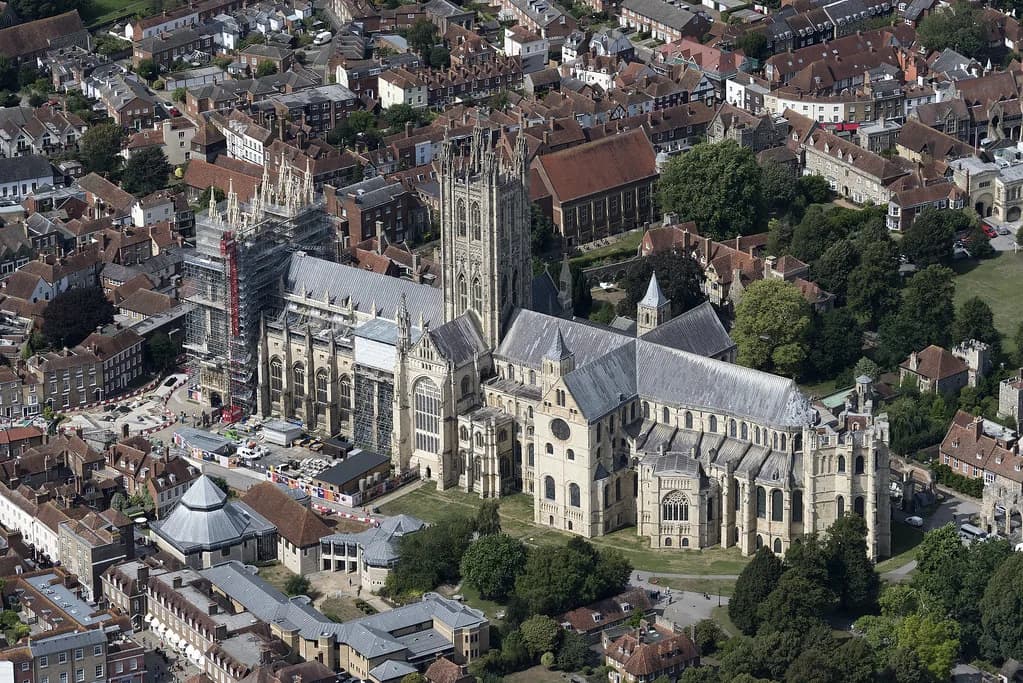
Ely is the better short day trip: a direct train of roughly 15–20 minutes, and Ely Cathedral — a vast, light-filled Norman building — gives you a solid indoor morning or afternoon whatever the weather. The town itself is small and walkable, with a riverside and a few tea rooms. For a longer day, London is about 50 minutes to an hour by fast train, and its museums, galleries and covered markets are exactly what a wet winter day calls for. Trains run frequently, so you can decide on the morning of travel. Compare the two against your tolerance for a full day out in the cold. Prefer a northern alternative? Canterbury in winter offers a similarly compact cathedral city within reach of London.
Who Cambridge in winter suits — and who should come in May
Winter Cambridge suits museum-goers, architecture lovers, and travelers who value quiet streets over sunny photos. It rewards those who plan indoor anchors and treat daylight as a resource. It does not suit anyone who wants to punt on the Cam, see the gardens in bloom, or sit outside until ten in the evening — those travelers should come in May or June, when the city is at its best but also at its busiest and priciest. Families with small children may also find the Christmas-week shutdown frustrating, when many attractions close and the city empties out.
Bringing a dog to Cambridge in winter
If you are travelling with a dog, plan the winter days around the city's free University museums and the open spaces between them rather than around long stretches indoors. The Sedgwick Museum of Earth Sciences is open Monday to Friday from 10:00 to 17:00 and Saturday from 10:00 to 16:00, but it closes from Monday 22nd December 2025 until Monday 5th January 2026, so the weeks either side of the holiday are the practical window for a museum stop. The Whipple Museum of the History of Science keeps shorter hours, Monday to Friday 12:30 to 16:30, and is closed from 20 December 2025 to 12 January 2026. Outdoor time fits around these: the Cambridge University Botanic Garden is open daily from 10:00 to 16:00, though it closes from 3.30pm on 23 December 2025 until 10am on 2 January 2026.
Remember that Cambridge has two very different winters in its guidebooks. The free museum listings above, with their Christmas closure dates running from 20 and 21 December through the first days of January, belong to Cambridge in England. Several other sources describe Cambridge, Massachusetts, where winter programming is built around sledding on the gentle slopes of the 16-acre Cambridge Common, a National Historic Landmark a three-minute walk from Harvard Square Hotel, and ice skating at the outdoor Community Ice Rink at Kendall Square, which offers skate rentals and lessons. If your dog is joining a trip across the Atlantic, check which Cambridge you have booked before you build an itinerary.
For anyone staying in the English city over the holidays, the Cambridge SU Winter Holidays Activities Project 2025 runs events open to all students, including a Brunch Trip on 13th December, Board Games on 18th December and a Bring and Share Lunch on 25th December, with Volunteering at Paradise Nature Reserve on 9th January and a Trip to Ely on 10th January. These are student events rather than dog-friendly outings, but they show how the city fills the quiet weeks. Time outdoors on the Backs and along the river remains the simplest way to give a dog exercise between museum visits, and the short daylight hours make a midday walk the sensible choice.
Plan Your Visit
Cambridge in winter is a low-key, atmospheric version of a city most people see in summer: free museums, quiet streets and cheap rooms, paid for in short days and cold. Pick your window deliberately — festive December, silent Christmas week, or the empty calm of January and February. Check individual museum pages and the outlook close to your dates, and book trains to Ely or London the day before you go.
Explore more Cambridge winter guides
Frequently Asked Questions
How cold does Cambridge get in winter?
Typical winter days sit around 7–9°C (45–48°F), with nights near freezing and January the coldest month. It is a damp cold rather than a deep freeze, and snow is possible but rarely settles for long in the city center.
Does it snow much in Cambridge, UK?
Snow falls occasionally but rarely stays on the ground in the city center for more than a day or two. The bigger winter presence is rain and gray skies, so plan around wet-weather museums rather than expecting a white Christmas.
What is there to do in Cambridge in winter?
The free University museums — the Fitzwilliam, Sedgwick, Museum of Archaeology and Anthropology, Museum of Zoology, Whipple and Scott Polar Research Institute — carry a wet afternoon, along with Kettle's Yard and the Botanic Garden glasshouses. Walks along the Backs and a day trip to Ely fill the rest.
Is Cambridge worth visiting in January?
Yes, if you want quiet streets and low-season rooms. January is the emptiest month, but days are short and some attractions cut hours, so check each venue's winter timetable before you commit.
What closes in Cambridge over Christmas?
The University museums close for several days around Christmas, and many cafés and shops shut too. The student guide lists specific closure dates for the 2025–26 season as an indication; check each venue's own page for your dates.
Is Cambridge quiet in winter?
Very quiet outside December. Christmas week is almost empty, and January and February are the calmest months, with fewer visitors and easier access to museums and restaurants.
Can you go punting in Cambridge in winter?
Some operators run reduced services in cold months and may stop in poor weather. Treat punting as a bonus rather than a fixed plan, and check on the day.
Sources
Winter travel notes
Optional updates when we add or revise winter guides.
You might also like
Continue reading
More guides you'll find useful