Cork in Winter: What November to March Is Really Like
Cork in winter is mild, wet and quiet, with short days and little snow. Here is what November to March feels like and which travelers it suits.
On this page
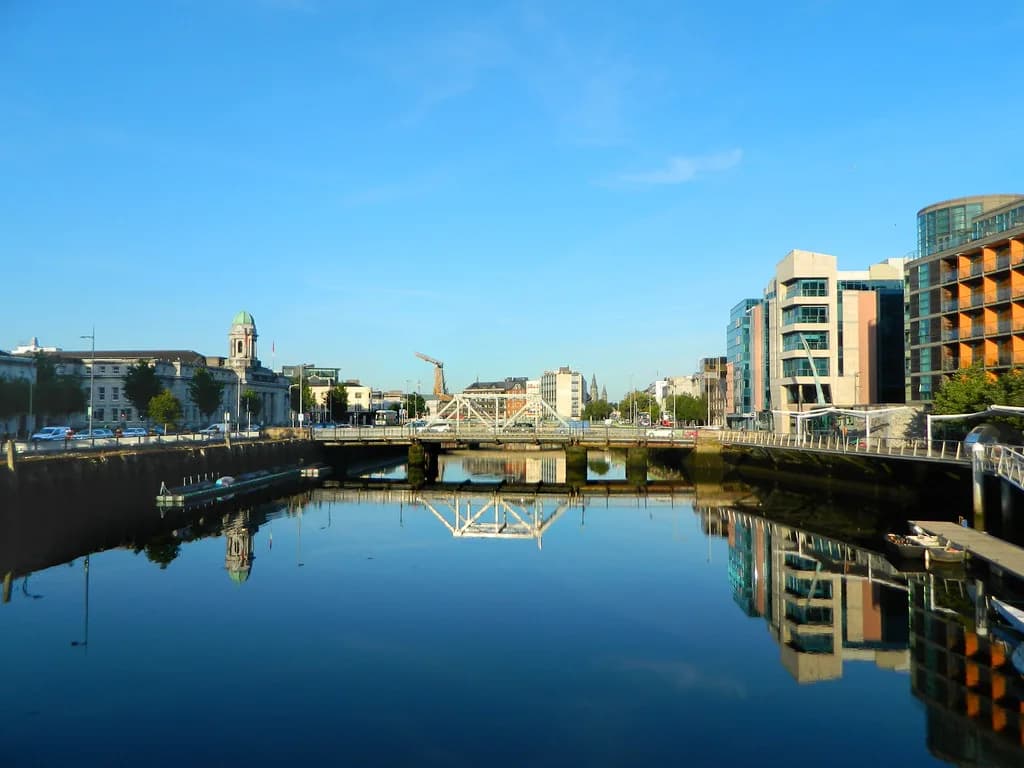
Cork in winter is Ireland's mild south coast in its quiet months: gray skies, damp air and a temperature that hovers around 8°C rather than plunging below freezing. The city keeps working through the season, with markets, museums and pubs carrying on while summer tour buses disappear. It suits travelers who want a real, lived-in Irish city at low prices and do not need sunshine to enjoy it.
It does not suit everyone. Short afternoons, Atlantic rain and scenery hidden in mist make November to February a poor fit for anyone whose main goal is coastal views and long hill walks in dry weather. Treat Cork in winter as a city-and-interiors trip with optional clear-day excursions, and the calculation works much better.
Weather in Cork in Winter
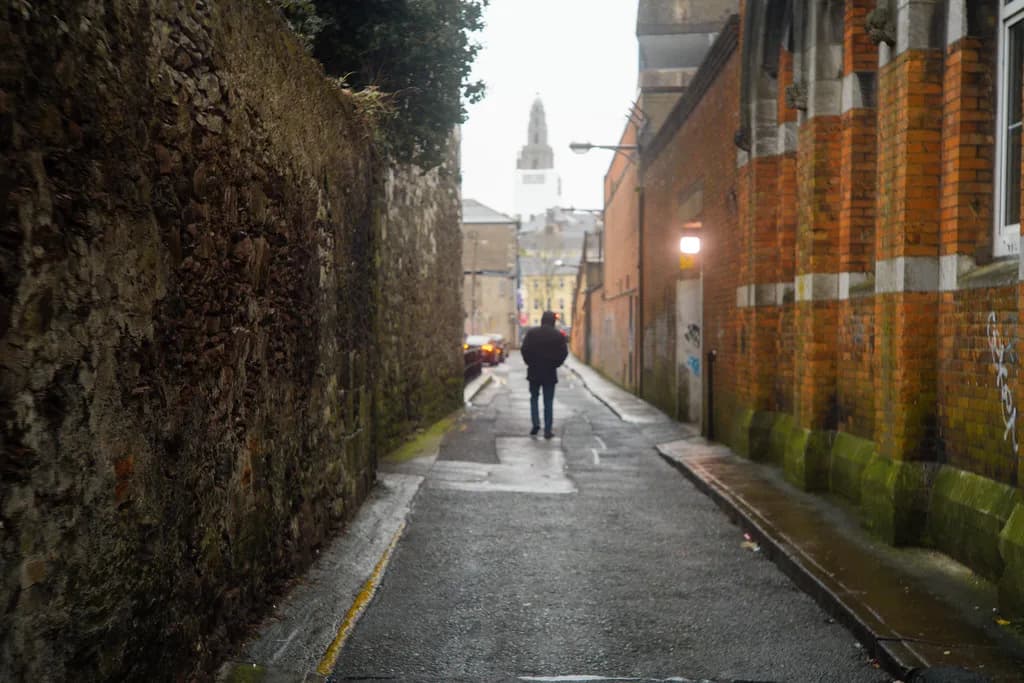
Winter temperatures in Cork sit in the mild band. The average hovers around 8°C (46°F) and readings below 3°C (37°F) are uncommon, according to Ireland Experience, which describes the city's winter as gentle and rarely freezing. Snow is not a feature of a normal Cork winter, so leave the heavy boots for another trip. These are typical conditions averaged across years, not a forecast for your dates.
January and February are the coldest months, and the same source notes Cork is among the sunnier corners of Ireland in winter, with roughly four hours of sun on a good day. That is a ceiling, not a promise. Expect many flat gray days between the brighter ones, and plan indoor anchors for each afternoon.
Rain is the defining feature of the season, delivered in Atlantic fronts that roll in and clear within hours rather than settling for a week. Wind off the coast makes an 8°C (46°F) day feel colder on the quays, so a waterproof shell matters more than a heavy coat. For a month-by-month comparison of conditions and crowds, the Cork in January and Cork in February pages are useful.
Daylight and the 2026–27 Clock Changes
Cork sits far enough north that winter daylight is short: expect darkness by late afternoon through December and early January, with the shortest days around the solstice. European clocks go back on 25 October 2026 and forward again on 28 March 2027, so the second half of March finally brings usable evenings back. Book morning slots for anything outdoors and keep afternoons for interiors.
Practically, that means a winter city break in Cork needs an indoor rhythm. A market visit, a cathedral, a heritage site and a long lunch fit comfortably between a late breakfast and dusk. If you want the city lit up and busy, Christmas in Cork covers the run-up to the holiday and how the center behaves once the lights are on.
November and December
November is the quietest month before Christmas, with low prices and short days. December flips the mood: the city center fills with shoppers and the seasonal atmosphere builds toward Christmas Day on Friday 25 December 2026. Cork in November and Cork in December break down the difference in crowds, weather and what is running each month.
The winter restaurant and pub scene is the reason to come in this window. A travel account of the city in late autumn notes the appeal of Cork's more local feel compared with summer, with traditional music sessions filling pubs midweek and the English Market providing a rainy-day anchor. That combination of food, beer and music is what carries December when the weather closes in.
January and February
January and February are the quietest and cheapest stretch of the Cork winter. New Year's Day falls on Friday 1 January 2027 and Epiphany on Wednesday 6 January 2027, after which the city settles into a local rhythm with few visitors. Restaurants, museums and pubs stay open; what thins out is the tourist traffic.
New Year's Eve in Cork is the one night when the city deliberately fills up, with venues and pubs programming for the holiday rather than the usual midweek quiet. If you want a lively city rather than an empty one, aim for that window and book dinner ahead. Otherwise, treat late January as a chance to see Cork as residents do.
Snow is rare enough in Cork that it should not shape your planning. Ireland Experience describes winters where the temperature hardly drops below 3°C (37°F) and snow is practically unknown, which means gritted roads and open attractions rather than closures. The real risk is wind and rain on exposed coastal walks.
March
March changes the feel of a Cork trip. Days lengthen noticeably after the clocks go forward on 28 March 2027, and St Patrick's Day on 17 March is the fixed national holiday that brings the city out. Holy Week then runs 21–28 March 2027, with Easter Sunday on 28 March, so late March is busier than the rest of the month.
If you are choosing one winter month for a first visit and want reasonable weather with some life in the streets, March is the strongest compromise. Early March still feels wintry and quiet; the last ten days are noticeably brighter and busier. Book accommodation for the St Patrick's Day and Holy Week windows well ahead.
What Is Open in Winter
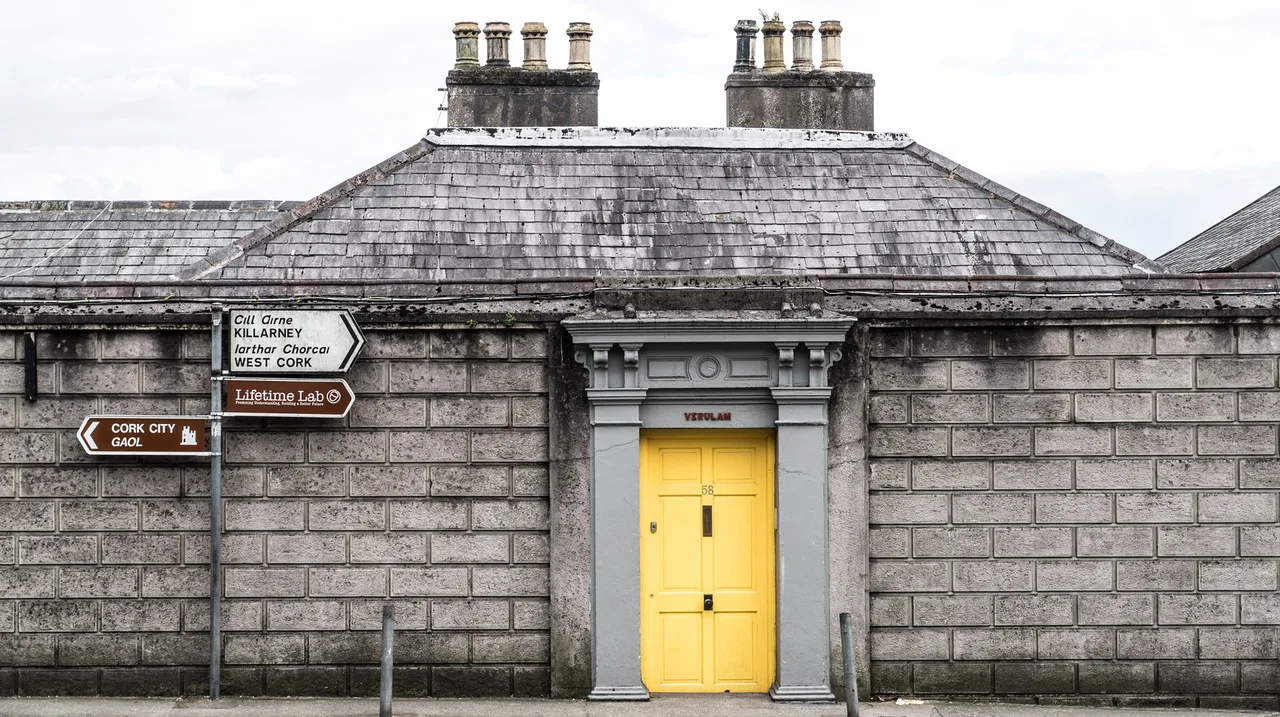
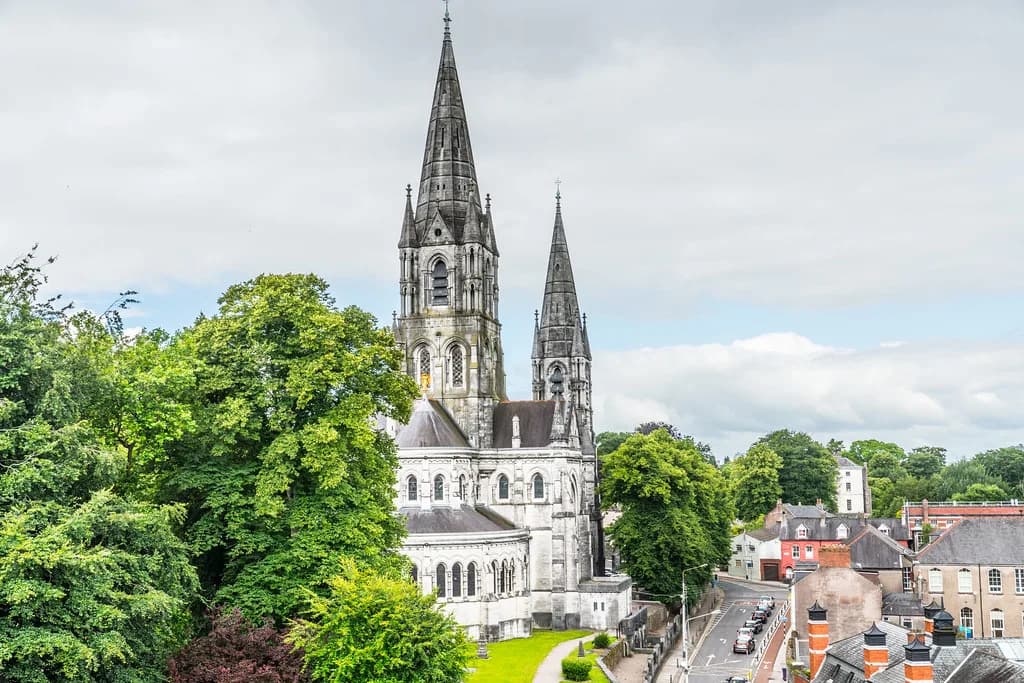
City Cork stays open year-round. The English Market, St Fin Barre's Cathedral, Elizabeth Fort, Cork City Gaol and the city's museums and galleries operate through the winter, which is why the city works so well as a cold-weather base. Confirm individual opening hours on each venue's own site before you build a day around them.
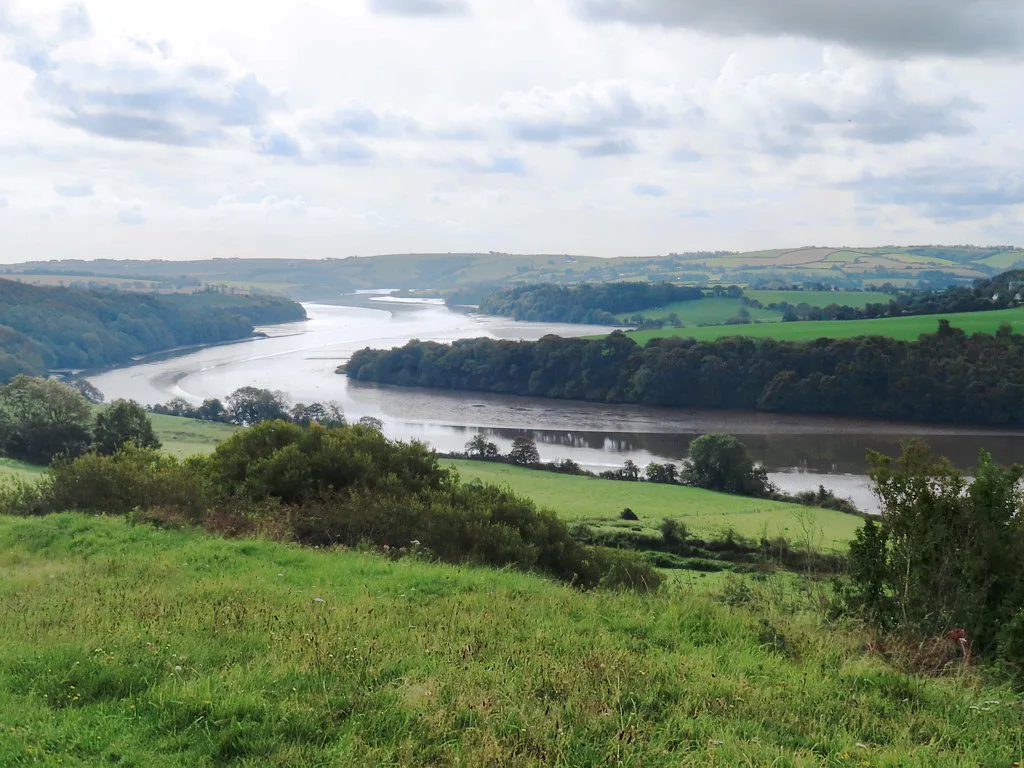
Coastal and rural attractions are the ones that thin out. Ferries, gardens and seasonal heritage sites in West Cork and around the harbor often run reduced winter schedules or close for the season, and small hospitality businesses take breaks after Christmas. The pattern is a reduced timetable rather than a shutdown of the region.
West Cork is the best example of the trade-off. Baltimore's harbor village keeps its pubs, its swimming pool and its live music venue running through the darker months, while boat trips and island ferries run on winter schedules. Check the ferry operators and activity providers directly for the dates you plan to travel.
Things to Do in Cork City in Winter
Start with the English Market, which is exactly the kind of indoor anchor a wet winter day needs. From there, St Fin Barre's Cathedral, Elizabeth Fort and Cork City Gaol fill an afternoon each, and the compact center means you can move between them without long walks in the rain. Cork's food scene, from the market stalls to the city's restaurants and craft-beer bars, is the other reliable winter draw.
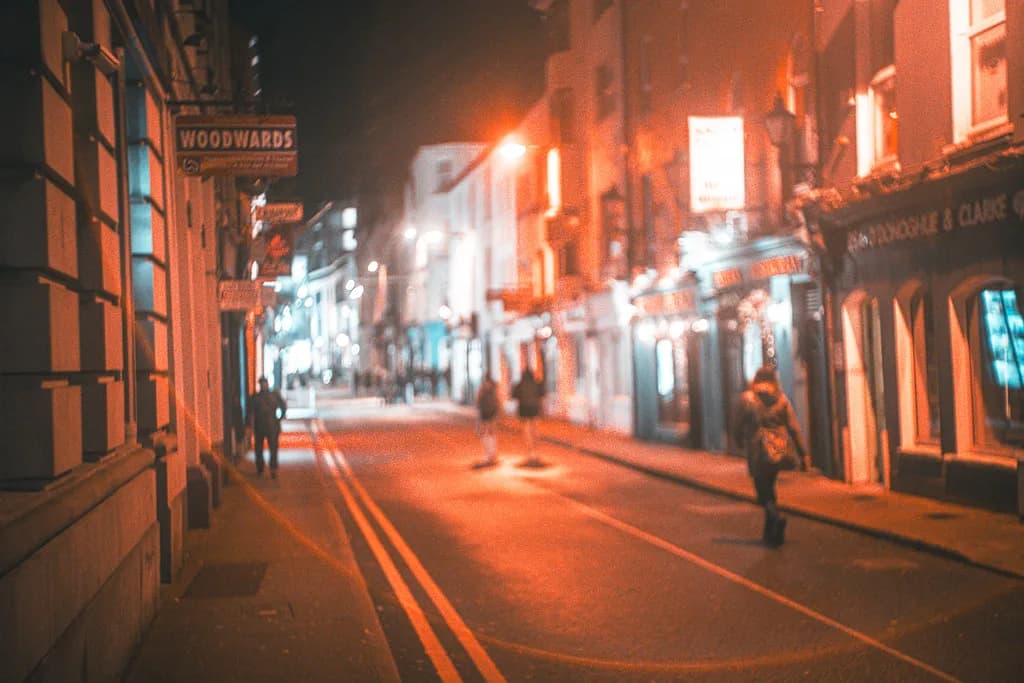
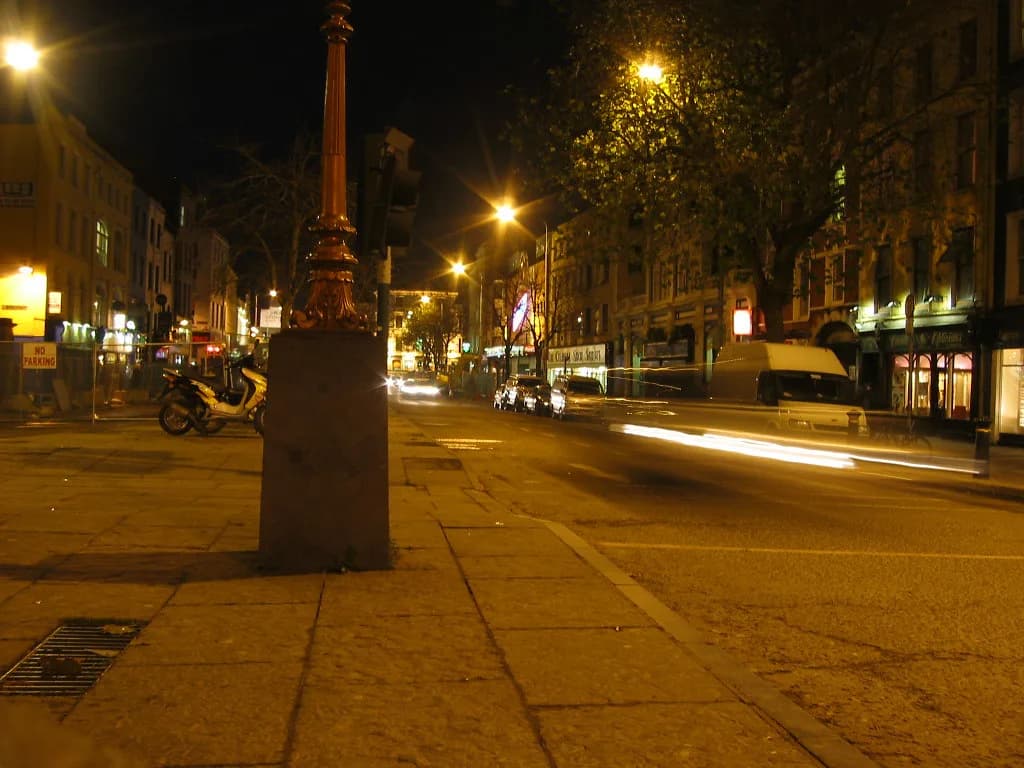
Evenings belong to pubs with traditional music, which run through the winter rather than only in summer. A late-autumn account of the city describes walking into a packed pub and hearing a five-piece band on a Wednesday, which is the realistic version of a Cork winter night out. Go early for a seat and stay for the session.
Day Trips That Work in Winter
Cobh is the strongest winter day trip from Cork: the town's heritage center and Titanic Experience are indoor attractions in a compact harbor setting, and the cathedral and waterfront work on a dry afternoon. A travel account of the area describes the heritage center as a grittier, more personal take on Ireland's emigration story than its Dublin counterpart, with tickets assigned to a departing passenger's story.
Blarney and Kinsale both work in winter with expectations adjusted: Blarney Castle & Gardens is quieter and cheaper than in summer, and Kinsale's restaurants and harbor walks are at their best without crowds. Both are realistic half-day trips by car or bus from the city. Check castle and garden opening times directly, as winter hours can be shorter than summer ones.
West Cork in Winter
West Cork rewards travelers who accept that winter there is about interiors and atmosphere rather than coastal views in sunshine. Skibbereen's farmers' market runs on Saturday mornings and is the region's best winter food stop, with local cheese, cured meats and baking under cover. The drive from Cork takes a few hours, so plan it as an overnight rather than a day trip.
Atlantic Sea Kayaking has run night-time tours on Lough Hyne since 1995, and on a clear winter night the bioluminescent plankton and the stars above make it one of the most distinctive experiences in the county. Book ahead and be prepared for cold, wet conditions on the water. The same account recommends the walk to the Beacon at Baltimore and the climb up Knockomagh Hill for clear-day views.
Baltimore itself keeps going through the winter thanks to its pubs, its heated local swimming pool and St Matthew's Church as a music venue, which is why the village works as a winter base rather than a summer-only stop. Liss Ard Estate near Skibbereen offers a glass-fronted sauna above its lake, an indoor counterweight to the weather.
Getting Around
Cork city is walkable, and the compact center means most sights are within a short stroll. Trains link Cork to Dublin and the surrounding towns, and buses serve Cobh and Kinsale, but winter timetables and weather cancellations are worth building slack into. For West Cork, a car gives you far more flexibility than public transport in the off-season.
If you are also considering a second Irish city, Galway in winter has a similar mild, wet pattern but a very different feel, with a compact center organized around Eyre Square and the Latin Quarter. It makes a sensible comparison if you are deciding whether to base yourself in Cork or the west.
Crowds and Prices
Cork in winter is genuinely quiet by European city standards, and that is its main advantage. Outside the Christmas and New Year windows and the St Patrick's Day period, you will find pubs with locals at the bar and restaurants with tables available on a Friday night. Prices across the board are lower than in summer, and short-notice booking is realistic for most of the season.
The trade-off is seasonal closures and shorter hours. Some rural businesses take a break in January, and coastal attractions run on reduced schedules; the fix is to check each venue and operator directly and to keep your plans flexible. Treat the season as an opportunity to see Cork as it actually lives rather than as a tourist backdrop.
Who Cork in Winter Suits
Cork in winter is for travelers who are comfortable with gray, damp weather and short days, who want an uncrowded city with good food, traditional music and low prices. Museum-and-pub travelers, food and drink people, and anyone who has already seen Ireland in summer will find the season rewarding. West Cork is at its most atmospheric in winter if you accept that coastal views may be hidden by mist.
It is not for anyone whose main goal is long coastal walks in sunshine or island-hopping on a tight schedule. Those travelers should wait for May or September, when the light is long and the ferries run full schedules. If you go in winter, choose March if you want the best balance of weather, daylight and street life, and January if your priority is quiet and value.
Explore more Cork winter guides
Frequently Asked Questions
Is Cork worth visiting in winter?
Yes, if you want a quiet, mild city with good food, pubs and indoor sights. Cork's winter is gray and damp rather than freezing, and the city stays open year-round. The trade-off is short daylight and rain, so build each day around indoor anchors and keep outdoor plans flexible.
What is the coldest month in Cork?
January and February are typically the coldest months. Average temperatures hover around 8°C (46°F), and readings below 3°C (37°F) are uncommon. These are long-term averages, not a forecast for your particular dates.
Does it snow in Cork in winter?
Snow is rare in Cork. The city sits on a mild, Atlantic-influenced south coast, and typical winters stay just above freezing rather than plunging into hard frost. Where the weather does disrupt plans, it is usually wind and rain rather than snow.
What is there to do in Cork in winter?
The English Market, St Fin Barre's Cathedral, Elizabeth Fort and Cork City Gaol are the reliable indoor anchors, alongside the city's restaurants, craft-beer bars and pubs with traditional music. Day trips to Cobh, Blarney and Kinsale work in winter, and West Cork suits an overnight trip for the Skibbereen farmers' market and night kayaking on Lough Hyne.
When is the best time to visit Cork?
For the best balance of weather, daylight and street life, late March is the strongest winter choice, once the clocks go forward and St Patrick's Day brings the city out. January is the quietest and cheapest month. May to September is better for coastal scenery and long walks.
Is West Cork worth visiting in winter?
Yes, if you value atmosphere and interiors over coastal views in sunshine. Baltimore's pubs, music venue and swimming pool run through the season, and Skibbereen's Saturday farmers' market is a winter highlight. Ferries and boat trips may run on reduced schedules; check current details before travelling.
Sources
Winter travel notes
Optional updates when we add or revise winter guides.
You might also like

Continue reading
More guides you'll find useful