Greece in March: Weather, Crowds and What's Open
Greece in March brings mild days, quiet sights and thin island ferry schedules. See typical weather, what stays open and who should wait for May.
On this page
March in Greece is a month of two countries. Athens, Thessaloniki and the bigger southern islands are shaking off winter, with café tables back outside and archaeological sites you can walk without a queue. The smaller resort islands are a different proposition: many seasonal hotels and restaurants stay shut until roughly April, and ferries run a thinner timetable than in summer.
That split is what makes March worth considering, but also what makes it risky if you book the wrong island. Decide first whether you want a city-and-mainland trip or an island trip, then build the itinerary around what actually operates in early spring rather than around a summer map.
Greece in March at a Glance
Late winter lingers on the northern mainland and in the mountains, while the south and Crete edge into early spring. Typical daytime highs across Athens, Thessaloniki, Corfu Town, Heraklion and Rhodes Town sit between 58°F and 62°F (about 14–17°C), with overnight lows of 40–50°F (roughly 4–10°C). Those are long-term averages rather than a forecast, so a warm afternoon is possible and so is a cold, wet one.
Treat March as a month for cities, archaeology, food and walking rather than for beaches. The upside is space and quiet: this is the tail of the period when flights and rooms are at their cheapest outside the Christmas and New Year window. The trade-off is unpredictability, with short daylight and rain interrupting outdoor plans.
March Weather: What the Averages Say
The most useful benchmark is the March row of the long-term city averages: highs of 58–62°F and lows of 40–50°F across five representative destinations from Corfu to Rhodes. Coastal Rhodes and Heraklion sit at the warmer end, while Thessaloniki and the northern mainland run cooler. Pack layers and plan one indoor anchor per day rather than committing to a fixed outdoor schedule.
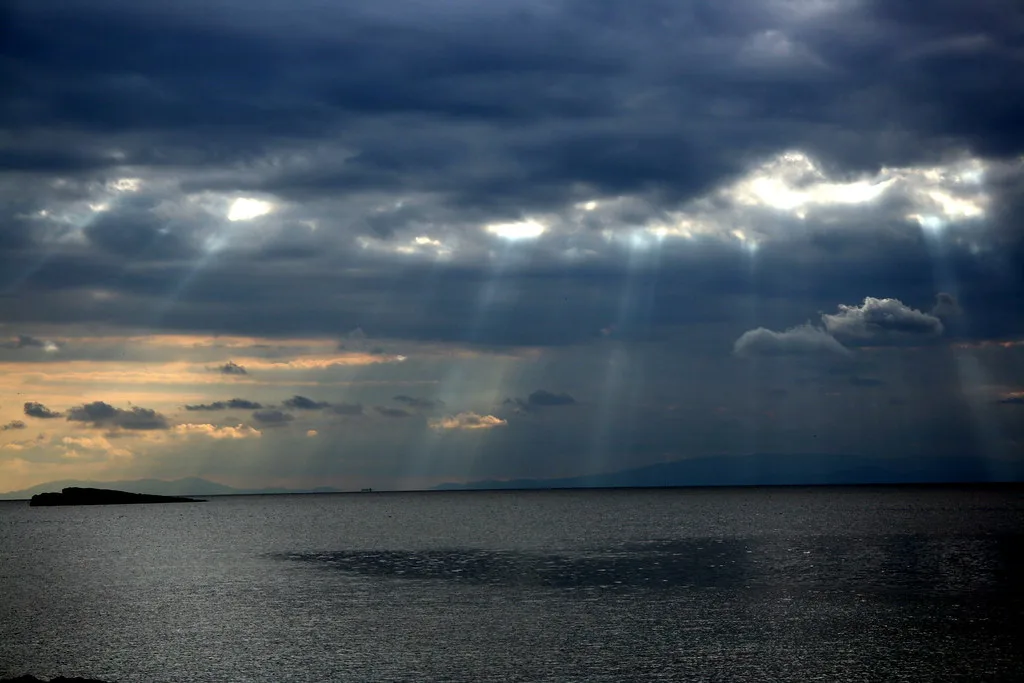
Rain in March tends to arrive in showers rather than set in for days, and mountain areas can still see snow on high ground. Daylight is still noticeably shorter than in summer, so start sightseeing earlier than you would in June. Coastal wind, including the northerly meltemi in the Aegean, can make a sunny afternoon feel sharp and can rough up the sea enough to disrupt crossings.
Athens and the Mainland in March
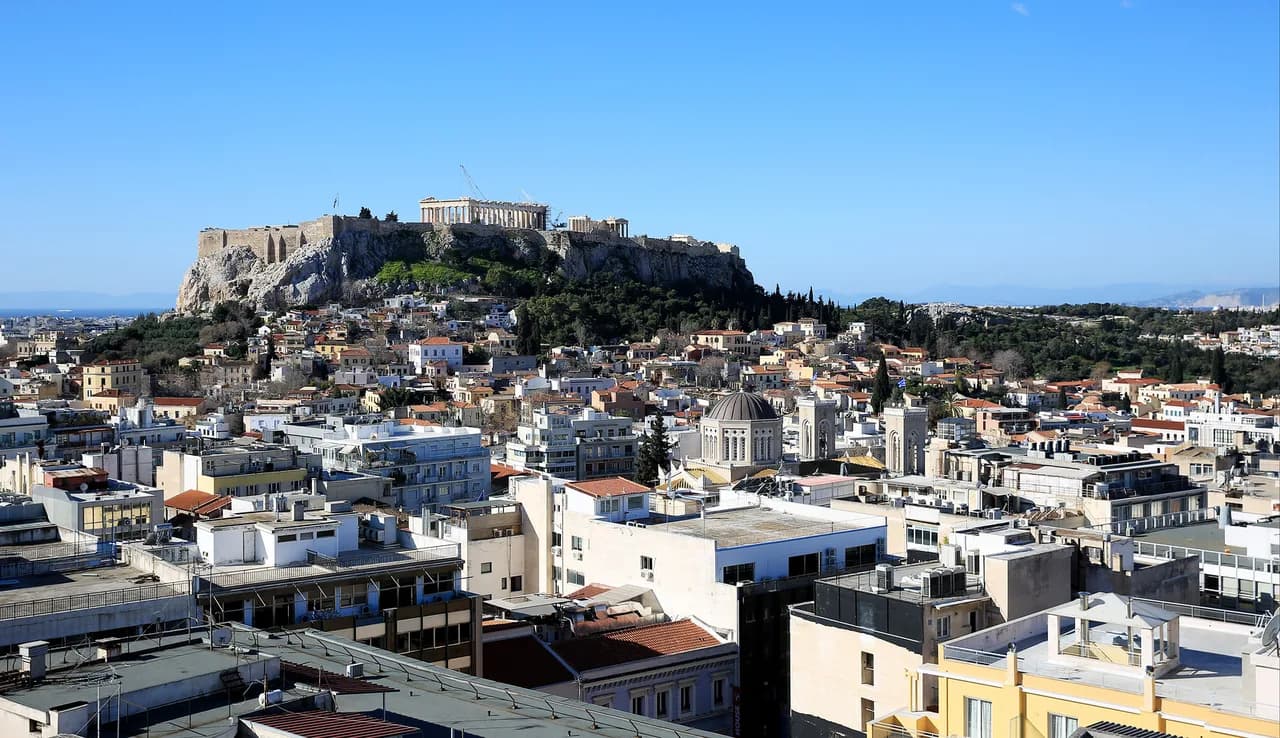
Athens is the strongest March bet in the country. The Acropolis and the city's museums stay open year-round, neighborhood tavernas keep local regulars fed through winter, and you can linger at exposed sites without summer heat forcing an early exit. Book a couple of days here before deciding whether to add an island at all.
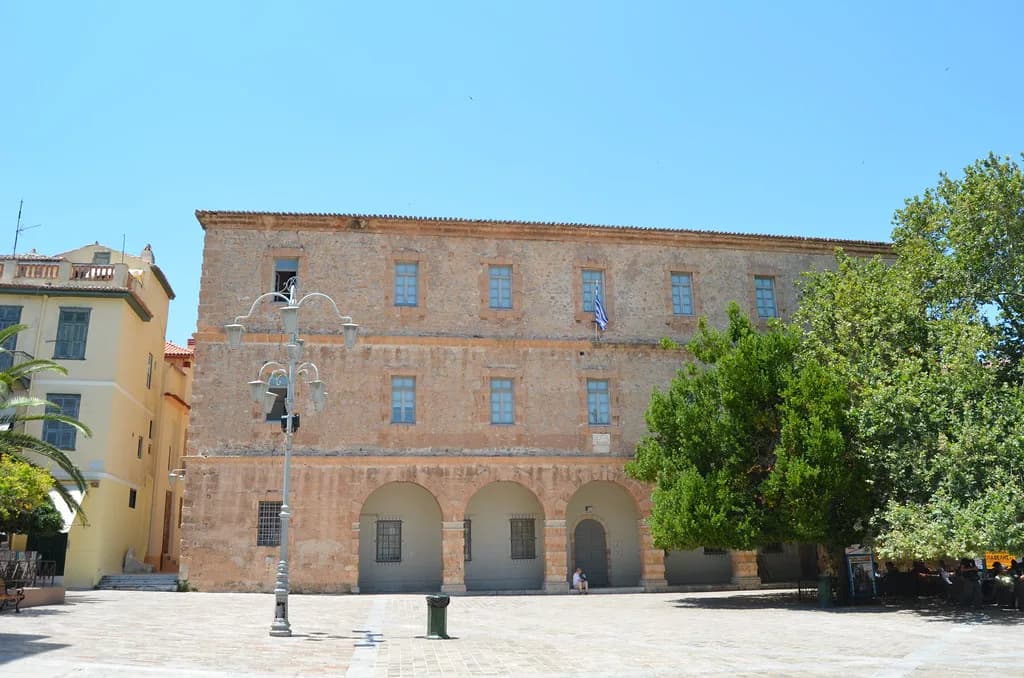
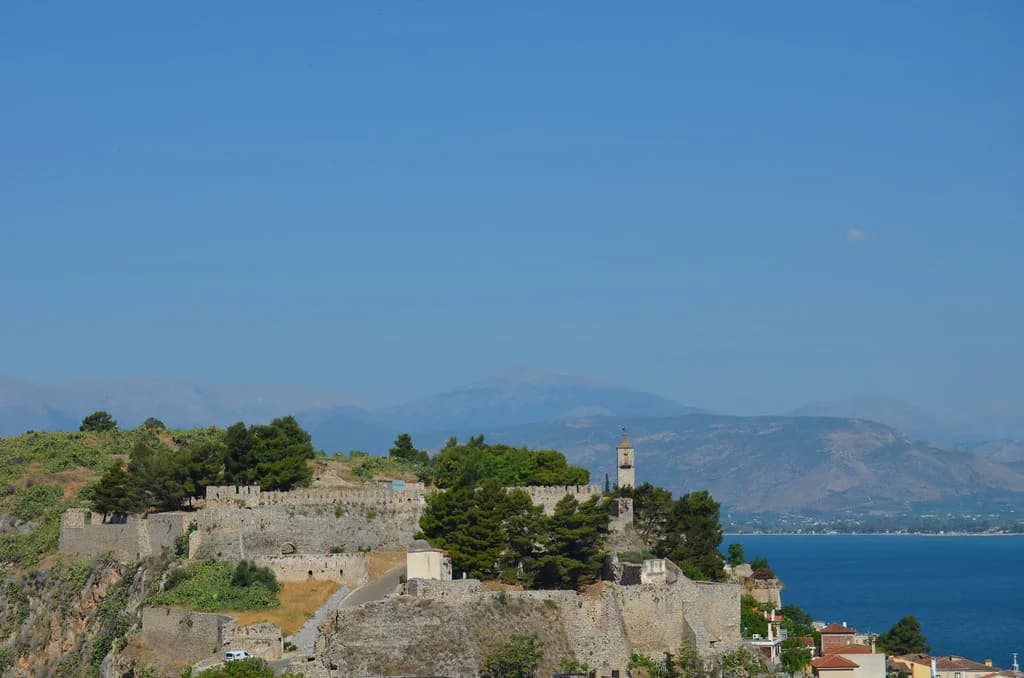
The mainland rewards a slower route: Thessaloniki for food and Byzantine streets, Delphi and Meteora for archaeology and landscape, and the Peloponnese for Nafplio, Mycenae and Epidaurus. Walking is comfortable at this time of year, from the Menalon Trail villages of Arcadia to the stone paths and arched bridges of Zagori. Mountain routes can still hold snow and rain-muddied trails, so choose lower sections and ask locally before setting out.
Crete and Rhodes: The Islands That Stay Open
If you want an island in March, pick one of the two large southern ones. Crete and Rhodes keep far more hotels, tavernas and services running year-round than the Cyclades, and their archaeological sites and old towns work well in changeable weather. Heraklion puts Knossos and the Heraklion Archaeological Museum within easy reach, while Chania gives access to the western coast and mountain villages.
Rhodes Town's medieval streets and fortifications are atmospheric in low season, and the island's size means you can chase better weather by driving. Corfu is the third realistic option: Corfu Town is a substantial city with Venetian-influenced cooking and enough indoor life to fill a wet day, even though the island's resort strips stay quiet.
The Cyclades and Smaller Islands: Closures and Ferries
Mykonos, Santorini, Naxos and Paros are not closed in March, but many seasonal hotels and resort businesses shut from roughly November to April, and ferry departures are far thinner than in summer. An extra flight or an overnight stay between sailings can wipe out what you saved on the room. Check what will be open around your hotel before booking, and compare ferry connections before locking dates.
This is where March punishes optimistic planning. A week split across three small islands looks cheap on paper but can collapse into a sequence of port waits, and a windy day can cancel a sailing outright. Fewer islands, longer stays and a mainland base are the safer structure. If a specific island is the point of the trip, May or late September to early October gives you a full choice of hotels and departures.
Sea Temperature and Swimming in March
Air temperature and water temperature do not move together in March. Warm afternoons ashore do not mean warm swimming: the sea is at its coldest after winter, and the Aegean warms latest, with the warmest water arriving from July to September. A sheltered cove on Crete can be pleasant for a paddle, but treat swimming as a brief plunge rather than a beach day.
Beach clubs, sunbed operations and water-sports outfits on the smaller islands generally wait for the season to start, so do not build a March itinerary around them. On Crete and Rhodes you will find more open, but the pleasure is walking a shoreline in a jacket rather than lying on it.
What Is Open in March
Museums and archaeological sites in Athens, Thessaloniki, Heraklion and Rhodes are the backbone of a March trip, since they ignore the weather. The National Archaeological Museum and the Acropolis Museum in Athens both run through winter, and Heraklion's archaeological museum is a natural pairing with Knossos. Winter hours at these sites can differ from summer ones, so look up the times on each museum's own website before you go.
The pattern to expect is year-round opening in cities and major sites, and seasonal opening on resort coasts. Island hotels and restaurants that serve mainly summer visitors typically reopen around April, so a March booking on a small island may mean a single open taverna in walking distance. Urban Greece is largely unaffected, which is why a city-first itinerary is more reliable this month.
Carnival, Clean Monday and the 2027 Calendar
Carnival season closes before March in 2027. Orthodox Easter 2027 falls on 2 May, which sets the date of Clean Monday, the start of Orthodox Lent, weeks earlier. March 2027 therefore sits inside Lent rather than in carnival time, so do not plan a trip around parades and costume events.
Greek Orthodox Easter 2027 falls outside March, on 2 May, so Holy Week processions and the midnight Resurrection services are not part of a March visit. If those traditions are the reason for your trip, shift your dates. If you simply want quiet cities and open ruins, March gives you the same country with far fewer people.
Things to Do in March
Build days around archaeology, food and city walking. In Athens, pair a morning at the Acropolis with an afternoon in the museum and a long lunch in a neighborhood taverna; in Thessaloniki, follow Byzantine churches with a meal of northern Greek dishes. Cooking here shifts with the season toward greens, pulses and fish rather than summer tomatoes.
Outside the cities, March is good for hiking at low altitude, village-to-village walks in the Peloponnese and Arcadia, and scenic driving. Arachova below Parnassos and the mountain villages of Arcadia give you a base for walking with taverna food at the end of the day. Snow has become less dependable in Greece's mountains, so check conditions close to departure and choose flexible bookings you can change.
Day Trips That Work in March
From Athens, the classical circuit works well: Delphi, Mycenae and Epidaurus, and the theater at Epidaurus, are all exposed outdoor sites best visited in cooler weather. Nafplio makes a good base for the Argolid, and the Saronic Gulf islands are close enough for a short ferry hop if the weather holds. Keep a mainland backup in case a sailing is cancelled.
From Crete, treat the island as several separate trips rather than one. Heraklion and Knossos fill a couple of days, Chania anchors the west with mountain villages inland, and driving between the two ends eats a surprising share of a week. Pick one end and go deeper rather than trying to cover the island's length.
Crowds, Prices and the Trade-Off of Short Days
November through March is generally the cheapest stretch of the Greek year apart from the Christmas and New Year period, with international flights potentially well below high-season fares. Rooms are easy to find in Athens and Thessaloniki, and the major sites are quiet. The savings come with shorter daylight, unpredictable rain and reduced services on the islands.
The calculation that matters is whether your money buys the trip you want. A cheap room on a half-closed island, reached by an awkward winter sailing, is worse value than a slightly dearer hotel in Athens with everything open. Spend the savings on a better-located city base or a domestic flight rather than on extra island hops.
Who March Suits and Who Should Wait
March suits travelers who want cities, museums, archaeology, food and walking without summer heat or crowds, and who are comfortable with changeable weather and a flexible plan. It also suits anyone combining Greece with a longer European trip, since Athens and Thessaloniki work as short city stays. Photographers and hikers get soft light and empty landscapes.
Wait for May or late September if your trip depends on island-hopping, beach time, boat trips or a full choice of hotels and ferries. Those windows give warmer water at the later end and reliable connections. For a pure winter city break, December has its own appeal, while January is the quietest and coldest option.
Getting Around: Ferries, Flights and Driving
Ferries on the main routes operate year-round but on reduced winter timetables, and inter-island connections are the first thing to check before booking anything else. When strong winds are forecast, sailings can be disrupted, so check your sailing with the ferry company before heading to port. Flights through Athens connect to Crete and Rhodes and can replace a long sea crossing entirely.
Driving works well on the mainland and on Crete and Rhodes, where a car turns a single base into several day trips. Roads in mountain areas can be narrow and winding, so allow more time than a map suggests and avoid high routes after heavy rain. In Athens, use public transport and walk rather than renting a car.
US Visitors: Entry Basics
US tourists can enter Greece without a visa for up to 90 days in any 180-day period, and time spent elsewhere in the Schengen Area counts toward that limit. Your passport should be valid for at least three months beyond departure with blank pages for stamps. Check the official EU site before departure for the current status of the EU's planned travel authorization, since its timetable has shifted.
Plan a March Trip That Fits the Season
March in Greece rewards a mainland-first plan: Athens, Thessaloniki, the Peloponnese, Delphi or Meteora, with Crete or Rhodes if you want an island. Keep the itinerary compact, book flexible rooms and give yourself one indoor option per day. The country is quiet, cheap and walkable, and the ruins are yours.
If your heart is set on the Cyclades or on swimming, move the trip to May or late September. If you want a Greek winter city break instead, December and January deliver short days, lit-up streets and full museums with none of the summer crush.
Explore more Greece winter guides
Frequently Asked Questions
What is the weather like in Greece in March?
March is a shoulder month. Typical daytime highs across Athens, Thessaloniki, Corfu Town, Heraklion and Rhodes Town run around 58–62°F, with overnight lows of 40–50°F. Expect a mix of mild sunny afternoons and cooler, showery ones, with snow still possible on high ground in the north and mountains. Treat these figures as long-term averages, not a forecast.
Is March a good time to visit Greece?
Yes for Athens, the mainland, Crete and Rhodes. The major archaeological sites and museums are open, the cities are uncrowded and the weather is comfortable for walking. It is a poor month for island-hopping in the Cyclades, where many seasonal hotels and restaurants stay shut and ferry timetables are thin until roughly April.
Can you swim in Greece in March?
Rarely in comfort. The sea is at its coldest after winter, and warm air temperatures do not carry over to the water. Sheltered coves on Crete and Rhodes are fine for a quick dip, but this is not a beach month. For warmer water, aim for July to September.
Are the Greek islands open in March?
Crete and Rhodes keep much of their hotel stock, tavernas and services running year-round. Smaller resort islands, including Mykonos, Santorini, Naxos and Paros, see many seasonal businesses close from roughly November to April, though the islands themselves remain accessible. Check what is open near your hotel before booking.
Is Greece crowded in March?
No. March sits in the low season outside the Christmas and New Year period, so Athens, Thessaloniki and the major sites are quiet and rooms are easy to find. The busiest months are July and August, with a high season that now stretches from early June into late September.
Is Greece cheap in March?
November through March is generally the least expensive stretch of the Greek year, apart from Christmas and New Year, and flights can be substantially cheaper than in high season. The savings can disappear if you need extra flights or overnight stops to reach an island on a winter timetable, so compare total costs rather than room rates alone.
How many days do you need in Greece in March?
About a week covers Athens plus one island or a mainland circuit comfortably. Allow two or three days for Athens and at least three nights on any island, since transfers consume more time than they appear to. Trying to cover both ends of Crete in a week leaves too much of it in the car.
Do US citizens need a visa for Greece in March?
No visa is needed for stays of up to 90 days in any 180-day period, counting time elsewhere in the Schengen Area toward the same limit. Your passport should be valid for at least three months beyond departure. Check the official EU site for the current status of the EU's planned travel authorization before booking.
Sources
Winter travel notes
Optional updates when we add or revise winter guides.
You might also like
Continue reading
More guides you'll find useful