Greece in February: Weather, Crowds and Where to Go
Greece in February brings mild coastal days, rain, short daylight and empty ancient sites. See typical temperatures, what stays open and who should go.
On this page
Greece in February is a cool, quiet, frequently damp month that rewards travelers who want cities, ruins, museums and long taverna lunches rather than swims. Mainland temperatures sit around 10°C (50°F), with typical highs near 13°C (55°F) and lows near 7°C (45°F), so daytime sightseeing is comfortable while evenings call for a proper coat. If you accept short days and a real chance of showers, you get empty archaeological sites and room to breathe in Athens.
The month is a poor fit for a beach holiday: the sea is cold and many island businesses run a reduced winter rhythm. It suits city breaks, food-focused travel and travelers who have already seen Greece in high summer and want the same places without the heat and queues. Anyone dreaming of guaranteed sunshine should look instead at May, June or September.
Weather in February
Across the mainland, February is one of the coldest months, but mild by northern European standards: expect average highs of about 13°C (55°F), lows of about 7°C (45°F), roughly 60 mm of rain spread over about seven showery days, and around four hours of sunshine a day. Those figures come from long-term averages, so treat them as the shape of the month rather than a forecast and build indoor alternatives into each day.
Athens runs a little warmer and wetter than the national average: daytime highs typically fall between 54°F and 59°F (about 12–15°C) and nights between 39°F and 45°F (about 4–7°C), with 80–100 mm of rain across the month. Showers tend to be short rather than all-day washouts, and clear intervals between them give sharp winter light on the monuments.
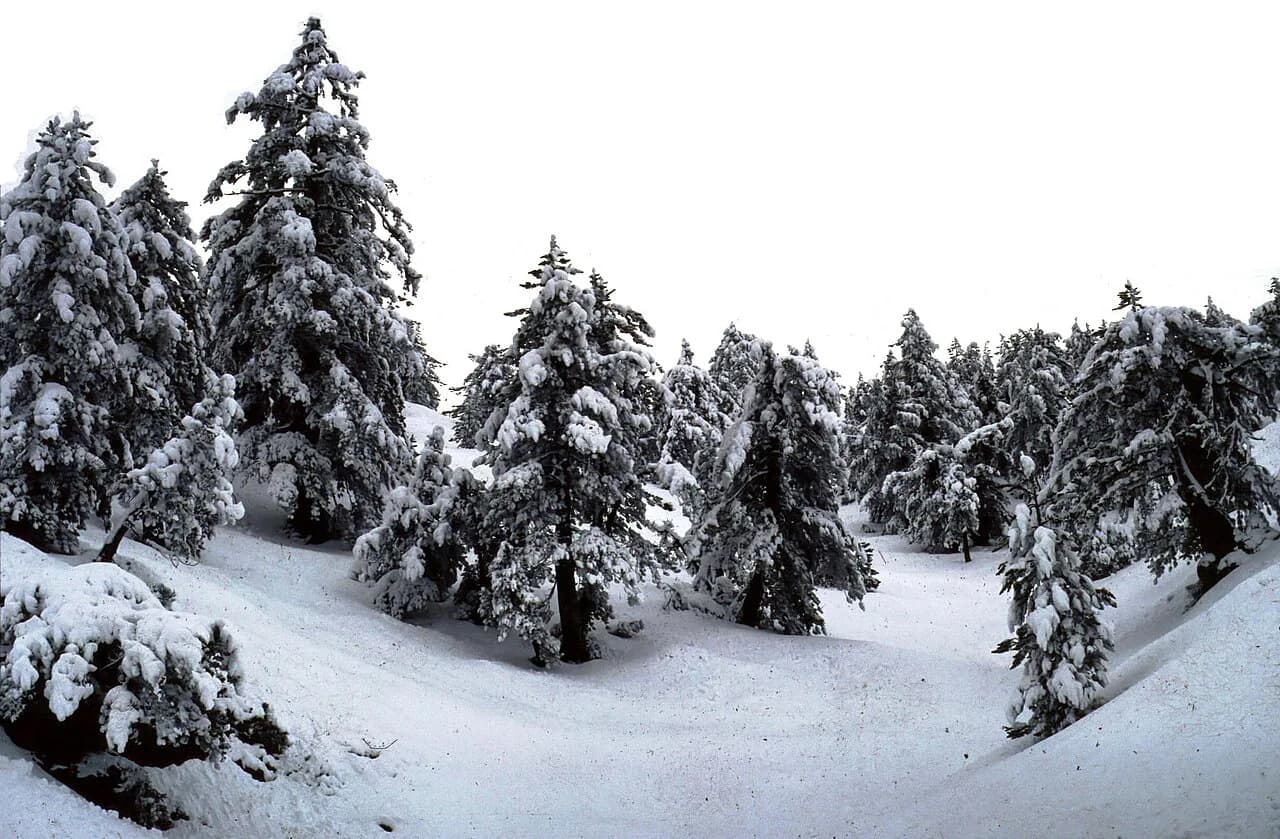
The islands are the mildest option, with February averages around 11–12°C (52–54°F); Crete reaches typical highs of about 16°C (61°F) in the warmest part of the day. That is pleasant for walking and sightseeing, not for sunbathing. Snow is possible in the northern mainland mountains and occasionally reaches low-lying areas, so read our guide to whether it snows in Greece and where before you plan mountain driving, and see the wider Greece in winter picture if you are weighing February against other months.
Daylight is the practical constraint: February days are still short, so plan outdoor sights for the middle of the day and save museums, markets and long lunches for the edges. Sunset comes early enough that a late-afternoon hill climb can turn into a walk back in the dark, and many archaeological sites close earlier in winter than in summer. Check official opening hours for the specific site you care about before you set an itinerary around it.
Sea Temperature and What It Means for Ferries
The sea around Greece typically sits at about 15°C (59°F) in February, which is bracing rather than inviting for most swimmers. Cold-water swimmers do go in, but this is not a month for beach days, and coastal tavernas and beach facilities operate on a winter footing or not at all. The upshot is that February rewards inland and urban Greece far more than the coastline.
Inter-island ferry schedules thin out considerably outside the summer season, and winter crossings are more exposed to wind and swell. Rather than assuming an island-hopping route will work, pick one base and look up sailings for your dates. If you want a short island fix from Athens, the Saronic Islands are the most realistic add-on, and our Greece in November guide shows how shoulder-season ferry logic works in practice.
Athens in February
Athens is the strongest reason to come in February. The Acropolis, the Ancient Agora and the Temple of Olympian Zeus draw a fraction of their summer traffic, so you can walk the archaeological circuit without queueing, and the Acropolis Museum gives you a warm, dry morning when the rain sets in. Lines at the major sites are short to non-existent this month, though exact winter hours vary by site, so confirm them with the Hellenic Ministry of Culture before you go.
The city is a walking city in cool weather: Plaka and Monastiraki for cobbled lanes and street food, the National Archaeological Museum for a half day indoors, and Mount Lycabettus for the view when the sky clears. Watch the Changing of the Guard at Syntagma Square, then duck into a café when a shower passes. The Greece in January guide is useful if you are comparing the two months for a city break.
Food is the other draw. Winter is the season for fasolada (bean soup), slow-cooked meats and hearty stews, and the Varvakios Agora market is at its most atmospheric when locals are shopping rather than tourists photographing. Bakeries sell koulouri rings all year, and a morning coffee with one is the cheapest way to warm up between sights.
Carnival Season and the Run-Up to Lent
February usually brings Apokreas, the Greek Carnival season, which peaks in the week before Lent. In 2027 Carnival Tuesday falls on 9 February and Ash Wednesday on 10 February, so the loudest parties, costume parades and street eating cluster in the days before that. Cities and islands mark it differently: Athens and Piraeus stage parades and costume events, while some island towns are known for their own distinctive Carnival customs.
Tsiknopempti, the Thursday of grilled meat that falls in Carnival week, fills tavernas and streets with smoke and crowds, and restaurants lean into special menus as Lent approaches. Expect busier city center evenings and booked tables during this stretch, and quieter museums by day. If you are in Greece over the Christmas period instead, our Christmas in Greece guide covers the festive side of the calendar.
The Islands in February
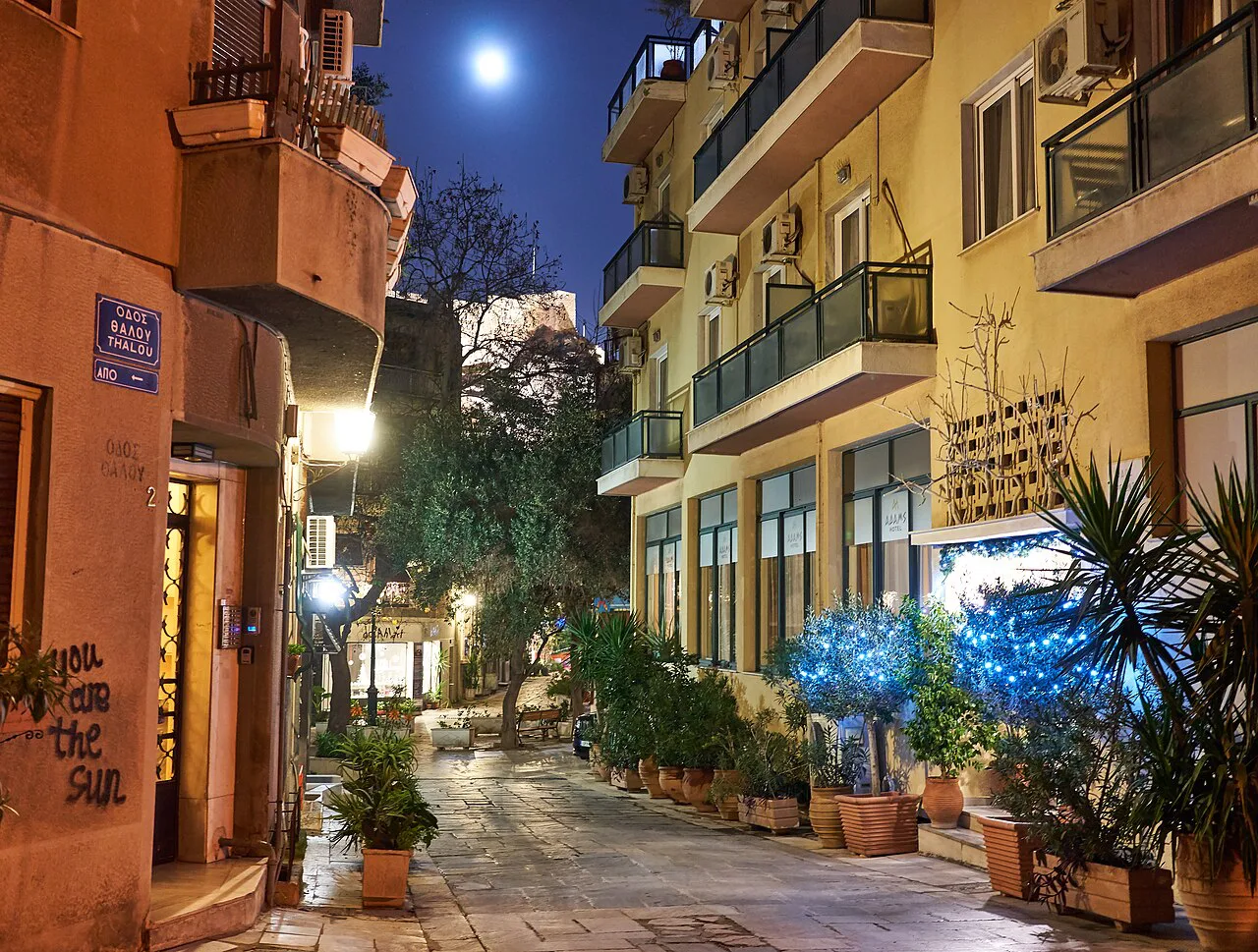
Only some islands are realistic in February. Crete, Rhodes and Kos stay mild enough for walking and sightseeing, and their towns and archaeological sites remain the main attraction while resort strips and beach businesses wind down. Smaller Cycladic islands can feel shuttered, with limited ferry connections and many seasonal businesses shut, so they suit travelers who want solitude and accept reduced services.
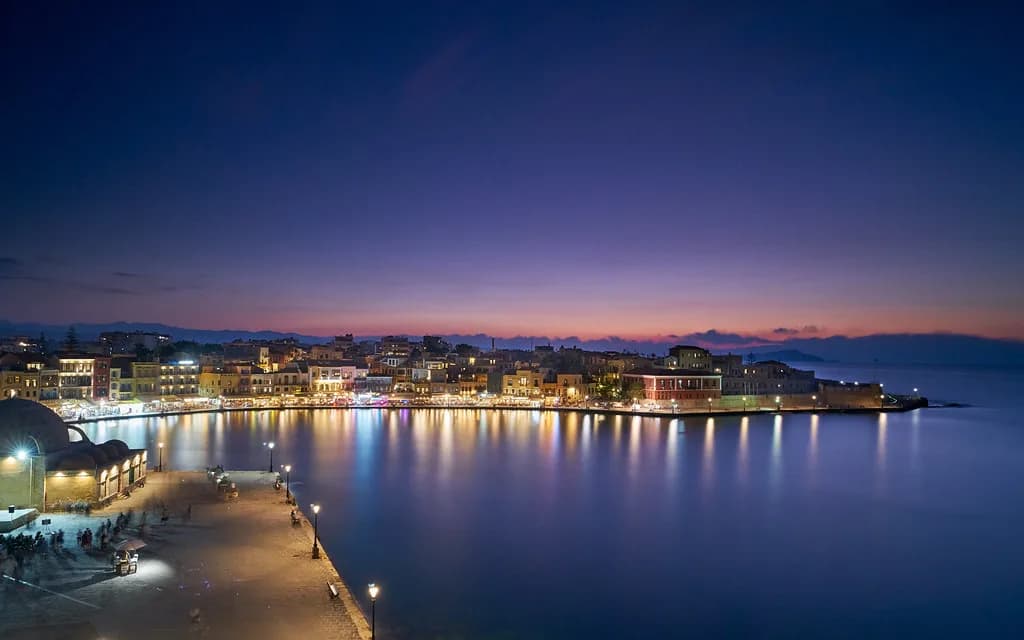
Crete is the biggest island and the easiest to fill a week on in cool weather: the Heraklion Archaeological Museum, the old towns of Chania and Rethymnon, and mountain villages all work when the coast is too cold for swimming. Rhodes adds the medieval Street of Knights and the Lindos Acropolis without the summer crush, and Kos is a short hop from the Turkish coast with Roman and Greek ruins around Kos Town. See our Crete in February guide for a closer look at the island's winter rhythm.
Corfu is a different proposition: green, wet and very quiet in February, with the Old Fortress and town architecture as the main draw rather than the beaches. It suits a couple of slow days if you are already in western Greece, not a dedicated beach holiday. Our Corfu in February guide sets out what the month actually feels like there.
What Is Open in Winter and What Scales Back
Major archaeological sites and state museums generally stay open year-round, often on reduced winter hours, while beach clubs, seasonal hotels and many coastal restaurants close or cut back from late autumn. In Athens the core sights and museums remain fully operational, which is why the city is the safest February base. For any specific site, check opening days with the Hellenic Ministry of Culture or the site's own listing rather than relying on summer guides.
Outside the cities, expect a slower rhythm: fewer tavernas open in resort areas, limited ferry schedules and mountain roads that can be affected by snow. This is a month for places where people actually live year-round, which is why Athens, Thessaloniki, Patras, Heraklion and Chania work better than purpose-built resorts. If you are weighing a December city trip instead, the Greece in December guide lays out how the calendar shifts.
Things to Do
Build a February day around two or three fixed points: a museum in the morning, a long lunch, a walk or viewpoint in the afternoon. The Acropolis Museum, the National Archaeological Museum and the Benaki Museum in Athens can absorb rainy hours, and city markets such as Varvakios give you a warm, lively stop between them. In Heraklion, the Archaeological Museum is the obvious wet-weather anchor.
Food is a genuine activity this month. Winter menus run to bean soup, braised meat, horta greens and cheese, and Carnival week adds grilled meat, sweets and street food around Tsiknopempti. Seek out neighborhood tavernas rather than seafront restaurants, which are often the first to close. In Athens, the Megaron concert hall and smaller venues keep a winter program of music and opera that gives evenings a purpose when it rains.
Coastal and hill walks work on clear days: the Athens Riviera, the paths around Cape Sounion, and the lower slopes of Mount Lycabettus in the city. Winter air is clearer than summer haze, so viewpoints are often at their best. Go early enough to be back before dark, and carry a rain layer even on a bright morning.
Day Trips That Work in February
Delphi is the classic winter day trip from Athens: a two-hour-plus drive each way, an archaeological site on a mountainside, and far fewer coaches than in summer. Cape Sounion and the Temple of Poseidon make a shorter coastal run with big sea views, best on a clear day. Both are easiest with a car or an organized tour, since public transport timetables thin out in winter.
Hydra is reachable by ferry from Piraeus and is car-free, with walking trails and a harbor town that stays inhabited year-round, making it a realistic island day from Athens. Wine country in Attica offers tastings at estates that welcome visitors outside harvest, though you should book ahead. If you are planning to extend into March, our Greece in March guide shows how the calendar opens up toward spring.
Crowds, Costs and Daylight
February is close to the bottom of the Greek tourist season, so major sights are quiet, flights and accommodation are noticeably cheaper than in summer, and you can often decide on the day rather than booking far ahead. The trade-off is that fewer restaurants and ferries operate, and some island services simply do not run. Budget your savings against a more limited choice of places to eat and sleep outside the cities.
Short daylight and rain are the real costs. You will do less each day than in May, and a single wet afternoon can wipe out an outdoor plan, so weigh a museum-heavy city break more heavily than an island-hopping itinerary. If you want long evenings and reliable sun, February will disappoint; if you want empty ruins, cheap flights and warm food, it delivers.
Who February Suits
February suits urban travelers, museum-goers, food lovers and anyone who has already done the Greek islands in summer and wants the mainland without the heat. It rewards flexible planning and a tolerance for showers, and it is especially good for Athens, Thessaloniki and Crete's larger towns. It is also a strong month for Carnival if you time your trip to the run-up to Lent.
It does not suit beach seekers, families wanting guaranteed pool weather, or travelers who need frequent inter-island ferries. Those trips belong in late May, June or September, when sea temperatures rise and seasonal businesses reopen. If you are planning around the Christmas and New Year period instead, our guides to Christmas in Greece and New Year's Eve in Greece set out what to expect.
Plan Your February Trip
Treat February as a city, ruins and food month with a flexible plan: base yourself in Athens or a Cretan town, keep one indoor option per day, and check site hours and ferry sailings before you commit to an itinerary. The month's mildness is real, but so is the rain, so a waterproof layer and a tolerant attitude matter more than a packed schedule.
Book flights and rooms with the knowledge that February is cheap and quiet, then spend the savings on good meals and a guided day trip to Delphi or Sounion. If you want guaranteed sunshine, shift your dates to spring or early autumn; if you want Greece without the crowds, this is the month to go.
Frequently Asked Questions
What is the average temperature in Greece in February?
On the mainland, February averages around 10°C (50°F), with typical daytime highs near 13°C (55°F) and nights near 7°C (45°F). Athens runs slightly warmer, with highs typically between 54°F and 59°F. The islands are milder still, averaging around 11–12°C (52–54°F), and Crete can reach about 16°C (61°F) in the warmest part of the day. These are long-term averages, not a forecast.
What is the warmest place in Greece in February?
The southern islands are the mildest: Rhodes, Kos and Crete all average around 11–12°C, and Crete can see typical highs of about 16°C. None of them is warm enough for comfortable swimming, since the sea sits at about 15°C, but they work well for walking, old towns and archaeological sites.
Is February a good time to visit Greece?
It is a strong month for Athens, Crete's larger towns and food-focused travel, with short queues at major sites and noticeably lower prices than summer. It is a poor month for beach holidays and island-hopping, because ferries thin out and many coastal businesses scale back. Travelers who want reliable sunshine should choose May, June or September instead.
Does it rain in Greece in February?
Yes. The mainland typically sees around 60 mm of rain over about seven showery days, and Athens is wetter, with 80–100 mm across the month. Showers tend to be short rather than all-day, so a flexible plan with an indoor option each day works better than a rigid outdoor schedule.
Are the Greek islands open in February?
The larger islands, including Crete, Rhodes and Kos, stay inhabited, and their towns, museums and archaeological sites remain the main draw. Smaller islands can feel shuttered, with limited ferry connections and many seasonal businesses closed. Pick one base and check sailings with the ferry company before you build a route.
What is there to do in Greece in February?
Museums, archaeological sites, food markets and neighborhood tavernas are the core of a February trip, with the Acropolis Museum and the National Archaeological Museum in Athens as reliable indoor anchors. Carnival season, including Tsiknopempti, brings street events and special menus in the run-up to Lent. On clear days, coastal walks and viewpoints such as Mount Lycabettus and Cape Sounion are at their sharpest.
What should I buy in Greece?
Food is the most practical souvenir in February: olive oil, honey, herbs and cheese from markets such as Varvakios in Athens travel well and reflect the winter season. Bakeries sell koulouri rings for a few coins, and neighborhood shops stock local ceramics and textiles. Prices vary by shop, so compare before buying.
Sources
Winter travel notes
Optional updates when we add or revise winter guides.
You might also like
Continue reading
More guides you'll find useful