Genoa in Winter: Weather, Rain and What Stays Open
Genoa in winter brings cool, wet days, short daylight and quiet caruggi. See typical temperatures, rainy-day sights and what the season really asks of you.
On this page
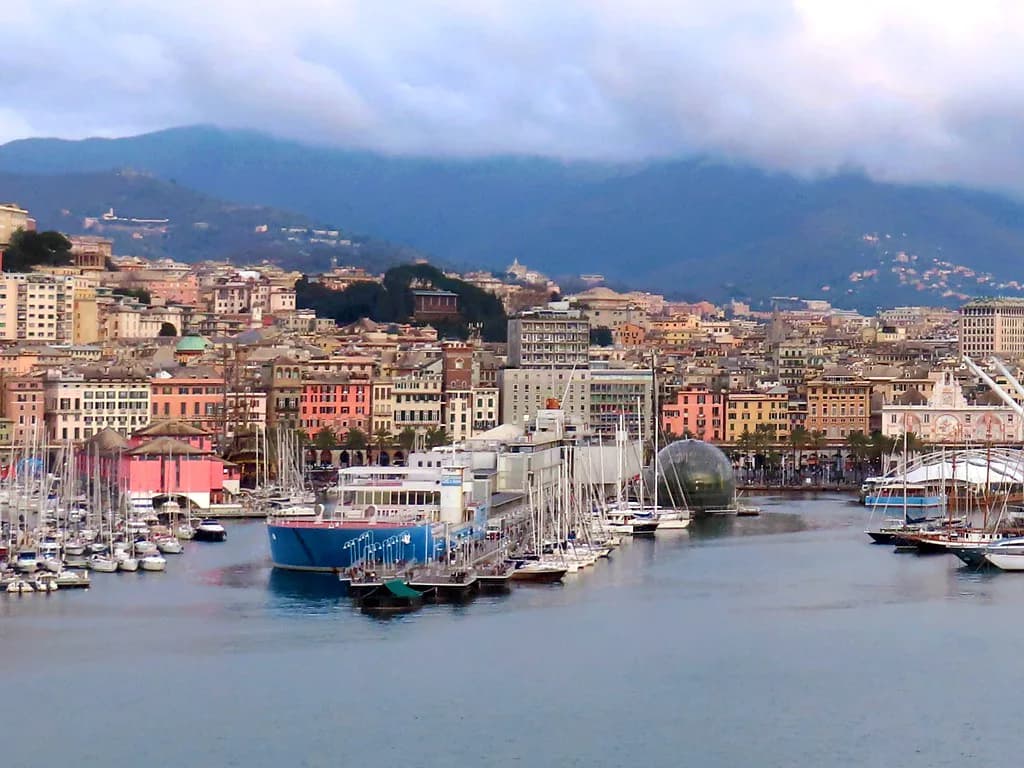
Genoa in winter is a working port city under grey Ligurian skies, not a resort in hibernation. The cold here is humid rather than sharp, rain arrives often, and the narrow caruggi of the old town empty out until the streets feel almost private. It suits museum-goers, food travelers and city-break planners who would rather have a palace gallery to themselves than a beach.
What winter feels like in Genoa
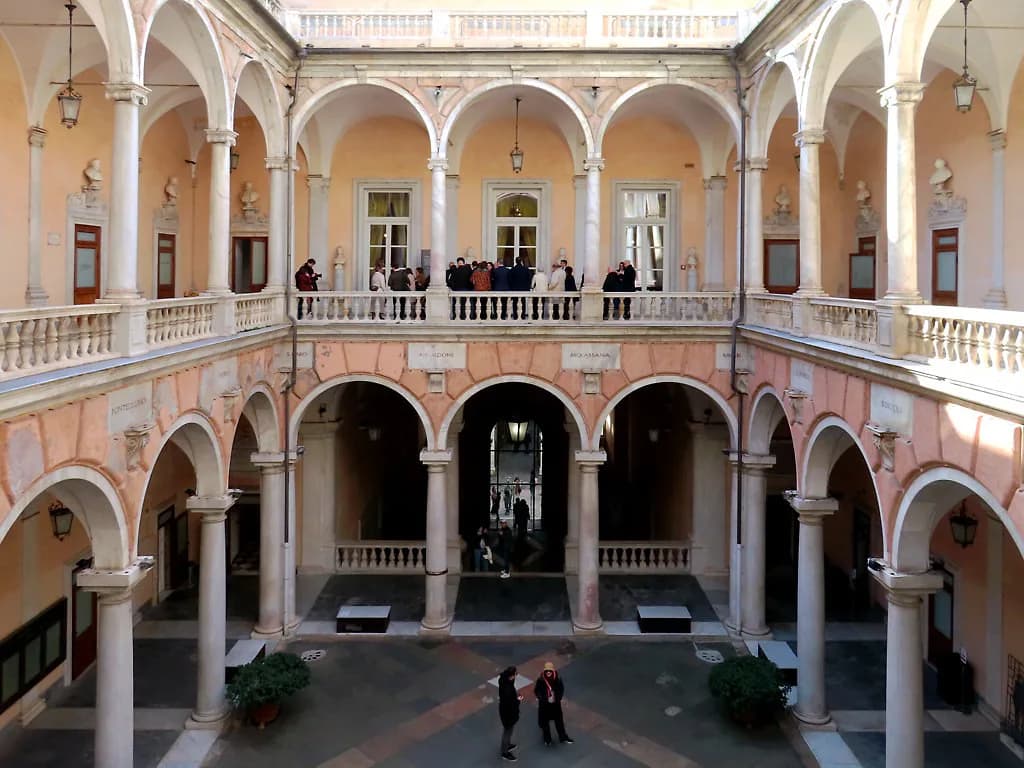
The season runs from November to March, and its defining feature is damp air off the Ligurian Sea that makes a modest temperature feel raw. That humidity also works in your favor indoors: thick stone palazzi, churches and museum halls hold their warmth while the alleys outside stay cold and slick. Plan on one thoroughly indoor anchor each day rather than a sight-by-sight schedule, and let the weather decide the order.
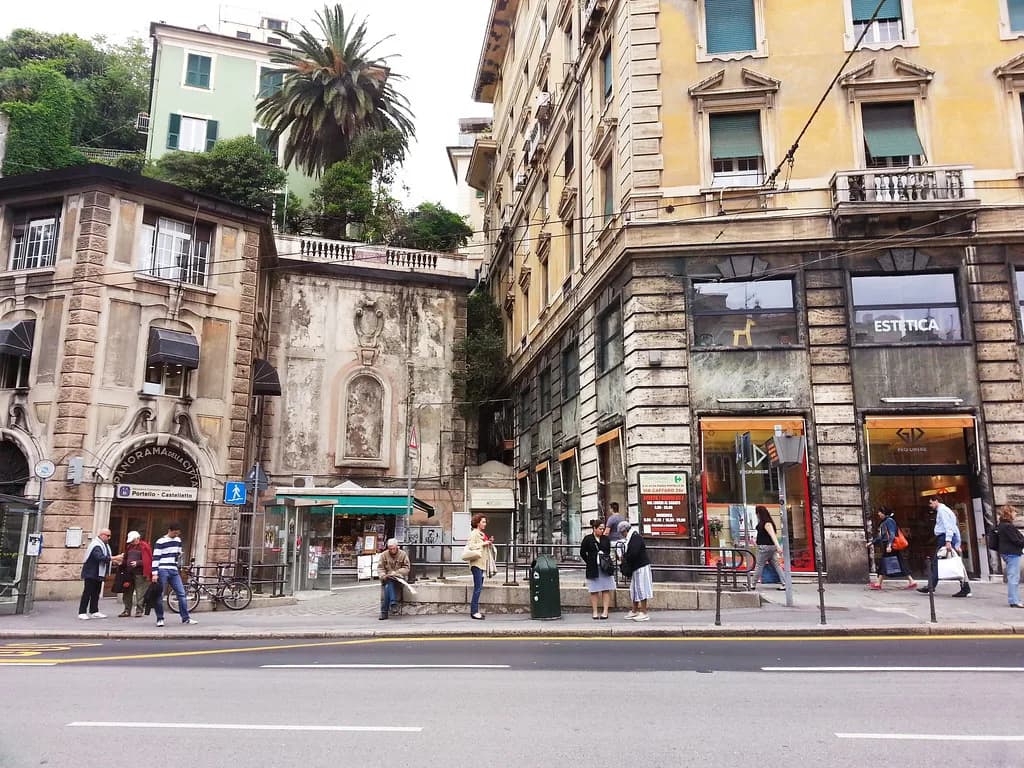
The caruggi cut two ways. Their tight geometry blocks steady rain, so you can cross much of the Centro Storico without an umbrella, but they also funnel sea wind straight through, which is why a dry forecast day can still feel bitterly cold. Walk the sheltered route to Via Garibaldi and the Strada Nuova palaces early, then retreat to a museum when the showers settle in for the afternoon.
Weather in December, January and February
January in Genoa is typically cold and breezy, with average highs of about 8°C (47°F) and lows of around 3°C (37°F) according to long-term climate averages. Daylight runs to roughly 9.3 hours, with sunrise near 7:55am and sunset near 5:10pm, so plan outdoor walks and viewpoints for the morning. These are historical averages, not a forecast.
December and February sit close to January on the thermometer, with February marginally the brighter of the two as the days lengthen toward March. Treat any single trip as a gamble between crisp, clear cold and days of steady drizzle, and build in flexibility so a washout morning costs you a museum slot rather than a whole day. Exact arrival-week conditions are worth watching on a national forecast in the days before you travel.
Bundle the middle of winter with the holidays and the calculation changes: Christmas in Genoa means lights on Piazza De Ferrari, fuller restaurants and family-driven opening hours, while January empties out again fast. If quiet streets matter more to you than festive decoration, arrive after Epiphany.
Weather in November and March
November is the milder shoulder but also the wettest bet, with rain arriving in long spells off the sea and the first genuinely cold evenings setting in. It is a good month for food and interiors, and a poor one for coastal walks. By contrast, March brightens steadily, and European clocks go forward on 28 March 2027, which hands you an extra hour of evening light right at the end of the season.
Genoa in February still belongs to winter, but Carnival week gives the city a livelier rhythm, and Carnival Tuesday falls on 9 February 2027 ahead of Ash Wednesday on 10 February. It is the moment when friends and families fill the trattorias again, before the shoulder-season calm of early March returns.
If you are weighing Genoa against other Italian cities for the same window, the trade is straightforward: Genoa gives you a dense historic center and serious food at low-season prices, while colder inland cities give you sharper air and different museum weight. Broader context on Italy in winter helps place it, and the same logic applies if you are comparing warmer southern coasts in Amalfi in winter, where the sea air is gentler but closures bite harder. Tuscany's inland cities follow the same low-season calculus, as our guide to Pisa in winter shows.
What stays open year-round
The big indoor sights run straight through the season. The Aquarium of Genoa at the old port, the Galata Museo del Mare with its moored Nazario Sauro submarine, and the Strada Nuova museums in Palazzo Rosso, Palazzo Bianco and Palazzo Tursi all make sense on a wet day, and January queues are far shorter than summer's.
The Cathedral of San Lorenzo and its Museo del Tesoro, home to the Sacro Catino, are year-round indoor stops a few minutes apart in the caruggi. Palazzo Ducale runs temporary exhibitions through the winter months, so the palace is worth a look even when you are mainly chasing art. Confirm exhibition tickets and any timed slots with Palazzo Ducale before you build a day around one.
Entry prices and winter opening hours vary by site and by season, and the city tourism office and each museum's own page publish the current figures; some venues sell timed slots that let you skip the ticket line. Check the official pages for the museums you care most about rather than relying on a single city-wide pass assumption.
Palazzi dei Rolli and the Via Garibaldi walk
Walking Le Strade Nuove and Via Garibaldi costs nothing and works in any weather, which makes it the fallback route for a grey morning. The Renaissance facades line a single sheltered street, and you can read the whole Rolli system — the palaces that once hosted visiting dignitaries — from the pavement. Guided tours that open noble interiors run on selected weekends by reservation, so book ahead if interiors matter to you.
Some of the palaces stay private, which is part of the appeal: you are walking a working city's historic real estate, not a museum set. Pair the street with a stop at the Strada Nuova museums at one end so a shower never strands you.
Rainy-day indoor list
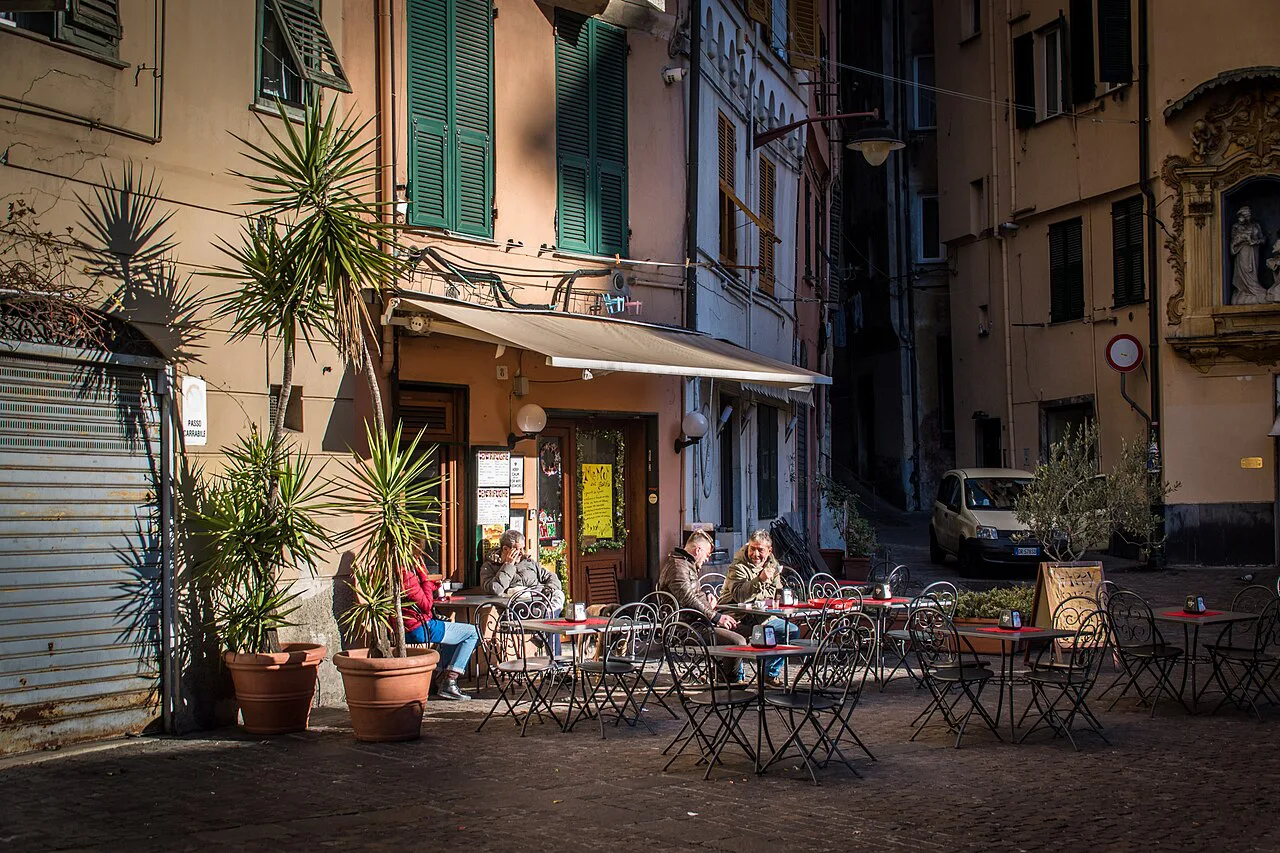
Beyond the headline museums, Genoa's wet-weather options are unusually good. The Mercato Orientale food hall shelters you among winter produce and preserved fish, the monumental Bank Museum pairs Renaissance art with dry interiors, and small bindery and craft workshops in the old town demonstrate medieval techniques. Caffè degli Specchi, with its gilded rooms and thick hot chocolate, is the classic place to wait out a downpour.
Several of these are small, family-run or seasonal in their opening days, so a phone call or a look at the venue's own page before you cross town saves a wasted walk. Keep two indoor options per afternoon in mind and choose on the day.
Viewpoints on a clear cold day
Save the high ground for the crisp mornings between weather fronts. The Spianata di Castelletto, reached by an Art Nouveau lift, gives you rooftops and harbor in one sweep, while the Bigo lift over the old port hoists you above the marina for a short, sharp panorama. Both are quick visits that reward a cloudless sky and punish a foggy one.
Aim for late morning, when the low winter sun has burned off the worst of the haze and the light still reaches the facades. If the day turns, swap the viewpoint for the aquarium or Galata and try again tomorrow.
Winter food in Genoa
Winter is when Genoese cooking is at its most comforting. Farinata and fugassa con formaggio come out of wood-fired ovens, pansoti arrive under walnut sauce, and trofie al pesto is a year-round staple that tastes better when the basil is the point of the meal. Winter seafood and Rossese reds from the nearby hills round out a long lunch.
The food calendar has its own rhythm: the January feast of Sant'Antonio Abate marks the reopening of neighborhood ovens after the holidays, when chestnut-flour cakes appear. Plan one proper sit-down lunch rather than grazing, because Genoa's winter tables are built for lingering.
Christmas, New Year and Epiphany
Christmas Day 2026 falls on a Friday and New Year's Day 2027 on a Friday, which gives both weeks a long-weekend shape. Expect Piazza De Ferrari to be lit for the season and restaurants to fill with families; the markets are a pleasant evening stroll rather than the reason to come.
Epiphany on Wednesday 6 January 2027 brings the Three Wise Men procession and the burning of the Befana, a symbolic figure tied to the holiday. It is the last big communal moment before the city settles into its quiet January.
Getting around in winter
Buses, the metro, funiculars, lifts and the Navebus boat cover the city, and a single ticket is valid for 110 minutes across the urban network, with a 24-hour pass available for unlimited travel on the same services. That structure suits winter well: you can hop a funicular uphill and walk down without buying a second fare. Fares and pass contents are set by the local transport operator and change, so confirm the current ticket at a machine or the operator's site.
The historic center is compact enough to walk, but the hills are steep and the rain makes stone slippery, so use the lifts and funiculars for the climbs rather than saving a few minutes on foot.
Day trips that work in winter
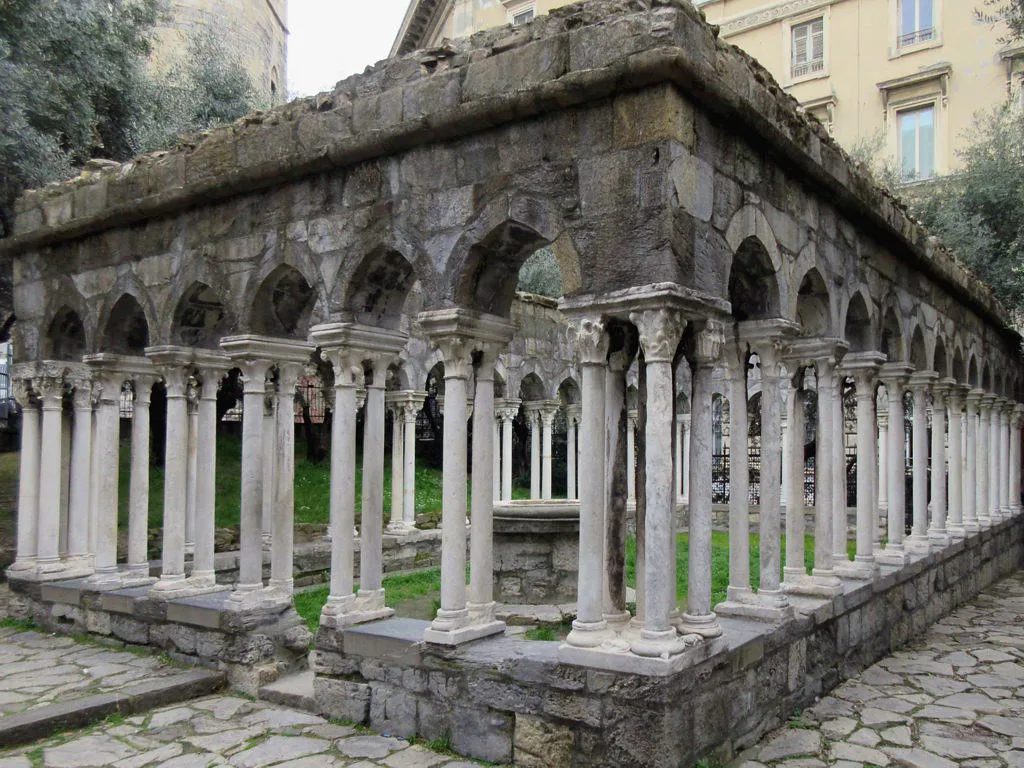
Cinque Terre's villages are a short train ride away and far quieter in winter, which makes the cliffside towns and their trails pleasant rather than packed. Check the coastal rail timetable before committing, since some services run reduced winter schedules.
Closer in, Boccadasse and the Passeggiata Anita Garibaldi make a good dry-morning walk along the sea cliffs, with bars and trattorias for a warm stop. On a clear day the Casella mountain railway climbs out of the city into the hills, a genuine escape from the drizzle.
What closes or slows
Not everything runs at summer pace. The Second Piano Nobile of Palazzo Reale closed for lighting modernization from 13 January to 28 February 2026, while the Apartment of the Crown Princes stayed open on a combined ticket with Palazzo Spinola. That window has passed, but the lesson holds: check the palace's own notice before counting on the upper galleries.
Expect reduced winter timetables on some coastal services and shorter hours at smaller sites. The pattern is consistent: major museums and the aquarium hold their schedules, while minor sights and seasonal operators trim theirs.
Who winter in Genoa suits
Winter suits travelers who want uncrowded palaces, serious food and a city that behaves like itself rather than a tourist set piece. It does not suit anyone chasing sunshine, long coastal hikes or late evenings outdoors; humidity in poorly heated buildings and darkness by late afternoon are the real costs, not extreme cold.
If you want warm light and dry paths, choose May or September instead. If you want Genoa's interiors and its winter table with almost nobody else in them, come between November and March and accept that the city will give you rain on at least part of the trip.
Plan Your Winter Trip to Genoa
Build each day around one indoor anchor — a museum, a palace or a long lunch — and leave the rest to the weather. The Aquarium and Galata fill a wet afternoon, Via Garibaldi fills a dry one, and the viewpoints pay off only on a clear morning.
Book the big sights ahead for the holiday weeks, keep your plans flexible around the rain, and treat the short days as permission to slow down. Genoa in winter rewards travelers who plan for grey skies instead of hoping around them.
Explore more Genoa winter guides
Frequently Asked Questions
Is Genoa worth visiting in winter?
Yes, if you want Genoa's museums, palaces and food without summer crowds. The trade is humid cold, frequent rain and short days, with sunset near 5pm in January and daylight of roughly nine hours. Travelers chasing sunshine or long coastal walks should look at May or September instead.
How cold does Genoa get in January?
Long-term averages put January highs at about 8°C (47°F) and lows at around 3°C (37°F), with breezy conditions common. The humidity makes those temperatures feel raw, especially in the narrow alleys where sea wind funnels through. Treat the figures as typical conditions rather than a forecast.
Does it rain a lot in Genoa in winter?
Rain is frequent from November through February, and it often arrives in long spells rather than quick showers. The caruggi shelter you from steady rain but channel cold wind, so plan one indoor stop each day and keep a second option in reserve. Watch a national forecast in the days before you travel.
Is the Aquarium of Genoa open in winter?
The Aquarium of Genoa operates year-round at the old port, along with the Galata Museo del Mare and its submarine. Winter is when queues are shortest, which makes it a strong wet-day anchor. Reserve a timed entry slot during the Christmas and New Year weeks.
Can you visit Cinque Terre from Genoa in winter?
Yes, the villages are a short train ride away and much quieter in winter. Some coastal rail services run reduced winter timetables, so check departure times before you commit to a day out. Pair the trip with a dry forecast and start early to make the most of the daylight.
What is open in Genoa over Christmas and New Year?
Christmas Day 2026 falls on a Friday and New Year's Day 2027 on a Friday. Major museums and the aquarium hold their schedules through the holidays, while smaller venues and family-run restaurants may trim hours around the two dates. Confirm the individual venue's holiday hours before you rely on it.
What food should you try in Genoa in winter?
Look for farinata and fugassa con formaggio from wood-fired ovens, pansoti with walnut sauce, and trofie al pesto. Winter seafood and Rossese reds from the nearby hills complete the picture. Book a proper sit-down lunch rather than grazing, because Genoa's winter tables reward lingering.
Should you choose Genoa or Portofino in winter?
Genoa gives you a working city with indoor culture, food and transport that function all winter. Portofino is a small resort whose appeal is largely seasonal and coastal, so it makes a short outing rather than a base. If you want a full winter itinerary without depending on fair weather, base yourself in Genoa.
Sources
Winter travel notes
Optional updates when we add or revise winter guides.
You might also like
Continue reading
More guides you'll find useful