Genoa in February: Weather, What's Open & Things to Do
Genoa in February means mild, humid days, short daylight and a city that hums for locals. Here is what to see, what is open and who the month suits.
On this page
February is Genoa at its quietest and most workaday. Rain and short light push the trip indoors, and the city answers with palaces, churches, food and one very large aquarium.
It suits travelers who want a real northern Italian port city without summer crowds and who are happy to trade beach weather for long lunches and covered lanes. Anyone hoping for reliable sun and seaside days should look at a later month instead.
Genoa in February at a Glance
February sits at the tail of Genoa's wet, mild winter. Days are typically cool and humid rather than cold, so you can walk the historic center all day if you dress for damp air and carry a compact umbrella.
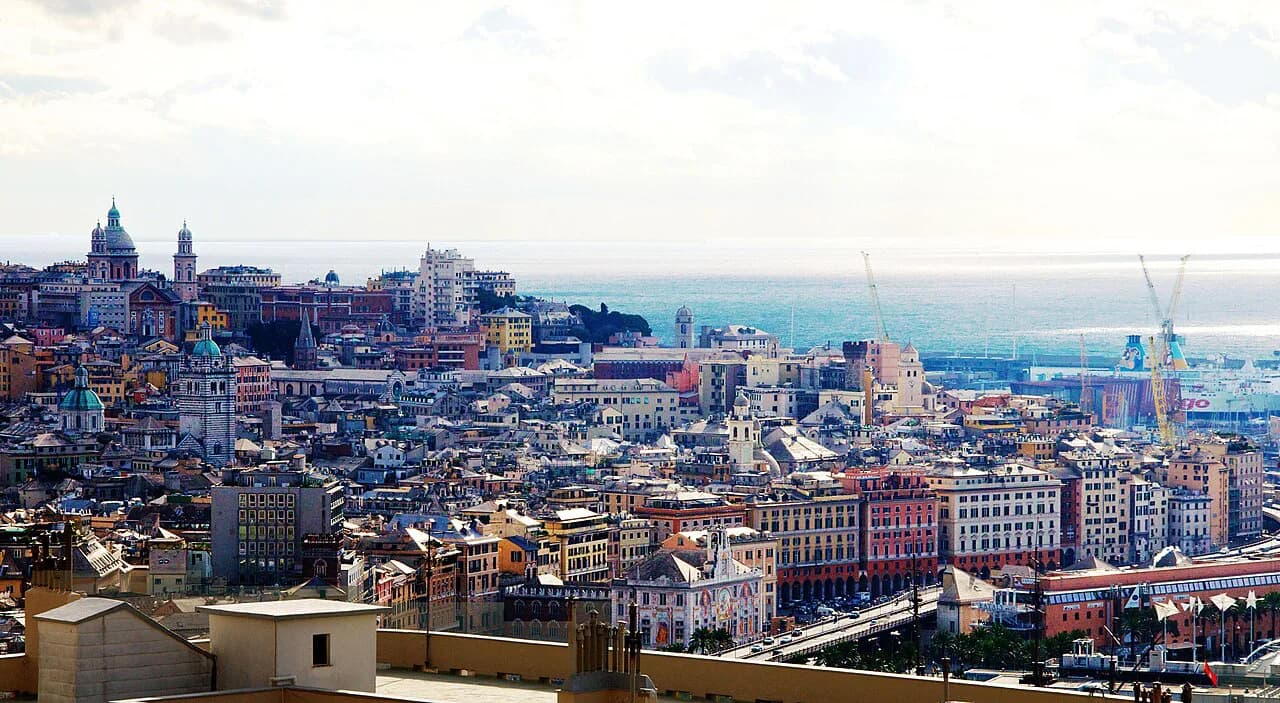
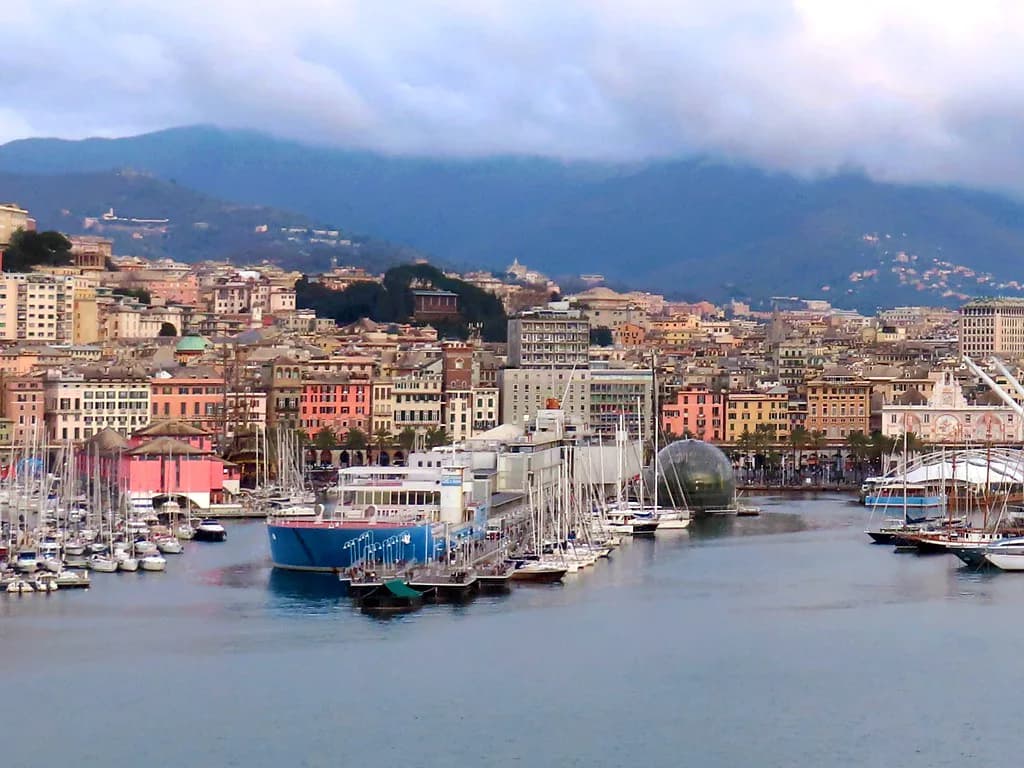
This is not a coastal holiday month. The appeal is the city itself: the old port and aquarium, the golden palazzi of Via Garibaldi, the tangled Caruggi lanes, and a restaurant scene that runs on locals through the off-season.
Who should wait? If daylight, dry skies and Riviera swimming matter to you, aim for late spring or early autumn. If you want atmosphere, food and few queues, February is a strong choice.
February Weather in Genoa
Winter in Genoa is generally mild and humid, with occasional rainfall rather than deep cold. Across December to February, average conditions sit roughly between 10°C and 11°C (about 50°F to 52°F), so a heavy parka is rarely necessary and layers that cope with damp air work better.
Read those as typical long-term averages, not a forecast. Rain arrives on and off through the month, and humidity makes the air feel cooler than the number suggests, especially in the shaded Caruggi.
Further inland and up on the ridges behind the city, air is colder and wetter, but coastal Genoa itself stays moderate. That mildness is why February walking in the center is comfortable in a way that the Alps are not.
Daylight and the Rhythm of a February Day
Days are still short in February. Light comes in the morning and fades by late afternoon, which shapes the day: mornings are for outdoor wandering, afternoons for palaces, churches, museums and lunch.
Plan the Caruggi and the waterfront before a long mid-afternoon meal, then spend the last of the light in a museum or a café. By evening the center is dark early but the restaurants come alive, and the dining is one of the best reasons to come now.
The short day is a real trade-off. If you want long street time, a March or April visit gives noticeably more daylight, at the cost of slightly more visitors.
What Winter Changes: Museums, the Aquarium and the Old Port
The Aquarium of Genoa, in the old harbor district, is the obvious rainy-day anchor: it is the largest aquarium in Italy and a good way to spend a wet morning or afternoon indoors.
Around it, the Porto Antico waterfront and the many Rolli palaces give you plenty of cover on a wet day. The Palazzo Ducale and Via Garibaldi's palazzi make a natural circuit inside the historic center.
Expect some operators to run reduced hours or weekend-only schedules out of season, and confirm the aquarium's February hours and tickets with the Aquarium of Genoa directly. That is the one place in this guide where a quick online check pays.
Ferries and boat trips are exactly the kind of thing that thins out in winter, and expecting a full summer timetable would be a mistake. Build the trip around the city and treat any available boat as a bonus.
What Runs Year-Round in Genoa in February
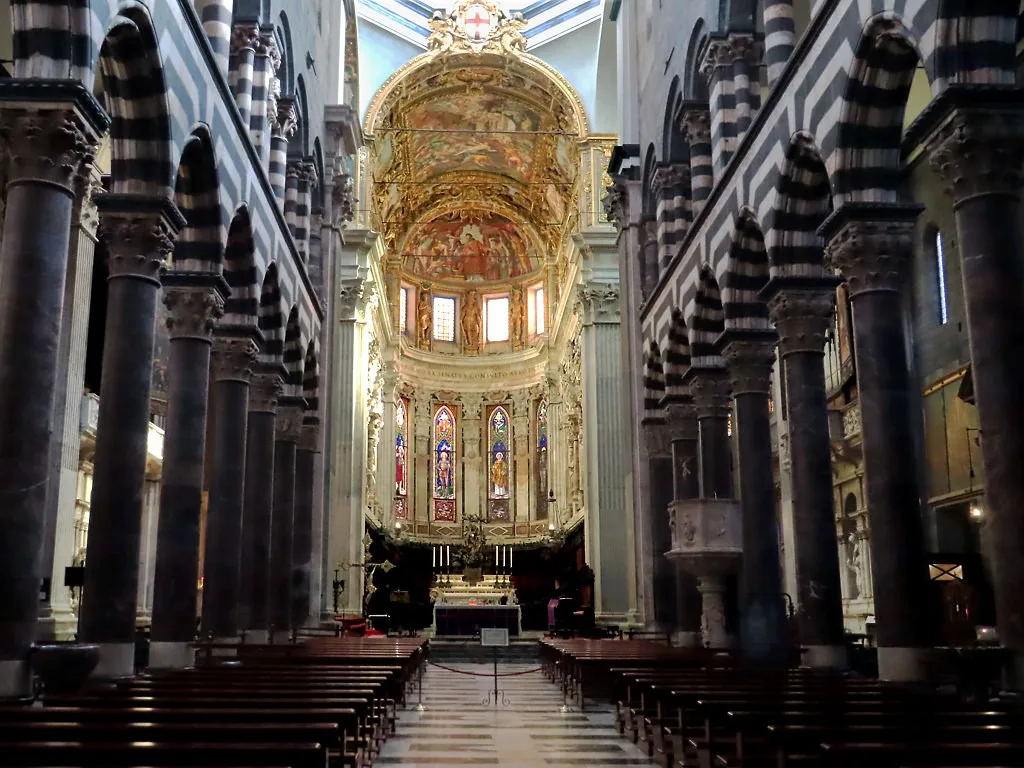
Away from seasonal coastal businesses, a lot of Genoa is open. The churches, the historic center, the palazzi of the Rolli system, the food markets and the neighborhood restaurants largely carry on through the winter.
The Caruggi lanes and the waterfront are open to walk all through the season, and the food culture keeps going: focaccia, pesto, farinata, street food and slow family meals that suit cold, damp days.
If you want to see how the city works before and after the holidays, that page makes a useful comparison.
Carnival and Late-Winter Dates on the Calendar
February in Italy often means Carnival. Ash Wednesday falls on 10 February 2027, so Carnival Tuesday is 9 February 2027, and the days before are when costume parades and festivals happen across the country.
Genoa's own Carnival is a city event rather than a famous international spectacle, so the week is more about local family celebrations and neighborhood fun than giant floats. Treat it as a date to plan around and look at what the city's tourism office publishes for February.
If your dates run into the Christmas period instead, Christmas in Genoa is a very different city: lights and markets rather than quiet lanes.
Things to Do in Genoa in February: Palaces, Caruggi and Food
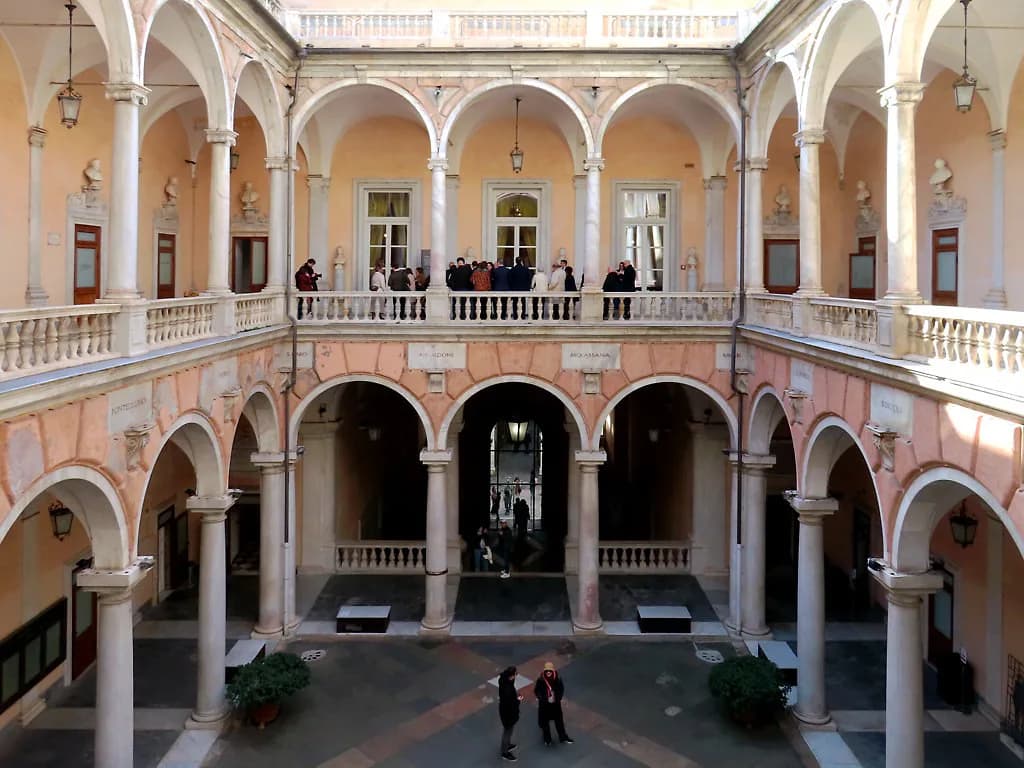
Start with the Rolli palaces, the UNESCO-listed merchant mansions that are open increasingly through the year. Via Garibaldi, with its streets, museums and grand interiors, is the heart of a cold-day circuit.
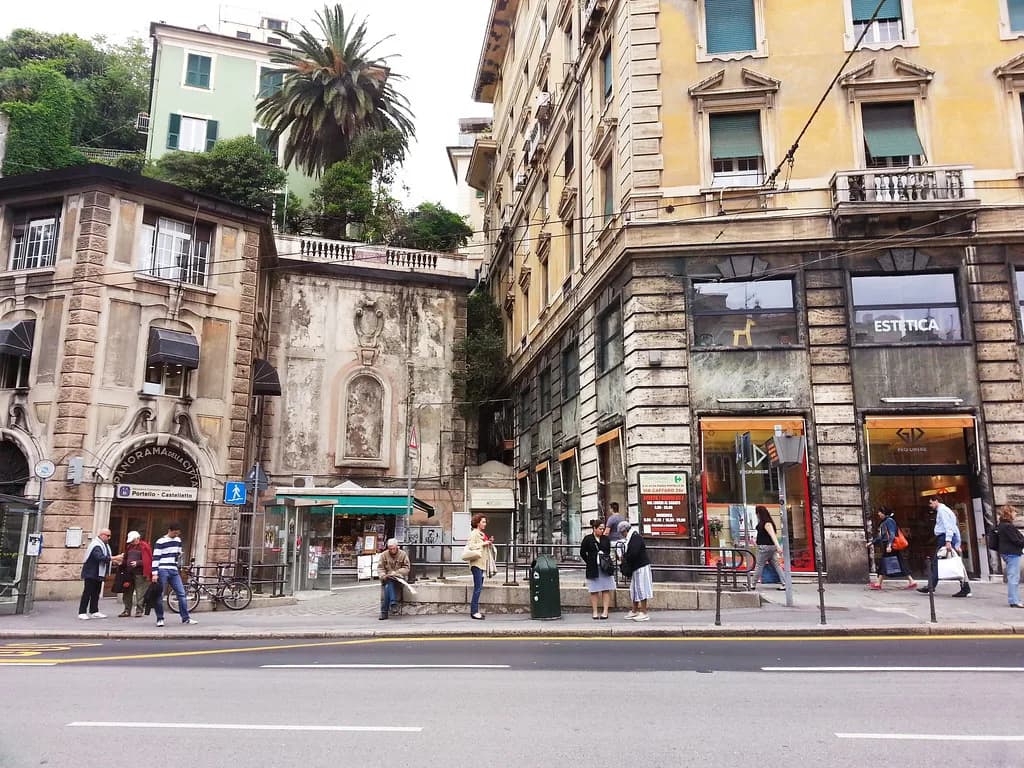
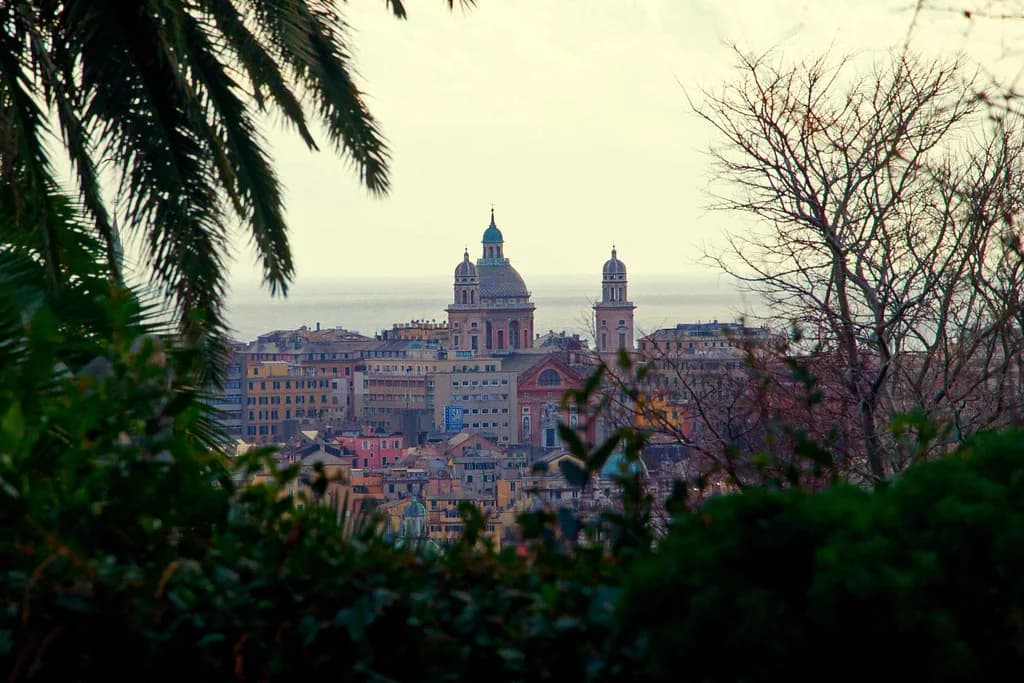
The old port, the Palazzo Ducale and the historic core all work indoors and outdoors at once. For panoramic views, walk the Ascensore Castelletto lift up to the Castelletto viewpoint and the old walls for a clear, cool look over the port and rooftops.
Eat seriously: pesto alla genovese, focaccia, farinata and the seafood of a working port. The centro storico is dense with small restaurants that stay open through the winter and fill up with local customers.
Day Trips That Work in February: The Ligurian Coast by Train
The Genoa–Ventimiglia railway runs along the Ligurian coast with dramatic views and is a fine winter day trip. Towns such as Alassio and the quieter Riviera villages make good stops, and off-season travel means trains and streets are calmer.
The trade-off is that the coast is not a beach in February. Expect gray skies, shut seasonal bars and empty promenades; go for the views and the sense of a holiday town at rest rather than for swimming.
Along the Ligurian Sea, February is for wandering and eating, not sunbathing. Plan a day trip with a flexible return rather than a packed itinerary, and accept that some seaside businesses being open is a pleasant surprise.
Crowds, Prices and the Trade-Offs of a February Visit
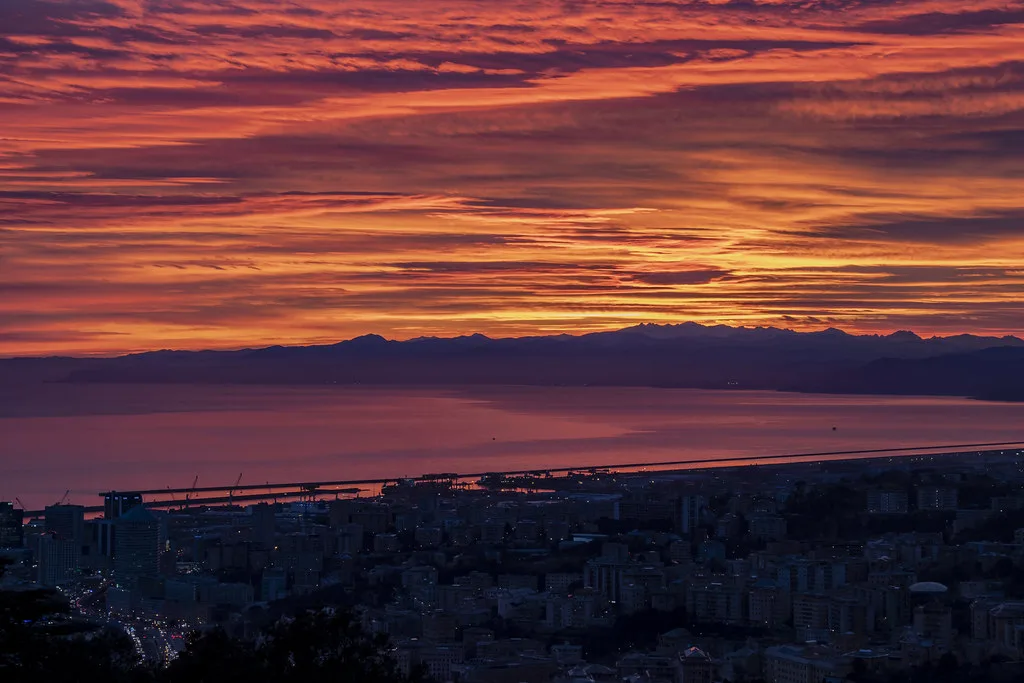
February is low season in Liguria, so crowds are modest and the pace is local. The upside is easier restaurant tables, calmer lanes and a more genuine feel than in summer.
The downsides are real: short days, frequent damp weather, and a coastal scene that has not woken up yet. Add the very limited boat traffic and you get a city break, not a beach holiday.
If you fly in from the north, February is also a good month to compare Italy's big cities on weather and events. Italy in February shows how Veneto and other regions celebrate Carnival and late winter.
Lower prices are a genuine incentive, though exact figures vary by hotel, weekend and holiday. Book after checking rates rather than trusting assumptions.
Getting Around and What to Expect on a Wet Day
Genoa is a dense, walkable city, but its many steps and steep lanes make wet days harder work. The center's lifts and the metro and rail network help you cover distance between the historic center and the waterfront.
Carry a small umbrella and shoes that cope with wet stone; the Caruggi gets slick. On heavy rain days, shift to the aquarium, the Palazzo Ducale and the museums and treat food as the day's main event.
Genoa's main station connects easily to the coast and beyond, making day trips practical even on short winter days. Pack for changeable weather and keep a flexible plan, since February light gives you less room for delays.
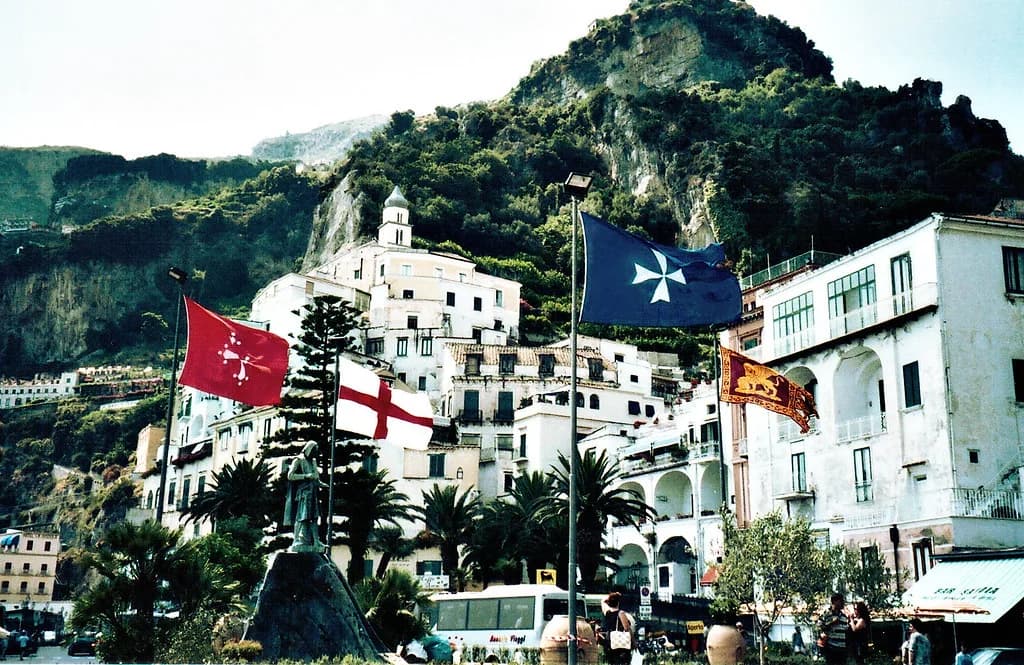
The Amalfi Coast is a very different February proposition. If you are set on a southern coastal trip, Amalfi in February shows how that region handles the winter season.
Plan Your February Visit
February in Genoa is a winter city break for people who prefer palaces, food and quiet lanes over sun and sea. Come ready for damp cool air and short daylight, and the historic center will reward you.
If you are choosing between months, February is the most local and least crowded of the winter options. If you want longer days and reliable dry weather, wait for spring.
Frequently Asked Questions
What is the weather like in Genoa in February?
Winter in Genoa is typically mild and humid, with average winter temperatures around 10–11°C (50–52°F) and occasional rainfall. February days are cool rather than freezing, and dampness makes the air feel colder in the shaded lanes. Treat these as long-term averages rather than a forecast.
Is February a good time to visit Genoa?
Yes, if you want a quiet city break built around palaces, churches, food and the aquarium. It is not a good month for beach or boat holidays, since the coast is out of season and days are short.
Does it rain a lot in Genoa in February?
February brings occasional rain rather than constant downpours, but the city is generally humid through the winter. Plan indoor backup visits and assume at least some wet hours.
Is the Aquarium of Genoa open in February?
The Aquarium of Genoa is the best-known indoor attraction in the city and the natural wet-day choice. For February opening hours and tickets, check what the Aquarium of Genoa publishes for your dates.
What is there to do in Genoa in February?
Visit the Rolli palaces on Via Garibaldi and the Palazzo Ducale, walk the Caruggi lanes, ride up to the Castelletto viewpoint, eat local food, and see the Aquarium of Genoa. Day trips along the Ligurian coast by train are possible but coastal towns will be quiet.
Who should avoid visiting Genoa in February?
Travelers wanting sun, swimming and a working beach scene should wait until late spring or early autumn. Anyone who needs long daylight hours for extensive walking will also find February limiting.
Sources
Winter travel notes
Optional updates when we add or revise winter guides.
You might also like
Continue reading
More guides you'll find useful