Genoa in January: What to Do and See in Winter
Genoa in January brings cool, damp days, short daylight and a quiet old town. Here is what the weather is like, what stays open and what suits a winter trip.
On this page
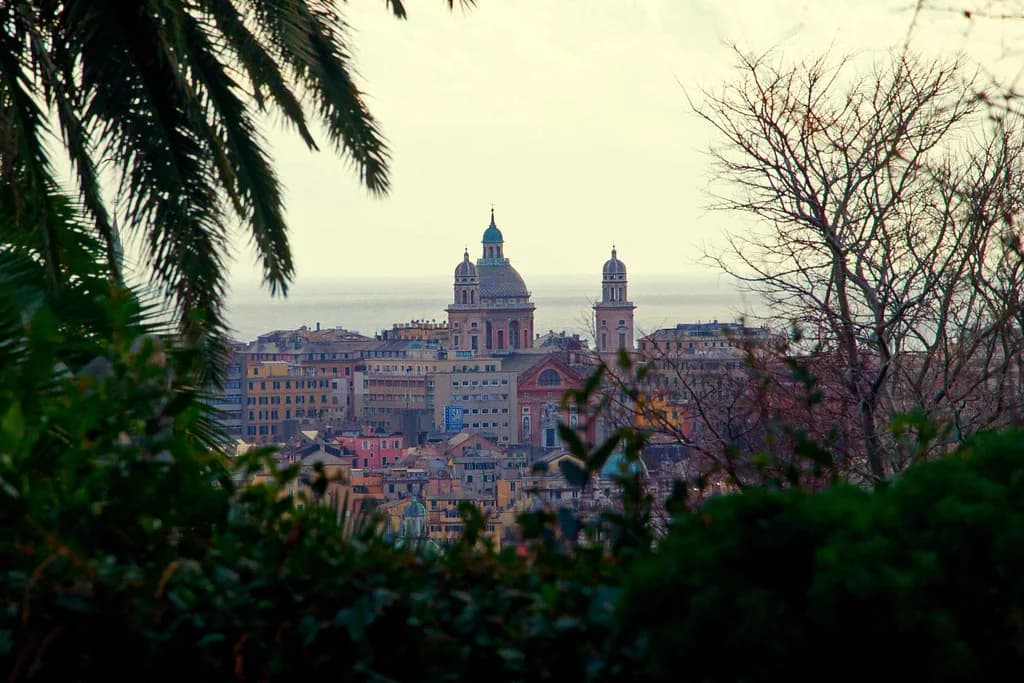
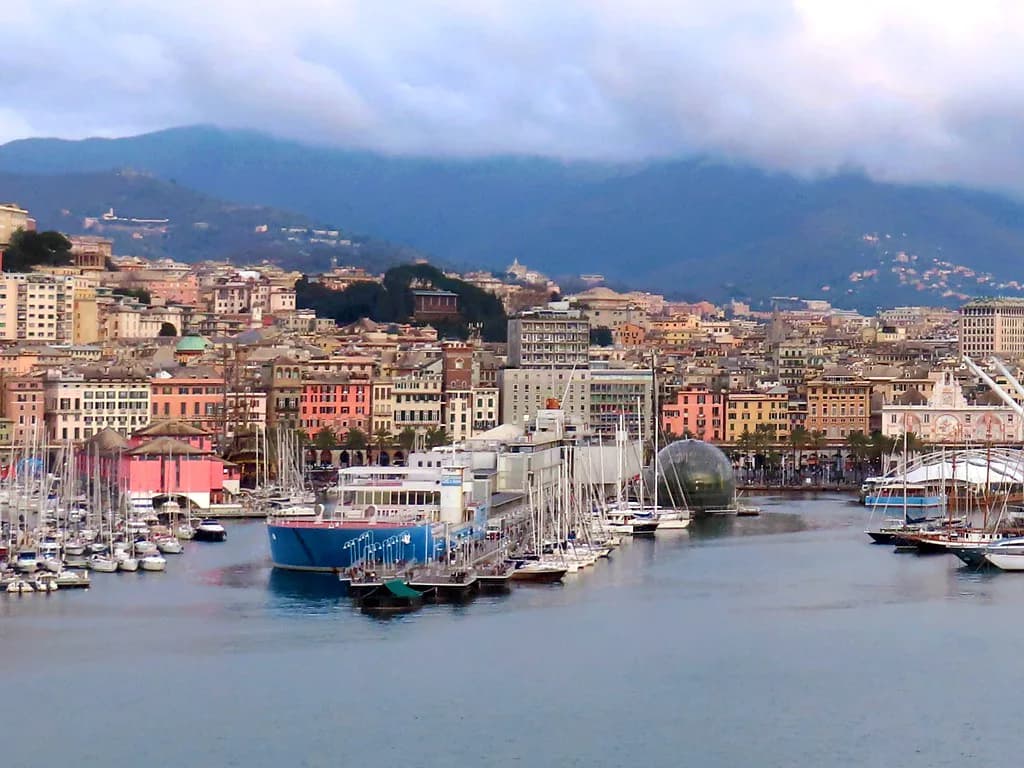
Genoa in January is a working port city in its quietest stretch, not a Riviera resort. The sea is too cold for swimming, the days are short, and rain can wipe out an afternoon, but the palaces, churches and food culture run right through the season. It suits travelers who want museums, old-town wandering and long lunches more than anyone chasing sunshine and beach time.
Weather in January
Expect cool, damp conditions rather than hard frost. The best time to visit Genoa for milder weather runs from late April to mid-June, well after January's chill, which tells you how the city's climate is generally framed. Treat any January figure as a long-term average, not a forecast, and check the Italian weather service for the week you travel, since Liguria's coastal position keeps things changeable.
Rain is the planning constraint, not cold alone. A wet afternoon can close off the waterfront walk and the hilltop viewpoints, so build each day around an indoor anchor such as a palace or church and treat dry spells as a bonus. The Ligurian Sea wind off the harbor adds a raw edge on the waterfront even when the thermometer looks moderate.
How January Compares with December and February
Genoa in December is busier and more festive, with the holiday period pulling in visitors and filling the center around Piazza De Ferrari. January starts with the tail end of that energy and then empties out fast after Epiphany, when the Christmas decorations come down and weekday streets go quiet. February is the shortest month but brings Carnival, so the city picks up again late in the season.
Daylight is the other difference, and it shapes how you plan a day more than the temperature does. The shortest days fall in late December, and by late January you gain noticeably more usable afternoon light, which makes a difference if you want a hilltop view or a coastal walk after lunch. Weekdays in mid-January are the quietest of the three months, which is exactly when you get the old town to yourself.
What Is Open in Winter
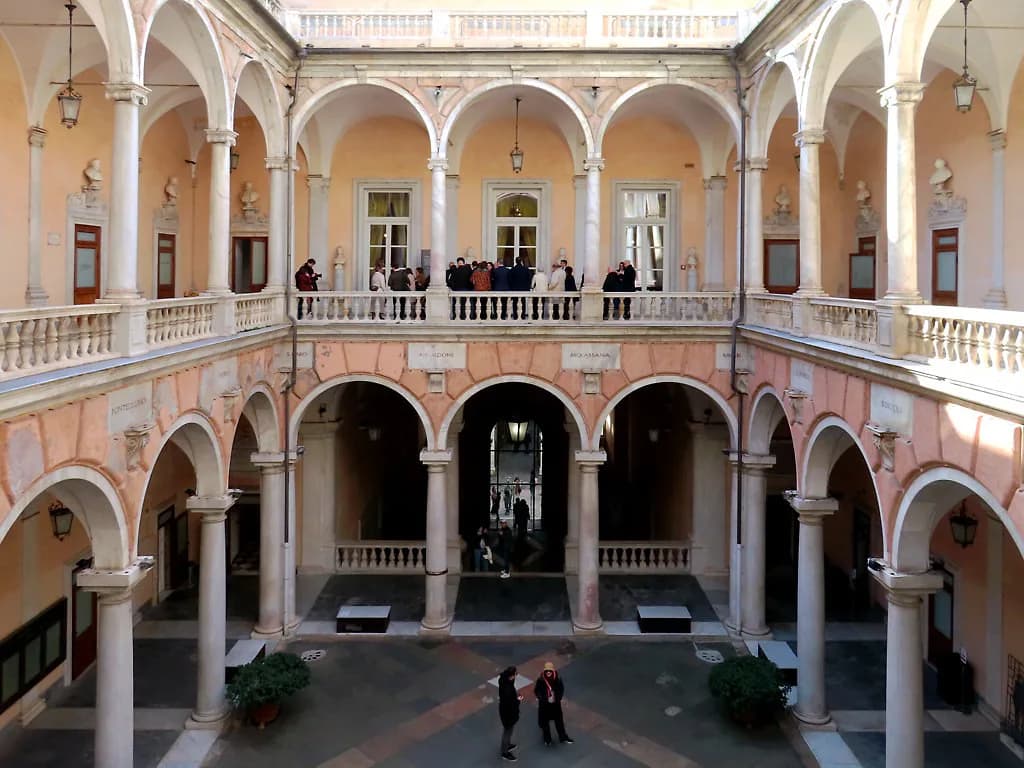
Genoa's core sights run year-round, so January does not gut your itinerary. The Cathedral on Via San Lorenzo, the church of Gesu dei Santi Ambrogio e Andrea near Piazza de Ferrari, and the Palazzo Ducale are all fixtures of the center, with the palace hosting rotating exhibitions. Walking Via Garibaldi, the Golden Street lined with historic palaces, works in any weather and costs nothing from the pavement, which makes it a dependable anchor on a short winter day.
Some attractions are seasonal rather than winter-proof, so separate the fixed sights from the fair-weather ones. The Galeone Neptune, the wooden ship moored on the harbor waterfront, and the hilltop viewpoints reached by funicular and lift are the kind of things to slot in on a clear, dry day rather than a wet one. Check the Palazzo Ducale's own exhibition program before you fix your dates, and treat harbor boat trips and waterfront activities as weather-dependent.
Things to Do in January
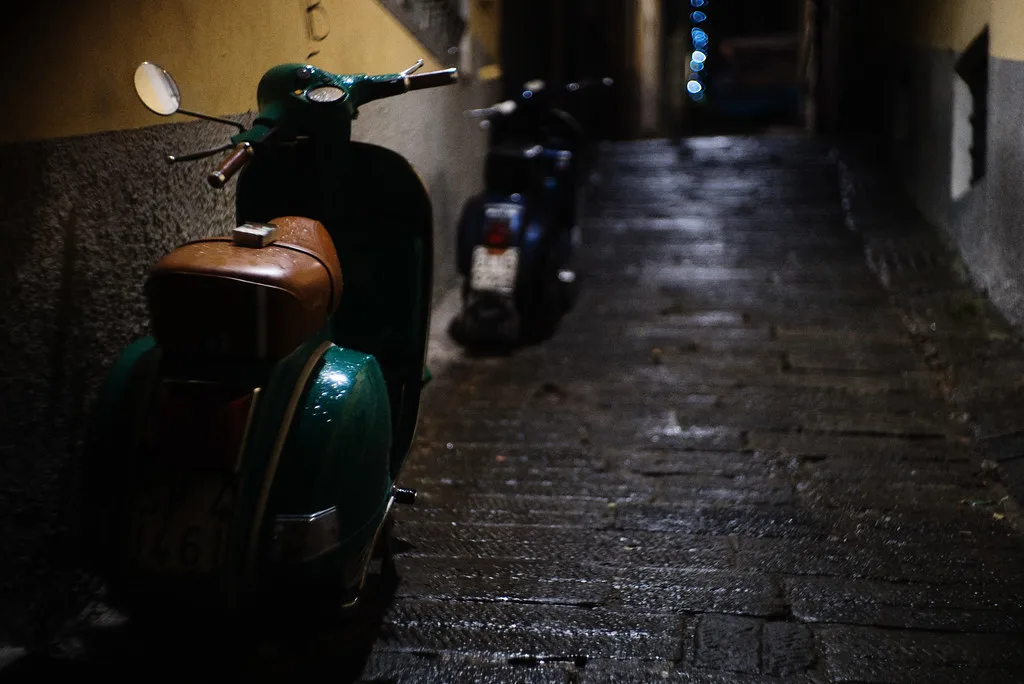
Start with the Centro storico, Genoa's dense medieval grid, which rewards slow walking and ducking into churches when the rain starts. The Spianata di Castelletto and the view from Righi give you the city from above, with the Righi funicular making the climb without a long walk. Piazza della Erbe is a natural evening stop for outdoor tables and a bite once the day's sightseeing winds down.
Food is the real indoor activity in January. Pesto, focaccia and farinata are the Genoese staples to seek out, and a long lunch is a sensible way to sit out an afternoon of rain. Pair a morning in the palaces with an afternoon in a trattoria, and keep the outdoor sights for the clearest hours of daylight.
Christmas Leftovers and Epiphany
The festive season runs through to Epiphany on 6 January 2027, which marks the traditional end of Christmas in Italy. In the days before that, the center retains some holiday atmosphere and a short stroll past the Piazza De Ferrari decorations is worth a detour. Genoa keeps its Christmas markets modest compared with northern European cities, so treat them as a small bonus rather than the reason to come.
After Epiphany the city flips back to normal life quickly. Weekday streets thin out, restaurants get easier to book, and the museums become the main draw rather than the seasonal events. If you want a quiet Genoa in January, aim for the second week onward.
Day Trips That Work in January
The Riviera day trips are realistic in January but weather-dependent. Boccadasse, the small pebble-bay neighborhood in eastern Genoa, and Nervi along the Passeggiata Anita Garibaldi are close enough to reach by local bus or train from Genoa Brignole, with the walk to Boccadasse taking about twenty minutes on bus 31. The Corso Italia waterfront promenade back into the center is a good dry-day walk, but save it for a clear afternoon given the short daylight, and the same weather-first logic applies if you are weighing Italy in January more broadly.
Farther along the coast, Santa Margherita Ligure and Portofino are reachable by regional train from Genoa Brignole, with a bus onward to Portofino. In January the harbor village is quiet rather than crowded, but many waterfront businesses trim their hours in low season, so the appeal is the scenery and the walk rather than swimming or beach time. Keep the trip short and check return trains before you set out.
Crowds, Prices and Who January Suits
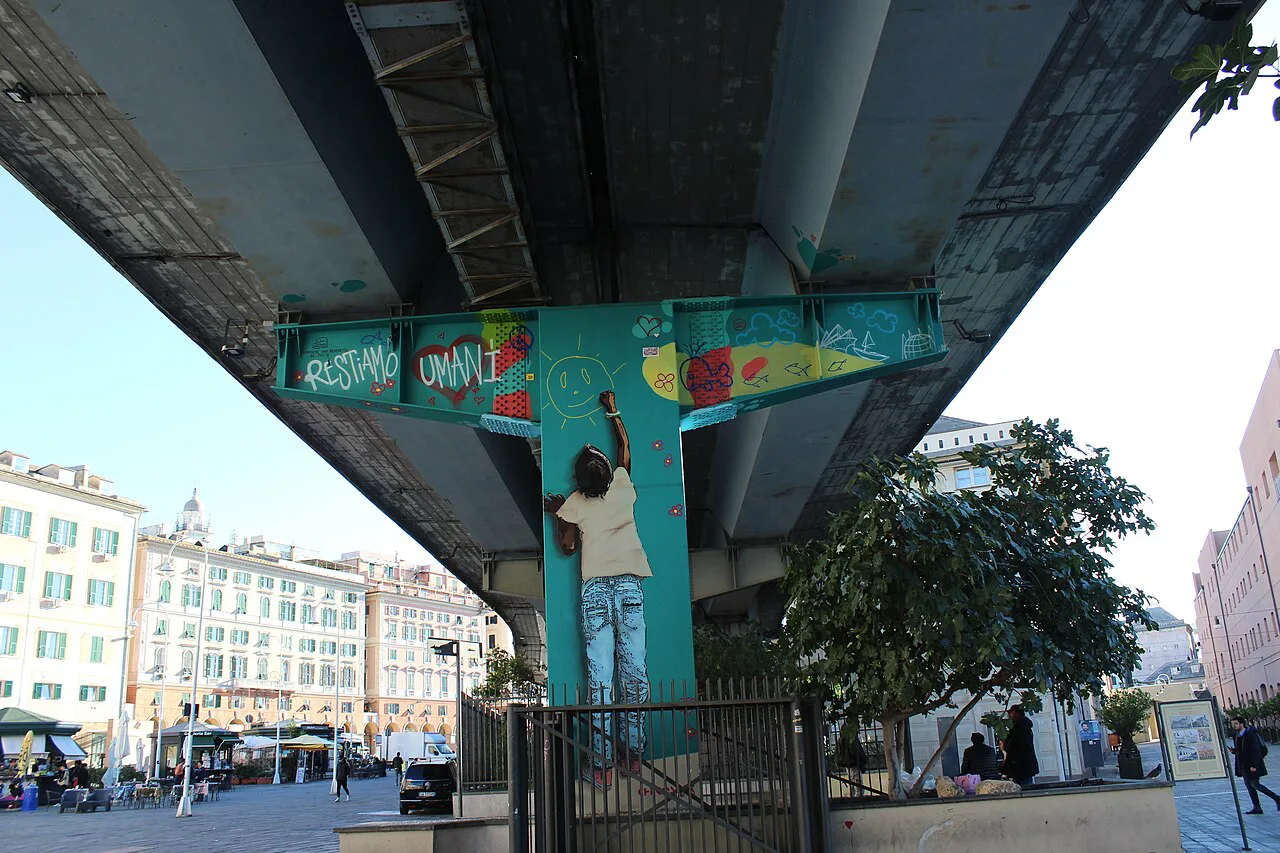
January is low season in Genoa, so you avoid the summer crush at the palaces, churches and harbor. Hotels and restaurants are easier to book than in spring or summer, though Christmas week and Epiphany still draw visitors. Expect short days, a real chance of rain and a few waterfront businesses running reduced hours, and weigh those against the quieter streets and easier museum visits.
This month suits museum-and-food travelers, slow walkers and anyone using Genoa as a base for the Ligurian coast without the summer crowds. It does not suit beach seekers, since the sea is too cold for swimming, or travelers who need long days of sunshine. If you want reliable warmth and light, pick late April to mid-June instead; if you want quiet and can handle rain, January delivers.
Plan Your Visit
Build your January Genoa trip around indoor anchors and keep outdoor plans flexible. Put the Cathedral, Via Garibaldi and a Palazzo Ducale exhibition on the fixed days, and hold Boccadasse or the Righi viewpoint for whichever afternoon looks dry. Use the funiculars and lifts to save your legs and gain the views without a long climb.
Book accommodation and restaurants with some flexibility, since low-season demand rewards early planners and rain can reshuffle a day. Check the winter hours of the Palazzo Ducale and any harbor attraction at the venue before you commit, and confirm your return train times for coastal day trips. The calmer, quieter Genoa in January is worth it if you travel for food, architecture and atmosphere.
Explore more Genoa winter guides
Frequently Asked Questions
How cold does Genoa get in January?
Plan for cool, damp weather rather than hard frost: the season's character in Genoa is mild coastal winter, but rain and wind off the Ligurian Sea make it feel raw, especially on the waterfront. Any figures you see for January are long-term averages, not a forecast, so read the Italian weather service for the week you travel.
Does it rain a lot in Genoa in January?
Rain is the main planning constraint of a January visit, more than temperature. Build each day around an indoor anchor such as the Cathedral, the Palazzo Ducale or a long lunch, and treat dry hours as the window for the waterfront, Castelletto and the Righi viewpoint.
Is January a good time to visit Genoa?
It is a good month for museum-and-food travelers and anyone who prefers quiet streets to summer crowds. It is a poor fit for beach seekers, since the sea is too cold for swimming, and for travelers who need long, sunny days. Late April to mid-June is the city's milder window if warmth matters more than calm.
Can you swim in Genoa in January?
No. The Ligurian Sea is at its coldest in midwinter and the waterfront is a place for walking, not swimming. Boccadasse and Nervi still work as short outings for the scenery and the coastal walk, with a hot lunch afterwards rather than a dip.
Is Portofino worth a day trip from Genoa in January?
It is worth it if you go for the harbor scenery and the walk, not for swimming or beach time. Regional trains from Genoa Brignole connect to Santa Margherita Ligure with a bus onward to Portofino. Winter hours at waterfront businesses vary, so keep the visit short and confirm return train times.
Sources
Winter travel notes
Optional updates when we add or revise winter guides.
You might also like
Continue reading
More guides you'll find useful