Genoa in November: Weather, Rain and What's Still Open
Genoa in November brings mild sea air, the year's wettest weeks and short daylight. Here is what the weather is like and what still runs in the old town.
On this page
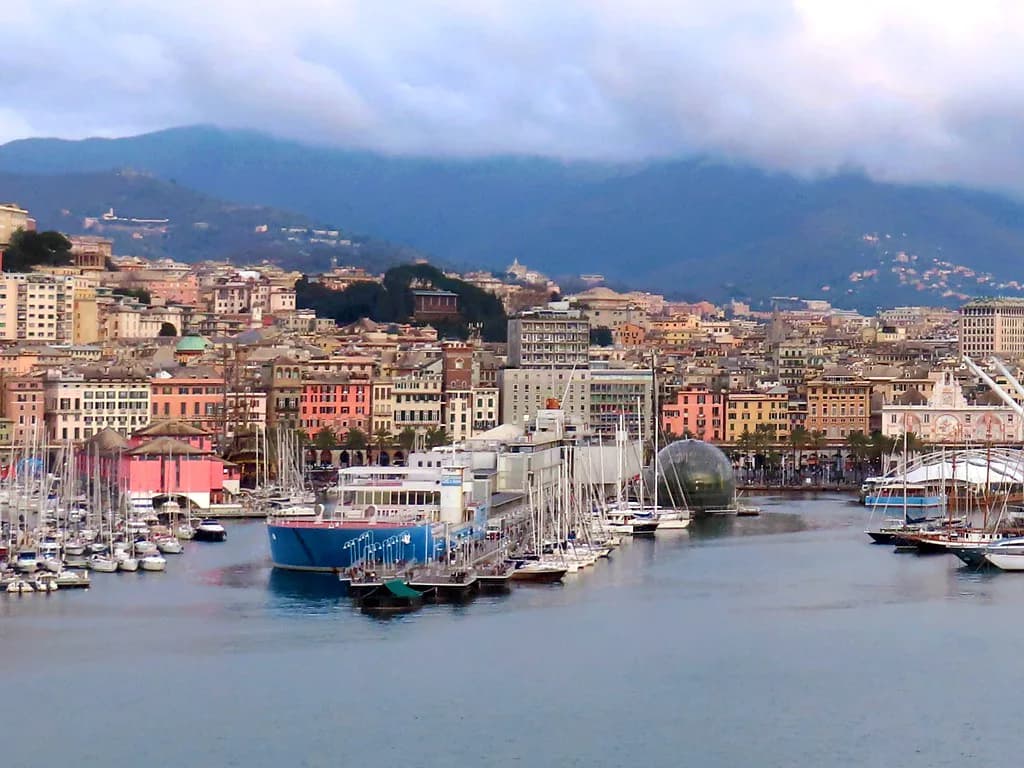
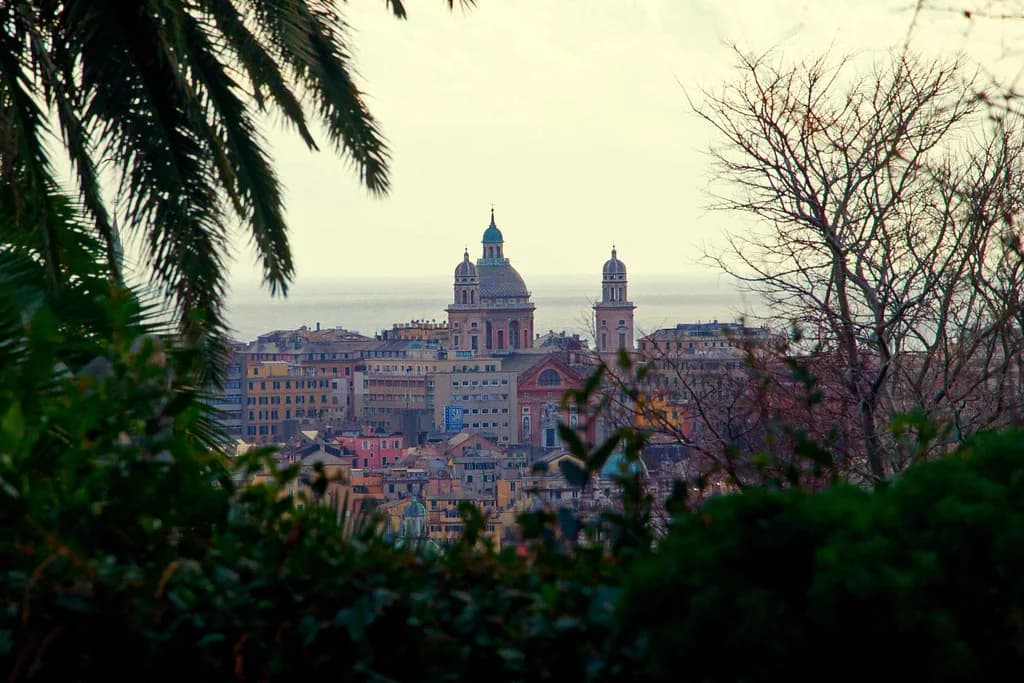
Genoa in November is a working port city under low grey skies, mild enough for a jacket and wet enough that you plan around showers rather than around a beach. The summer crowds have gone, the caruggi are yours to wander, and the city's best draws shift indoors: museums, churches, long lunches and a bowl of pansotti. It suits travelers who like cities in bad weather and who treat rain as a reason to eat better.
The month is poor for coastal ambitions. Days are short, the sea is cold, and the seafront walks work best as short outings between showers rather than afternoons in the sun. If your image of Liguria is turquoise water and loungers, wait for late spring; if it is dim alleys, marble palaces and pesto made properly, November delivers.
Weather in November
Typical November conditions in Genoa run around 14°C (57°F) by day and 7°C (45°F) at night, according to the monthly weather profile. November is also the year's wettest month, so drizzle and overcast spells matter more here than in almost any other month of the Ligurian year.
Treat those figures as long-term averages, not a forecast: a November week can bring three bright days followed by four wet ones, and the sea air keeps the cold moderate but the damp penetrating. The practical consequence is that a short visit should have one indoor anchor per day and one outdoor option that can be dropped without much loss.
The city's geography shapes the weather you feel. The old town sits in a narrow coastal strip between the harbor and steep hills, so rain arrives off the water and drains through narrow alleys quickly, while the elevations behind the city catch more cloud. Build a plan that keeps you within a short walk of shelter rather than stringing together distant viewpoints.
Daylight and Pacing the Day
November daylight shrinks fast, and late afternoons darken early enough that the second half of the day should be reserved for indoor stops rather than panoramas. Plan museum and church visits for the afternoon and leave the morning for walking the caruggi or the seafront while the light holds.
That rhythm matters because the city rewards wandering more than ticking off sights. A realistic November day is a long morning on foot, a proper sit-down lunch, then two or three hours indoors, then an early dinner. Genoa in December is darker still, which is why the November version feels generous by comparison.
Rainy-Day Genoa: Caruggi and Palaces
The centro storico is the best rain plan in the city: a dense UNESCO-listed grid of caruggi where a hooded jacket and short dashes between porticoes and shopfronts get you through a wet morning. Start around the cathedral and work north through the alleys toward Piazza De Ferrari, stopping whenever the rain strengthens.
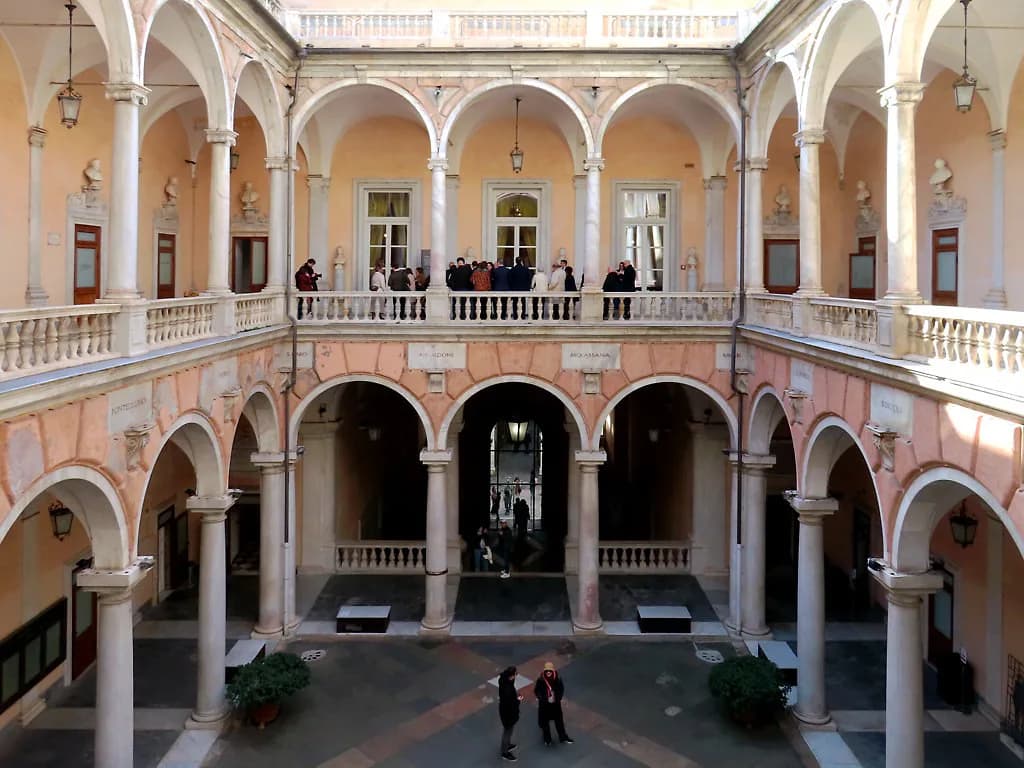
Palazzo Ducale is the reliable indoor anchor for a wet afternoon, with temporary exhibitions and halls that absorb two hours easily. Smaller palaces and museums on the rolli circuit are worth checking before you commit a morning to them, since seasonal staffing can thin outside summer; confirm the day's openings at the ticket desk or the palace's own site rather than trusting a printed guidebook.
The aquarium near the old port is the other obvious wet-weather stop and the reason many short-stay visitors come to Genoa at all. Book a timed entry in advance and go early, because the middle of a rainy day is exactly when everyone else has the same idea. Pair it with the nearby port area rather than crossing the city twice in the rain.
The Seafront and Harbor Between Showers
Boccadasse, the small fisherman's cove east of the center, is a short bus ride and best treated as a between-showers walk: colorful houses, a pebble beach and a handful of bars where you can wait out a squall with a coffee. It is not a sunbathing stop in November, but it is atmospheric in flat grey light and far quieter than in summer.
The Lanterna lighthouse and the port walk give you the city's maritime face, with the harbor working year-round regardless of the weather. Pick the clearest hour of the day for either, since both depend on visibility and neither is worth a soaking. On a genuinely wet day, swap them for a long lunch instead.
Food in November: Pesto, Pansotti and New Oil
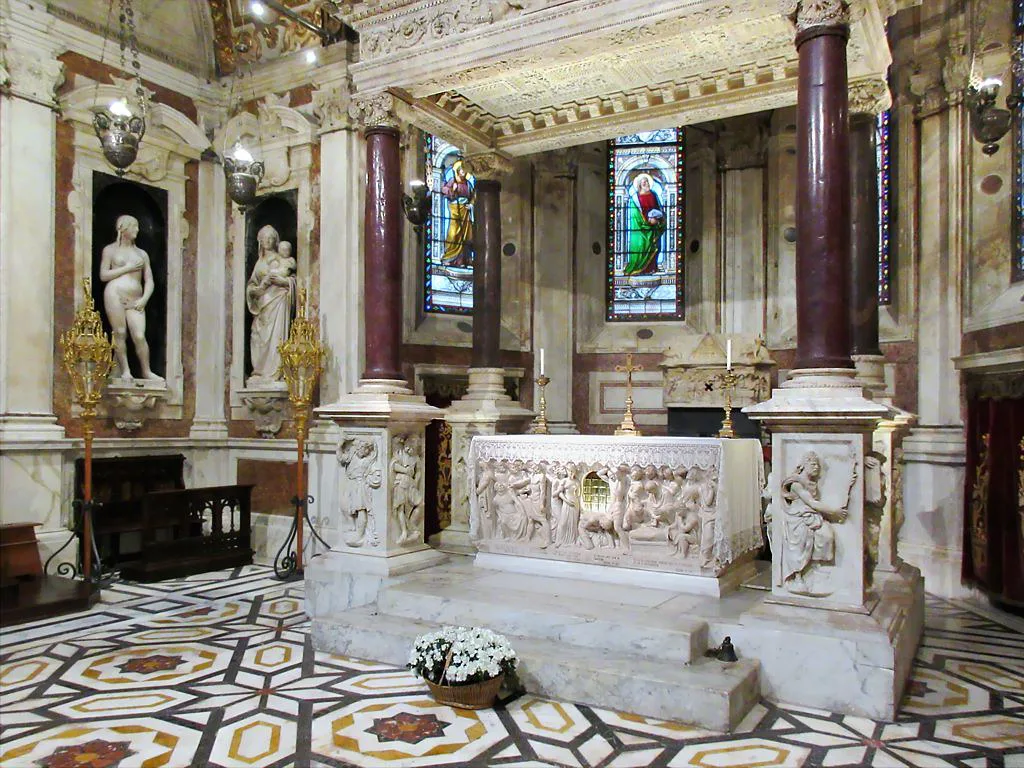
November is arguably the best month to eat in Genoa. Ligurian olive oil is newly pressed, the hinterland sends chestnuts and mushrooms down to the markets, and the city's signature dishes — basil pesto pounded with pine nuts and pecorino, pansotti in walnut sauce, chickpea farinata and focaccia straight from the oven — are cold-weather food by design.
The season also brings neighborhood food fairs, or sagre, in the hills and coastal villages around the city, where the catch and the harvest are celebrated without much ceremony. The organizer maintains the calendar for these, so check the local tourism office listings for the week you are in town a fixed date. A pesto-making class or a market morning is a sensible substitute when the weather closes in.
Look for the autumn food culture the city promotes, from chestnut-flour biscuits in old-town shops to seafood tastings at the small harbor when the boats come in. Autumn is when the waterfront trattorias have time to talk you through the menu, an experience that is impossible in July.
Day Trips That Work in November
Camogli, down the coast toward the Portofino promontory, is the easiest November day trip: a compact seafront village with tall painted houses and a small harbor that you can walk in an hour or two. It suits the season because the pleasure is the town itself rather than the water. The coastal rail line along the Riviera di Levante runs year-round, which makes it a reliable wet-weather fallback when ferries are not running.
Portofino is quieter in November than at any other time of year, and the walk from the village up to the lighthouse and back is the point of going. Boat services across the promontory are seasonal, so check the Tigullio ferry timetable before you build a day around a crossing; the bus from Santa Margherita is the dependable alternative when boats are not sailing.
The hill villages behind Genoa, in the valleys toward the Aveto park, are a good half-day by car or bus for chestnut woods and trattorias, though the roads climb and the weather up there is wetter and colder than in the city. If you want a bigger Italian November picture beyond Liguria, the Italy in November guide shows how the same weather patterns play out elsewhere.
Crowds, Prices and What Closes
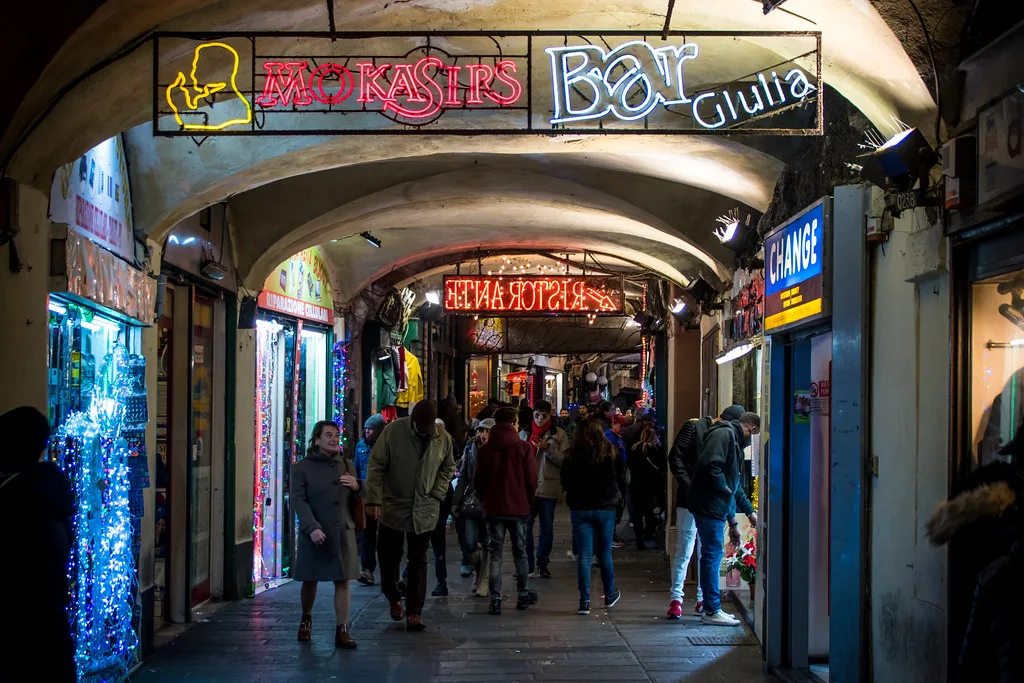
November is one of the quietest months in Genoa, and the effect on the experience is mostly positive: no queues at the aquarium on a weekday, tables at short notice in the old town, and room to walk the caruggi without being swept along. Hotel rates soften compared with summer, and the shoulder-season calm is exactly why some travelers prefer this month.
The trade-off is that some seasonal businesses thin out. Coastal boat services, beach establishments and a handful of family-run restaurants in resort villages reduce their hours or close for the season, while the city's core sights keep working. The local tourism office publishes what is running each month, so check there for anything you are planning a whole day around a summer schedule.
Who November in Genoa Suits
This month suits travelers who want a real Italian port city rather than a resort: museum-goers, food travelers, people who like a bargain and do not mind a coat. A three-day stay is enough for the old town, Palazzo Ducale, the aquarium, one coastal village and a long lunch or two, with a fourth day for a hill excursion if the weather allows.
Skip it if you want sea swimming, sunlit coastal walks, long ferry rides along the Riviera or views that depend on clear skies. Those travelers should aim for April to June, when the water warms, the boats resume and the daylight stretches. For a colder, wetter and similarly quiet version of the same city, see what January brings.
Plan Your November Trip
Base yourself in or near the centro storico so that a downpour costs you minutes rather than a taxi ride, and build each day around one indoor anchor and one walk that can be abandoned. Book the aquarium and any Palazzo Ducale exhibition for the days most likely to be wet, and keep the coast for the clearest morning of your stay.
As November turns toward December, the city shifts gear into its festive season, with lights and markets replacing the quiet autumn streets. That transition is worth timing deliberately: a late-November visit is calmer and cheaper, while early December brings the decorations and a different mood.
Explore more Genoa winter guides
Frequently Asked Questions
What is the weather like in Genoa in November?
Typical November days in Genoa reach around 14°C (57°F) and fall to about 7°C (45°F) at night, but these are long-term averages rather than a forecast. November is also the wettest month of the year here, so expect overcast skies and spells of drizzle to shape your plans.
Does it rain a lot in Genoa in November?
Yes. November is the city's wettest month on average, and the rain tends to arrive in damp, grey spells rather than brief storms. Plan indoor anchors such as Palazzo Ducale and the aquarium, and treat the seafront walks as gaps between showers.
Is November a good time to visit Genoa?
It is a good month for a city break built on museums, food and quiet streets, and a poor one for beach time or long coastal walks. The old town is far quieter than in summer and hotel rates soften, but short daylight and rain mean you should plan each day around an indoor stop.
How many days do you need in Genoa in November?
Three days covers the centro storico, Palazzo Ducale, the aquarium and one coastal village such as Boccadasse, with time for a long lunch. Add a fourth day only if you want a hill-village excursion or a day trip to Camogli or Portofino.
What is there to do in Genoa when it rains?
The caruggi of the centro storico are ideal for short dashes between shelter, and Palazzo Ducale can absorb a wet afternoon with its exhibitions. The aquarium near the old port is the classic wet-weather stop, best booked for a timed early entry before the rainy-day crowds arrive.
Are ferries to Portofino running in November?
Boat services across the Portofino promontory are seasonal and do not run on a summer pattern in November. The bus from Santa Margherita or the coastal train to Camogli are the dependable alternatives when boats are not sailing.
What should I eat in Genoa in November?
November brings newly pressed Ligurian olive oil, chestnuts and mushrooms, which suit the city's cold-weather dishes: pesto, pansotti with walnut sauce, farinata and fresh focaccia. Neighborhood sagre in the hills and coastal villages celebrate the harvest, and the tourism office lists what is on during your stay.
Sources
Winter travel notes
Optional updates when we add or revise winter guides.
You might also like
Continue reading
More guides you'll find useful