Germany in December: Weather, Cities and What's Open
Plan a December trip to Germany with typical temperatures, short daylight, open museums and castles, festive city breaks and the quiet days after Christmas.
On this page
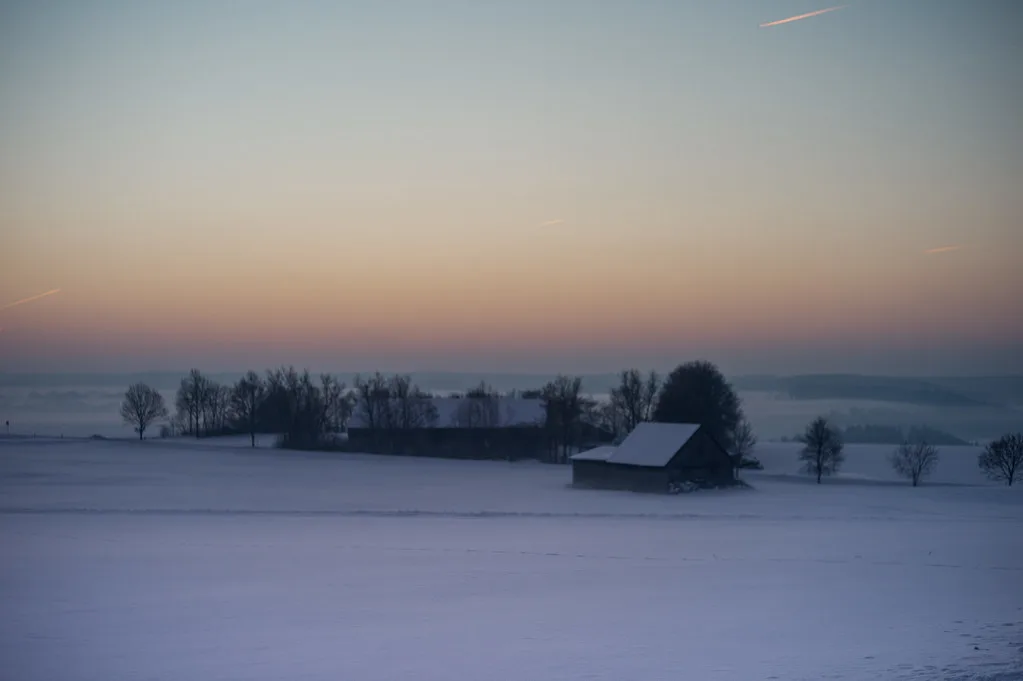
December in Germany is dark, cold and more atmospheric than almost any other month. Cities string lights through old-town lanes, museums and castles empty out compared with summer, and the first serious snow usually sits on the higher ground of Bavaria and the Alps rather than in Berlin or Hamburg. The month suits travelers who want culture, food and festive atmosphere over long outdoor days.
Plan around two very different halves. Before Christmas Eve, city centers are busy and evening options are plentiful; from 25 December into early January, streets go quiet, some restaurants and attractions reduce hours, and you need to book the days you care about. Daylight is the other constraint, so pair outdoor sights with an indoor afternoon.
Weather in December
Expect typical December conditions rather than a single national figure. Berlin averages a daily high near 4 °C (about 39 °F) and a low around 0 °C (32 °F), while Frankfurt is slightly milder at roughly 6 °C (43 °F) by day and 1 °C (34 °F) at night. The northern coast under the North Sea and Baltic influence is milder still but wetter and windier, so a waterproof layer matters more there than a heavy coat.
Snow is a mountain story, not a city one. Berlin and Hamburg rarely hold snow, while Bavaria and the Alps at altitude are where you find winter landscapes and open ski terrain. If snow is the point of your trip, choose the Bavarian Alps or the Allgäu and treat the cities as a cultural add-on; the regional patterns are broken down in Does It Snow in Germany? Snow by Region and Month in Winter.
Rain falls more often than in November, frequently as drizzle rather than downpour, and overcast skies are common. Treat the temperatures as long-term averages: a December week can run several degrees above or below them, so use them to choose clothing and indoor plans, not to predict a specific trip.
Daylight in December
Days are short, with sunrise around 8 am and sunset around 4 pm in the depths of the month. That leaves roughly eight hours of usable light, and the low sun means outdoor sightseeing works best between late morning and early afternoon. Lit-up old towns and Christmas lights are the compensation, and photography is often better after dark than at midday.
Structure each day around one outdoor anchor and one indoor one. A morning walk through a historic center followed by a museum or a thermal spa in the afternoon keeps you out of the coldest, darkest hours. Save viewpoints such as the Ehrenbreitstein Fortress in Koblenz for clear days, since the reward is the view over the Rhine and Moselle confluence.
What is open in December
Museums, castles and cathedrals largely stay open and are far quieter than in summer, which makes December a strong month for interior sights. The Gutenberg Museum in Mainz, with two Gutenberg Bibles and a working printshop, and the Imperial Castle Museum in Nuremberg are classic cold-weather stops. The Würzburg Residence, rebuilt after wartime damage, rewards a slow tour of its frescoed ceilings and grand staircase.
Wineries keep running tours and tastings through the winter, and thermal spas are a genuine German winter habit rather than a tourist add-on. Around Würzburg and Mainz, the Emser Therme combines indoor pools with steaming outdoor ones, and Cologne and Düsseldorf both have city wellness centers that fit neatly into a sightseeing day.
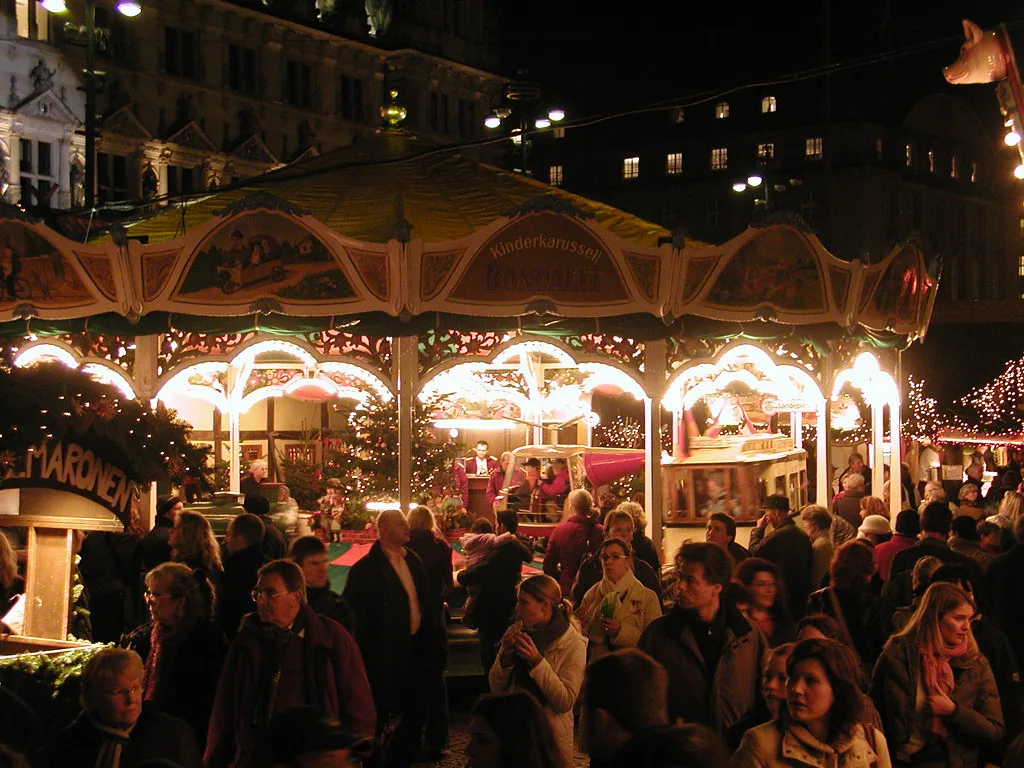
Christmas markets run from late November until just before Christmas Eve in most cities, and they are only one part of a December trip. Expect the densest crowds and the most expensive rooms in the final week before Christmas. If markets are not your priority, the last days of December and the first days of January are calmer and cheaper for museums and city walks.
Christmas Eve and Christmas Day
Christmas Eve is the pivot of the German festive calendar. Families gather to decorate trees and exchange gifts, many shops and markets close at midday, and restaurants that do open fill early. Christmas Day 2026 falls on a Friday, with New Year's Day 2027 on the following Friday, so the week between the two holidays is unusually quiet.
Plan the 25th and 26th as low-key days: museums often run reduced hours, some restaurants close, and public transport moves to a holiday timetable. Confirm the specific opening times of the one or two sights that matter most to you and build the rest of the day around a walk and a long lunch.
New Year's Eve in German cities
Silvester, as New Year's Eve is known, is the busiest night of the winter in Berlin, Cologne and Hamburg. Central squares fill with crowds, fireworks are set off privately in many neighborhoods, and hotel and restaurant bookings tighten weeks in advance. Book the night you care about early, and choose a base within walking distance of where you plan to be so you are not dependent on late transport.
If crowds are not your idea of a good evening, treat 31 December as a night to stay local: a long dinner, a view from a hilltop, and an early start on 1 January while the city sleeps. Either way, the days immediately after New Year are the quietest of the whole winter and ideal for museums and old towns; New Year's Eve in Germany covers how the big cities handle the night.
Cities for a December break
Berlin gives you the widest choice of indoor culture and the most cosmopolitan food, plus the Brandenburg Gate area, where Europe's largest Hanukkah menorah is traditionally lit. Cologne pairs its cathedral with several market squares; the main one on Roncalliplatz sits directly under the Gothic spires, and the museums along the Rhine fill the afternoons.
Nuremberg, Würzburg and Mainz suit a slower, more traditional December. Nuremberg's Imperial Castle and its bratwurst are reason enough, Würzburg's baroque Residence is a half-day in itself, and Mainz combines the Gutenberg Museum with a riverside old town. For a shorter urban hit, Düsseldorf in December has its own compact center and easy Rhine embankment walks, with Flinger Strasse at the heart of the shopping district.
Bavaria and the Alps
The Bavarian Alps are where December feels most like winter. Garmisch-Partenkirchen is the base for the Partnachklamm, a gorge where the walls freeze into curtains of icicles and a torchlit walk runs after dark. The Allgäu around Oberstdorf and Oberstaufen offers valley walks and marked winter trails, while the Zugspitze cable car gives high-altitude views on clear days.
Mountain weather changes fast, so keep plans flexible and build in a valley day. Check the cable car and gorge operating status on the morning you go, and treat snow at altitude as likely rather than guaranteed. If your December plan is mostly winter walking rather than skiing, the Bavarian Alps are covered in more depth in Things to Do in Germany in Winter.
Carnival in Cologne, Düsseldorf and Mainz
Carnival season opens on 11 November at 11:11 am with live music, costumes and street parties in Cologne, Düsseldorf and Mainz, but the big parades come in February. December visitors should not expect the main procession season; what you will find is the warm-up atmosphere and a city already thinking about it. The month that really delivers the full Carnival program is February, with Carnival Tuesday on 9 February 2027 and Ash Wednesday the next day.
Things to do in December
Build your days around interiors and short outdoor bursts. The Gutenberg Museum's printshop demonstration and Nuremberg's double chapel inside the Imperial Castle are compact, high-value visits that fill a cold morning. In the afternoons, thermal spas and river walks along the Rhine and Main are the most pleasant options when skies are clear.
For a full winter menu of indoor and outdoor ideas, from museums to winter markets and spa days, see things to do in Germany in winter as a planning companion to this month guide. Pick two or three anchors per city and leave the rest loose; December rewards flexibility when the weather turns.
Food and drink for cold days
German winter eating is hearty and regional. Nürnberger bratwurst, thin and marjoram-scented, comes with potato salad or sauerkraut, while Sauerbraten, a marinated pot roast, is a Koblenz and Mainz staple. Glühwein is everywhere at outdoor events, but wineries still run tours and tastings, so a cellar visit in Breisach or along the Rhine makes a good wet-weather afternoon.
Day trips that work in December
The Rhine and Main valleys give you compact, scenic day trips from Cologne, Frankfurt and Würzburg. Bamberg, with its canals and medieval streets, and Regensburg both reward a winter walk, and Speyer Cathedral, a UNESCO site dating to 1030, is a serious indoor stop. Koblenz, where the Rhine meets the Moselle, is best paired with the Ehrenbreitstein Fortress on a clear day.
Breisach, on the edge of the Black Forest, offers vineyard views and visits to local sparkling-wine producers such as Geldermann. Travel by train where possible, since winter road conditions in the uplands can slow you down. Build in a buffer for the short daylight and aim to be back in your base city before sunset.
Crowds, prices and closures
The festive peak runs through the third week of December, when city-center hotels and restaurants charge their highest rates and markets are shoulder-to-shoulder in the evenings. Prices for rooms typically soften after Christmas, and the first days of January are among the quietest of the whole winter. Book the specific nights you care about, and keep your plans flexible around the public holidays.
Closures concentrate on 24, 25 and 26 December and 1 January, when shops and some restaurants shut and museums run reduced hours. Outside those days, most major sights operate a normal winter schedule. If you are travelling in January, expect an even quieter version of the same picture, as described in Germany in January.
Who December in Germany suits
December suits travelers who value museums, food, architecture and festive atmosphere over long hikes, and who are comfortable with short days and a real chance of rain. It is a strong month for a city break of three to five days and a reasonable month for a slow loop of Rhine and Main valley towns. It is less suited to travelers who need guaranteed snow, long daylight or open-air swimming.
If snow and winter sports are the goal, choose the Bavarian Alps or wait for February, when Carnival and deeper winter conditions arrive together. If you want markets and milder crowds, November is the quieter run-up, while March brings longer days and the first signs of spring; Rothenburg ob der Tauber is a good test of how much walking you want before you commit. Weigh what you actually want to do, then pick the month that fits.
A short December checklist
Choose your base by interest rather than by weather: Berlin for museums and big-city energy, Cologne for a compact cathedral-and-Rhine break, Nuremberg, Würzburg or Mainz for a slower historic feel, and Garmisch-Partenkirchen for mountain scenery. Plan one indoor sight and one outdoor walk per day to make the short daylight work for you.
Book the nights around 24 December and 31 December first, since those are the pressure points, and leave the days in between loose. Before you go, confirm the opening hours of any castle, museum or cable car you are counting on with the venue, and keep a wet-weather alternative ready in each city.
Explore more Germany winter guides
Frequently Asked Questions
How cold is Germany in December?
Typical December days run from about 4 °C (39 °F) in Berlin to 6 °C (43 °F) in Frankfurt, with nighttime lows near 0 °C (32 °F) in Berlin and 1 °C (34 °F) in Frankfurt. The northern coast is milder and wetter, and the Bavarian Alps are colder with reliable snow at altitude.
Is there snow in Germany in December?
Snow is likely in the Bavarian Alps and the Allgäu at altitude, but Berlin and Hamburg rarely hold it. If snow is the focus of your trip, choose the mountains and keep a valley plan ready in case the weather turns.
Is Cologne worth visiting in December?
Cologne works well in December because its main sights, including the cathedral and the riverside museums, are indoors or close together. The city is busiest in the final week before Christmas, and quieter after the holidays when you can see the cathedral and old town without queues.
Are Christmas markets open all winter?
Most German Christmas markets close just before Christmas Eve rather than running through the season. After that, many cities keep their decorations and some festive pop-ups, such as ice rinks and concerts, but the stalls themselves are gone. Market dates vary by city, so ask the local tourist office if a specific market matters to your trip.
When does Carnival season start in Germany?
Carnival opens on 11 November at 11:11 am with street parties and live music in Cologne, Düsseldorf and Mainz, but the big parades come in February. In 2027, Carnival Tuesday falls on 9 February, so December visitors see only the warm-up.
Sources
Winter travel notes
Optional updates when we add or revise winter guides.
You might also like
Continue reading
More guides you'll find useful