Germany in February: Weather, Carnival and Winter Cities
Germany in February means cold, gray days, Fasching parades and quieter city sights. See typical regional weather and who should go now.
On this page
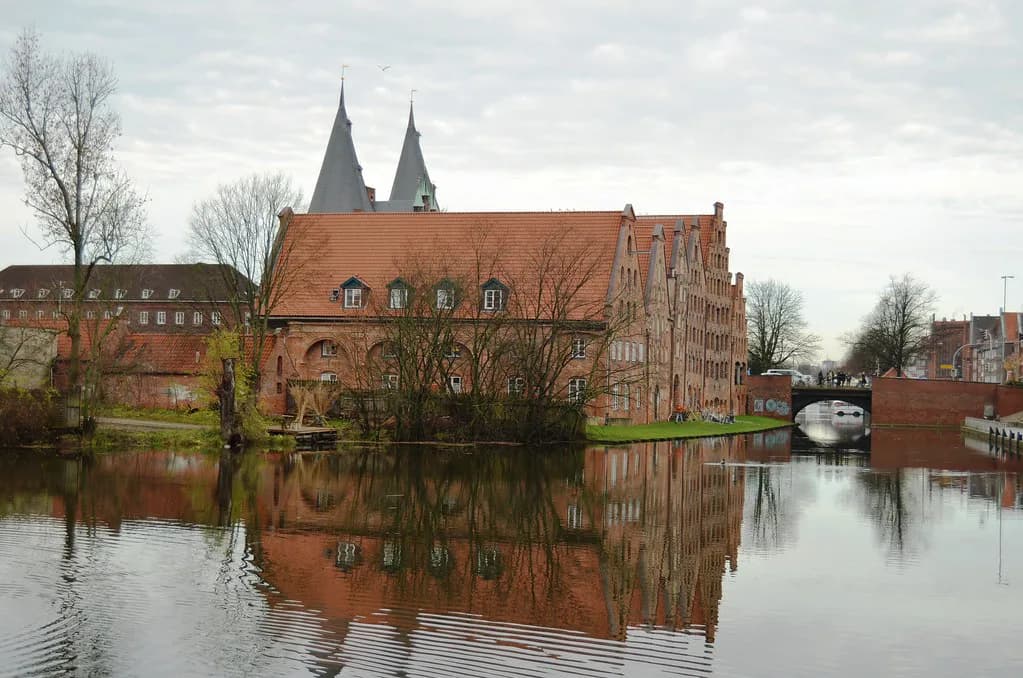
February is the point in the German winter when the holidays are long gone, the Christmas markets have packed up, and the country settles into its coldest, grayest stretch. Temperatures sit close to freezing in many cities, snow is reliable mainly in the mountains, and daylight is still short. That combination keeps crowds away and makes it one of the cheapest months to travel.
It is also the month when Carnival takes over the Rhineland, when Berlin's film festival fills the capital's screens, and when thermal baths and big museums earn their place on an itinerary. This guide sorts out what the weather actually does region by region, what stays open, and which travelers should book February rather than wait for spring.
Weather in February: Regional Ranges
There is no single German February. Along the North Sea and Baltic coasts the month is mild but wet and windy, while the east and south run colder with more frequent snowfall, and the southwest can show early hints of spring. Berlin averages roughly -1°C to 4°C (about 30°F to 39°F), and Cologne is slightly warmer with an average high near 6°C (43°F). Treat these as typical conditions rather than a forecast, because a single February can swing well either side.
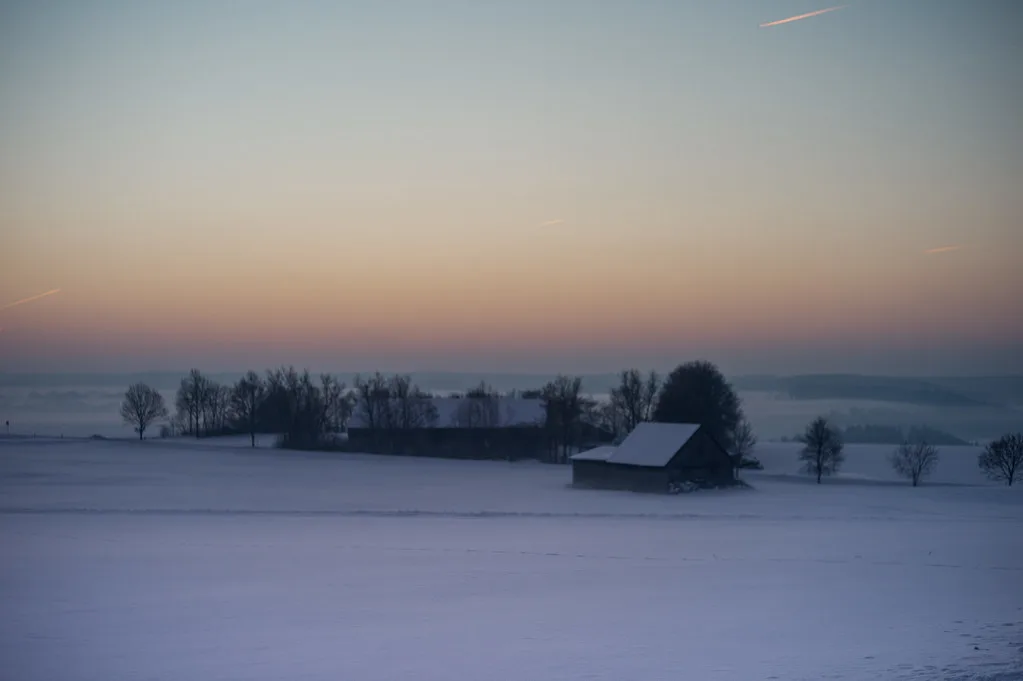
Inland and northern areas more often get rain than snow in February, and southern Germany sees a mix, with meaningful snow mostly at altitude. Away from the Alps and the higher mid-mountain ranges, a white landscape is a bonus rather than a guarantee. If snow is the point of the trip, plan around the Bavarian Alps or the Black Forest rather than a city break.
The bigger weather story is the sky, not the thermometer. Long stretches of overcast days are more common than deep cold, and the combination of damp air and temperatures just above freezing can feel raw. Build your days around one indoor anchor and one outdoor stretch rather than a full schedule of walking tours.
Daylight and Short Afternoons
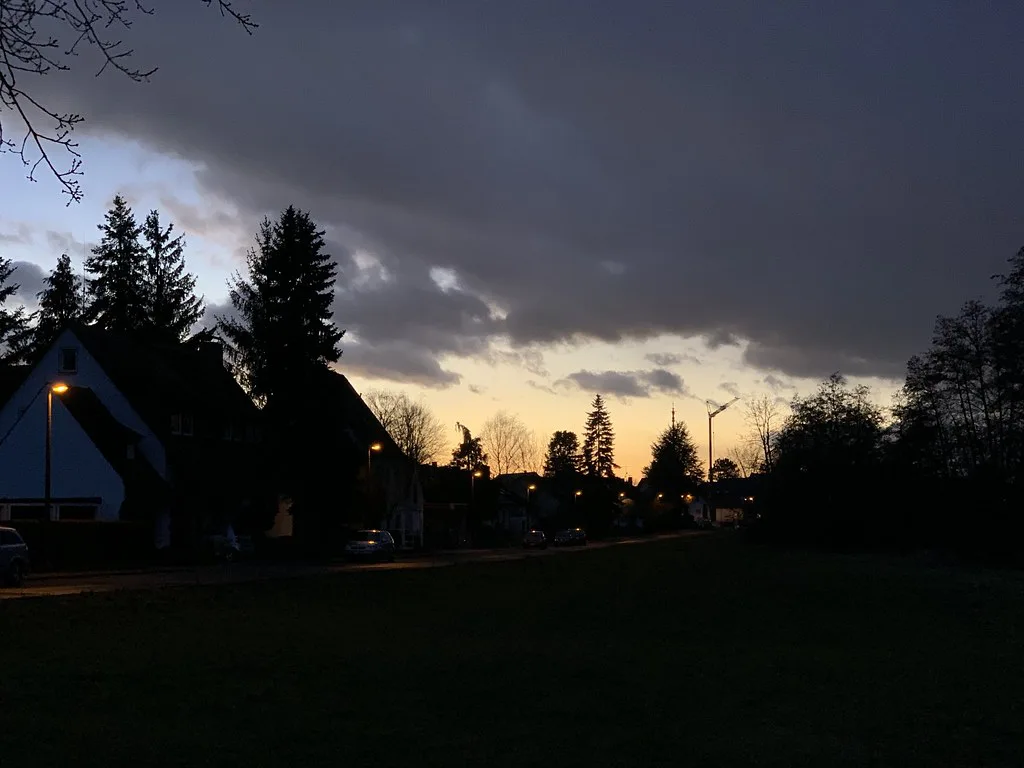
February daylight is still limited, so the practical move is to be outside in the middle of the day and indoors at the edges. Sights that need natural light, such as viewpoints, castle exteriors and old-town walks, work best between late morning and mid-afternoon. Save museums, spas and long lunches for the darker hours.
Clocks in Germany go forward on 28 March 2027, which falls after February, so the month stays on winter time throughout. Sunset comes noticeably later by the end of February than at the start, which makes the last week of the month a better bet than the first for outdoor plans.
Fasching and Karneval
Carnival is February's organizing event. The season technically opens in November, but the parades and costume balls land in the days before Lent, and Carnival Tuesday falls on 9 February 2027, with Ash Wednesday on 10 February 2027. Cologne hosts one of the biggest and longest celebrations, Mainz stages a huge Rose Monday parade, and Braunschweig's Schoduvel traces its roots back to the late 1200s.
Elsewhere the same weeks are called Fasching, and Munich and countless smaller towns run their own parades and costume events. Expect crowded trains and full hotels in the Rhineland strongholds around the parade days, and book those nights well ahead if Carnival is the reason for the trip.
The trade-off is straightforward: if you want quiet museums and empty streets, avoid the Carnival heartland in the days around Carnival Tuesday and head for Berlin, Dresden or the south instead. The rest of the month is calm almost everywhere.
Berlin in February
Berlin is at its most manageable in February. Museum Island's five collections, including the Pergamon, absorb a wet afternoon without any of the summer queueing, and the city's history sites reward the slower pace. The Berlin International Film Festival fills screens and hotels for part of the month, so the organiser's own programme is the place to find the current edition's dates before fixing your travel week.
Pair a museum morning with a walk along the Wall memorial or through a neighborhood in the afternoon, when the light is at its best. Indoor water parks near the capital, including the hangar-sized Tropical Islands, give families a warm alternative on the worst days.
Munich and Bavaria
Munich works well as a winter base because the Deutsches Museum alone can swallow a day or more, and the city's indoor options are deep. From there, the Zugspitze cable car near Garmisch-Partenkirchen offers one of the best tricks in a German February: on a gray valley day the summit can sit above the cloud layer in bright sun. Check the cable car's operating status and mountain weather before you commit, since high winds can suspend service.
Bavaria is also where February snow is most dependable, and Garmisch-Partenkirchen is the obvious base for a mountain day. Even travelers who never clip into skis can ride up for the view and come back down for a long lunch.
Thermal Baths and Spas
Germany's spa culture is a genuine winter asset rather than rainy-day filler. Baden-Baden's Caracalla and Friedrichsbad, Therme Erding outside Munich, and the Claudius Therme in Cologne all offer warm water when the streets are cold. Note that German sauna areas are typically nude and mixed, so families often split between the bathing and sauna sections.
Book a spa day midweek if you can, since weekends draw local visitors, and reserve treatments ahead rather than arriving and hoping. Many facilities publish their own entry rules and time slots online, and those pages are the reliable source for what a visit costs and how long you can stay.
The Harz Steam Railway
The Harz narrow-gauge steam trains, based in towns such as Wernigerode and Nordhausen, climb to the Brocken, the highest point in northern Germany, and the snowy route is one of the most atmospheric winter rail journeys in the country. Reserve seats in advance, because carriages are limited and winter services are thinner than in summer.
Treat the trip as a full day and check the railway's own timetable for the date you want, since steam operations vary by season and day of the week. Snow on the summit is common but not certain, so go for the ride and the landscape rather than a guaranteed white-out.
Rhine and Moselle Towns After the Markets
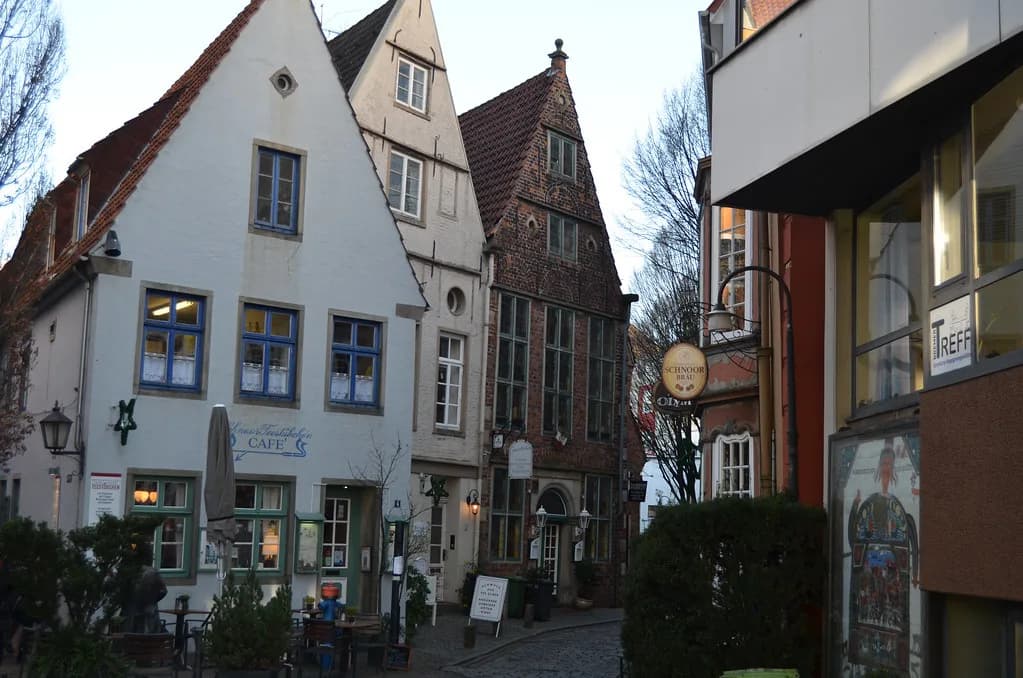
Once the Christmas markets close, the Rhine and Moselle valley towns turn very quiet. Half-timbered centers such as Rothenburg ob der Tauber are far emptier than in summer, which makes wandering pleasant but also means some smaller businesses and attractions run reduced hours or take their annual break. Larger towns and cities keep their museums and restaurants going year-round.
If your itinerary depends on a specific small museum, castle interior or cable car, look at that operator's own site before locking the day in. In February a short detour to a nearby city is often a better use of a gray afternoon than a village whose main sight is seasonal.
Cologne, Dresden and Other City Picks
Cologne combines the cathedral, good museums and, in Carnival week, the country's biggest street party, which makes it the highest-energy February city. Dresden pairs the Zwinger galleries with a rebuilt baroque center that looks its best under a dusting of snow. Nuremberg's Documentation Center and its museum collections suit a cold day, and Hamburg's Kunsthalle and Elbphilharmonie give the north a strong indoor pairing. If you want the Rhineland carnival experience on a smaller scale, Düsseldorf in February is worth a look.
Most big cities keep their full sightseeing infrastructure running through February, with shorter hours at some sites but no widespread shutdown. That is the main argument for a February city break over a rural one: you lose the crowds without losing the things you came to see.
What Stays Open and How Timetables Shift
Cities stay open for business, but hours can be trimmed compared with the summer peak. Smaller, tourism-dependent towns and mountain areas are the likeliest to close hotels, restaurants or attractions for part of the season. Ferries on the coasts and lakes, cable cars and mountain railways often run a reduced winter schedule.
The safe approach is to plan around anchors that operate year-round, such as major museums, thermal baths and city centers, and to leave the more seasonal pieces flexible. Check the winter timetable of any boat, cable car or mountain railway before you build a day around it.
Crowds and Costs in Words
February is one of the quietest and cheapest months of the German year. Flights, hotels and rentals are typically well below summer levels, and the big sights are emptier than at any other time outside the deep winter weeks. The flip side is that you are trading guaranteed good weather for lower prices and breathing room.
Carnival week is the exception in the Rhineland, where demand spikes for a few days and prices follow. If your dates are flexible, either lean into Carnival or plan around it; the two experiences barely resemble each other.
Snow Without a Ski Trip
Skiing is at its most reliable in February, with the best cover at altitude in the Bavarian Alps and workable slopes in the Black Forest around Feldberg and in the Sauerland around Winterberg. But you do not need a ski holiday to enjoy the snow: sledding, winter walks, snowshoeing and simply riding a mountain railway up into the white stuff all work.
Mountain days in February demand flexibility, since wind, cloud and road conditions can close lifts or change plans at short notice. Keep a city or spa day in reserve and decide the mountain day by day.
Day Trips That Work in Winter
The best February day trips are short, indoor-heavy or scenic from a window. Nuremberg from Munich or Berlin, Dresden from Berlin, and Baden-Baden from the Rhine valley all work by train and keep you close to shelter. Steam rail and cable-car excursions make the journey the point.
Skip long rural loops that promise gardens, wine roads or open-air museums, which are at their least appealing now. A compact city with one strong museum and one good lunch is a better February day out than three villages with nothing open.
Who February Suits
February is right for budget travelers, museum people, Carnival fans and anyone who wants German cities without the summer crush. It is also a strong month for skiers and for travelers who treat a spa or a mountain-above-the-clouds day as the highlight rather than an extra.
It is the wrong month for travelers who need sunshine, long evenings and reliable outdoor sightseeing, or who want a lakeside and alpine hiking holiday. Those trips belong in spring or summer. If you want a middle ground, early March keeps the low prices and crowds while adding daylight.
Plan Around the Cold
Build a February trip around one anchor per day: a major museum, a thermal bath, a Carnival parade or a mountain railway. That structure protects you from the gray days and makes the most of the limited daylight you have.
Book Carnival week early if it is the reason you are coming, and otherwise enjoy the space. Check the lift company's or spa's own page for any cable car or seasonal attraction you plan to build a day around, and keep the plan loose enough to swap a city afternoon for a snowy one.
Explore more Germany winter guides
Frequently Asked Questions
Is Germany worth visiting in February?
For many travelers, yes. February is one of the cheapest and quietest months, big-city museums and restaurants stay open, and Carnival fills the Rhineland with parades. The catch is the weather: it is cold, often overcast, and snow is dependable mainly in the mountains. If you want sunshine and long days outdoors, wait for spring.
What is the weather like in Germany in February?
Expect cold, changeable conditions. Berlin typically averages around -1°C to 4°C (about 30°F to 39°F), and Cologne runs slightly warmer with an average February high near 6°C (43°F). The coasts are milder but wet and windy, the east and south are colder with more snow, and the southwest can hint at early spring. These are long-term averages, not a forecast.
Does it snow in Germany in February?
Snow is most reliable at altitude in the Bavarian Alps and the higher mid-mountain ranges such as the Black Forest and the Harz. In northern and lowland areas February more often brings rain than lasting snow. If snow is central to your trip, base yourself in the mountains rather than a city.
When is Carnival in Germany in 2027?
The season's climax falls around Carnival Tuesday, which is 9 February 2027, followed by Ash Wednesday on 10 February 2027. Cologne, Mainz and Braunschweig host the largest parades, and Munich and many smaller towns run their own Fasching events. Parades cluster in the days before Lent.
What is there to do in Germany in February?
The strongest options are big-city museums, thermal baths and indoor water parks, Carnival events in the Rhineland, the Zugspitze cable car and other mountain days in Bavaria, steam rail trips in the Harz, and quieter sightseeing in Berlin, Munich, Dresden and Cologne.
Is February a cheap month to visit Germany?
Yes, February is off season in most of the country, and flights, hotels and rentals are usually well below summer levels. The exception is the Rhineland during Carnival week. Prices and availability change constantly, so compare your actual dates rather than relying on general trends.
Is February or March better for a Germany trip?
Choose February for the lowest prices, Carnival and empty museums. Choose March for longer daylight, milder afternoons, the clock change on 28 March 2027 and the first signs of spring in the southwest. Both months stay quiet compared with summer.
Sources
Winter travel notes
Optional updates when we add or revise winter guides.
You might also like
Continue reading
More guides you'll find useful