New Year's Eve in Germany: Where to Go & Traditions
New Year's Eve in Germany is Silvester: midnight fireworks, Bleigießen and Dinner for One, plus where to gather in Berlin and what to expect on the night.
On this page
New Year's Eve in Germany is a loud, social, food-heavy night that starts well before midnight and spills into the streets of almost every town. It suits travelers who want to be part of something rather than watch it, and who can accept cold weather, crowds and a night with little public transport finesse. If you prefer a quiet dinner and an early night, the date will work against you.
The German name for the night is Silvester, and understanding that word explains a lot about how the evening is built. The plans below lean toward Berlin, where the largest public gathering takes place, with notes on what smaller cities and quieter alternatives look like. Anyone weighing the wider season can start with a look at Germany in winter before fixing a date.
Why Germans Call New Year's Eve Silvester
The name comes from Pope Silvester I, a fourth-century bishop of Rome whose feast day falls on 31 December, the date of his death. When the Gregorian calendar was introduced in 1582 and fixed the last day of the year on 31 December, the saint's feast day landed on New Year's Eve, and the name stuck in German usage. So Silvester is not a festival in the ordinary sense but a saint's day that absorbed the year-end celebration.
Behind the fireworks lies an older layer of folklore. Germanic tribes observed the twelve Rauhnächte, or smoky nights, running from Christmas to early January and treated as a gap outside normal time, when spirits were thought to roam. Loud noise, fire and light were used to drive them off, practices that later merged into the modern habit of setting off fireworks at midnight.
The Main Traditions: Fireworks, Bleigießen and Dinner for One
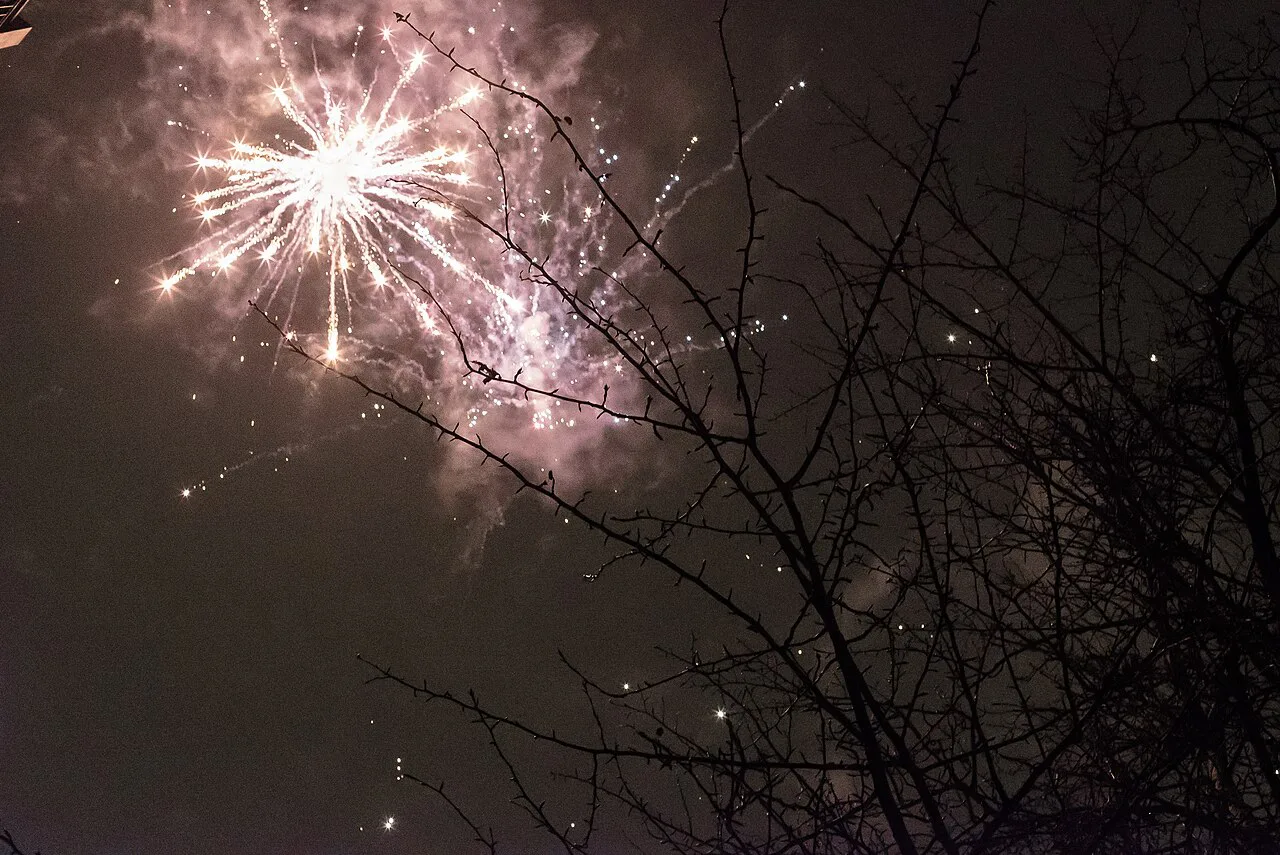
Fireworks are the centerpiece. Private fireworks are sold in the days before 31 December and set off in streets, courtyards and gardens from midnight, with public displays in larger cities as well. No display is guaranteed: city programs change from year to year, and the Berlin city portal lists the Brandenburg Gate celebration as a tradition whose date is not confirmed, so treat the street fireworks as the reliable element and the organized show as a bonus.
Bleigießen is the other classic ritual: small lead figures are melted over a candle and poured into cold water, and the hardened shape is read as a sign for the coming year. Lead handling has since been restricted, so households now use safer substitutes, but the guessing game survives. Expect it at private parties rather than in public squares.
Television has its own fixed point. Many Germans watch the English sketch Dinner for One on New Year's Eve, a short black-and-white comedy whose repeated catchphrases have become part of the night, alongside jam doughnuts that may hide a mustard filling as a prank. If you are staying in an apartment or hotel room, this is the closest thing to a national ritual you can join without leaving the sofa.
Food anchors the evening. Private gatherings usually involve a long buffet or fondue, with the meal stretching toward midnight and the fireworks taken outside afterward. Restaurants in city centers tend to run special menus and fill up, so book well ahead if you want a table rather than a house party.
Christmas Markets Still Running Into Late December
Several Christmas markets stay open through the final days of the year, which gives 31 December a daytime shape. In Berlin, the Gendarmenmarkt market runs from 23 November 2026 to 31 December 2026, and the market on Breitscheidplatz runs from 23 November 2026 to 3 January 2027, so you can still walk a market on New Year's Day.
Use the markets as a daytime plan rather than the main event. They close earlier on 31 December than on ordinary evenings, which leaves a gap before midnight, and the crowds on the final afternoon are heavy. December in Germany is a better fit if markets are your priority; anyone arriving after New Year finds a different, quieter country.
Where to Gather at Midnight: Berlin and the Brandenburg Gate
The Brandenburg Gate is the symbolic heart of the night in Berlin, and the stretch of street around it has hosted a large public celebration with stages and screens in past years. The city lists the party as a tradition whose confirmation is not automatic, so treat it as likely rather than certain and look at the official event page in the weeks before 31 December.
Berlin's New Year's Eve listings also cover ticketed options, from classical concerts to musicals and club parties. These are the sensible choice if you want a warm seat, a set program and a controlled crowd rather than hours standing in the cold. Check programs and buy in advance, since the good rooms sell out before December.
Note the calendar: 31 December 2026 falls on a Thursday, and New Year's Day 2027 is a Friday. That combination gives many people a long weekend without taking extra leave, so expect Berlin hotel rooms and restaurant tables to be tighter than in a year when the date lands midweek.
Other Cities and Quieter Alternatives
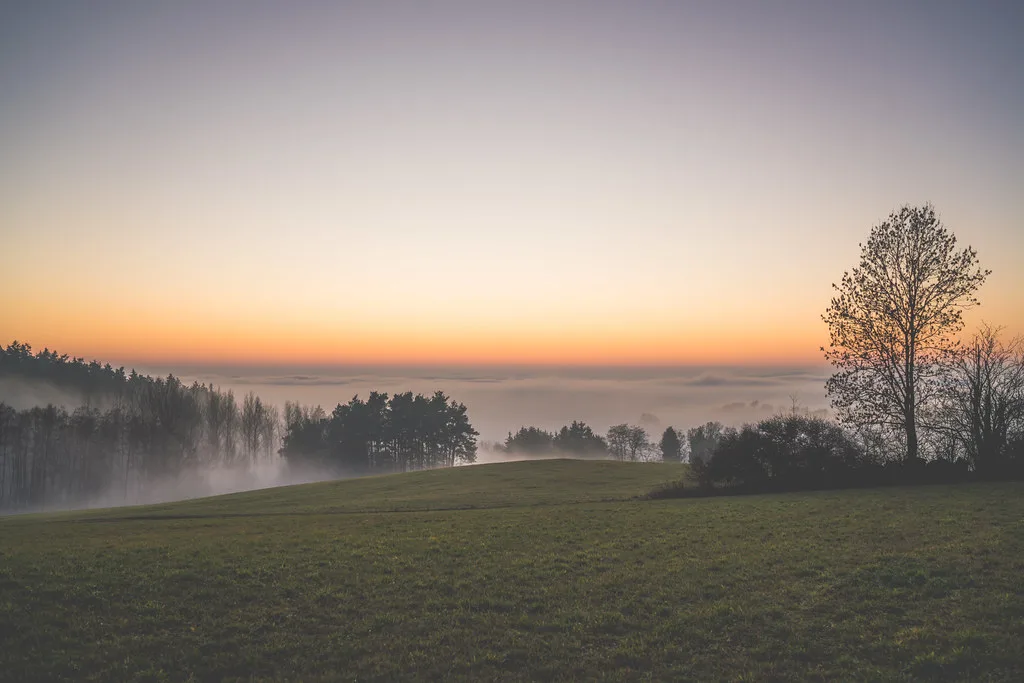
Most German cities stage something, but the scale drops sharply outside Berlin. Hamburg, Munich, Cologne and Dresden all have their own street scenes and riverside or square gatherings, usually without the same crush, and smaller towns often produce the most authentic version: neighbors setting off fireworks in the same street for decades.
Düsseldorf is a useful middle case, with a compact center, a riverfront and an old-town bar district that fills on the night. If you want a city where you can walk from dinner to the fireworks and back to a hotel in twenty minutes, it is a reasonable pick over the capital; the dedicated guide to New Year's Eve in Düsseldorf sets out the ground.
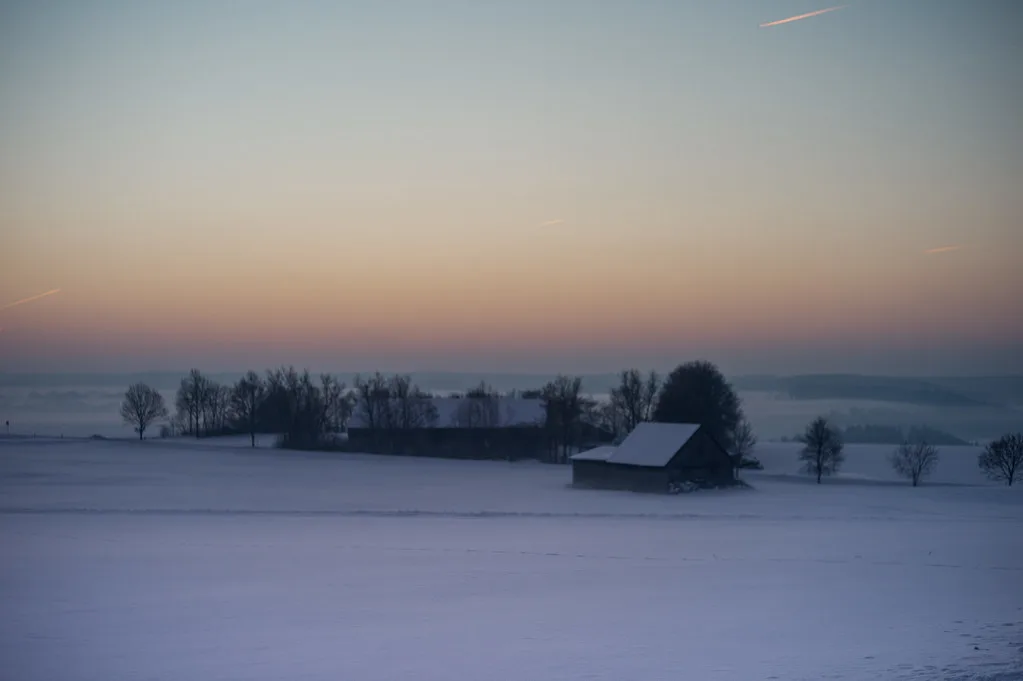
Outside the cities, the Black Forest and the higher ground of the Ore Mountains offer a colder, snowier version of the night, with fewer crowds and a stronger chance of walking through snow at midnight. It is a trade: less program and fewer taxis, in exchange for quiet and a winter landscape rather than a street party.
The Fireworks Debate and Safety
The night is not universally loved. Fireworks cause serious injuries, with five deaths and hundreds of injuries reported after the previous New Year's Eve, and the German Medical Association and ophthalmological bodies warn each year about eye and ear injuries. Emergency services come under heavy pressure, and the German Red Cross has highlighted the strain on responders.
There is also a strong mental-health dimension. Loud bangs can trigger trauma responses in veterans and in people who have fled war zones, which is why the German Veterans' Association argues for more consideration rather than an outright ban. Some residents leave town for the night or use ear protection.
Regulation is contested. Surveys have shown most Germans see fireworks as part of the celebration, while a majority in Berlin would support a ban on private fireworks, and a petition backed by more than 2.4 million signatures called for a nationwide ban. The federal interior ministry has explored stricter rules, but no nationwide ban has been decided, so the situation can change and official guidance for the coming year is worth reading before you buy anything.
Practical rules for visitors are simple. Buy fireworks only from licensed sellers in the days before the night, use them outdoors and away from buildings, timber balconies and crowds, and keep a margin from other people. If you are travelling with children, animals or anyone sensitive to noise, choose a location where you can step away from the loudest streets.
What Is Open and How to Get Around on 31 December
Treat 31 December as a half-working day. Shops close early or stay shut, many restaurants serve only a fixed menu by reservation, and museums often run reduced hours or close entirely. Plan a daytime walk and a market visit, then a booked dinner, rather than counting on improvisation in the evening.
Public transport runs on a holiday-adjacent schedule with extra night services in big cities, and taxis become scarce after midnight. Expect packed trains in Berlin around the Brandenburg Gate and short-term station closures for crowd control, and allow more time than usual to get back to your hotel.
New Year's Day is a public holiday and the quietest day of the season. Shops, many restaurants and most museums close, the Breitscheidplatz market stays open through 3 January 2027, and Epiphany on Wednesday 6 January 2027 is a holiday in several federal states, so the first week of January remains slow in parts of the country.
New Year's Day, Epiphany and the Days After
The days after Silvester are cold, calm and cheap compared with December. Hotel rates fall after the first week of January, museums and pools return to normal hours, and cities empty of Christmas visitors, which makes early January a good window for a city break. The guide to Germany in January covers conditions across the month.
Snow is a regional matter rather than a national one. The south and the higher mid-mountains are likeliest to hold snow, while the north and the river valleys often stay wet and grey; check what the month typically brings before choosing between a city and the mountains.
If you are set on winter walking and clear mountain air, the weeks around Carnival in February are another option, with Fasching parades in the Rhineland and Bavaria running up to Ash Wednesday. Germany in February covers the weather and what stays open.
Who Should Plan Around Silvester and Who Should Not
Silvester suits travelers who enjoy a big night out, are comfortable in cold streets, and want to see a German tradition from the inside rather than from a hotel window. It rewards people who book dinner and any concert tickets early, and who treat the street fireworks as the spectacle rather than a formal show.
It is a poor fit for light sleepers, people with noise sensitivity, families with small children who need a quiet night, and anyone who wants reliable taxis, easy restaurant tables and full museum hours. If that describes you, come in the first half of December for markets and concerts, or wait until mid-January for calm, empty cities.
Plan Your Visit
Fix the two things you cannot improvise: dinner on 31 December and a place to sleep near the center. After that, treat the night as a street event with a long buildup, dress for hours outdoors, and keep a quiet indoor option in reserve if the noise gets too much.
Watch the official city event pages in the weeks before the date, since public parties and any firework restrictions are announced late, and confirm transport plans for the early hours of 1 January. Then let the evening run at German pace: eat slowly, go out at midnight, and walk home through the smoke.
Explore more Germany winter guides
Frequently Asked Questions
What is Silvester and why is New Year's Eve called that in Germany?
Silvester is the German name for New Year's Eve, taken from Pope Silvester I, whose feast day is 31 December. When the Gregorian calendar was introduced in 1582 and fixed the last day of the year on that date, the saint's day and the year-end celebration merged under one name.
What are the main German New Year's Eve traditions?
Fireworks at midnight are the centerpiece, along with Bleigießen, the game of pouring molten lead into water and reading the shape, now usually done with safer substitutes. Many households watch the sketch Dinner for One on television and eat jam doughnuts that may hide a mustard filling as a prank.
Where do people gather for New Year's Eve in Berlin?
The Brandenburg Gate is the symbolic focus, and the area around it has hosted a large public celebration in past years. Berlin also has ticketed options such as classical concerts, musicals and club parties. The city lists the Brandenburg Gate party as not automatically confirmed, so check the official event pages before you build a night around it.
Are fireworks legal in Germany on New Year's Eve?
Private fireworks are widely sold and set off, but regulation is under debate. Surveys show most Germans want to keep them, while a majority in Berlin would support a private ban and a large petition called for a nationwide ban. The interior ministry has explored stricter rules, but no nationwide ban has been decided, so check the rules announced for your travel year.
What is open on New Year's Eve and New Year's Day in Germany?
31 December works like a half-day: shops close early, restaurants often serve reserved set menus, and museums may run reduced hours. New Year's Day is a public holiday, with most shops, restaurants and museums shut. Some Christmas markets run past the new year, including Breitscheidplatz in Berlin through 3 January 2027.
Is Dinner for One a German New Year's Eve tradition?
Yes. The short English black-and-white sketch is watched by many German households on New Year's Eve and its catchphrases are part of the night. It is a television ritual rather than a public event, so you can join it from an apartment or hotel room.
What is Bleigießen and is it still done?
Bleigießen is a fortune-telling game in which small lead figures are melted over a candle and poured into cold water, and the hardened shape is read as a sign for the coming year. Handling lead has since been restricted, so households now use safer materials, but the guessing game continues at private parties.
Who should avoid Germany at New Year's Eve?
Anyone who needs quiet, reliable taxis and full museum hours will find the night frustrating, and loud bangs can be distressing for people with noise sensitivity or trauma. Families with small children and light sleepers are better off in early December for markets or mid-January for calm cities.
Sources
Winter travel notes
Optional updates when we add or revise winter guides.
You might also like
Continue reading
More guides you'll find useful