Grenoble in January: Weather and What to Do
Grenoble in January brings cold, short days, snow on the peaks and quiet streets. Here is what stays open, what to do and who the month suits.
On this page
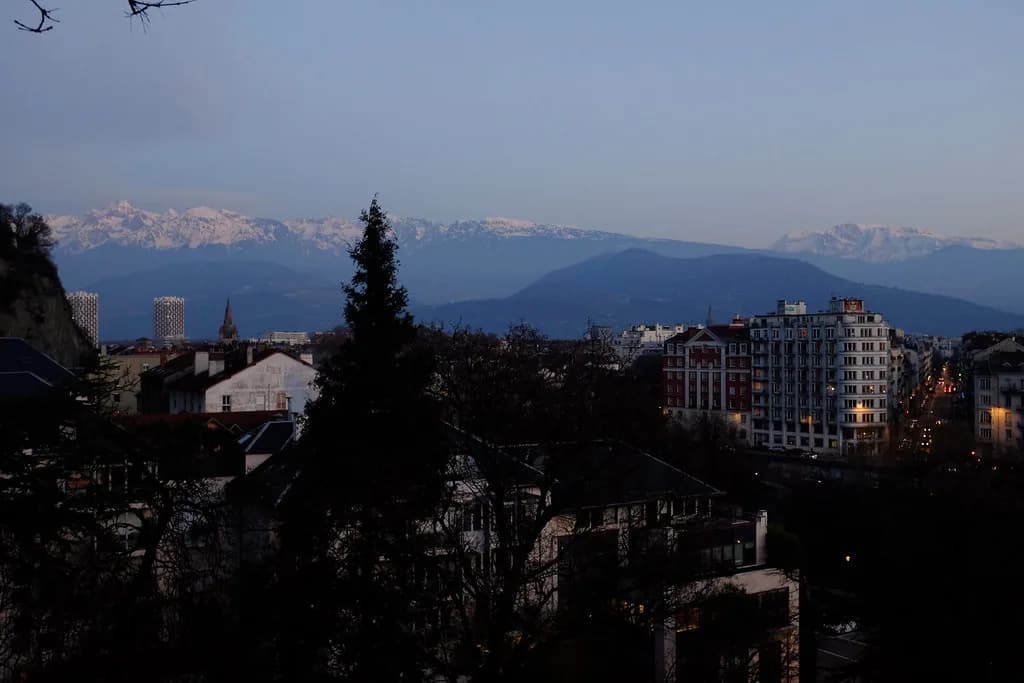
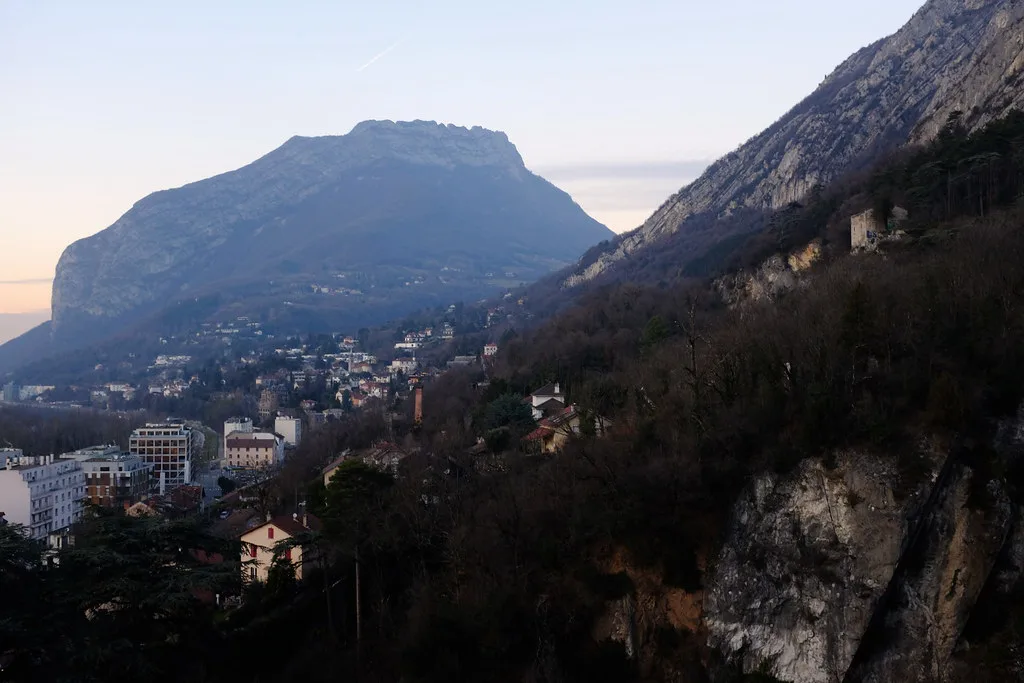
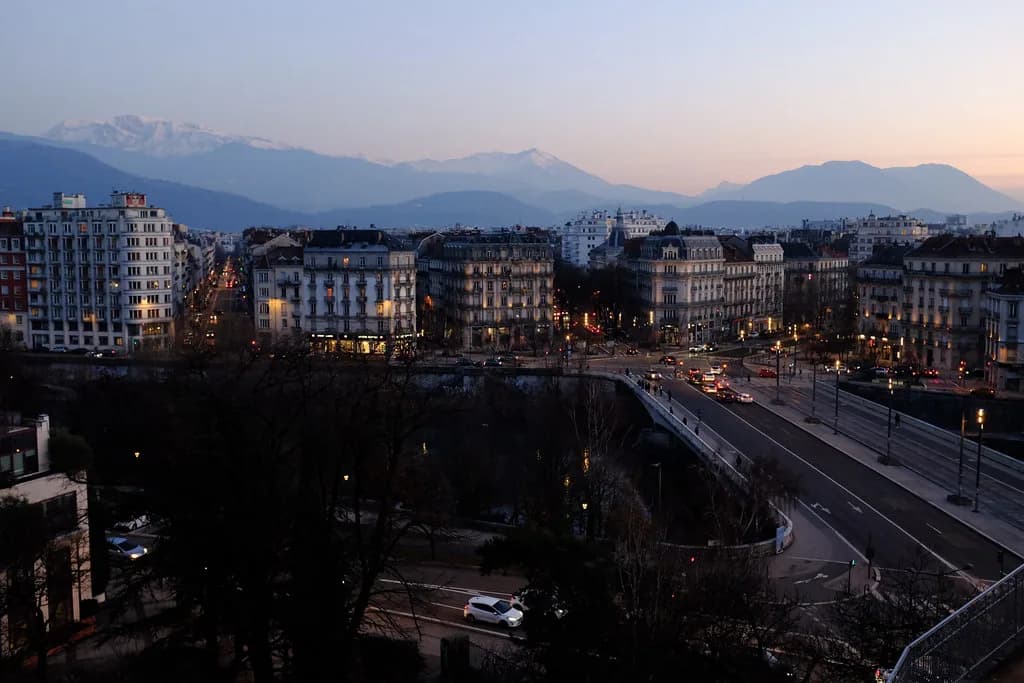
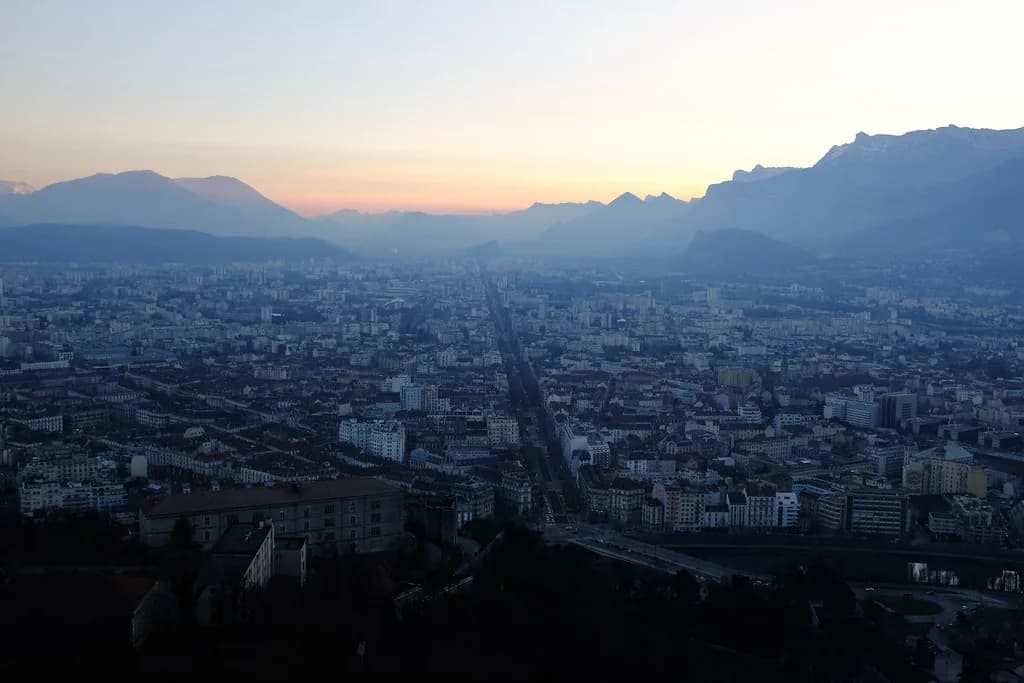
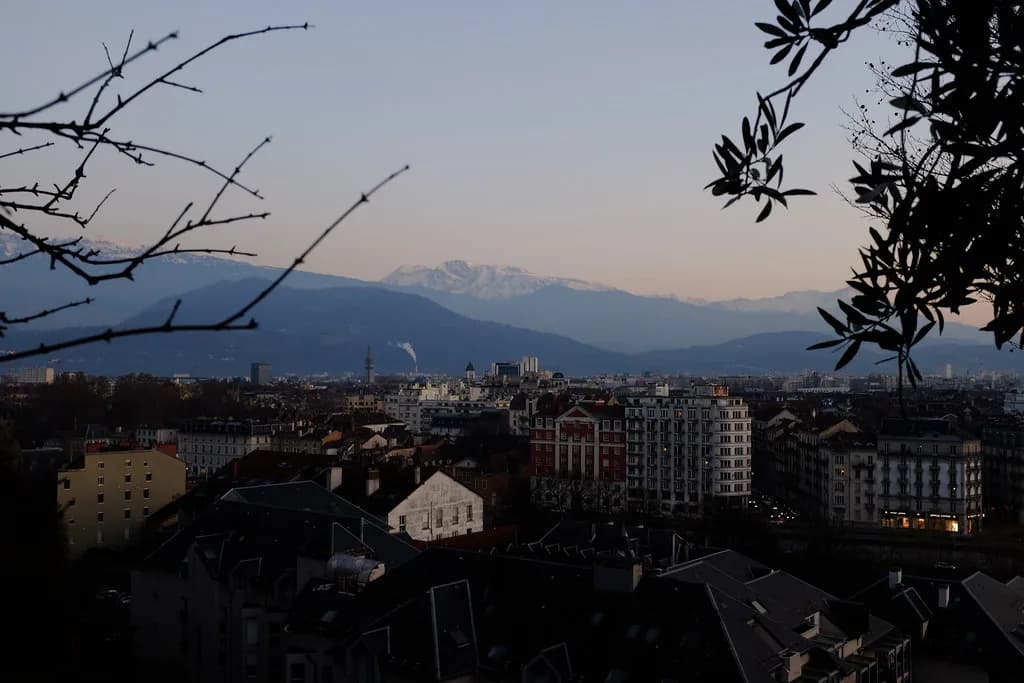
January is Grenoble at its most stripped back. The city sits flat on the valley floor between three mountain ranges, and on clear days the snow line on the Chartreuse, Vercors and Belledonne is the view that carries the month. Days are short and the air is cold, sometimes sharply so, which pushes the trip indoors and up to the peaks rather than onto terraces.
That makes January a good fit for museum-goers, winter walkers and anyone who wants a real Alpine city without the crowds of high season. It suits people who treat the surrounding mountains as day trips from a city base. It does not suit anyone hoping for long evenings outdoors, guaranteed snow on the streets or a lively café scene at dusk.
January in Grenoble: cold air, snow on the peaks and a calm city
The defining feature of the month is the contrast between the city floor and the slopes above it. Grenoble itself is one of the flattest cities in France despite sitting at the foot of the Alps, so the streets are easy to walk even when the surrounding peaks are white. Expect genuine winter cold rather than mild Mediterranean weather, and plan on the assumption that wind can make it feel considerably colder than the thermometer suggests.
Visitors who have spent a January weekend here describe precisely that combination: cold, wind at times, and a city that rewards a windproof layer and a plan built around short daylight. The compensation is the light. When the sky clears, the low winter sun on the snowfields above the valley is the reason people come.
Weather in January: typical highs and lows, rain and daylight
Treat January conditions as typical averages rather than a forecast, and expect variation across the month. No official January climate table for Grenoble is included here, so use Météo-France's published normals for the city, and read them as long-term averages: a cold snap or a mild, sunny spell can each sit well outside the mean.
Daylight matters as much as temperature. Midwinter brings the shortest days of the year, with sunset early enough in the afternoon to cut into any plan that combines a mountain outing with an evening in town. Build each day around one outdoor objective in the middle of the day and keep the mornings and late afternoons for indoor stops.
Snow in the city and snow in the mountains
These are two different things and worth separating before you plan. Snow on Grenoble's streets is not something to count on; slush and freeze-thaw are more typical of the valley floor than a reliable white cover. What you can reasonably expect is snow on the surrounding massifs, which is where the winter activities actually happen.
That distinction shapes the trip. Choose a city base and treat the Chartreuse, Vercors and Belledonne as day-trip territory, with the caveat that mountain roads and path conditions change quickly in January. Local operators running snowshoeing, dog sledding and sledging outings are the practical way to get onto snow without committing to a resort stay.
What closes or slows down in January
January is low season in Grenoble, which reads mostly as quieter streets and easier bookings rather than a city that shuts. The main sights and museums keep running; what changes is the rhythm around them, with fewer people on the cable car, in the galleries and in restaurants at lunch. Some mountain lifts and activity providers run reduced winter schedules or operate only on certain days, so check timing directly with the lift company or activity provider you plan to use.
If you are weighing up the season as a whole, the weeks on either side of January behave differently: Grenoble in December brings the festive run-up and Grenoble in February brings Carnival and a slightly fuller calendar. January sits between them as the sparsest month, which is either the appeal or the drawback depending on what you want from the trip.
Things to do in Grenoble in January
The strongest January plan alternates cold outdoor hours with warm indoor ones. Start with a viewpoint or a walk in the middle of the day when the light is best, then move inside for a museum, a long lunch or a spa afternoon. That structure copes with wind, short daylight and the possibility of a wet or slushy day without wasting the trip.
The tourist office's own shortlist of winter experiences in the Grenoble area is a useful spine for the week: sunrise from the Bastille, a snowshoe hike in the Chartreuse foothills, wildlife watching at Meylan, the Musée de Grenoble, the Uriage thermal baths and an ice hockey match. Almost all of it works as half-day blocks from the city.
Riding the cable car to the Bastille
The Grenoble-Bastille cable car is the city's signature ride, running in its bubble-shaped cabins from the centre up to the fort above town. It is also the most efficient way to get a high view in January, when daylight is limited and a long climb on foot may not fit comfortably into the afternoon. Check the day's running times with the cable car company before you go up, since winter service can differ from summer.
If you would rather walk, the routes to the fort are paved but can be icy or snowy in winter, so the cable car is the safer choice on a doubtful day. At the top, the fort and its terraces give the classic view over the valley and the trio of ranges beyond. Sunrise trips are possible in winter without an unreasonably early start, because the sun rises late.
Museums and indoor afternoons
The Musée de Grenoble is the obvious indoor anchor, with collections that run from antiquity to contemporary work and a scale that fills an afternoon without feeling like a chore on a cold day. It is the natural choice when weather or tired legs rule out the mountains. Pair it with a slow lunch rather than trying to add a second major sight.
Wildlife observation at the Domaine de Rochasson in Meylan gives a gentler outdoor option on the edge of the city, with forest trails and an educational centre for children. It is close enough to combine with an afternoon in town. Note that the centre and its trails may keep their own seasonal hours, so confirm before travelling out.
Thermal baths at Uriage-les-Bains
The thermal baths at Uriage-les-Bains, a short trip from Grenoble, are one of the best uses of a cold January day. The tourism office suggests a full programme: a morning at the spa, lunch nearby and a walk in the park afterwards. Book treatments in advance, since the winter calendar at spas is often narrower than in summer.
Winter sport without a ski holiday: snowshoeing, dog sledding and sledging
You can get onto real snow without booking a resort week. Guided snowshoe hikes follow waymarked trails in the Chartreuse foothills, dog-sledding teams run out of the Vercors, Oisans and Belledonne, and Chamrousse offers sunset sledging down the Olympic slopes once the lifts close. The sledging trips are run by professionals, and on the three-kilometre runs you can choose a traditional sledge or a yooner.
For something more instructional, the Col de Porte has long been where Grenoble families learn to ski, with classes that extend to snowboarding, biathlon and avalanche-transceiver training for people heading into the mountains. Treat these as day activities booked from the city, and check availability and departure points with the Ecole de Porte for your date.
Ice hockey with the Brûleurs de Loups
A home match for the Brûleurs de Loups is one of the liveliest things you can do in Grenoble in midwinter: a night of sport, music and noise that works for families as well as for people who have never watched ice hockey. The French league season runs through the winter. Look up the fixture list and buy tickets through the club before you book, so you know a match falls during your dates.
Food and markets in the quieter season
Food is one of the compensations of a January trip. Markets are calmer, winter citrus is at its best, and the regional cooking of the Isère is built for cold weather. A long lunch is a better use of a short day than a late dinner, and it fits neatly between a morning walk and an afternoon indoors.
Use the city's market days and neighbourhood food shops to build a loose plan, and treat restaurant choices as a matter of booking the evening before rather than researching at the door. For a broader picture of what the season offers across the country, France in January covers the regional differences in weather and opening patterns.
Day trips that work in January
Outside the mountains, the most reliable January day trips are the ones that do not depend on snow conditions. Vizille, south of Grenoble, is home to the Domaine de Vizille and the museum of the French Revolution in a château setting, with grounds that are easy to walk in winter. It makes a solid half-day when the high peaks are clouded in.
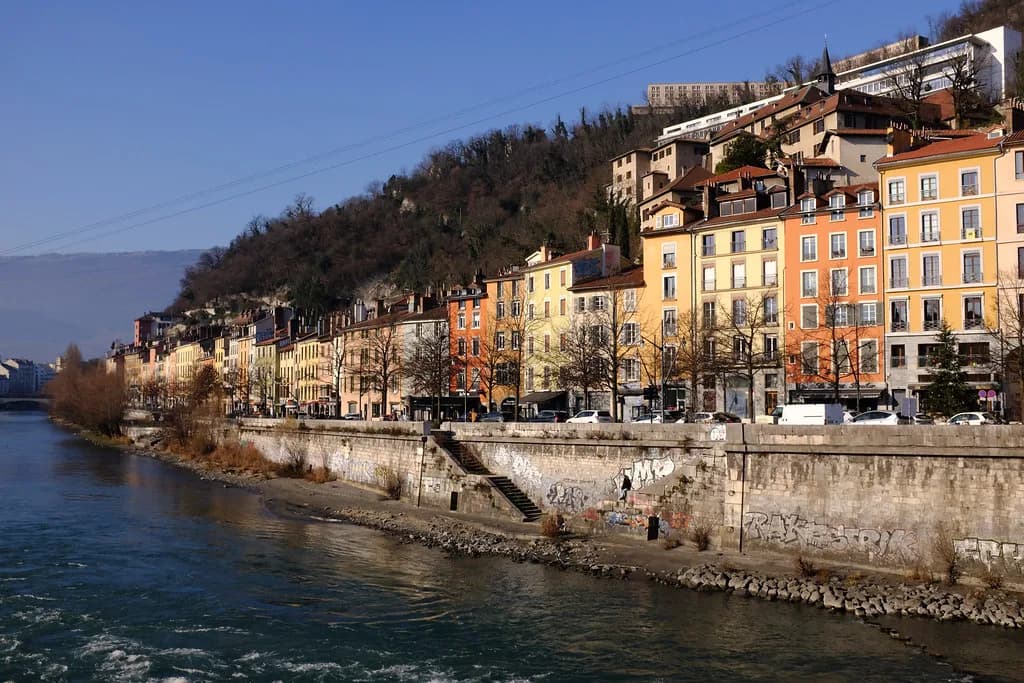
Closer to the city, the Isère River and its banks give a low-effort walk for the mildest days in the month, with the Bastille and the mountains never far from view. Keep day trips short and check road conditions before setting out, since mountain access can change with a single snowfall.
Who January in Grenoble suits, and who should pick another month
January rewards people who want a quiet, inexpensive-feeling city break with serious mountains on the doorstep and who are happy to plan around daylight. It is not the month for anyone hoping for long evenings outside, a busy café culture, guaranteed snow on the streets or a long list of winter events. If those matter more than solitude and mountain views, aim for the festive period or wait for spring.
If you want the same city with more going on, look at the festive weeks covered in Christmas in Grenoble, or at the warmer months. For a completely different January, Cannes in January shows how the Mediterranean coast behaves in the same month, with milder air and a very different rhythm.
Plan Your Winter Visit
Build a January trip around one outdoor objective a day and keep the rest indoors. A morning at the Musée de Grenoble, a midday cable-car ride to the Bastille and an afternoon in a thermal bath is a realistic winter day here, and the mountain outings slot in on the clearer, colder days.
Check the tourist office and your chosen operators for the week you plan to travel, especially for mountain activities and the cable car. Start with the broader Grenoble in winter guide if you are still deciding between months.
Frequently Asked Questions
Is January a good time to visit Grenoble?
Yes, if you want a quiet city break with real mountains nearby and you are happy to plan around short days and cold weather. The museums, the Bastille cable car and the thermal baths at Uriage-les-Bains all work well in January, and guided snow activities run from the city. It is less suitable if you want long evenings outdoors or guaranteed snow on the streets.
Does it snow in Grenoble in January?
Snow is far more reliable on the surrounding peaks than on the city floor. The Chartreuse, Vercors and Belledonne ranges typically hold snow in January, which is where snowshoeing, dog sledding and sledging happen. In town, expect cold, wind at times and possibly slush rather than a dependable white cover.
What is the weather like in Grenoble in January?
Expect cold winter conditions, with wind that can make it feel much colder, and short daylight. Use Météo-France's published climate normals for Grenoble as a guide to typical highs and lows, and treat them as averages rather than a forecast for your dates.
What is there to do in Grenoble in January?
Indoor anchors include the Musée de Grenoble and the thermal baths at Uriage-les-Bains, while the Bastille cable car gives a high view without a long climb. On clearer days, snowshoe hikes in the Chartreuse, dog sledding in the Vercors or Belledonne, and sunset sledging at Chamrousse are all organised outings from the city. Ice hockey matches with the Brûleurs de Loups fill winter evenings.
How many hours of daylight does Grenoble get in January?
January is the shortest month for daylight, with sunset early in the afternoon, so the practical daylight window for a mountain outing or viewpoint is narrow. Plan outdoor activity for the middle of the day and keep mornings and late afternoons for museums, lunches and spas.
Is Grenoble worth visiting in winter?
For the right traveller, yes: the combination of a flat, walkable city and three mountain ranges within day-trip distance is hard to match, and low season means quieter streets and easier bookings. If you want guaranteed street-level snow, long evenings or a packed events calendar, another month will serve you better.
Sources
Winter travel notes
Optional updates when we add or revise winter guides.
You might also like
Continue reading
More guides you'll find useful