Grenoble in February: Winter Weather and What's On
Grenoble in February brings cold valley days, snowy peaks and quiet museums. See what the weather is like and what stays open before you book.
On this page
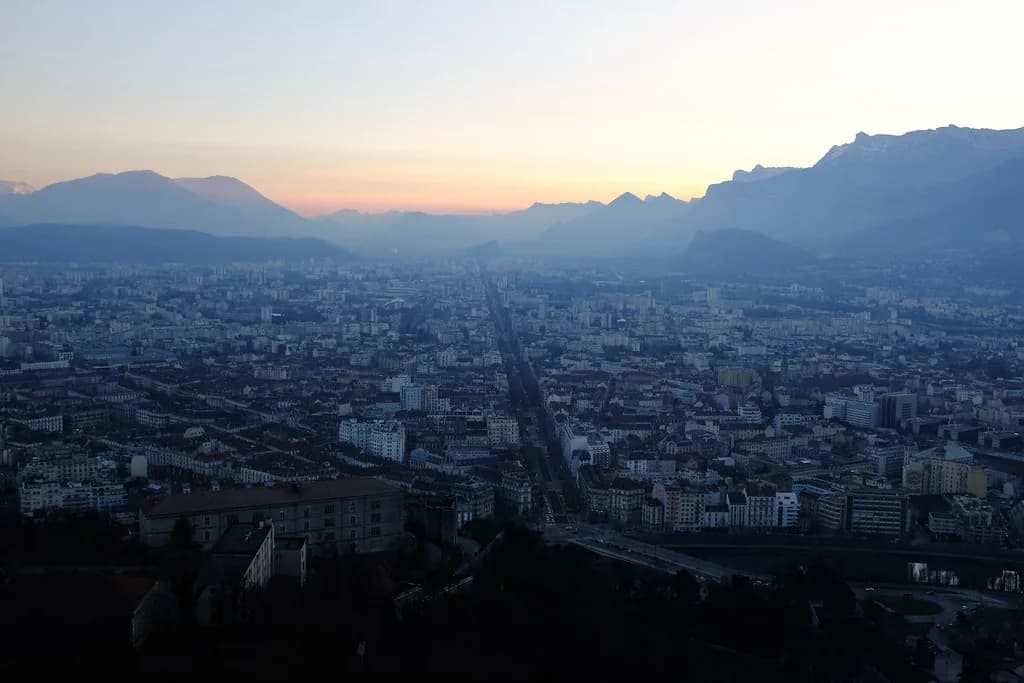
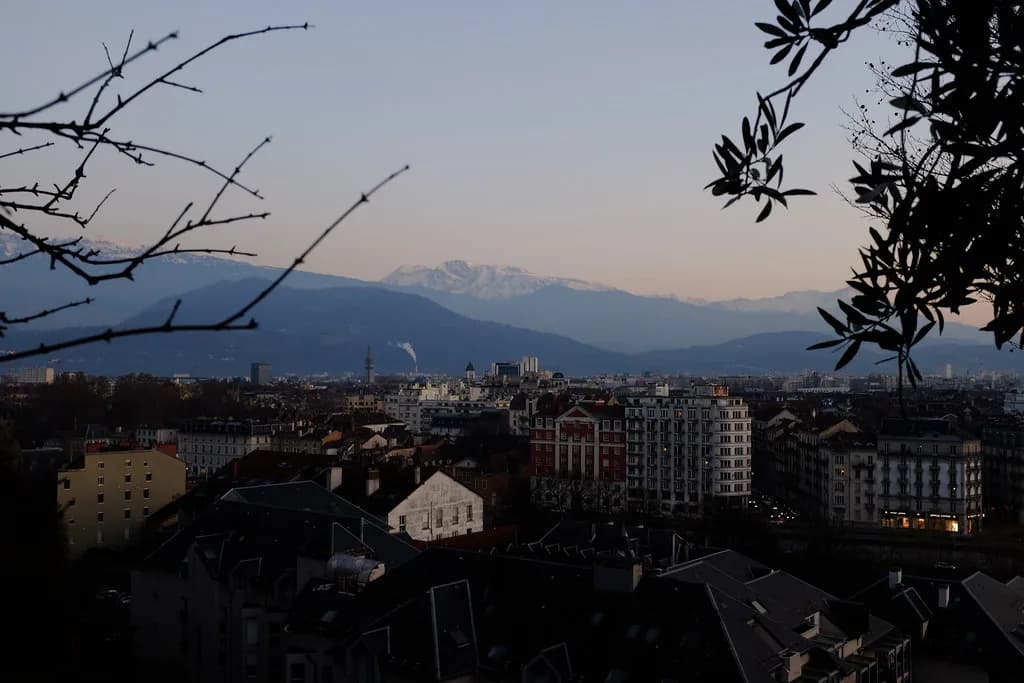
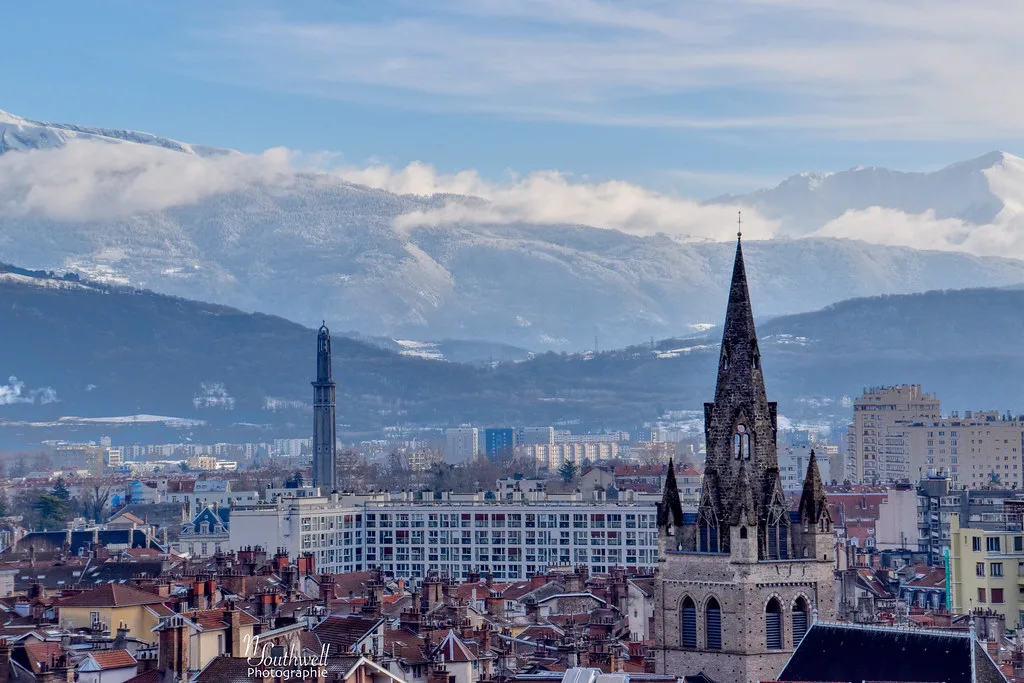
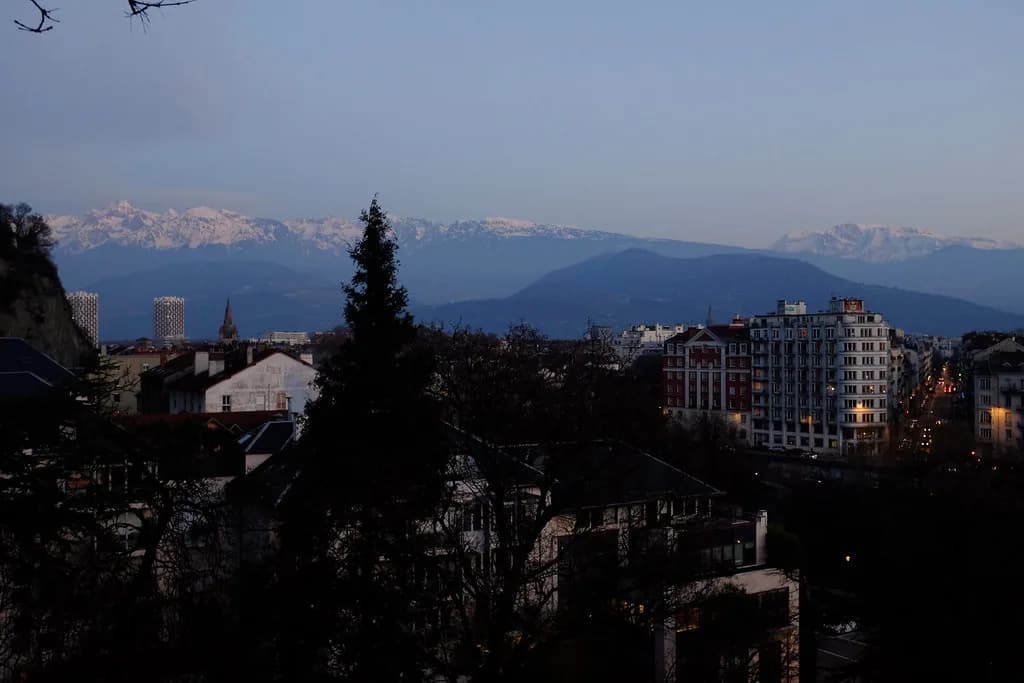
February finds Grenoble in its quietest, coldest register: a flat, walkable city ringed by the Belledonne, Chartreuse and Vercors ranges, with snow visible on the skyline most days and far fewer visitors than in summer. It suits travelers who want Alpine scenery, good food and serious museums without booking a ski week, and who accept short afternoons as part of the deal.
The city bills itself as the flattest in France, which matters in winter: you can cover the old town, Place Grenette and the riverside on foot in low temperatures, and save your vertical ambitions for the cable car up to Fort de la Bastille. Think of February here as a city break with mountains attached rather than a resort stay.
Weather in February
Treat February conditions as typical, not predicted: long-term averages for Grenoble show a continental Alpine valley climate, with cold nights and crisp, often sunny middays. The valley floor is mild compared with the peaks, so a walk along the Isère River can feel manageable while the ridges above town stay white.
The practical distinction is altitude, not date. Central Grenoble sits low and sheltered, so snow lying in the streets is uncommon and short-lived, while the Chartreuse and Vercors plateaus a short drive away hold snow for months. Plan city days around rain and wind, and mountain days around snow conditions reported by the resort or trail operator.
Check Météo-France for the week you travel rather than relying on seasonal averages, and read the forecast for the altitude you will actually be at. A clear, cold February day rewards you with views of Mont Blanc from the Bastille; a low-cloud day is the moment to switch to museums.
Daylight and the Shape of a February Day
February days are still short, and the light fades early enough that viewpoint visits belong in the middle of the day, not late afternoon. Build your schedule around a late-morning cable car ride and an indoor afternoon, and you will not lose the best light to a museum queue. Clocks do not change until 28 March 2027, so February daylight stays on winter time throughout.
If photography or Alpine panoramas are the point of the trip, aim for the first half of the day and keep a flexible second plan. The Bastille ridge is exposed, and wind on the terraces can cut a visit short even when the city below feels calm.
What Is Open in Winter
The Musée de Grenoble anchors a winter day, holding a large fine-art and sculpture collection across dozens of rooms, and it is the obvious choice when the weather turns. The museum's collection is strong enough that an hour's peek rarely stays an hour; budget at least a half day if art is why you came.
The cable car known locally as the bubbles is the city's signature ride, an early urban cable car climbing to the 19th-century Fort de la Bastille. Cars run in winter weather, but high wind can suspend operation, so ride up early in your stay and keep a walking or museum day in reserve.
In the old town, Place Grenette has been the main square since the 17th century and the surrounding streets are dense with restaurants, including Café de la Table Ronde, which opened in 1739 and is often described as France's second-oldest cafe. February is the season to get a table there without much of a wait.
Things to Do in February
Start with the city on foot: the old quarter, the squares and the riverside walks are all compact, and February's thin crowds make them pleasant rather than rushed. Add the Musée de Grenoble and the Bastille cable car, and you have a solid two-day city itinerary without leaving town.
Food is a legitimate winter activity here. Gratin de Crozet is the local pasta bake enriched with cheese and often truffles, foie gras, snails or crayfish, and it appears on menus across the Rhône-Alpes region. Pair it with a glass of Chartreuse, the herbal liqueur made by Carthusian monks near Grenoble, or with cheese from Fromagerie Les Alpages, run by a champion cheesemonger.
If you want a half-day out of the cold, the Château de Vizille and its grounds south of Grenoble make a calm, low-key excursion, and the wider Domaine de Vizille is a name worth searching when you plan your days. Confirm opening days before you go, since winter hours at historic sites are often reduced.
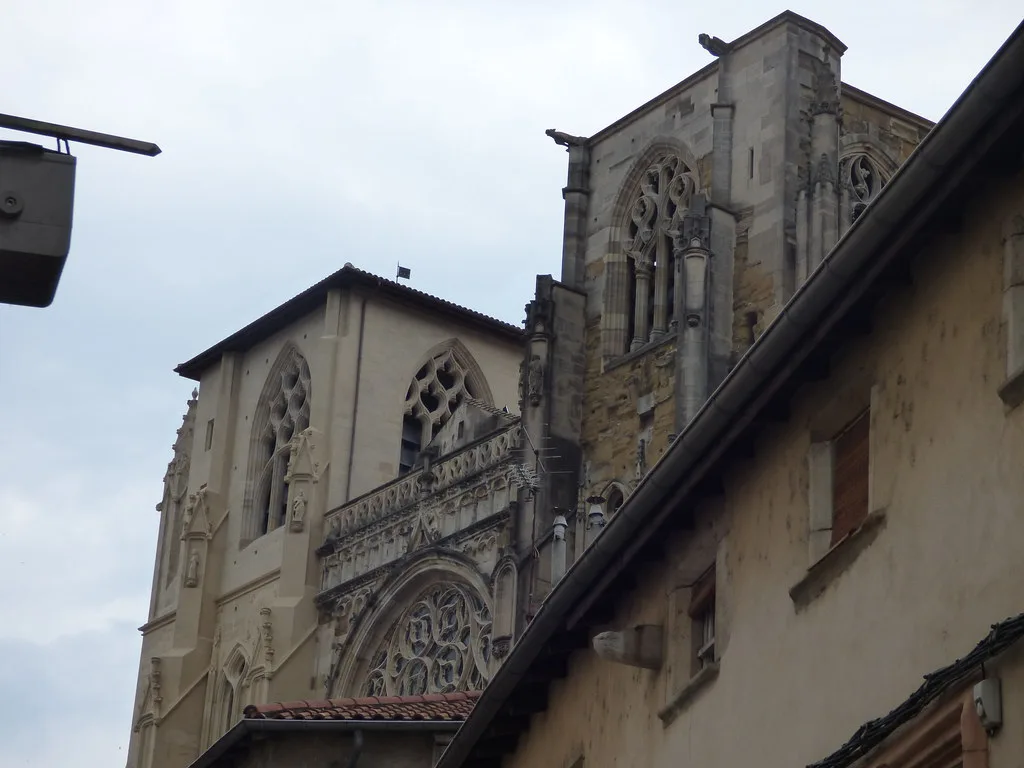
Riding the Cable Car to Fort de la Bastille
The ride up is short and scenic, and the fortress ridge gives you the postcard view of the city pressed between mountain chains. Go for the platforms and the panorama rather than the fort's interiors, which are not the main draw in winter.
Dress for wind and carry more layers than the city forecast suggests, because the ridge is exposed and several degrees colder than the streets below. If the cars are stopped for weather, the walk up is steep and not a sensible substitute on ice.
Easy Winter Day Trips
Col de Porte, about twenty minutes from Grenoble in the Chartreuse, is a family-oriented snow area with 19 km of Nordic trails and snowshoe routes, an easy first taste of the mountains. Les 7 Laux in the Belledonne has three base villages, including the locals' favorite Pipay, and 120 km of ski slopes, so it works well for a snowshoe or sledding day even if you never click into skis.
Villard-de-Lans, on the Vercors plateau, is the biggest family resort in the Vercors, with shops and restaurants alongside 125 km of runs. In recent editions the final stage of La Grande Odyssée dog-sled race has finished there in January, so by February the village is back to ordinary winter rhythm.
Transaltitude shuttles connect Grenoble with the surrounding resorts, which lets you skip a rental car for a day in the mountains. Schedules thin outside peak weeks, so fix your return bus before you set out.
Snowshoeing and Other Non-Ski Days
Snowshoeing is the easiest mountain activity to try without lessons or expensive gear, and guided versions run from Col de Porte and Les 7 Laux through pine forest and open pasture. Dog sledding, snow tubing and ice skating round out the options listed for the Grenoble area, and spas in the resorts offer a warm counterpoint to a cold morning outside.
Farm visits and cheese tastings give a slower mountain day, and they suit travelers who would rather see how the region eats than how it skis. Book ahead for anything guided, since February operators run fewer departures than in high season.
Carnival, Holidays and What Is On
Carnival Tuesday falls on 9 February 2027, with Ash Wednesday the next day, and the French school winter holidays usually land somewhere in February. Exact vacation dates vary by zone, so look them up for Isère when you book, since they move lift queues and mountain bus loads more than any other factor.
La Grande Odyssée, one of the world's longest dog-sled races, runs through Alpine resorts over about ten days in January, traveling nearly 750 km and passing through Les 7 Laux, Col de Porte and Villard-de-Lans. Its organizers publish the route and dates season by season, so check the race website rather than assuming a February stage.
Grenoble's Christmas market runs 24 November to 24 December, so it closes long before February and this is not a market trip; if that is your priority, plan around Christmas in Grenoble instead. February is about the city at everyday pace, with the mountains as a backdrop rather than a festival.
Crowds, Prices and Trade-offs
February is low season for city hotels, so rooms are easier and cheaper than in summer, while the mountain resorts fill during French school holidays. That split is the key planning insight: stay and eat in the city, and pick your mountain day around local holiday pressure.
The trade-offs are real. Days are short, the valley can be grey and damp, and there is no guarantee of snow in the streets. Anyone wanting guaranteed snow underfoot, long daylight or a resort-based week should look at January in the high mountains or wait for summer.
February suits travelers who want museums, food, walkable streets and Alpine views in one trip, and who treat the mountains as a day out. It also suits anyone traveling with a mix of skiers and non-skiers, because the city gives the non-skiers a full program.
Getting Around
Grenoble is about three hours from Paris by train and roughly an hour and a half from Lyon, which makes it one of the easiest Alpine gateways to reach without a car. The station sits close to the center, so you can arrive, drop bags and be in the old town the same morning.
Within the city, trams and walking cover nearly everything a short winter break needs, and Transaltitude buses handle the resorts. If you want a wider sense of how the season works across the country, compare this with France in February and note how much more snow the Alps hold than the north.
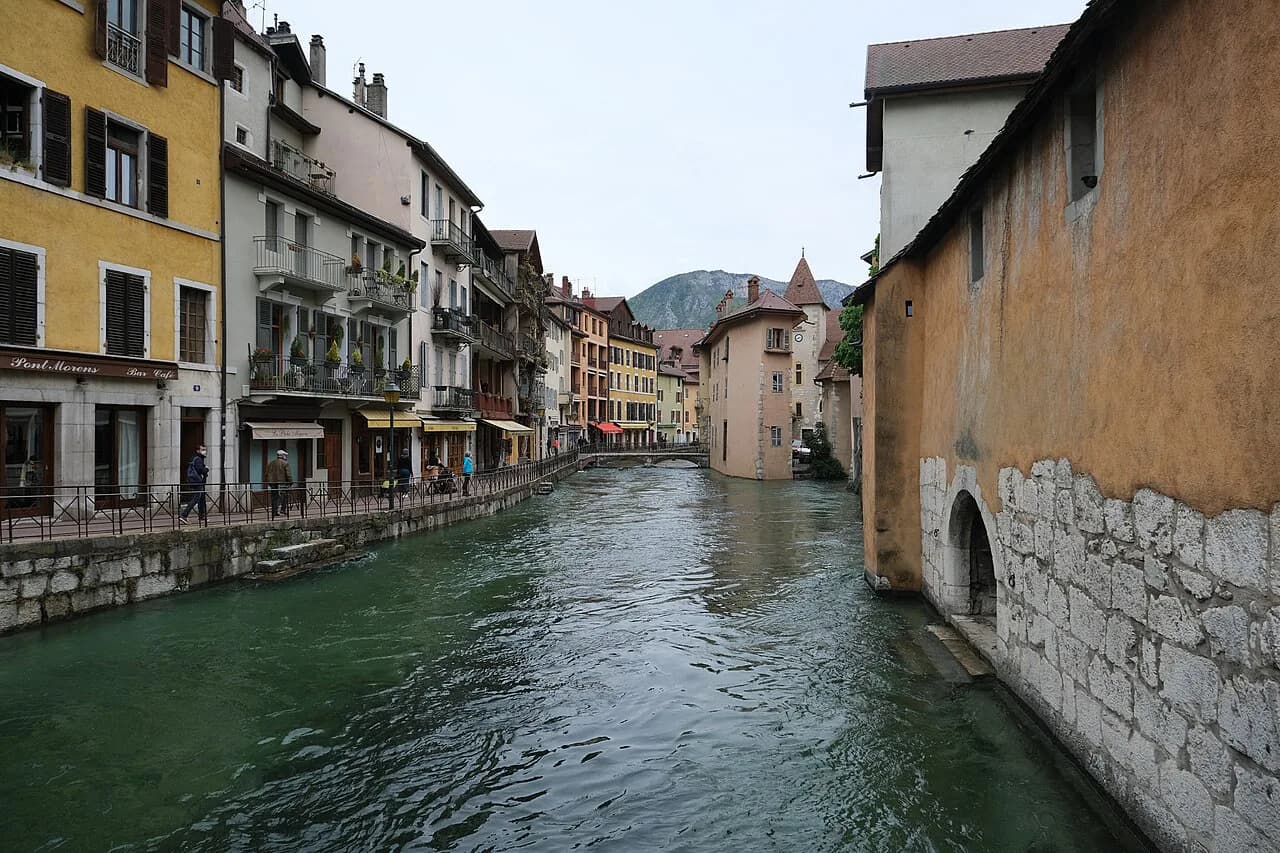
Travelers combining Grenoble with a lake stay should note that Annecy sits a straightforward train or drive away, though its lakefront in February is quiet and cold rather than lively.
Plan Your Visit
Book February for the city first and the mountains second: a museum morning, an early Bastille ride and a food-focused evening make a reliable day whatever the weather does. Then add one snow day at Col de Porte, Les 7 Laux or Villard-de-Lans, checking shuttle times before you commit.
Check Météo-France for the forecast week and the race or resort website for anything dated before you travel, and keep one indoor plan spare for a low-cloud day. February rewards flexibility more than any other month here.
Explore more Grenoble winter guides
Frequently Asked Questions
Is Grenoble worth visiting in February?
Yes, if you want a compact Alpine city with strong museums, good regional food and mountain views without a ski holiday. The old town, the Musée de Grenoble and the Bastille cable car fill two days easily, and February's low season keeps restaurants and galleries calm. Expect cold, short days and plan mountain excursions as day trips rather than the whole trip.
Is there snow in Grenoble in February?
Snow in the city streets is uncommon and usually brief, because Grenoble sits low and sheltered in the valley. The surrounding ranges, including the Chartreuse, Vercors and Belledonne, hold snow through February, so day trips to places like Col de Porte or Villard-de-Lans give you proper winter conditions. Check current snow reports before setting out.
What are the best things to do in Grenoble in February?
Focus on the Musée de Grenoble, the cable car to Fort de la Bastille, and a slow walk through the old town around Place Grenette, with a meal of gratin de Crozet or a glass of Chartreuse. Add one snow day at a nearby resort if the weather cooperates, and keep a museum or cafe afternoon in reserve for grey days.
What is there to do in Grenoble if you don't ski?
Plenty: snowshoeing, dog sledding, snow tubing, ice skating, farm visits and spa afternoons all appear among options around Grenoble, and the city itself offers museums, historic cafes and riverside walks. The Musée de Grenoble and the Bastille cable car are the anchor activities. Mountain shuttles let non-skiers join the group without hiring a car.
How do you get from Grenoble to the ski resorts in winter?
Transaltitude shuttles link the city with surrounding resorts, and trains connect Grenoble with Paris in about three hours and Lyon in roughly ninety minutes. Winter timetables are thinner outside holiday weeks, so confirm your return departure when you arrive at the resort. Renting a car is an alternative for Villard-de-Lans and the Vercors.
What is the weather like in Grenoble in February?
February is the coldest stretch of the Grenoble winter, with crisp valley days and much colder, snowier conditions at altitude. The city is sheltered and often clear, while the peaks stay white. Check Météo-France for the forecast week and the altitude you plan to visit, since conditions differ sharply between town and mountain.
Sources
Winter travel notes
Optional updates when we add or revise winter guides.
You might also like
Continue reading
More guides you'll find useful