Grenoble in Winter: What November to March Is Really Like
Grenoble in winter means short, cold days, snowy peaks above a workaday valley city, quiet museums and the Bastille cable car. Here is what to expect.
On this page
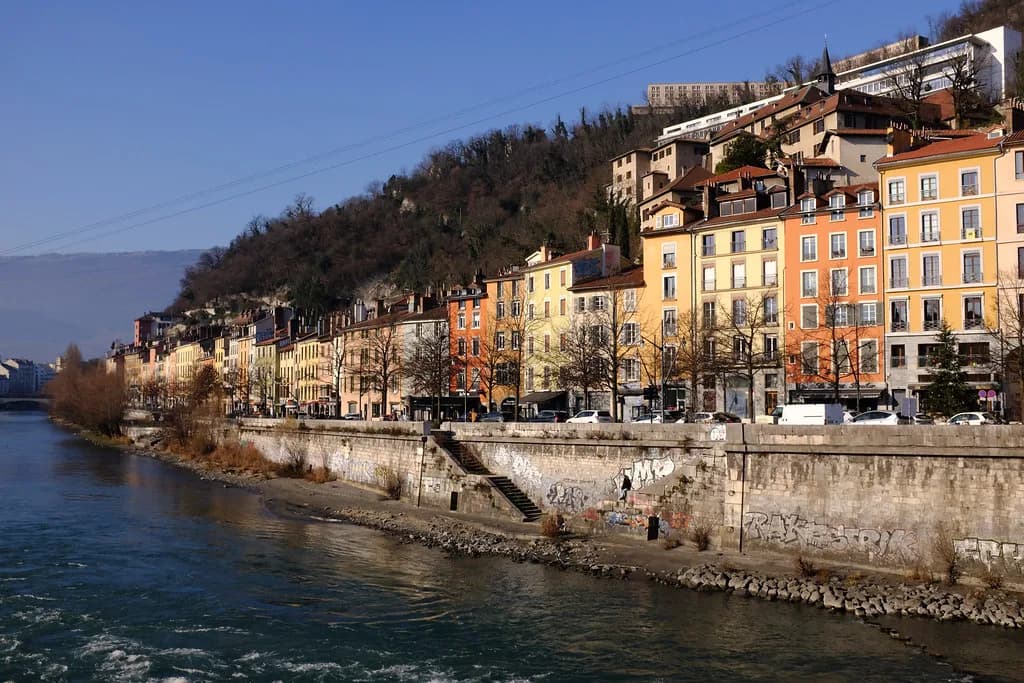
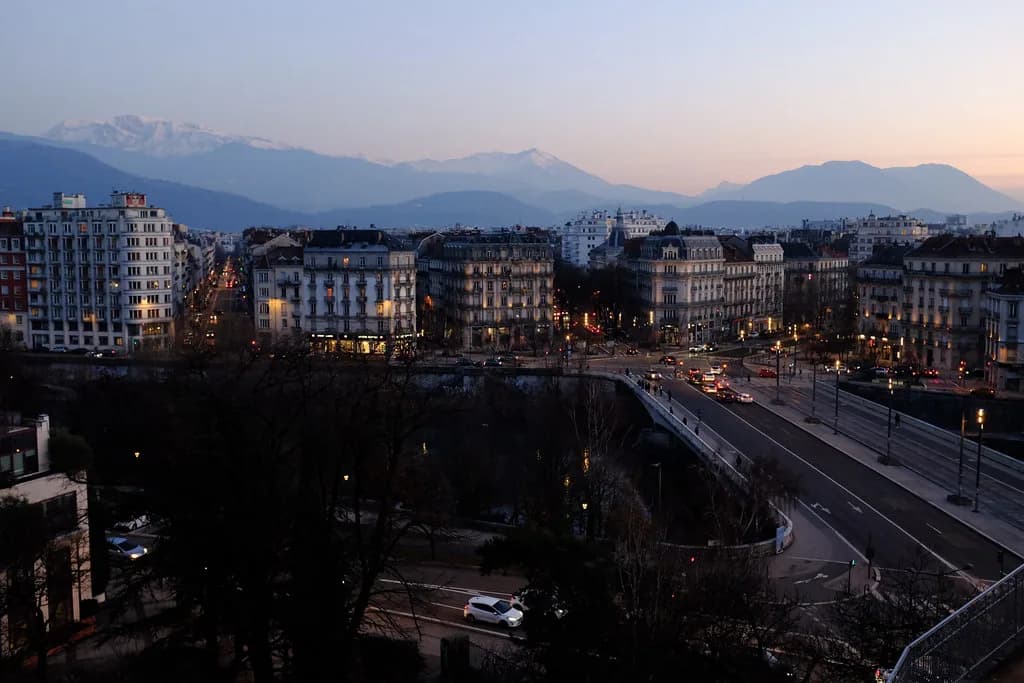
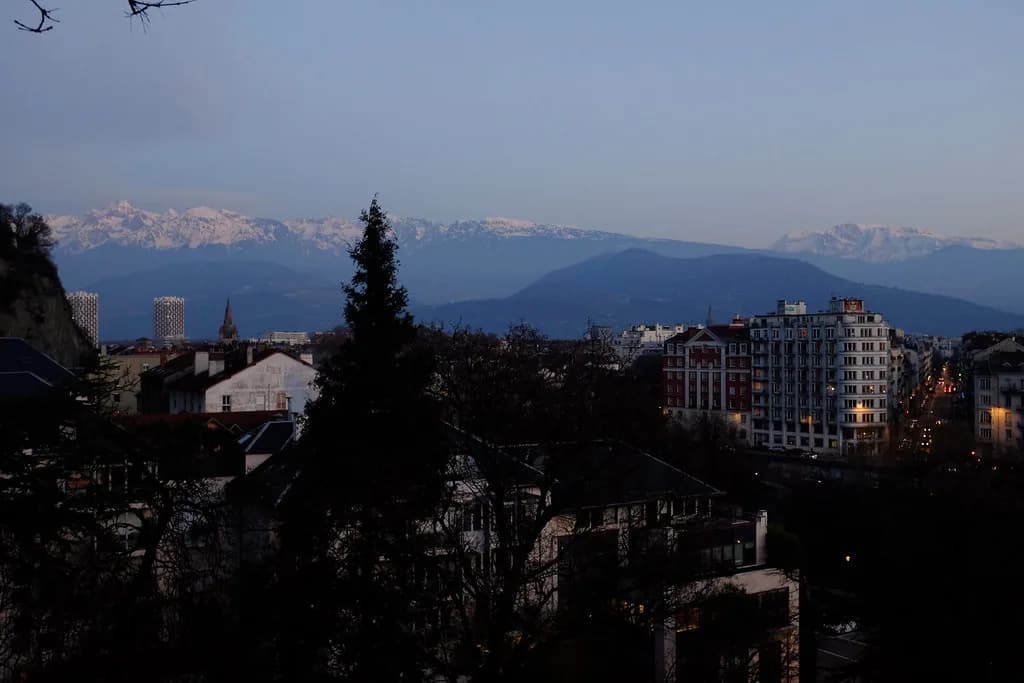
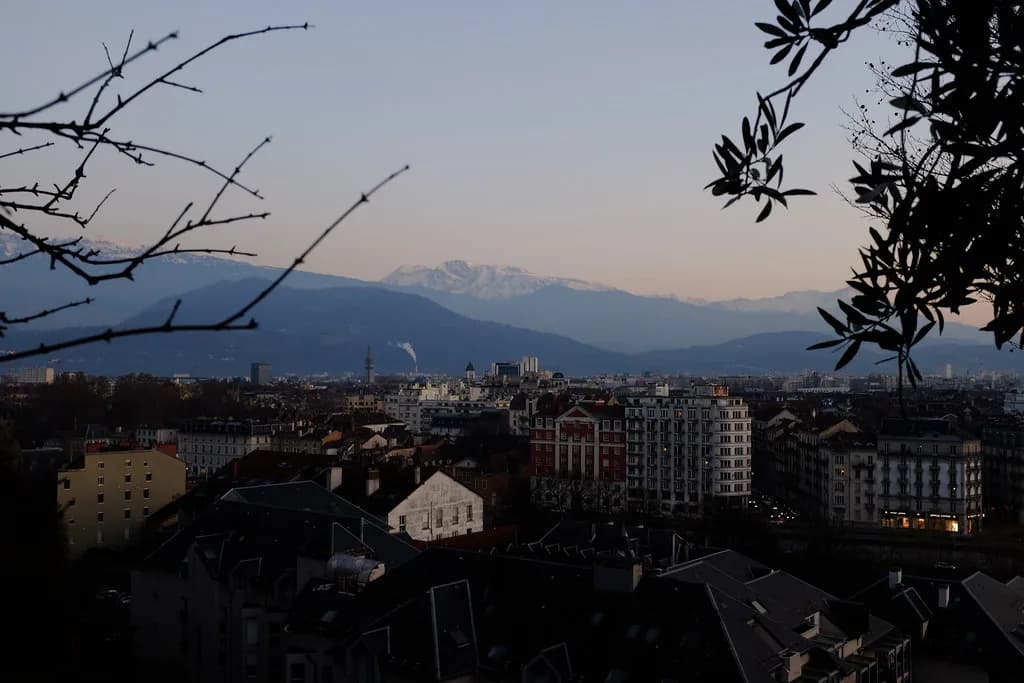
Grenoble is a working city of around 160,000 people wedged where the Isère River meets the Drac, with the Vercors to the west, the Chartreuse to the north and the Belledonne and Oisans ranges to the east. In winter the mountains hold snow, the valley floor usually does not, and the city carries on with trams running, markets trading and museums open. That combination — genuine urban life plus serious alpine scenery within half an hour — is the reason to come between November and March.
The catch is daylight. December days run under nine hours from sunrise to sunset, so a morning spent in a museum can eat most of the usable light. Plan indoor visits for the early morning and save the afternoon for the cable car, a riverside walk or a viewpoint. Travelers who need long, warm evenings and outdoor café terraces should look at June or September instead; those who want cheap city days and one or two mountain outings will find Grenoble quietly rewarding.
Weather in December
Typical December days in Grenoble range from a high of about 5 °C (41 °F) to a low of around -3 °C (-3 °C is 27 °F), with roughly 8.8 hours of daylight, sunrise near 8:06 and sunset near 16:56. Cloud cover is common and humidity high, which makes the cold feel damper than the thermometer suggests. Treat these as long-term averages for planning, not a forecast for your week.
The valley floor sits low enough that December snow in the streets is unusual; the snow line generally starts on the slopes above town. That matters for planning: you can spend a morning in the city and an afternoon looking at snow-covered ridges without ever walking through slush. Check webcams for the Chartreuse and Vercors before committing to a mountain day, because lower slopes can be bare while the summits are white.
Weather in January and February
January and February are the coldest stretch, and February averages about 4 °C (40 °F) by day and -5 °C (24 °F) at night. Clear cold spells give the sharpest mountain views of the year; grey spells can sit in the valley for days while the peaks above are in sun. If photography or a Bastille ascent is the point of your trip, build in flexibility and take the clear morning when it comes.
Snow at altitude is reliable in these months on the Vercors plateau and in the Belledonne, which is why Grenoble works as a base rather than a resort. You sleep in the city, take a bus or drive up, and return the same evening. The trade-off is time in transit and dependence on road conditions; mountain buses and lifts can be affected by weather, so check the service status before a long ride.
Weather in November and March
November is the quietest and greyest month: the autumn colours are gone, the lifts are not yet busy, and the city settles into short afternoons. It is a good month for museums, food and low prices, less so for mountain views. March brings noticeably longer days and milder afternoons, and the clocks go forward on 28 March 2027, adding an evening hour of light at the end of the season.
Late March is a transitional window: valley terraces start to reopen, snow persists high up, and spring rain replaces some of the winter cloud. It suits travelers who want the mountains without deep cold, and it is a better bet than midwinter for anyone planning to walk at lower altitudes.
Christmas and New Year in Grenoble
December brings festive lighting through the center, an outdoor ice rink on Place Victor Hugo in recent seasons and a Christmas market in the heart of town, typically with crafts, mulled wine and local food. Christmas Day 2026 falls on a Friday, and New Year's Day 2027 is also a Friday, so both long weekends pull French visitors toward family rather than the city. Expect many restaurants to close on 25 December and a quieter-than-usual street scene. For the fuller picture of the season, see Christmas in Grenoble.
New Year's Eve on 31 December is celebrated in restaurants and bars rather than with a big public countdown, and Epiphany on Wednesday 6 January 2027 is the day bakeries sell galette des rois. If you want a festive city break, the first half of December is calmer and cheaper than the days around Christmas itself; if you want the lights without the closures, aim for early to mid-December.
Things to do when it is cold
Grenoble's museums carry a rainy day well. The Musée de Grenoble holds a broad European collection from old masters to modern art, the Musée dauphinois occupies a former convent on the slope below the Bastille with ethnography and alpine history, and the Musée archéologique Saint-Laurent centres on a remarkable early Christian crypt. The Museum of the Resistance and Deportation of Isère gives the Vercors wartime story the context it needs before you visit the plateau.
Opening hours shift in the low season and some sites close on public holidays, so check the day before instead of relying on a full weekly schedule. Winter hours often mean shorter afternoons, which matters when sunset comes before 17:00 in December. A realistic winter day is one museum in the morning, lunch, then a walk or the cable car while the light lasts.
Riding and walking up to the Bastille
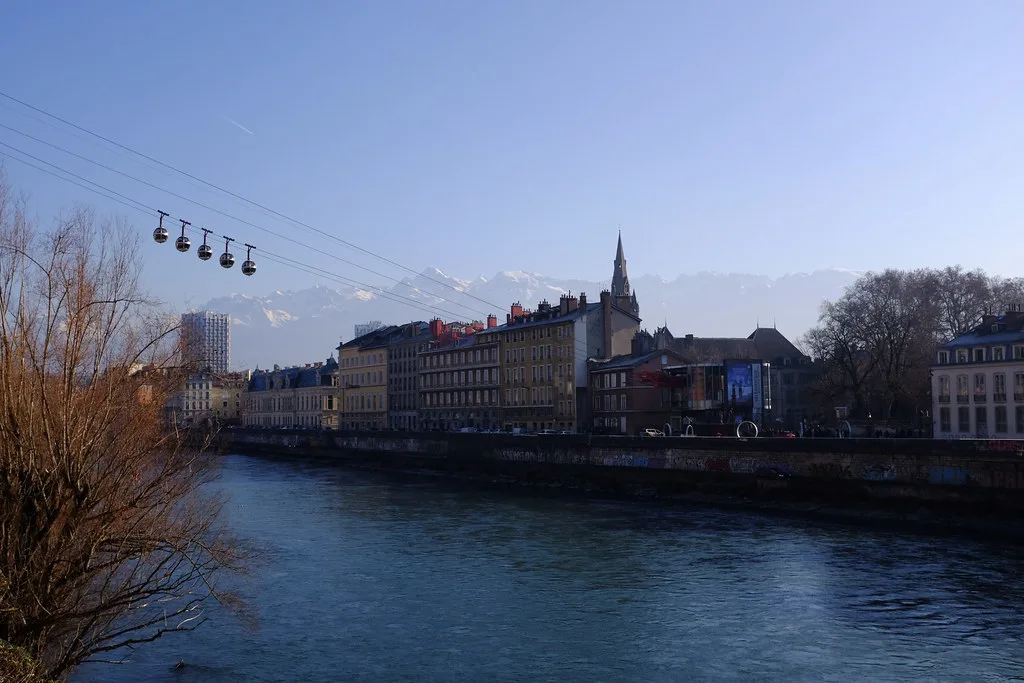
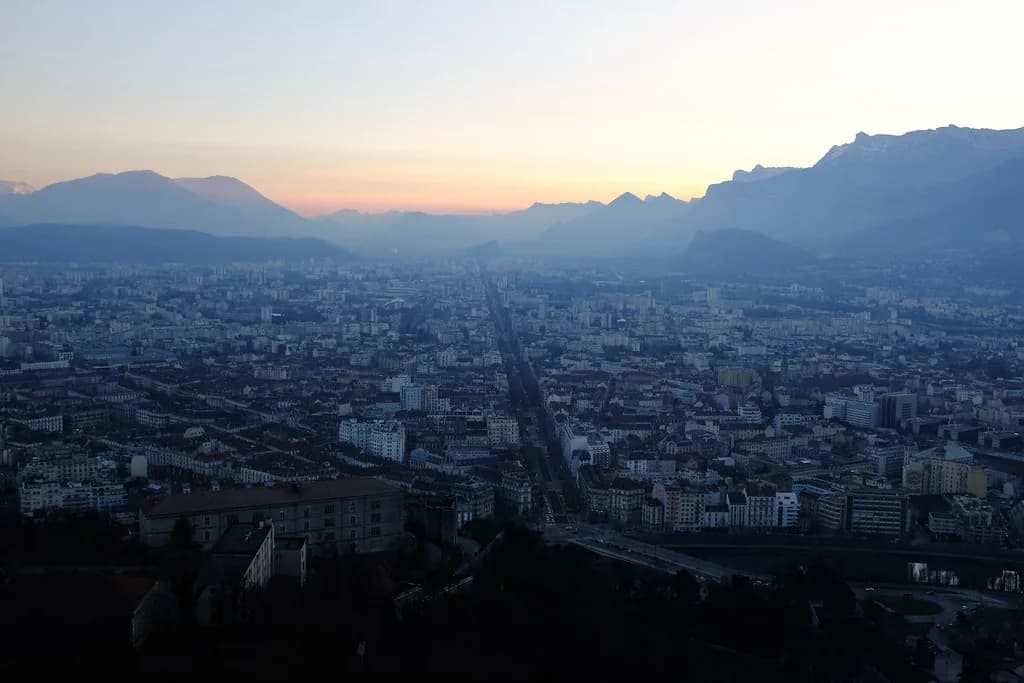
The Téléphérique — the bubble cars that run from the city center up to the Bastille fortress — is Grenoble's signature winter outing. On a clear cold day the ride gives the whole valley at once, with the Vercors on one side and the Belledonne on the other, and the fortress itself is free to wander. On an overcast day the view disappears and the trip loses its point, so save it for a bright morning.
Fit walkers can take the footpaths up instead, which is warmer work than standing in a cable car and gives a closer look at the slopes. Paths can be icy after a cold night, so treat the climb as a proper outing rather than a stroll. The tourist office publishes current transport and trail information for the Bastille.
Winter walks and viewpoints at valley level
For short daylight hours, the city center does the job. The Jardin de Ville gives a green pause near the old town, Place Grenette is the natural stop for a coffee between shops, and the quays along the Isère offer a flat walk with mountain views at the end of the street. Parc Paul Mistral is the largest green space in town, with an observation tower, and is a sensible loop when you only have an hour of light.
None of these is a destination in itself; they are the connective tissue between museums and meals. The pleasure of a Grenoble winter is looking up: almost every street opening frames a mountain, and the low winter sun picks out the ridges in a way summer haze does not.
Eating and drinking in winter
Dauphiné cooking is built for cold weather — gratins, cheese-heavy dishes, charcuterie and walnuts — and Grenoble has the cheese shops and market halls to match. The city's food scene is unpretentious rather than fashionable, which keeps it affordable and makes it easy to eat well without booking far ahead. Look for restaurants away from the main squares for better value.
Winter is also the season when a long lunch makes more sense than a late dinner, given that darkness falls early. Bakeries sell seasonal pastries and galette des rois around Epiphany on 6 January, a small, genuinely local thing to seek out.
Day trips that work in winter
Villard-de-Lans, on the Vercors plateau above the city, is the most straightforward mountain day out. The resort links Villard and Corrençon-en-Vercors, has 36 runs spread across 125 km and a high point at 2,050 m, plus 110 km of cross-country trails that suit walkers and skiers who do not want downhill. It is a working village rather than a purpose-built station, with butchers, bakers and ordinary shops alongside the ski trade.
The Chartreuse is closer still: Sappey-en-Chartreuse sits about 15 minutes from the city at the entrance to the Chartreuse Regional Nature Park, with marked paths out of the village. Vizille, south of Grenoble, combines the Domaine de Vizille park with the Museum of the French Revolution, a good mixed day when the weather is uncertain. All three are realistic without a car if you use local buses, though services are thinner in winter.
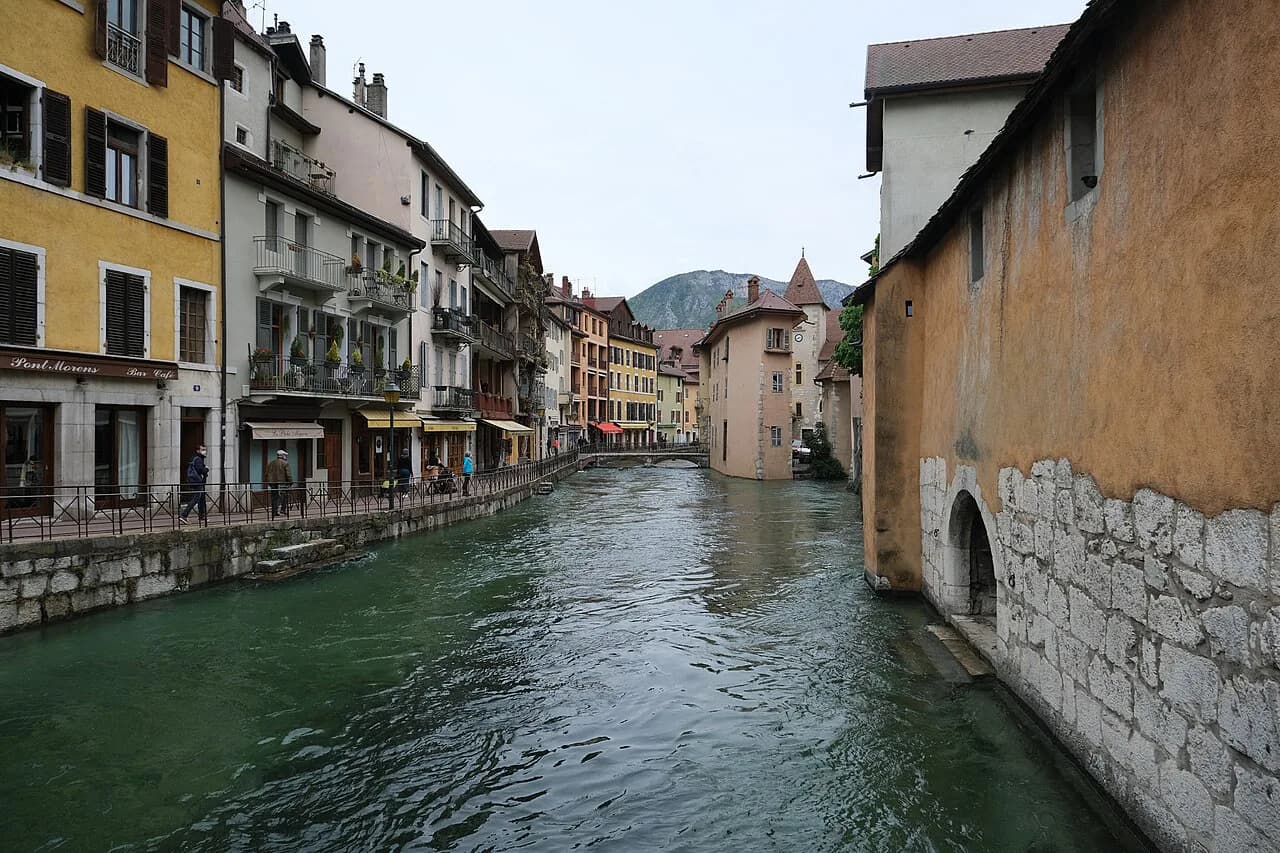
Annecy, with its lake and old town, is a longer but feasible day trip by train for travelers who want a second base in the region; see Annecy in winter for what the lake town offers in the cold months.
Skiing near Grenoble
Grenoble is a gateway, not a resort. The nearest downhill terrain is on the Vercors and in the Belledonne and Oisans ranges, reached by bus or car, and the city's role is to give you beds, restaurants and museums on either side of a day on the slopes. That suits travelers who want one or two ski days rather than a week of lift queues.
Lift passes, lesson prices and snow conditions vary by station and season, and the lift companies and ski schools publish them directly; last year's figures can be out of date. Check current prices and dates before booking. If the mountains are the main reason for the trip, a purpose-built resort will serve you better than a city base.
Getting around in winter
Grenoble has a compact, tram-based center and is easy to navigate on foot and by public transport. Trains connect it directly with Lyon and Paris, and the tourist office maps the local network and the bus links into the surrounding ranges. Mountain roads can be affected by snow, so allow slack in any day-trip plan.
From the city, buses run up toward the Vercors and Villard-de-Lans, with timetables published by the regional transport operators. Winter services are reduced compared with summer, and the last bus back can be early — check the return time before you set out.
Crowds, costs and light
Winter is low season in Grenoble, which means quieter museums, easier restaurant tables and softer prices than in summer. The cost is in light and weather: short afternoons, days of cloud and a cold that keeps you moving indoors. It is a good-value city break for travelers who do not need sunshine to enjoy a place.
Compare that with summer, when the mountains are green, the terraces full and the days long, or with early autumn, which often brings the clearest air. Winter wins on atmosphere and price, not on convenience.
Who a Winter Trip Suits
Grenoble in winter suits museum-goers, food-focused travelers on a budget and anyone who wants a real city with mountains attached rather than a resort bubble. It works well for a three- or four-night break, especially in early December or late January, when the city is quiet and the peaks are white.
Choose another month if you need guaranteed sunshine, long evenings outdoors or a full ski holiday with doorstep lifts. And if you are building a wider French itinerary, Aix-en-Provence in Winter shows how a southern city handles the same season.
Explore more Grenoble winter guides
Frequently Asked Questions
What is Grenoble like in winter?
Grenoble is a working valley city ringed by three mountain ranges, so winter brings cold, short days with snow on the peaks rather than the streets. Museums, trams, markets and restaurants keep running, and mountain day trips are feasible without booking a resort stay.
Does it snow in Grenoble in winter?
Snow in the city center is uncommon because the valley floor sits low; the snow line generally starts on the slopes above town. The surrounding massifs hold snow through the winter, so you can see white ridges from the streets even when the pavements are clear.
What are typical winter temperatures in Grenoble?
Long-term averages put December days at roughly 5 °C (41 °F) with nights near -3 °C (27 °F), while February is the coldest month, averaging about 4 °C (40 °F) by day and -5 °C (24 °F) at night. Treat these as typical conditions, not a forecast.
How many hours of daylight does Grenoble get in December?
December averages around 8.8 hours of daylight, with sunrise near 8:06 and sunset near 16:56. That makes mornings the best time for indoor sights and leaves a short afternoon window for the cable car or a walk.
Is the Bastille cable car open in winter?
The Téléphérique generally runs through the winter, but services can be affected by weather and maintenance. Check the current timetable before you go up, and pick a clear day so the view is worth the ride.
Where can I go skiing near Grenoble?
The Vercors plateau, reached via Villard-de-Lans and Corrençon-en-Vercors, offers downhill runs and extensive cross-country trails, while the Belledonne and Oisans ranges lie east of the city. Grenoble works best as a base for one or two ski days rather than a full resort holiday.
What is there to do in Grenoble on a rainy winter day?
Head for the Musée de Grenoble, the Musée dauphinois or the Museum of the Resistance and Deportation of Isère, then eat a long Dauphiné lunch. Opening hours shorten in the low season, so check the day before.
Is Grenoble worth visiting in December?
Yes, if you want a quiet city break with festive lighting, an ice rink and a Christmas market, plus mountain views on clear days. Christmas Day and New Year's Day fall on Fridays in the 2026–27 season, so expect restaurant closures on those dates.
Sources
Winter travel notes
Optional updates when we add or revise winter guides.
You might also like
Continue reading
More guides you'll find useful