Things to Do in Germany in Winter: Cities, Spas and Snow
Plan a German winter trip around city museums, thermal spas, Carnival and Alpine snow, with honest trade-offs on short days, rain and seasonal closures.
On this page
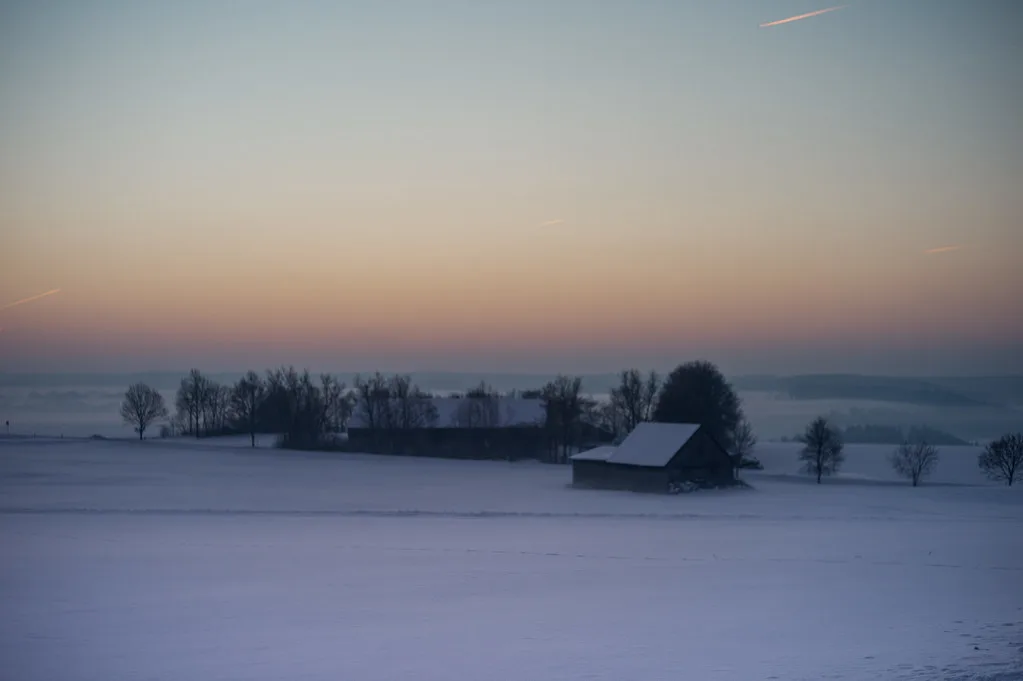
Germany in winter is a country of short daylight, wet cobblestones and warm interiors, and it rewards travelers who plan around the light rather than against it. December brings the densest atmosphere, January brings empty museums and spa season, February brings Carnival, and March slowly hands the country back to longer days.
It suits travelers who like cities more than beaches, who will happily spend an afternoon in a museum or a thermal bath, and who want the Alps without a full ski holiday. If you need long daylight and outdoor lunches, May is a better bet than any month in this guide.
Weather and daylight: what to expect month by month
German winters are cold rather than extreme, and the range is broad because the country stretches from the North Sea coast to the Bavarian Alps. In December, typical conditions sit in a rough band of about 30°F to 41°F, which translates to roughly −1°C to 5°C, and rainy days feel noticeably colder and damper than the thermometer suggests.
Berlin and Hamburg often escape snow entirely, while higher ground in Bavaria and the Alps is where a white landscape becomes likely; the German Winterdienstliches and weather services publish regional climate normals if you want precise figures per city. Daylight is the bigger constraint on any itinerary: in late December, sunset arrives in the mid-afternoon, so a museum or a beer hall belongs in the second half of the day, not the first.
December: Christmas market weeks and the quiet afterwards
Most German Christmas markets run from late November until just before Christmas, set in main squares and historic quarters from Cologne to Nuremberg, and the weeks around them are the busiest and most expensive of the German winter. Treat the markets as one part of a December trip rather than the whole of it: Nuremberg's is among the longest-running in the country, Cologne's main market sits against the Gothic cathedral, and smaller towns such as Würzburg keep a cozier, more local feel.
Once the stalls come down, the mood shifts sharply. The days between Christmas and New Year are quiet in the cities, with decorations and ice rinks still up but far thinner crowds, and hotels drop their December premiums. If you want the lights without the crush, that window is the trade to make; if you want the full market atmosphere, book early and accept the crowds.
January and February: museums, spas and the Carnival run-up
January and February are the quietest months nationwide, which makes them ideal for the sights that are miserable to queue for in summer. The Würzburg Residence, the Gutenberg Museum in Mainz and the museums inside Nuremberg's Imperial Castle all reward a wet afternoon, and you will often have the rooms largely to yourself.
Carnival gives February a shape. The season traditionally opens on 11 November at 11:11 in the morning with costumes and street parties, and the big street festivals follow in the days before Ash Wednesday, which falls on 10 February 2027, with Carnival Tuesday on 9 February 2027. Cologne, Düsseldorf and Mainz host the liveliest celebrations, and the costume shops and bar culture of the Rhineland cities are part of the appeal.
Snow is not guaranteed in the cities, and a February trip built around snowy streets can disappoint. Check regional snow likelihood before committing to a specific town, and keep a city base with a mountain day trip as the flexible plan.
If Carnival is the reason for your trip, the Rhineland cities are the base and the final week before Ash Wednesday is the peak. Expect full hotels and crowded trains in Cologne and Düsseldorf, and book the return leg before you go out for the evening.
March: longer days, Holy Week timing and the last of the snow
March changes the arithmetic of a German trip. Clocks go forward on 28 March 2027, evenings suddenly stretch, and the first café terraces reopen on sunny afternoons even though mornings stay cold. Easter Sunday falls on 28 March 2027, so Holy Week runs 21–28 March 2027, and that week brings heavier demand in cathedral cities such as Cologne and Speyer.
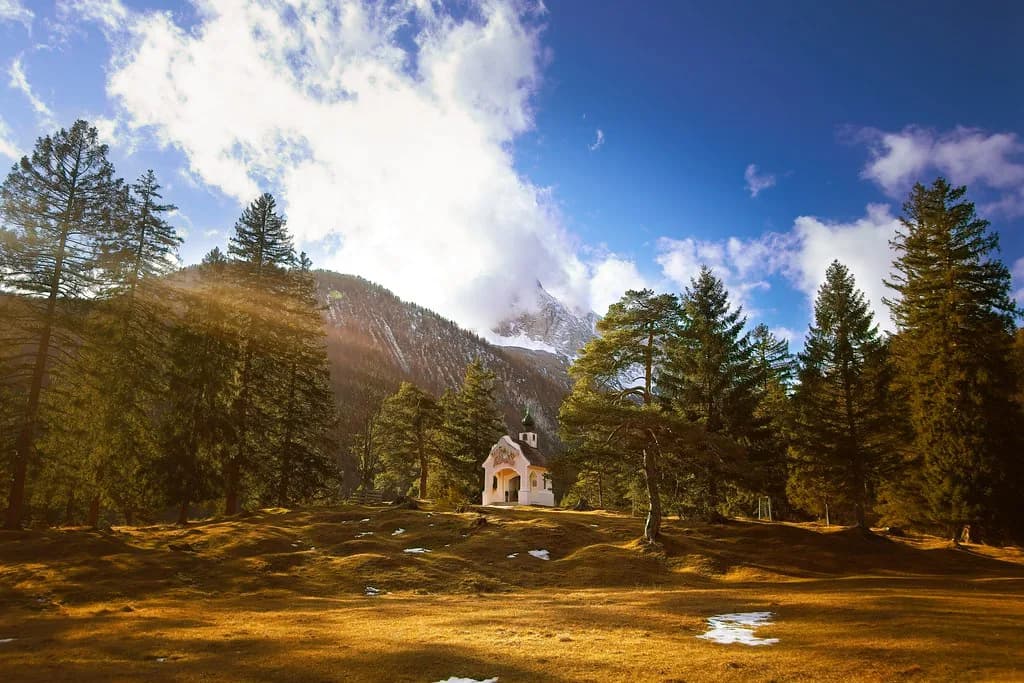
Snow at altitude usually holds into March in the Bavarian Alps, which makes it the best month for a snow walk without committing to deep winter. Lower towns such as Rothenburg ob der Tauber lose their Christmas crowds entirely and become pleasant for a wall walk and a warm lunch.
City winter: Berlin, Munich, Cologne and the old towns
Berlin in winter is a museum and gallery city with a café culture that keeps going, and the Ku'damm's illuminated trees and the department stores make a wet afternoon worthwhile. Munich is walkable in its old town, with the Glockenspiel, the beer halls and the covered markets close enough together that you can warm up between stops.
Cologne and Nuremberg pull in different directions: Cologne is a river city with a cathedral, a strong Carnival identity and easy day trips along the Rhine, while Nuremberg pairs its market with a hilltop castle and the museums inside it. Smaller old towns such as Bamberg, Regensburg and Rothenburg ob der Tauber are at their most atmospheric when the tour buses are absent, though some shops and cafés keep shorter winter hours.
The German winter guide covers how the season plays out across the country's regions, including the Ore Mountains and the coast, if you want to compare city bases before you book.
Indoor culture for a wet afternoon
The strongest winter sightseeing in Germany happens indoors. The Würzburg Residence pairs a grand baroque façade with frescoed ceilings and a celebrated staircase, and after wartime damage the interior was carefully restored, so a visit is as much a lesson in reconstruction as in decoration.
Mainz's Gutenberg Museum holds two Gutenberg Bibles and a working print shop where you can watch the craft demonstrated, and the Imperial Castle museums in Nuremberg include the double chapel with its stacked upper and lower sanctuaries. Both are the kind of places where two hours pass easily and the weather outside stops mattering.
Thermal spas and sauna culture
Spa culture is one of Germany's best winter arguments. Baden-Baden's bathing tradition goes back to the Romans, and the country has a thriving scene of natural thermal spas alongside saunas, facials and massages, with options near Würzburg and Mainz such as the Emser Therme, which has indoor and steaming outdoor pools.
German sauna etiquette is stricter than in the US: many saunas are mixed and textile-free, and towels are expected. Plan a half day rather than a quick dip, book treatments ahead on weekends, and treat the spa as the main event of a cold afternoon rather than filler between sights.
Snow without skiing: toboggan runs and mountain days
Non-skiers have a genuine option in the Bavarian Alps. Blomberg near Bad Tölz has toboggan runs that have been part of local tradition for generations, and the annual German sledding championships have been held there; the runs themselves are free, with costs only for the lift and the sled.
The Zugspitze, Germany's highest peak, is the classic mountain excursion from Munich, with cable cars reaching high alpine terrain even when the city below is grey. Mountain railways and lifts publish their winter operating periods and weather checks, so confirm the day's running status and snow depth at the station before you travel; the practical guide to snow in Germany sets out which regions and months are most reliable.
Carnival: from the 11:11 kickoff to the February streets
Carnival is a season rather than a single day. It opens on 11 November at 11:11 in the morning with costumes, live music and street parties, then the main festivities arrive in the days before Ash Wednesday, with Carnival Tuesday on 9 February 2027 and Ash Wednesday on 10 February 2027.
Cologne and Düsseldorf are the big draws, with Mainz offering a lively and slightly more intimate version. Expect crowded trains, packed bars and hotel rates that rise through the final week; if you want to join in, book accommodation well before January and plan a costume, because the streets fill with them.
Food and drink that earns its place in winter
German winter food is built for cold weather. Nürnberger bratwurst, seasoned with marjoram and served with potato salad or sauerkraut, is the classic Nuremberg bite, and Sauerbraten, marinated for days in vinegar, wine and spices, is a Rhineland staple in Koblenz and Mainz. In Munich, the beer halls serve pork knuckle, pretzels and obazda, and the big halls are warm, wood-panelled and open through the cold months.
Glühwein is the thread through the season, sold at markets, bars and Carnival events, and wineries in regions like Baden and the Rhine still run tours and tastings in winter. A sparkling wine cellar tour makes a good rainy-day alternative to another museum.
Winter walks and viewpoints on clear, cold days
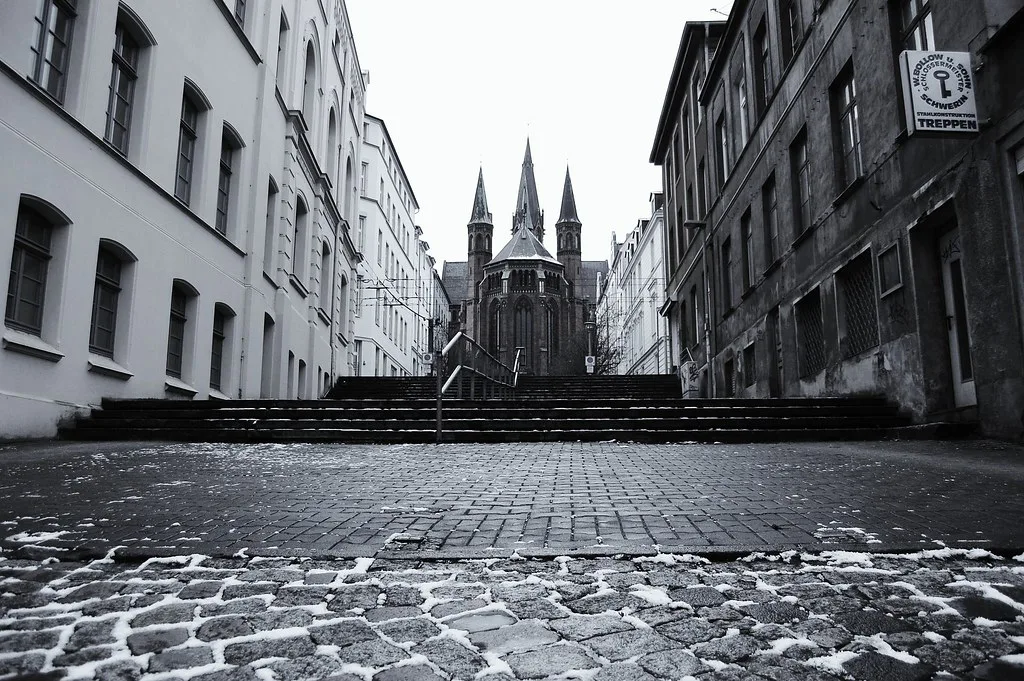
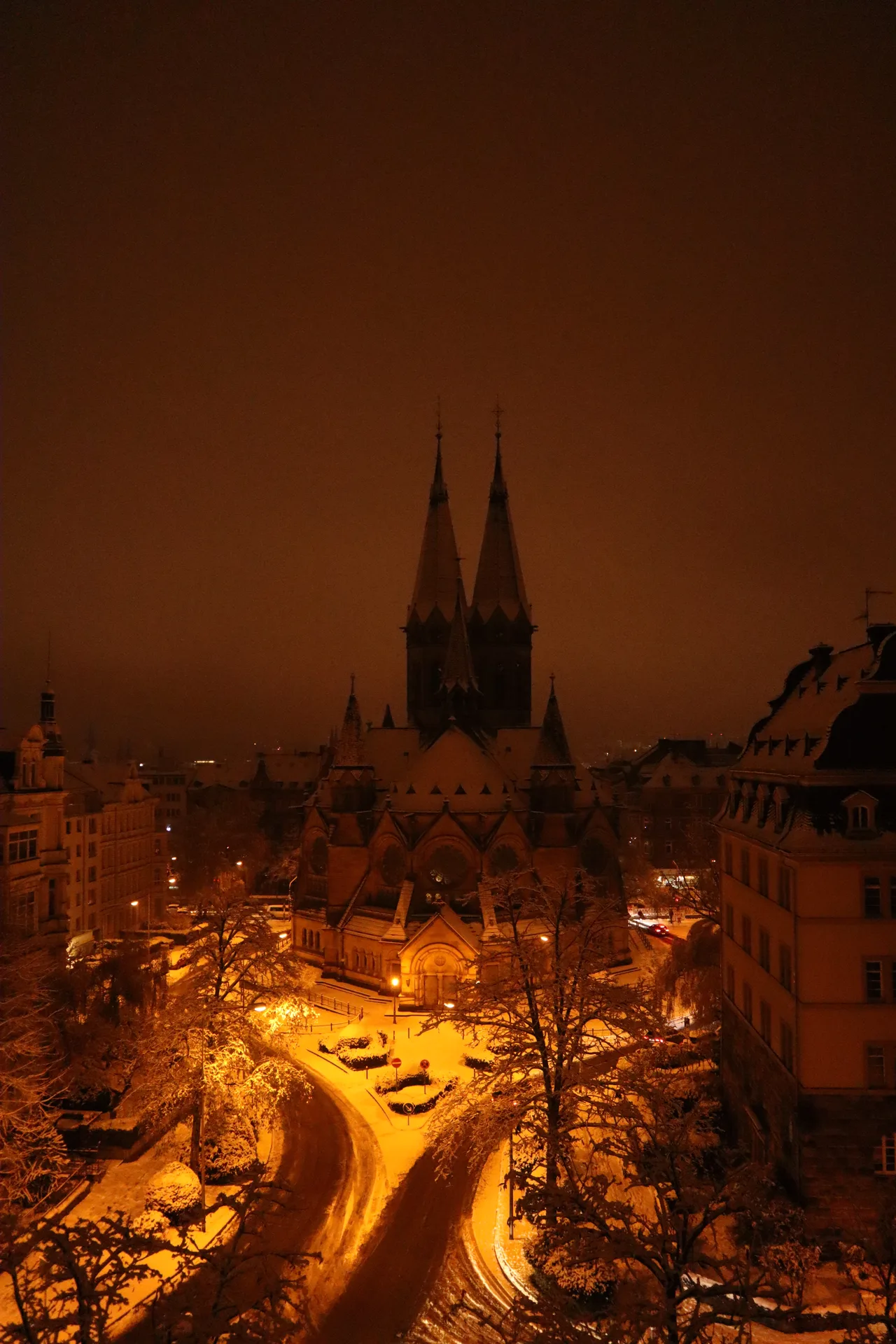
Clear, cold days are the best days for Germany's viewpoints. The Ehrenbreitstein Fortress above Koblenz gives sweeping views over the city and the confluence of the Rhine and Moselle, and the walk up is worth it on a bright afternoon. In Munich, the Englischer Garten stays open and quiet in winter, and Peterskirche's tower is a short climb for a snowy rooftop view.
Pick one viewpoint per clear day and keep the rest of the schedule indoors, because the window of good light closes early. A wall walk in Rothenburg ob der Tauber and the riverside paths in Bamberg and Regensburg are similar bets on a dry morning.
Day trips that still run in winter
The Rhine and Mosel valleys keep their trains running, and towns like Koblenz and Mainz are easy day trips from Cologne, Frankfurt or Wiesbaden. Bamberg, Regensburg and Würzburg all work as day trips by rail from a single city base, and each has a compact old town that can be covered on foot in a few cold hours.
Bavaria's mountain day trips are the other option, with the Zugspitze and Blomberg reachable from Munich, and the Black Forest and Lake Constance regions better suited to a car. In December, the Black Forest and its towns turn festive; if you are set on December, start with the month-specific planning for Germany.
Getting around in winter
Germany's trains are the sane choice in winter: city centers are served by S-Bahn and U-Bahn lines, and Munich's S1 and S8 run between the airport and the center. The wide availability of indoor transit makes short transfers possible, so build a route that limits time outdoors rather than one that hops between distant sights.
Keep daylight in mind when you book: a mid-afternoon train arrives in the dark, so plan arrival cities with an easy walk or a short taxi to your lodging. Long transfers between Cologne, Munich and Berlin eat a day, so choose two or three bases rather than a loop of six.
Trade-offs: crowds, prices and closures by month
December is the most atmospheric and most expensive, with market crowds and hotel premiums around the weekends. January is the cheapest and quietest, with the drawback of short days and a flat post-holiday mood, while February brings Carnival crowds and higher prices in the Rhineland.
Cold and rain are manageable; the real cost is daylight. Expect to lose the afternoon early, and plan one indoor anchor per day. Some small-town shops and seasonal attractions keep shorter winter hours, so a flexible schedule serves better than a tightly booked one.
Who Should Go, and When
Choose December if you want the markets, atmosphere and Christmas lights, and accept the crowds and the prices. Choose January if you want museums, spas and hotel bargains with no queues, and February if Carnival is the reason for the trip.
March is the best compromise overall: longer evenings, thinner crowds, Holy Week to plan around and snow still lying in the Alps. Skip Germany until spring if you need outdoor lunches and long daylight, because no month here will give you that.
Explore more Germany winter guides
Frequently Asked Questions
Is Germany worth visiting in winter?
Yes, for city travel, museums, spa towns and Carnival. The trade-off is cold, wet weather and early sunsets, so build each day around one indoor anchor and treat the outdoors as a bonus.
Which part of Germany is best to visit in winter?
Cologne and the Rhineland for Carnival in February, Munich and Bavaria for mountain days and beer halls, Berlin for museums and neighborhoods, and the old towns of Bamberg, Regensburg and Würzburg for a quieter winter base.
How cold is Germany in December?
Typical December conditions sit in a rough band of about 30°F to 41°F, roughly −1°C to 5°C, with rain making days feel colder. Treat that as a long-term average rather than a forecast and check a regional weather service before you travel.
Are Christmas markets open all winter in Germany?
No. Most run from late November until just before Christmas and then close, though decorations and ice rinks often stay up into the New Year. Check the individual market's published dates if a specific one matters to you.
What can you do in Germany in January after the markets close?
January is the season for museums, castles and residences without queues, thermal spas and sauna afternoons, and quiet city walking. It is the cheapest time to visit and the best for anyone who prioritizes indoor culture over atmosphere.
Is Carnival worth planning a February trip around?
If you like street festivals and costumes, yes. Cologne, Düsseldorf and Mainz host the big celebrations in the days before Ash Wednesday, with Carnival Tuesday on 9 February 2027, and prices and crowds in the Rhineland rise accordingly.
Sources
Winter travel notes
Optional updates when we add or revise winter guides.
You might also like

Continue reading
More guides you'll find useful