Germany in November: Weather, Markets and What's Open
Germany in November means cool, grey days, quiet museums and the first Christmas markets. Here is what the weather, daylight and events are really like.
On this page
November is Germany's quiet month, a stretch of cool grey days when the coach parties have gone and city museums are yours to wander. Then, in the final week, Christmas markets and outdoor ice rinks open and the mood shifts toward the festive season. It suits travelers who want cities without summer crowds and do not mind short afternoons.
Weather in November
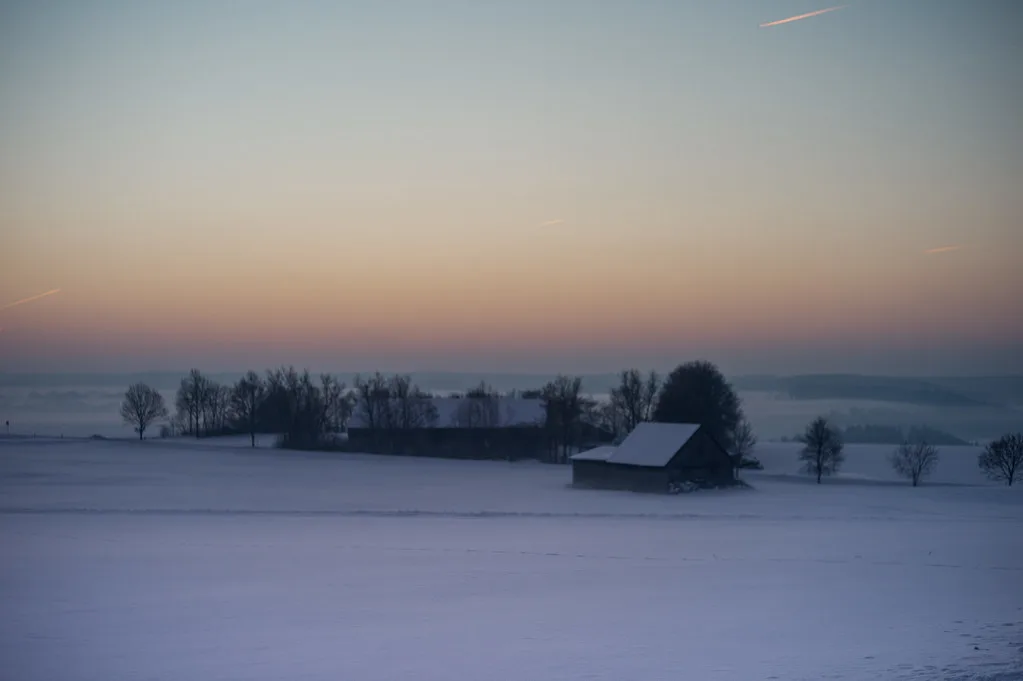
Expect typical November conditions rather than a forecast: cool, often overcast days with highs in single digits Celsius and cold nights that can dip toward freezing, depending on region and elevation. The south and the mountains run colder and snow is possible at altitude, while the Rhine and northern lowlands stay milder and wetter. Pack for rain and wind, because November is one of the damper months across much of the country.
Daylight is the real constraint on planning. Germany sits far enough north that late-November afternoons fade by mid-afternoon, and clocks go back on 25 October 2026, ending evening light entirely. Build sightseeing around morning starts and treat outdoor viewpoints as lunchtime activities. For region-by-region snow expectations, does it snow in Germany breaks down what falls where and when.
How November Splits
The first three weeks are the quietest stretch of the German travel year. Seasonal attractions such as outdoor ice rinks and Christmas markets have not opened yet, hotels are cheap and uncrowded, and long-running sights like the major museums and cathedrals operate on their regular schedules. If you want cities without queues, this is the window.
The last week flips the mood. Christmas markets spring up in city squares across Germany toward the end of November, outdoor ice rinks open, and weekend hotel demand in Berlin, Munich and Cologne rises noticeably. The trade-off is real: you get festive lights and glühwein, but shorter daylight hours now compete with busier streets. Decide which version of November you want before booking.
Christmas Markets
German Christmas markets are the country's defining winter tradition: timber stalls selling gingerbread, roasted nuts and mulled wine, set up in city squares and old towns from late November. Berlin, Dresden and Cologne are among the major cities where markets appear toward the end of the month, alongside smaller markets in most towns. A single evening among the stalls, with a mug of glühwein in hand, is reason enough to time a trip to the final days of November rather than earlier.
What Is Open in November
Year-round sights are the backbone of a November trip. Major museums, cathedrals and castles keep their usual opening days, and with fewer visitors you can see the big collections without timed slots or crowds. Munich alone keeps its museums open through the month, which makes the Bavarian capital a strong wet-weather base.
Seasonal openings arrive late. Outdoor ice rinks in Berlin, Munich and Heidelberg typically start up toward the end of November, and Christmas markets follow the same late-month pattern. Check the specific rink or market organizer's own listing for the year you travel, since opening days move with the calendar.
Castles generally stay accessible, though snow can close paths and side bridges at short notice. Neuschwanstein Castle is open year-round, but the Marienbrücke bridge behind it can be inaccessible after heavy snow, which removes the classic photograph viewpoint even while the palace itself stays visitable. Winter is also when Neuschwanstein, dusted with snow and framed by dark forest, looks most like the fairy-tale image.
Things to Do
Ice skating is the classic November activity, and Germany does it well. Berlin's rinks sit among the market lights in the city center, Munich's Prinzregentenstadion pairs a rink with saunas and a steam bath, and Heidelberg's rink sits at the foot of the castle with one of the best backdrops in the country. These are evening activities that make the early darkness an asset rather than a problem.
Aachen rewards a November day: the cathedral, the oldest in northern Europe and a UNESCO World Heritage Site, anchors the old town, and the city's bakeries are known for gingerbread and marzipan. Pair the cathedral with a spa afternoon and you have a cold-weather itinerary built for the season.
For landscape, head to Saxon Switzerland National Park, where the Bastei Bridge gives wide views over the Elbe sandstone columns and makes a memorable sunset spot when the sky cooperates. The walk through forest to the Schrammsteine rewards the climb with views across cliffs and valleys. Snow and ice can make the trails slippery, so check conditions locally before committing to a long hike.
In Munich, the Bayerisches Nationalmuseum's seasonal nativity exhibition is a quiet, indoor counterpoint to the outdoor festivities, and the city's heated outdoor pools steam invitingly when the air is cold. The Tollwood Winter Festival runs for roughly a month from late November, with music, cabaret and food stalls, and Circus Krone pitches its tent in the city in November. Confirm the year's programme with each organizer before building a trip around a specific performance.
City Breaks in November
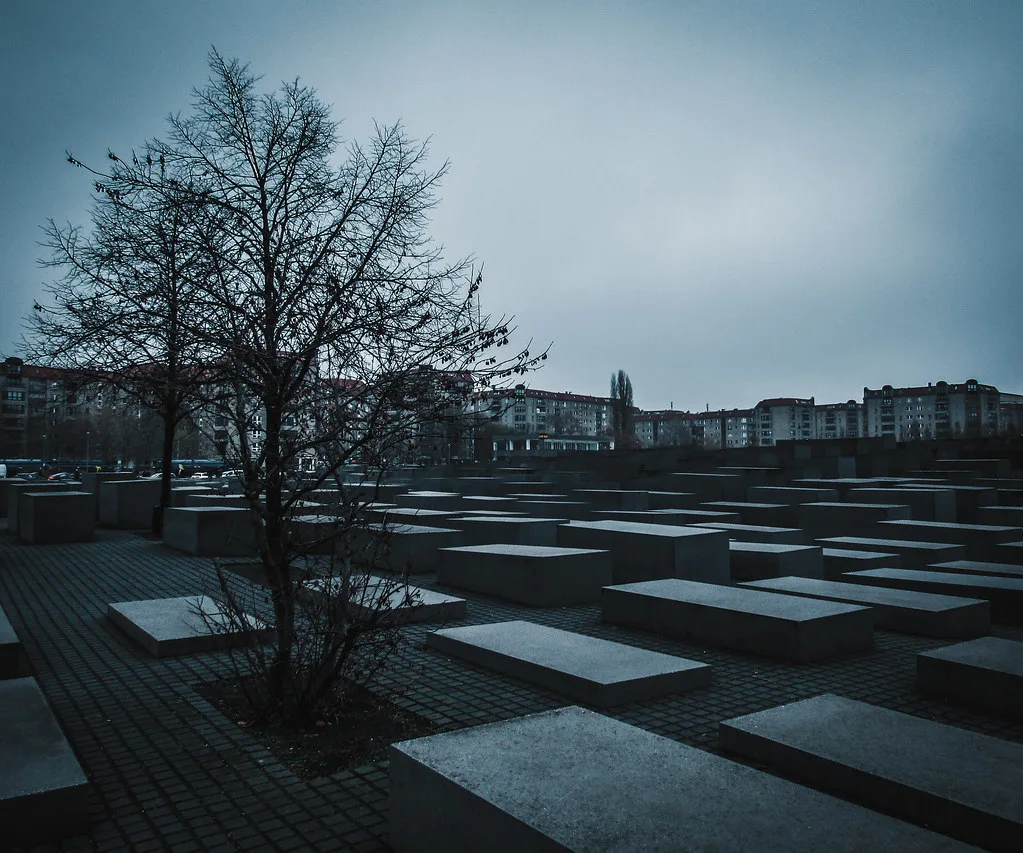
Berlin is the best all-rounder: museum density, market squares and indoor options make it forgiving of rain, and the city's ice rinks and markets fill the late-month evenings. Munich leans traditional, with its museums, the Prinzregentenstadion rink and the Tollwood festival giving a distinctly Bavarian version of the season.
Cologne and Dresden are strongest in the last week, when their market squares light up around the cathedrals and baroque old towns. Hamburg, wetter and windier, suits travelers who want port-city museums, music and food rather than scenery. All four cities are reliably cheaper and calmer before the markets open than after.
Events and Holidays in November
November has no nationwide public holiday in Germany, so museums, shops and transport follow their normal weekly rhythms for most of the month. The calendar event that matters is the opening of the Christmas markets and ice rinks in the final week, which is a rolling, city-by-city affair rather than one fixed date. In Munich, the Jewish Culture Days run for about ten days in November with concerts, readings and performances.
If your trip rolls into December, plan around the fixed dates: Christmas Day 2026 falls on a Friday, and New Year's Day 2027 also falls on a Friday. Christmas Eve and Christmas Day see many businesses and some museums on reduced hours, so a late-November visit avoids that complication entirely.
Day Trips and Short Escapes
The Bavarian Alps are within easy reach of Munich, and Garmisch-Partenkirchen makes a solid day trip for mountain air even before the ski season is in full swing. Zugspitze, Germany's highest peak and only glacier, is the headline excursion, and Neuschwanstein Castle sits a short distance from Munich as a classic full-day outing.
The Harz Mountains offer winter walking and a spread of snow activities once the snow arrives, and the region is at its quietest in November before the season crowds. Farther east, the Ore Mountains are the traditional home of German woodcarving and Christmas crafts, with towns that come alive as the season approaches.
Food and Drink
November food in Germany is hearty and regional: roast meats, dumplings, root vegetables and dense dark bread, served in warm, wood-panelled inns. Aachen's gingerbread and marzipan are a local specialty worth seeking out, and the city's Christmas market makes an obvious place to sample them fresh. Once markets open, glühwein and Feuerzangenbowle, mulled wine set alight with rum, become the standard order on cold evenings.
Getting Around
German trains run on their normal timetables through November, which makes multi-city trips straightforward: Berlin, Munich, Hamburg, Cologne and Dresden are all linked by direct services. Ferries and mountain transport may switch to winter schedules later in the season, so check sailings and lift operating days with the relevant ferry company or lift operator if your route depends on them. Within cities, trams and U-Bahn services are unaffected by the season, and short daylight hours mean you will use them more.
Trade-offs and Who It Suits
November is a value month with a clear downside: grey skies, rain and very short days limit how much outdoor sightseeing you can pack into an afternoon. Hotel rates and crowds are at their lowest before the final week, so travelers who prioritize museums, food, spas and cities over landscapes get the best deal. If Christmas markets are the whole point, wait until December, when the season is fully running.
Families and winter-sports enthusiasts should look later in the season, once snow is reliable in the mountains and slopes are properly open. Travelers who want a white Christmas or a full market calendar should plan for December instead. November rewards flexibility and a tolerance for indoor plans, not a checklist of outdoor highlights.
Plan Your Visit
Go in November if you want quiet cities, low prices and the museums and cathedrals of Germany at their most peaceful. Choose the final week if the Christmas atmosphere matters, but accept that markets mean more people and less daylight. Either way, plan each day around the short afternoons and keep indoor options ready.
Explore more Germany winter guides
Frequently Asked Questions
How is the weather in Germany in November?
November is typically cool and often overcast across Germany, with cold nights and a real chance of rain. The south and higher ground are colder, with snow possible at altitude, while the lowlands stay milder and wetter. Treat any figures as averages rather than a forecast and plan indoor options.
Is November a good time to visit Germany?
It is a strong month for city breaks and culture. Crowds are thin and museums, cathedrals and castles stay open, so you see the major sights comfortably. The trade-off is grey weather and very short daylight, so outdoor plans need to happen around midday.
Are Christmas markets open in November in Germany?
Many German Christmas markets open toward the end of November rather than at the start of the month. Berlin, Dresden and Cologne are among the cities where markets appear in the final week. Before then, the month is mostly quiet seasonal-wise.
What is there to do in Germany in November?
Favorites include ice skating in Berlin, Munich and Heidelberg, the Aachen cathedral and its gingerbread, the Bastei Bridge in Saxon Switzerland, and Munich's museums and nativity exhibition. The Tollwood Winter Festival and Circus Krone give Munich evening options. Christmas markets arrive late in the month.
Is there a public holiday in November in Germany?
There is no nationwide public holiday in November, so museums, shops and transport follow normal weekly patterns. The main seasonal shift is the late-month opening of Christmas markets and outdoor ice rinks, which varies by city.
How many hours of daylight does Germany get in November?
Days shorten sharply through the month, and clocks go back on 25 October 2026, so evenings are dark early. By late November, useful daylight runs roughly from mid-morning to mid-afternoon, which is why outdoor viewpoints are best visited around midday.
What should an American traveler know about Germany in November?
Bring rain protection and warm layers, plan indoor activities for afternoons, and build flexibility into outdoor days. Trains connect the main cities efficiently. If Christmas markets are your priority, target the final week of the month or plan for December instead.
Sources
Winter travel notes
Optional updates when we add or revise winter guides.
You might also like

Continue reading
More guides you'll find useful