Germany in January: Weather, Crowds and What's Open
Germany in January brings short days, low prices and quiet museums, plus snow in the Alps and Epiphany on 6 January. Here is what the month is really like.
On this page
January in Germany is the country at its quietest and cheapest, with the Christmas crush gone and the big-city sights suddenly walkable. It suits travelers who care more about museums, baths, food and city life than long outdoor days, and who can accept rain far more often than snow at low altitude.
The month's drawback is light: days are short, grey snaps are common, and some castles and smaller attractions run reduced winter hours or shut altogether. Plan around that and January works well; plan a lakes-and-castles tour as if it were June and it will disappoint.
What Germany Is Like in January
You are traveling in Germany's low season. Flights, rooms and tour prices sit at the year's softest, national landmarks such as the Berlin Wall, the Brandenburg Gate, Museum Island and the Städel in Frankfurt are noticeably free of queues, and locals have returned to their normal routines.
The catch is climate: January is one of the coldest months nationally, with rain more likely than snow in most cities. Treat city days as museum-and-cafe days with a walk between them, and save any snow ambitions for high ground.
Weather in January: Regional Differences
Averages vary widely across the country, so never plan from a single national figure. In Berlin, daytime temperatures typically hover around 3°C (about 37°F) with nights near -2°C (28°F), while the northern coast and the southwest see milder, damper conditions and the east and south run colder.
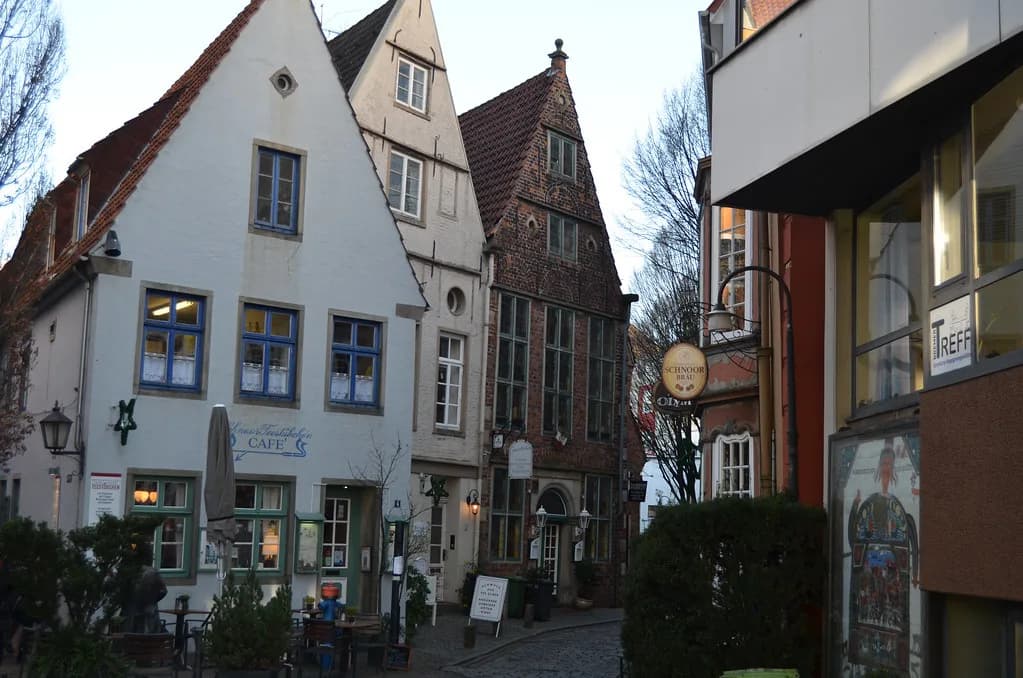
Cities such as Bremen and Hamburg tend to get mild showers rather than snow, and snow is more common near Munich and in upland areas. Rain, not snow, is the default weather event in most of the country in January, so a waterproof layer earns its space in the bag.
Daylight and the Short Winter Day
Short days are the real constraint on a January trip. Clocks in Europe went back on 25 October 2026 and stay back until 28 March 2027, so daylight is at its annual minimum in early January and climbs slowly through the month.
In practice, that means starting sightseeing early and saving indoor sights for the late afternoon, when darkness arrives. Viewpoints and castle exteriors are best done around midday; museums, baths and long lunches fill the rest.
Snow and Winter Sports in the Alps
If snow is the point, head south to the Bavarian Alps, where the ski season runs roughly December to March. January brings downhill runs, cross-country trails, sledding and snowshoe routes, with resorts making snow when nature is stingy.
Even non-skiers get value from high ground. The Zugspitze, Germany's highest mountain, lifts you above the grey cloud layer for Alpine views, and it has a restaurant, sledding and an ice bar at the top; the Eibsee lake at its base is a wintry walk.
What Stays Open and What Scales Back
Big cities stay fully functional in January: Cologne, Berlin, Munich, Dresden and Hamburg keep their museums, transport and restaurants running, just with fewer visitors. Smaller sights are where the winter timetable bites, so read operator pages before you anchor a day around one. If the quieter big-city version appeals, apply the same museum-and-cafe logic to Düsseldorf in January.
Castles are the classic January trap. Neuschwanstein is worth seeing in winter, but the Marienbrücke viewpoint often closes when there is ice or snow, and Burg Eltz runs interior tours only from March through October, so January visitors see the outside.
Epiphany and Three Kings on 6 January
Epiphany falls on Wednesday 6 January 2027. It is a public holiday only in Bavaria, Baden-Württemberg and Saxony-Anhalt, where you will see children dressed as the Three Kings going door to door, chalk markings left on doorframes and donations collected for charity; outside those states it is an ordinary working day.
Expect shops and some services to follow Sunday hours in those three states on 6 January, so plan city sightseeing rather than a shopping day if you are in Munich or Stuttgart.
New Year's Day in the Cities
New Year's Day 2027 is a Friday, so the first weekend of the month is quiet-to-sleepy in most cities as restaurants and museums ease back into normal hours. Germans mark Silvester with fireworks and church bells at midnight, and in the big cities the night can be loud and chaotic; Berlin around the Brandenburg Gate and Munich's Marienplatz are the busiest gathering points.
City Museums and Indoor Sights
January is museum weather. Berlin's Museum Island packs five major collections into one walkable island, with the Pergamon the headline act; Munich's Deutsches Museum can absorb entire days; and Dresden's Zwinger adds galleries and courtyards to its famous exterior.
Elsewhere, the Städel and Goethe House in Frankfurt reward an art-and-literature afternoon, and Nuremberg's Dokumentation Zentrum, on the site of the Nuremberg Trials, is a serious indoor day out when the weather closes in.
Thermal Baths and Saunas
Germany's spa culture is at its best in January. Baden-Baden's Caracalla and Friedrichsbad offer the classic historic-bath experience near the French border, Cologne has its own thermal baths, and Bad Füssing in Bavaria adds a large sauna landscape to the mix.
For families and rainy days, indoor waterparks do real work: Therme Erding outside Munich, Tropical Islands south of Berlin inside a converted airship hangar, Rulantica at Rust and Badeparadies in the Black Forest all keep pools, slides and saunas running regardless of the forecast.
Castles, Palaces and Winter Conditions
Big palaces and famous castles still merit a January visit if you accept the constraints. Neuschwanstein's snow-covered setting is memorable, and Linderhof Palace near Garmisch-Partenkirchen pairs with a walk through the Partnach Gorge when conditions allow.
Ruined hill castles are muddier and slippier in January, and exteriors-only visits need good weather to justify the trip. Check current ice and snow reports before committing to high viewpoints or gorge paths, since conditions can change quickly.
Day Trips That Work in January
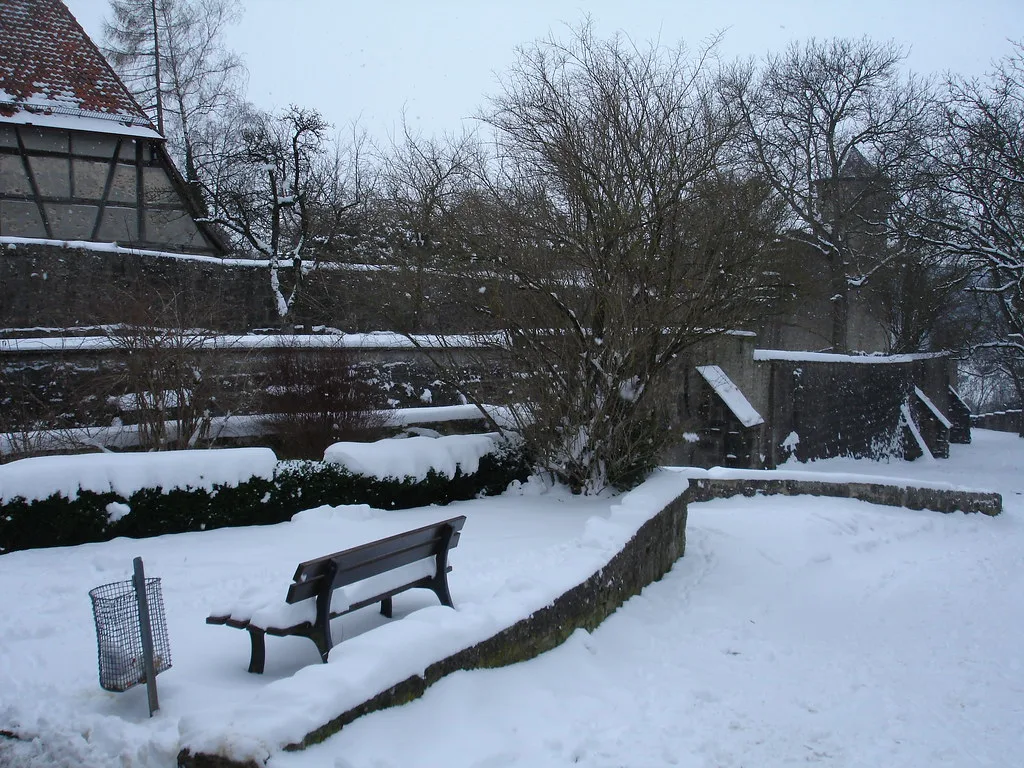
The Rhine and Mosel valleys, the Black Forest and the medieval town of Rothenburg ob der Tauber all work as winter day trips: quieter streets, snow-dusted vineyards and warming local food. Cochem on the Mosel is a practical base for the valley and its hilltop castle.
Use the rail network for these: German trains link the big cities and regional towns year-round, and a winter day trip means fewer crowds at the far end. Build in daylight for the walk-around portion of the day.
January Crowds and Prices in Words
January is Germany's low season for tourism, and you feel it: the year's lowest rates for accommodation and flights, little competition for restaurant tables and tour slots, and famous sights you can photograph without a stranger's shoulder in frame.
Book early anyway, for the handful of things that are capacity-limited rather than price-limited. Apart from the first weekend, though, spontaneity is a genuine option.
Who Should Pick January and Who Should Wait
Choose January if you want cities, museums, baths, food and low prices, and if grey skies and early darkness do not bother you. It suits repeat visitors and culture-first travelers especially well.
Wait for another month if your trip depends on long daylight, high Alpine walking, or a long list of small castles and seasonal attractions. February keeps the cold but adds Carnival, and December brings markets; if snow is the goal, later January or February is generally better for conditions.
Getting Around Germany in January
German trains and city transit run through winter without seasonal shutdowns, which makes rail the natural backbone of a January trip. Regional services connect the big cities with the Rhine, Mosel, Black Forest and Alpine foothills, so a car is optional rather than required.
Build in slack for weather delays and, above all, plan travel for daylight hours where the scenery is the point. Mountain cable cars and lifts operate subject to wind and snow conditions, and operators publish status updates on the day.
Plan Your January Trip
January Germany rewards a slower, indoor-leaning plan: cities in the morning light, museums and thermal baths in the dark afternoons, and one snow day in the Alps if the forecast cooperates. Low prices and empty landmarks make the short days a fair trade.
Check opening hours with each museum, palace and cable car before you lock the itinerary, since winter timetables shift. Then book a flexible early-January slot and let the weather decide between city and mountains.
Explore more Germany winter guides
Frequently Asked Questions
Is January a good month to visit Germany?
Yes, if you want cities rather than landscapes. January is Germany's low season, so landmarks such as the Brandenburg Gate, Museum Island and the Städel are quiet, and accommodation and flights are at their softest. The trade-off is short daylight, frequent rain at low altitude and winter timetables at smaller castles and attractions.
How cold is Germany in January?
It is one of the coldest months of the year nationally, but averages vary a lot by region. Berlin typically sees daytime highs around 3°C (about 37°F) and nights near -2°C (28°F), while the northern coast and southwest are milder and wetter, and the east and south run colder. Snow is most likely near Munich and in the uplands; most cities get rain instead.
Which German city is best to visit in January?
Berlin is the strongest all-round pick, with Museum Island's five collections, the Wall and Brandenburg Gate, and enough indoor options for a rainy week. Munich adds the Deutsches Museum and easy access to the Bavarian Alps, Dresden pairs the Zwinger with ice skating, and Cologne combines its cathedral with thermal baths. Hamburg and Frankfurt work well for shorter city breaks.
Is it cheaper to visit Germany in January?
January is the low season, and rates for rooms, flights and tours are typically at their lowest of the year once the holiday period ends. Crowds thin out almost everywhere except the first weekend, so availability is rarely a problem. Book the few capacity-limited experiences early and leave the rest flexible.
Does it snow in Germany in January?
In the Bavarian Alps and higher uplands, yes, and the ski season runs from roughly December to March there. In most cities, snow is possible but rain is more common: Bremen and Hamburg typically get mild showers, while Munich and the south see more snow. For reliable snow, plan around the Alps and check conditions with the lift operator.
What is open in Germany in January?
Big-city museums, transport, restaurants and major landmarks run normally through January, just with fewer visitors. Smaller sights scale back: Burg Eltz opens its interiors only from March through October, and the Marienbrücke viewpoint at Neuschwanstein often closes when there is ice or snow. 6 January is a public holiday only in Bavaria, Baden-Württemberg and Saxony-Anhalt.
Sources
Winter travel notes
Optional updates when we add or revise winter guides.
You might also like
Continue reading
More guides you'll find useful