Düsseldorf in January: Weather, Crowds and What's Open
Düsseldorf in January is cold and calm, with short days and quiet museums. Here is what suits the season, what closes and who should pick another month.
On this page
Düsseldorf in January is a city that has packed away the tinsel and gone back to work, which is exactly why some travelers love it. The Altstadt still fills in the evening, the big art collections stay open, and you can stand in front of a Picasso or a Frank Gehry facade without the December queues. It suits people who want museums, food and long indoor afternoons more than people chasing festive lights or blue-sky photography.
The trade-off is the weather and the light. Expect a cold, often grey month with short days, so a sensible January trip is built around indoor set pieces with a riverside walk grabbed whenever the sky clears. If you want Christmas markets, plan for December; if you want the quietest version of the city, read on.
Düsseldorf in January at a glance
January here is a museum-and-food month rather than a sightseeing sprint. The compact center means you can move between the Altstadt, Königsallee and the Kunstsammlung museums on foot or with short tram hops, warming up in a brewhouse or gallery between stops. That density is what makes a cold month workable: you are never far from a heated interior.
The city’s visitor guide describes December to February as the coldest and quietest stretch, with January and February especially suited to indoor culture and uncrowded museums outside the Christmas period. Treat that as the seasonal shape of the month rather than a promise about any single day.
Weather in January: typical highs, lows, rain and daylight
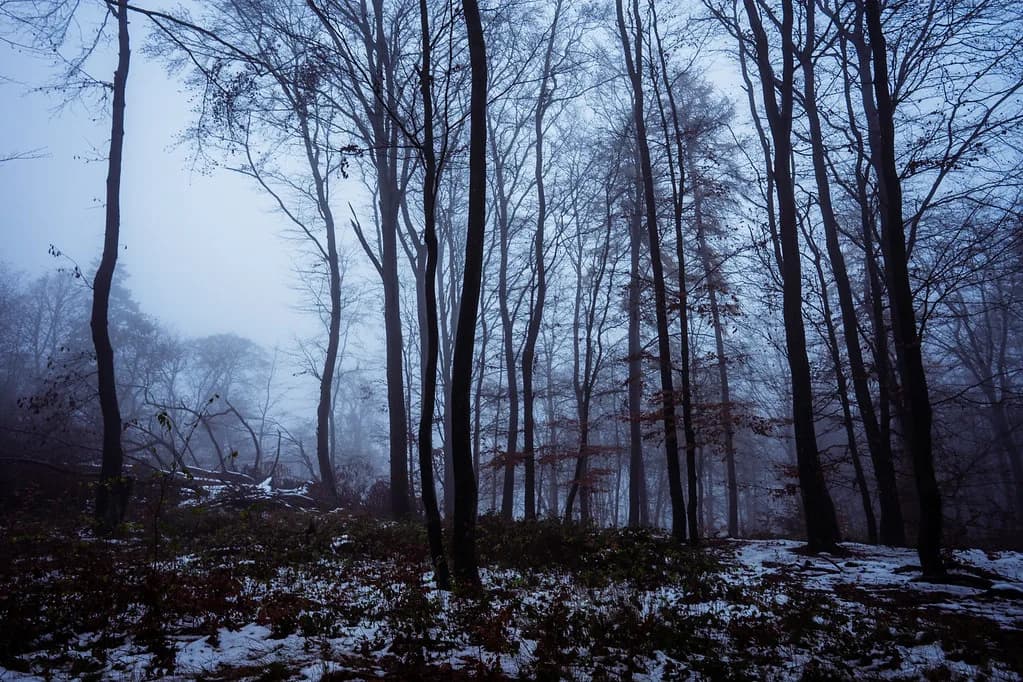
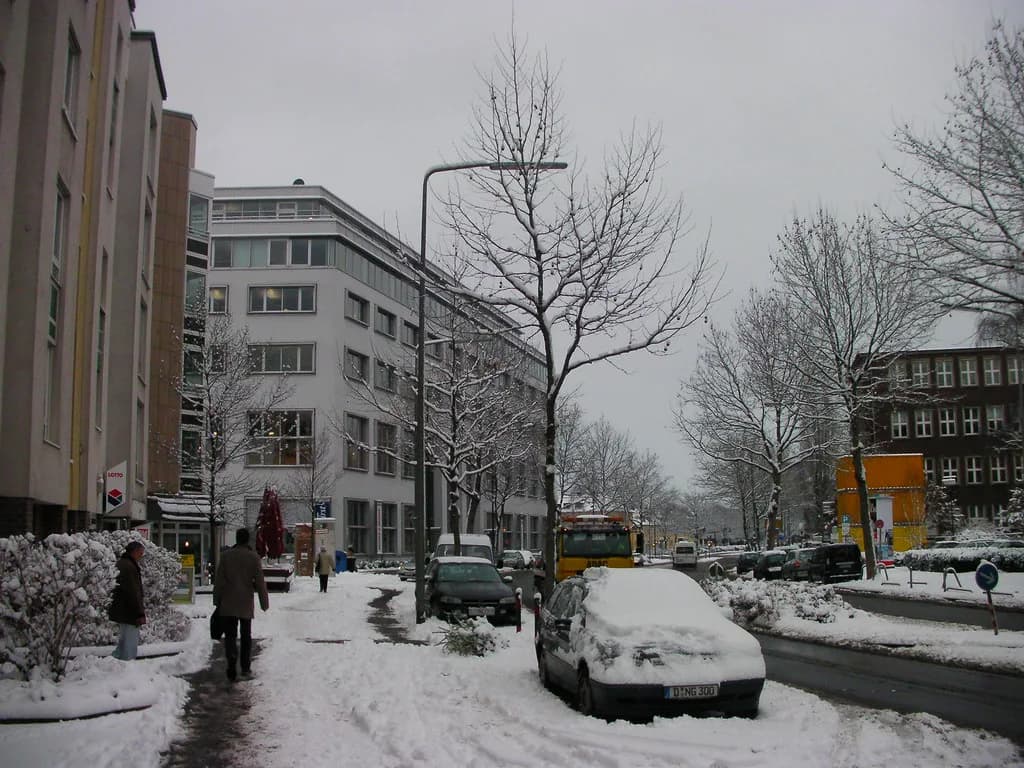
The city’s visitor guide places January inside the coldest and quietest stretch of the Düsseldorf year, running from December through February. Expect modest daytime temperatures, evenings that regularly dip toward freezing, and a cold Rhine-plain wind that makes the riverside feel sharper than the thermometer suggests. Because the city sits on low ground rather than in hills, snow is possible in January but rarely the defining feature of a visit.
Short daylight shapes the day more than temperature does: plan the outdoor parts of the trip for the middle hours and save late afternoons for interiors. Afternoon riverside light fades early, so schedule the Rheinuferpromenade and Burgplatz for the brighter part of the day and leave the museums for the darker stretch.
How January differs from December
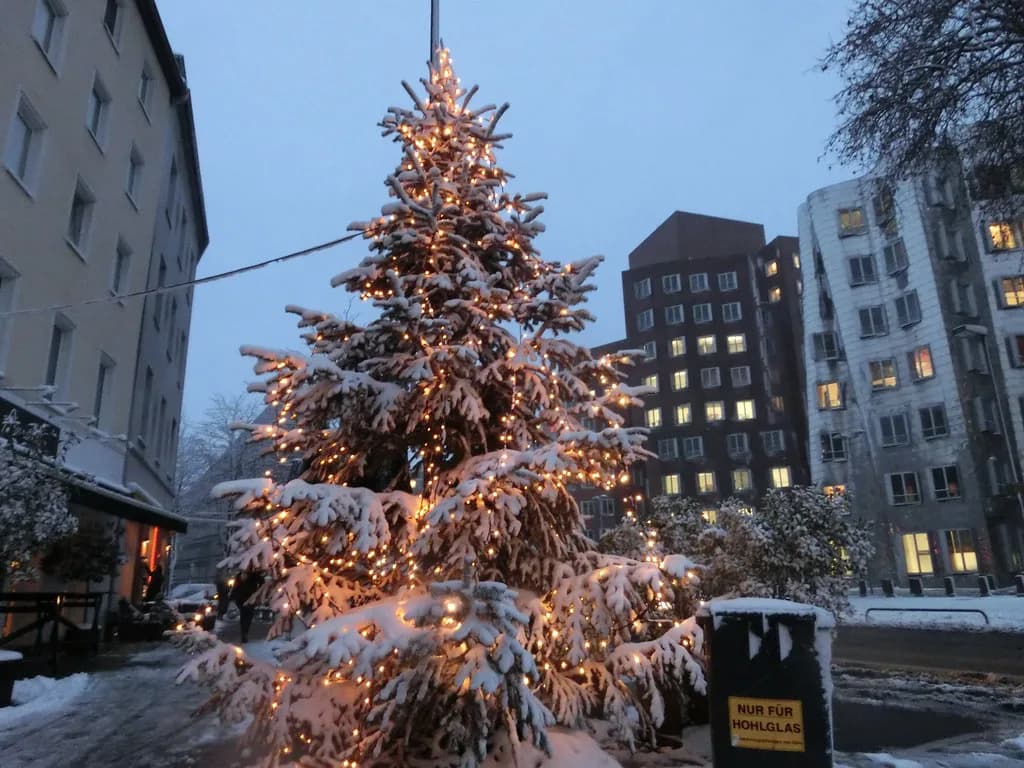
The biggest change is the disappearance of the festive season. Düsseldorf’s Christmas markets cluster along Königsallee, in the Altstadt, on Schadowstrasse and by the Rhine promenade through Advent, and once they close, the ice rink, the Ferris wheel and the seasonal huts come down with them. For a month-by-month picture of that festive run-up, the Christmas in Düsseldorf guide is the companion read.
What January leaves behind is a calmer, more local city: fewer visitor crowds, easier museum entry and a restaurant scene that belongs to residents again. If you specifically want the lights, glühwein and market atmosphere, the December edition of this guide is the better planning tool.
Indoor culture that rewards a cold day
The Kunstsammlung Nordrhein-Westfalen is the anchor of an indoor January day, split between K20 on Grabbeplatz for classical modernism and K21 in the converted Ständehaus for contemporary art. K21’s glass dome holds Tomás Saraceno’s suspended installation In Orbit, one of the most memorable interior spaces in the city. Both are covered by the city’s visitor card, which also bundles public transport and several smaller museums.
For a quieter counterpoint, the Hetjens Museum holds Germany’s national ceramics collection in a Baroque palace near the Altstadt, and the Kunsthalle Düsseldorf stages experimental contemporary work. Pair two of these in a single afternoon rather than racing across the city, since the collections reward slow looking. Museum opening days can shift around the New Year holiday, so confirm times with each venue before you go.
The Altstadt in winter
The Altstadt is where January evenings make most sense: a dense grid of cobbled lanes and riverside squares packed with several hundred bars and restaurants, known locally as the longest bar in the world. The traditional Altbier brewhouses Uerige, Füchschen and Schumacher pour their own beer from copper tanks and serve hearty Rhenish food, which is exactly what a cold evening asks for.
Burgplatz, with the old castle tower now housing a shipping museum, and the twisted spire of Lambertuskirche give the quarter its landmarks between stops. Winter is the season to appreciate the interiors rather than linger outside, so build an evening around two brewhouses rather than a long walking circuit. Cologne, Essen and Wuppertal are all within easy rail reach if you want to compare Rhineland pub culture elsewhere.
Riverside walks and viewpoints when the sky clears
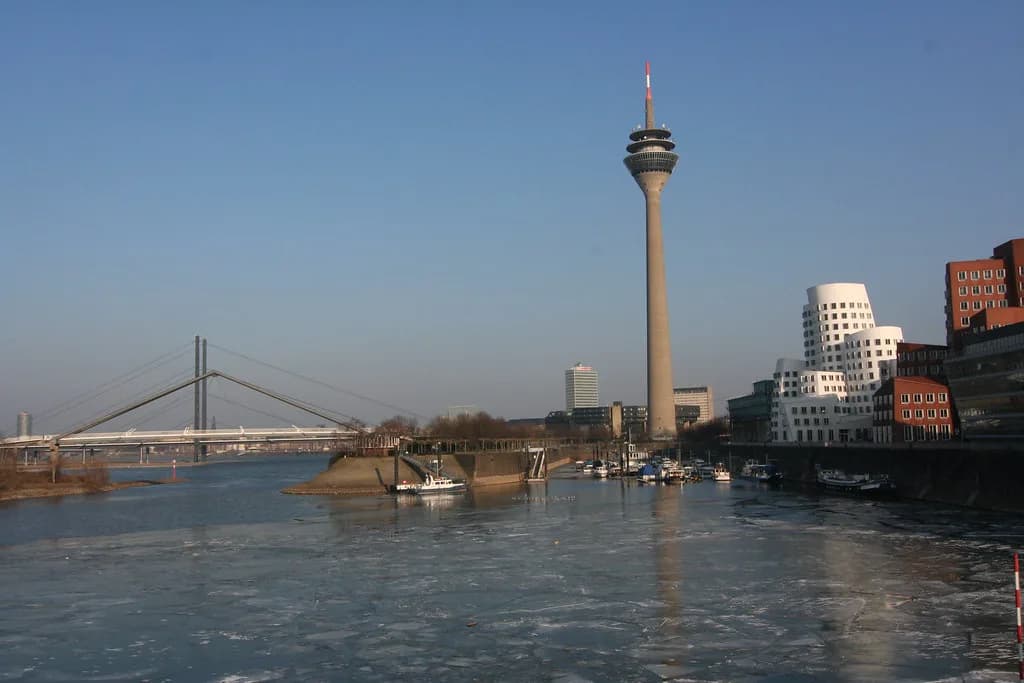
When the cloud breaks, head for the Rheinuferpromenade, the riverside boulevard running from the Altstadt south toward MedienHafen. It is a flat, easy walk with open views across the Rhine, and in January you will largely have the benches and viewpoints to yourself. Combine it with Burgplatz at the northern end for the classic Altstadt-and-river view.
The Rheinturm rises 240 metres above the promenade and offers panoramic views over the city and the Rhine, with a revolving restaurant inside; its shaft also carries a giant decimal clock made of lights. Clear winter air can give unusually long views, but check visibility before buying a ticket, since a low grey day defeats the purpose.
MedienHafen architecture and Carlsplatz market
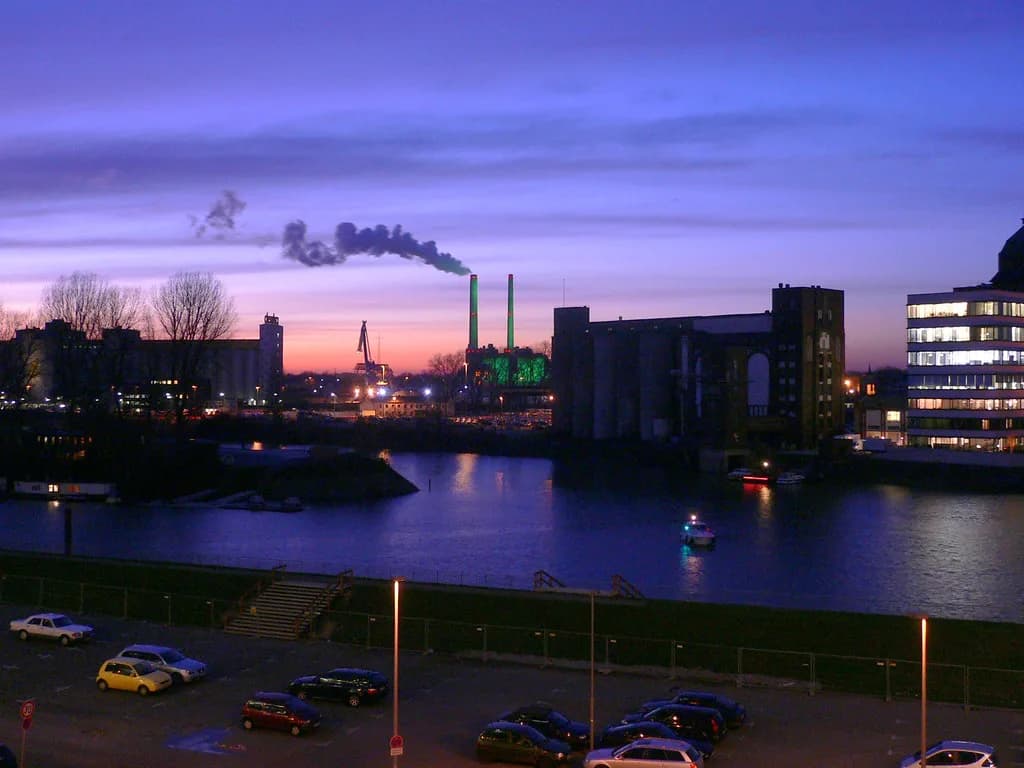
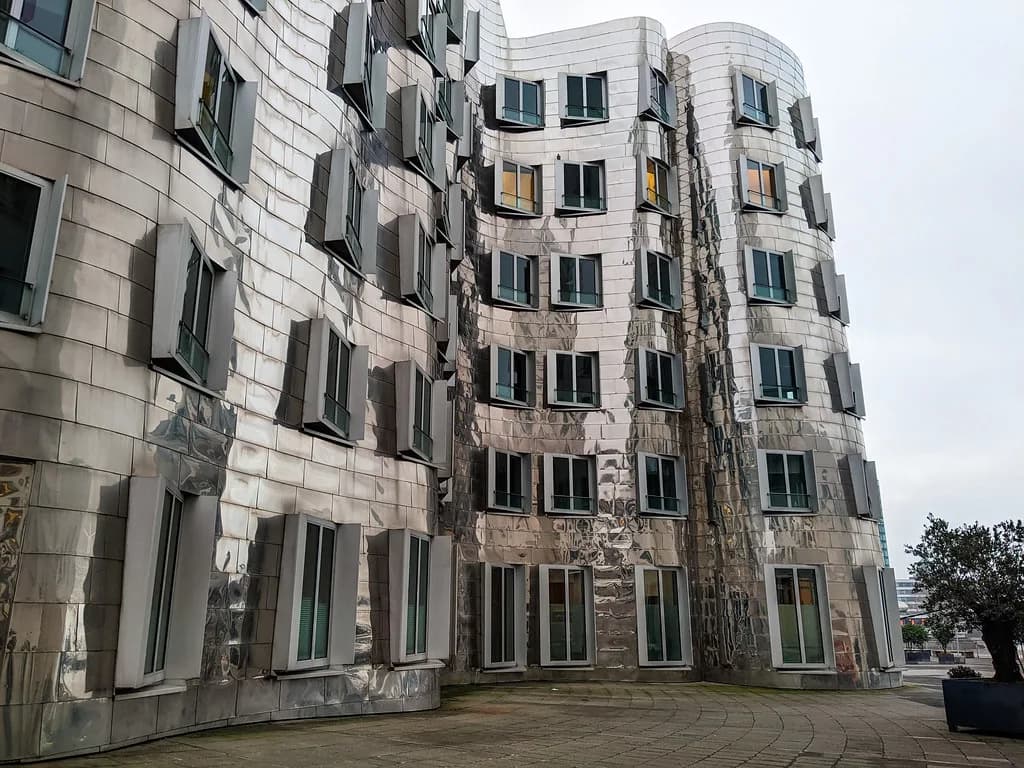
MedienHafen, the former dock district south of the center, is Düsseldorf’s architecture showcase: Frank Gehry’s leaning Neuer Zollhof towers in stainless steel and white render, with buildings by David Chipperfield and Claude Vasconi nearby. In January the harbour basin is at its most dramatic after dark, when the Gehry facades reflect in the water and the restaurants and bars fill up. Go in the late afternoon so you see the buildings in daylight and again lit up.
Carlsplatz, the city’s everyday market under an iron-and-glass hall near the Altstadt, sells produce, cheese, fish, baked goods and street food six days a week and gives you a warm food stop on a cold morning. It is a working market rather than a visitor attraction, which is precisely its appeal in the off-season, and the stalls make a good lunch before an afternoon of museums.
Half-day escapes from the cold
Schloss Benrath, the salmon-pink Baroque palace about 12 km south of the center and reachable by S-Bahn, is a rewarding half-day excursion with three museums inside the complex and formal gardens around it. In January the gardens are bare, so plan the visit around the interiors and the palace museums rather than a garden stroll. It pairs well with a slow lunch back in the city, and summer here is a different trip entirely.
The Aquazoo Löbbecke Museum in Nordpark combines a large aquarium with a zoological museum and terrarium across more than 4,500 living animals, and it is one of the best bad-weather options in the city for adults and families alike. Book it for a wet morning rather than a clear one. For a broader picture of the month across the country, see the Germany in January guide.
Day trips by train that work in winter
Düsseldorf Hauptbahnhof is a major ICE hub on the Rhine-Ruhr network, with Cologne reachable in roughly 25 to 35 minutes, Essen and Wuppertal on regional S-Bahn services, and Amsterdam, Brussels and Paris on direct high-speed routes. That makes January day trips realistic: Cologne’s cathedral and museums, Essen’s industrial heritage and Wuppertal’s suspended monorail all stay open in winter.
Book ICE tickets early through Deutsche Bahn, because advance fares on long-distance routes are considerably cheaper than walk-up prices. Keep day trips short in January: with early dusk, a city two hours away leaves little daylight on arrival, so Cologne or Essen makes more sense than a longer run.
Trade fairs and hotel availability
Messe Düsseldorf hosts some of the world’s largest trade fairs, and when a major event lands, hotels across the city fill and rates climb sharply even in an otherwise quiet month. This is the single biggest lever on January prices and crowd levels, so look up the Messe Düsseldorf calendar for your dates before booking. Outside fair weeks, January is one of the easier months to find a room.
Who January in Düsseldorf suits
January suits museum-and-food travelers, architecture enthusiasts and anyone who prefers a calm city to a festive one. It is also a good month for travelers who want to combine Düsseldorf with other Rhine-Ruhr cities by rail without competing for space on trains or in galleries. If your priorities are outdoor cafés, riverside evenings and long daylight, come back in late spring or summer.
If festive markets, glühwein and illuminated streets are the point of the trip, December is the right month, and the Carnival season from early February brings its own energy to the Rhineland. January sits between those two moments, which is either a gap in the calendar or a quiet advantage, depending on what you want.
Plan Your January Visit
Build a January trip around two or three indoor anchors a day, a long Altstadt evening and one riverside walk when the weather allows. Check the Messe Düsseldorf calendar before booking and use the DüsseldorfCard if you plan to combine transport with several collections. Every winter month has a different character, and the wider Düsseldorf in Winter overview puts January alongside them.
The city is at its most honest in January: cold, quiet and focused on art, beer and food rather than spectacle. Go for that, not for Christmas lights, and Düsseldorf delivers a calmer version of itself.
Frequently Asked Questions
What is the weather like in Düsseldorf in January?
January falls in the coldest, quietest stretch of the Düsseldorf year, which runs from December through February according to the city's visitor guide. Expect modest daytime temperatures, evenings near freezing, a raw wind off the Rhine and short daylight hours. Snow is possible but rarely the story of the month, and the city is built for cold days: museums, brewhouses and covered markets.
Are the Christmas markets still open in Düsseldorf in January?
No. The markets along Königsallee, in the Altstadt and along the Rhine promenade run through Advent and close before January, taking the ice rink and seasonal huts with them. If Christmas lights and glühwein are your reason for traveling, plan for December rather than January.
How many days do you need in Düsseldorf in January?
Two full days cover the core: the Altstadt and its brewhouses, the Kunstsammlung at K20 and K21, and a riverside walk to MedienHafen. Add a third day for Schloss Benrath or Aquazoo, or for a rail day trip to Cologne or Essen. January's early dusk means shorter sightseeing days, so plan fewer outdoor stops and more interiors per day.
What is there to do in Düsseldorf in January?
The city's indoor strengths carry the month: K20 and K21 for modern and contemporary art, the Hetjens ceramics museum, the Kunsthalle, and the Altstadt's copper-tank brewhouses. Carlsplatz market supplies a warm food stop, and MedienHafen's Gehry towers are at their best after dark. On clear days, walk the Rheinuferpromenade or ride up the Rheinturm for long winter views.
Is Düsseldorf worth visiting in January?
It is worth it if you want art, food and a calm city without the December crowds. It is not the right month if you want festive markets, long daylight or riverside evenings outdoors. Check the Messe Düsseldorf trade-fair calendar for your dates, since a major fair can fill hotels and raise rates in an otherwise quiet month.
Can you take day trips from Düsseldorf in winter?
Yes. Cologne is about 25 to 35 minutes away by train, and Essen, Wuppertal and the wider Rhine-Ruhr region are served by regional rail from Hauptbahnhof. With early dusk, choose a destination within an hour or so and start early. Book advance ICE tickets through Deutsche Bahn for the best fares on longer routes.
Sources
Winter travel notes
Optional updates when we add or revise winter guides.
You might also like
Continue reading
More guides you'll find useful