Does It Snow in Germany? Winter Snow by Region and Month
Snow in Germany is reliable in the Alps and Bavarian Forest but patchy in Berlin and the Rhine. Here is how each region and month typically plays out.
On this page
Germany in winter is not one climate but two. The Alpine south and the mid-altitude uplands collect snow that stays on the ground, while the northern lowlands get cold, damp weeks where flakes fall, briefly settle and turn to slush.
Which version you get depends entirely on where you book. Travellers chasing white landscapes should aim for the Bavarian Alps, the Bavarian Forest or the higher Black Forest; travellers who want museums, food and short flights should treat snow in Berlin, Hamburg or the Rhine as a bonus rather than the point.
Does It Snow in Germany? The Short Answer by Region
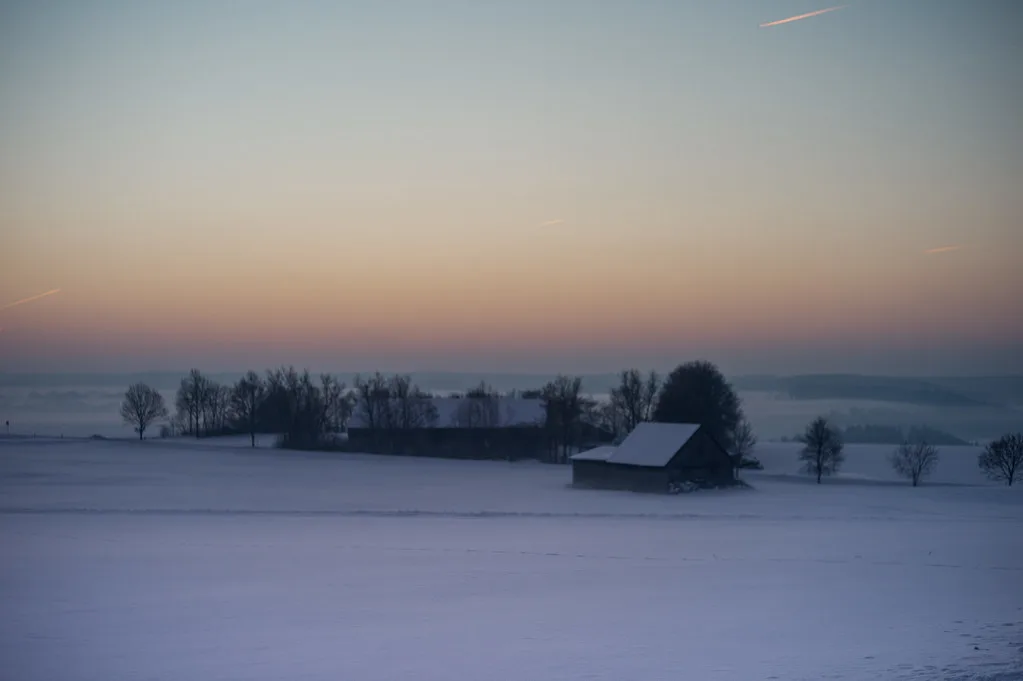
Yes, and in most years at least somewhere in the country sees snow. The reliable zones are the Alps and their foothills, the Bavarian Forest and the upper Black Forest, where cold air and elevation combine to keep snow cover through the core winter.
The lowlands are a different story. In Berlin, snow falls in almost every winter but amounts swing wildly from a dusting that vanishes by lunchtime to a few days of proper cover, and rain is often more common than snow across the season.
Plan around that distinction rather than around the country as a whole. If snow cover is the reason for the trip, book the south or the uplands; if it is one possible pleasure among many, a northern city works well because you are never depending on the weather.
Snow in the South: The Alps, Foothills and Munich's Lakes
Munich sits close enough to the Alps that cold air funnels down from the mountains, and the city's winter figures are noticeably colder than Berlin's or Hamburg's. Overnight lows in December to February typically sit just below or around freezing, with rain or snow on roughly eight to eleven days a month.
South of the city, the foothills and lakes — Starnberg, Tegernsee, the Ammer valley — are where snow starts to settle properly. Lake towns make good bases in winter because you can walk the shoreline on cleared paths and reach higher ground by train or cable car when the valleys are grey.
The trade-off is short daylight. Even in the south, midwinter afternoons fade early, so build days around one outdoor objective and one indoor stop rather than long itineraries. Thin valley snow is normal; the deeper cover is up high.
The Black Forest and Bavarian Forest: Dependable Mid-Altitude Snow
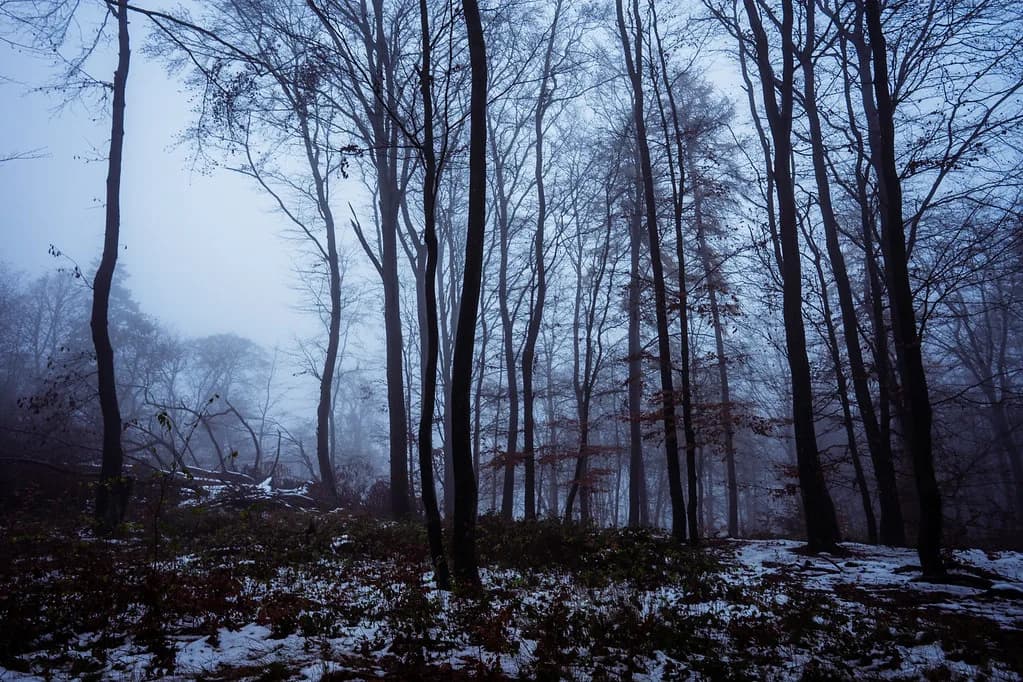
Germany's most underrated snow zones are its mid-altitude ranges. The Black Forest in the southwest and the Bavarian Forest along the Czech border both rise high enough to hold snow for weeks at a time, with conifer woods, ridgeline paths and small spa towns rather than big resorts.
These areas suit travellers who want winter walking, sledding and quiet hotels without committing to a ski holiday. Snow cover is far more dependable than in the valleys below, but the roads climb and can be slow after a fall, so allow extra time for any drive between towns.
Further north, the Ore Mountains on the Saxon side of the border form another cold upland where snow often lingers, and the villages there feel genuinely wintry in January and February.
Central and Western Germany: Frankfurt, the Rhine and the Valleys
The Rhine and Main valleys are the mildest part of the country in winter, and snow there is an event rather than a fixture. Frankfurt's winter highs typically land between about 6 and 7°C (43–45°F) with lows near 1°C (33–34°F), and precipitation arrives as rain on eight to eleven days a month.
That makes the region a sensible choice for a city-and-vineyard winter trip where the point is museums, river walks and cellar restaurants. River cruises and many castle interiors run reduced winter schedules, so it pays to plan around the indoor options and treat any snowfall on the hills as a gift.
Higher ground west of the Rhine and the Eifel hills do catch snow when cold fronts stall, but it rarely lasts in the valley towns themselves.
Snow in the North: Berlin, Hamburg and the Coasts
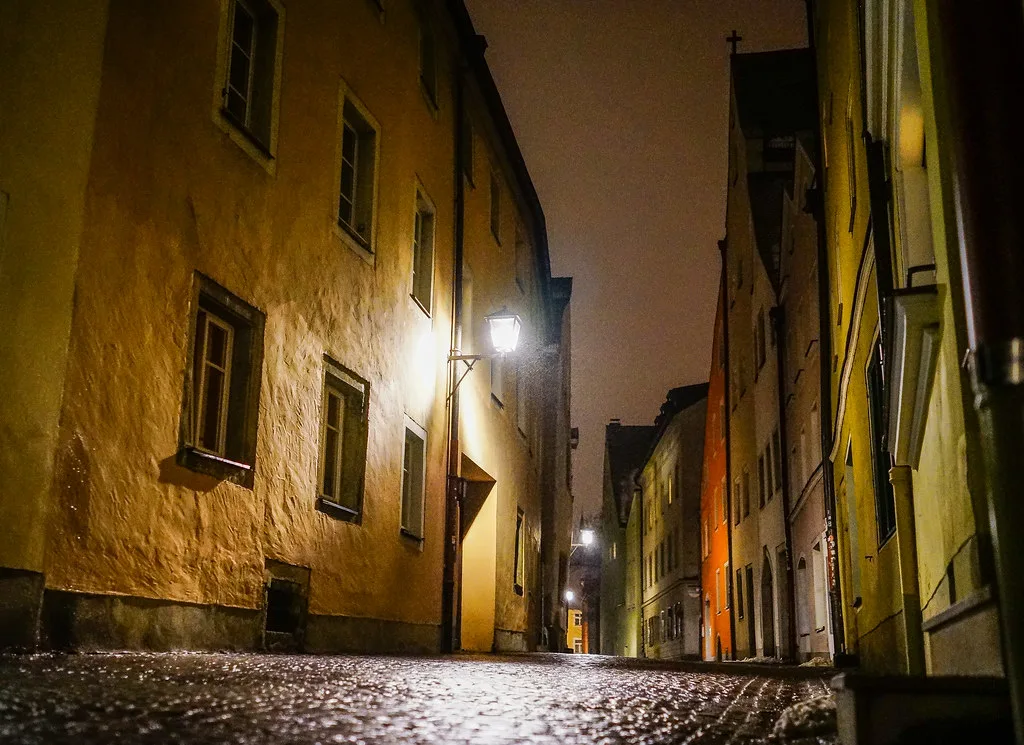
Berlin winters are colder than many visitors expect but far less snowy than they imagine. Typical winter highs run around 3–5°C (38–41°F), lows hover near freezing, and January is usually the coldest month, with snow most likely between December and February.
When snow does come, it is often beautiful for a day or two — Tiergarten, Tempelhofer Feld and the Spree embankment transform — then melts into grey slush. Public transport keeps running through ordinary winter weather, so snow rarely disrupts a city break in a serious way.
Hamburg and the North Sea and Baltic coasts are milder still, with winter highs around 5°C (41°F) and rain on nine to twelve days a month. Coastal snow is possible but short-lived, and the wind makes the cold feel sharper than the numbers suggest.
Month by Month: December, January and February Compared
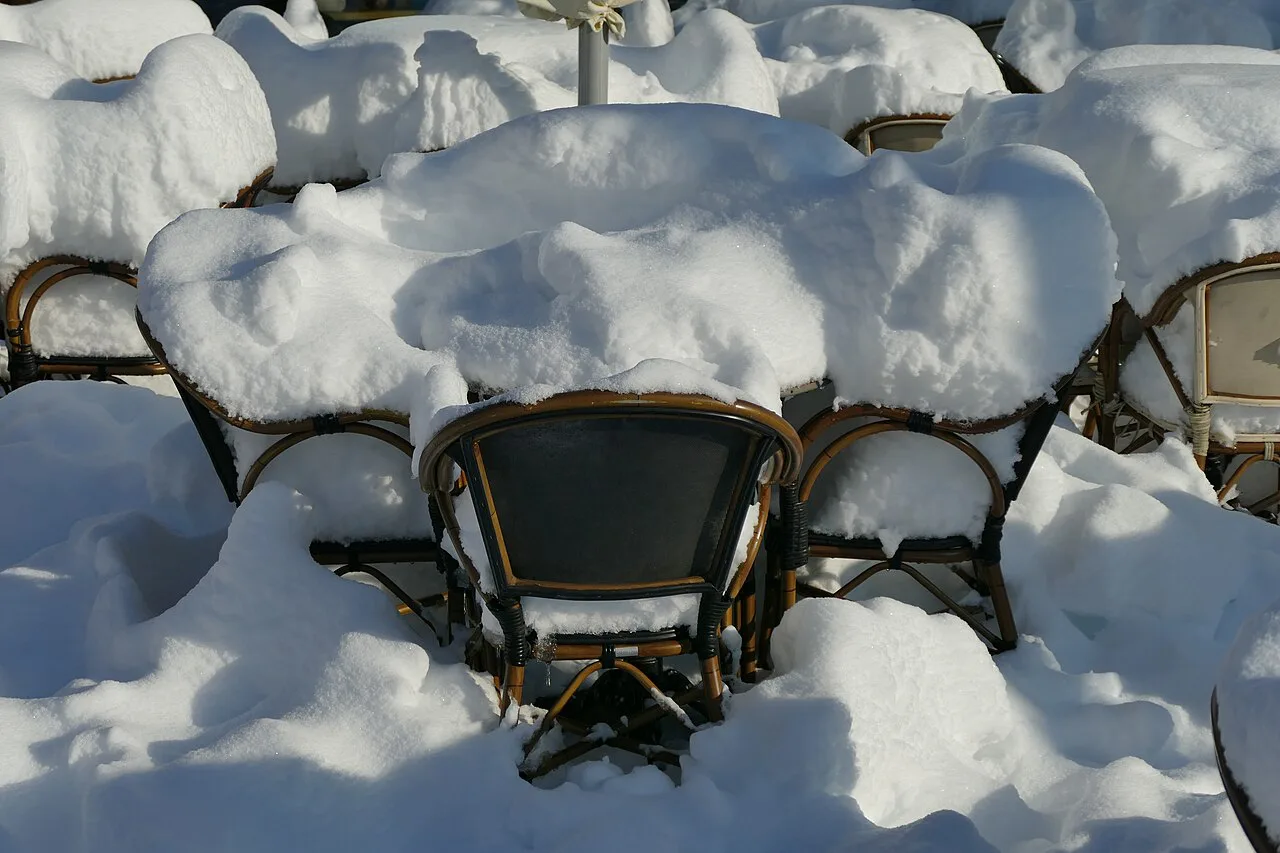
December is the darkest month and, in the lowlands, often more wet than white. In the mountains and uplands, though, it already delivers settled snow, and if you want a festive city with a real chance of flakes, Berlin in December is atmospheric even when the pavements are merely damp.
January is usually the safest bet for snow anywhere in the country: it is the coldest month overall, and the uplands and Alps are at their most reliably white. Expect very short days and plan indoor anchors around them, from Museum Island in Berlin to the spa towns of the forest ranges.
February can go either way. Some years it looks more wintry than December; in others the first mild spells arrive and valley snow turns patchy, while the high ground holds on. Crowds are thinner than in December, which makes it a good month for city trips with a mountain day attached.
Into March, lowland snow becomes rare and the south starts its slow thaw, though the highest ground can still be white early in the month.
For late December, New Year's Eve in Germany means city squares and fireworks rather than snow guarantees — book the celebration for the atmosphere, not the weather.
What Winter Weather Feels Like on the Ground
German winter cold is often damp and windy rather than crisp, so a 2°C afternoon in Berlin can feel harsher than a drier, colder day in the Alps. Snow that falls in cities is usually wet, compacts quickly underfoot and leaves pavements slick.
Daylight is the other constraint. Midwinter days are short enough that sightseeing finishes in the afternoon gloom, which is why locals gravitate to cafés, museums, saunas and thermal baths. Grey skies can persist for days, and that is the real price of a snow chase in the north.
Snow on the ground rarely stays pristine for long in lowland Germany. It typically melts within days, or even hours when temperatures rise, so travellers who need guaranteed cover should look at elevation rather than latitude.
Cities Where Snow Is a Bonus: Museums, Baths and Indoor Sights
Berlin rewards a snow-free winter more than almost any German city, with dense clusters of museums, galleries and memorial sites that suit cold, wet days. Walking the Wall memorials and Cold War sites in freezing weather is sobering in the best sense, and the city's café and bar culture absorbs the dark afternoons.
Munich combines a compact old town with easy access to the mountains, so you can spend a grey morning in a museum and a clear afternoon on a lake shore. Frankfurt and Hamburg offer the same logic on a smaller scale: galleries, riverfront walks and long lunches.
A Christmas market may feature on a city visit, but treat it as one evening's pleasure rather than the reason for the trip.
Mountain Snow Without the Ski-Resort Plan
You do not need to ski to spend time in the snow. The uplands and foothills offer sledding hills, cleared winter walking routes and cable cars that lift you above the valley grey, and many small spas and guesthouses stay open all winter for exactly this kind of trip.
Check whether a specific lift or mountain railway runs before you build a day around it, since some switch to reduced winter timetables or close in bad weather. The same applies to forest roads after heavy snowfall, which can be cleared late or not at all.
Book mountain days flexibly: keep one clear-weather day free for the high ground and use the grey days for towns, baths and museums lower down.
Getting Around When It Snows
German rail handles ordinary winter weather well, and intercity trains are the most reliable way to move between snowy regions and cities. Delays do happen during heavy snowfall, so avoid tight connections if you are heading into the uplands.
Driving in the mountains is the part that needs most care: winter tyres are essential, some passes close, and rental agreements may restrict driving in snowy conditions. City transport in Berlin and Hamburg keeps moving through most snow, so urban days are rarely lost.
Trains are also the easiest way to combine a city base with a mountain day trip, since you avoid finding parking on a snowy morning.
Who a Snow-Chasing German Winter Suits
If you want guaranteed snow, book the Alps, the foothills, the Bavarian Forest or the upper Black Forest for January or early February, and accept short daylight and simple evenings. If you want culture, food and museums with snow as a possible bonus, choose Berlin, Hamburg or the Rhine and stop worrying about the forecast.
Avoid late November and early March if snow cover is your goal: November is dark and mostly wet, and by March the lowlands have largely lost theirs. Anyone who dislikes grey skies and early dusk should choose the south for its brighter mountain days or pick another season entirely.
Families and slow travellers do best in the uplands, where sledding, spa towns and short walks fill a week without lift queues or long transfers.
Plan Your Snow Trip
Decide first whether snow is the point of your trip or a pleasant possibility, then choose the region to match. The south and the uplands deliver cover with reasonable confidence; the northern cities deliver atmosphere, museums and lower prices, but you should never count on a white landscape.
Book flexible cancellations for mountain days, keep one indoor plan for every outdoor one, and you will enjoy a German winter whatever the sky does.
Explore more Germany winter guides
Frequently Asked Questions
Does it snow in Germany every year?
In most years at least some part of the country sees snow, and the Alps, Bavarian Forest and upper Black Forest usually hold cover through the core winter. Lowland cities such as Berlin get snow most winters, but amounts vary enormously and rain is often more common than snow. Treat snow in the north as likely at some point but never guaranteed on your dates.
Which part of Germany gets the most snow?
The Alpine south and the mid-altitude ranges — the Bavarian Alps and their foothills, the Bavarian Forest and the higher Black Forest — are the most dependable zones, because cold air and elevation keep snow on the ground. Lowland cities see snow, but it usually settles briefly and melts within days.
Does it snow in Berlin in winter?
Yes, in almost every winter, but usually in modest amounts and rarely for long. Snow is most likely between December and February, with January typically the coldest month. Expect flakes to be beautiful for a day or two and then turn to slush, and plan the trip around museums and indoor sights rather than snow cover.
Is January the coldest month in Germany?
In most lowland regions January is usually the coldest month, and it is also the safest bet for snow in the uplands. February can still deliver heavy snow in the mountains, but the lowlands start to see milder spells and melting by late in the month.
Does it snow in Munich in December?
Munich is cold enough in December for snow, but the city itself often sees wet days rather than settled cover. The reliable snow is in the Alps and foothills south of the city, which are reachable by train for a day trip. If white landscapes are the goal, base yourself closer to the mountains.
How long does snow stay on the ground in Germany?
In the mountains and uplands, snow can lie for weeks, and cover typically builds through January and February. In cities and valleys, fresh snow often melts within days or even hours when temperatures rise, so a snowy Berlin morning is no guarantee of snow the next day.
Is it worth visiting Germany in winter if I want snow?
Yes, if you choose the right region. The Alps, the foothills, the Bavarian Forest and the upper Black Forest offer dependable snow and winter walking from December through February. For city trips, go for museums, food and atmosphere and treat snow as a bonus, because the north is grey and damp more often than white.
Where do I find current winter weather and snow conditions?
The German national weather service publishes forecasts, warnings and snow reports by region, and mountain railways and tourist offices post their own operating status. Check those before a mountain day, and keep your plans flexible enough to swap a high-level outing for a museum or spa visit.
Sources
Winter travel notes
Optional updates when we add or revise winter guides.
You might also like
Continue reading
More guides you'll find useful