Sicily in January: Winter Weather and What to Do
Sicily in January brings mild coastal days, cold hill towns and thin crowds. See typical weather, what stays open, winter events and who the trip suits.
On this page
January is Sicily's quietest month, and that shapes the whole trip. The island runs on two different clocks in midwinter: Palermo, Catania and Syracuse stay lived-in and open, while the beach resorts that fill in summer go dormant and the interior turns genuinely cold. If you want empty archaeological sites, unhurried museums and restaurant tables you can book the same day, this is your window.
The trade-off is daylight and weather variety. Days are short, rain arrives in spells rather than all at once, and the difference between a sunny afternoon on the coast and a freezing morning in an Enna or Etna hill town is large enough to plan around. This guide treats the island honestly rather than offering one temperature for "Sicily."
Weather in January
Expect typical January conditions, not a forecast: coastal cities generally see daytime highs around 15°C (59°F) and nights near 8°C (46°F), while inland towns at 600–900 meters run several degrees colder and can drop close to freezing after dark. Rain falls on roughly a third of January days on the Tyrrhenian and Ionian coasts, often as short heavy showers, and the south coast around Agrigento is typically drier. Sunshine is modest by Mediterranean standards, perhaps four to five hours a day, so build sightseeing around the middle of the day.
Daylight is the constraint nobody plans for. In early January the sun rises around 7:20 and sets before 17:10 in Palermo, giving under ten hours of light, and it only stretches noticeably by the end of the month. That means one major site plus a long lunch is a realistic day, not three stops.
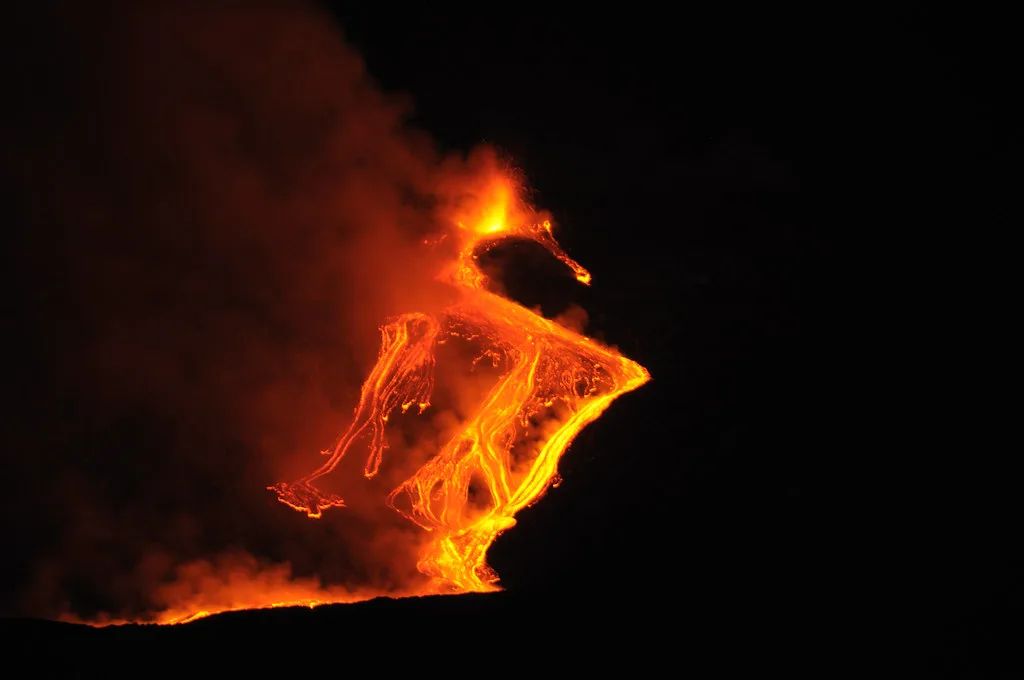
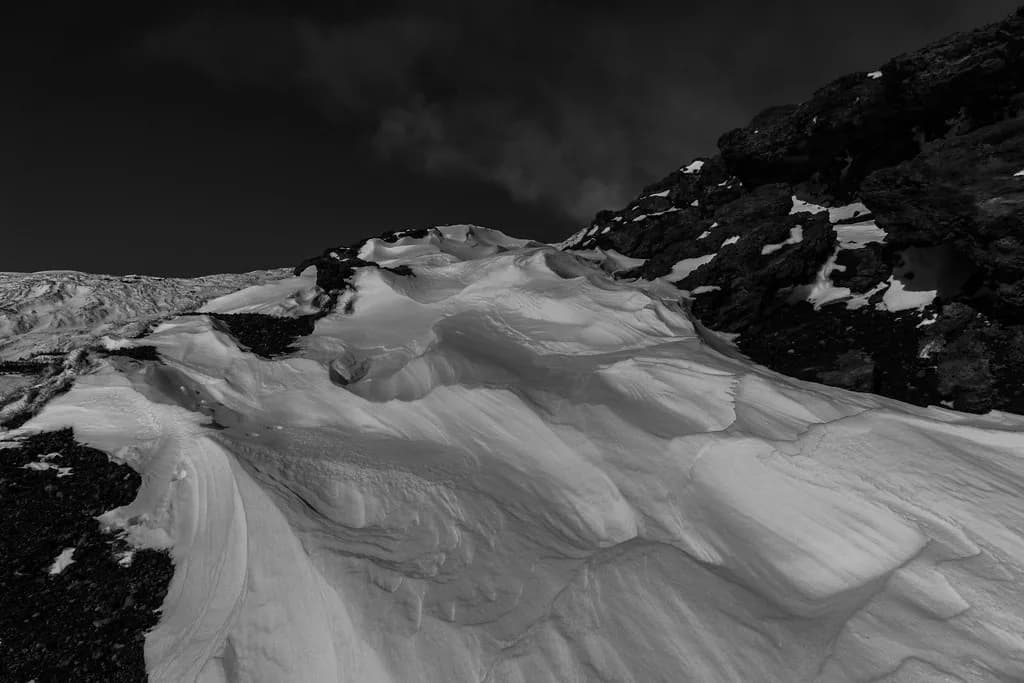
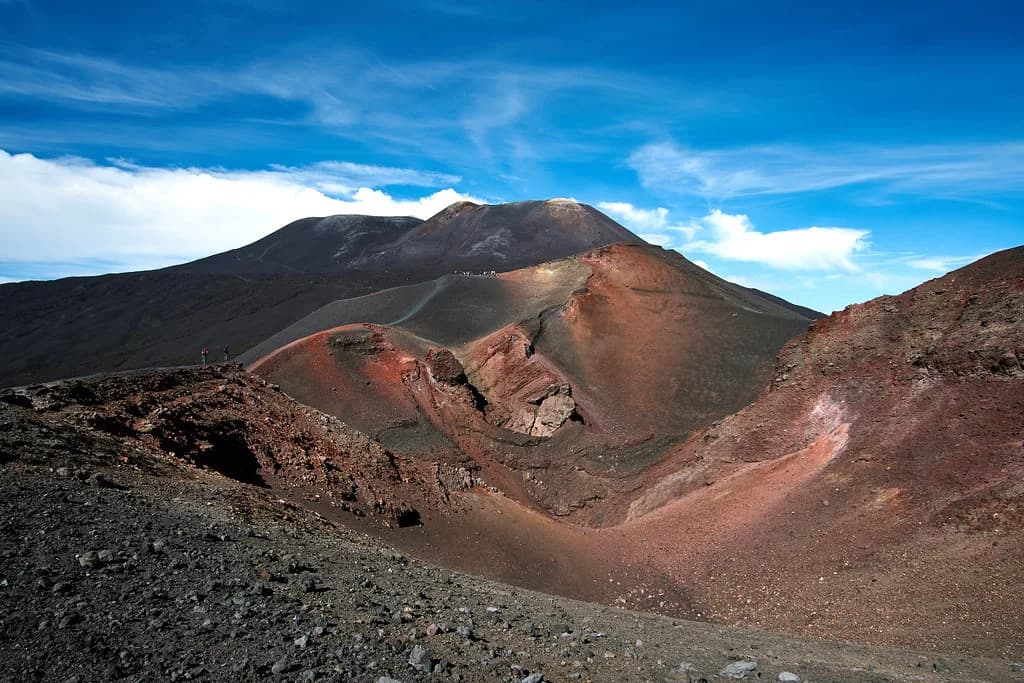
The interior and Mount Etna's upper slopes are a different climate altogether. Snow is common above roughly 1,000–1,500 meters in January, and Etna's higher roads and rifugi can be affected by ice; the mountain's accessible lower slopes around Nicolosi and Rifugio Sapienza remain the practical base. Pack layers for a single island's varied weather, and treat mountain plans as weather-dependent.
Sea Temperature and the Coast
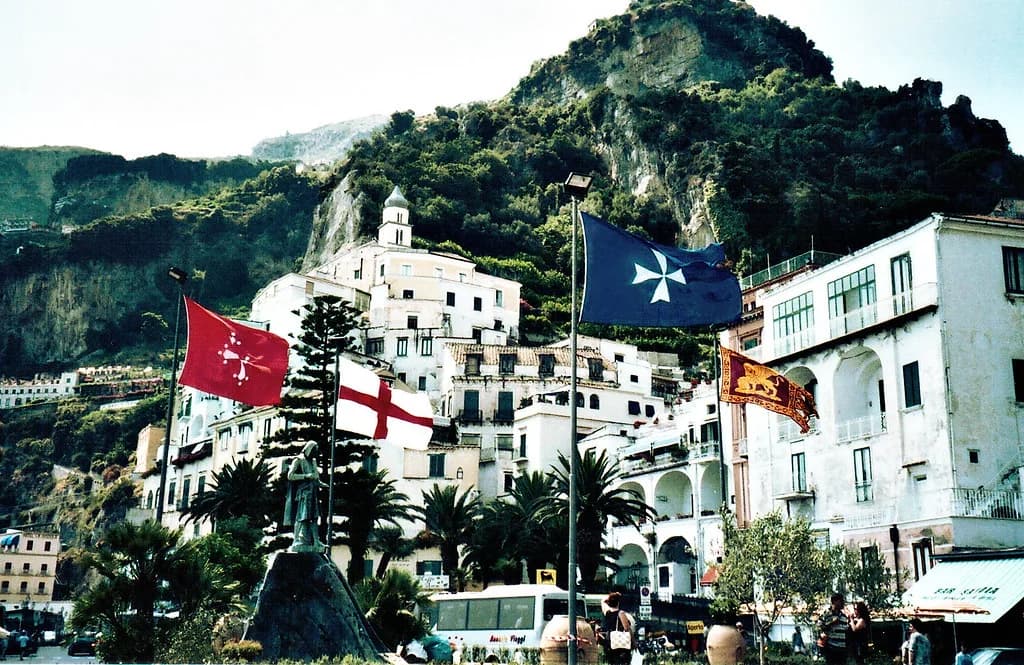
The sea around Sicily sits at its coldest in January, typically around 15°C (59°F). That is fine for a wetsuit and a bracing swim for the hardy, but it is not beach weather for most travelers, and organized beach clubs and lidos along the main summer strips are seasonal operations rather than January fixtures. If you are weighing a southern Italian winter against this one, the same off-season logic applies to the Amalfi Coast, where Amalfi in January brings quiet towns and closed lidos too.
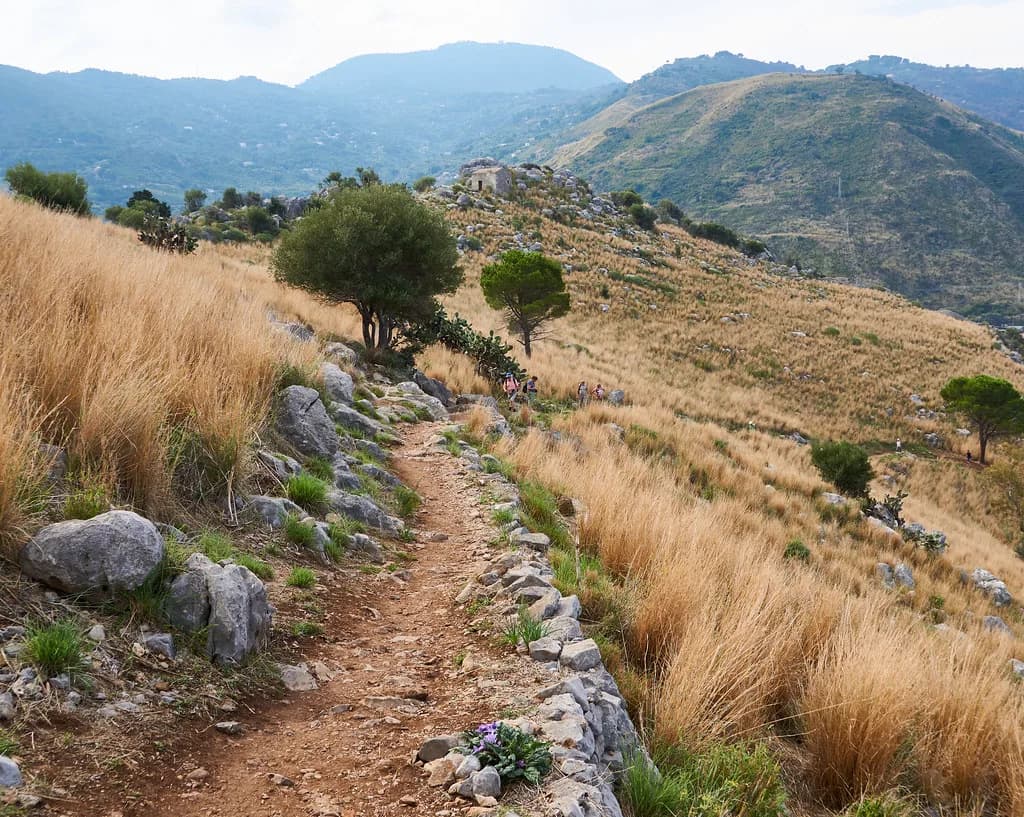
What the coast offers instead is walking. The seafront promenades of Palermo, Trapani, Catania and Syracuse are at their most pleasant without summer heat, and the wild southern shoreline near Marina di Ragusa and the Vendicatori coast is best explored on foot with a windproof jacket. Individual lidos may close out of season, but the shoreline itself is always open.
What Is Open in Winter
Sicily functions year-round, which is what makes a January trip viable at all. The island's art cities, its seven UNESCO sites, regional museums, theatres and covered food markets operate through the winter, and Visit Sicily promotes the season directly, describing winter as a time of quiet villages, unhurried art cities and theatrical and concert seasons running from prose to opera. That is the strongest argument for coming now rather than in spring: you get the same sites with a fraction of the visitors.
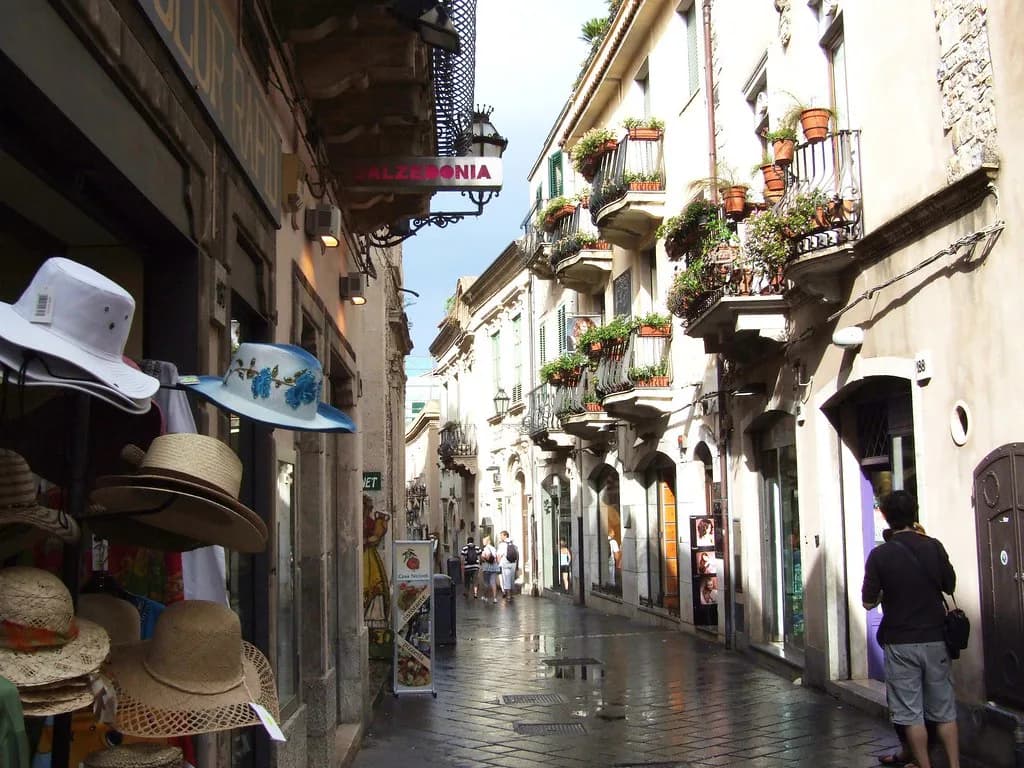
What changes is the coast. Summer-only resorts and beach facilities in Taormina's beach zones, Cefalù's lido strip and the Ragusa coast slim down or close for the season, and some hotels in seasonal towns cut services or shut entirely. The practical rule is to base yourself in a working city (Palermo, Catania, Syracuse) and treat the resort towns as day visits, where the streets and monuments remain accessible even when the beach clubs do not.
Opening hours at individual sites still shift with the season, and some archaeological areas run shorter winter timetables than in summer. The park offices and the Visit Sicily events pages carry the current arrangements for the sites you care about most, and booking the big ones in advance smooths the day when daylight is short.
Events in January
One fixed date anchors the month: Epiphany, on Wednesday 6 January 2027, the last of the Christmas cycle and a public holiday across Italy. In Sicily it is marked with processions and presepi (nativity scenes), and the run-up to it takes in New Year's Day on Friday 1 January 2027, when many restaurants serve long holiday lunches and smaller towns hold their own celebrations.
Beyond the holidays, January belongs to the theatre and concert seasons. Palermo's opera and theatre houses, Catania's theatres and the island's prose and classical music venues program through the winter months; Visit Sicily publishes the season calendars and event listings, so the sensible approach is to pick your dates first and then build the trip around whatever is on.
Christmas markets are a December story more than a January one, though a few run into the first days of the new year. Do not plan a January trip around markets; plan it around the cities, the sites and the food.
Things to Do
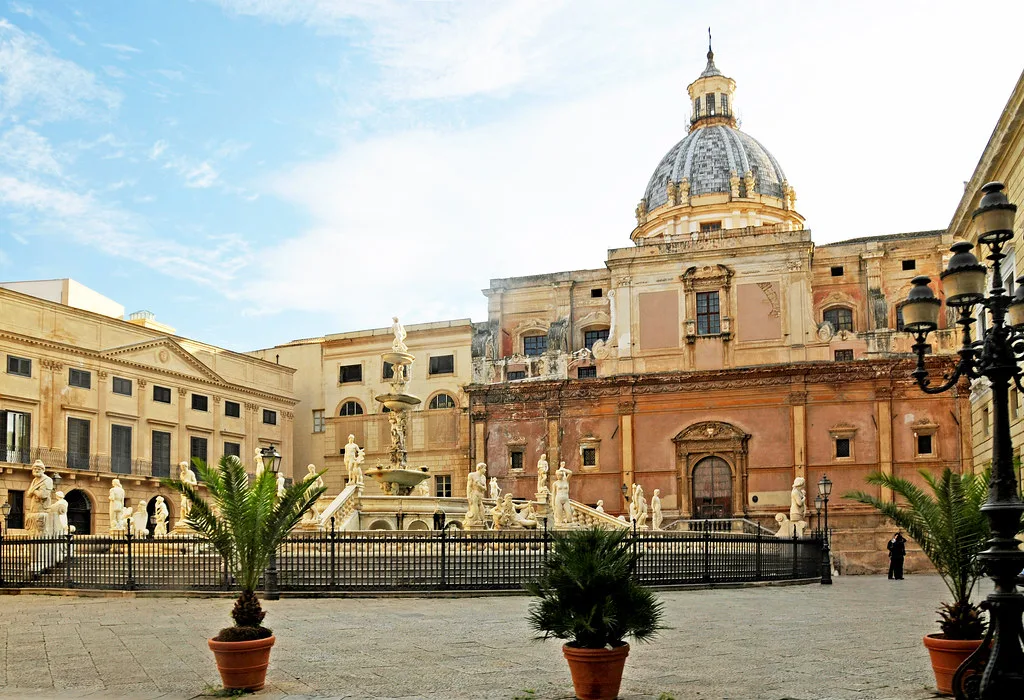
Start with the cities. Palermo's Norman Palace and Cappella Palatina, the cathedral and the regional archaeology museum reward unhurried hours indoors, and the Ballarò and Vucciria markets are liveliest in the morning, when the city is doing its shopping rather than posing for visitors. Catania's Baroque center, its Roman theatre and the Museo Civico in the Ursino Castle fill a wet day comfortably, and Syracuse's Ortygia is compact enough to walk in a morning with a long lunch at the end.
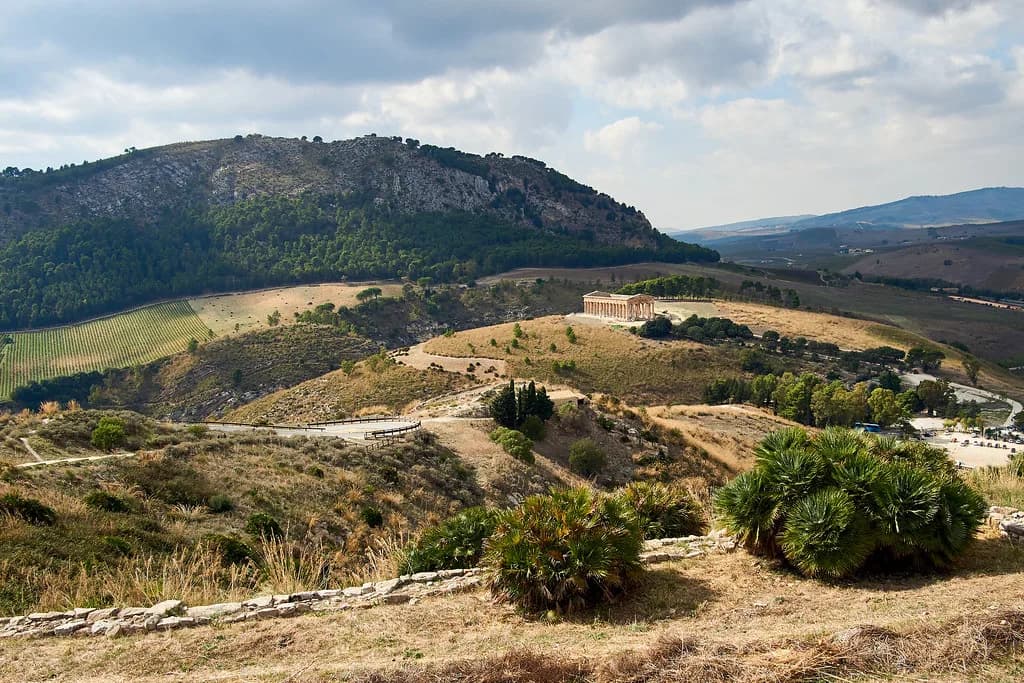
Archaeology is the reason many visitors come, and January is when the Greek sites are at their best for photography and worst for atmosphere if you wanted heat. Agrigento's Valley of the Temples is a broad, exposed walk, so go in the middle hours and carry rain protection; Selinunte and Segesta are similar propositions.
For bad-weather days, Sicily offers indoor food and wine experiences and wellness options in the volcanic zones around Etna and in the island's spa towns, where thermal water is a winter pleasure rather than a summer one. Cooking classes, winery visits and market tours run through the low season and often need only a day's notice.
Day Trips That Work in January
The Baroque southeast is the best winter day-trip territory: Ragusa Ibla, Modica, Scicli and Noto are hill towns built for walking, their chocolate shops and churches open year-round, and the distances between them are short by car. Noto's honey-colored limestone reads better under low winter light than in summer glare.
Inland villages such as Enna, Piazza Armerina (for the Villa Romana del Casale mosaics, an excellent indoor stop) and the Madonie towns work as day trips from Palermo or Catania, but check road conditions before setting out, since ice and snow can affect the higher routes. Etna's lower slopes make a good half-day from Catania when the summit roads are clear; check current prices and dates for the cable car and upper services before you go, as they are weather-dependent.
The Valley of the Temples and the South Coast in Low Season
Agrigento in January is quiet in the best sense: you can walk the ridge of temples without tour groups, and the light on the sandstone at mid-morning is excellent. The site is large and exposed to wind and rain, so plan a shorter visit than you would in May and combine it with the archaeology museum in town if the weather turns.
The southern coast around Agrigento, Licata and Gela is the driest part of the island in winter, which makes it the best place to gamble on outdoor plans. Fishing harbors, coastal walks and the Turkish Steps near Realmonte are all reachable, though the steps themselves are a summer bathing spot rather than a January swim.
Food in January
Sicilian winter cooking is built for the cold: pasta with sardines and wild fennel, broccoli and anchovy pasta, and the cauliflower, artichoke and citrus dishes that peak in the cooler months. Oranges, lemons and blood oranges are at their best, and the island's markets carry them in quantity.
Street food does not pause for winter. Palermo's panelle and sfincione, Catania's arancini and the fried seafood stalls around the markets all continue, and the covered markets are where to eat cheaply and well when it rains.
Crowds and Prices
January is the low season, and it shows. Rick Steves notes that Sicily is one of the few European destinations open year-round, but names April, May, June and October as the ideal months, which is a fair summary of what you give up: warmth and long days. In exchange, you get room availability, no queues at the major sites and a version of the cities that belongs to residents as much as visitors.
Travelers in Sicily's forums make the same point from the ground up: January is winter and low season, and the advice is to favor year-round towns and cities rather than coastal beach destinations. That is the single most useful planning rule for the month. Prices are at their lowest of the year, but winter does not make Sicily cheap everywhere; city hotels and restaurants still charge for quality, so compare rather than assume a discount.
Getting Around
Trains connect Palermo, Catania, Messina and Syracuse, and the main lines run year-round, though regional services are slow and infrequent compared to northern Italy. Buses fill the gaps to Agrigento, Ragusa and Noto, and the combination is workable if you accept that a January day holds only one or two moves.
Driving gives you the Baroque towns and the interior, but January brings rain, short daylight and occasional ice on higher roads. If you drive, keep to the coast and main highways after dark and treat mountain routes as fair-weather options; the island's road conditions change quickly with altitude.
Who January Suits
January suits city and culture travelers, food and wine people, archaeologists willing to trade heat for solitude, and walkers who prefer cool weather over summer sun. It also suits anyone who values a table without a reservation and a museum without a crowd. The mild south coast makes a good base for outdoor plans.
It does not suit beach travelers, families wanting warm sea and long pool days, or anyone whose Sicily fantasy is swimming and sunbathing. If that is the trip you want, aim for late spring or early autumn instead, when the sea and the season both cooperate.
Plan Your January Trip
Build a January itinerary around two working cities and one inland or southern excursion, keeping the coast for walks rather than swims. Book the big sites and any theatre or concert tickets early, then leave room for the weather to decide the rest.
Check the Visit Sicily events calendar and the individual site operators once your dates are set, and pack for wet, cool days with one genuinely warm layer for the interior. Sicily in January rewards the traveler who plans for the season rather than against it.
Explore more Sicily winter guides
Frequently Asked Questions
What is the weather like in Sicily in January?
Typical January conditions are mild on the coast and cold inland. Coastal cities generally see daytime highs near 15°C (59°F) and nights around 8°C (46°F), while hill towns several hundred meters up run colder and can approach freezing after dark. Rain falls on roughly a third of days, sunshine is modest, and snow is common on Mount Etna's upper slopes. Treat these as long-term averages, not a forecast.
Is January a good time to visit Sicily?
It is a good time for cities, archaeology, food and theatre, and a poor time for beaches and swimming. The upside is thin crowds, easy museum access and open year-round cities; the downside is short daylight, rain spells and cold in the interior. Travelers who want warm sea should choose late spring or early autumn instead.
Is it warm enough to swim in Sicily in January?
No, not comfortably. The sea sits at its coldest, typically around 15°C (59°F), which is wetsuit territory rather than casual swimming. Organized beach clubs and lidos along the summer strips are seasonal operations, so January is better for coastal walks than for time on the sand.
What is open in Sicily in January?
The art cities, regional museums, UNESCO sites, theatres and covered markets operate through the winter, and Palermo, Catania and Syracuse remain fully lived-in. What thins out is the resort coast, where summer-only beach facilities and some seasonal hotels cut services. Base yourself in a working city and visit resort towns as day trips.
What events happen in Sicily in January?
Epiphany falls on Wednesday 6 January 2027 and is marked with processions and nativity scenes across the island, following New Year's Day on Friday 1 January 2027. Beyond the holidays, the theatre and concert seasons run through the winter in Palermo, Catania and other cities. Christmas markets are mostly a December affair.
How do you get around Sicily in January?
Trains link Palermo, Catania, Messina and Syracuse year-round, with buses covering Agrigento, Ragusa and Noto. Driving opens up the Baroque southeast and the interior but brings rain, short daylight and occasional ice on higher roads. Keep mountain routes flexible and favor main roads after dark.
Is Sicily expensive in January?
January is the low season, so prices are at their lowest of the year and availability is easy. Winter does not make the island uniformly cheap, though: city hotels and good restaurants still charge for quality, so compare prices instead of assuming a discount. Check current rates when booking.
Sources
Winter travel notes
Optional updates when we add or revise winter guides.
You might also like
Continue reading
More guides you'll find useful