Sicily in February: Weather, Festivals and What's Open
Plan a February trip to Sicily with typical temperatures, what stays open in the cities, Carnival and almond blossom season, and who this quiet month suits.
On this page
February is Sicily at its quietest and coolest, with daytime temperatures that still make long walks and archaeological sites pleasant rather than punishing. It is a month for cities, ruins, thermal water and food, not for swimming or ferry-hopping between small islands. If you want the island without summer heat or queues, this is the window; if you want the sea, wait until spring.
Why February Suits Sicily
Winter visitors get a different island: thinner crowds, easier access to the big sights and a slower, more local rhythm in the cities. Sicily in winter is a genuinely comfortable sightseeing proposition for anyone who dislikes heat, and February sits at the heart of that low season.
The trade-off is weather that can turn cool and wet, and a tourist infrastructure that thins out accordingly. Beach areas go quiet, some boat excursions and guided tours drop off the calendar, and many restaurants outside the cities close one day a week. Plan around the cities and the interior rather than the shoreline and the month works well.
Weather in February: What to Expect
February is one of Sicily's two coldest months, and typical figures put daytime temperatures at roughly 14–16 °C (48–62 °F), with nights around 9–11 °C (48–53 °F). Treat those as long-term averages rather than a forecast, and expect the warmest conditions in Palermo, Catania and the southern coast.
Rain is part of the picture in February, and a wet, windy spell can interrupt an outdoor itinerary for a day at a time. Published climate averages give no reliable February rainy-day count, so build in indoor alternatives for each base rather than relying on a fixed number. Short daylight is the other constraint: February days are noticeably shorter than spring ones, so start sightseeing early and keep afternoons flexible.
The sea stays cold through February, so this is not a swimming month even on the mild southern coast. Beach towns such as San Vito Lo Capo are pleasant for a walk but offer little of what draws people in summer. If a coastal break matters more than sightseeing, April or May is the better choice.
Snow on Etna, Mild Air on the Coast
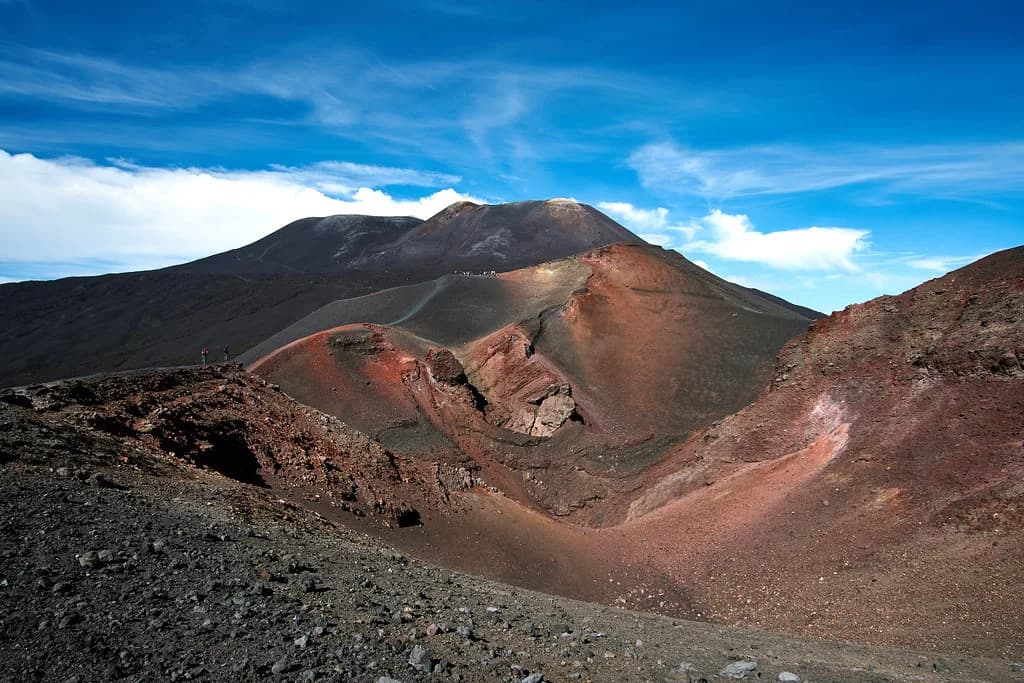
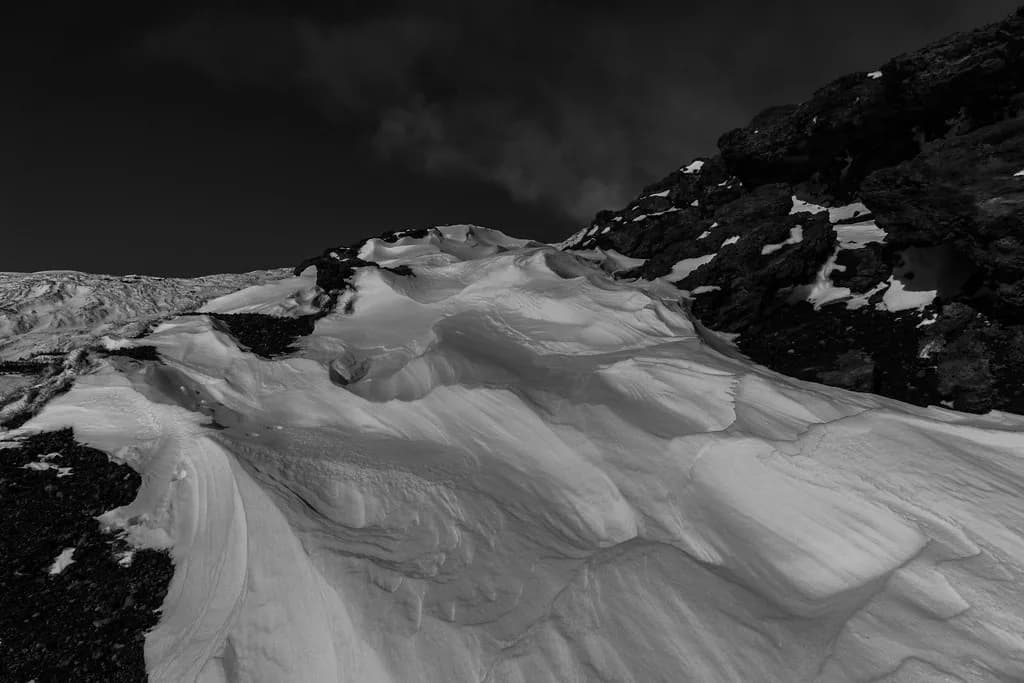
Mount Etna often carries snow on its upper slopes in February, and the three main ski areas — Etna Nord at Linguaglossa, Etna South at Nicolosi and Piano Battaglia outside Palermo — operate in winter. Access depends entirely on conditions on the day, and the higher roads can be affected by snow, so the practical approach is to decide on an Etna day only once you are on the island and to take guided transport from Catania rather than driving up yourself.
The contrast is the point: you can see snow above and eat lunch in a mild coastal town the same afternoon. Coastal locations generally see the mildest February conditions on the island, though Sicily is not large enough for dramatic regional differences. Palermo and Catania both work well as bases for a mix of city time and mountain excursions.
What Is Open in February
Sicily's major cities run year-round, and Palermo, Catania, Trapani and Syracuse are the places to build an itinerary around in February. Museums, churches, markets and archaeological parks keep working schedules, which means the winter trip is a city-and-ruins trip rather than an island-hopping one.
Remote and seasonal sights are another matter: expect shorter hours, midday closures and fewer guided activities than in high season. The smaller islands are harder to reach, with ferry services limited through the winter months, so the Aeolian Islands are best left for another trip. Spend your days in the bigger towns and treat any off-island excursion as a bonus rather than a plan.
A single Christmas market or two aside, February is not a market month, and the pleasure here is quieter: a near-empty archaeological park, a table at a restaurant you could not get into in July, and streets where you hear Italian first. Local markets such as Palermo's Ballarò and Vucciria are also less lively than in summer, so go for the everyday atmosphere rather than a spectacle.
Carnival and Almond Blossom in February
Carnival season dominates early February on the island, with town celebrations in Taormina and Sciacca and a wider Sicilian calendar of processions, masks and sweets. Carnival Tuesday falls on 9 February 2027, with Ash Wednesday the following day, so the final weekend of Carnival is the busiest few days of the month in the celebrating towns. Book accommodation in those towns well ahead if that timing matters to you.
Catania's Feast of Saint Agatha takes place in early February and is one of Italy's largest religious festivals, drawing crowds for processions through the city center. The Agrigento Almond Blossom Festival, which dates from 1934, runs during the first ten days of February and celebrates the early arrival of spring among the almond trees.
Both events can transform a small city for a few days, filling hotels and closing streets. If you want them, plan the trip around them; if you want quiet, choose another week or stay in a different town and visit on a day trip. For a wider view of what the month looks like across the country, compare Italy in February before you fix dates.
If you are weighing an earlier or later month, the same cities behave quite differently in Sicily in January and Sicily in December, when Christmas crowds briefly lift the island and then leave it empty again.
Things to Do in February
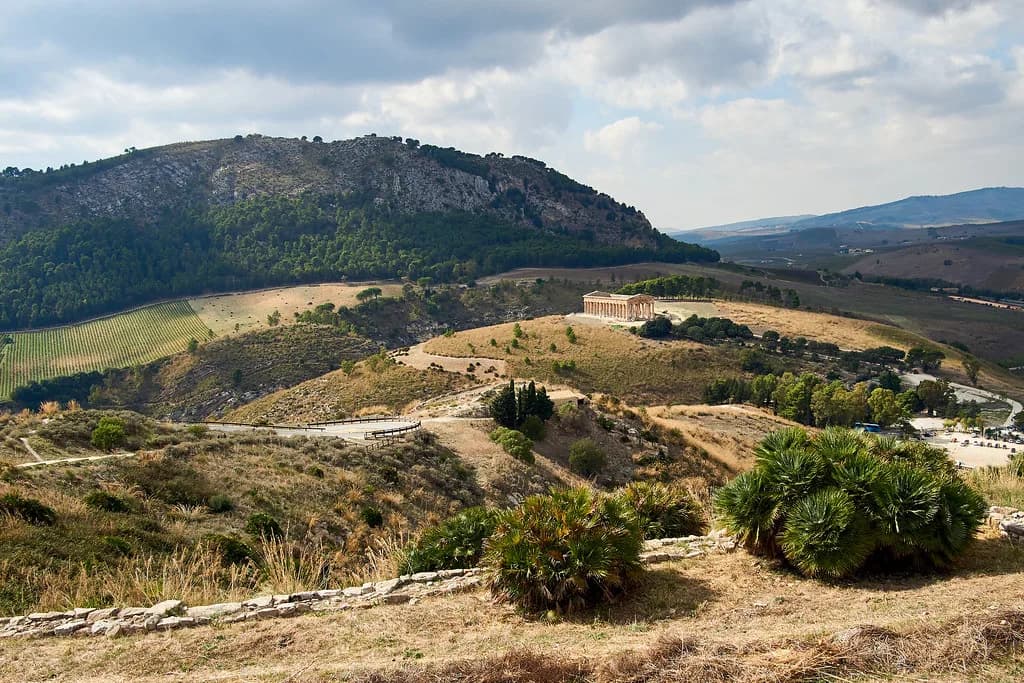
The Valley of the Temples at Agrigento is at its most manageable in winter, when you can walk the whole ridge without heat or crowds. Taormina's ancient theatre rewards a clear day, and Syracuse's UNESCO-listed core offers a compact, walkable day even when the weather turns.
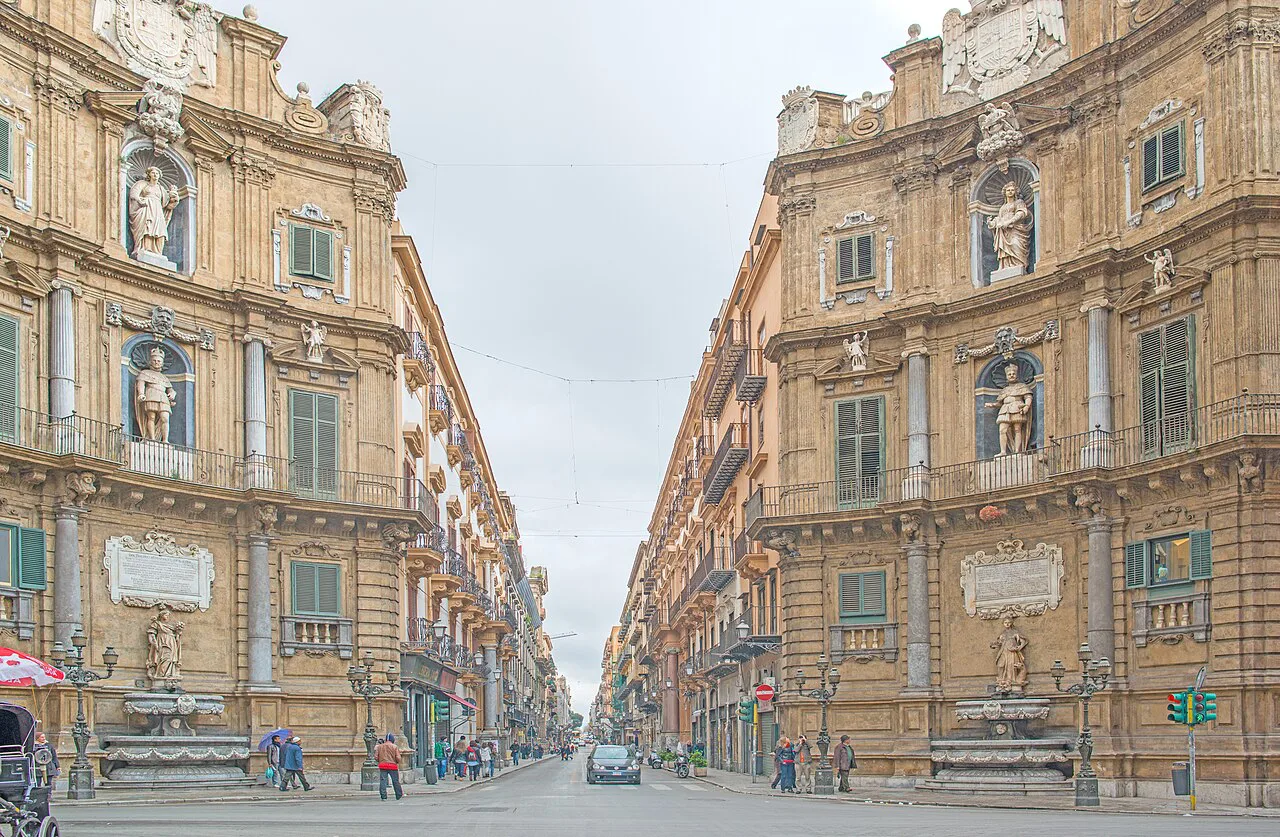
In Palermo, plan on the cathedral, the Norman Palace and the markets, and in Catania on the baroque center and the view toward Etna. The Kolymbetra garden below Agrigento's temples stays worth a detour for its citrus trees in winter. Rainy afternoons fill easily with churches, museums and long lunches, which is exactly how Sicilians handle the month.
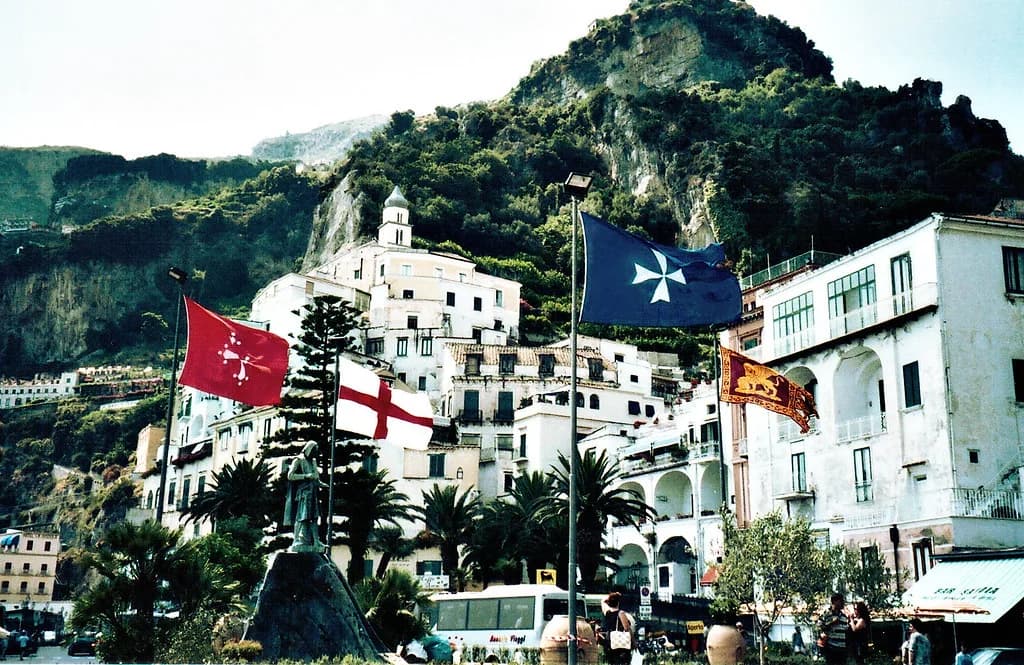
Carnival timing changes the shape of the month, and April and May are a different proposition entirely in Sicily, so the decision is really between a quiet festival-season city break and a spring beach-and-ruins trip. If you are considering a mainland combination, Amalfi in February shows what a strictly off-season coastal stop looks like; if you simply want the whole island's winter picture, the Sicily in winter overview lays it out season by season.
A February check of the broader winter picture helps you compare Sicily with cooler Italian options, and a November visit is an alternative for anyone who wants the tail of autumn rather than deep winter.
Thermal Baths and Hot Springs
Sicily's thermal springs make a strong cold-weather half-day, with established bathing spots at Terme di Sciacca on the south coast, at Acireale on the eastern side and near Termini Imerese west of Palermo. The waters are warm and the locations varied, which means you can pair a bath with a nearby town or a coastal walk.
Facilities vary from spa complexes with set opening hours to free, open-air pools, so pick your site by what you want from the day rather than assuming a single standard. February is also not a month to improvise an evening outdoors at the beach; the pleasure is the heat of the water, then dinner inside.
Day Trips That Work in February
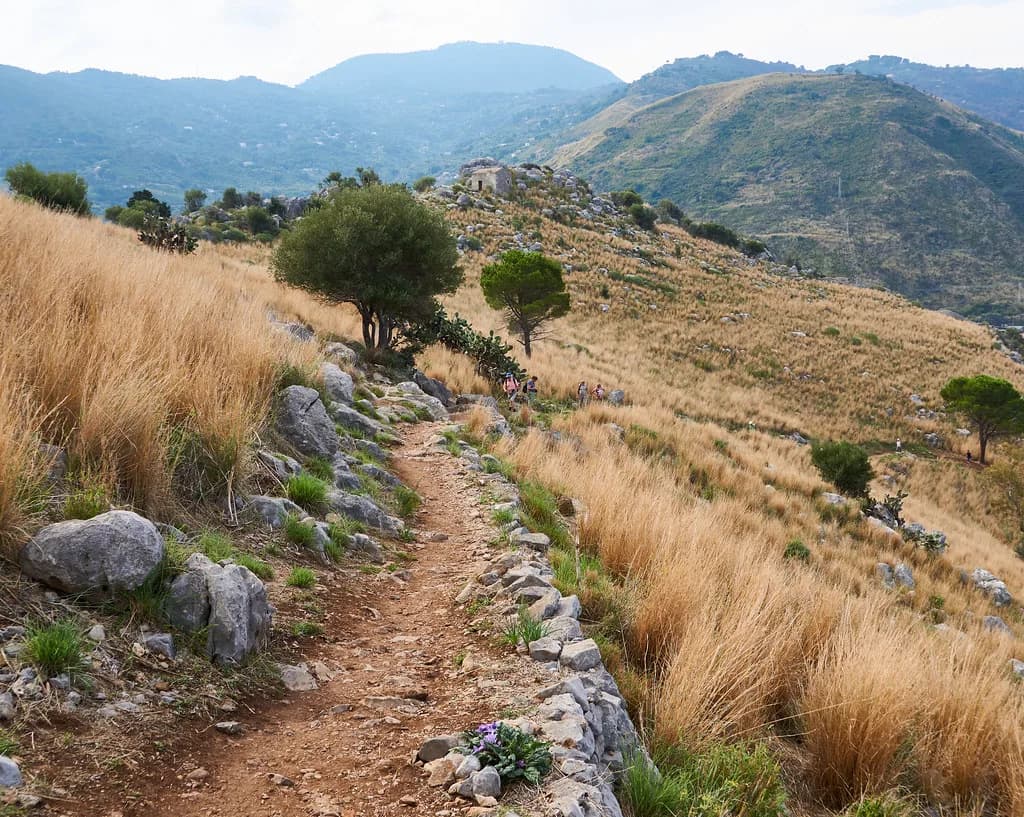
From Palermo, Cefalù is an easy day out: a compact medieval center, a Norman cathedral and a seafront that is quiet but still worth the walk. From Catania, the Etna villages and the mountain roads suit a guided trip, with snow possible higher up and warmer air in the towns.
From Syracuse, the baroque towns of Noto and Ragusa make a natural loop through the southeastern interior, and both are pleasant for walking in mild winter weather. Keep the itinerary flexible: a wet day is better spent in a museum or at a thermal bath than on a long drive.
Getting Around in February
Trains and buses link the major towns, but services are slower and less frequent than in northern Italy, so allow more time between stops and check winter timetables before committing. For the cities-only version of the trip, public transport is enough.
A rental car opens up the interior, the almond country around Agrigento and the smaller hill towns, at the cost of parking and winter driving conditions. Expect rain and wind on some days and be ready to drop a mountain leg if the weather closes in. If you are comparing options across the country, the Italy in February guide also flags the fixed events that drive prices in the month.
Who February Suits
February is for travelers who care more about ruins, food and empty streets than about swimming. It suits cold-tolerant walkers, city-break travelers, couples and anyone who values low-season rates over guaranteed sunshine. It works especially well for a first Sicily trip built around Palermo, Agrigento, Syracuse and Catania.
It does not suit anyone whose idea of Sicily is a beach holiday, a boat trip to the Aeolian Islands or long, warm evenings outdoors. Those travelers should look at April or May, when the trade-off between crowds and weather flips in their favor. If you want December or January instead, the same cities look quite different earlier in the season.
Plan Your February Trip
Build a February itinerary around the cities and archaeological sites, leave one indoor option for each day, and decide early whether Carnival or a quiet week suits you better. Carnival Tuesday falls on 9 February 2027, with Ash Wednesday on 10 February 2027, so those dates shape the month's crowds.
Confirm the specific details for the sights and thermal baths you plan to visit, since winter hours and opening days change from site to site. Beyond that, the month asks little more than a flexible plan and an appetite for the island at its quietest.
Frequently Asked Questions
What is the weather like in Sicily in February?
February is one of the island's coldest months, but it stays mild by northern European standards. Typical daytime temperatures run around 14–16 °C (48–62 °F), with nights near 9–11 °C (48–53 °F). These are long-term averages, not a forecast. Rain and wind can arrive in spells, and the sea is too cold for swimming, so plan outdoor sights for the mornings and keep indoor options ready.
Is February a good time to visit Sicily?
It is a good month for sightseeing rather than beach holidays. Crowds are thin, the major cities run year-round, and archaeological sites such as the Valley of the Temples are far more comfortable to walk than in summer. The trade-offs are wet, cool days, shorter daylight and reduced hours at some seasonal sights, plus limited ferry service to the smaller islands.
What is there to do in Sicily in February?
Focus on the city circuit of Palermo, Catania, Syracuse and Trapani, plus Agrigento's temples, Taormina's theatre and the Kolymbetra citrus garden. Thermal baths at Sciacca, Acireale and near Termini Imerese make good cold-weather half-days, and Cefalù, Noto and Ragusa work as day trips. Early February also brings Carnival, Catania's Feast of Saint Agatha and the Almond Blossom Festival in Agrigento.
Does it rain in Sicily in February?
Yes, February is one of the wetter stretches of the Sicilian year, and wet, windy days can interrupt outdoor plans. Published climate averages give no dependable rainy-day count for the month, so treat rain as likely rather than certain and build an indoor fallback into each day. Rain tends to pass rather than settle for a week, which makes a flexible plan more useful than a fixed one.
Which part of Sicily is warmest in February?
The differences across the island are modest, but the coast and the bigger cities are generally mildest. Palermo, Catania and the southern coast around Agrigento tend to be more comfortable than the interior highlands, and Mount Etna's upper slopes can hold snow. Use Palermo or Catania as a base if you want the best odds of mild walking weather alongside easy access to mountain excursions.
Is Sicily warm enough to swim in February?
No. The sea stays cold through February, and even the mild southern coast is not a swimming destination at this time of year. Beach towns such as San Vito Lo Capo are pleasant for a walk but have little of what draws people in summer. If warm water and beach days are the point of the trip, April or May is the better choice.
Sources
Winter travel notes
Optional updates when we add or revise winter guides.
You might also like
Continue reading
More guides you'll find useful