Amalfi in January: What to Do, Weather and What's Open
January in Amalfi brings mild, changeable weather, empty villages and many seasonal closures. Here is what a winter trip to the coast is really like.
On this page
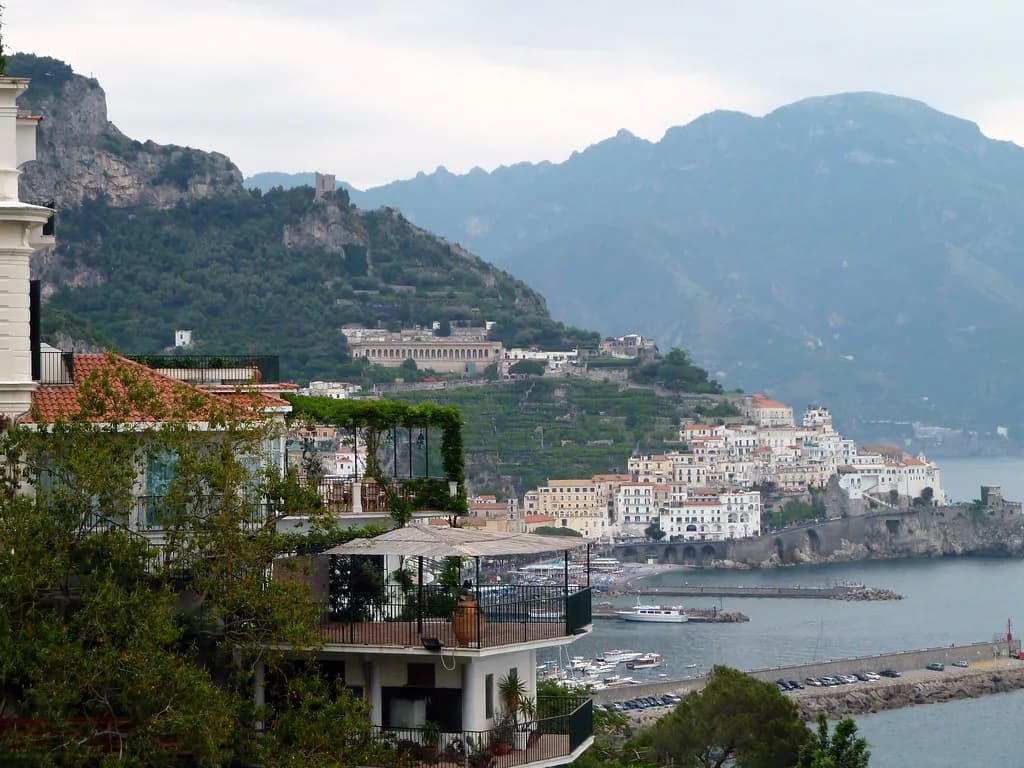
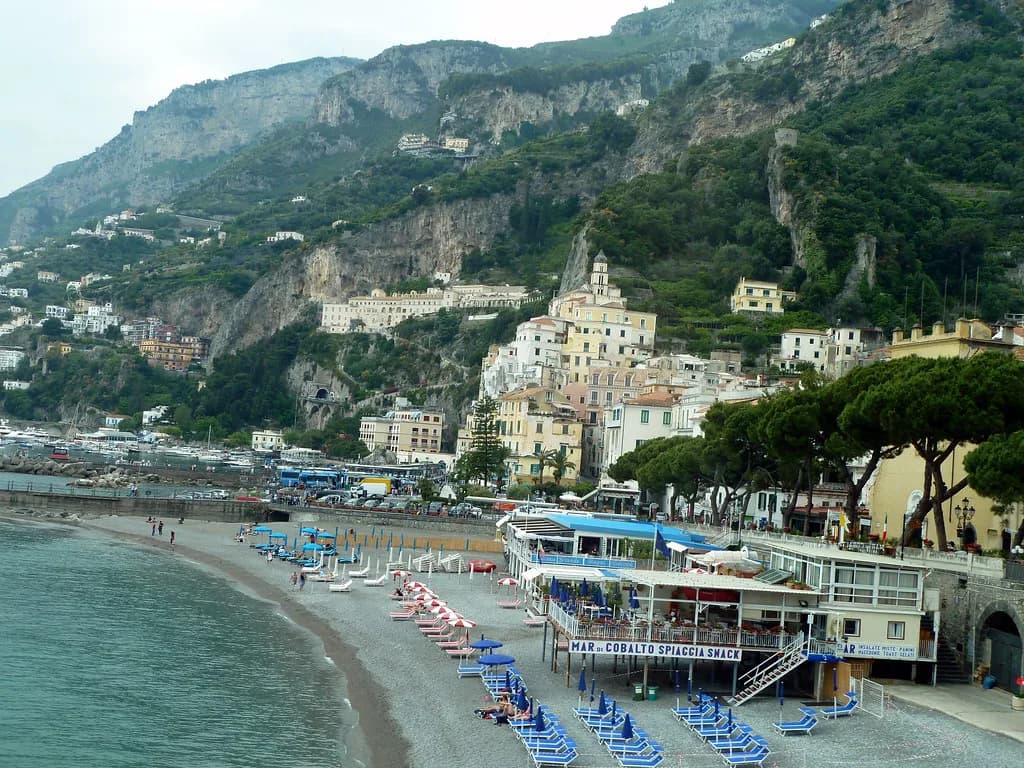
In January the Amalfi Coast sheds its summer self. The villages empty out, restaurants and hotels take their annual break, and the coastline looks more like a working place than a resort. The weather is mild for the season but rarely reliable, which means the month suits travelers who want space and low prices more than a fixed itinerary.
Amalfi in January at a Glance
Treat January as the quietest and least predictable month on the coast. Days can be balmy and bright enough for a long walk, or windy, chilly and wet for a stretch, which is the central thing to plan around. Build in flexibility rather than booking every day solid, and a January trip rewards you with villages you can walk through without a crowd.
The month suits couples, walkers and travelers who care about museums, food and atmosphere over swimming and boat trips. It does not suit anyone who needs guaranteed sunshine, a beach day on the water or a full roster of open restaurants. If boat trips and long evenings outdoors are the point of the holiday, spring is the better window.
January Weather: Typical Temperatures, Rain and Sunshine
January is a mild winter month by Italian standards, but it is also one of the wettest. Typical conditions sit around 8°C to 13°C (roughly 46°F to 55°F), with about 89 mm of rain spread over roughly 13 days and only around four hours of sunshine a day. Read those figures as long-term averages, not a forecast: a given week can be considerably better or worse.
Rain on the coast tends to arrive in spells rather than all-day drizzle, so a single wet morning rarely means a lost day. The practical move is to pair every outdoor plan with an indoor fallback nearby, so you can swap a clifftop walk for a museum without crossing the coast. Wind is the other variable worth taking seriously, since it makes exposed terraces and boat decks uncomfortable.
Daylight: How Much Sightseeing Time You Get
Short days are a planning constraint here, not a footnote. With sunrise late and sunset early, the usable daylight window in January is narrow, and the coast's geography works against you because driving between villages eats into it. Front-load outdoor sights and viewpoints into the middle of the day and save churches and museums for the edges.
The upside is that evenings close in early, which pairs well with long lunches and early dinners. Villages lit up after dark are worth a walk, and the coast's indoor and evening options stretch a short day further. Plan one anchor sight per day rather than three, and you will see more of the place.
What Stays Open and What Closes in January
Winter changes the coast village by village. Most venues close their doors after summer and many hotels and restaurants take an annual break, while the villages empty out as tourists leave. That does not mean everything shuts: churches, some museums and a core of year-round businesses keep going, and the quieter months are when you can enjoy the villages and cultural sights without crowds.
The realistic expectation is a patchwork rather than a blanket closure. Amalfi and Positano keep the most open, smaller places less so, and a restaurant that was packed in July may simply be dark. Check a short list of places you care about before you commit to a village for the evening, and keep your plans loose enough to move.
Getting Around: Ferries, Buses and the State Road
Ferries do not vanish in winter. Travelmar fast ferries stop at the major ports and operate throughout the winter, which makes the sea a cheaper and often more scenic way to move between villages than driving. Sailing times are reduced compared with summer, so plan a day around the crossings that actually run rather than expecting an hourly service.
Driving is possible but demanding. Traffic is much lighter in winter, yet the narrow Amalfi state road is still recommended only for the most experienced drivers given its twists and turns. If you are not confident on tight coastal roads, use the ferry for the main hops and buses for the rest.
Buses keep running and are the fallback when the sea is too rough for ferries. Build in spare time, because connections between villages can be slow and a missed bus on a short winter day costs you a chunk of daylight. The big picture of how the season works, from closures to transport, is laid out in the broader guide to the Amalfi Coast in winter.
Things to Do in January
January is the month to spend time inside the coast's cultural sights. In Amalfi, the Paper Museum explains one of the area's oldest industries, with the tools and techniques of papermaking on view and guided tours available. In Positano, the MAR Roman Archaeological Museum takes you into a Roman-era villa with frescoes still intact, which is exactly the kind of hour-long indoor stop a wet day needs.
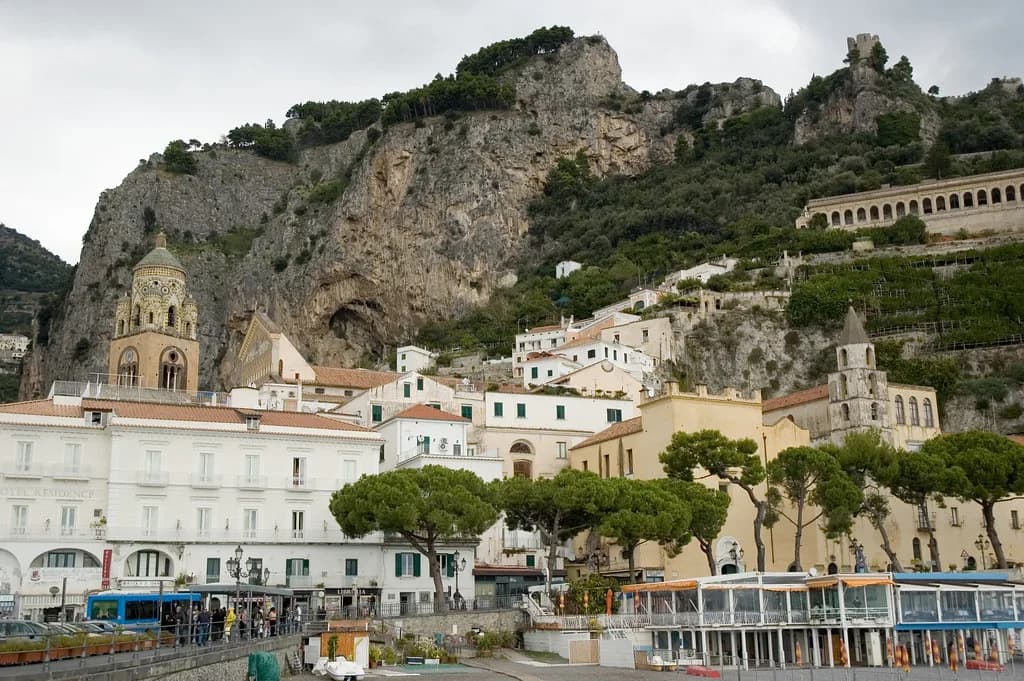
In Amalfi itself, the Duomo is the anchor sight and stays open year-round, with its staircase and cloister worth a slow visit when the streets are empty. In Vietri sul Mare, the Ceramics Museum at Villa Guariglia traces the pottery tradition that made the town famous, a good match for a grey afternoon. All three give you a rain-proof backbone for the trip.
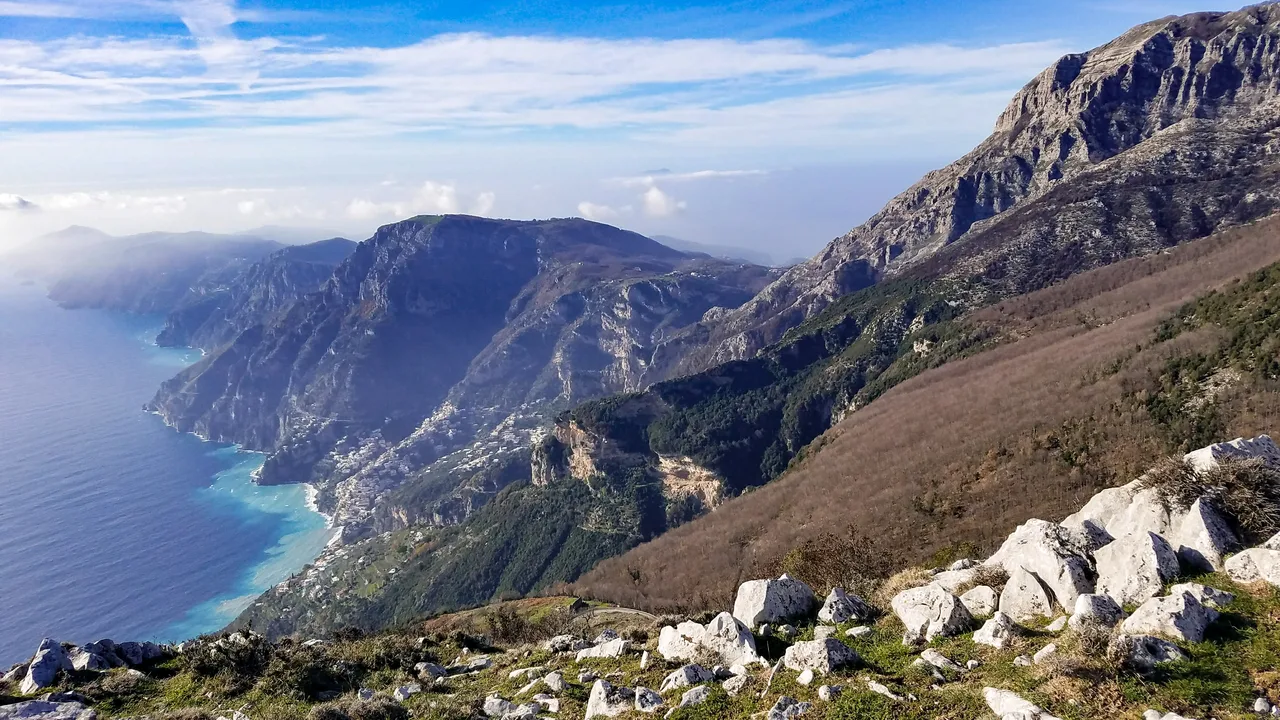
When the weather holds, walking is the point of January. Paths and stairways between villages are quiet, and the terraces and viewpoints are free of summer queues. Keep walks short and close to a village so a change in the weather does not leave you exposed on a clifftop.
Day Trips That Work in January
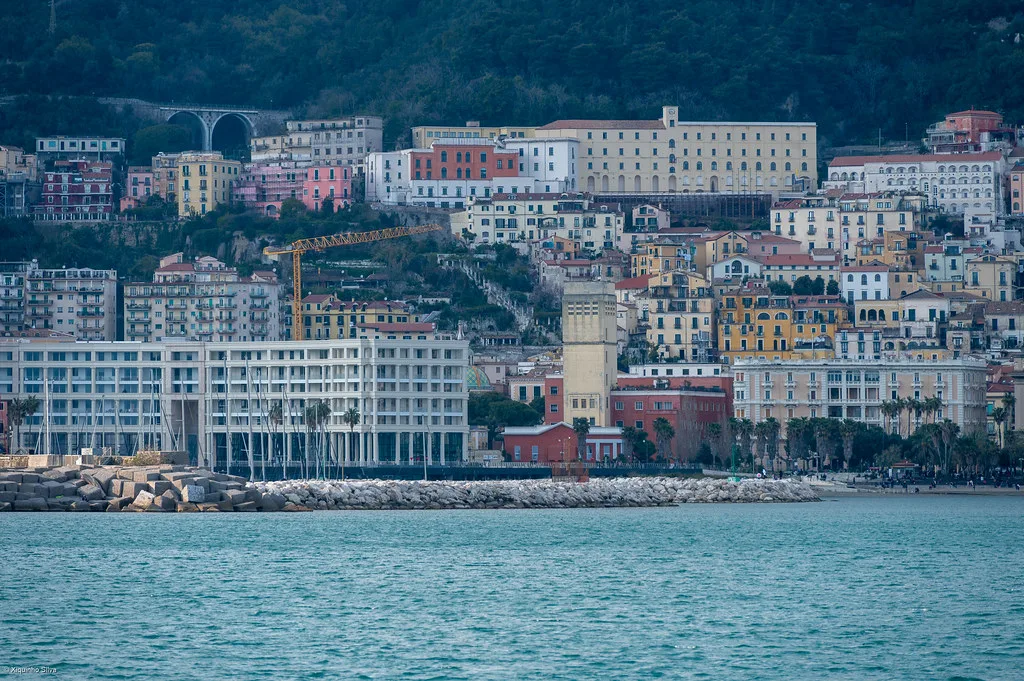
Ravello is the classic January day trip: the hilltop village and its villa gardens reward a clear, cold day, and the journey up is short from Amalfi. Positano works even in low season because the town itself is the attraction and the MAR museum gives you an indoor stop. Vietri sul Mare and Salerno are easy pairs by bus or ferry, and Salerno's historic center is a proper city for a rainy day.
Capri is reachable but the least reliable winter day trip, because it depends on a crossing that can be cancelled by rough seas. Treat it as a bonus if the forecast is settled rather than a fixed date in the plan. For a broader picture of what the country offers in the month, see the guide to Italy in January.
What Is On: Epiphany and the End of the Lights
January's fixed date is Epiphany on 6 January, when the coast marks the end of the Christmas season. In Amalfi and the surrounding villages the decorations stay up through the holiday period, and the coast's religious calendar is the spine of the month. Expect processions and village celebrations around the date rather than a big commercial festival.
The season's big light display is Salerno's Luci d'Artista, which dresses the waterfront and historic center in light installations each year. Dates change annually, so confirm the current edition before you build a trip around it. If you want the full festive run, December delivers more of it, as the guide to Amalfi in December explains.
What to Eat in January
Winter food on the coast is sturdy and seasonal. Chestnuts appear in autumn dishes and in the chestnut tart, a short pastry filled with chestnut cream flavored with lemon and vanilla, while seafood including clams is at its best in the colder months. December's Christmas sweets, struffoli and zeppole among them, linger into early January.
Because many restaurants take their annual break, eating well in January takes a little planning. Pick a village with a confirmed open kitchen rather than wandering hopefully at eight in the evening. A long lunch is often the better bet than dinner, since it fits the short daylight and the slower winter rhythm.
Crowds, Prices and the Trade-Offs
January is the coast at its quietest and cheapest. Hotel and bed-and-breakfast rates drop below summer levels, even near the centers of Amalfi and Positano, and you can often book only a few days ahead. Parking stops being a stress and restaurants do not need booking far in advance.
The trade-offs are real: rain, short days, closures and a reduced ferry timetable. Travelers who need a guaranteed sunny beach holiday should look at spring instead, while anyone who wants the villages to themselves will find January hard to beat. Weigh the risk of a wet week against the reward of near-empty streets before you book.
January Versus December and March
December is the more atmospheric month, with lights, processions and the run-up to Christmas, but it is also busier and colder in spirit. January trades that festivity for stillness and the lowest prices of the winter. If you want the coast at its most photogenic, the earlier month wins; if you want it at its quietest, January does.
March is the better shoulder month for weather and for boat trips, with longer days and more businesses reopening, though it comes with higher prices. February sits between the two and is where Carnival falls. Compare the options in the guides to Amalfi in February and Amalfi in March before fixing your dates.
Plan Your January Trip
Book January if you want the Amalfi Coast empty and inexpensive and can accept whatever the weather delivers. Choose a base in Amalfi or Positano, keep one indoor sight lined up per day, and use the ferries when they run. If sunshine and boats matter more than solitude, aim for spring instead.
Explore more Amalfi winter guides
Frequently Asked Questions
What is the weather like in Amalfi in January?
January is mild but changeable, with typical temperatures around 8°C to 13°C (about 46°F to 55°F), roughly 89 mm of rain over about 13 days and around four hours of sunshine daily. These are long-term averages, so a given week can be sunnier or wetter than the figures suggest.
Is January a good time to visit the Amalfi Coast?
It is a good time if you want quiet villages and low prices and do not need beach weather. It is a poor fit if you want guaranteed sunshine, swimming or a full choice of open restaurants. Spring is the better alternative for reliable weather and boat trips.
Is the Amalfi Coast open in January?
Partly. Many hotels and restaurants close for the season and the villages empty out, but churches, several museums and a core of year-round businesses keep going. Expect a patchwork rather than a blanket closure, and plan around the places you most want to see.
Do ferries run to Amalfi in January?
Yes. Travelmar fast ferries stop at the major ports and operate through the winter, though with fewer crossings than in summer. Treat the winter timetable as the constraint and plan your days around the sailings that run.
How many hours of daylight does Amalfi get in January?
Days are short, with only a narrow window of useful daylight, which is why outdoor sights are best scheduled for the middle of the day. Keep walks close to a village and save churches and museums for the shorter edges of the day.
Is the Amalfi Coast cheap in January?
It is the cheapest month of the winter. Hotel and bed-and-breakfast rates fall below summer levels even near the centers of Amalfi and Positano, and you can often book only a few days ahead. Ferries and buses remain the economical way to move between villages.
What is there to do in Amalfi in January?
The Duomo and the Paper Museum in Amalfi, the MAR Roman Archaeological Museum in Positano and the Ceramics Museum at Villa Guariglia in Vietri sul Mare form the indoor backbone. On clear days, short walks between villages and a trip up to Ravello make the most of the limited daylight.
Can you swim in Amalfi in January?
Swimming is not the reason to come. The sea is cold and the weather unreliable, and beach life belongs to summer. Use January for villages, museums and food, and save the water for spring or later.
Sources
Winter travel notes
Optional updates when we add or revise winter guides.
You might also like
Continue reading
More guides you'll find useful