Pisa in December: Winter Weather, Crowds and What's Open
Pisa in December brings cool, damp days, short daylight and thin crowds at the Leaning Tower. See typical weather, what stays open and who should go.
On this page
Pisa in December is a low-season city with a short working day. The weather is cool and often damp rather than genuinely cold, daylight fades by late afternoon, and the crowds that fill Piazza dei Miracoli from April to September thin out to a trickle. That combination suits travelers who want the monuments without the crush and are happy to trade beach weather for museums, churches and long lunches.
It does not suit anyone hoping for a Mediterranean break. The Tuscan coast is a realistic day trip in December only for its towns, not its water, and the rain risk is the defining feature of the month, more than the temperature. Plan around a wet day or two and the month works well; plan a tight two-day sightseeing sprint and a single downpour will cost you the Tower and the Baptistery.
December weather in Pisa
Treat December as a cool, humid month with moderate rainfall rather than a cold one. Daytime highs are mild enough for a coat rather than a heavy winter jacket, and nights are chilly but rarely freezing. The seasonal averages that matter for packing decisions are the rainfall totals and the number of wet days, not the headline temperature.
The practical trade-off is rain, not cold. Pisa sits on the coastal plain behind the Tuscan shore, so Atlantic systems arrive as long grey spells rather than sharp storms, and a December day can be drizzly from morning to dusk. Build one indoor-heavy day into every three-day visit so a washout costs you a museum afternoon rather than the whole trip.
Snow is rare in the city and should not be part of your planning. If you are chasing snow, that is a mountain trip in the Apennines or the Alps, not a Pisan one; December in Pisa is about mist, drizzle and the low winter light that makes the marble on Piazza dei Miracoli look silver rather than white.
How short the days are
Pisa sits at roughly 43.7 degrees north, so December daylight is short: sunrise comes after 7:30 and sunset falls before 16:45 near the solstice, giving you a little over nine hours of usable light. That is enough for a full morning at Piazza dei Miracoli and a walk along the Arno, but not for both plus a day trip in the same day.
Plan the outdoor sights for the morning and early afternoon and keep the last two hours of light for interiors. The Cathedral and the Camposanto are both roofed, and the light fades early enough that a 15:00 entry feels like an evening visit. If you want the Tower climb, book a morning slot so the view is not lost to dusk.
Crowds and prices in the low season
December is the quietest month of the year in Pisa apart from January and February. The summer tour groups that arrive by coach from Florence largely disappear, and you can cross Piazza dei Miracoli without negotiating a selfie queue. Travel costs usually drop with the crowds, though the last week of the month, around Christmas and New Year, fills up again as Italians travel home.
The exception is the Christmas period itself. Between mid-December and Epiphany, Italian families visit the city and the center gets busier in the evenings, especially around the shopping streets. If you want the empty-Pisa experience, aim for the first two weeks of December, and expect the city to feel noticeably more local and less touristy from 20 December onward.
The Leaning Tower and Piazza dei Miracoli in winter
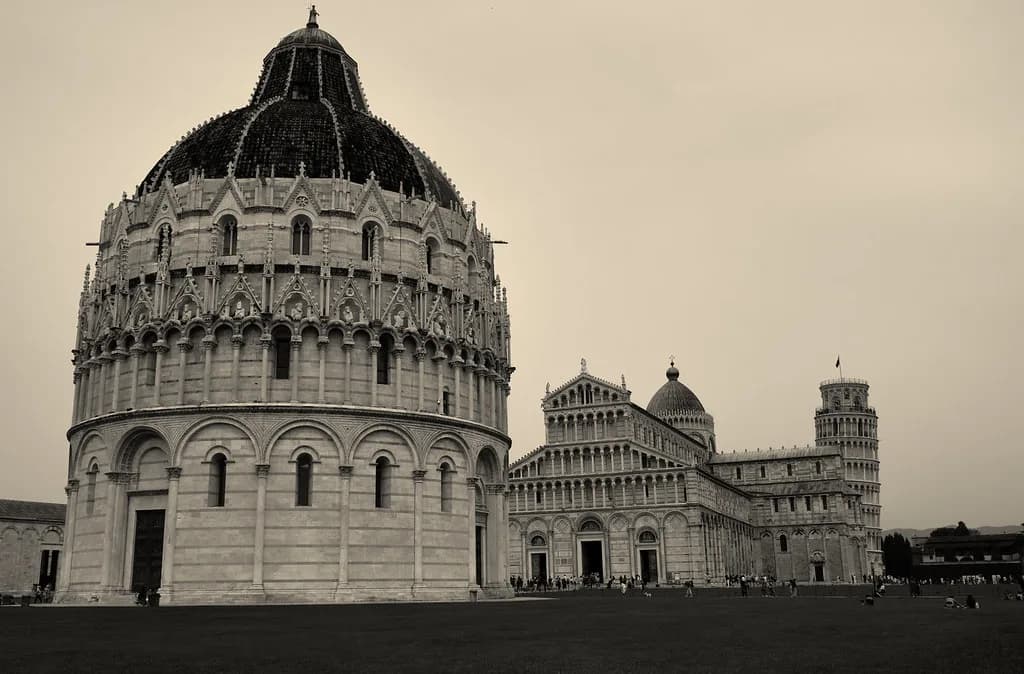
Spend your December energy on the winter version of the Leaning Tower of Pisa, when the square has room to breathe. The climb runs on timed entry with a capped daily capacity, so book a day or two ahead if the Tower is the reason you came.
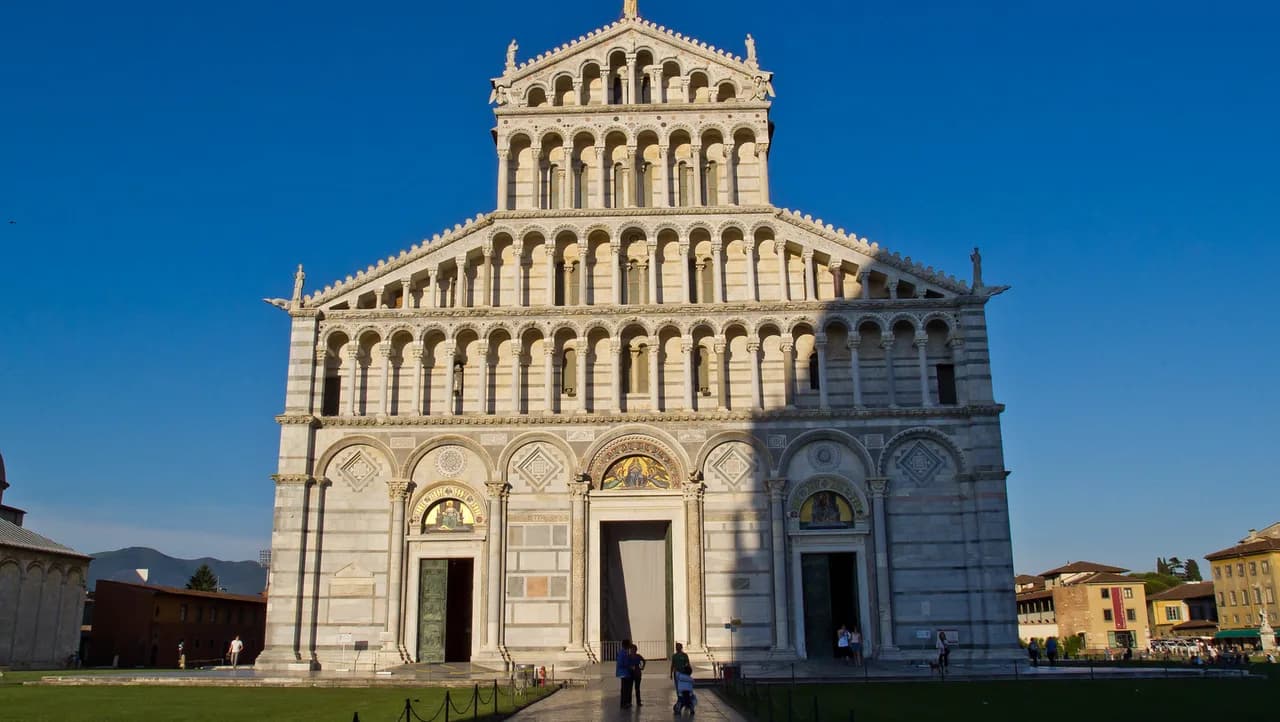
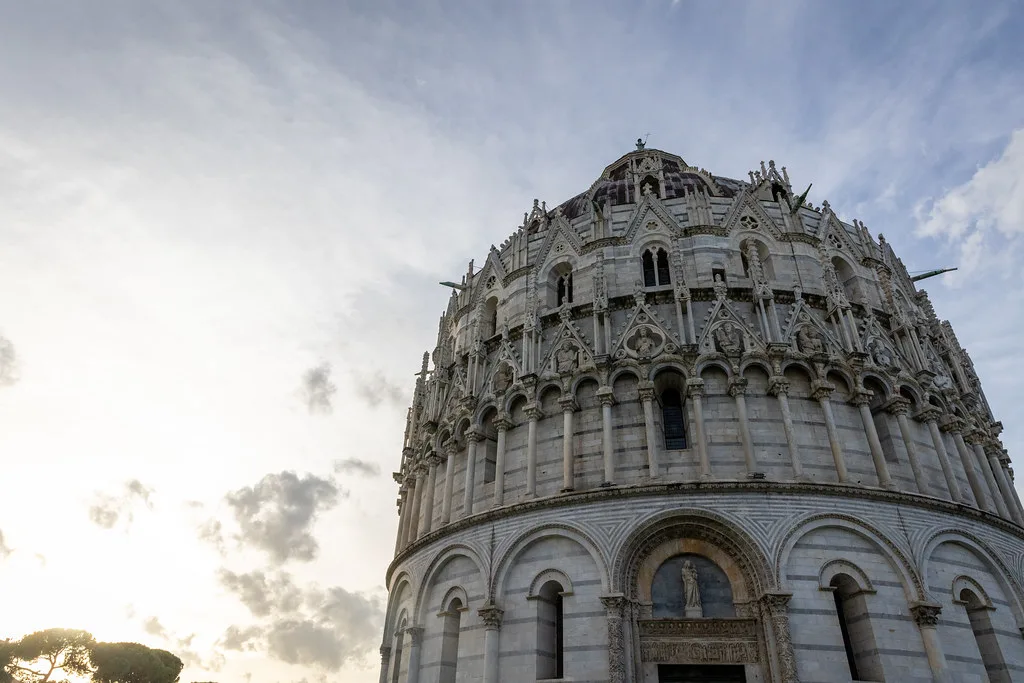
The winter light is the real reward. Low sun rakes across the Cathedral facade and the Baptistery in the middle of the day, and the wet marble reflects the sky, which makes the square photograph better in December than in July. Bring a rain jacket rather than an umbrella if you plan to stand in the open, because the wind across the square is steady.
What is open in winter
Pisa's core sights run year-round, including the Cathedral, the Baptistery, the Camposanto Monumentale and the Leaning Tower, all managed through the Opera della Primaziale Pisana. Winter opening hours are shorter than the summer schedule and some monuments close earlier in the afternoon, so read the Opera della Primaziale Pisana timetable for the week you travel before you build a day around them.
Churches elsewhere in the city keep normal parish hours, which means short morning and late-afternoon openings with a long midday break. Santa Maria della Spina, the small Gothic church on the Arno embankment, is the one most visitors want to see; its interior opens only intermittently, but the exterior, which is the point, is visible whenever you walk past.
Museums are the reliable wet-weather option. The Museo Nazionale di San Matteo, on the river north of the center, holds Pisa's best collection of medieval painting and sculpture and gives you a solid two hours out of the rain. The Palazzo Blu exhibition space on the Arno usually hosts a temporary show through the winter, which is worth checking before you arrive.
Christmas in Pisa
Pisa marks Christmas with a city-center calendar of markets, lights and family events that in past years has run from early December to Epiphany on 6 January. The 2022 edition placed stalls and a covered ice rink around Piazza Vittorio Emanuele II, with smaller markets in Piazza del Carmine and the Logge di Banchi, which shows the shape the program usually takes rather than what is on this season. The city and Terre di Pisa publish the current calendar closer to the season.
Beyond the market, December is a good month for the city's religious calendar. Christmas Day 2026 falls on Friday, New Year's Day 2027 on Friday, and Epiphany on Wednesday 6 January, so the holiday season runs long enough that a visit in the first week of January still feels festive. Expect the Cathedral to be busy on those days and some shops to close on Christmas Eve and New Year's Eve.
Things to do in Pisa when it rains
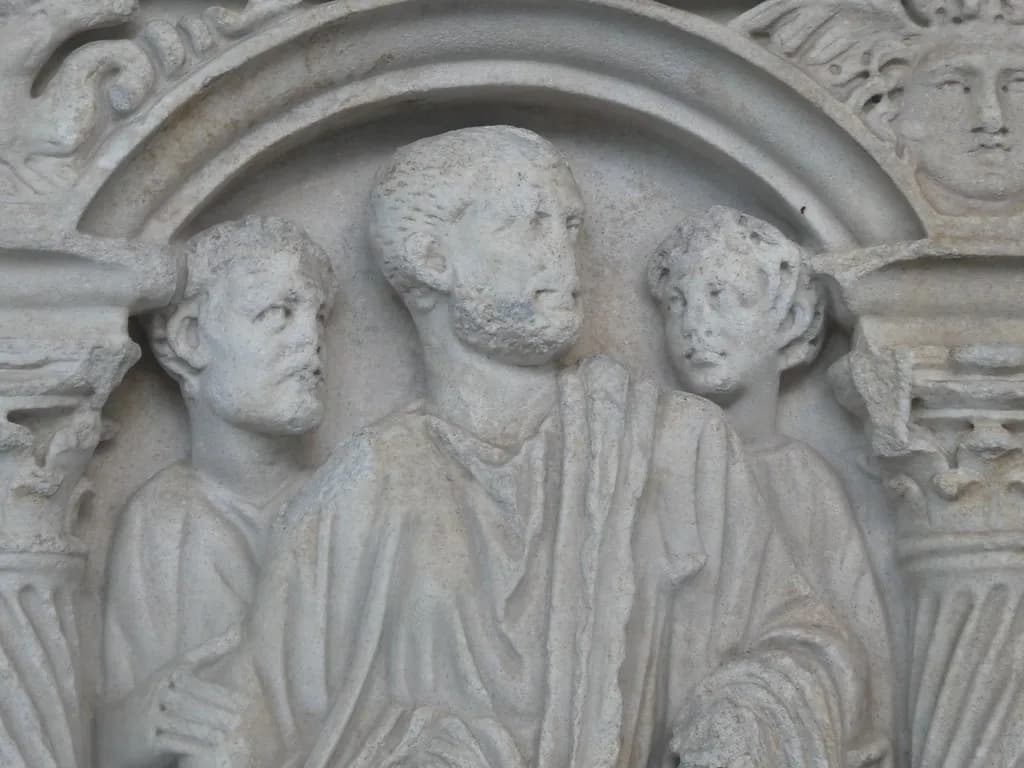
Rain in Pisa is rarely heavy enough to stop you walking, and the historic center is compact enough to cover on foot with a good jacket. Start with the Cathedral interior, whose nave and apse mosaics reward a slow look, then cross to the Baptistery, which is acoustically remarkable and entirely indoors. If the drizzle turns to steady rain, the Camposanto, the walled cemetery beside the Cathedral, keeps you dry under its arcade and holds the city's Roman sarcophagi.
Food is a legitimate rainy-day activity in Tuscany. Pisa's trattorias serve ribollita, pappa al pomodoro and wild boar in winter, and the lunch hour is long enough to sit out a downpour. The covered market area near the center is useful for a quick, cheap lunch rather than a long one.
Winter walks along the Arno and the walls
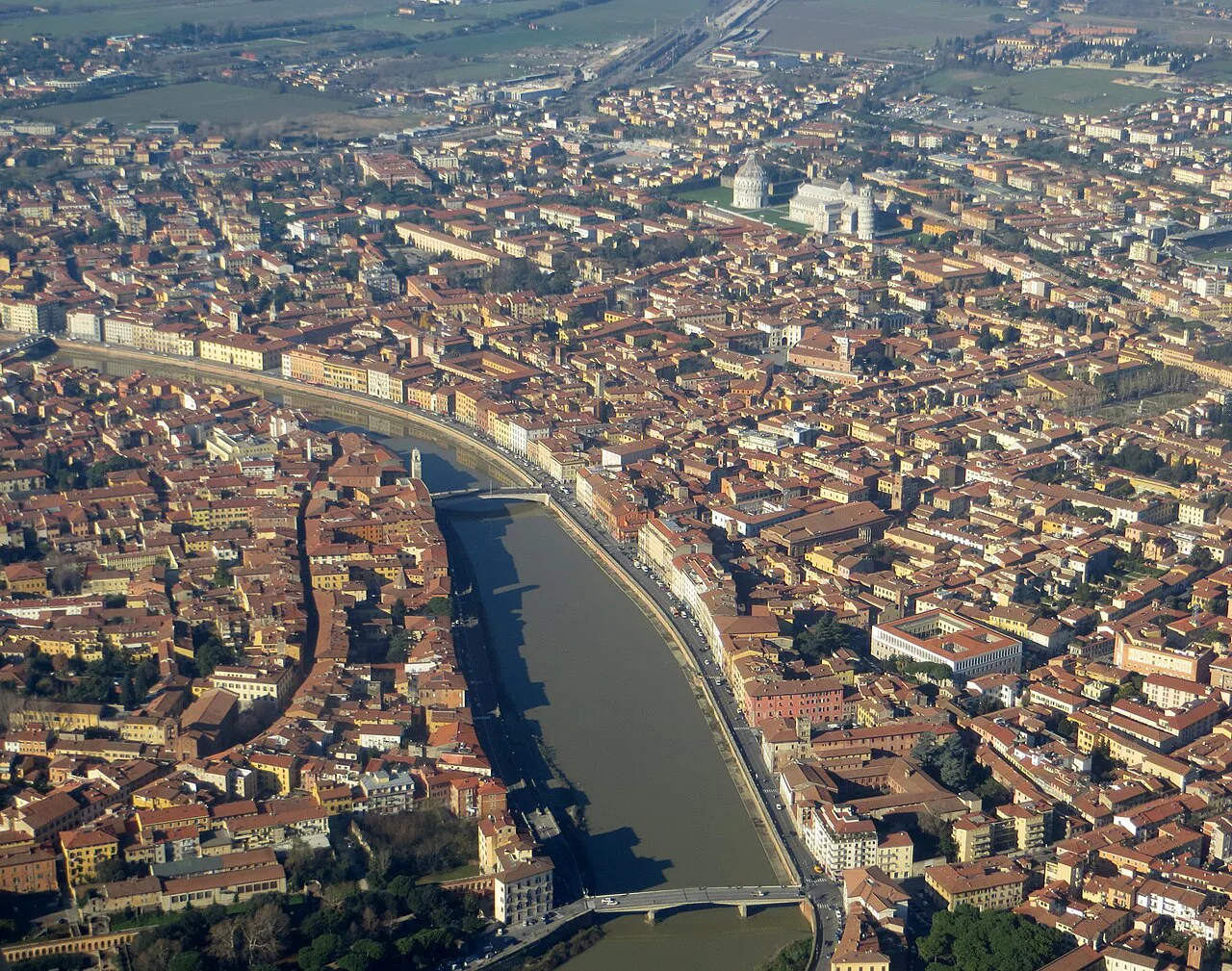
A dry December afternoon is made for the Arno embankment. Walk west from the Ponte di Mezzo toward Santa Maria della Spina for the best view of the small church reflected in the river, then continue to the Cittadella side for a quieter stretch. The light goes early, so start by 14:00 to get the best of it.
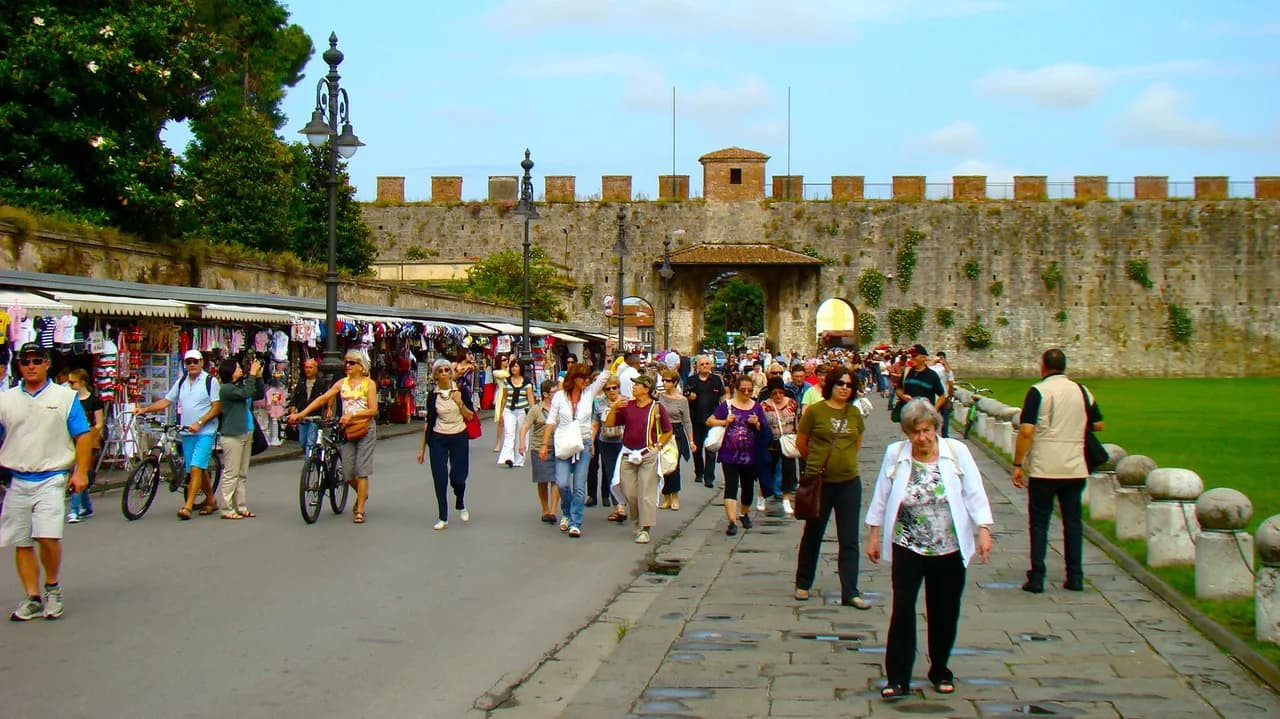
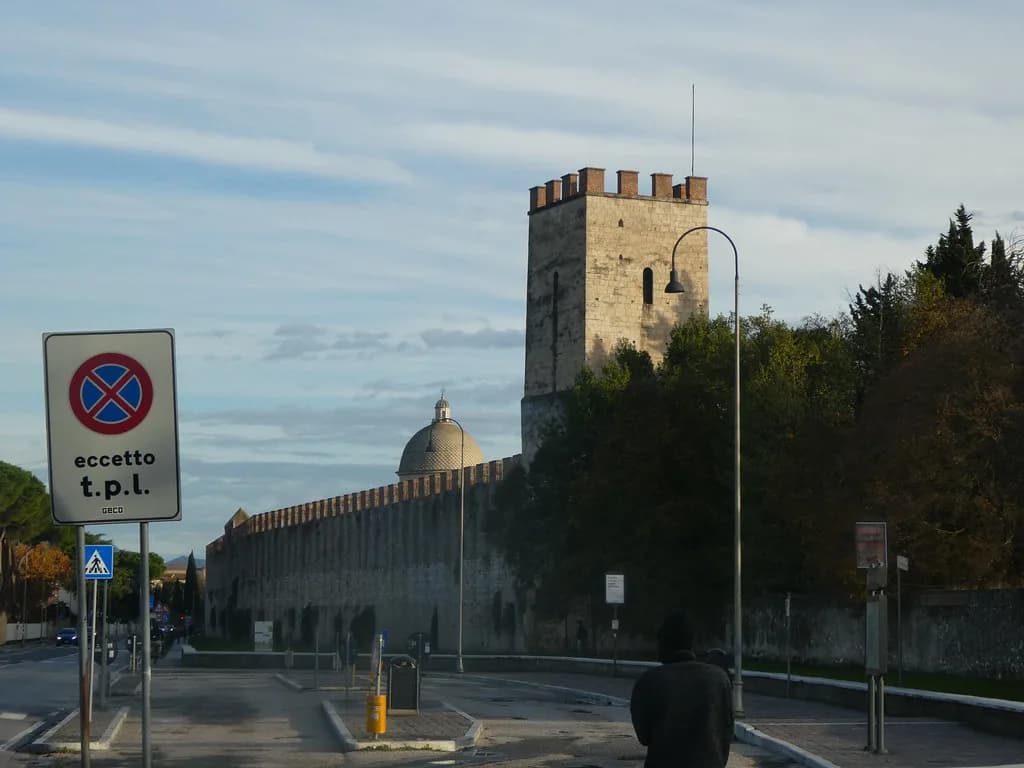
The city walls are walkable in winter and give you a raised view over the rooftops and the Cathedral dome without a ticket queue. Entrance points and hours vary by season, so check the current access at a gate or the tourist office when you arrive; the summer schedule does not carry over into December. It is a 20-minute loop rather than an afternoon, which suits a short, cold day well.
Day trips that work in December
Lucca is the obvious winter day trip: 30 minutes by regional train, a walled city you can walk in two hours, and enough churches and towers to fill a wet day. Trains run frequently year-round, which matters more than the summer timetable that tempts people toward the coast.
Livorno is worth a half-day for its canal quarter and seafood lunch, though the seafront is bleak in December and the beach clubs are shut. If you want the Tuscan coast in winter, go for the towns and the food, not the water. Siena and Florence are both reachable by train and make long but workable day trips if you leave early enough to use the short daylight.
Getting around Pisa in winter
Pisa is a walking city. The airport at Galileo Galilei is close enough to the center that the automated People Mover connects the terminals to the central station in a few minutes, and from there the walk to Piazza dei Miracoli takes about 20 minutes. Regional trains to Lucca, Florence and Livorno leave from the same station, which makes car-free winter trips easy.
Buses cover the routes beyond the center, including the run out to the coastal village of Marina di Pisa, though winter frequencies are lower than in summer and the seafront is empty. Read the local bus company's winter timetable before setting out, since the summer schedule does not apply in December.
Who should visit Pisa in December and who should wait
December suits travelers who want the Leaning Tower and the Cathedral without queues, who are happy with a museum-and-lunch rhythm, and who treat rain as an excuse to eat rather than a disaster. It also suits anyone combining Pisa with Florence, Lucca or Siena on a winter train trip, since the city works well as a one-night stop.
Skip December if you want the Tuscan coast at its best, if you need guaranteed sunshine, or if this is your only Italian trip and you are hoping for the classic warm-weather version of Tuscany. Spring and early autumn give you longer days and drier weather, and the difference in crowd levels between December and April is smaller than the difference between April and July. For a sense of how the month shifts as the season turns, compare it with March.
If you are weighing a later winter visit, February keeps the low prices and adds Carnival before Lent, with Carnival Tuesday on 9 February 2027, and the days are already noticeably longer than in December. January is quieter still and colder in the evenings, and it suits travelers who want the monuments almost to themselves.
Plan Your December Trip
Book the Tower climb for a morning slot, keep one day free for rain and choose the first two weeks of December if you want the empty version of the city. If you are coming for the Christmas period, expect more locals, shorter shop hours on the holidays and a livelier center after dark.
Check the Opera della Primaziale Pisana for winter opening hours at Piazza dei Miracoli and the city tourism office for the December calendar before you book transport, since those two details determine how you shape the days. Everything else in Pisa is walkable, affordable in the low season and better without the summer crowd.
Frequently Asked Questions
What is the weather like in Pisa in December?
December in Pisa is cool and often damp rather than freezing, with mild daytime temperatures and chilly nights. Rain is the defining feature of the month, arriving as long grey spells rather than short storms, and snow in the city is rare. Daylight is short, so plan outdoor sights for the morning and early afternoon.
Is December a good time to visit Pisa?
Yes, if you want the Leaning Tower and Piazza dei Miracoli without summer queues and are content with museum-and-lunch days. The low season brings thinner crowds and softer travel costs, and the winter light on the marble is excellent. It is a poor choice if you want the Tuscan coast or guaranteed sunshine.
How many rainy days does Pisa get in December?
December is one of Pisa's wetter months, but the exact number of rain days varies year to year. Look at the seasonal averages for the month before you fix dates, and build one indoor-heavy day into every three-day visit so a wet day costs you a museum afternoon rather than the whole trip.
Is the Leaning Tower of Pisa open in December?
The Leaning Tower, Cathedral, Baptistery and Camposanto all run year-round on winter hours, which are shorter than the summer schedule. The Tower climb uses timed entry with a capped daily capacity, so book a morning slot a day or two ahead even in the quiet season. Read the week's timetable from the Opera della Primaziale Pisana before you go.
What is there to do in Pisa in December?
The monuments on Piazza dei Miracoli, the Museo Nazionale di San Matteo and the Palazzo Blu exhibitions are the reliable indoor options. On dry afternoons, walk the Arno embankment to Santa Maria della Spina and the city walls. Day trips to Lucca by regional train work well in winter, and the city's Christmas calendar runs into early January.
Is Pisa crowded in December?
Early December is the quietest time of the year apart from January, with few tour groups on Piazza dei Miracoli. The city gets busier from mid-December through Epiphany, when Italian families travel for the holidays, and the center is livelier in the evenings. Aim for the first two weeks if you want the empty version of Pisa.
Does it snow in Pisa in December?
Snow in Pisa is rare, and you should not plan a December trip around it. The city sits on the coastal plain, where winter weather usually arrives as rain or drizzle rather than snow. If snow is the goal, look at the Apennines or the Alps instead.
What is open in Pisa over Christmas?
The main monuments and museums keep their winter hours through the holidays, though some shops close on Christmas Day and New Year's Day. The city's Christmas market calendar has in past years run from early December to Epiphany on 6 January. The city tourism office publishes the current year's program and holiday openings.
Sources
Winter travel notes
Optional updates when we add or revise winter guides.
You might also like
Continue reading
More guides you'll find useful