Positano in Winter: What November to March Is Really Like
Positano in winter is quiet and mild, with some hotels, ferries and beach clubs closed. Here is what November to March is really like and who it suits.
On this page
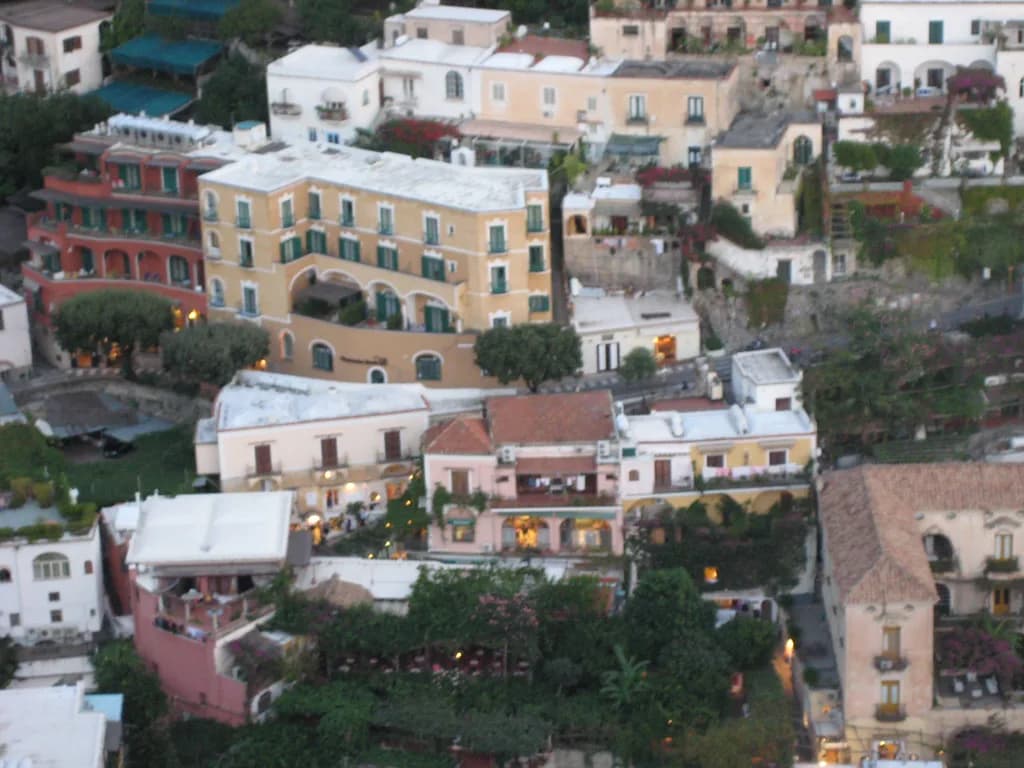
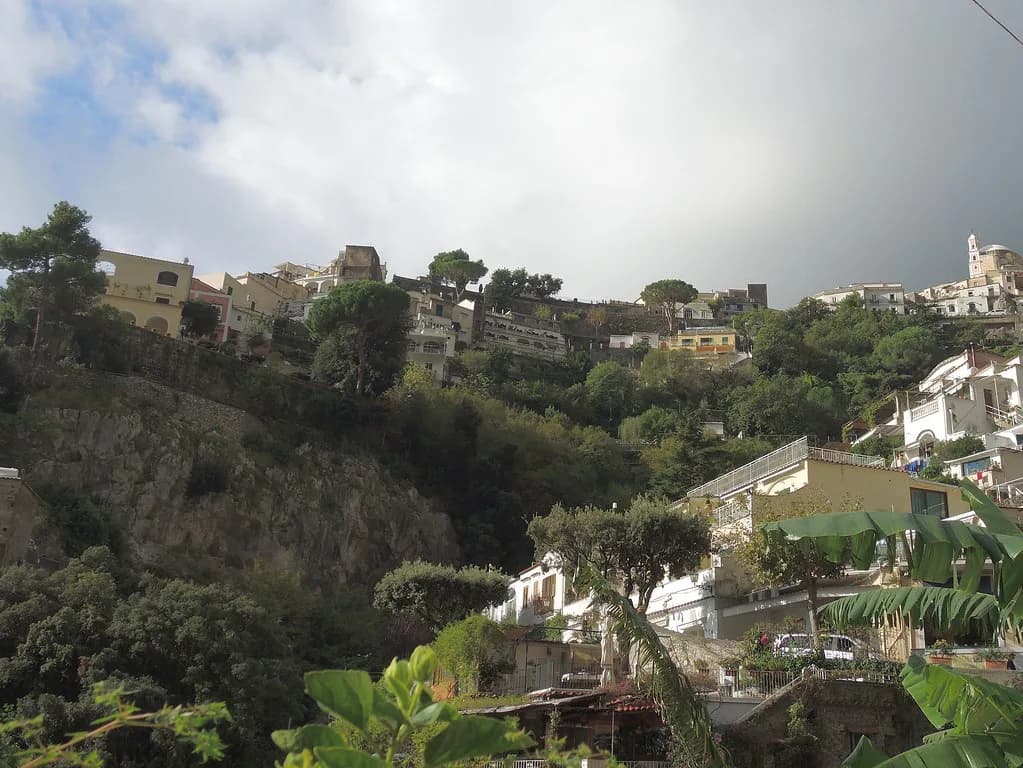
Positano in winter is a vertical town of stairways, shuttered terraces and sea views you can enjoy without competing for them. The summer crowds are gone and the pace drops to something closer to local rhythm, which suits travelers who want scenery, walking and long lunches more than swimming and beach life.
The trade-off is real: some hotels, beach clubs and ferries close for the season, storms can cancel boat service and shorten a short itinerary, and afternoons end early behind the cliffs. Anyone wanting warm sea, full ferry schedules and every restaurant open should plan for late spring instead.
Weather in December, January and February
Typical winter conditions on the Amalfi Coast are milder than most of northern Italy: December through February generally runs from a low of about 40°F to a high of about 60°F, and the broader winter range sits around 10–15°C (50–60°F). November is the rainiest month of the year, so early winter is wetter than deep winter on average.
Picture two very different days. A mild, sunny one means a light jacket, a dry path and a terrace coffee with the sea below; a stormy one brings heavy rain and rough seas, ferries cancelled and hiking trails slick enough to be unsafe, so keep an indoor plan ready.
Read these numbers as long-term averages rather than a forecast, and lean on a daily local forecast once you are there. If you want the coldest, quietest stretch with the best chance of crisp clear light, January fits; if you prefer slightly softer temperatures, February is the gentler choice.
Daylight and the Sea
Winter days are short, and in a town built into a cliff the sun drops behind the ridge well before official sunset, so plan outdoor walks and viewpoints for the morning and early afternoon. Save the late afternoons for indoor sights, cafes and the drive back.
The sea is cold in winter and swimming is out of the question for most visitors, which changes how you use the shoreline: the beaches become places to walk and look rather than to bathe. Beach clubs wind down for the season, so do not build a trip around loungers and umbrellas.
What Is Open in Winter
The off season on the Amalfi Coast runs from November to March, when some hotels, ferries and beach clubs close while larger towns such as Amalfi, Sorrento and Vietri sul Mare stay lively with open restaurants and cafes. In Positano itself, winter openings vary business by business, so treat any published list as a snapshot rather than a guarantee. For a comparison of how another nearby town handles the season, see our Sorrento in winter guide.
Positano's municipality has published a winter list of bars and restaurants, showing that a core of places stays open year-round while others close in November, December or January and reopen in February. Because that list is dated and individual hours shift, confirm directly with the restaurant you have in mind before relying on it for a special dinner.
Getting Around Without the Ferries
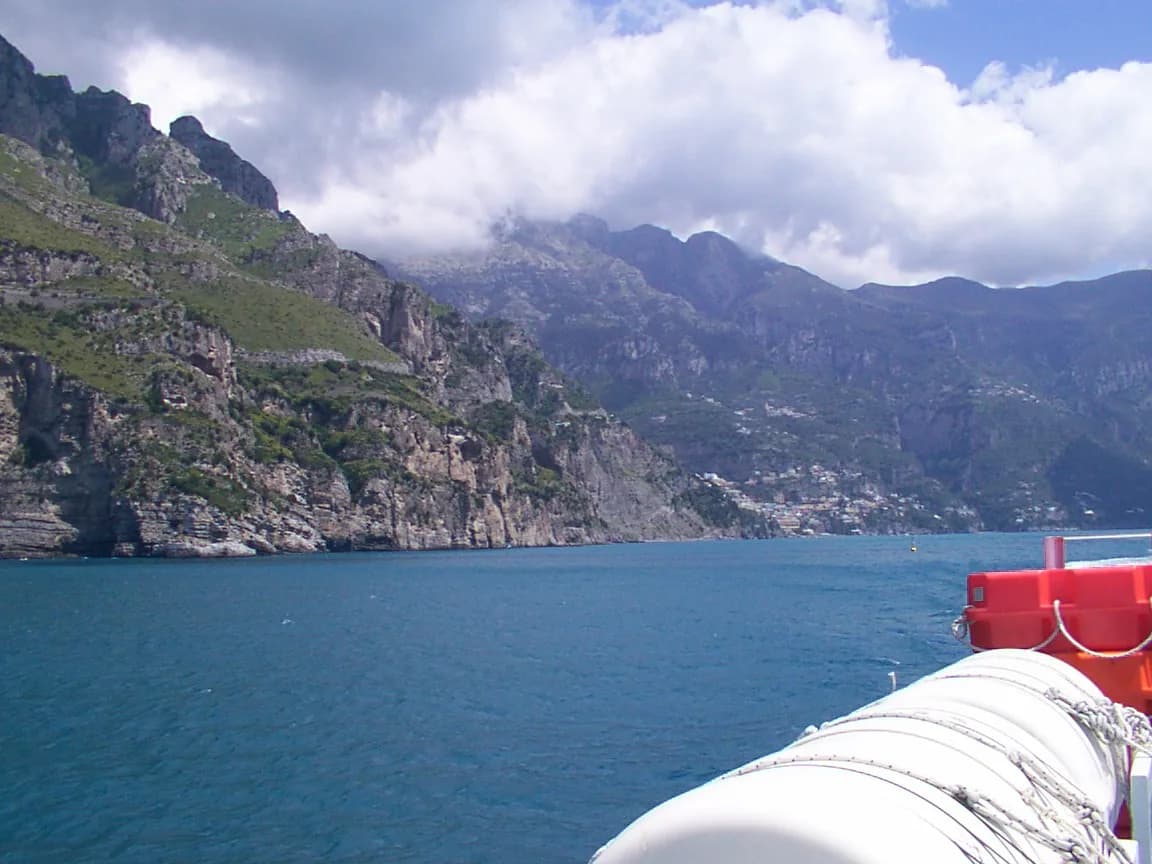
Ferry services are limited in the colder months, and the ones that do run offer a scenic, uncrowded way to see the coastline, but strong winds and rough seas can cancel crossings. Build your itinerary around the SITA bus network along the coastal road instead of assuming you can hop between towns by boat.
Buses are far less crowded in winter, so buying tickets on the day is easy and you can usually get a window seat for the cliff views. Driving the SS163 yourself is an option outside peak season, but expect narrow curves, limited parking in the towns and slow traffic after rain.
Within Positano, the stairways between districts are the real transport system, and climbing them in cool weather is far more pleasant than in July. Wear shoes with grip, since steps stay damp for days after rain.
Things to Do on a Wet or Short Day
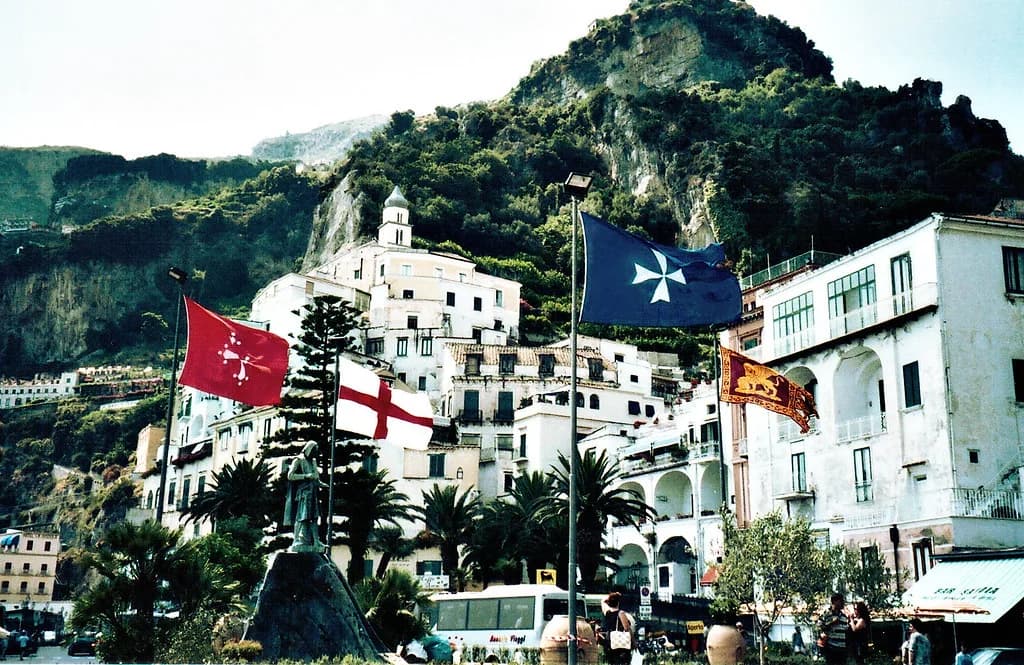
Amalfi makes the strongest indoor day: the Amalfi Cathedral and its Cloister of Paradise, plus the Paper Museum, fill a rainy morning a short bus ride from Positano. Ravello adds the Ravello Cathedral Museum with its medieval art, and both towns are quieter and easier to walk in winter.
In Sorrento, the Correale Museum holds Neapolitan paintings and historic artifacts, a sensible refuge when the weather turns. On milder days, simply wandering the lanes of Amalfi, Positano and Ravello and ducking into a warm cafe is a legitimate itinerary.
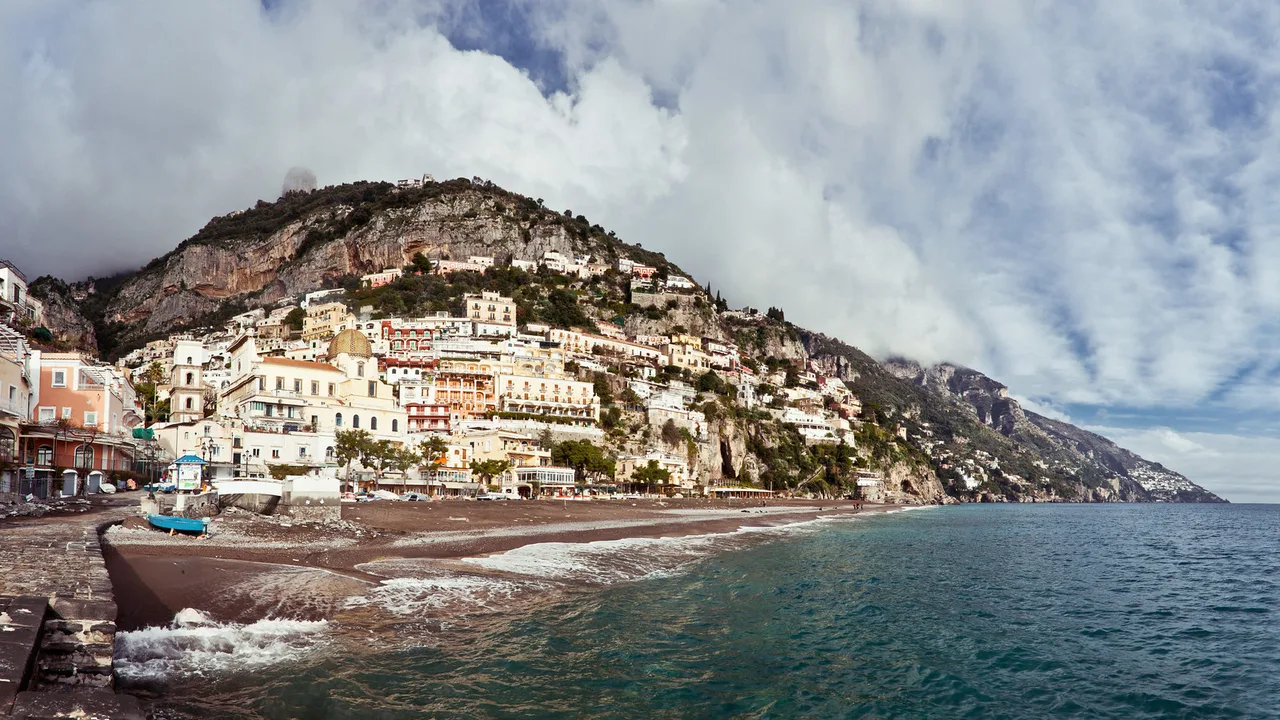
Walks and Viewpoints
Hiking is popular year-round on the Amalfi Coast, and cooler temperatures make trails such as the Path of the Gods far more comfortable than in summer. The catch is that heavy rain leaves paths slippery or temporarily unsafe, so check conditions the same day and turn back without regret.
Shorter coastal strolls and the town viewpoints deliver most of the drama with none of the exposure, and in winter you can linger at the classic photo spots without a queue. Early afternoon is the best window before the light leaves the bowl of the town.
Food, Classes and Long Lunches
Winter is the season for cooking classes built around local lemons and seafood, and for unhurried lunches in half-empty dining rooms where the staff have time to talk. Cafes stay cozy and quiet, making a cappuccino a reason to sit down rather than a quick stop.
Seafood and lemon dishes are the regional staples to seek out, and a slow meal is the right response to a wet afternoon. Book ahead only for the festive period, when open restaurants are fewer and demand concentrates.
Day Trips That Work in Winter
Pompeii and Herculaneum are the standout winter day trips from the Amalfi Coast: the ruins are exposed and grim in summer heat, but cool, quiet and far more legible in winter. Sorrento and Salerno work as easy bus or train bases with more year-round life than the smaller cliff towns.
Amalfi and Ravello are close enough for a half-day each, which matters when daylight is scarce, and Vietri sul Mare is a practical stop with ceramics and steady local life. Group two towns into one day rather than three.
Christmas and New Year in Positano
The festive season here is low-key rather than a market destination: Christmas Day 2026 falls on a Friday and New Year's Day 2027 falls on a Friday, and the town stays quiet with a handful of restaurants and hotels open. Book festive meals early, since the pool of open kitchens is small even if demand is modest.
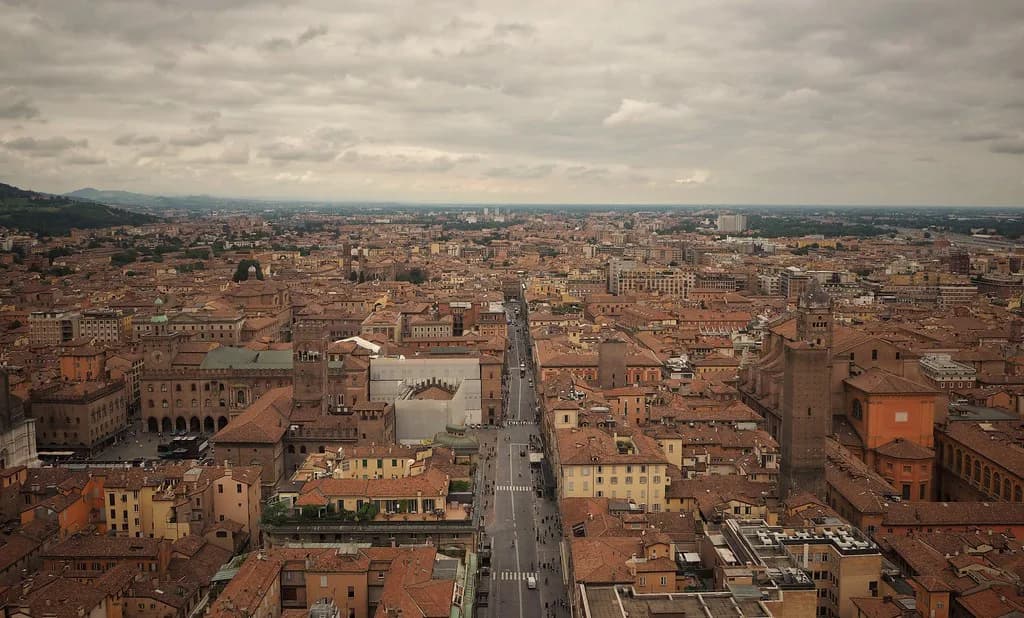
Expect decorations and sea views rather than large organized programming, and treat the period as a peaceful base for day trips. For a bigger-city winter atmosphere, a stop in Bologna with its porticoes and Piazza Maggiore works well before or after the coast.
Crowds and Prices
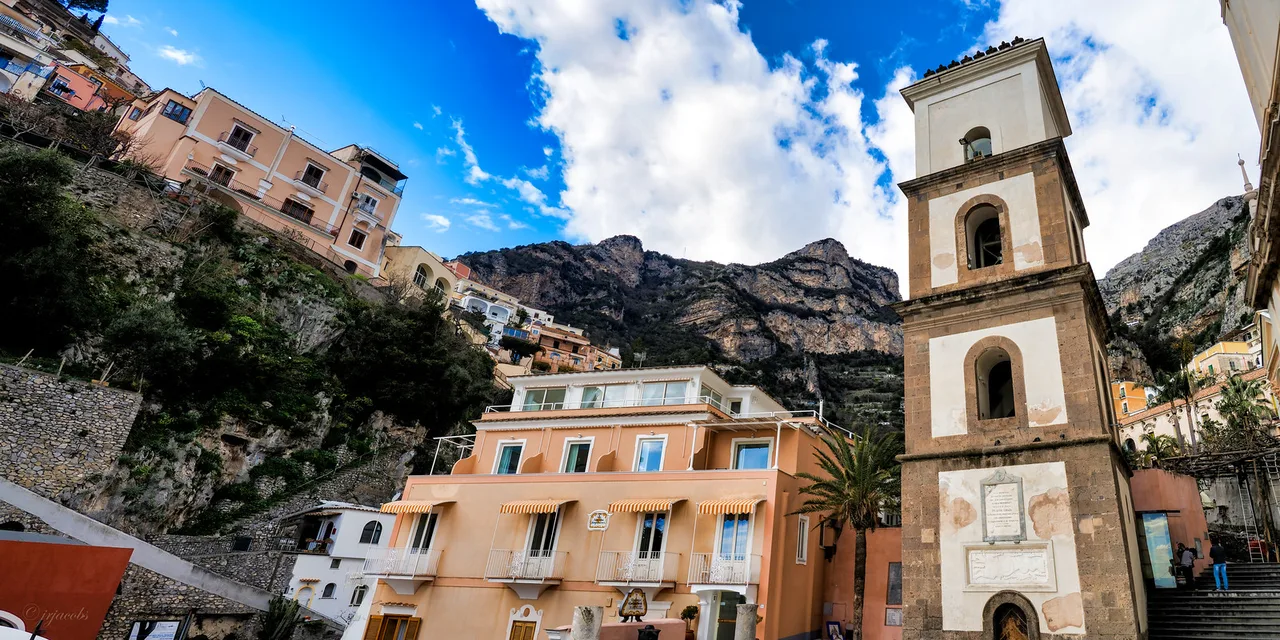
Winter brings significantly lower rates on hotels, tours and even transport, with some stays at roughly half their summer prices, and buses and ferries are easier to book. Treat any specific quote as seasonal and confirm rates when you book rather than assuming summer prices apply.
The bigger saving is in experience: empty stairways, terrace tables with a view and no jostling on the bus. You trade beach weather and full ferry schedules for that calm, which is the whole point of coming now.
Who Should Go and Who Should Not
Positano in winter suits walkers, photographers, slow travelers and anyone who values quiet views over swimming, and it rewards people who are happy to swap plans when a storm rolls in. Come with flexible days and a list of indoor options in Amalfi, Ravello and Sorrento, not a rigid ferry-based schedule.
It does not suit travelers who want warm sea, guaranteed sunshine, beach clubs or a town in full swing. If that is the goal, plan for May or September, when everything is open and the water is swimmable.
Hiking with a Dog in the Off-Season
If you are bringing a dog to Positano between November and March, the season itself works in your favour. The off season on the Amalfi Coast runs from November to March, when the summer crowds have long gone and the towns return to a slower, more local rhythm. Hiking is popular year-round on the coast, and the cooler temperatures make it a pleasant winter experience rather than the sweat-soaked slog it becomes in high summer. For a dog, that means fewer people competing for space on the paths and milder conditions underfoot than the summer heat allows.
The winter climate is milder than many visitors expect, which matters when you are walking a dog rather than sitting on a terrace. Average temperatures for December, January and February range from a low of about 40°F to a high of 60°F. There is more rain than in summer — November is the rainiest month of the year — and occasional storms and heavy rains can occur on the coast in winter. On the plus side, there are still plenty of crisp, sunny days. Plan walks around those, and keep the wet days shorter, since showers are more common in winter.
Logistics improve too. In winter, getting around the Amalfi Coast by bus or ferry becomes far more relaxed: with fewer tourists, you can easily buy tickets on the day of travel without long queues or sold-out routes, and buses are less crowded. That is helpful if your dog is not comfortable in a crush of passengers. Ferry services are limited during the colder months, however, so some coastal stretches are best reached on foot or by bus rather than by boat. Between walks, Positano still has places to stop: the town publishes a list of bars and restaurants open in winter, including some marked as always open, such as Delicatessen and Paradise Bar.
Plan a Winter Visit to Positano
Book a base in a town with year-round life, such as Positano, Amalfi or Sorrento, and organize days around the weather rather than around ferry timetables. Keep one indoor anchor per day and leave room for a long lunch when the rain sets in.
Come for empty viewpoints, cool hiking and lower rates, and accept shorter afternoons and a thinner roster of open restaurants as the price of that quiet. Travelers who plan around the season rather than against it get the Amalfi Coast at its most peaceful.
Explore more Positano winter guides
Frequently Asked Questions
Does it rain a lot in Positano in winter?
November is the rainiest month of the year on the Amalfi Coast, and winter brings more showers than summer, including occasional storms with rough seas. There are still plenty of crisp, sunny days between the wet ones, so plan flexible days rather than a fixed schedule.
How cold does it get in Positano in December and February?
December through February typically runs from a low of about 40°F to a high of about 60°F, with the wider winter range around 10–15°C (50–60°F). These are long-term averages rather than a forecast, so check a local forecast close to arrival.
Can you take a ferry along the Amalfi Coast in winter?
Ferry services are limited in the colder months, though the crossings that do run are scenic and uncrowded. Strong winds and rough seas can cause cancellations, so plan around buses on the coastal road as your reliable option and treat boats as a bonus.
What is open in Positano in winter?
Some hotels, beach clubs and restaurants close for the season, while a core of bars and restaurants stays open or reopens in February. Larger towns such as Amalfi, Sorrento and Vietri sul Mare keep more year-round life, so base yourself where you have options.
Is January a good time to visit the Amalfi Coast?
January is the quietest and coldest stretch, with mild daytime temperatures by Italian standards and mostly empty towns. It suits walkers and sightseers who do not need swimming or full ferry schedules, but expect rain and short afternoons.
Is Positano worth visiting in winter?
It is worth it if you want empty stairways, sea views without crowds and lower winter rates. It is not worth it if warm sea, beach clubs and everything open are essential, since closures and storms can disrupt a short trip.
Positano or Amalfi in winter?
Positano is more dramatic and vertical, but Amalfi has more year-round life plus indoor draws like the cathedral and the Paper Museum. Sorrento is the most practical base for day trips, so pick based on whether you want scenery or convenience.
What is the weather like in December in Positano?
December sits within the typical winter range of roughly 40°F to 60°F, with rain possible and the rainiest month already past. Expect short days and the sun dropping behind the cliffs early, so plan outdoor time for the morning.
Sources
Winter travel notes
Optional updates when we add or revise winter guides.
You might also like
Continue reading
More guides you'll find useful