Positano in March: Weather, What's Open and What to Do
Positano in March brings mild days around 14°C, quiet lanes and a coast slowly waking up. See typical weather, what runs and who should go.
On this page
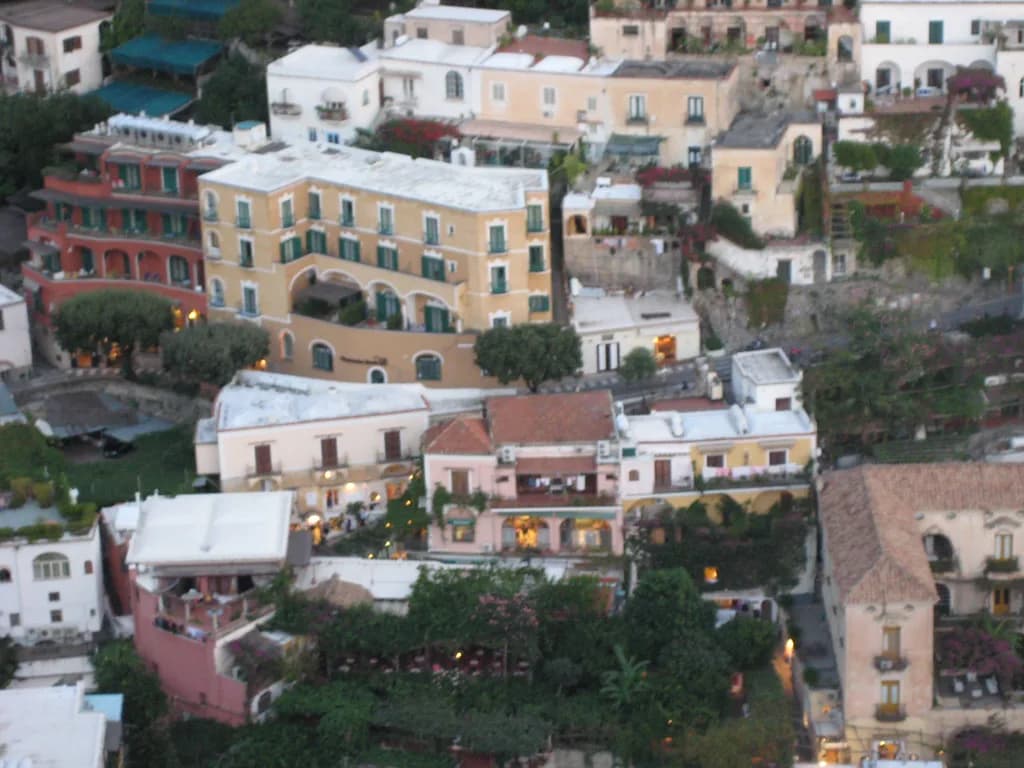
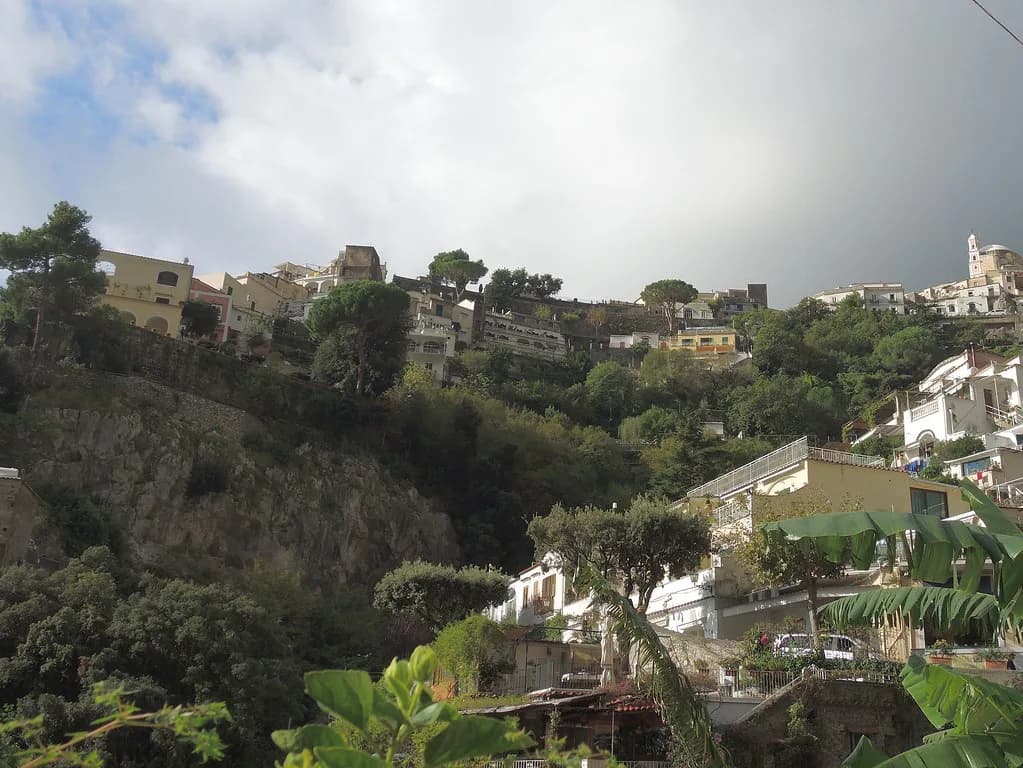
March in Positano is early spring on a coast that is still shaking off winter. The lanes are quiet, the light is long enough for a full afternoon outdoors, and the town feels like itself rather than a backdrop. It suits travelers who want the famous staircase view without a crowd and don't need to swim.
The catch is that this is a shoulder month on a coast that opens gradually, so early and late March can feel quite different. Plan around walks, churches, viewpoints and day trips rather than beach time, and you get the Amalfi Coast at its most workable.
Positano in March at a Glance
Expect moderately chilly, breezy weather: typical March days run from about 10°C (50°F) at night to 14°C (58°F) in the afternoon, with roughly a three-in-ten chance of rain on any given day and wind around 12.5 mph. Daylight stretches to nearly 12 hours, with sunrise near 6:21 AM and sunset near 6:15 PM, so an afternoon walk and an early dinner both fit comfortably.
Treat those numbers as long-term averages, not a forecast: a March week can deliver two bright, still days and then a wet, windy one. The practical response is to keep one indoor or sheltered option ready each day and to take the coastal path on the clearest morning.
Weather in March
The month sits between Positano's coolest stretch and the warm run-up to summer. For comparison, January averages about 8°C (47°F) to 13°C (55°F) and August about 23°C (74°F) to 29°C (84°F), which puts March firmly in jacket-and-layers territory rather than swimsuit weather.
Rain in March tends to arrive as showers rather than all-day downpours, and humidity sits high enough that stone staircases can stay slick after a wet night. Wear shoes with grip for the stepped lanes and the Sentiero degli Dei, and save the vertical climbs for a dry morning.
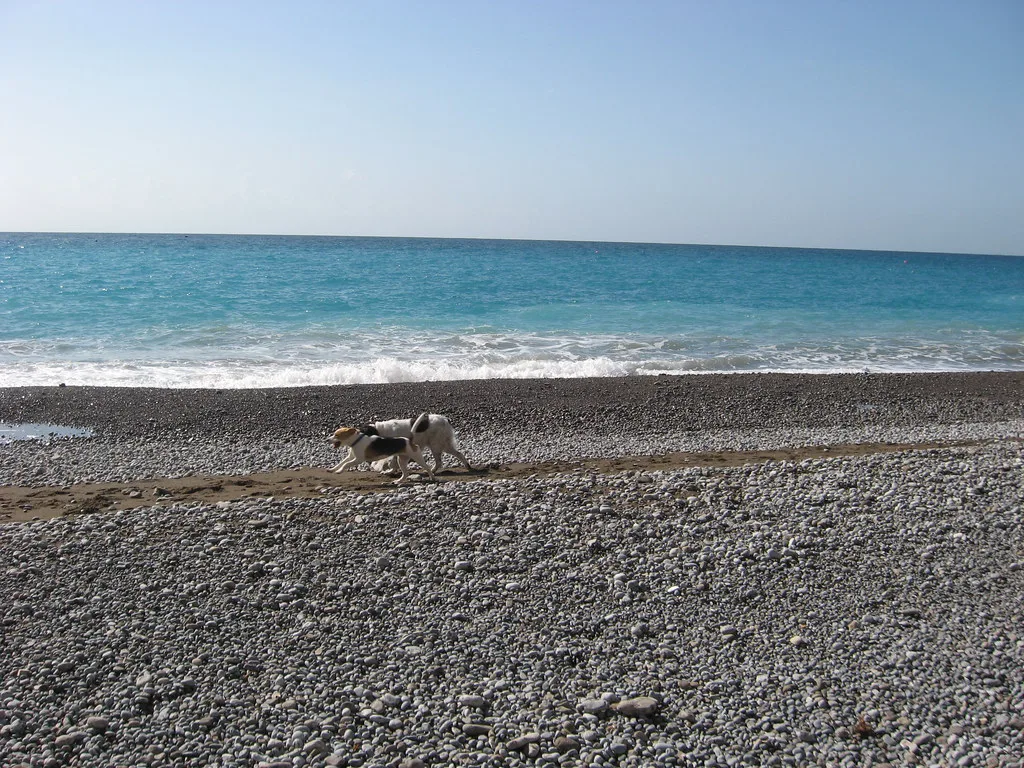
The Tyrrhenian Sea is still cold in March, well below comfortable swimming range, so treat the water as scenery rather than a plan. Beach clubs and lidos along the coast operate on seasonal calendars, so anyone hoping for a sunbed should ask the specific club directly rather than assume.
How March Changes Positano
This is a town of a few thousand people that swells enormously in summer, and March is when it behaves most like a normal Italian coastal town. Some seasonal hotels, restaurants and beach businesses scale back or stay dark until spring proper, while year-round shops, churches and the everyday food scene keep going.
Recent traveler discussion of the Amalfi Coast in mid-March centers on exactly this question of what is open between Positano and Maiori, which is a fair warning that availability varies by business and by week rather than switching on everywhere at once.
Ferry and bus links along the coast run on reduced winter timetables and expand as spring arrives, and the difference between the first and last week of March can be real. Confirm sailings and bus times with the ferry operator and local bus company before you build a day around them.
If you want the deepest off-season version of this coast, compare a quieter month such as the one covered in the Positano in February guide, when the town is at its most closed and its most atmospheric.
Things to Do in Positano in March
Start with the town itself: the Church of Santa Maria Assunta, with its Byzantine Black Madonna icon, and the stepped lanes of Via Fornillo climbing above the beach reward a slow morning. The Roman Archeological Museum (MAR) and the small galleries around the center give you a dry-hour Plan B.
The Sentiero degli Dei, the Path of the Gods, is the headline walk, and March is genuinely good for it if the ground has had a few dry days: cooler temperatures make the climb comfortable, and the high path above the coast is quieter than in May. Check trail conditions locally and start early enough to finish well before the 6:15 PM sunset, since the path is exposed and muddy stretches make it slower than the distance suggests.
Boat trips to the Grotta dello Smeraldo depend on sea conditions and seasonal schedules, so ask locally rather than planning the day around it. On rough days, the coastal views from the higher lanes and the piazzetta by the Church of the Holy Cross deliver the same drama for free.
Day Trips That Work in March
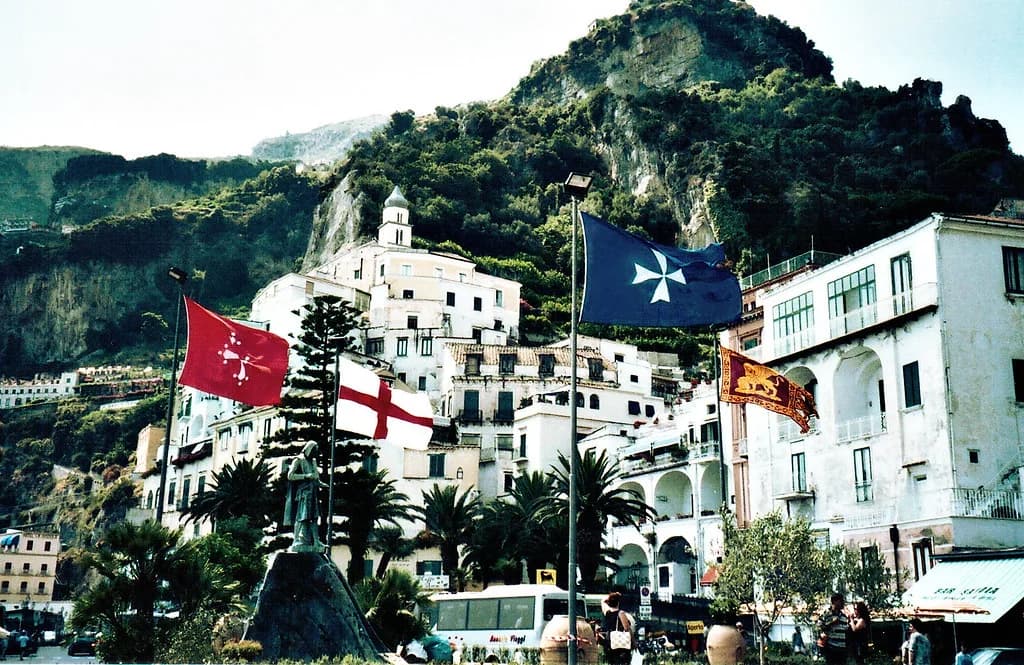
Amalfi and Ravello are short hops by bus or car, and Ravello's terraced gardens and quiet streets suit a cool, clear day better than a hot one. Sorrento is the easiest rail-and-bus hub for onward connections, and Pompeii is a genuinely good March outing because the site's exposed streets are far more bearable at 14°C than at 30°C.
Capri is the least predictable March day trip: boats are weather-dependent and the island's seasonal businesses open gradually. If Capri is the reason for your trip, check sailings before committing a day; if it's a bonus, keep it flexible.
For a wider picture of what the country is like in early spring, the Italy in March guide puts Positano's weather and opening patterns in a national context.
What's On in March
Father's Day, the feast of San Giuseppe, falls on 19 March and is a fixed Italian date, marked with family meals and, in some places, the traditional zeppole pastry. It is a local, low-key holiday rather than a visitor spectacle, but restaurant tables fill with families in the evening.
Easter moves each year, so in some years late March lands in Holy Week and in others it does not; when it does, expect processions and church services across Campania and tighter coastal bookings around the Easter weekend. Anyone wanting an empty Positano should check the year's Easter date and aim for a week outside Holy Week.
Crowds, Prices and Short Days
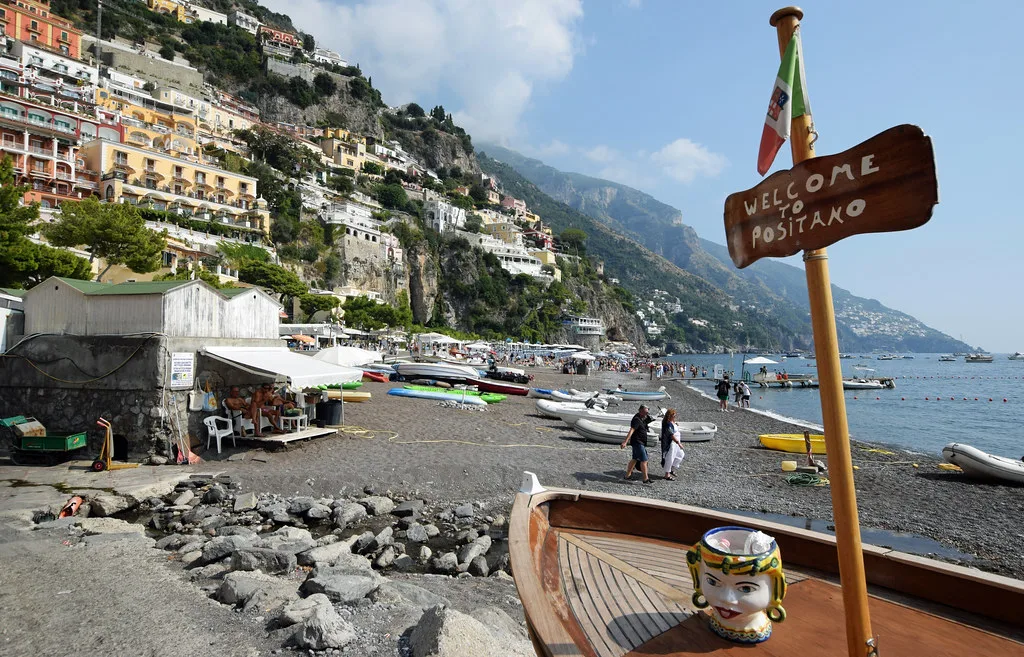
March is cheap by Positano standards and uncrowded by any measure: you can walk the main lanes and stand at the classic viewpoints without queuing. The trade-off is the coast's half-open feel, with some places shuttered, some ferries reduced and evenings still cool once the sun drops at around 6:15 PM.
That said, March is not January. Daylight is generous, the light is soft, and the town is waking rather than sleeping, which makes it the better month for anyone who wants scenery and walking without committing to deep winter.
Who March Suits
March is for walkers, photographers, church-and-museum travelers, and anyone who values a quiet Positano over a warm one. It is a poor fit for swimmers, sunbathers and travelers who need every restaurant and boat trip running on full summer schedules.
Choose January or February if you want the coast at its emptiest and don't mind more closures and shorter days; choose late April or May if you want warm water, full ferries and open beach clubs. If you are weighing an earlier winter visit, the Positano in November guide covers what the coast looks like as it settles into the season.
Getting Around the Coast in March
Positano is built on stairs, and local buses shuttle between the upper and lower town; the SITA buses along the coast and the Circumvesuviana train from Sorrento are the practical public options. In March, timetables are reduced and weather can disrupt boats, so check operator schedules on the day you travel rather than relying on a summer timetable.
Driving the Amalfi Coast road in March is easier than in July but still involves narrow, winding stretches and limited parking in Positano itself. Many travelers base themselves in Sorrento and visit Positano as a day trip, which avoids the parking problem entirely.
Plan Your March Visit
Positano in March is a good decision for a quiet, cool, walkable Amalfi Coast trip and a poor one for a beach holiday. Build your days around the Path of the Gods, the churches and one or two day trips, keep an indoor option in reserve, and leave the swimming for another season.
Book flexible transport, check ferry and bus schedules with the operators, and treat the 14°C average as typical rather than guaranteed. If you want the same coast with more daylight and fewer closures, late April is the more reliable bet.
Explore more Positano winter guides
Frequently Asked Questions
What is the weather like in Positano in March?
March in Positano is moderately chilly and breezy, with typical highs near 14°C (58°F) and lows near 10°C (50°F). Rain is possible on roughly three days in ten, daylight is close to 12 hours, and the sea is still too cold for comfortable swimming. These are long-term averages rather than a forecast, so a wet, windy week is entirely possible.
What is the weather on the Amalfi Coast like at the end of March?
Late March is usually the mildest part of the month, with longer days and a better chance of dry, clear walking weather. In 2027, Holy Week runs from 21 to 28 March with Easter Sunday on 28 March, so the final week brings holiday crowds and higher demand rather than a quiet shoulder-season feel.
Are restaurants and hotels open in Positano in March?
Many year-round businesses stay open, but some seasonal hotels, restaurants and beach clubs scale back or reopen gradually through the month. Availability varies by business and by week, so contact the specific place you want before building a plan around it, especially in early March.
Are the ferries running to Positano in March?
Coastal ferries generally operate on reduced winter timetables in March and expand as spring arrives, and sailings can be cancelled in rough weather. Check the ferry operator's current schedule before you commit to a boat-based day, and keep a bus or car alternative in mind.
Is March a good time to visit Positano?
March suits walkers, photographers and travelers who prefer a quiet coast with mild temperatures and no queues. It does not suit swimmers or anyone expecting every beach club and ferry route to be running at full summer capacity. For empty streets and lower prices, January or February are even quieter.
Should I choose Amalfi or Positano in March?
Positano gives you the iconic stepped town and the best access to the Path of the Gods, while Amalfi is a more workaday base with its own cathedral and easier road connections. Both are quiet in March and both have partial seasonal closures, so pick based on which walks and day trips matter most to you.
Is three hours in Positano enough?
Three hours covers the beachfront, the Church of Santa Maria Assunta and a slow climb through the lanes with a viewpoint stop, which is a reasonable introduction on a cool March day. It is not enough for the Path of the Gods or a proper look at the museum and galleries, so add a full day if hiking or indoor sights are the point.
Sources
Winter travel notes
Optional updates when we add or revise winter guides.
You might also like
Continue reading
More guides you'll find useful