Positano in November: What's Open and What Closes
Positano in November brings mild, rainy days and a village that largely shuts down. Here is what still works, what closes and who should wait.
On this page
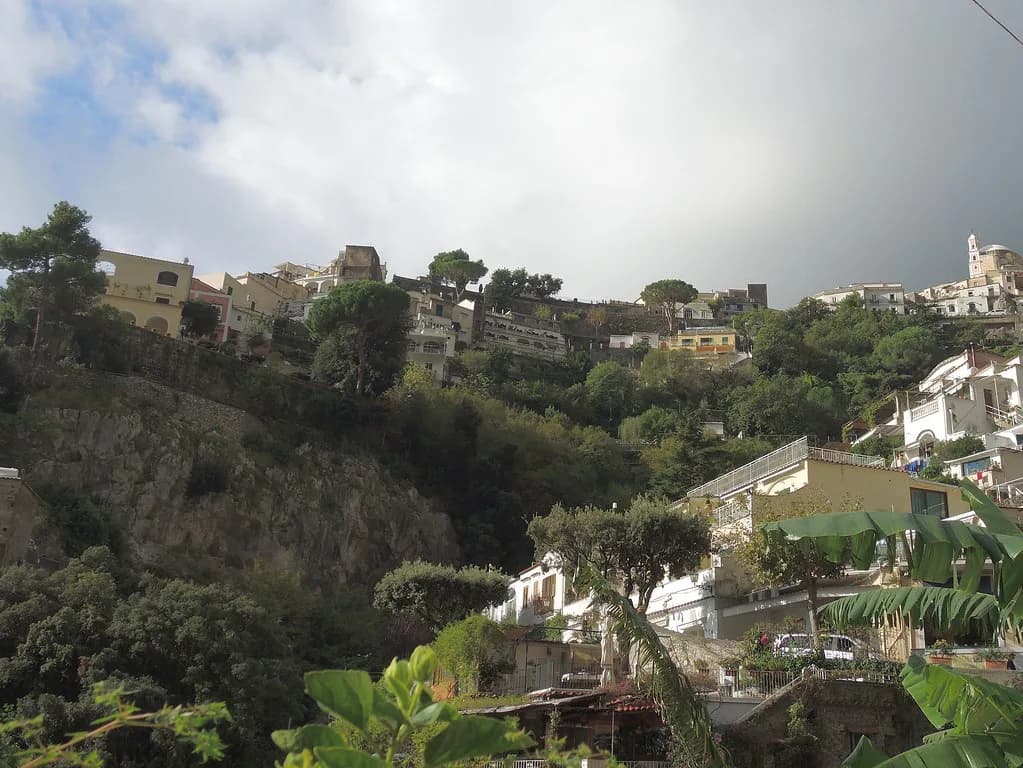
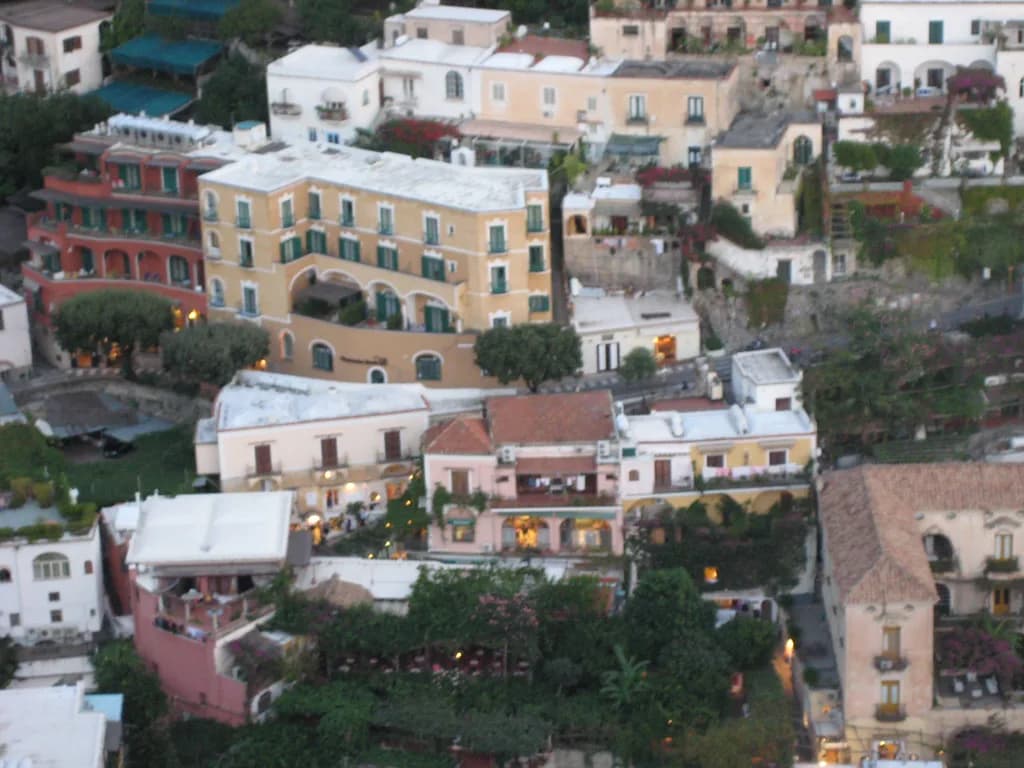
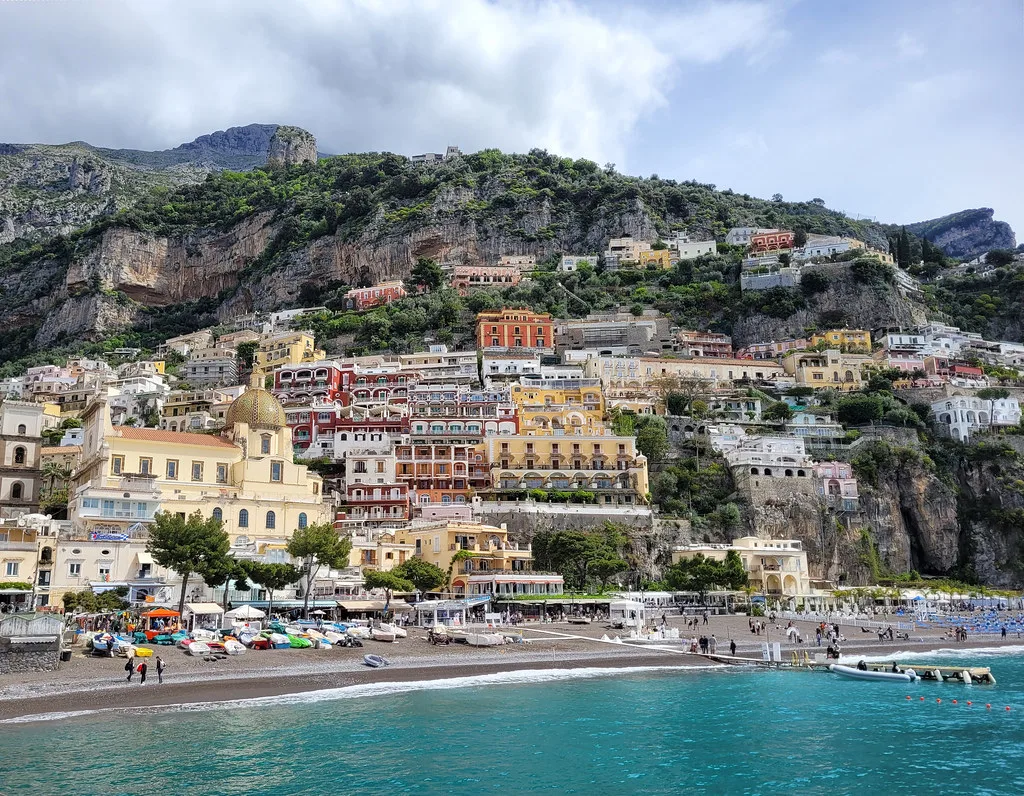
November is the month Positano changes character. The summer crowds thin out, the beach fills with grey water instead of towels, and much of the village that served those crowds packs up. What remains is a steep, handsome town that rewards slow wandering — provided you arrive expecting rain, short afternoons and a limited choice of restaurants.
This guide is for travelers weighing a November trip against spring or early autumn. It sets out typical weather, the closures that reshape a visit, realistic day trips once the boats stop, and the trade-offs between near-empty lanes and the risk of a wet, half-shuttered week.
Who November in Positano Suits
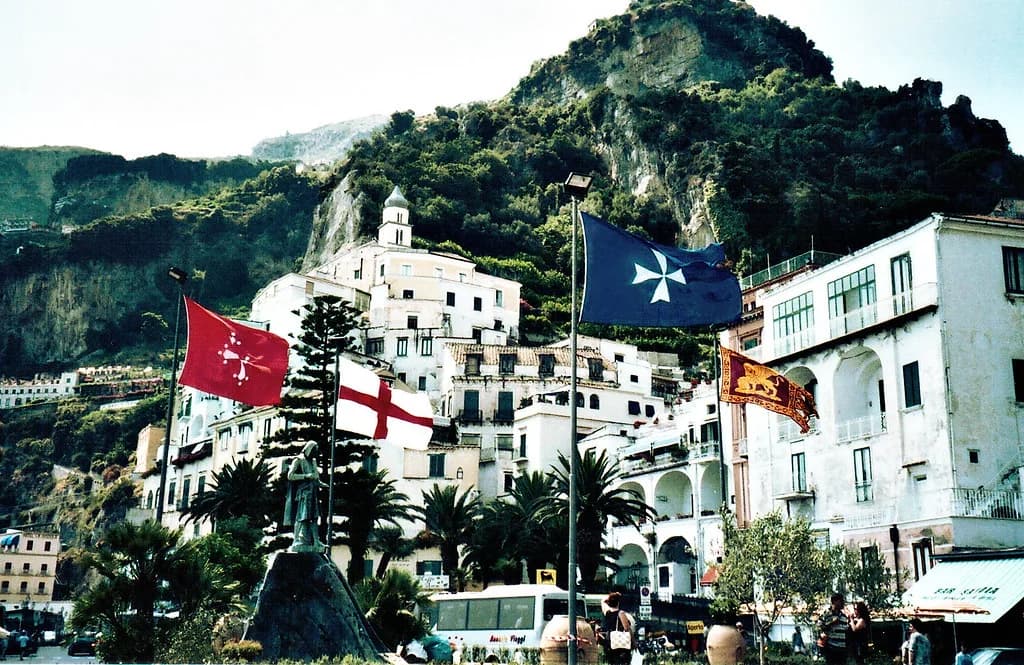
November suits travelers who care more about atmosphere than swimming: couples, walkers, photographers and anyone who has wanted to see the Amalfi Coast without traffic jams along the coastal road. With the season winding down, you can move between Amalfi and Positano almost alone, explore medieval Atrani without summer heat, and find hotel rooms and meals noticeably cheaper than in peak months. Our Positano in winter overview explains how the village changes across the whole season.
It does not suit beach-focused travelers, families counting on boat trips, or anyone who wants a full menu of restaurants each night. November is the rainiest month of the year on this coast, with roughly ten rainy days, and the sea turns choppy and cold. If sunbathing or a ferry hop to Capri is central to your plan, choose late spring or early autumn instead.
Weather in November
Expect mild, changeable days rather than cold ones. Positano in November typically sees highs of around 18°C (64°F) and lows near 12°C (54°F), with roughly 150mm of rain spread across the month and about five hours of sunshine a day. Humidity sits near 70% and winds are generally mild, though coastal gusts pick up during storms.
Treat those numbers as long-term averages, not a forecast. A November week can deliver three bright, T-shirt-afternoon days or five days of steady drizzle, and the difference determines whether you spend the trip on terraces or in churches. Build in flexibility: keep one indoor plan and one outdoor plan per day, and decide each morning rather than booking timed entries in advance.
Daylight and the Sea
Afternoons shorten quickly through November, so the light fades well before dinner. Plan walks and viewpoints for the morning and early afternoon, and use the late afternoon for interiors — ceramics shops, church visits, a long lunch. The village is built into a cliff, so stairs eat time; a short daylight window is not the moment for ambitious climbs.
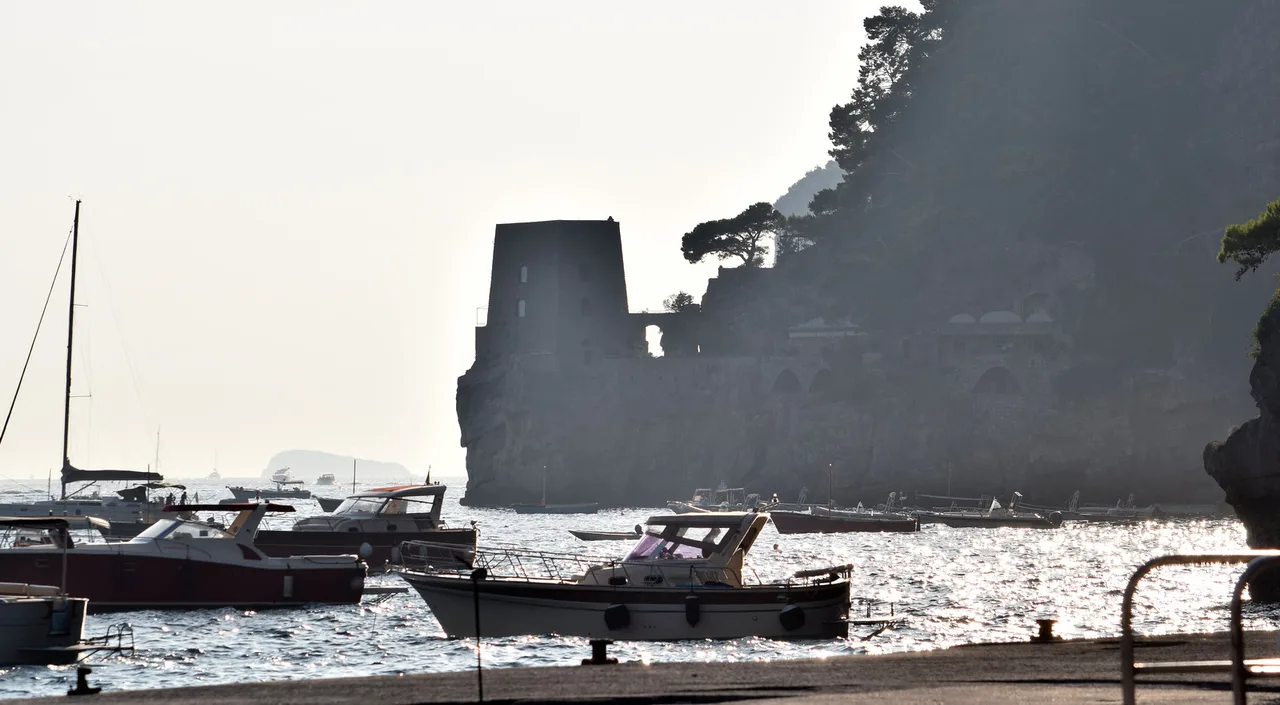
The sea is the bigger constraint. Winter water is cold and the swell is often choppy, which is exactly why the boats that link Positano with Amalfi and Capri stop for the season. Swimming is off the table for most visitors, and the beach becomes a place to walk and look at the town from below, not to lie on.
What Closes in November and What Stays Open
The change is abrupt. Many restaurants and businesses close around All Saints' Day on 1 November and do not reopen until after Easter, and the Positano–Amalfi ferries shut down for the winter because of rough seas and thin demand. Book your accommodation and dinners knowing that the choice is narrower than in summer, and confirm which places are actually trading in the week you plan to arrive. For the practical details, see the Amalfi in November.
Some of the coast keeps running. Sorrento, across the peninsula, keeps most of its hotels and businesses open year-round, which makes it the more reliable base for a November trip even if you sleep in Positano itself. With the coastal ferries docked, winter bus timetables decide your day, so build the itinerary around the road rather than the water.
Getting Around Once the Ferries Stop
With the coastal ferries out of service, the road is your only link between villages. Buses run along the Amalfi Coast road, but services thin out in winter and the ride between Positano and Amalfi takes longer than the summer boat. Drivers and private transfers cost more but remove the timetable risk, which matters when daylight is short and rain can delay everything.
If you plan to drive, ask your accommodation about local traffic rules before you arrive; the Amalfi Coast road has seasonal restrictions, and rules differ between towns. Within Positano itself, walking and stairs do most of the work, so pack light and expect to climb between the beach level and the upper lanes.
Things to Do on a Cool, Wet Day
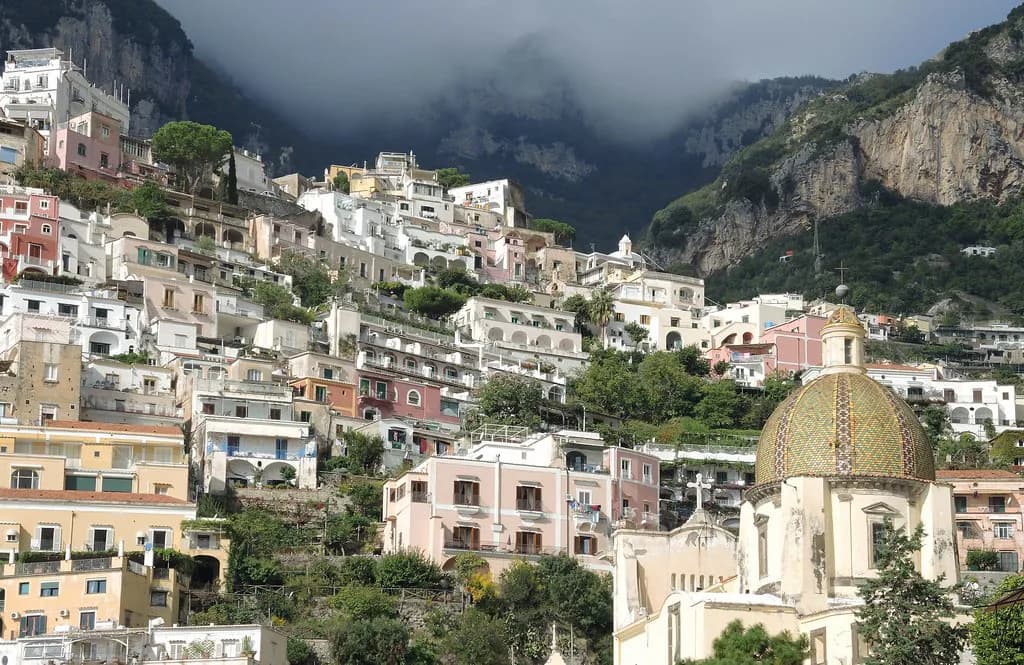
Rainy days belong to the churches and lanes. In Amalfi, the cathedral and its cloister give you a substantial indoor hour, and the town's paper museums and cafés fill the rest. In Positano, the church of Santa Maria Assunta anchors the lower town, and the ceramics shops along the lanes reward browsing even when the sky is grey.
Food is the other reliable plan. November is a good month for long lunches of seafood pasta, and local kitchens lean toward chestnuts, mushrooms and the first olive oil of the season. Because many restaurants are shut, pick your dinner spot in the morning and have a backup, rather than setting out at eight and hoping.
Walks and Viewpoints That Still Work
When the weather holds, the Sentiero degli Dei — the Path of the Gods — above the coast offers the finest views, but the trail is exposed and slippery after rain, so save it for a dry, settled day and start early. Shorter options work better in November: the lanes up to the upper village of Positano, and the easy walk between Amalfi and Atrani, which sits just around the headland.
Viewpoints along the coastal road are the low-effort alternative. The classic photo of Positano taken from above the town is a short ride from the center, and on a clear November afternoon the low sun makes it better than in summer's haze. Combine it with a drive toward Amalfi for a half-day loop.
Day Trips That Make Sense in November
Capri is the day trip November takes off the table, because the boats from Positano stop for the season. Amalfi and Atrani remain realistic, and Sorrento is the most sensible full-day outing: it stays open year-round, has its own museum and old town, and connects onward by train if you want to extend toward Naples or Pompeii.
If you are touring Italy more broadly in the shoulder season, the same logic applies across the country: northern lakes wind down while the south stays mild but wet. Our Italy in November guide covers how the regions differ.
November Events and Holidays
All Saints' Day on 1 November is the month's fixed date and the pivot of the season: businesses close and the coast begins its winter shutdown around it. Expect some services, shops and restaurants to be closed on the day itself.
Beyond that, Positano's November calendar is thin; the big draws are summer's, not winter's. Rather than build a trip around events, build it around the quiet and accept that some evenings will be limited to the handful of open dining rooms.
Crowds, Prices and the Trade-Offs
The upside is real: rooms cost roughly 30% less than in peak season, parking is easy and the twisting lanes of Amalfi and Positano are almost empty. The downside is the same fact viewed from the other side — fewer restaurants, no ferries, and the chance that a wet week leaves you with more closed doors than you expected.
Weigh the risk honestly. A four-night November trip with two dry days is a bargain; a week of rain in a half-closed village is not. If your priority is guaranteed sunshine and full menus, wait.
Who Should Wait for Spring or Early Autumn
Travelers who want to swim, take boat trips, or eat at a different restaurant every night should choose late spring or early autumn rather than November. Families with young children, honeymooners counting on terraces and sunsets over a calm sea, and anyone with a tight schedule that cannot absorb a washout are better served by another month.
If you are considering a shoulder-season trip instead, Positano in March is the better bet for longer daylight and a coast beginning to reopen. For a deep winter trip, February is quieter still, with Positano in February offering the same trade-offs at their most extreme.
Plan Your November Trip
Book a base that stays open — Positano for the views, Sorrento for reliability — and plan around the road rather than the boats. Keep each day's plan flexible and let a dry morning decide your walk.
Then set expectations: short days, rain, and half the village shut. If that trade-off reads as peaceful rather than disappointing, November is one of the best times to see Positano.
Frequently Asked Questions
Is Positano worth visiting in November?
Yes, if you value quiet lanes and lower prices over beach weather. Expect mild but rainy days, with highs near 18°C (64°F), and a narrower choice of restaurants and hotels because much of the village closes after All Saints' Day on 1 November. It is not the month for swimming or boat trips.
Can you reach Capri from Positano in November?
Not by the direct seasonal ferries, which stop for the winter because of rough seas. Reaching Capri in November means routing through Sorrento or Naples by road and then taking whatever crossing is running, which makes it a long day rather than a casual hop. Capri is better saved for spring.
Do ferries run from Positano in November?
The ferries linking Positano with Amalfi and Capri shut down for the winter, typically around the start of November. The coastal road and buses replace them, but winter timetables are thinner and journeys take longer than the summer boat.
How much rain does Positano get in November?
November is the wettest month of the year on this stretch of coast, with roughly ten rainy days and about 150mm of rainfall across the month. Sunshine averages around five hours a day. These are long-term averages, so a given week can be much drier or much wetter.
What is open in Positano in November?
Some restaurants, shops and hotels stay open, particularly in the lower town, while many others close around 1 November until after Easter. Sorrento keeps far more open year-round, which is why it works well as a base or day trip. Confirm which places are trading in your week before booking dinners.
Should I choose Positano or Sorrento as a base in November?
Sorrento is the safer base if you want full menus and reliable transport links, since most of its hotels and businesses operate year-round. Positano gives you the famous view and emptier lanes but a much reduced choice of restaurants, and the coastal road is your only way out.
What can I do in Positano in November on a rainy day?
Focus on interiors: the church of Santa Maria Assunta, ceramics shops, and long seafood lunches. In Amalfi, the cathedral and its cloister fill an afternoon, and the walk to Atrani is short enough to attempt between showers.
When do the Positano crowds disappear?
The change comes with All Saints' Day on 1 November, when many businesses close and the summer visitors are gone. From then until spring the village is quiet, parking is easy and the coastal road flows, which is the main argument for visiting in November.
Sources
Winter travel notes
Optional updates when we add or revise winter guides.
You might also like
Continue reading
More guides you'll find useful