Positano in February: Quiet Coast, Short Days, What's Open
Positano in February is quiet and often rainy, with most hotels, ferries and beach clubs closed. Here is what stays open, what to do, and who should wait.
On this page
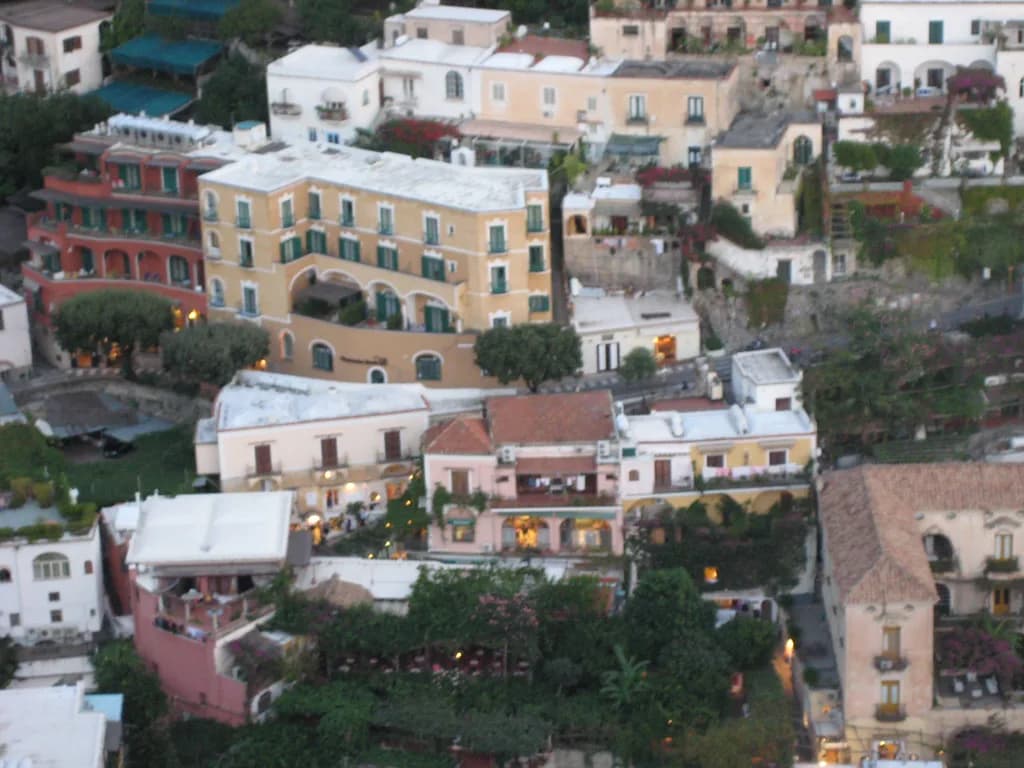
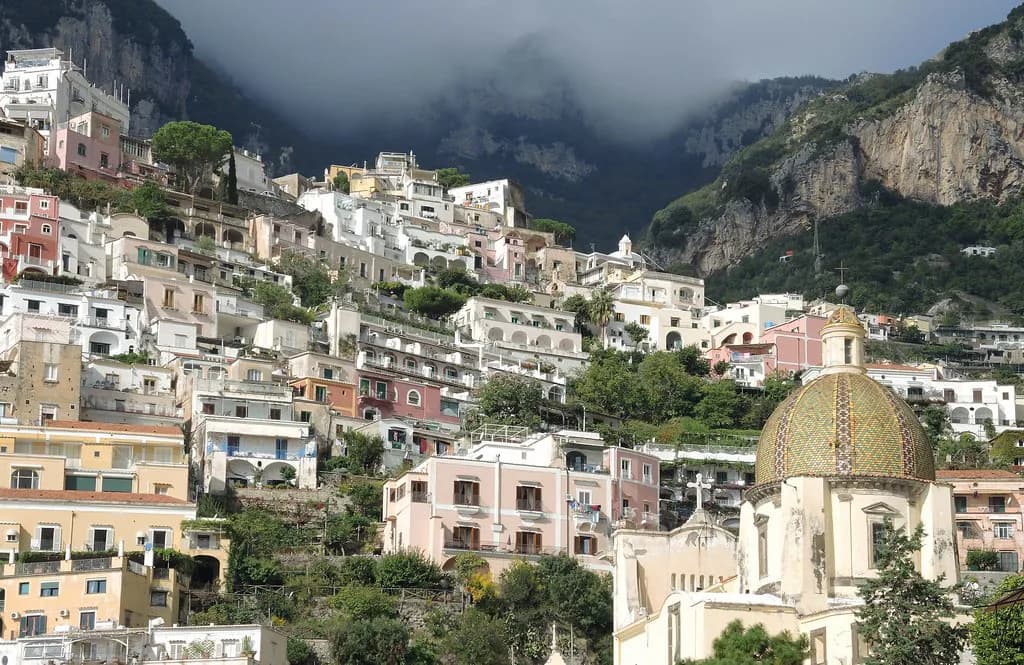
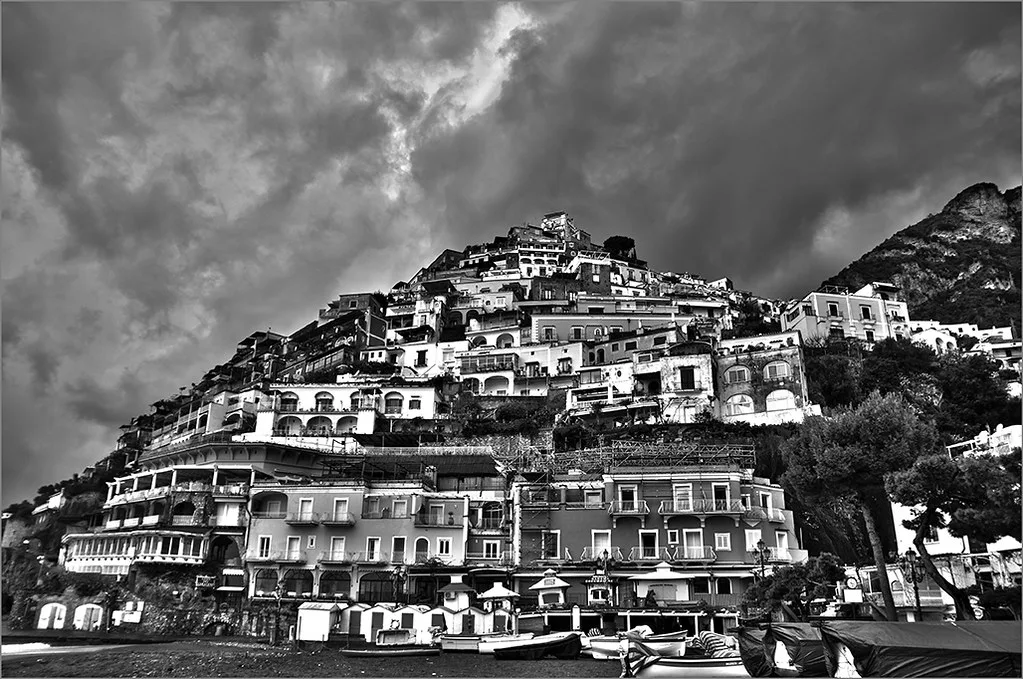
February is the deepest trough of the Positano season. The summer resort has packed up, the coastal road is clear, and the village itself runs at a whisper, which suits travelers who want sea views and empty stairways rather than beach clubs and nightlife.
The catch is that a February trip here is a weather gamble and a logistics puzzle. Rain can settle in for days, ferries do not run, and many businesses stay shuttered until spring, so the coast rewards a flexible plan and a base outside Positano itself.
Weather in February
Expect cool, changeable conditions rather than deep cold. Winter temperatures on the Amalfi Coast typically sit in a broad band from about 10°C to 15°C (50°F to 60°F), with December-to-February lows near 40°F and highs near 60°F, so a sunny afternoon can feel mild while evenings and sea breezes turn chilly.
Rain is the defining feature of a February visit, and November through February can bring occasional storms with strong winds and rough seas. Those conditions sometimes cancel boat crossings and leave hiking trails slippery, which is why a rain-day plan matters as much as a dry-day one.
Days are short, so build the sightseeing around the middle of the day and keep the late afternoon for indoor stops. Treat any temperature or rainfall figure as a long-term average and read the forecast in the days before you travel rather than booking months ahead on the strength of a typical range.
What February Does to the Coast
The season winds down around the first weekend of November, and many seaside restaurants, hotels, beach clubs and cafés close between mid-October and early November depending on the weather. More businesses shut from the beginning of January to the beginning of March as owners take their own holidays, which is exactly the stretch February falls into.
Positano itself is virtually abandoned in January and February, while the larger four- and five-star hotels close at the end of October. Smaller hotels and bed and breakfasts along the coast are easier to find, though restaurants are the harder booking, and town websites list which cafés and restaurants are currently serving.
The broader winter picture is that many hotels, ferries and beach clubs close for the season while bigger towns such as Amalfi, Sorrento and Vietri sul Mare keep open restaurants and cafés. That contrast is the key to planning a February stay, as our Positano in winter guide sets out in more detail.
Where the Coast Still Feels Alive
Amalfi and Vietri sul Mare tend to be the liveliest towns in winter, which makes them the natural targets for a February day out. Weekends bring more restaurants open along the coast, as owners serve visitors who come down for a sunny day by the water.
A smarter base is Sorrento or Salerno, driving along the coast for day trips to the famous villages. In wet weather those two towns also hold the museums and indoor sights that Positano lacks, so a rainy forecast costs you an excursion rather than the whole day.
If your dates flex, keep the decision open until a few days before arrival. Clear weather justifies a booking in Positano or Amalfi, while a wet forecast points toward Sorrento or Salerno instead.
Things to Do on a Dry Day
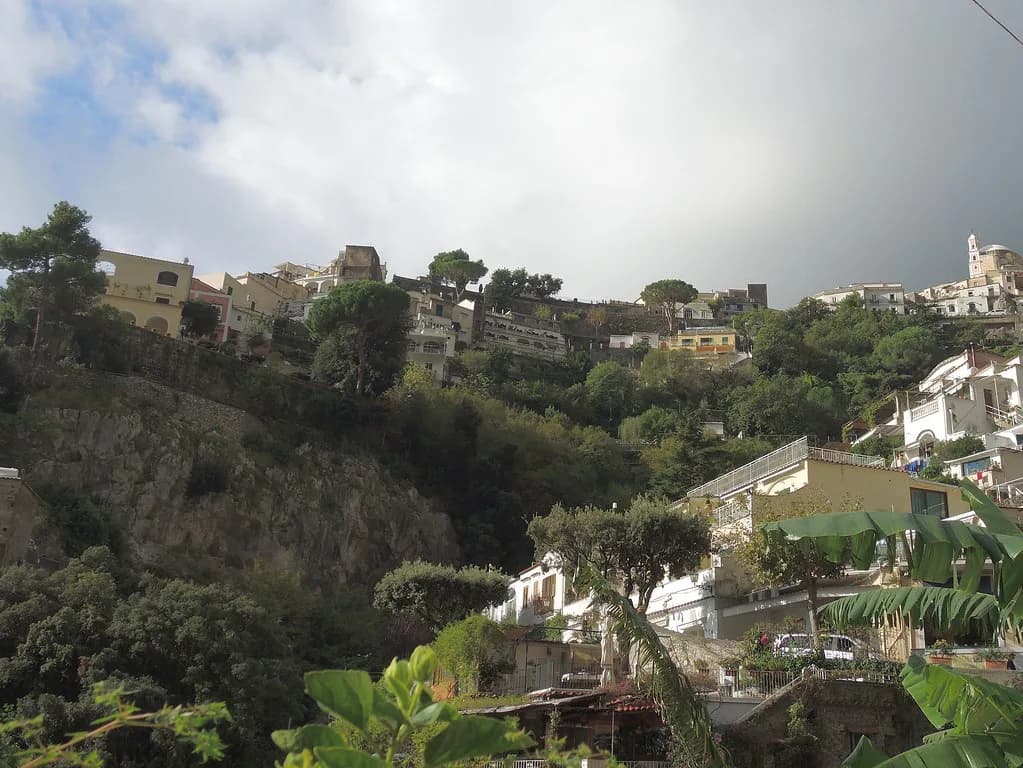
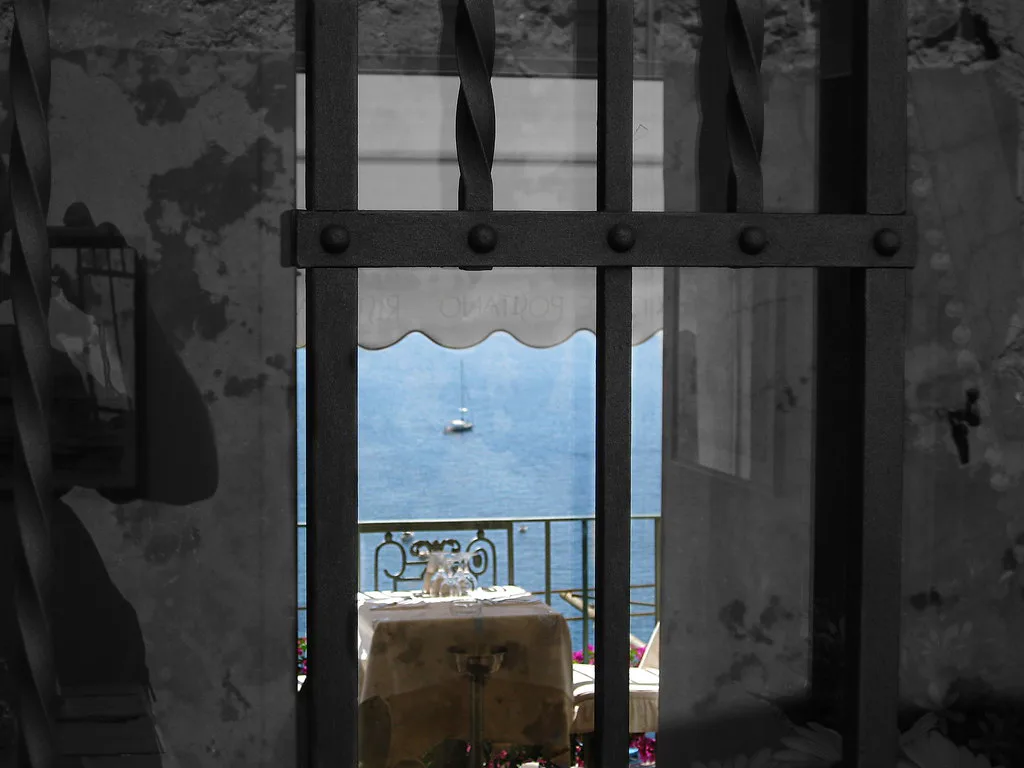
On a clear day, the coastal towns are the attraction. Wander the stairways and lanes of Positano and Amalfi, stop at the viewpoints above the water, and enjoy terraces and window seats that are contested all summer; hiking stays popular year-round and the cooler air makes it pleasant.
The Sentiero degli Dei, the Path of the Gods, is the classic high walk above the coast, but winter rain can make trails slippery or temporarily unsafe. Go only when the ground has had a dry spell, start early because daylight is limited, and turn back rather than push on through wet, exposed sections.
Ravello sits high enough for wide views and holds the Ravello Cathedral Museum with its medieval art, a sensible pairing of a walk and an indoor stop. Check the forecast each morning and keep a museum or café in reserve for the afternoon.
Things to Do When It Rains
Rain for days is the biggest obstacle to a winter visit, and Positano has little to offer when the weather turns. That is the moment to head for Amalfi Cathedral with its Cloister of Paradise, or the Paper Museum in Amalfi, both solid half-day indoor stops.
In Sorrento, the Correale Museum holds Neapolitan paintings and historic artifacts, and a cooking class built around local lemon and seafood dishes fills a wet afternoon without leaving town. These are the days to move your base rather than wait out the rain in an empty village.
Food and Cafés
Eating out in February takes more planning than in summer, since many restaurants close for the holiday period in January and February. Weekends are the safe bet, when more places open for day-trippers, and each town publishes a list of cafés and restaurants currently serving.
Build meals around the towns that stay lively, and treat a long lunch as part of the day rather than an afterthought. Local lemons, seafood and Campanian pasta are the dishes to seek out, and a warm café is a legitimate rain plan on a coast with few indoor attractions.
Getting Around
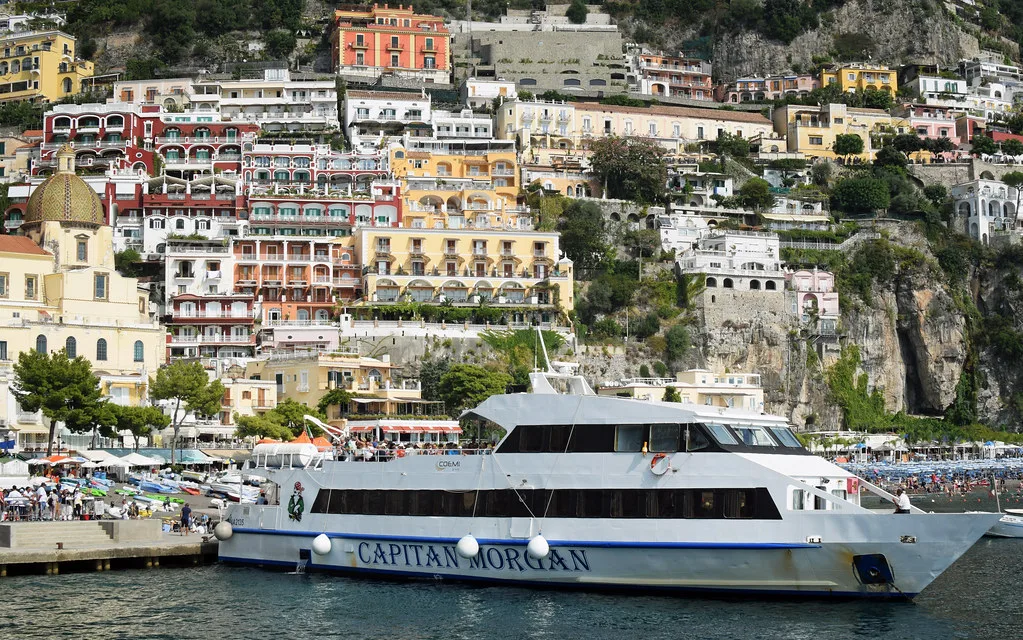
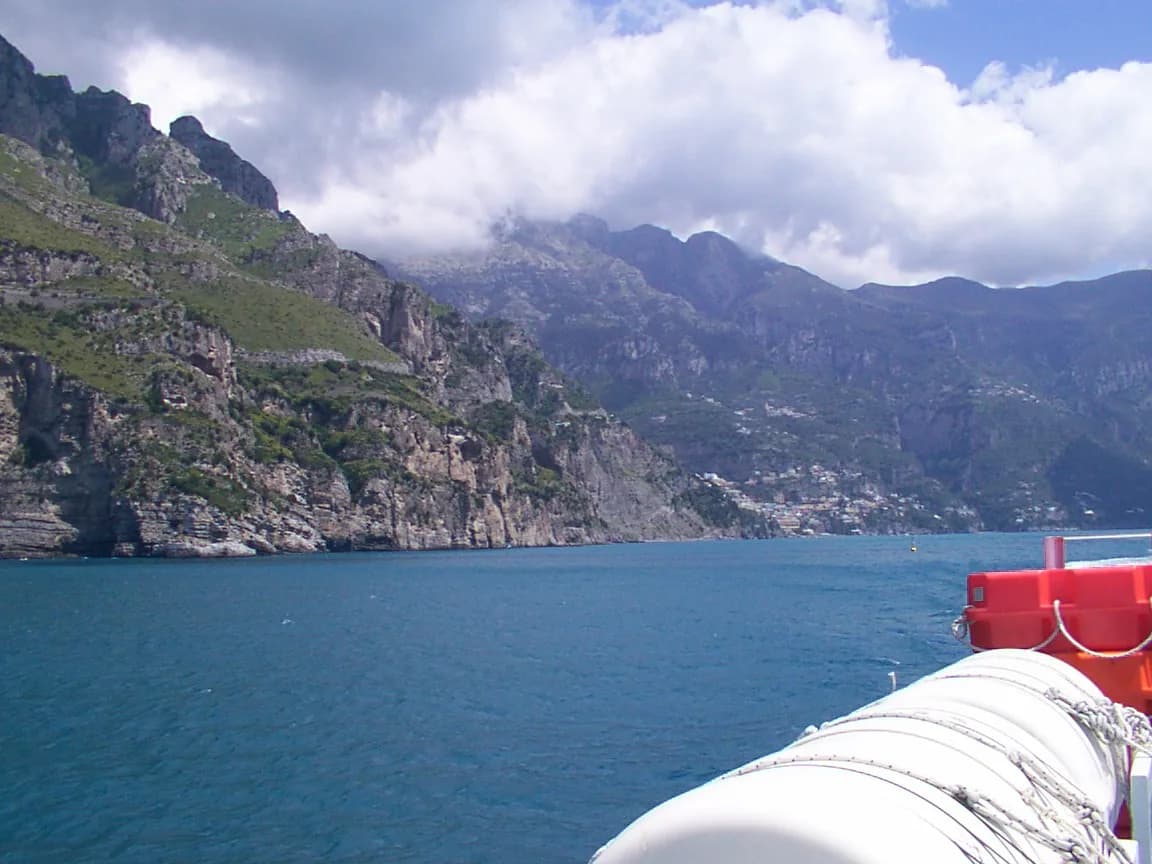
Ferry routes are suspended from the end of October to the beginning of April, so boats are not an option in February. The coastal road, by contrast, is close to empty compared with summer, when driving it can be difficult or impossible.
A car gives the most independence in winter: easy parking, no queueing for seats, and the freedom to chase clear weather along the coast. SITA buses run less frequently than in summer but are far less crowded, so they work if you build your day around their limited schedule.
Trains connect Sorrento and Salerno to the wider region, making either town a practical base for day trips. Arriving by rail and renting a car locally avoids the narrow coastal drive with luggage, and gives you a station to fall back on in bad weather.
Day Trips That Work in February
Amalfi is the strongest February day trip: cathedral, cloister, paper museum and a working town center within a short walk of each other. Ravello adds the high viewpoint and cathedral museum, and Vietri sul Mare rounds out the livelier villages.
Sorrento and Salerno are the wet-weather anchors, with museums, shops and transport links. Pompeii is reachable from either and suits a dry, cool day better than a hot summer one, since the site offers almost no shade.
If you are weighing the whole country, February is a month of regional trade-offs: southern coasts are quiet, northern cities are cold, and Carnival season falls in the middle of it. Our Italy in February guide compares the options before you commit to the coast.
Carnival and Late February
In 2027, Carnival Tuesday falls on 9 February and Ash Wednesday on 10 February, marking the end of the carnival season before Lent. On the Amalfi Coast this is a local, low-key affair rather than a headline festival, so treat it as atmosphere rather than a reason to book.
Italy's bigger carnival celebrations concentrate in other cities, and Lent then quiets the calendar through late February. Plan around the quieter weeks after Ash Wednesday if you want maximum emptiness, or before it if you want the last bit of festivity.
Crowds, Prices and the Trade-offs
The main draw is the absence of crowds: quiet towns, no traffic snarls, easy tables and rooms with views that are booked out all summer. Off-season rates drop noticeably on hotels and tours, and buses are easier to ride, though ferries do not run at all in February.
The costs are real: closures across hotels, restaurants and beach clubs, a genuine risk of multi-day rain, rough seas, short daylight and slippery trails. Positano in particular offers little when it rains, so the romance of an empty village can wear thin by the second wet afternoon.
Who February in Positano Suits
February suits travelers who value solitude, coastal walking and photography over beach time and nightlife, and who can absorb a washed-out day without resentment. It rewards anyone willing to base in Sorrento or Salerno and treat Positano as a day trip.
Choose another month if you want swimming, boat trips, a full restaurant scene or guaranteed sunshine. March brings longer days and the first signs of reopening along the Amalfi Coast, while November still catches the tail of the season before the January shutdown.
Plan Your February Trip
Treat February in Positano as a quiet coastal escape with a backup plan, not a resort holiday. Base yourself in Sorrento or Salerno, rent a car or use the reduced winter buses, and hold your booking until the forecast firms up.
If your heart is set on Positano itself, go for the empty streets and sea views, and accept that some days will be spent indoors or in another town. Travelers who want the coast at its full strength should look at spring instead.
Frequently Asked Questions
What is the temperature in Positano in February?
February on the Amalfi Coast is typically cool rather than cold, with winter conditions generally in a broad band of about 10°C to 15°C (50°F to 60°F). Lows near 40°F and highs near 60°F are typical for December through February, and evenings and sea breezes feel colder. Treat these as long-term averages, not a forecast.
Is Positano worth visiting in February?
It is worth it if you want empty streets, clear coastal roads and lower off-season rates, and if you are comfortable with rain and closures. Positano is virtually abandoned in January and February, so most restaurants, hotels, beach clubs and ferries are shut. Travelers who want a lively resort should pick another month.
What is there to do in Positano in February?
On dry days, walk the coastal towns, take in the viewpoints and hike the high trails when the ground is dry. When it rains, head to Amalfi Cathedral and the Cloister of Paradise, the Paper Museum in Amalfi, the Ravello Cathedral Museum or the Correale Museum in Sorrento, since Positano itself offers few indoor options.
Are restaurants and hotels open in Positano in February?
Many seaside restaurants, hotels and cafés close between mid-October and early November, and more shut from early January to early March. The large four- and five-star hotels close at the end of October, though smaller hotels and bed and breakfasts remain available. Weekends bring more restaurants open along the coast.
Do ferries run on the Amalfi Coast in February?
No. Ferry routes are suspended from the end of October to the beginning of April, so February travel along the coast is by road. A car gives the most independence in winter, while SITA buses run on a reduced schedule and are far less crowded than in summer.
Does it rain a lot on the Amalfi Coast in February?
Rain is the main risk of a winter visit, and November through February can bring occasional storms with strong winds and rough seas. Rain can persist for days, and Positano has little to do when the weather is bad. Keep a wet-weather base such as Sorrento or Salerno in mind.
Sources
Winter travel notes
Optional updates when we add or revise winter guides.
You might also like
Continue reading
More guides you'll find useful