Croatia in December: Coast vs Zagreb Winter Guide
Plan Croatia in December with typical coastal and inland temperatures, Advent atmosphere, holiday closures and the split between Zagreb and the Adriatic.
On this page
December in Croatia is really two different trips. The Adriatic coast stays mild but turns damp and windy, with summer restaurants and boat services winding down, while inland Zagreb goes cold and festive and the mountains behind it can hold snow.
It suits travelers who want Dubrovnik's old town or Diocletian's Palace in Split without summer crowds, and who accept short daylight hours, rain and a strong northeasterly wind called the bura. If you want guaranteed sunshine and swimming, December is the wrong month and you should look at the Mediterranean in spring or the Canaries instead; for a similar off-season city-and-coast comparison a little further east, our Greece winter guide covers the same trade-offs.
Weather in December
On the coast, December days typically run between about 7°C and 10°C (45–50°F), cool enough for a coat but rarely freezing, while inland around Zagreb averages hover near freezing and mountain areas drop below it. Rain is frequent rather than constant, and the bura can sweep the Adriatic with near-hurricane gusts that keep people indoors and disrupt ferries and bridges.
Treat these as long-term typical conditions, not a forecast: the country is long and narrow, so Pula in the north and Dubrovnik in the south can differ by several degrees on the same day. Inland snow is common in December, while on the coast a flurry is possible but rarely settles.
The sea is cold in December, so this is not a swimming month; coastal walks and viewpoints are best seized on calm, clear days between fronts. Pack for wind and rain rather than deep cold on the coast.
Coast Versus Inland
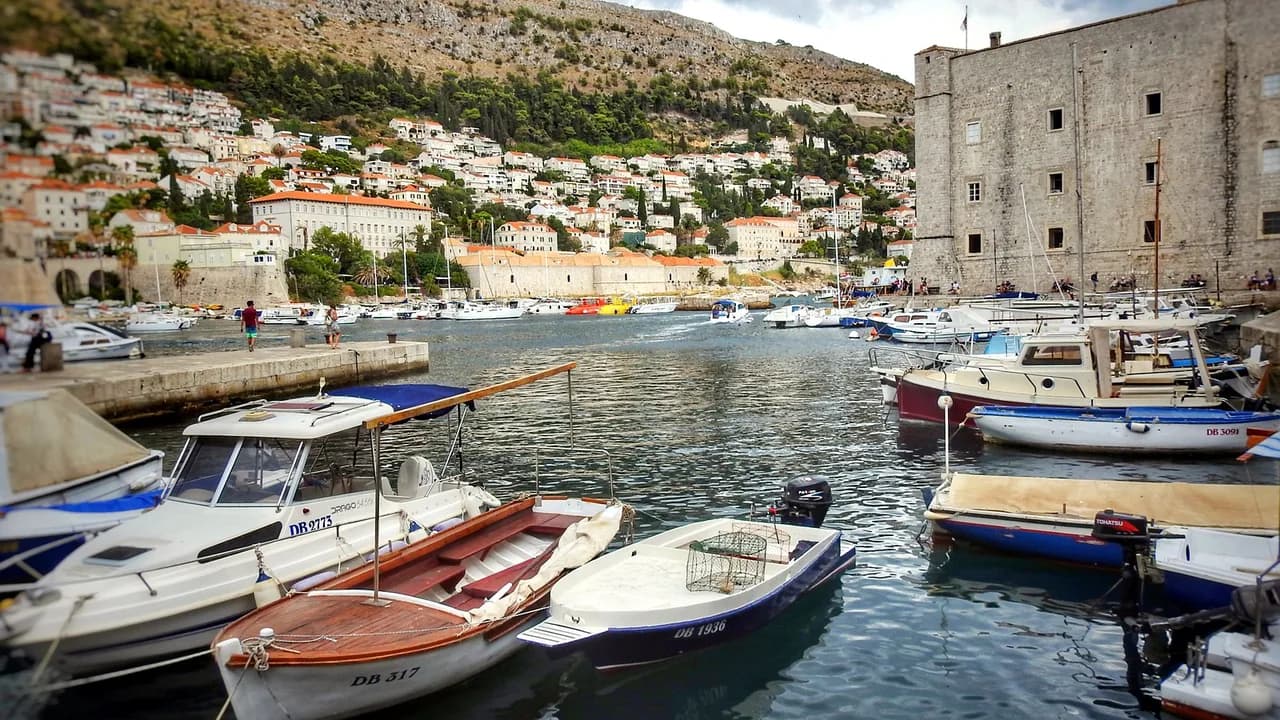
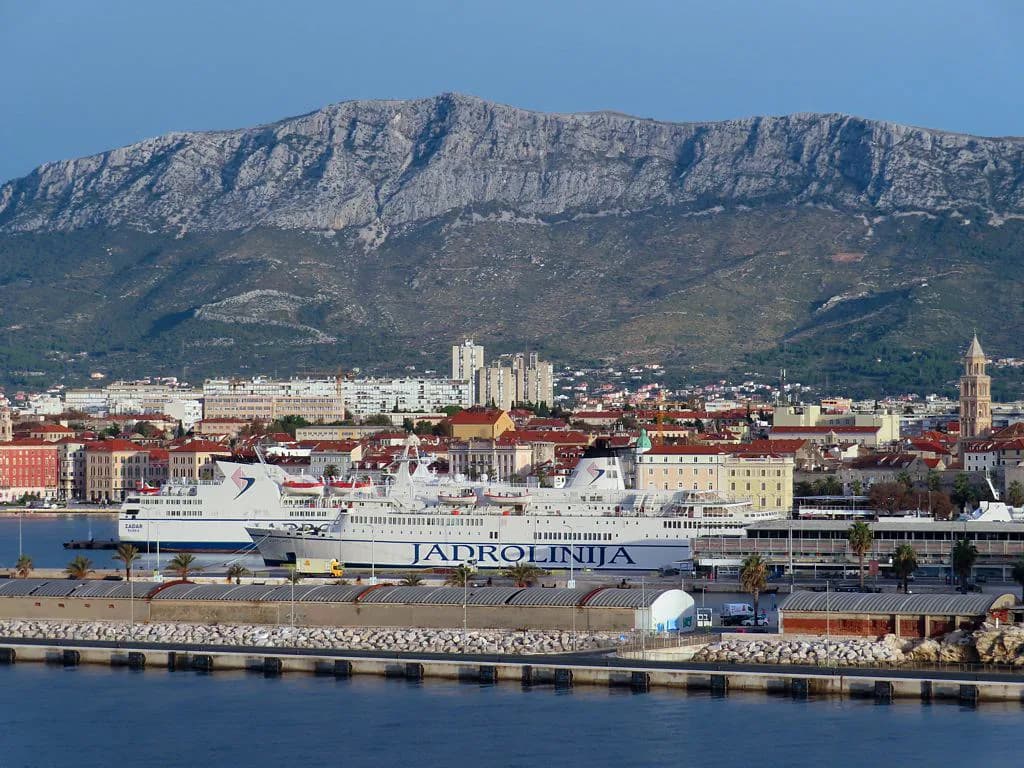
Split, Zadar and Dubrovnik in December feel like ordinary working cities again: locals reclaim the streets, cafe prices ease, and you can walk the city walls or the palace courtyards without queues. The trade-off is that many seafront restaurants, excursion boats and seasonal rentals shut after the summer, and some coastal flats built for summer have limited heating.
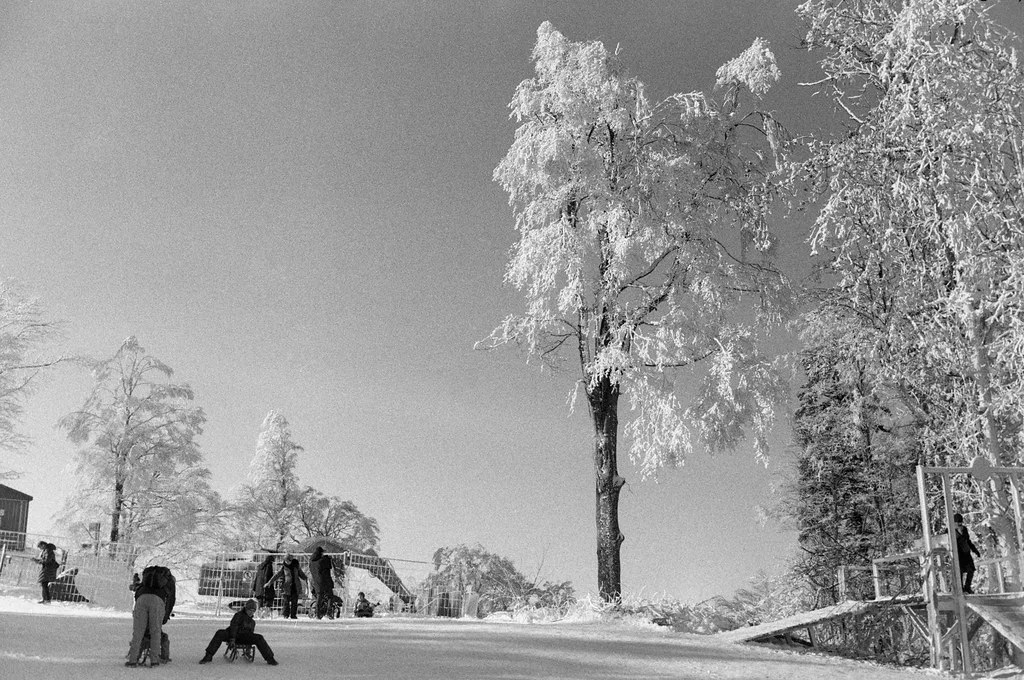
Inland, Zagreb is colder and drier-feeling but livelier, and the surrounding hills can be snowy. If you want a snow-dusted landscape rather than a gray sea, base yourself inland and treat the coast as a separate short trip on a calm-weather window.
Daylight and Short Days
December days are short everywhere in Croatia, with sunset arriving in the late afternoon, so plan sightseeing for the morning and keep indoor options for the dark hours. European clocks went back on 25 October 2026, so the light is already at its winter pattern by the start of the month.
That rhythm favors city breaks over long drives: two or three well-chosen sights a day, an early dinner, and evenings in museums, concert halls or warm taverns. Check exact sunrise and sunset for your dates with a national weather service before locking in outdoor plans.
What Closes and What Stays Open
Winter is Croatia's low season, and transport connections thin out along the coast, with ferry schedules reduced and some seasonal services suspended. Hotels that stay open all year along the Adriatic are fewer, so book early and confirm that your accommodation has real heating rather than relying on air conditioning alone.
Museums, galleries and historic cores stay open, and that is where December works best: Diocletian's Palace in Split, Dubrovnik's old town, and Zagreb's museums are all comfortable in cold or wet weather. National parks such as Plitvice Lakes operate through winter but with shorter days and winter conditions, so check the park's own site for the current route status before you go.
Advent in Zagreb
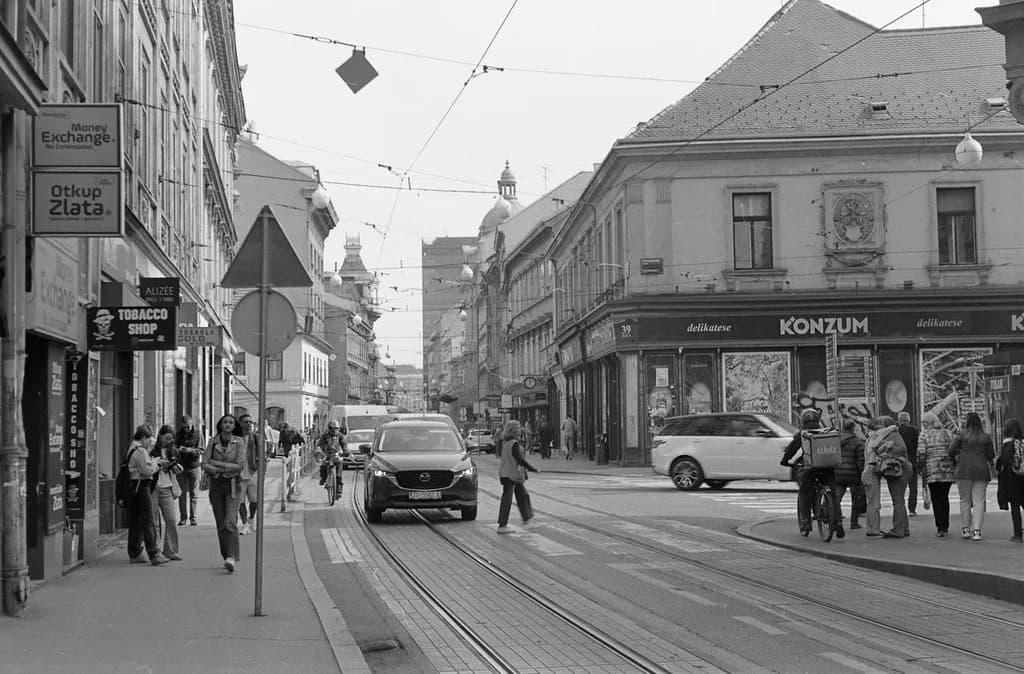
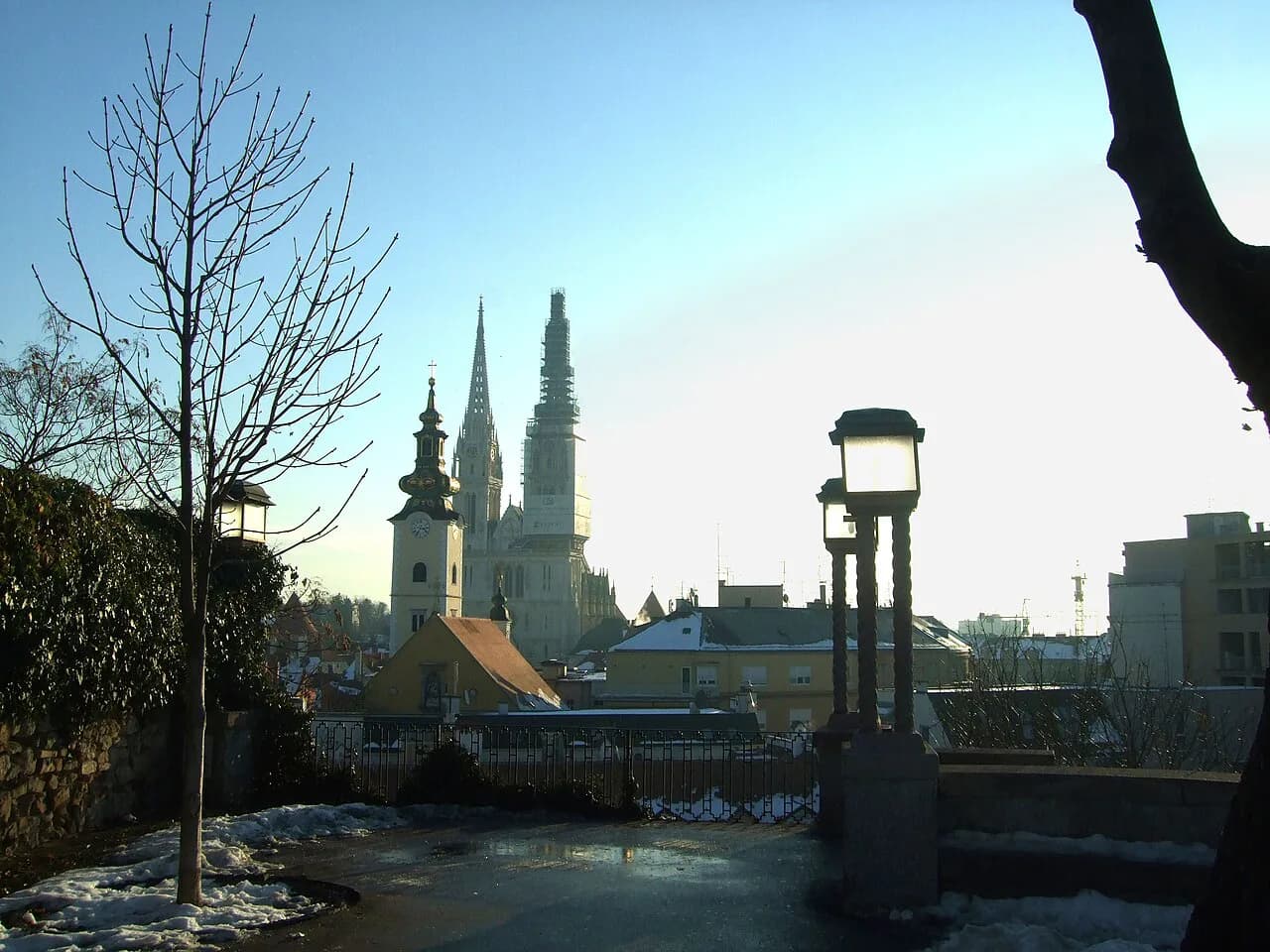
Zagreb's Advent is the reason many people choose December over January, with decorated squares, an open-air ice rink, food and drink stalls and evening music across the center. The city has built a reputation as one of Europe's strongest Christmas-season programs, and Jelačić Square and Tomislav Square are the heart of it.
Dates and the exact program change each year, so check the Zagreb tourist board's Advent pages for the season you are traveling. Expect the center to be busy with domestic visitors in the evenings and on weekends, and book dinner ahead on those nights.
Christmas Markets Elsewhere
Dubrovnik, Split, Rijeka and Pula all stage Advent markets and seasonal concerts, generally smaller and more local than Zagreb's. Dubrovnik's version pairs stalls and classical music with mild enough weather that you can sometimes sit outside with a hot drink, and its city walls are at their emptiest.
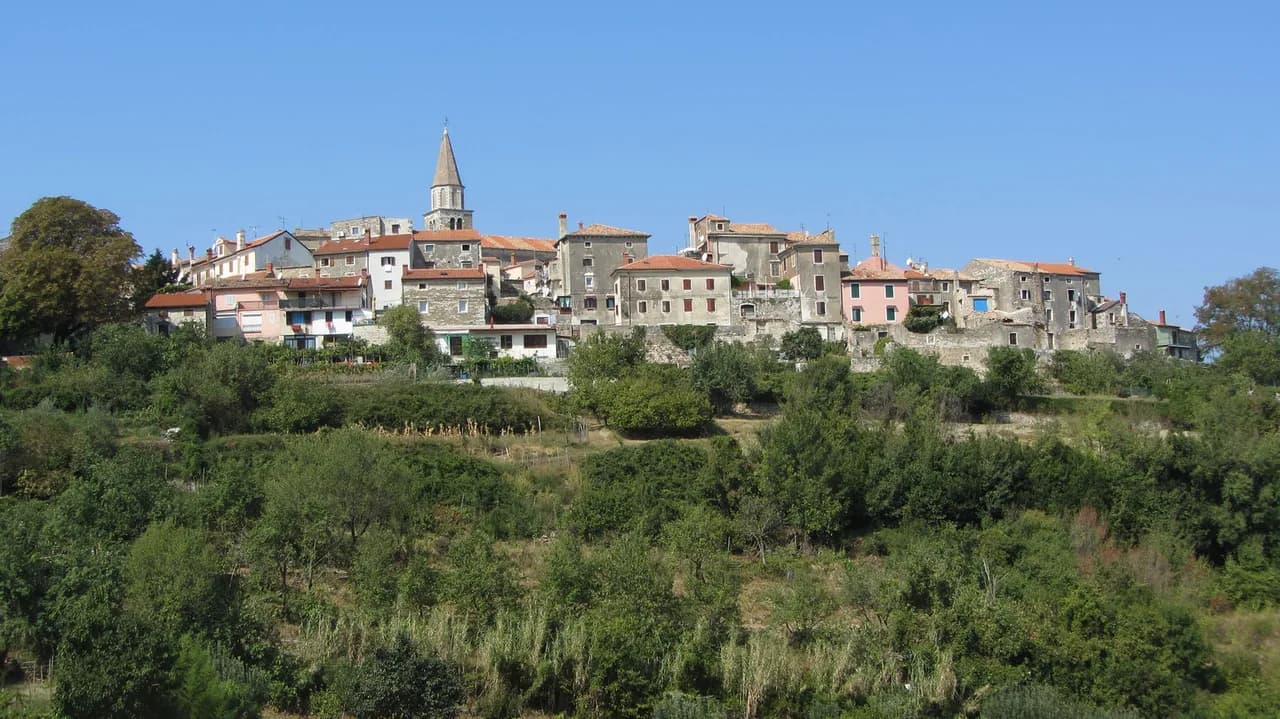
In Istria, December is truffle season, and Pula's Roman arena and old streets are quiet enough to explore at leisure, with local distilleries and wineries open for tastings. Treat markets as one part of a December trip rather than the whole itinerary.
Christmas Eve, Christmas Day and Boxing Day
Croatian Christmas centers on Christmas Eve dinner and midnight mass, with presents opened on Christmas Day; both Christmas Day and St. Stephen's Day (Boxing Day) are public holidays, so shops and many businesses close. In 2026, Christmas Day falls on a Friday, which stretches the closures into a long holiday weekend.
Plan food and travel around that: book a Christmas Eve or Christmas Day meal in advance, and check with your restaurant or hotel whether it serves on the holiday itself. Public transport runs a reduced holiday timetable in most cities.
New Year's Eve in Croatian Cities
December 31 is celebrated outdoors across the country, with concerts and fireworks in Zagreb, Split, Dubrovnik, Rijeka and Pula, and New Year's Day 2027 falls on a Friday. Dubrovnik sets up its main stage on Stradun, Split's Riva fills with crowds, and Rijeka's Korzo and Pula's Roman Forum host their own events.
Expect restaurants to sell out and accommodation in the main cities to fill for the holiday nights; reserve early or choose a smaller town where the celebration is more local. Keep an eye on the weather, since coastal wind can cancel outdoor programs at short notice.
Things to Do in December
Museums carry December: Zagreb's Museum of Broken Relationships, Museum of Illusions and contemporary art collections, Split's palace and galleries, and Dubrovnik's old town and walls give you warm, dry hours when the weather turns. The country's range of indoor attractions is one of the strongest arguments for a winter visit.
Plitvice Lakes is the big outdoor set piece, with snow on the trees, partially frozen waterfalls and far fewer visitors; the trade-off is cold, slippery paths and shorter visiting hours. Winter is also truffle season in Istria, and a truffle hunt with trained dogs, followed by a long lunch, is one of the region's most distinctive December experiences.
Cities too hot to enjoy in summer become pleasant for walking in December, which is why old towns such as Trogir, Zadar and Rovinj work well on a dry day. Carry a rain jacket and keep a museum or cafe as a backup for each outdoor plan.
Day Trips That Work in December
From Zagreb, Medvednica and its Sljeme slopes are a short trip for a snow day if conditions allow, while Trogir makes an easy winter outing from Split, with its UNESCO-listed old town quiet enough to wander freely. From Dubrovnik, a drive to Ston and the Pelješac peninsula opens up wine cellars and oyster country.
Inland spa towns and thermal resorts, such as the Istarske Toplice area near Poreč or Sveti Martin na Muri in the north, offer warm water and indoor relaxation on wet days. Check opening days directly with each spa, since winter hours vary.
Events in December
Beyond Advent, December brings food and drink events: Pelješac wine cellars open their doors around Ston early in the month, and Opatija hosts a chocolate festival with tastings, workshops and pairings. The Rijeka area also celebrates traditional Christmas Eve codfish dishes in local taverns.
Carnival season begins building later in winter, with the Rijeka Carnival running from mid-January into February and ending with a grand parade. If that appeals, plan a return in the new year.
Getting Around in December
Winter flight routes shrink, particularly to coastal airports, so Zagreb becomes the practical gateway and you can connect onward by domestic flight, bus or car. Driving gives you the most flexibility for Plitvice, Istria and the coast, but check wind conditions and road closures on bura days before setting out.
Ferries run reduced winter timetables, and strong wind can cancel sailings at short notice, so avoid tight connections to islands. If island time matters, build in a spare day.
Crowds, Prices and Who Should Pick Another Month
December is quiet compared with July and August, and prices for food and accommodation drop accordingly, though the Christmas and New Year period fills cities for a few days. The wind and rain on the Adriatic are the real trade-off, and the coast is not a beach destination in this month.
Choose December for atmospheric old towns, Zagreb's Advent and snowy Plitvice. Book for January instead if you want the deepest quiet and the lowest rates, or February for the carnival season; if you want winter sun and warm sea, look elsewhere entirely.
Travelling to Croatia in December with a Dog
If you are bringing a dog, plan around the bura, the strong northeasterly wind that sweeps up the Adriatic coast in December and can reach hurricane-like force, causing people to stay indoors, ferries to be canceled, and bridges to close. A dog that is fine on a calm coastal promenade may struggle on a day when the wind shuts down ferry crossings, so build slack into any island plans and keep coastal walks short when the wind is up.
Weather splits the country in a way that matters for paws. The coast stays mild, with December temperatures between 45°F-50°F (7°C-10°C), while inland around Zagreb averages hover near freezing and the mountains drop below freezing, and snow is uncommon along the coast but common inland, including at Plitvice Lakes, where the park takes on another layer of beauty when snow sticks and the lakes freeze over. Pavement in Zagreb can be icy, so warm, comfortable shoes with good grip are worth having for the human at the other end of the lead.
December is Croatia's low season, so hotels that remain open all year along the coast are significantly reduced and transportation connections are limited. That combination means fewer open terraces to pause at and fewer backup options if a ferry or bus is cancelled, so a dog-friendly trip works best based in one city rather than hopscotching. City centres from Dubrovnik to Zagreb are busy with Advent and Christmas season activities, though, with Croats flocking to the decorations, celebrations and Christmas markets, which gives you plenty of walking routes through town even when the beaches are out of the question.
Plan Your December Trip
December in Croatia rewards a flexible itinerary split between the coast and inland. Match your base to the weather you want: Zagreb and Plitvice for festive, cold and sometimes snowy; Split, Dubrovnik or Istria for milder, windier days and empty streets.
Book holiday nights early, confirm heating with your accommodation, and check ferry and park status before each move. That way the short days and the bura become part of the trip rather than a reason to change plan.
Explore more Croatia winter guides
Frequently Asked Questions
How warm is Split in December?
Split typically sees daytime temperatures of around 10–15°C (50–60°F), dropping to single figures in the evening. Storms and the bura can make it feel noticeably colder, so bring windproof layers.
How hot is Dubrovnik in December?
Dubrovnik is usually the mildest of the big coastal cities, with typical daily highs around 10–15°C (50–60°F) and cool evenings. Rain and strong wind are frequent, so plan for indoor alternatives.
Is Croatia warm in December?
No. The coast is mild rather than warm, and inland around Zagreb is cold enough for snow. Sunbathing and swimming are out, but sightseeing and museum days work well.
Does it snow in Croatia in December?
Snow is common inland and in the mountains, including around Zagreb and Plitvice Lakes. On the coast it is possible but rare to see it settle.
Is it worth visiting Croatia in December?
Yes, if you want empty old towns, Advent atmosphere in Zagreb and snowy national parks at low-season prices. If you want beach weather, choose a different season or a warmer destination.
What is there to do in Croatia in December?
Museums and old towns in Zagreb, Split, Dubrovnik and Istria, Advent markets, Plitvice Lakes in the snow, truffle hunting in Istria and day trips such as Trogir or Medvednica.
Is Zagreb or the coast better in December?
Zagreb suits festive city breaks and colder, drier winter days, with the mountains nearby for snow. The coast suits milder weather, empty streets and cheaper stays, at the cost of wind, rain and closed summer businesses.
Sources
Winter travel notes
Optional updates when we add or revise winter guides.
You might also like
Continue reading
More guides you'll find useful