Croatia in November: Weather, What's Open and Quieter Days
Croatia in November means mild coastal days, heavy rain and shuttered hotels. See typical temperatures, what still runs and who should pick another month.
On this page
November is Croatia at its quietest, and the country does not feel the same from one region to the next. Dalmatian towns such as Split and Dubrovnik typically stay mild while central Croatia and the Dinaric Alps turn cold and snowy, so your experience depends on where you point the car.
The month suits travelers who want museums, empty streets and low-season prices in the cities, and who accept rain as part of the deal. It is a poor fit for anyone hoping to island-hop, swim or eat dinner on a seaside terrace, because the coastal season has largely wound down.
Weather in November
In the standard Croatia climate chart, November shows typical highs of about 13°C (55°F) and lows of about 5°C (41°F), with 175 mm of rain. That makes it the wettest month in that table, ahead of December's 167 mm and January's 141 mm. Treat these as long-term averages rather than a forecast for your dates.
The coast and the interior diverge sharply. Dalmatian cities usually see mild winters compared with central Croatia and the Dinaric Alps, which get very cold and snowy. A day in Split and a day in the mountains can require entirely different planning.
The Bura, the powerful wind that gusts down the Adriatic, is a practical constraint in November rather than a piece of trivia. It can shut down boat trips and complicate ferry plans, so build flexibility into any day that depends on the water. Travelers report daytime temperatures often around 13–18°C (55–64°F) in some coastal conditions, which is pleasant when the sun is out but feels raw in wind and rain.
What November Changes on the Coast
November is very much the low season in Croatia, with coastal hotels and restaurants closed and plenty of rain. That means fewer choices for dinner and a thinner tourist infrastructure, especially outside the larger cities. If a specific restaurant or small hotel matters to your trip, contact it directly before booking transport around it.
Island hopping becomes impractical. Hotels close down, ferries run less and boat trips become scarce, in part because of the Bura wind. For a sense of how the whole season unfolds across the country, the Croatia in winter overview explains which regions hold up and which shut down.
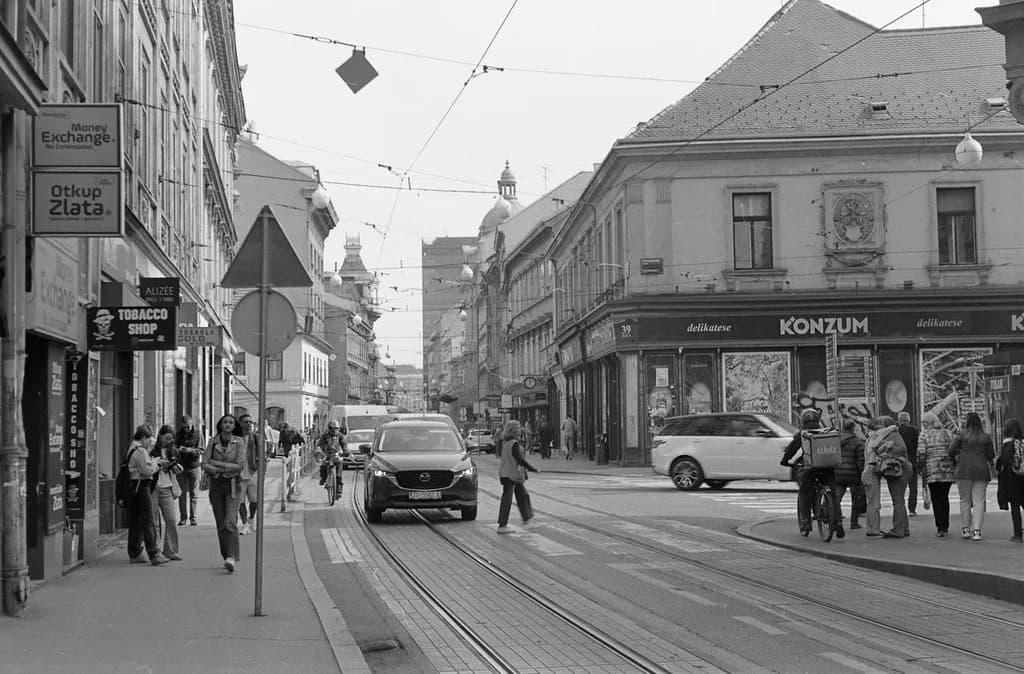
Cities are the exception to the shutdown. Zagreb, Split, Zadar and Dubrovnik keep their museums, galleries and cultural attractions running, and the absence of summer crowds makes them easier to enjoy. Plan city days around indoor sights and use any dry window for a walk along the old towns.
What Is On in November
The Feast of Saint Martin falls on 11 November, when the new wine is blessed by priests and then drunk in vineyards, bars and restaurants, traditionally alongside roast goose. It is the last feast day before Advent, and the celebrations are lively. If you are in wine country or a city with a strong tavern culture, this is the night to book a table.
Later in November comes Theatre Night, when venues in dozens of cities across the country put on free or low-priced shows, plus workshops and discussions. The exact date shifts from year to year, so confirm the current edition with the organizers or a local tourist office before planning a trip around it. Museum Night, the late-January counterpart, falls outside this month entirely.
Rijeka Carnival, Croatia's largest, usually begins in late January and runs into February, so it does not overlap with November. If the carnival is the reason for your trip, look at Croatia in February instead. The same applies to Dubrovnik's Feast of Saint Blaise on 3 February, which is a February event rather than a November one.
City Days: Zagreb, Dubrovnik, Split and Zadar
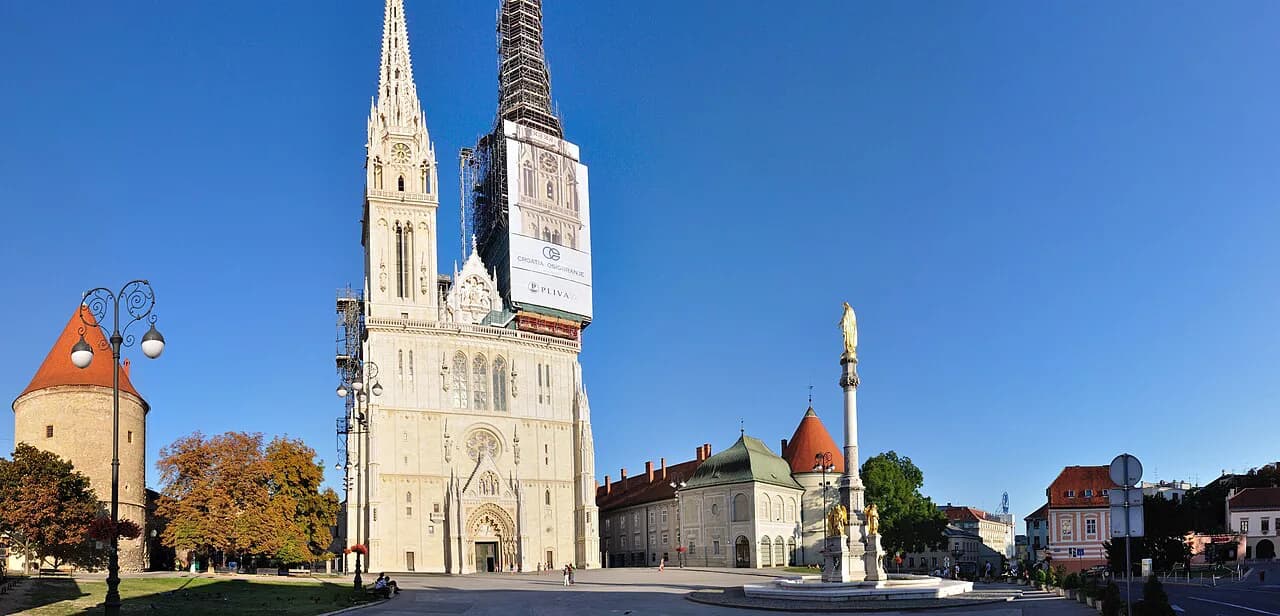
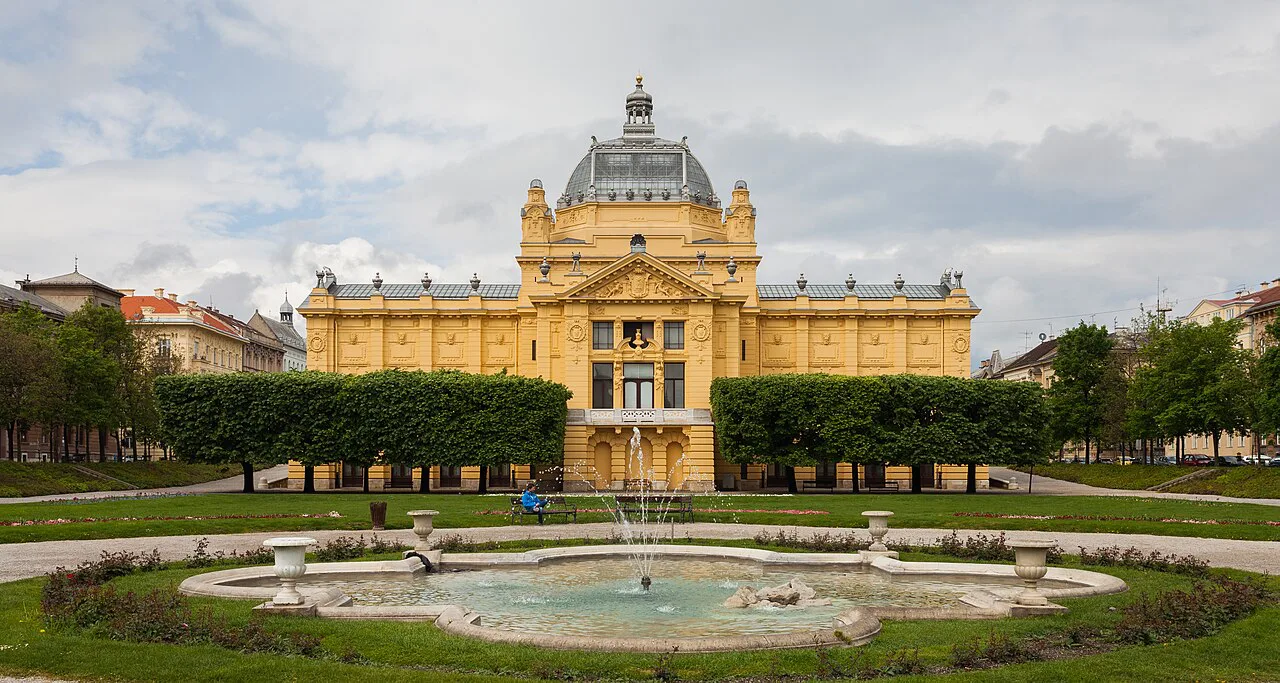
Zagreb is the strongest November city break, because its cultural calendar keeps going and the cold, damp weather sends you indoors to museums, galleries and cafés rather than onto a beach. The city's Advent festivities belong to December, so November visits are about the everyday city rather than the Christmas market.
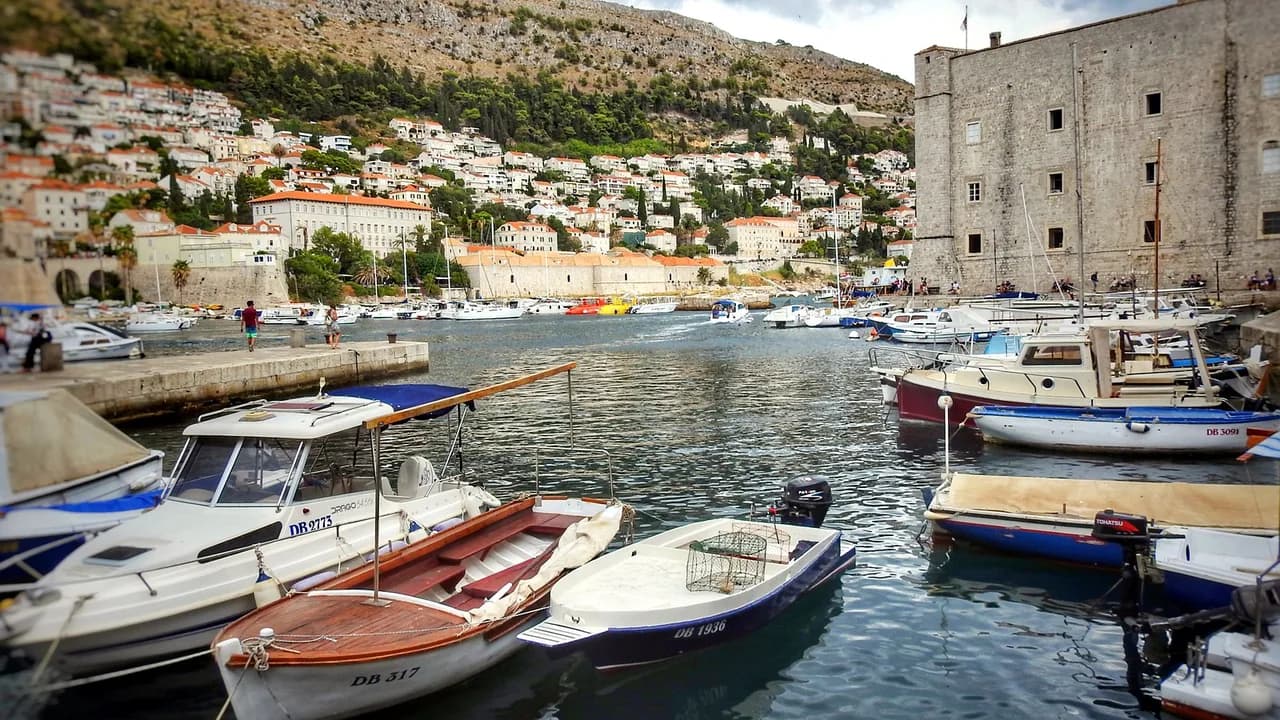
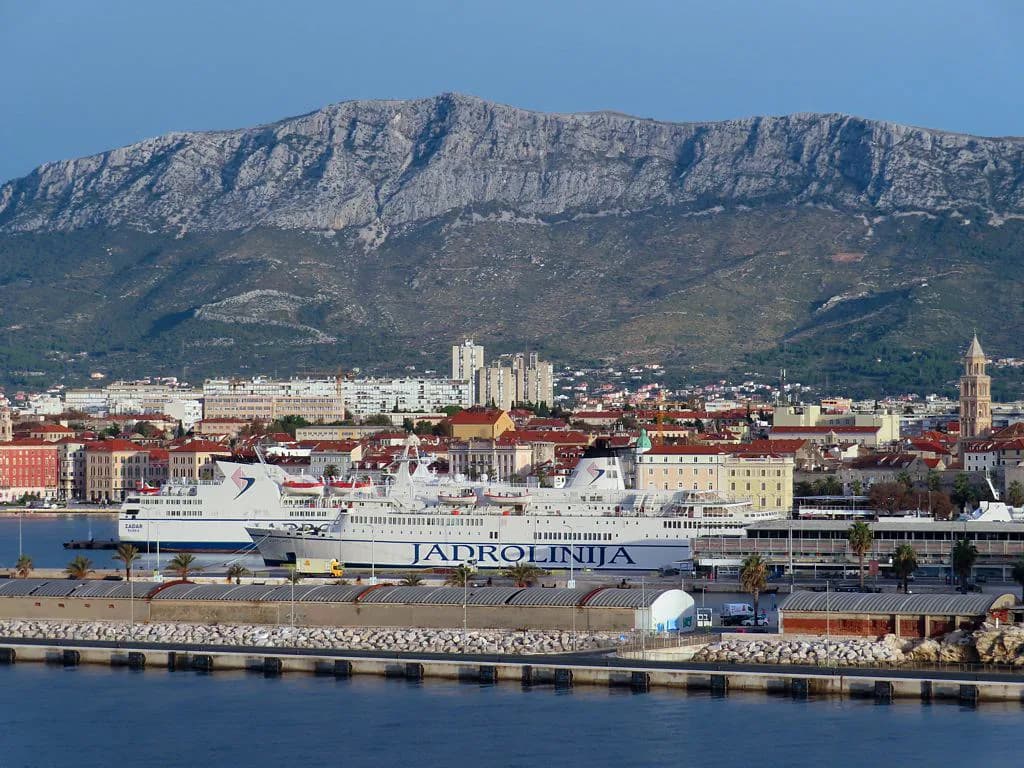
Dubrovnik in November is reclaimed by local people after the summer crowds, which changes the feel of the old town completely. You can walk the walls and wander the streets without the cruise-ship surge, though rain can make the stone slippery and some seasonal businesses are closed. Split and Zadar work the same way: use them as bases for indoor sightseeing and short walks when the weather allows.
Expect short daylight hours and gray skies on many days, which pushes sightseeing into a narrower window. Build in a museum or two as rain cover rather than treating every day as an outdoor day. The payoff is that the cities are calm, and you are not queueing for the main sights.
Inland Alternatives and the National Parks
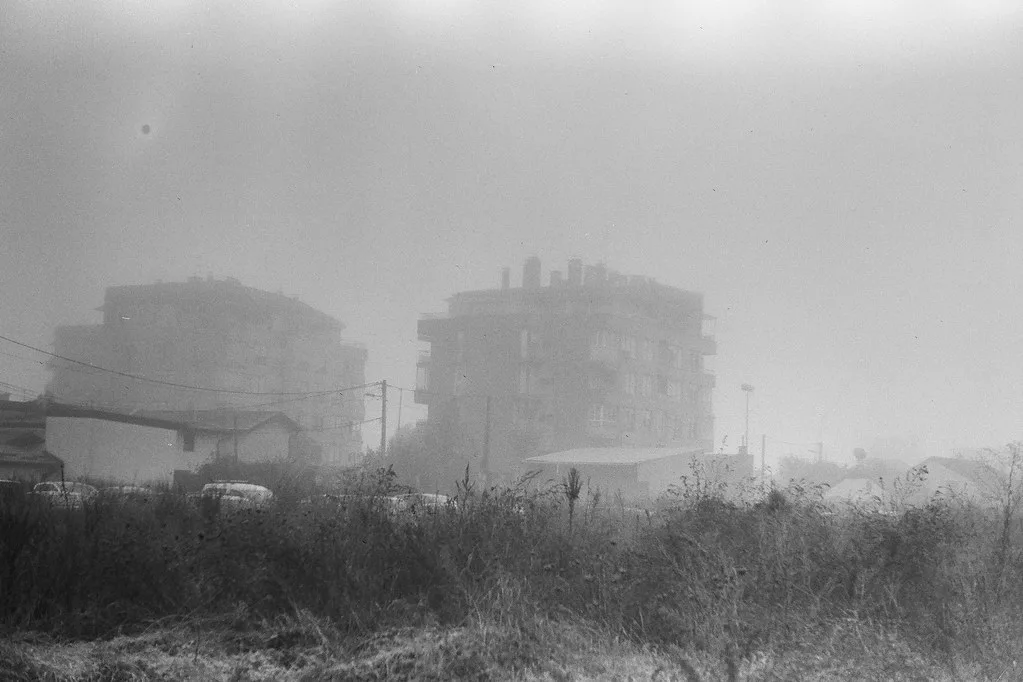
Inland Croatia is cold and snowy in November, which makes it a different trip from the coast. Plitvice Lakes National Park and the mountain areas can be beautiful in late autumn, but snow and ice can affect access and the experience is weather-dependent. Check the park's own information before committing to a day there.
If you are considering the interior, compare the month with Croatia in January, when winter conditions are more established and the snow is more reliable. November is a transition month inland: cold enough for snow at altitude, but not yet the deep winter that skiers and snowshoers plan around. If your real goal is reliable snow in the mountains, our Austria winter guide shows how a neighboring alpine country handles the season.
For anyone who wants snow rather than rain, Does It Snow in Croatia? Snow by Region and Month explains where and when the white stuff is likely. That context helps you decide whether November is the right winter month or whether you should wait for deeper cold.
Day Trips That Work in November
From Split or Zadar, inland trips to towns such as Klis, Nin or the Krka area work best as short, weather-flexible drives rather than fixed tours. Boat-based day trips are the most vulnerable to the Bura and to reduced winter schedules, so keep those plans optional. A rental car gives you the freedom to switch from a coastal plan to an inland one when the forecast turns.
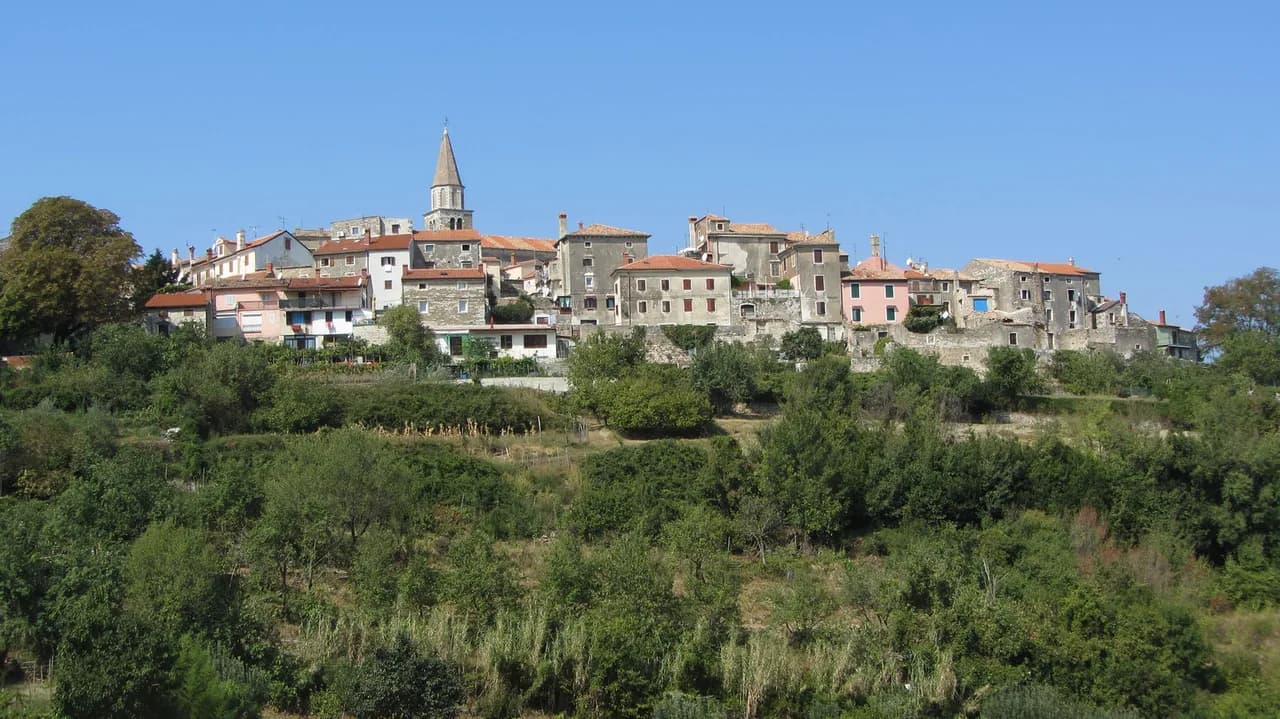
Istria's hill towns and food scene remain open through the low season and make a good base for a few days of truffles, wine and small-town wandering. The autumn harvest festivals belong to October, but the region's restaurants and wineries continue into November. It is a more reliable bet than an island day trip at this time of year.
From Zagreb, short trips into the surrounding hills or to nearby towns are easy and do not depend on ferries. The trade-off is that short daylight hours limit how much you can fit into a single day out.
Crowds, Prices and the Trade-offs
Few people choose Croatia in January, and November follows the same pattern: sightseeing happens among mostly local people. That means rock-bottom prices in some places, but also shuttered restaurants and a limited choice of hotels. The bargain and the closed door often come in the same town.
The rain is the main cost. November is the wettest month in the climate table, so plan for indoor backup on most days and accept that some outdoor plans will not happen. Short days further reduce the usable sightseeing window. If you want the shoulder-season calm without the heaviest rain, Croatia in March is a better fit.
Budget travelers and city-focused visitors get the best value, while beach and island travelers get the worst of it. Decide which of those you are before you book.
Who Should Go in November and Who Should Wait
Go in November if you want empty cities, low prices, museum time and a genuine off-season atmosphere, and if you are comfortable with rain and short days. Choose the coast for mild temperatures and the cities for culture, and keep your plans flexible around the Bura.
Wait until May or September if you want swimming, island hopping and outdoor dining, when the weather is warmer and more businesses are open. Those months offer the classic Croatian trip that November cannot. If you are set on winter, February gives you Rijeka Carnival and Saint Blaise in Dubrovnik, while December brings Advent in Zagreb; both are better months for a festive winter visit than November.
Travelling in November with a Dog
November conditions shape what a dog-friendly visit looks like. Croatia is not crowded in November, and daytime temperatures often sit around 13–18°C, which is comfortable for walking a dog without the heat concerns of high summer. The trade-off is that November is very much the low season, with plenty of rain and much cooler temperatures, though the upside is that coastal hotels and restaurants have emptied out and crowds are gone from the places that fill up in peak season.
The shoulder months that frame November matter for planning. May, June and September bring temperatures around 23°C-27°C but are decidedly less crowded, while March to May are the best months for walking and cycling, being generally dry and warm, though you will want a jacket in the evening. Those windows suit dogs better than the heat of July and August, when inland summer temperatures can get very high.
Timing around crowds also helps. The best time to visit Croatia is the summer months between June and September, though July and August do get very busy, and May, June or September are worthwhile for pleasant weather with fewer people. Easter is the beginning of the swimming season for local people, and the sea is warm enough to swim in by the end of May. April to October is ideal for cruising, with calm seas.
Several seasonal features carry their own considerations if a dog is with you. February brings Rijeka Carnival, Croatia’s largest carnival, with masked partygoers for a month usually beginning in late January, and on 3 February Dubrovnik celebrates the Feast of Saint Blaise, the city’s patron saint. South Dalmatia marks Saint Joseph’s Day on 19 March with the Festival of Oysters, served in a variety of ways alongside traditional music and dancing, and October brings the wine harvest before the low-season lull of November.
Plan Your November Trip
November in Croatia rewards travelers who plan around the weather rather than against it. Base yourself in a city, keep a museum list ready, and treat any dry day as a bonus for walking the old towns or driving inland.
Book flexible transport and accommodation where you can cancel, because the Bura and the rain can reshuffle your days. For the wider context of the season, the Croatia winter guide covers which months suit which regions.
Explore more Croatia winter guides
Frequently Asked Questions
What is the average temperature in Croatia in November?
The standard climate chart gives typical highs of about 13°C (55°F) and lows of about 5°C (41°F) for November, with 175 mm of rain. These are long-term averages, not a forecast, and the coast is usually milder than central Croatia and the mountains.
Is November a good time to visit Croatia?
It is a good month for city sightseeing, museums and low prices, because crowds are thin. It is a poor month for swimming, island hopping and seaside dining, since coastal hotels and restaurants close and the Bura wind can disrupt boats. Decide which kind of trip you want before booking.
Does it rain a lot in Croatia in November?
November is the wettest month in the standard Croatia climate table, with 175 mm of rain. Rain is most disruptive on the coast, where it can come with strong wind, but it affects the whole country. Plan indoor backup for most days.
Are ferries and boat trips running in Croatia in November?
Ferry services become less regular and boat trips become scarce, in part because of the Bura wind. Island hotels close and inter-island travel is not popular. Keep boat plans flexible and check current details for the route you need.
Is Croatia crowded in November?
No. November is very much the low season, and you will mostly be sightseeing among local people. That means quiet streets but also closed businesses, so the trade-off is fewer crowds for fewer options.
Should I visit Croatia in November or February?
November is wetter and quieter, with the Feast of Saint Martin and Theatre Night. February brings Rijeka Carnival and Dubrovnik's Feast of Saint Blaise, plus colder weather inland and the start of the carnival season. Choose November for empty cities and February for events.
Sources
Winter travel notes
Optional updates when we add or revise winter guides.
You might also like
Continue reading
More guides you'll find useful