La Palma in Winter: What November to March Is Really Like
La Palma in winter brings mild 18-22°C days, sunny west-coast beaches and snow only on the peaks. See what winter looks like and who the season suits.
On this page
La Palma in winter is the quiet, green Canary Island for travelers who want mild air, empty trails and dark skies rather than beach-resort bustle. Daytime temperatures at the coast typically sit near 21°C (70°F) from December through March and the trade winds keep the island greener than its neighbors. It suits hikers, stargazers, divers and anyone chasing winter sun on the west coast.
What it does not offer is guaranteed heat or a lively winter scene. Evenings come early, hill towns go quiet after dark and the weather can turn for a few days at a time, so a winter trip here rewards travelers who plan around the outdoors and keep some flexibility.
Weather in December, January and February
Typical winter days on the coast bring highs around 21-22°C (70-72°F) and lows near 14-15°C (57-59°F), with roughly five to six hours of sunshine a day. December and January are the coolest months at the coast, while February is slightly warmer; none of them is dramatically colder than the others, so the choice between them is more about crowds and daylight than temperature.
The sea stays swimmable for the hardy: water temperatures run about 19-20°C (66-68°F) in December and close to 18-19°C (64-66°F) in January and February. Divers and snorkelers can go out year-round, and many use a wetsuit when the water feels cold.
Days are short in winter, so plan hiking and viewpoints for the morning and early afternoon and keep evenings for towns and stargazing. If you are weighing specific weeks, the January and February patterns differ little, and La Palma in January and La Palma in February both give you the same cool, bright coast and cold mountain nights.
Rain, Cloud and the West-Versus-East Split
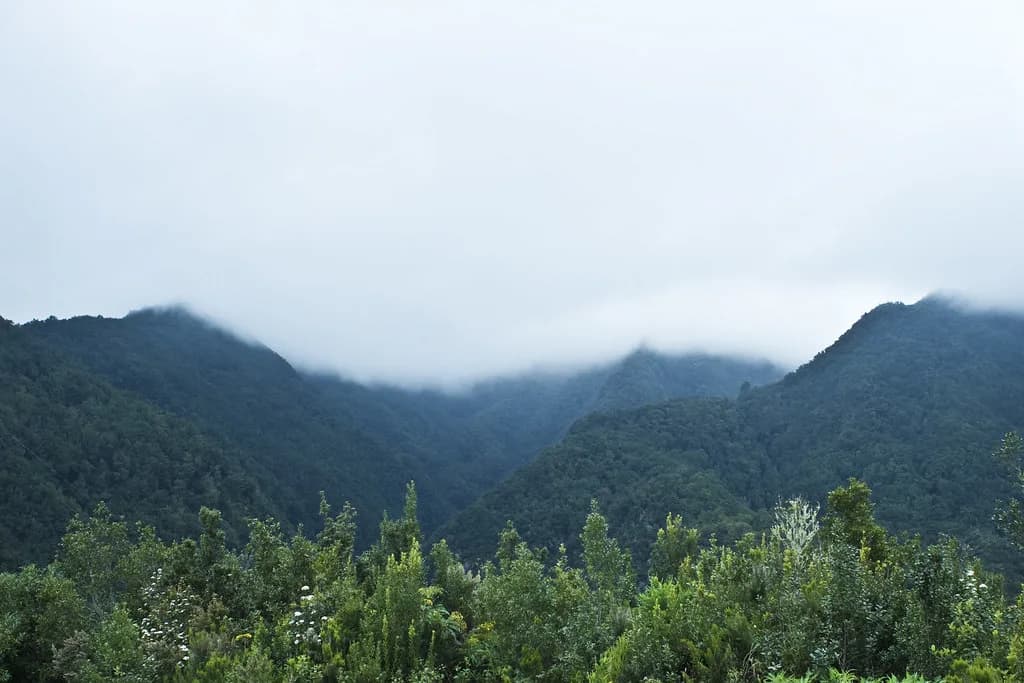
The same winter week can feel sunny in Puerto Naos and cool and damp in Santa Cruz, because the northeast trade winds pile cloud against the island's central ridge and the west side stays drier and brighter. Travelers who want maximum sun should base themselves low on the west coast, roughly below 300 meters, in the belt between Puerto Naos and Tazacorte.
Rain in winter tends to come in short spells rather than all-day drizzle, often when westerly systems push in between October and April. When cloud sits over your base, driving a few kilometers to a sunnier corner of the island is a normal local response, and the island's webcams help you find the clear side.
Altitude matters as much as coast: temperatures drop about 1°C for every 100 meters climbed, so a 20°C afternoon in Puerto Naos becomes roughly 14°C in El Paso above 600 meters. That split explains why a single winter day can be a T-shirt walk by the sea and a jacket hike in the hills.
Snow, Calima and Mountain Conditions on Roque de los Muchachos
Snow on La Palma is possible but confined to winter and to altitudes above roughly 2,000 meters, where the Roque de los Muchachos often wears a white cap at over 2,400 meters. Sea-level resorts never see it, so a snow sighting means a drive up, not a walk out of your door.
Occasionally the hot, dusty Calima wind brings Sahara sand from the east, reducing visibility and pushing temperatures high even in winter. The mildest place during a Calima is at sea level, where the ocean tempers the heat, and the event usually clears after a few days.
Swimming, Snorkelling and Diving in Winter
Diving runs year-round on La Palma, with good visibility and lava formations, archways and canyons beneath the surface. Most dive sites lie off the southern part of the island, and beginners can start at the sheltered house reef at Arrecife de la Casa, where the reef sits around 50 meters from shore.
Swimmers should treat the Atlantic with respect: on days with high waves or currents, the official beaches fly yellow or red flags, and a red flag means staying out. This happens rarely, but when it does, swap the swim for a walk or a museum.
The black-sand beaches of the west coast, around Puerto Naos and Tazacorte, are where you will find the warmest, sunniest winter afternoons. Sunscreen matters even in winter, because the island's southern latitude makes the light stronger than most of Europe's.
What Stays Open and What Scales Back
The core sights keep running through winter: the laurel forest at Los Tilos, the observatory tours, the diving schools and the trails of the Caldera de Taburiente all feature on winter itineraries. Visitor centers and tour operators set their own winter timetables, so it is worth contacting them directly the day before you go.
Restaurants in the smaller villages may keep shorter hours and some close for a week or two after the holidays, so a phone call ahead is sensible in January and February. The bigger towns, including Los Llanos and Santa Cruz, keep a steadier supply of places to eat.
Hiking in the Laurel Forest at Los Tilos and Charco Azul
The UNESCO Biosphere Reserve around Los Tilos is a winter highlight: damp laurel forest, tunnels cut through rock, waterfalls and rare endemic plants, all in the green north of the island. Start at the Los Tilos information center and follow the paths through the ravines, keeping a rain jacket handy because this side of the island catches the trade-wind cloud.
After the hike, drive down to San Andrés y Sauces and the natural pool at Charco Azul, where you can cool off in sheltered seawater. It is a good half-day pairing for a cloudy morning on the east side, when the west coast may still be sunnier.
The Route of the Volcanoes and Caldera de Taburiente in Winter
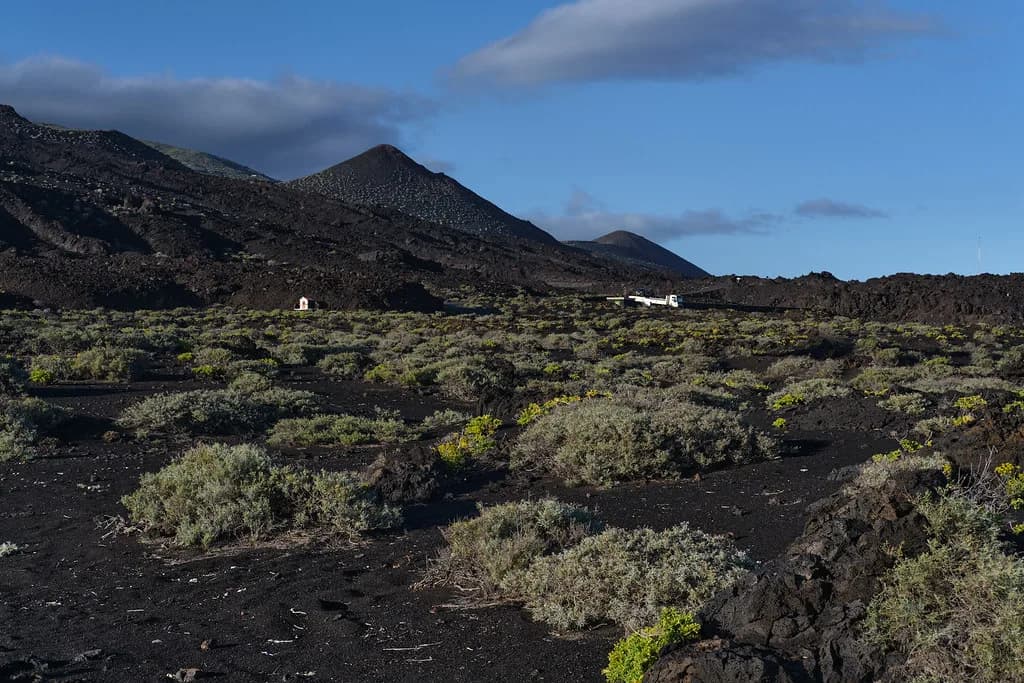
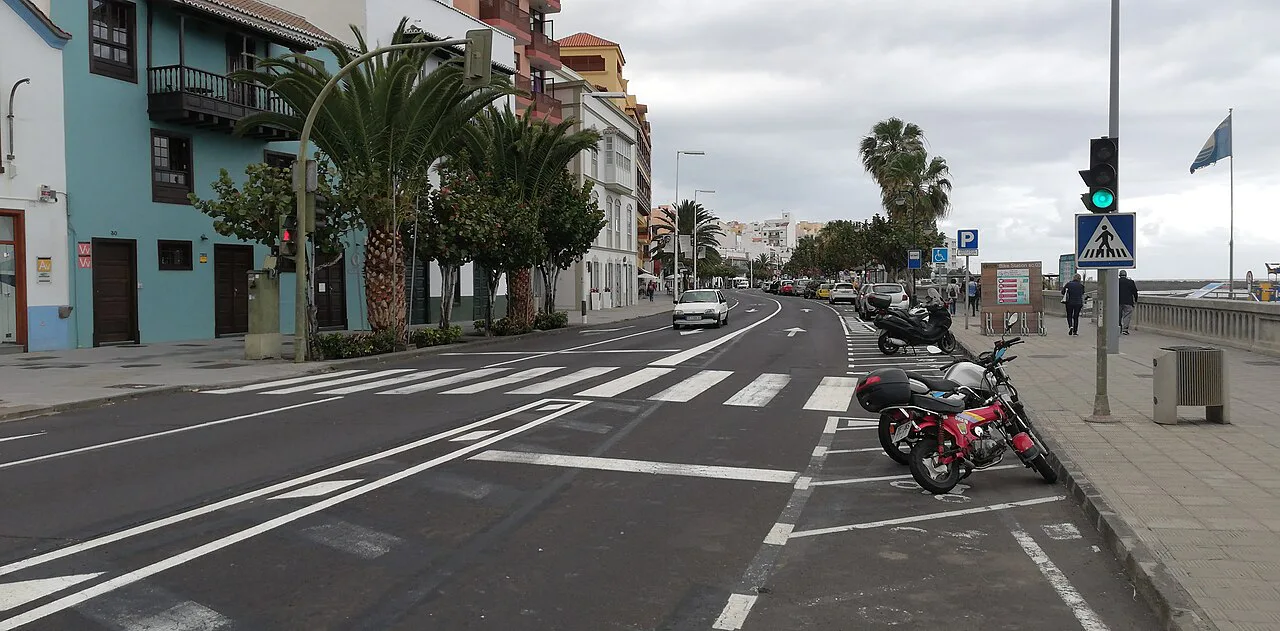
The Route of the Volcanoes runs through three zones, from the Caldera de Taburiente in the center to Cumbre Nueva and Cumbre Vieja in the south, and the landscape changes sharply between them. The caldera itself is a vast erosion crater about 6 miles across and 2,000 meters deep, reached by road from Santa Cruz in around half an hour.
Winter is a good time for these trails because the heat is gentler, but the mountains are colder and wetter than the coast, so layer up and carry rain protection. Guided day trips, e-bike tours and horseback rides offer alternatives if you would rather not navigate the trails yourself.
Stargazing and the Roque de los Muchachos Observatory
La Palma's clear skies and low light pollution make it one of the world's great stargazing destinations, and winter nights are long enough to make the most of it. The Roque de los Muchachos Observatory sits high on the ridge, where the Gran Telescopio de Canarias offers guided daytime tours.
In the evenings, group and private stargazing tours run to viewpoints across the island, and some packages combine a solar observation session, wine tasting and an astronomy talk. Book ahead for winter dates, because clear nights are the main attraction and groups are small.
Santa Cruz de La Palma: Balconied Streets, the Market and the Naval Museum
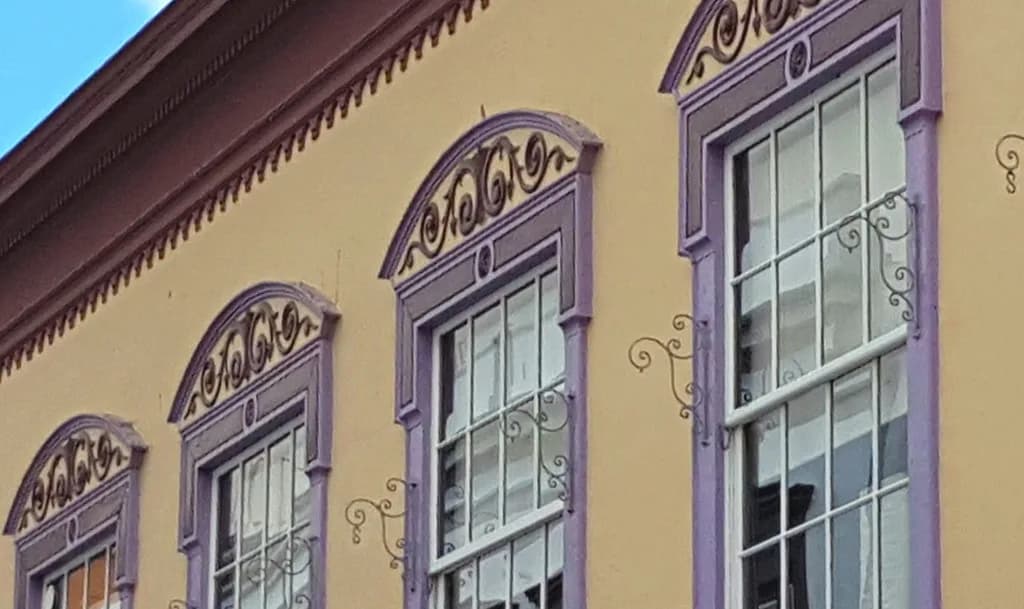
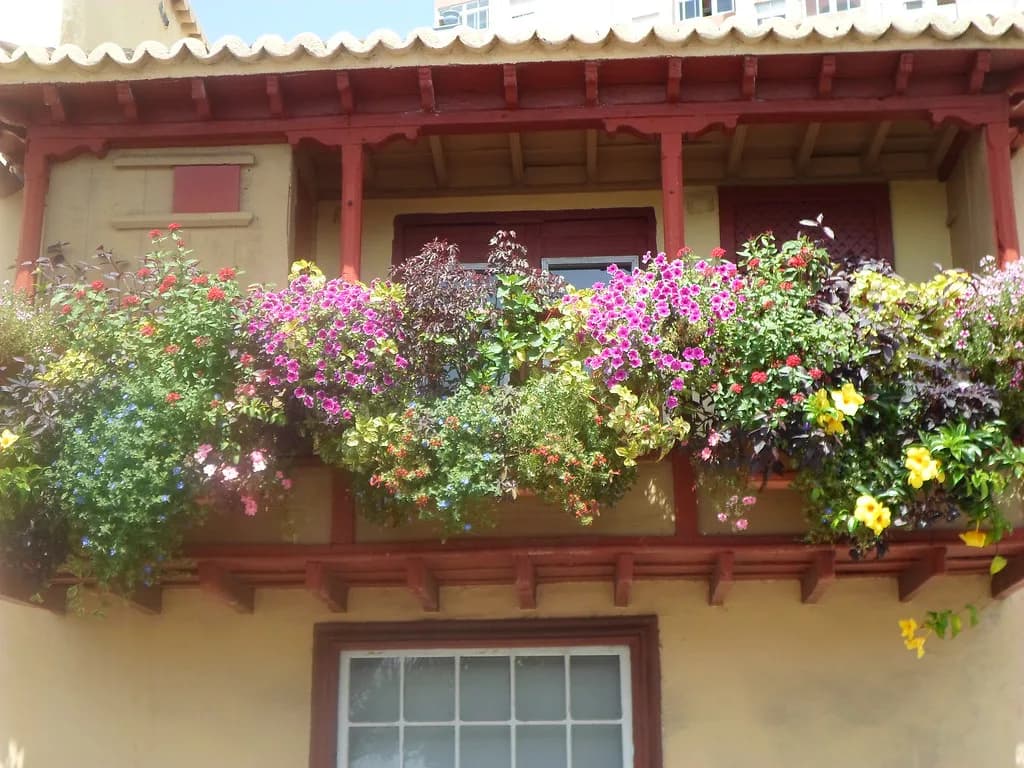
Santa Cruz de La Palma packs a lot into a small capital: streets of wooden balconies in ochre, apricot and blue, Plaza de España with its Renaissance architecture and the 16th-century Iglesia del Salvador. The working Silk Museum and the market in a former hospital give you a taste of the island's trading past, with local produce and sugarcane juice on offer.
Down at Plaza de la Alameda, a replica of the Santa María houses the Naval Museum, with charts, model ships and navigational instruments. It is an easy winter afternoon indoors when cloud comes over the east coast.
Christmas and Epiphany on the Island
Christmas Day falls on Friday 25 December 2026 and New Year's Day on Friday 1 January 2027, with Epiphany on Wednesday 6 January 2027. Expect family-focused celebrations, quieter streets on the public holidays and small festive gatherings in the main towns; Christmas here is a local family affair rather than a major visitor draw.
Puerto Naos, Tazacorte and the Black-Sand West Coast in Winter
Puerto Naos and Tazacorte are the heart of the winter sun belt, with black-sand beaches, seafront restaurants and a laid-back pace. The west coast below 300 meters is where the island's winter sun is most reliable, which makes these towns a sensible base if beach afternoons matter to you.
Food to Seek Out in the Cooler Months
Canarian cooking suits winter appetites: slow-cooked stews, wrinkled potatoes with mojo, fresh fish and the island's sweet bananas. Seafront spots in Puerto Naos and Tazacorte serve grilled fish and rice dishes, while the hill towns offer heartier fare and local wine.
Day Trips and How to Move Around the Island
A rental car gives you the flexibility to chase the sun and reach trailheads, since public buses are limited and mountain roads are winding. Allow extra time in winter for cloud, wet roads and the occasional Calima, and check road conditions before heading up to the observatory.
The island is compact enough that most places are within an hour's drive, so a day can combine a morning hike at Los Tilos with an afternoon on the west coast. If you want a wider regional comparison, Spain in winter or Mallorca in winter offer very different winter experiences to weigh against a Canary Island trip.
Crowds, Prices and Short Days: The Honest Trade-Offs
La Palma stays quiet in winter, with few crowds at viewpoints and trails and easier tables at restaurants. That calm comes with shorter daylight hours, cooler evenings and the risk of cloudy or wet spells, which can put paid to a beach day at short notice.
Travelers seeking guaranteed heat and a lively winter scene should look at Tenerife or Gran Canaria instead, where resorts stay busier and warmer. La Palma rewards those who value nature, silence and dark skies over nightlife and pool bars.
Who Should Go in Winter and Who Should Pick Another Month
This island suits hikers, stargazers, divers and slow travelers who want mild days, empty trails and a genuine sense of escape. It is less suited to families wanting guaranteed beach weather or travelers who need a busy restaurant and bar scene.
If you want the warmest, driest odds and longer evenings, late spring or early autumn is a better bet; if you want the full bloom of island life and a little more warmth, look at La Palma in March. Winter visitors should plan around short days, keep plans flexible and pack layers for the mountains.
Plan Your Winter Trip to La Palma
La Palma in winter is a quiet, green escape with mild coastal days, cold mountain nights and some of the best stargazing in Europe. Book early for clear-night tours, base yourself low on the west coast for sun and keep a car for chasing the brighter side of the island.
Expect short daylight, occasional rain and a low-key festive season, and you will find a Canary Island that feels far from the resort crowds. For travelers who value nature and silence over nightlife, winter is a rewarding time to go.
Explore more La Palma winter guides
Frequently Asked Questions
Is La Palma colder than Tenerife in winter?
La Palma tends to be a little cooler and greener than Tenerife, because the trade winds bring more cloud to its north and east. Coastal days still reach around 21°C (70°F), so the difference is modest, but the island has a wetter, more mountainous feel.
How hot is La Palma in December?
Typical December days reach around 22°C (72°F) with nights near 15°C (59°F) and about five hours of sunshine. Sea temperatures hover around 20°C (68°F), which is swimmable with a wetsuit or for the hardy.
Is La Palma hot in January?
January days are mild rather than hot, typically around 21°C (70°F), with nights near 14°C (57°F). The sea sits around 18-19°C (64-66°F), and the mountains are noticeably colder than the coast.
Is La Palma warm in February?
February brings days around 21°C (70°F) and nights near 14°C (57°F), with about six hours of sunshine. The west coast below 300 meters is the warmest, sunniest zone, while the hills can feel cool and damp.
Can you swim in La Palma in winter?
Yes, the sea stays around 18-20°C (64-68°F), so many swimmers use a wetsuit. Watch for yellow and red flags on days with high waves or currents and stay out of the water when a red flag is flying.
Does it snow in La Palma?
Snow is possible only in winter and only above roughly 2,000 meters, where the Roque de los Muchachos can wear a white cap. Sea-level resorts never see snow, so a sighting means a drive up to the mountains.
What is there to do in La Palma in winter?
Winter is ideal for hiking the laurel forest at Los Tilos, exploring the Route of the Volcanoes, stargazing at the Roque de los Muchachos observatory, diving, and wandering the balconied streets of Santa Cruz. The west coast offers the sunniest beach afternoons.
Sources
Winter travel notes
Optional updates when we add or revise winter guides.
You might also like
Continue reading
More guides you'll find useful