La Palma in March: Weather, What's Open and What to Do
La Palma in March brings mild days, roughly eight hours of sun and quiet trails. Here is what the weather, walking and crowds are really like.
On this page
March on La Palma is the island's quiet handover from winter to spring. Coastal towns like Santa Cruz de la Palma and Los Llanos de Aridane feel mild and walkable, while the high mountain above still behaves like winter, so the same week can give you a warm seafront lunch and a cold, windy summit. It suits travelers who want hiking, laurel forest and big landscapes without summer heat or summer crowds, and less so anyone hoping for reliable beach weather.
The month's deciding factor is walking conditions rather than swimming. Trails are at their most comfortable before the spring and summer walkers arrive, and the trade-off is variability: the humid north, the sunnier south and the high mountain each behave differently on the same day. Build your plan around one or two big walks and keep a lower-altitude option in reserve for the day the summit cloud comes in.
Weather in March
Expect spring-like rather than summery conditions. March averages on La Palma sit roughly between 17°C and 21°C (about 63–70°F), with around 30 mm of rainfall across the month and roughly eight hours of sunshine per day, so a typical visit mixes bright spells with a few wet interruptions rather than all-day rain.
Day-by-day figures for the island show March highs mostly in the mid teens Celsius and overnight lows around 8–12°C (46–54°F) in coastal locations, which is comfortable for walking but cool enough for a jacket in the evening. Treat these as long-term averages and seasonal norms, not a forecast, and look at the short-range outlook in the final week before you fly.
Altitude changes everything. Roque de los Muchachos and the rim of the Caldera de Taburiente sit far above the coast, where March temperatures drop sharply, wind picks up and snow or ice can still appear on the highest ground. Plan summit days flexibly and keep a coastal or mid-altitude walk as your fallback if the mountain is closed in by cloud.
How March Compares with February and April
March is the month when La Palma shifts from a winter island to a spring one. February still carries the island's coolest, wettest feel and the tail of the winter season, while April is warmer and busier, with Easter some years pulling in more visitors. March sits in between: mild enough for long walks, quiet enough that trailheads and miradores are not crowded.
La Palma is greener and cooler than Tenerife and Gran Canaria in the same month, a difference that comes from its exposed northwesterly position and its high central ridge rather than from any lack of sun. If your priority is guaranteed heat and swimming, the eastern Canaries are the better bet; if you want cloud forest, empty paths and dramatic scenery, La Palma's March conditions work in your favor.
Sea Temperature and Swimming in March
The Atlantic around La Palma stays cool through March, and the water is generally a few degrees below the air temperature on the coast, so swimming is for the hardy rather than the typical visitor. Sheltered coves in the south and west warm fastest, and a wetsuit makes snorkeling or a short dip far more pleasant.
Beach time in March works best as a short interlude within a walking day rather than the main event. Charco pools and natural swimming spots can be affected by winter swells, so watch conditions and follow local signage on the day rather than committing to a specific swim spot in advance.
Crowds and Prices in March
March on La Palma is shoulder season in the truest sense: accommodation and car hire are generally easier to secure than in summer, and the island feels calm. The rhythm of the month is shaped by Carnival in the first days of March in some years and by Easter timing, since Easter Sunday falls on 28 March 2027, meaning Holy Week runs 21–28 March 2027 and that final week will be noticeably busier than the rest of the month.
If you can travel in the first three weeks of March, you get the quietest trails and the most flexibility. If your dates land in Holy Week, book car hire and any popular accommodation early, since the Easter week is the busiest stretch of the island's spring.
What Is Open in March
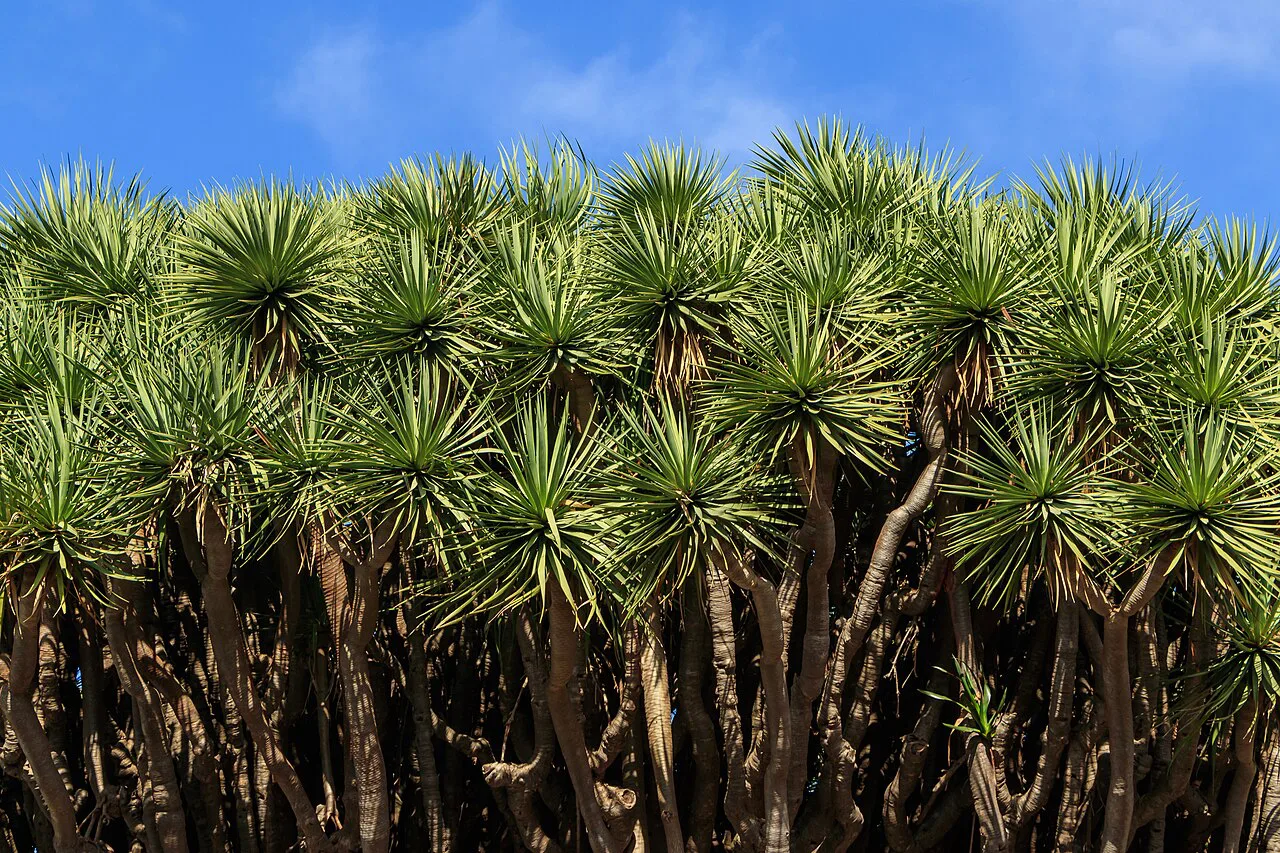
The core of the island stays open year-round: the Caldera de Taburiente National Park, the laurel forests around Los Lilos, the network of signposted trails, and the towns of Santa Cruz de La Palma and Los Llanos de Aridane. Visitor centers and the national park's information points operate on their standard schedules, which can differ between weekdays and weekends and can change at short notice, so confirm details before relying on a specific opening.
Mountain access is the one thing worth checking seriously. The road to Roque de los Muchachos and the observatory area can be affected by snow, ice or wind in March, and access may be restricted on the day. Plan your summit visit for the middle of your trip so you have another day to reschedule if the weather shuts the road.
Things to Do in March
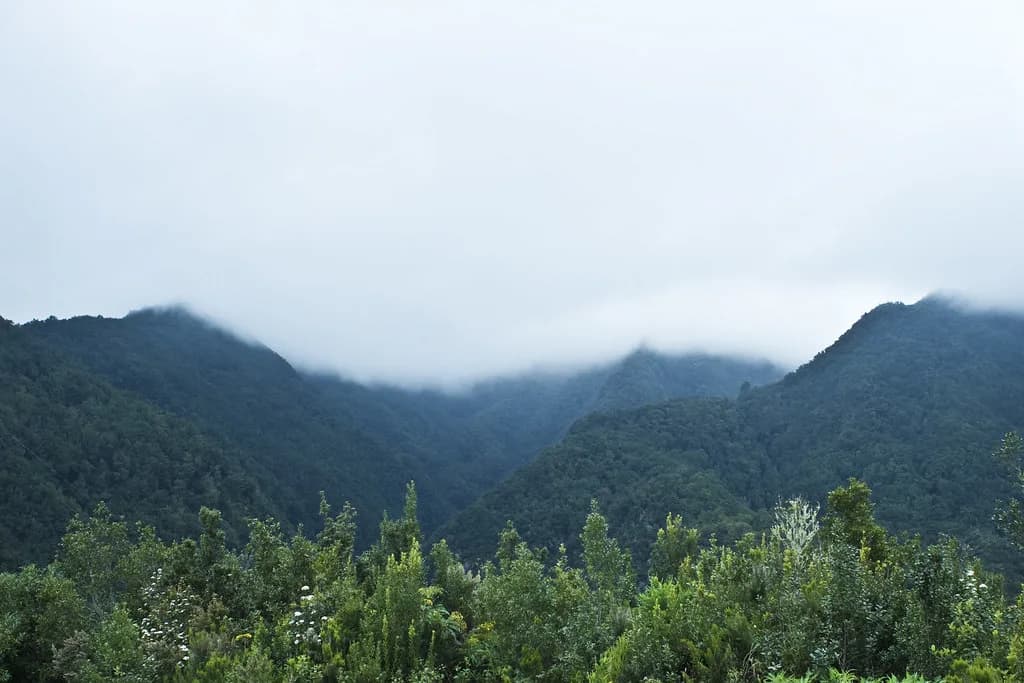
Walking is the reason to come in March. The Caldera de Taburiente National Park offers some of the island's most dramatic terrain, with trails dropping into a vast erosion crater and a network of paths suited to different fitness levels. The Cubo de la Galga and Los Tilos laurel forests in the north are lush, misty and at their best in spring, when the vegetation is green from winter rain.
On the high mountain, Roque de los Muchachos delivers one of Europe's great viewpoints, with the observatory domes strung along the ridge and the Caldera below. Clear March nights can give exceptional stargazing, since La Palma is a certified dark-sky destination, but summit weather changes fast, so go early in the day and carry warm layers.
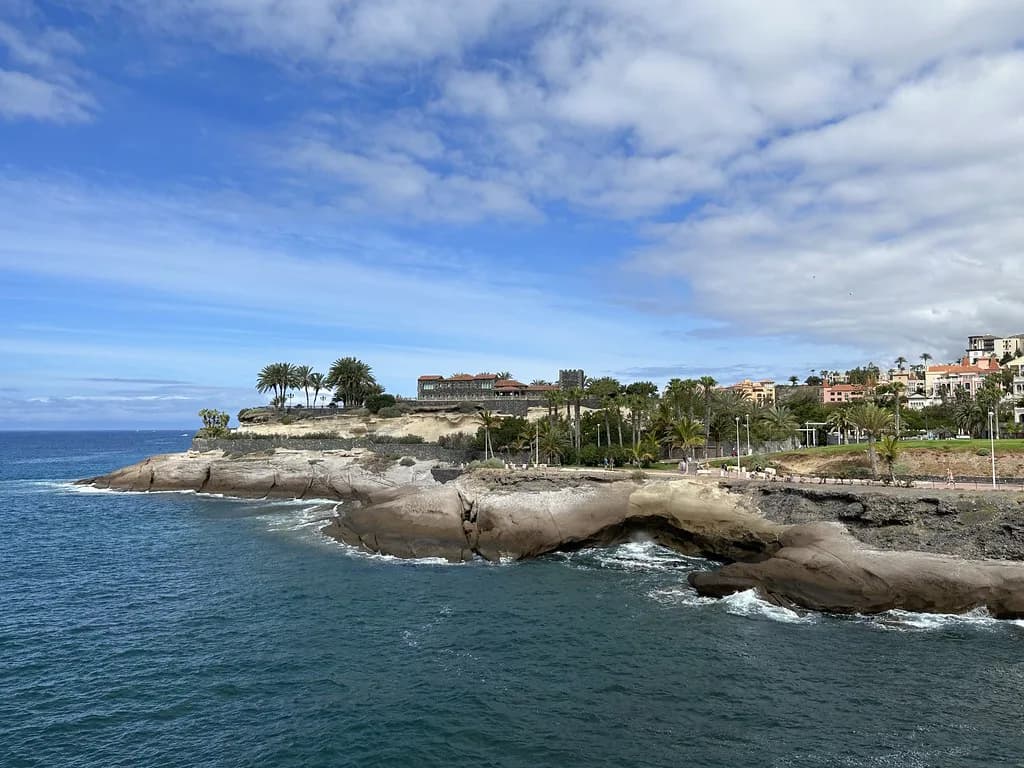
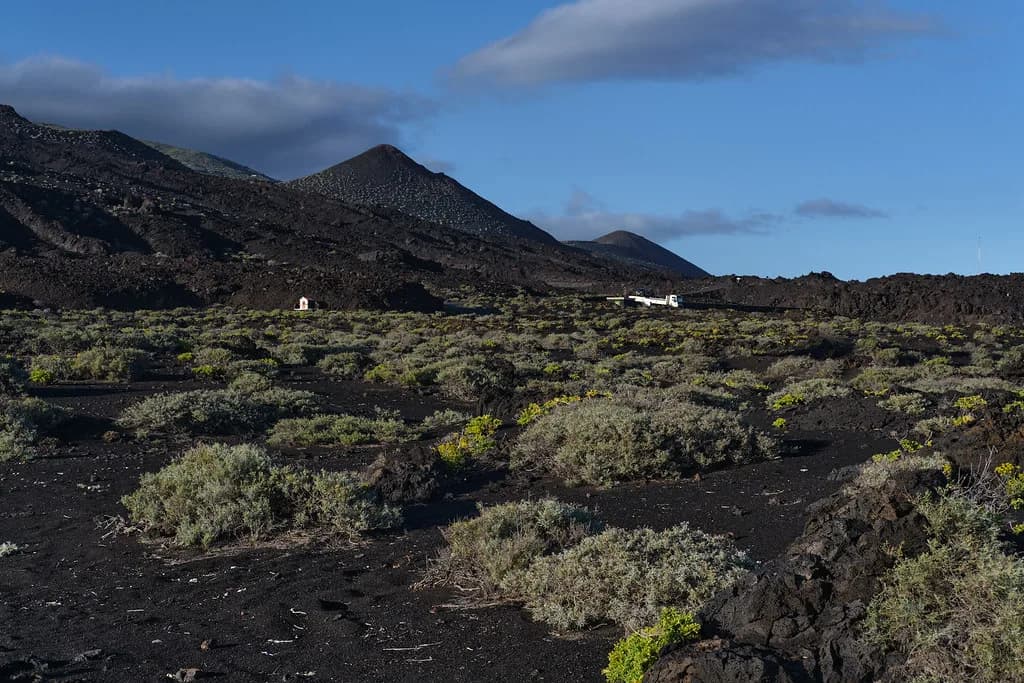
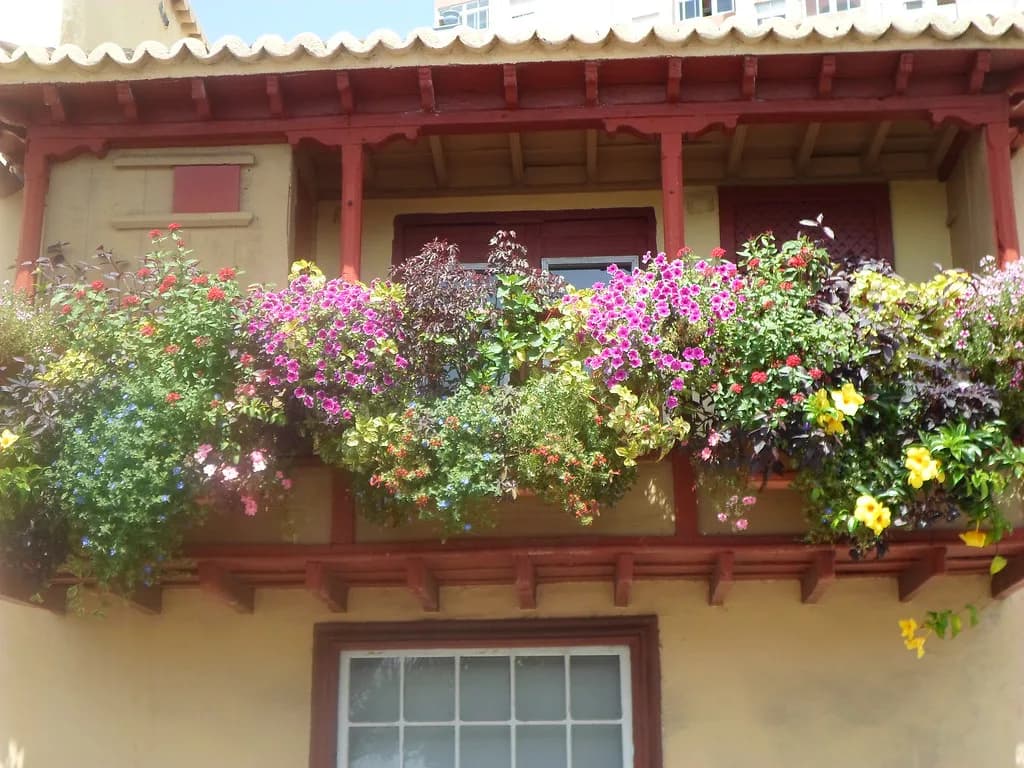
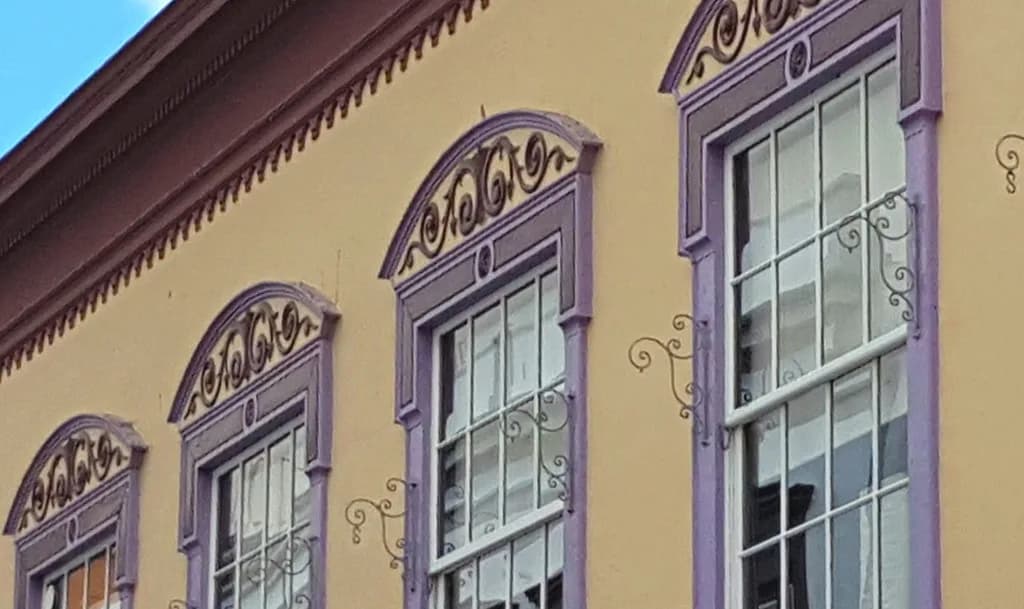
On the coast, Santa Cruz de La Palma is a compact, handsome town of balconied houses, a seafront promenade and small museums that make a good wet-day plan. Coastal walks around Puerto Naos, Tazacorte and the northern shore suit days when the mountain is clouded in, and the island's volcanic south with the recent lava flows is a landscape worth seeing on its own terms.
Food and Drink in March
La Palma's table is mountain food with Atlantic additions: goat and sheep cheeses, mojo sauces, fish from the harbor, and the famous almendrados almond sweets sold in local pastry shops. March is a good month for hearty, unhurried lunches in Los Llanos de Aridane or Santa Cruz de La Palma, where the winter menu still feels right.
Local wines from the island's small bodegas pair well with the food, and a visit to a producer near Fuencaliente or the north is a calm way to spend a cloudy afternoon. Opening hours for small producers vary, so check current hours and arrange tastings ahead of time.
Day Trips and Getting Around in March
La Palma is compact enough that most of the island works as a day trip from a single base. Santa Cruz de La Palma in the east, Los Llanos de Aridane in the west and the northern village of Los Sauces are all linked by a road network that winds over the central ridge, so allow more time than the distance suggests.
A rental car gives you the most freedom in March, when you want to chase clear weather up or down the island. Buses connect the main towns, but services are thinner than in summer and less convenient for trailheads. Check ferry schedules with Fred. Olsen Express or Naviera Armas if you are planning to hop to Tenerife or La Gomera, since March crossings can be affected by Atlantic swells.
Who March Suits and Who Should Pick Another Month
March suits walkers, photographers and travelers who value quiet over guaranteed sunshine. It rewards people who are happy to adapt their plan to the mountain weather and who want the island's greenest, most atmospheric version, with the laurel forests at their best and the trails empty.
Choose another month if reliable beach weather is the point of your trip, since March sea temperatures keep swimming cool, or if you need every day to be dry, because the north and the mountain will still give you wet, windy days. Travelers who want the island's biggest festival atmosphere should look at Carnival or Holy Week dates and expect the island to be busier and costlier then.
Plan Your Trip
March is one of the smartest months for a walking-focused visit to La Palma, with mild coastal days, quiet trails and the island's green landscapes at their best. Plan around one or two major walks, keep a coastal fallback for mountain weather days, and leave room to reschedule a summit visit.
Travelers comparing options in the Canary Islands should look at the broader picture before committing: if you want the island's full winter mood, read more on what to expect across the season, and if your dates are flexible, weigh the milder, busier months against March's quieter, more changeable conditions.
Explore more La Palma winter guides
Frequently Asked Questions
Is it worth going to La Palma in March?
Yes, if you are going for walking, scenery and quiet rather than beach weather. March gives mild coastal days, roughly eight hours of sunshine and trails that are far quieter than in summer, and the island's laurel forests are at their greenest. The trade-off is changeable weather, especially in the north and on the high mountain, so plan around the conditions rather than a fixed daily schedule.
What is the weather like in La Palma in March?
Typical March conditions range from about 17°C to 21°C (63–70°F) with around 30 mm of rain spread across the month and roughly eight hours of sunshine per day. Coastal overnight lows sit around 8–12°C (46–54°F). These are long-term averages, not a forecast, and the high mountain above Roque de los Muchachos is considerably colder and windier, with snow or ice still possible.
Can you swim in La Palma in March?
The Atlantic is cool in March, generally a few degrees below the air temperature, so swimming is for hardy visitors rather than the average traveler. Sheltered coves in the south and west warm fastest, and a wetsuit makes a short dip or snorkel much more comfortable. Treat swimming as a brief part of a walking day rather than the main plan.
Is La Palma colder than Tenerife in March?
La Palma is generally cooler and greener than Tenerife in March because of its exposed northwesterly position and its high central ridge. That makes it better for hiking and forest scenery than for reliable heat. If guaranteed warmth and easier swimming are the priority, the eastern Canaries are the safer choice.
When is Easter in 2027 and will it affect a March visit?
Easter Sunday falls on 28 March 2027, so Holy Week runs 21–28 March 2027. A late-March visit can overlap the busiest week of the island's spring, with more demand for car hire and accommodation. Traveling in the first three weeks of the month gives you the quietest trails and the most flexibility.
Do I need a car in La Palma in March?
A rental car gives you the most freedom, especially when moving between the coast and the mountains to find clear weather. Buses link the main towns but run less frequently than in summer and are less convenient for trailheads. If you plan to use ferries to Tenerife or La Gomera, check the schedule directly.
What should I plan to do in La Palma in March?
Focus on walking: the Caldera de Taburiente National Park, the laurel forests at Los Tilos and Cubo de la Galga, and coastal paths around Puerto Naos and Tazacorte. The summit viewpoint at Roque de los Muchachos is a highlight on a clear day, and Santa Cruz de La Palma's museums and promenade make a good wet-day plan. Food and small wine producers fill out quieter afternoons.
Is March busy on La Palma?
March is shoulder season, so the island is generally calm for most of the month, with easier car hire and accommodation than in summer. The exception is Holy Week, which in 2027 runs 21–28 March and brings a noticeable rise in visitors. Booking early for that final week makes a real difference.
Sources
Winter travel notes
Optional updates when we add or revise winter guides.
You might also like
Continue reading
More guides you'll find useful